When to Apply Lime to Lawn: Timing and Calculation for Best Results
When to apply lime to lawn depends mostly on your soil’s pH level. Aim to add lime only when your soil tests below about 6.5. Usually, that happens every 2 to 3 years.
Spring and fall work best for liming, especially if you need a lot. Splitting the lime dose during these seasons helps it react well without stressing the grass. Water the lawn right after spreading to move lime into the soil and avoid leaf burn.
Start with a soil test to know how much lime you need exactly. Applying too much lime can cause other problems, so follow the test results carefully. Let the lime settle for a few weeks before using fertilizers or other treatments.
Key Takeaways
- Test soil pH every 3 to 5 years to decide if lime is needed.
- Apply lime when soil pH drops below 6.5 for best lawn health.
- Split lime application between spring and fall for amounts over 50 pounds.
- Water with 0.25 inches of irrigation immediately after applying lime.
- Adjust lime amount based on calcium carbonate equivalent (CCE) of the product.
- Allow 2 to 3 weeks after liming before fertilizing or using pesticides.
When Is the Best Time to Apply Lime to Your Lawn?
Applying lime in fall works best for your lawn’s health. Warm soil helps lime react better.
Rain or melting snow moves lime into the soil. This boosts spring growth by fixing soil pH through winter.
In regions with cool-season grasses like Kentucky Bluegrass or Tall Fescue, early to mid-fall is ideal. Applying lime between September and October aligns with your lawn’s natural growth cycle. Warm-season grasses like Bermuda and Zoysia need lime later.
Late winter to early spring matches their growth cycle. This timing makes lime more effective for these grasses.
Applying lime in early spring is a good backup if you missed fall. Spring rainfall helps activate lime, though the soil reaction is slower. Don’t apply lime in summer.
Heat can stress your lawn badly. Wilted or dry grass may get damaged from lime then.
Never apply lime when the ground is frozen, snow-covered, or your lawn is dormant. Lime can wash off with snowmelt or fail to absorb into the soil properly. Let the soil thaw first before liming.
Apply lime when grass starts to grow again. This timing gives the best lawn improvement.
A helpful rule is to apply lime four weeks before your lawn’s active growing phase. This timing allows lime to change soil chemistry just as roots begin taking up nutrients.
After spreading lime, immediately water your lawn lightly with about 0.25 inches of irrigation. This helps move lime off grass blades and into the soil to avoid leaf burn.
Keep in mind that lime doesn’t fix soil quickly. It often takes a few months through fall and winter to see pH changes. Your soil type and rainfall affect how often to lime.
You may need to reapply lime every two or three years. This keeps your soil pH balanced for healthy grass. Use soil tests to check pH before each lime application.
How to Know If Your Lawn Needs Lime: Soil Testing Essentials
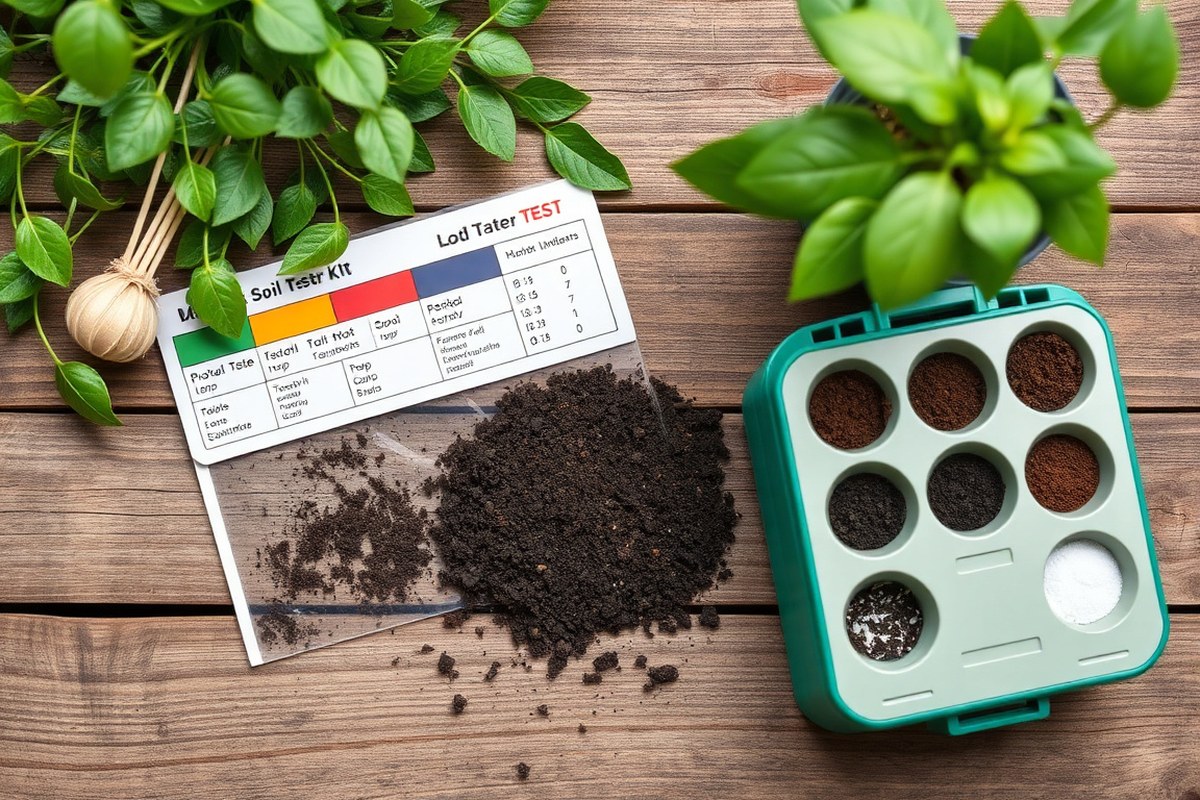
Your lawn needs lime only if a soil test shows the pH is below about 6.0. Testing your soil every 2 to 3 years helps track pH changes. You can use home kits or send samples to labs to get accurate results.
Collecting Soil Samples Correctly
To get an accurate soil test, gather several small samples from your lawn. Sampling at the recommended depth helps show the real pH your grass roots experience. Mixing samples gives a representative result for the area you want to treat.
- Choose 10 to 15 spots scattered across your lawn.
- Use a soil probe or a small shovel to dig about 3 inches deep.
- Remove a thin slice or core of soil from each spot.
- Combine all these slices in a clean bucket.
- Mix the soil thoroughly to create a single, uniform sample.
- Let the soil air dry for a day or two if it’s wet.
- Place about a cup of this mixed soil in a clean container or bag.
- Label it with your contact info and the lawn area to test.
Don’t include debris like grass, roots, or stones in your soil sample. It will affect test results.
Using Home Soil Test Kits
Home kits offer a quick way to check soil pH. They cost around $10 to $20 and come with simple instructions to test soil samples. Kits often include color charts to compare after mixing soil with a test solution.
Follow the package directions carefully to avoid common mistakes. Usually, you mix soil with water or a chemical indicator and watch the color change. The shade on the chart tells you the pH value roughly.
Home tests may not give exact lime recommendations but can tell if your soil is acidic. If your soil pH is below 6.0, consider a professional test for precise lime amounts.
Interpreting Soil Test Results
Your soil test will show the soil pH number. Most grasses grow best between pH 6.0 and 7.0. Values below 6.0 signal acid soil that likely needs lime.
Test results usually recommend how many pounds of lime to apply per 1,000 square feet. For example, if pH is 5.5, you might need about 50 pounds of lime. More acidic soils may require higher amounts split between spring and fall applications.
Plan a soil retest every 3 to 5 years or after heavy liming. Adjust lime use based on those new results. Avoid adding lime without test confirmation to prevent over-liming.
Calculating the Correct Amount of Lime to Apply
To find the right lime amount, check your soil test in pounds. The recommendation is per 1,000 square feet. Use this as your starting point.
Adjust this based on the calcium carbonate equivalent (CCE) of your lime product. Use this formula: product amount equals lime needed divided by CCE times 100.
This helps prevent applying too much or too little lime. Always calculate before spreading lime.
Understanding Calcium Carbonate Equivalent (CCE)
Calcium carbonate equivalent measures how effective your lime is compared to pure calcium carbonate. A product with 80% CCE works at 80% strength compared to pure lime. So, it takes more of this product to treat your soil.
You have to apply extra product to get the same effect. This matches the soil test’s recommendation for pure lime. Follow the math to get the right amount.
Different lime types have different CCEs. For example, dolomitic limestone often has a CCE between 70% and 95%. Burned and hydrated lime have higher CCE values but are harder to use.
They can also be risky to handle safely. Use protective gear if applying these lime types.
Calculation Formula for Lime Application
Take the pounds of pure calcium carbonate your soil test recommends per 1,000 square feet. Divide this number by the CCE percentage of your lime product, then multiply by 100. For example, your test says 75 pounds of lime.
With 80% CCE, divide 75 by 80, then multiply by 100. You get 93 pounds to apply.75 pounds.
Convert this to bags based on the bag weight. Bags weigh 40 pounds each. Divide 93 by 40 to figure out how many bags to use.
This tells you how many full bags to buy.75 by 40, which equals about 2.34 bags. You can round up slightly but avoid heavy overapplication. You usually apply lime once per growing season unless the soil is very acidic.
Splitting Applications for Large Requirements
Split heavy lime applications over two months if your test calls for over 50 pounds. This helps protect your lawn from stress and nutrient issues. Try half in fall and half in winter instead of once.
This approach helps lime react gradually with the soil and reduces runoff risks. Spreading lime in two steps lets you retest soil pH after the first.
Then, you can adjust the second application if needed. This avoids lime overuse or underuse.
Types of Lime and Their Effects on Lawn Soil
Choosing the right lime depends mostly on your soil test and ease of use. Calcitic lime has most calcium. Dolomitic adds magnesium, which is best for lawns low in that nutrient.
Powdered lime works quickly on your lawn. It creates a lot of dust.
It can be hard to spread evenly with a home spreader. Pelletized lime is easier to spread and safer for pets but works slightly slower.
Liquid lime provides a quick, temporary pH boost. However, it doesn’t fix the soil deeply or last long like solid lime does.
Use liquid only for a short-term lift, not as a substitute for ground lime. Applying liquid lime can be handy in tight spots but usually costs more per treatment.
| Type | What It Is | Speed | Best For |
|---|---|---|---|
| Ground (Powdered) Limestone | Finely crushed limestone | Fast (3-4 weeks to react) | Large areas, lowest cost, dustiest |
| Pelletized Limestone | Ground limestone pressed into pellets | Fast once dissolved | Homeowners with spreader, less dust |
| Dolomitic Limestone | Calcium and magnesium carbonate mix | Slow | Soils low in magnesium |
| Calcitic Limestone | Mostly calcium carbonate | Varies, usually faster than dolomitic | Normal magnesium soils |
| Liquid Lime | Suspended lime in liquid form | Immediate but temporary | Short-term correction, tight areas |
Powdered lime costs less but can cause uneven spreading and dust mess. Pelletized lime costs a bit more and takes longer. But it spreads evenly and settles better.
Dolomitic lime suits lawns needing magnesium but takes longer to improve soil pH. Calcitic lime is your go-to for typical lawns unless the soil test shows magnesium is low.
Use a rotary spreader for pelletized lime; it flows through better than powdered. After spreading any lime, water your lawn to help it soak into the soil.
Avoid spreading lime on wet grass to prevent clumping and patchy coverage. Keep pets away during and right after spreading, especially with powder, as dust can irritate.
Step-by-Step Guide to Proper Lime Application
Applying lime properly helps your lawn absorb nutrients better and reduces soil acidity. You should prepare the lawn, spread lime evenly, then water it to prevent leaf burn. Follow the right steps to get the best results safely and effectively.
Preparing Your Lawn Before Application
Start by checking if your soil needs lime with a test. You have a warm-season lawn. Dethatch and aerate it in late spring.
Then decide if you want to lime now or in fall. Aeration lets the lime reach deeper soil layers and improves absorption.
Remove debris and mow your lawn to a moderate height. A clean, even surface helps lime spread more evenly. Avoid liming when the lawn is wet because lime can clump and not distribute well.
Spreading Lime Evenly
Use a fertilizer spreader to apply the lime. Pelletized lime spreads easily and makes less dust than powdered lime.
Powdered lime reacts faster but creates dust. It can be hard to spread evenly.
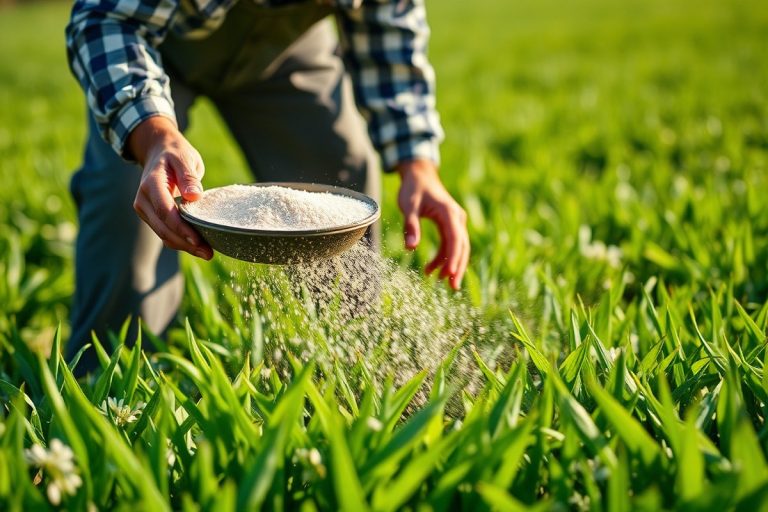
Apply lime in a cross-hatch pattern. Spread half the lime in rows lengthwise first. Then spread the rest across the first rows.
This makes sure it’s even. This method helps cover every part and prevents gaps.
- Calculate the amount of lime your soil test recommends.
- Load the lime into a properly calibrated spreader for even flow.
- Apply half the lime walking back and forth along your lawn’s length.
- Apply the other half walking side to side across the lawn width.
- Check for missed spots and touch them up carefully.
Don’t overfill the spreader or spread lime on windy days. It creates dust and uneven coverage.
Watering and Post-Application Care
Immediately after spreading lime, water your lawn for 15 to 20 minutes. This rinses lime off grass blades and prevents leaf burn. It also helps lime move into the soil.
Avoid combining lime with fertilizer in the same application unless the products specifically say it’s safe. Some fertilizers can react badly with lime and reduce effectiveness.
Wait a few weeks after liming to apply fertilizer for best nutrient uptake. Follow your soil test schedule for re-testing to track pH changes and soil health.
How Long Does It Take Lime to Work and What to Expect
Lime works slowly to change soil pH, usually taking 6 to 12 months. It must mix with moisture and soil to become active. You won’t see greener grass right away because the soil needs time to adjust.
Applying lime in fall gives it plenty of time to break down before the growing season. That slow change helps grass use nutrients better next spring. Avoid liming stressed or dormant lawns because the soil’s activity slows, limiting lime’s effect.
Once you apply lime, wait about 3 to 6 months before fertilizing or reseeding. This lets the soil pH move closer to the ideal range of 6.0 to 7.0. Test soil pH six months after applying lime.
This shows if the liming worked. You can decide if more lime is needed later.
Check your lawn’s progress every 4 to 6 months with a soil test. Look for pH moving toward neutral and thicker, greener grass in spring and summer. Look for signs of too much lime on your lawn.
Yellow veins on grass or burned patches are common signs. These mean you used too much lime or didn’t water it in well.
Common Mistakes and Safety Tips When Applying Lime
Applying too much lime can raise your lawn’s pH above the ideal range. This imbalance may stop grass from absorbing nutrients well. You might see yellowing, weak growth, and even bare patches.
Lime is generally safe for pets and children once it’s fully absorbed. Pellet lime can attract pets or kids before dissolving. Keep pets off the lawn until you see no visible pellets.
This prevents them from eating the pellets or getting skin irritation. 2 | Wait 30 days before reseeding after using it. This avoids harm to seeds from high alkalinity.
Lime can burn grass if applied during drought or heat stress. Avoid liming a lawn that looks dormant, yellow, or wilted. Its chemicals can worsen stress and cause turf damage when the lawn is vulnerable.
Store lime in a cool, dry place away from moisture to avoid clumping. Handle lime with gloves and a mask to keep dust from irritating your skin and lungs. Close containers tightly after each use to keep lime fresh and effective.
- Wear gloves and a dust mask while applying lime
- Keep pets and children off the lawn until pellets dissolve
- Avoid applying lime during hot, dry conditions
- Do not exceed 50 pounds per 1,000 square feet in one pass
- Split applications into two passes if you need more lime
- Store lime in a sealed container in a dry place
Hydrated lime is rarely recommended for home use due to burn risks. If you use it, wait 30 days before reseeding to prevent seed damage from high alkalinity. This type acts faster but can harm grass and seedlings if misused.
Avoid applying lime blindly if soil pH is already suitable. Too much lime won’t benefit your lawn and might cause issues. Follow soil test results and apply only the recommended amounts for your grass type.
When to Hire a Lawn Care Professional for Lime Application
Hiring experts to spread lime helps a lot with big or very acidic lawns. They can also aerate your lawn first, which makes liming more effective. Usually, they apply half the lime in spring and the rest in fall to protect your grass.
Lawn care pros usually test your soil first. Then they figure out how much lime your lawn needs. Finally, they spread the lime evenly across your lawn.
Aerating your lawn before liming costs about $74 to $193. Most people pay around $123 for this service. The price changes based on the size of your lawn.
Some companies combine these jobs for a package price. Professionals spread lime carefully to avoid clumps on your lawn.
They often walk in crisscross lines to cover the area well. This pattern helps the lime spread evenly.
Costs for professional lime application depend on soil conditions, lawn size, and whether aeration is included. Small lawns may pay $50 to $100 for liming alone. Large or complicated jobs can cost more.
Choose lawn experts who base lime amounts on soil test results. Ask them for references from your neighborhood before hiring.
This shows their work is trusted nearby. Reliable providers often have reviews praising their punctuality and care in avoiding over-application.
Never apply over 50 pounds of lime on 1,000 square feet all at once. Too much lime at once can damage your grass roots.
Step-by-Step Action Plan for Applying Lime to Your Lawn
This plan shows when and how much lime to use. It helps improve your lawn’s soil health.
- Before Spring: Test your soil’s pH with a kit or lab test. A pH below 6 means your lawn likely needs lime.
- Early Spring: Calculate lime amount based on soil test results and lawn size. Use the right type of lime for your soil.
- Spring Week 2: Apply lime evenly with a spreader on a dry day. Water your lawn lightly afterwards to help lime absorb.
- Spring Week 4: Check your lawn for greener, healthier grass growth. Lime results often take several weeks to show.
- Summer: Avoid applying lime during hot, dry periods; it may stress the grass.
- Fall: Repeat soil test to check if pH has improved. Plan another lime application before winter, when needed.
- Next Spring: Think about hiring a pro. Use one if soil pH is still wrong or problems continue.
Frequently Asked Questions
Can You Apply Lime to Your Lawn After a Rain?
It’s best to wait until the grass is dry after rain before applying lime. Wet conditions can cause uneven spread and clumping of the lime product.
Should You Mow Your Lawn Before Applying Lime?
Yes, mow your lawn to about 2-3 inches high before applying lime. This helps the lime reach the soil more easily.
Can Lime Be Applied to Lawns with Weeds?
Lime can be applied when weeds are present. But treating weeds beforehand improves lime effectiveness. Lime adjusts soil pH but won’t kill weeds.
How Often Should You Test Soil pH If You Use Lime?
Test your lawn soil pH every 2 to 3 years after applying lime. Soil changes are slow, so frequent tests aren’t necessary.
Is It Okay to Apply Lime Right Before Reseeding Your Lawn?
Avoid applying lime immediately before seeding because it can affect seed germination. It’s better to lime a few weeks earlier.
Can You Apply Lime and Fertilizer on the Same Day?
Avoid applying lime and fertilizer simultaneously as they can interfere with each other. Space them by at least a week.
Final Thoughts
Applying lime at the right time improves soil and lawn health. Start with a soil test to know your lawn’s needs. Take the first step now by gathering your soil testing tools.