How Much Does Pea Gravel Cost: A Complete Guide to Pricing and Savings
How much does pea gravel cost depends on various factors like quantity and type. On average, pea gravel costs between $25 and $67 per cubic yard.
The most affordable standard types usually run from $25 to $55 per cubic yard. Buying in larger quantities often lowers the price to about $39 per ton.
Delivery fees and special colors can raise the price. Delivery may add $5 to $10 per mile, especially if suppliers are far away.
Colored or quartz options can cost significantly more than standard pea gravel. Start by calculating your project’s volume and check local prices to avoid surprises.
Installation, edging, and site prep add to total costs. These costs go beyond just buying gravel.
Plan your budget to cover all these expenses. Planning your layout and delivery carefully saves both money and time.
Key Takeaways
- Pea gravel generally costs $25 to $67 per cubic yard depending on type.
- Larger orders reduce costs, often close to $39 per ton.
- Delivery fees add about $5 to $10 per mile to gravel costs.
- Colored or specialty gravel options are pricier than standard pea gravel.
- Calculate needed volume before buying to avoid ordering too much or too little.
- Expect additional costs for installation, edging, and site preparation.
How Much Does Pea Gravel Cost per Yard and Ton?
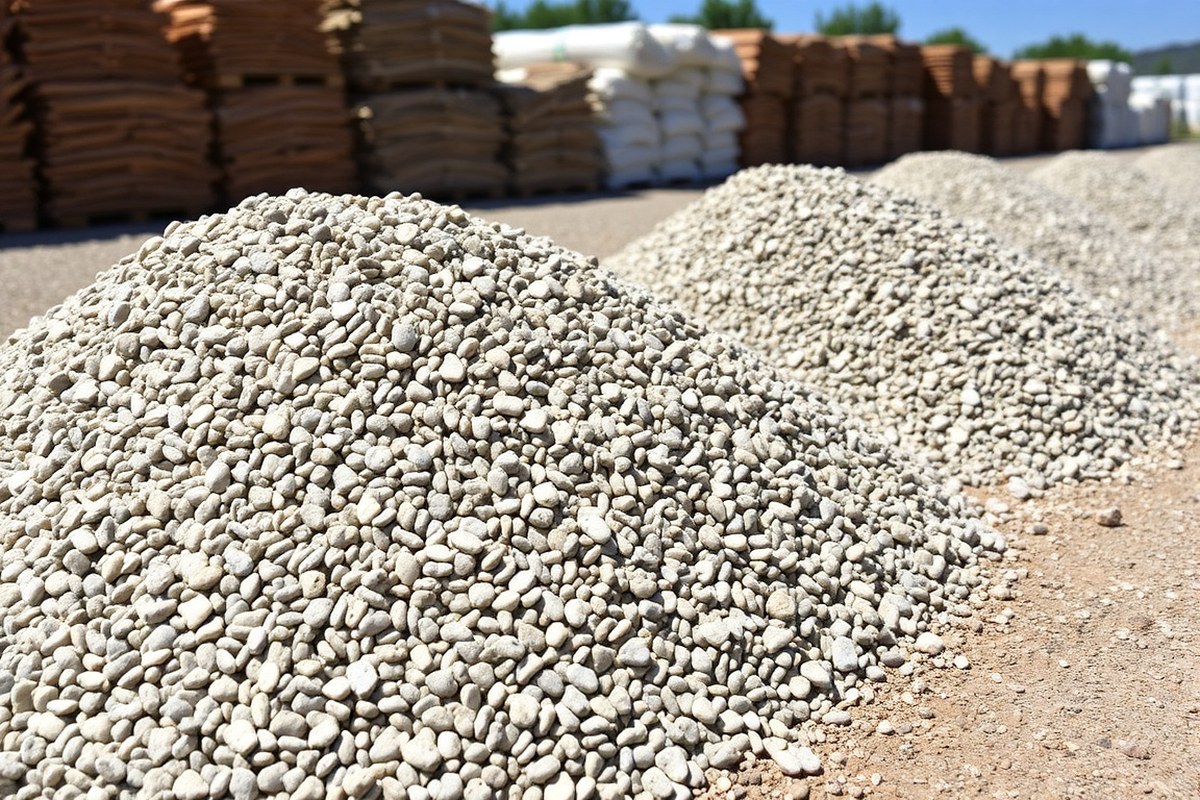
Pea gravel typically costs between $25 and $67 per cubic yard of material. You’ll usually pay less per unit when buying bulk amounts rather than bagged pea gravel. Bulk prices average about $35 to $55 per cubic yard at the local supplier or quarry.
Cost per ton often looks cheaper but relates directly to weight. Pea gravel weighs about 1.35 tons per cubic yard. So you can compare prices by multiplying or dividing accordingly.
National averages show prices near $25 to $53 per ton. Typical bulk prices range from $30 to $70 per ton. These prices can vary by location and supplier.
Bagged gravel costs more because it’s pre-measured and packed for convenience. Bulk pea gravel is best when you need large amounts at lower prices. Bags may be easier for small garden paths or projects.
They cost about 30% to 50% more per yard than bulk. Bags are good if you only need a little gravel.
| Pea Gravel Pricing | Price Range | Average Price |
|---|---|---|
| Bulk Pea Gravel (per cubic yard) | $25 to $67 | $46 |
| Bulk Pea Gravel (per ton) | $25 to $53 | $39 |
| Bagged Pea Gravel (typical 0.5 cubic foot bags) | Approximately 30% to 50% higher per yard | N/A |
| Supplier Median Price (volume quoted) | $85.49 per cubic yard | N/A |
| Supplier Median Price (weight quoted) | $56.98 per ton | N/A |
To convert price per ton to price per cubic yard, multiply price per ton by 1.35. For example, if pea gravel costs $40 per ton, then the cubic yard cost is $40 × 1. This shows the price per cubic yard equals the price per ton in this case.
Prices vary by weight and volume.35 = $54. This helps you compare bulk pricing better, especially if a supplier quotes only by weight.
Bagged pea gravel comes in 0.5 cubic foot bags. So you need 27 bags to cover one cubic yard (27 × 0.5 cubic feet = about 13.5 cubic feet).
Buying bags increases price and effort but delivers smaller quantities without the need for heavy equipment. Bulk is preferred for larger projects to save money.
What Factors Affect Pea Gravel Price?
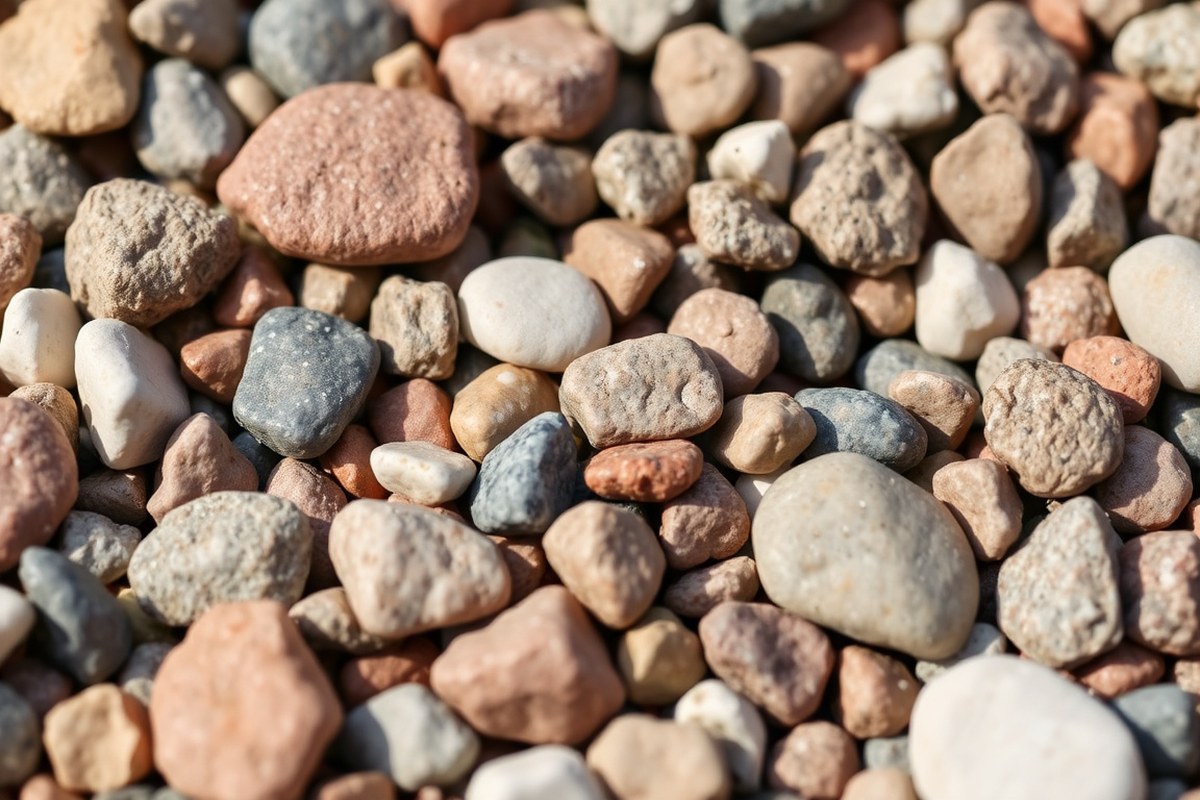
Pea gravel price depends on several key factors, starting with color and grade. Standard pea gravel usually costs less than dyed or novelty colors.
Colored gravel prices may run higher, often because dyes wear out after two to three seasons. So you might need to replace it more often.
The grade or size also affects the price. Uniform 3/8-inch pea gravel can be pricier since it’s easier to spread evenly and looks nicer. Mixed sizes or rougher grades tend to be cheaper but might not suit all landscaping uses.
Washing and processing add costs too. Washed pea gravel gets rid of dirt and dust, making it cleaner for patios or walkways. Expect to pay a few dollars more per cubic yard for this step.
Processing can include screening gravel to keep a consistent size. This raises the price. It also improves quality.
Weight influences how much pea gravel costs and how much you’ll pay for delivery. Pea gravel weighs about 2,600 to 2,800 pounds per cubic yard. A 1-yard delivery can cost between $45 and $80.
The truck delivery can add $50 to $200 or more. This depends on your home’s location. Heavy loads demand more fuel and handling effort, impacting delivery fees.
Buying in bulk usually saves money per ton or yard. But you’ll need equipment or help to move large amounts. Smaller projects often pay more per unit.
Suppliers package gravel in smaller bags. They may also charge more for less volume. Size of your project and your location can affect availability and price.
Check before buying pea gravel. Unwashed or mixed-size gravel may save money upfront. It costs more later in cleanup and spreading.
How to Calculate How Much Pea Gravel You Need?
You can calculate how much pea gravel you need by measuring your project’s area and depth. Then, convert those numbers into cubic yards or bags using simple formulas. Adding extra gravel helps avoid shortages after settling.
Measuring Area and Depth Accurately
Start by measuring the length and width of the space you want to cover in feet. Multiply length by width to get the area in square feet. The depth depends on the project type.
For walkways and flower beds, 2 to 3 inches is common. Patios and driveways need about 6 inches for strength and stability.
Measuring depth is easy with a ruler or tape measure. Measure how thick the gravel layer should be based on your project’s use.
Depth affects the volume dramatically, so don’t guess or go too shallow. A shallow gravel layer may shift or expose the base below.
Converting Measurements to Cubic Yards
The main formula to convert from square feet and depth to cubic yards is:
Area (sq ft) × Depth (in) ÷ 324 = Cubic Yards of Pea Gravel
Here, 324 comes from how many square feet one cubic yard covers at a 1-inch depth. For example, covering 200 square feet at 3 inches deep means:
200 × 3 ÷ 324 = 1.85 cubic yards
This amount covers a 10’x10’ patio with 6 inches depth. That is about 1 cubic yard of pea gravel.85 cubic yards.
For small jobs, pea gravel sold by the bag typically holds 0.5 cubic feet. Multiply cubic yards by 27 to get cubic feet. Then divide by 0 to convert to bags.5 cubic feet per bag.
Allowing for Overages and Waste
Pea gravel settles and compacts over time, so order extra to avoid running short. Add 5% to 10% more gravel for compaction.
Also cover small measurement mistakes. For example, if you calculate 2 cubic yards, buy about 2.2 cubic yards.
Uneven ground or slopes also increase gravel needs. Big or complex projects may waste more gravel.
This happens from spreading losses or deep areas. Ordering a bit more saves you multiple trips or job pauses.
- Measure the length and width of your project area in feet.
- Determine the desired gravel depth in inches based on your project type.
- Multiply the length by width to get square footage.
- Use the formula: Area × Depth ÷ 324 to find cubic yards needed.
- Convert cubic yards to bags if buying bagged gravel (multiply by 27 and divide by 0.5).
- Add 5% to 10% extra gravel to allow for settling and waste.
- Round up the final amount to the nearest practical quantity for purchase.
How Much Does Delivery Add to Pea Gravel Costs?
Delivery fees for pea gravel usually start around $5 per mile. Suppliers often charge between $10 and $25 per ton for delivery. How far you live from the supplier can raise the cost quickly, so location matters.
Most suppliers set a minimum order for delivery, often between 5 and 10 tons. Ordering less than the minimum means you pay the same delivery fee, but for less gravel. That makes small orders more expensive per ton.
Here are some tips to lower delivery costs based on your situation:
- Combine orders with neighbors to meet minimum weight and share delivery fees.
- Pick up pea gravel yourself if you have access to a suitable vehicle.
- Ask if the supplier offers discounts for orders over 10 tons.
- Schedule delivery during off-peak times, sometimes cheaper or more flexible.
- Request a flat-rate delivery fee instead of per-mile charges for fixed distances.
You can sometimes negotiate fees by asking for special rates or combining materials. Buy small amounts of pea gravel in bags at a local store.
This way, you can avoid paying delivery fees. Delivery fees can add $50 to $150 or more, depending on distance and load size.
Heavy gravel needs big trucks. This can make delivery harder. It may also increase your costs.
Make sure you understand your project’s total weight so you don’t fall below minimums unknowingly. Many home improvement stores sell pea gravel by the bag.
This makes transport easier. It helps when delivery fees are expensive.
What Are Typical Pea Gravel Project Costs by Size and Type?
Costs for pea gravel projects vary widely depending on size, depth, and installation type. Smaller jobs like 100-square-foot patios cost under $250 DIY. Large driveways may reach $1,000 or more installed.
Pea gravel depth is usually 2 to 4 inches deep. This depth ensures good coverage and stability. Depth affects how much material you need and the price.
Small Projects Under 100 Square Feet
Small jobs include garden paths and tiny patios, typically under 100 square feet. These usually need 2 to 3 inches of pea gravel. Buying bags often works best here unless you need over 20 bags.
For example, a 60-square-foot garden bed with a 2-inch depth requires about half a cubic yard. That costs roughly $40 to $120 in materials, depending on bulk or bag purchase.
Medium Projects Around 200-500 Square Feet
Medium projects include 200 to 500 square foot patios, walkways or small driveways. A 3-inch depth is common for patios to provide a stable, comfortable surface. These projects commonly use bulk pea gravel, priced around $40 to $100 per cubic yard.
A 200-square-foot patio 3 inches deep will need nearly 1.85 cubic yards. Materials alone typically cost $74 to $150, with installation raising the total to $170 to $560.
Large Projects over 500 Square Feet
Large projects like driveways need about 4 inches of depth. Sometimes you need a layered base too. Bigger jobs require more gravel and prep work.
Pea gravel volume grows fast, making bulk delivery or dump truck orders more cost-effective. Expect to pay $35 to $55 per cubic yard for large bulk orders.
A typical two-car driveway is about 800 square feet. It needs 2 to 3 inches of gravel over a 4-inch base.
This setup raises material costs to several hundred dollars. Labor and delivery increase the total further.
This table lists typical project sizes, gravel depths, and costs. It shows prices for both bulk and installed pea gravel. Use it to estimate your project budget.
| Project | Size (sq ft) | Depth | Gravel Only (Bulk) | Professionally Installed |
|---|---|---|---|---|
| Garden Path (3 ft wide) | 60 | 2 in | $17, $30 | $51, $168 |
| Small Patio | 100 | 3 in | $42, $74 | $85, $280 |
| Standard Patio | 168 | 3 in | $70, $124 | $143, $470 |
| Single-Car Driveway | 200 | 2, 3 in surface + 4 in base | $56, $148 | $170, $560 |
To find total gravel volume, multiply area by depth in feet. Then divide the result by 27 to convert to cubic yards. This gives you the total amount of gravel needed.
DIY vs Professional Pea Gravel Installation Costs
Doing your pea gravel installation yourself can save you 40 to 60 percent. This is compared to hiring a pro. When you handle it yourself, your main cost is just materials.
Expect to spend between $100 and $310 on gravel for about 200 square feet. You’ll need to rent equipment like a plate compactor. It usually costs less than $100 for a weekend.
Your time is the biggest investment. It can take one or two weekends depending on the project size.
Professional installers charge labor rates from $14 up to $69 per hour. That adds significant expense, but they bring their own tools and expertise. Professionals finish the job in one or two days.
This saves you a lot of time and hassle. Pros make sure the base is the right depth. They also place landscape fabric correctly.
DIY mistakes here cause drainage or weed problems. Pros often get gravel 10 to 20 percent below retail price. They have wholesale access that may cut labor costs.
Labor tasks that add costs include digging and grading. Also lay landscaping fabric and compact the base well. Protecting nearby structures and finishes also takes extra work and care.
Heavy site prep or complex gravel work needs a landscaper. The extra cost is usually worth it.
On a flat, simple area, DIY can work fine. But for driveways or uneven yards, pros save headaches and prevent costly mistakes.
Another factor is project scale. Small pathways or garden beds often suit DIY installation. Large driveways or multiple patios benefit from professional speed and skills.
You can contact a gravel wholesaler if you need big quantities. This may lower your material price but won’t reduce labor time if you hire out. A landscaper also handles the logistics and cleanup, easing your workload.
Hidden Costs to Consider When Budgeting Pea Gravel
Site preparation adds to your pea gravel cost beyond the gravel itself. You’ll likely need to clear and level the area first.
Removing old grass or debris can take a day for a 200-square-foot space. Renting a tiller or hiring help adds to expenses.
Edging keeps pea gravel in place and looks tidy. It costs about $2 to $5 per linear foot for materials like wood, plastic, or metal. Properly installed edging prevents gravel from spreading into your lawn or walkways, which saves cleanup later.
Weed barriers help control weeds under the gravel. Expect to pay around $0.50 to $1.50 per square foot for landscape fabric.
Installing this right means laying the fabric flat with no gaps. Only cut holes for plants you want to keep.
- Site prep: clearing, leveling, and possibly compacting soil, $100 to $300 or more
- Edging materials and installation: $2 to $5 per linear foot
- Weed barrier fabric: $0.50 to $1.50 per square foot, plus stakes or staples
- Base material like crushed stone (#57 stone): $40 to $65 per cubic yard
- Drainage solutions like French drains or pipes if area has poor runoff
- Rental equipment such as compactors or tillers, $40 to $100 per day
For driveways and patios, a compacted crushed stone base gives stability beneath pea gravel. This prevents shifting or potholes and can cost $40 to $65 per cubic yard. Compacting it with rented equipment or professional labor helps the base hold firm.
Drainage matters when water pools under your gravel. You may need to install drainage pipes or slope the area to avoid muddy patches.
Adding drainage increases your project budget but keeps the gravel usable longer. Rental equipment for compacting or spreading gravel often runs around $40 to $100 per day.
Tips to Lower Your Pea Gravel Costs Without Sacrificing Quality
You can save money on pea gravel by buying at the right time. Picking the right supplier helps too. Also, order only the amount you need.
Using cheaper alternatives or methods also helps reduce costs without losing quality. Small changes in planning and buying pay off on your overall budget.
Seasonal Buying and Bulk Orders
Pea gravel prices usually drop in late fall and winter. Quieter seasons mean suppliers are more eager to sell, so you get better deals.
You don’t have to rush. But buying when demand slows can cut your costs by 10-20% on average.
Bulk orders always cost less per pound than bags. Retail stores often charge more for convenience, especially with small bags. Buying from wholesale yards or quarries helps you avoid markup costs.
You get prices close to $0 this way. This is a smart choice for big projects.015 to $0.028 per pound.
For larger projects like pool decks, order gravel in bulk to save more. Many suppliers offer discounts on big loads. Compare prices from local landscaping supply yards and quarries to find the best deal near you.
Accurate Calculations and Ordering Tips
Measure your area carefully before ordering pea gravel. Use a pea gravel calculator online to get a precise volume in cubic yards or tons. This helps avoid overbuying, which wastes money and means extra cleanup.
Always add about 10% extra gravel to your calculation. This covers settling, compaction, and future topping off.
Too much can become an expense. But too little means another delivery fee or running short during installation.
Here’s a quick checklist to order right:
- Double-check the length, width, and depth of your project area
- Use a calculator tool to convert dimensions into cubic yards or tons
- Add about 10% extra for compaction and waste
- Buy in bulk for projects over a few hundred square feet
- Request quotes from multiple suppliers including local quarries
Going for small bags often ends up costing more per pound. For small projects, buying a few bags at a home store works fine.
It’s easy and convenient. But any larger area benefits from bulk pricing.
Don’t guess your pea gravel amount, measuring and using a calculator saves time and money.
Using Alternatives and Cost-Effective Approaches
Pea gravel isn’t your only option. Crushed stone or river rock might cost less depending on local availability. Both work well for paths or garden mulch spots.
Check their size first. Also, look at their texture before you buy.
Laying landscaping fabric under the gravel reduces how much you need. It holds gravel in place and stops weeds.
You need less gravel this way. It keeps your space neat too.
You can also mix pea gravel with cheaper materials like sand or decomposed granite. This lowers total material costs while still giving a clean, finished look.
Step-by-Step Action Plan for Your Pea Gravel Project
Follow these steps to plan and complete your pea gravel project on budget. You can check your progress at each stage to avoid surprises.
- Before you start: Measure your area carefully. Mark dimensions with spray paint to see the exact space. This helps you calculate how much gravel to buy.
- Day 1: Calculate the cubic yards of pea gravel needed using your measurements. Use a gravel calculator online or multiply length × width × depth (in feet) ÷ 27. Double-check your math for accuracy.
- Day 2: Shop around for pea gravel prices. Get quotes from at least three suppliers to find the best cost per yard or ton. Ask about delivery fees to compare total prices.
- Day 3: Choose your gravel type based on color, size, and cleanliness. Pick a supplier with good quality gravel and a fair price. Confirm availability and delivery timing.
- Day 4: Prepare the site by clearing debris and leveling the ground. Lay down landscape fabric to prevent weeds if needed. Check that your site is ready to receive gravel.
- Day 5: Arrange delivery and inspect the gravel on arrival. Verify the quantity matches your order before unloading. Tell the supplier right away if you notice damage or dirt.
- Day 6: Spread and level the gravel evenly using a rake. Aim for compact, flat coverage without gaps or mounds. Walk the area to test stability and evenness.
- After 1 week: Watch for settling or movement in the gravel. Add more gravel to low spots if necessary. This keeps your project looking neat and lasting longer.
Frequently Asked Questions
How Much Does Pea Gravel Cost per Square Foot?
Pea gravel generally costs between $0.85 and $5 per square foot. The price depends on factors like depth, site prep, and edging.
Are There Cheaper Alternatives to Pea Gravel for Landscaping?
Crushed stone or mulch often costs less than pea gravel. These options still provide good drainage and ground cover.
How Long Does Pea Gravel Last Once Installed?
Pea gravel can last 10 to 20 years with minimal maintenance. Occasional raking and adding more gravel helps keep it looking fresh.
Does Pea Gravel Need a Weed Barrier Underneath?
Using landscape fabric beneath pea gravel helps prevent weeds. Without it, weeds are more likely to grow through the gravel.
Can I Install Pea Gravel Myself to Save Money?
Yes, DIY installation saves labor costs but requires effort. Renting tools and preparing the site properly is key to success.
How Does Rainfall Affect Pea Gravel Installation and Cost?
Heavy rain needs better drainage design, which costs more. Without good drainage, gravel can wash away or compact unevenly.
Final Thoughts
Pea gravel costs can change. Figure out how much gravel you need. Add delivery fees too.
This helps you set a clear budget. Watch your supplier’s quality and delivery policies closely. Start by measuring your project area today to get accurate quotes.