How to Plant Flowers in Raised Beds: A Complete Guide with Expert Tips
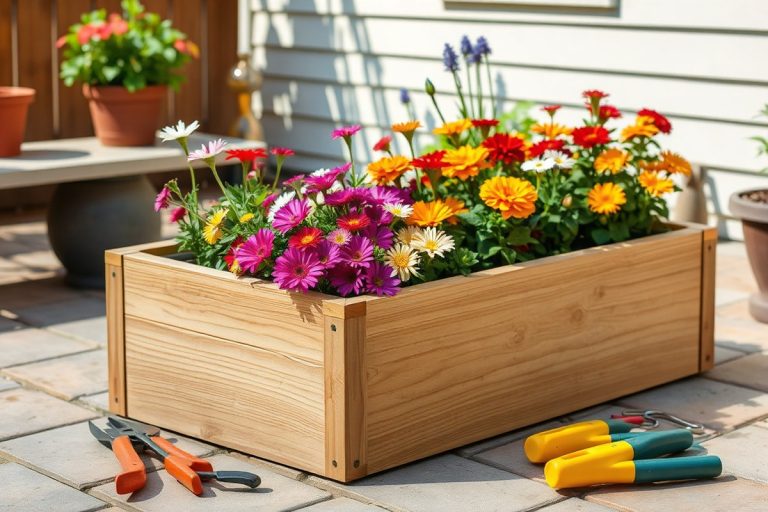
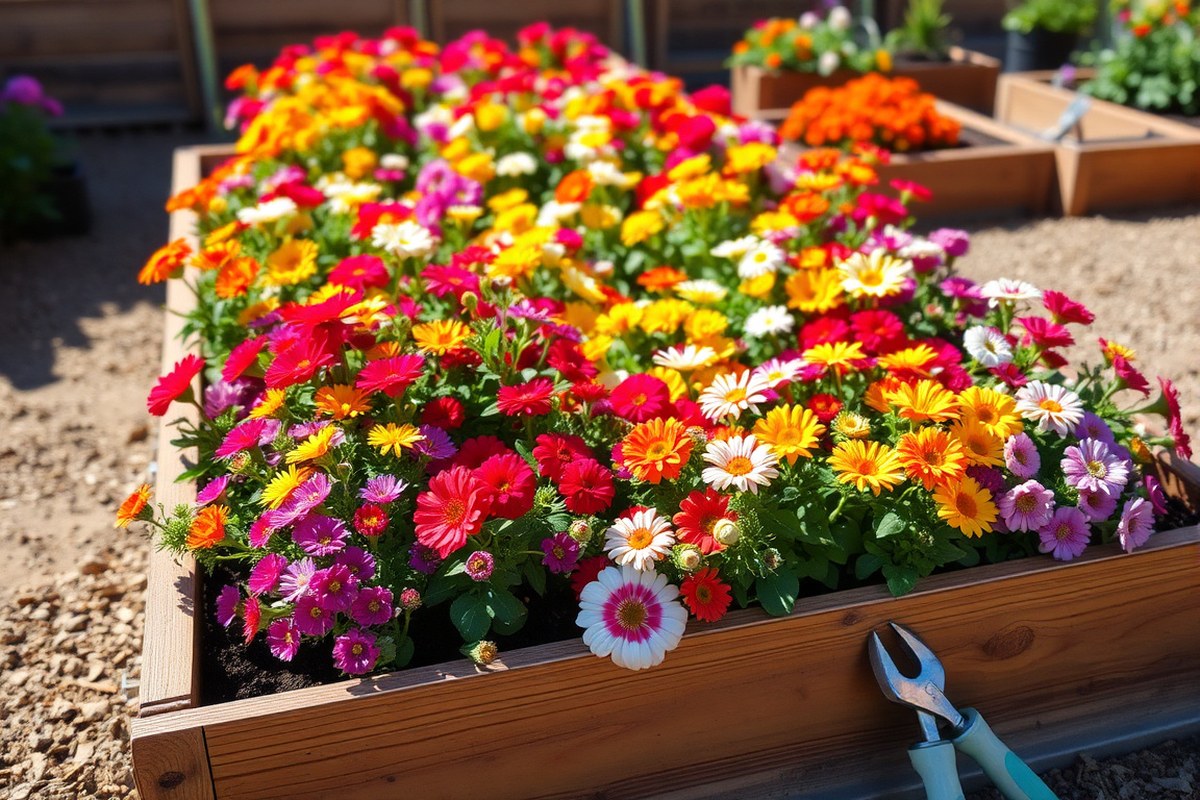
How to plant flowers in raised beds starts with choosing the right soil depth. Most flowers do well in 8 to 12 inches of soil.
But some need more space for roots. Leaving the bottom open lets roots grow even deeper into the ground below.
Start by building a raised bed that suits your plants. For annual flowers, 6 to 12 inches deep is enough.
But perennials need 18 inches or more to thrive. Durable materials like composite wood keep beds sturdy and lasting several years.
Place beds where you can easily reach them. Keep at least 2 feet apart. Better spacing is 3 feet to move comfortably around the beds.
Proper spacing helps when watering and weaving your fingers through blooms. Raised beds improve drainage and soil quality, which means healthier flowers overall.
Key Takeaways
- Use 8-12 inches of soil depth for most annual flowers in raised beds.
- Build beds at least 18 inches deep for deep-rooted perennials like peonies.
- Choose durable materials such as composite for longer-lasting raised beds.
- Leave the bottom of beds open so roots can grow into the ground.
- Allow 2 to 3 feet between beds for easy planting and maintenance access.
- Consider frost line depth when deciding on raised bed height.
How to Plant Flowers in Raised Beds Step-by-Step
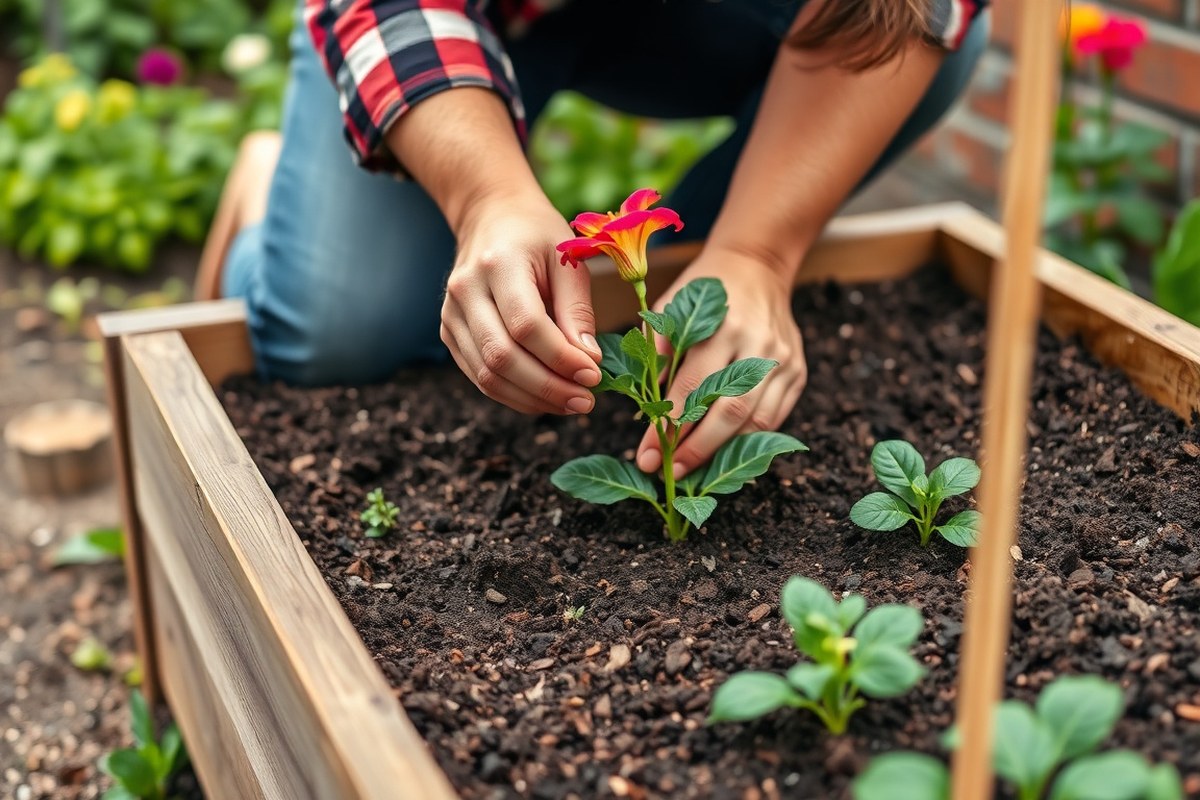
Planting flowers in raised beds follows a clear set of actions. Starting with soil prep and ending with watering ensures your flowers grow strong. The bed’s soil should be rich, loose, and drain well for best results.
Step one is to gather your tools and plants. Flowers differ in root depth.
But most need around 8 to 12 inches of soil. Watering newly planted flowers deeply right after planting helps roots settle and avoids air pockets.
- Use a garden fork or tiller to break up soil 8 to 12 inches down. This depth suits most flower roots in raised beds and helps them grow.
- Mix in compost or organic matter evenly to improve nutrients and drainage. This step makes the soil soft and fertile, aiding root health.
- Arrange your flowers in the bed while still in their pots. Space them according to their mature size, usually 6 to 12 inches apart.
- Dig holes in the soil for each plant about as deep as the plant’s root ball. Planting too shallow or too deep can stress the plant or cause rot.
- Remove each flower gently from its pot without disturbing roots too much. Set the plant in the hole, then backfill soil and press lightly around the base.
- Water each plant deeply right after planting to settle the soil and hydrate roots. Use a gentle spray or watering can to avoid washing soil away.
- Add a layer of mulch around the plants to keep moisture steady and reduce weeds. Mulching also cools the soil and protects roots from temperature swings.
Raised beds drain fast, so check soil moisture daily at first. Use your finger to feel soil; water when top inch feels dry. Morning watering helps flowers absorb water before heat evaporates it.
Hard or compacted soil slows root growth and traps water. So soil preparation is key.
Proper planting depth and spacing give flowers room to grow without crowding. A deep first watering encourages roots to grow downward, building strong plants for the season.
Choosing Flowers Ideal for Raised Garden Beds
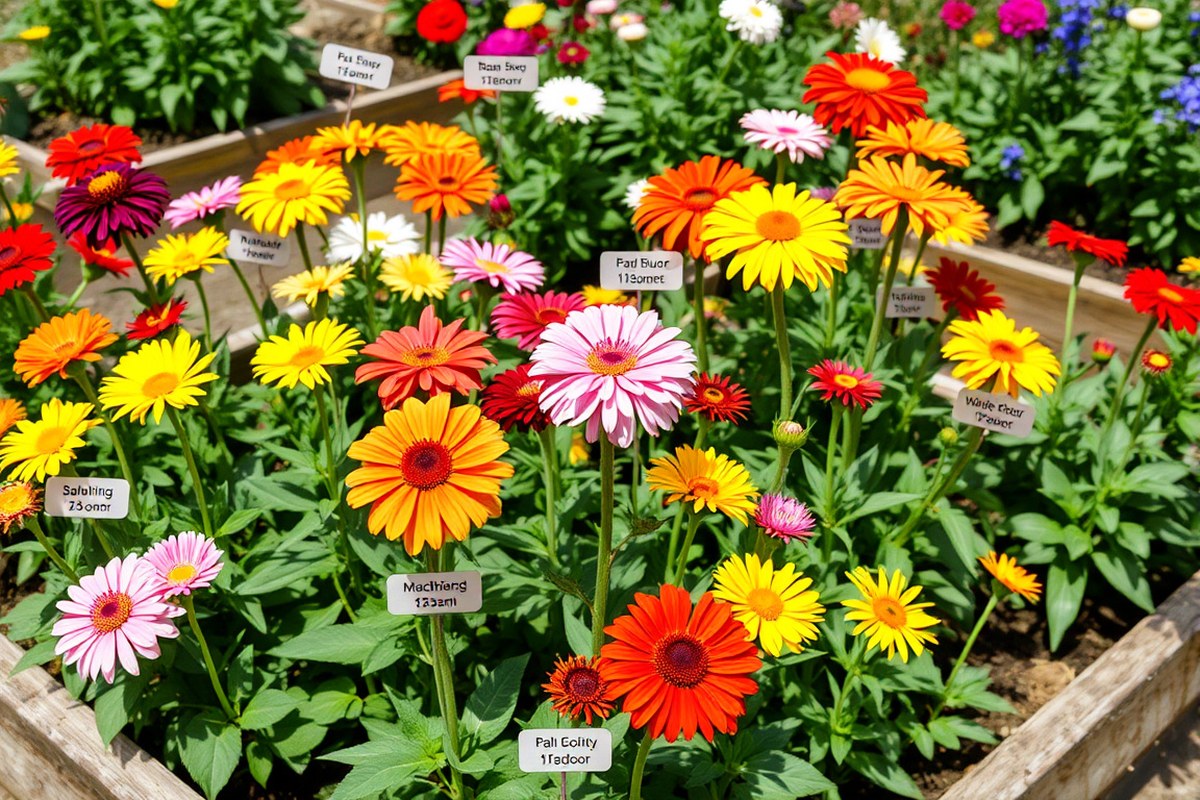
Picking flowers that do well in raised beds starts with sunlight needs. Most annuals and perennials need full sun. This means 6 to 8 hours of direct light each day.
Some flowers do better in partial shade. So check the bed’s sun exposure before selecting plants.
Soil depth matters too because raised beds allow you to control the soil quality and drainage. Choose flowers that fit your soil depth.
Most flowers need 6 to 12 inches deep. Deeper-rooted perennials may need deeper soil to grow strong and healthy.
Choosing between annuals and perennials depends on the color and effort you want. Annuals give bright color all season but need yearly replanting.
Perennials come back each year but may bloom for shorter periods. Mixing both in your raised bed keeps flowers coming and cuts down on replanting work.
Spacing plants right helps them grow without crowding, especially with raised beds. Beds in full sun can handle tighter spacing to cover the ground and block weeds. Partial shade beds need more space between plants.
This lets air flow better. It helps lower disease risk.
| Flower Category | Recommended Spacing (inches) |
|---|---|
| Low-growing annuals (marigolds, alyssum) | 6, 8 |
| Medium perennials (coneflowers, black-eyed Susans) | 12, 18 |
| Tall cut flowers (zinnias, cosmos) | 18, 24 |
| Climbing vines (sweet peas, morning glories) | 12, 15 (vertical support needed) |
| Lisianthus (special case) | 6, 8 (see lisianthus guide) |
Look at the flowers’ bloom times to spread color through the season. Plant some early bloomers and some that flower late. It keeps the raised bed lively and colorful longer without bare spots.
Also, think about maintenance. Annuals are low maintenance but need yearly replacement.
Perennials require less yearly work but may need dividing or pruning. Choose what fits your time and interest in gardening care.
Place raised beds where they get the most sun. Most flowers won’t bloom well without at least six hours daily.
Preparing Soil and Bed Dimensions for Flowers
For flowers to thrive in raised beds, use balanced soil. Choose the right bed size for your flower types. Proper soil and size help plants grow well.
Soil should hold moisture and drain well while offering nutrients. Beds need enough depth and width for roots to spread without crowding.
Optimal Soil Composition for Raised Flower Beds
Mix equal parts compost, manure, and coconut coir or peat moss for rich, loose soil. Add vermiculite to keep moisture without flooding roots. This blend supports healthy root growth and bright blooms.
Good soil moisture balance means watering goes deeper but avoids soggy patches. Avoid heavy clay soils here; they trap water and starve roots. Refresh your soil yearly with new compost to keep nutrients high.
Recommended Bed Depth and Width by Flower Type
Most flowers root comfortably in beds about 12 to 18 inches deep. For tall or large root flowers like sunflowers, raise beds to 18, 24 inches.
Width depends on how far you want to reach inside. 3 to 4 feet wide usually works well.
Deeper beds allow better moisture control and space for roots. Beds wider than 4 feet may need paths around so you can tend plants easily. Shallow roots, like pansies, need less depth but still like rich soil.
Improving Drainage and Avoiding Compaction
Before filling, remove any grass and topsoil from the bed area. Lay a base of small rocks or coarse gravel. Make it one or two inches deep.
This helps improve drainage in the raised bed. This keeps water from pooling, which harms flowers.
Loosen the soil under the bed to prevent compaction and allow roots to grow deeply. Raised beds with good drainage prevent root rot and keep flowers happy. Avoid using heavy machinery right on the bed site to keep the soil fluffy.
Designing Layouts for Color, Height, and Bloom Time
Design your raised flower bed by arranging plants by height, color, and bloom time. This creates an eye-catching design and makes care easy. Proper layout helps you enjoy flowers all season and reach them without stepping inside the bed.
Height Layering for Visual Interest
Tall plants belong at the back of the bed or in the center with round beds. Flowers like sunflowers or delphiniums work well here. Medium-height plants go in front of them, such as zinnias or marigolds.
Place short flowers like pansies or alyssum at the edges. This keeps every plant visible and lets sunlight reach all leaves. Avoid blocking small plants with tall ones or they won’t thrive.
Leave pathways or clear access spots around beds to reach every flower easily. Raised beds let you kneel or sit while planting and pruning. Plan your bed shape for easy care, using straight or gently curved sides.
Color Grouping and Complementary Planting
Choose two or three main colors for your bed. Group flowers of the same color in small clusters of three to five plants. This creates bold pops of color rather than a muddy mix.
Use contrasting colors nearby to make each shade brighter. Blue and orange, or purple and yellow, look striking together. Pastel colors blend softly and suit cottage-style beds.
- Mix flower shapes for texture, like round and spike blooms.
- Plant foliage with different greens or variegated leaves for contrast.
- Repeat colors and shapes to guide the eye around the bed.
- Space plants according to their size to avoid crowding.
- Keep dominant colors in the center or back for depth.
- Use neutral whites or light colors to break bold color patches.
Plan your color blocks on paper before planting. Sketching helps see how colors balance and flow. This keeps your bed pretty all season.
Scheduling Blooms for Continuous Color
Choose flowers with different bloom times to keep the bed lively. Early spring bulbs like tulips lead to late spring annuals such as petunias. Summer looks great with marigolds and zinnias, followed by asters or mums in fall.
Plant bulbs and annual seeds in late autumn or early spring for proper timing. This spreads out your planting work and keeps blooms coming. Adjust planting depending on your region’s frost dates and climate.
Deadhead fading flowers weekly to encourage new blooms. Replacing tired plants in late summer boosts late-season color. Staggering your blooms this way extends your bed’s appeal without much extra effort.
Building and Securing Raised Bed Frames for Longevity
Wood is a popular choice for raised bed frames. It’s easy to work with. Plus, it looks natural in the garden.
Cedar and redwood resist rot without chemicals and last several years. Avoid untreated pine because it breaks down quickly when exposed to soil and water.
Composite lumber is another strong choice. It combines wood fibers with plastic, so it resists rot and insects.
Composite can cost more upfront, around $5 to $10 per linear foot, but it lasts longer. It also won’t warp or crack like wood does.
Use boards that are at least 1 inch thick. They should be 6 to 12 inches tall. This helps make a stable frame.
For most flower beds, 12 to 18 inches deep works well. Secure each corner tightly with galvanized screws or bolts to prevent wobbling. Add a 2-by-2 upright post inside each corner.
It keeps the frame square. It also holds the soil’s weight.
Set the frame on a level surface before filling it with soil. You can dig out grass or place landscape fabric underneath to block weeds.
Drive sturdy stakes into the ground around the outside of the bed. Screw or nail the frame to those stakes for extra stability in windy locations.
Make sure to pre-drill holes for screws to avoid splitting the wood, especially near edges.
To keep soil from leaking, line the inside with landscape fabric before filling. This fabric holds soil while letting water drain. Avoid plastic liners because they trap water and can cause root rot.
Regular maintenance helps too. Check and tighten screws each year to keep the frame solid.
You can save money by using reclaimed pallets. They are less durable than new wood. Pallet wood often requires extra sanding and treatment.
It may only last a year or two. You also get less control over the wood type or thickness.
Build your raised bed in winter for easier soil work. The ground is dry and firm then. This makes the job simpler.
Make sure soil isn’t frozen or muddy before you start digging or leveling. Building sturdy frames your flowers will grow in keeps your garden neat and healthy for seasons.
Watering, Feeding, and Maintaining Flower Raised Beds
Water your raised flower beds deeply about once or twice a week. This depends on weather and soil type. Sandy soil dries faster, so you might need more frequent watering.
Use a watering can or hose with a gentle spray to avoid washing soil away. Early morning is the best time to water; it helps prevent diseases.
Slow-release granulated fertilizers work well for raised flower beds. Choose one with balanced nutrients like 10-10-10 (nitrogen-phosphorus-potassium). Apply according to package directions, usually every 6 to 8 weeks during the growing season.
For example, spread the right amount evenly over the soil surface. Then, gently mix it into the top inch of soil.
Liquid fertilizers are great for a quick nutrient boost. You can apply them every 2 to 3 weeks as a supplement.
Avoid overfeeding, which can cause leafy growth but fewer flowers. Organic options such as compost tea or fish emulsion add nutrients and improve soil health too.
Deadheading spent blooms encourages flowers to keep producing. Pinch or snip off faded flowers just above the next leaf node.
This helps the plant focus on new growth instead of seed production. Check your beds weekly and remove wilted blooms promptly.
Mulching raised beds with a 2- to 3-inch layer of organic mulch reduces water evaporation. It also slows weed growth and keeps roots cool in hot weather. Replenish mulch as it breaks down, typically every season or two.
During heat waves, increase watering frequency to prevent wilting. For cooler months, reduce watering but keep the soil slightly moist.
Watch for signs of pests or diseases, like discolored leaves or sticky spots. Remove affected foliage quickly to keep plants healthy.
Avoiding Common Mistakes When Planting Raised Flower Beds
One big mistake is choosing flowers that don’t fit your bed’s sunlight or space. Pick plants that thrive in your specific light conditions and fit the raised bed’s depth.
Putting too many plants close forces them to compete for water and nutrients. This can slow their growth and cause diseases.
Soil problems cause many flower health issues too. Over-compacted soil blocks air and water, making roots struggle. Loose, well-aerated soil lets roots breathe and absorb moisture.
To fix compacted soil, first remove old plants from the area. Next, use a garden fork to loosen the top 4 to 6 inches of soil. Mixing in organic matter like compost costs little but boosts soil quality.
Poor drainage is a common pitfall in raised beds. Water puddles around flowers’ roots can lead to rot and fungal diseases. Your bed should be raised 8 to 12 inches above ground level.
It needs enough soil depth to allow good drainage. Adding sand or gravel under the soil layer improves water flow. Avoid heavy clay soil or amend it heavily with compost and coarse material.
- Choose flower varieties suited for your bed’s sunlight and height
- Space plants according to package instructions to avoid crowding
- Loosen compacted soil to a depth of 4, 6 inches before planting
- Add compost or organic matter to improve poor soil quality
- Ensure raised beds are 8, 12 inches high for proper drainage
- In clay-heavy areas, mix sand or gravel under the soil layer
- Water properly, avoiding puddles by checking soil moisture regularly
Water can also harm flowers if you don’t adjust for raised beds. Raised beds dry out faster in warm weather. They may require watering every day or two during hot spells.
Yet, overwatering is equally risky. Water only when the top inch of soil feels dry. Using mulch helps keep soil moisture steady and stops weeds that compete for water and nutrients.
Adapting Raised Beds for Accessibility and Seasonal Changes
Raised beds work well for gardeners of all abilities and change with the seasons. Designing for accessibility makes gardening easier for everyone. Seasonal care helps flowers thrive year-round.
Designing for Easy Access and Reach
Keep paths between raised beds at least 2 to 3 feet wide. This width fits wheelchairs and allows easy movement with tools. Raised garden beds should be no wider than 3 feet.
This lets you reach the center easily. Avoid stepping into the bed to prevent soil compaction.
Build beds 24 to 30 inches tall for wheelchair users to tend plants comfortably. Use materials with smooth edges to avoid scrapes. Raised beds on wheels or adjustable stands can help gardeners reach plants without bending or stretching.
Easy-to-grip handles or edges make tending the beds simpler. Plan your layout so everything you need stays within arm’s reach.
Choose plants with manageable sizes. So trimming or harvesting does not require ladders or extra tools.
Season-Specific Planting and Maintenance Tasks
Start spring by checking soil moisture and removing debris from last fall. Cooler weather means slower growth, so keep watering light but consistent. Add slow-release fertiliser to jump-start your plants’ growth.
Summer needs more frequent watering, especially in raised beds that dry out fast. Mulching helps conserve soil moisture and keeps roots cool on hot days. Deadhead spent flowers regularly to encourage new blooms.
In fall, cut back flowers to prepare for winter. Remove old mulch and add leaf compost to feed the soil. Stop fertilizing six weeks before a hard freeze.
That means when temperatures nears 28°F or lower. New growth can die from frost damage.
Soil Renewal and Mulching Techniques
Refresh soil every spring or after two growing seasons by adding compost or store-bought organic matter. Mix it well into the existing soil to maintain nutrients and structure. This improves moisture retention and plant health.
Add 2 to 3 inches of mulch on your beds. Use organic materials like bark, straw, or shredded leaves. This helps keep moisture and control weeds.
Apply mulch after planting in spring or once the soil has warmed. Mulching reduces weeds, keeps soil moist, and stabilizes temperature.
A thin layer of compost can replace mulch during winter to protect roots from freezing. Avoid piling mulch directly against stems to prevent rot and pests. Watch for mulch that breaks down too fast and top it off as needed.
Keep raised bed paths clear and wide to prevent accidents and ease garden chores.
Step-by-Step Action Plan for Your Raised Flower Bed
Follow this plan to plant and care for your flowers in raised beds. It helps you see progress clearly and fix issues early.
- Before planting: Prepare your raised bed with fresh soil mix and add compost. Your soil should feel loose and smell earthy.
- Day 1: Choose and arrange your flowers by height and bloom time. Stand back and see if the colors and layers look balanced.
- Day 2: Plant your flowers gently, making holes twice as wide as their root balls. Water each plant well after planting to set roots.
- Week 1: Check soil moisture daily and water when the top inch feels dry. Your flowers should look upright and not wilted.
- Week 2: Feed your flowers with a balanced, water-soluble fertilizer. Watch for new leaf growth as a sign nutrients are working.
- Month 1: Mulch around plants to keep moisture and reduce weeds. Mulch should be spread evenly but kept away from plant stems.
- Ongoing: Deadhead spent blooms weekly to encourage more flowers. Healthy plants will produce new buds often.
- Seasonal change: Update your bed by planting seasonal flowers or adding protective covers. Your bed stays colorful and healthy year-round.
Frequently Asked Questions
What Soil Mix Works Best for Flowers in Raised Beds?
Use a well-draining, nutrient-rich soil mix. Adding compost helps improve fertility. This mix supports healthy flower growth and vibrant colors.
Can I Plant Bulbs in Raised Flower Beds?
Yes, bulbs do well in raised beds with good drainage. Plant bulbs at the correct depth for each type. Raised beds protect bulbs from waterlogging and pests.
How Often Should I Fertilize Flowers in Raised Beds?
Fertilize about every 4 to 6 weeks during the growing season. Use a balanced, slow-release fertilizer for steady feeding. Avoid overfeeding to prevent weak, leggy plants.
Do Flowers Need More Water in Raised Beds Than Ground Soil?
Yes, raised beds dry out faster and need more frequent watering. Check soil moisture regularly and water deeply. Use mulch to help retain moisture and reduce evaporation.
Can I Mix Vegetables and Flowers in Raised Beds?
Yes, flowers can complement vegetables by attracting pollinators. Choose flowers that aren’t invasive or too demanding. Companion planting can also deter pests naturally.
Is It Okay to Reuse Soil in Raised Flower Beds Every Year?
It’s okay if you refresh it with compost and some new soil. Reusing soil without refreshing may cause nutrient depletion. Turning the soil yearly helps maintain good structure.
Key Points to Remember
Planting flowers in raised beds gives you control and a beautiful garden spot. Start today by prepping your soil to make your garden bloom. Enjoy seeing your flowers thrive and grow with no fuss.