Does Citronella Plant Repel Mosquitoes? What Actually Works and Why
Does citronella plant repel mosquitoes? Not very well by itself.
The live citronella plant contains less than 0.1 percent citronellal, the main mosquito-repelling compound in citronella oil. That means just having the plant nearby won’t keep many mosquitoes away.
Crushing the citronella leaves can release some scent that repels bugs for about 30 minutes. Still, the plant works best as part of a mix of strategies, not a single fix.
For stronger results, citronella oil from related grasses or commercial products is the better choice. Those products have a higher concentration of natural oils. They protect you for an hour or more.
Key Takeaways
- Citronella plants alone rarely repel mosquitoes effectively when just growing in your garden.
- Crush citronella leaves to release oils that repel mosquitoes for about 30 minutes.
- Citronella oil products offer about one hour of mosquito protection at 4.2% concentration.
- Citronella grass has more citronellal and repels mosquitoes better than the citronella plant.
- Lemon thyme crushed leaves repel mosquitoes at over 60% the effectiveness of DEET.
- Plant citronella in fertile, well-drained soil with 18 to 24 inches of space.
Does the Citronella Plant Really Repel Mosquitoes?
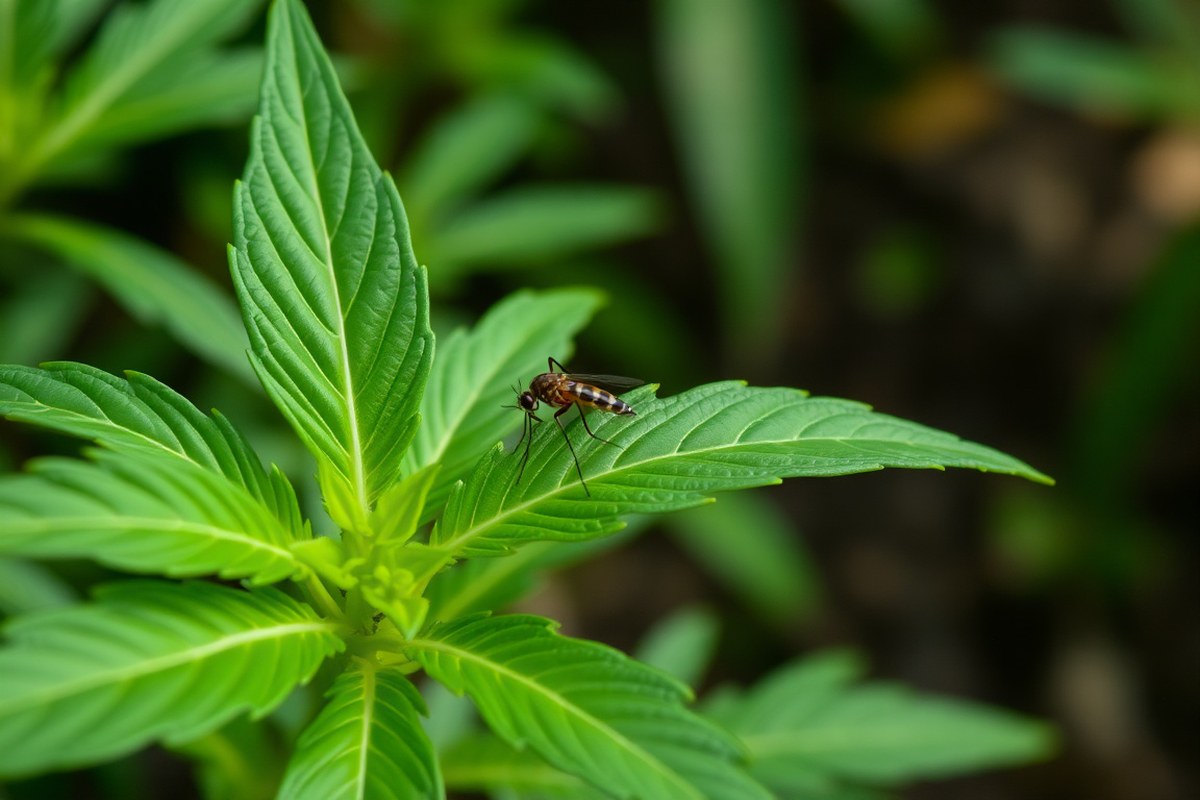
Planting a citronella plant in your garden will not reliably repel mosquitoes. Studies from North Carolina State University show undisturbed citronella plants fail to reduce mosquito landings significantly. The plant’s presence alone doesn’t release enough scent or oils to keep mosquitoes away.
Citronella oil comes from citronella grass. It is not from the common citronella plant at garden centers. This oil contains compounds that confuse mosquitoes by masking scents they use to find people.
You must release this oil using sprays, candles, or burners. It creates a barrier covering about 3 square meters.
Many guess that the plant’s citrus smell should repel mosquitoes since they dislike acidic scents. However, the plant’s scent is too faint when it’s just sitting there. Mosquitoes often ignore citronella plants because they must be crushed or bruised to release enough oils.
Also, the so-called “mosquito plant” sold in some stores does not actually contain citronella oil. University of Guelph research proved this plant doesn’t have the oil compounds that repel mosquitoes.
Use citronella oil products or plants like lemon balm for strong natural repellents. Lemon balm has more citronella oil per volume.
Growing citronella plants can still add a nice scent and appeal to your garden. The smell might discourage some mosquitoes when you brush against the leaves.
But it won’t reduce mosquito bites by itself. For meaningful mosquito control, combining citronella oil with other methods is recommended.
Differences Between Citronella Plant, Citronella Grass, and Scented Geraniums
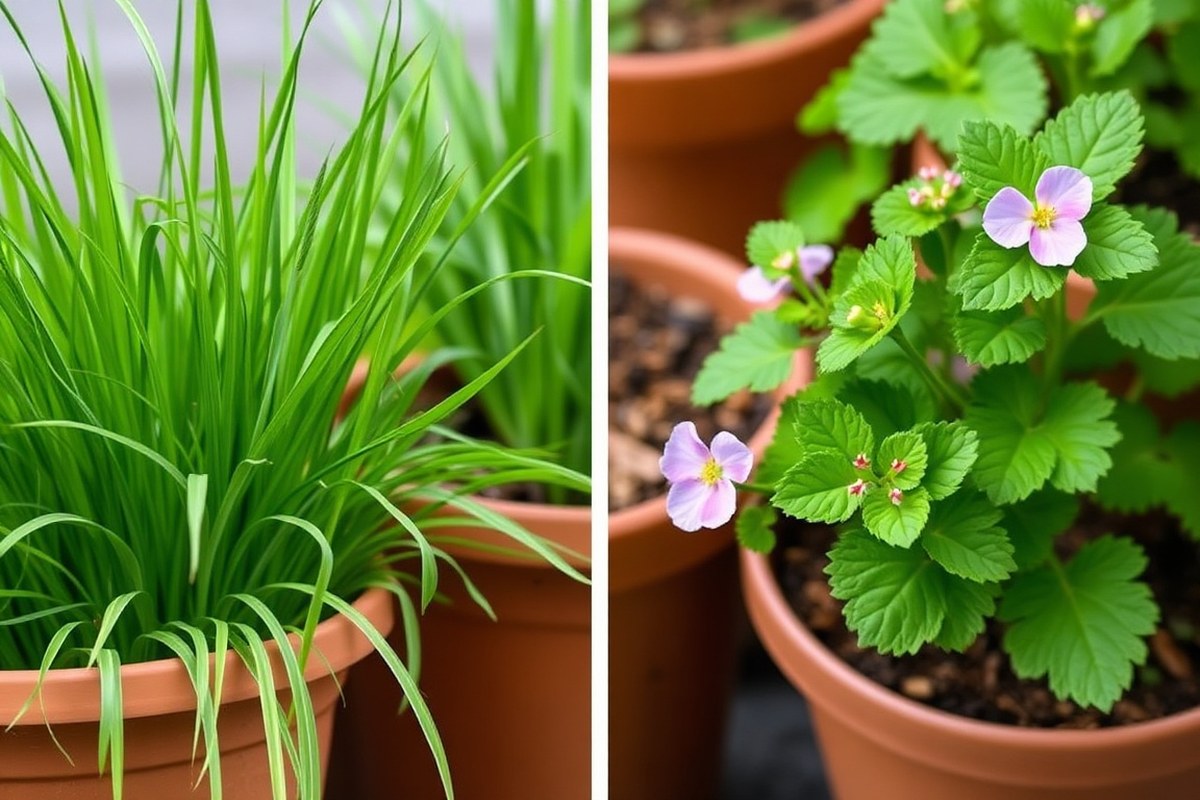
The “citronella plant” you find at garden stores is usually not the real citronella source. This plant is often a type of scented geranium. Examples are Pelargonium citrosum or Pelargonium graveolens.
They are common for natural scents. It smells like citronella oil but has very little citronellal.
Citronellal is the real repellent chemical in citronella. This makes the scent less effective for repelling insects.
True citronella oil comes from citronella grass, specifically Cymbopogon nardus. This grass produces concentrated citronella oil used in commercial mosquito repellents, like candles and sprays. The scented geranium you buy as a “citronella plant” usually has less than 0.1% citronellal, too little for long-lasting mosquito control without crushing leaves.
| Plant Type | Scientific Name | Citronellal Content | Common Market Names | Mosquito Repellent Effectiveness |
|---|---|---|---|---|
| Citronella Grass | Cymbopogon nardus | High (commercial oil source) | Citronella grass | Strong when oil extracted and applied |
| Scented Geranium | Pelargonium citrosum | Very low (less than 0.1%) | Citronella plant, mosquito plant | Weak unless leaves crushed |
| Scented Geranium Variety | Pelargonium graveolens | Trace amounts | Citronella plant, rose geranium | Minimal repellent effect |
Many sellers label scented geraniums as “citronella plants” because of their citrus scent. These plants add a nice smell to your garden. They won’t keep mosquitoes away unless you crush leaves.
Crushing releases the oils that repel mosquitoes. True citronella grass oil is very potent but hard to get.
You must extract the oil; live grass alone won’t work. Just planting the grass doesn’t release enough oil.
You can grow scented geraniums outdoors down to USDA Zone 6, especially near your home foundation. The plants smell nice and might mildly deter mosquitoes. Rubbing the leaves on your skin releases oils that help.
The effect is mild, not strong or long-lasting. Still, they won’t replace sprays or candles made with actual citronella oil from the grass.
Crushing the leaves of a “citronella plant” can release oils to temporarily repel mosquitoes. But simply planting it won’t stop bugs.
How Citronella Oil Works Compared to the Live Plant
The active compounds in citronella oil, mainly citronellal and geraniol, are the key to repelling mosquitoes. These oils come from citronella grass leaves. They do not come from the geranium-type citronella plant.
That plant is the kind you grow in pots. The live plant releases very little oil into the air.
This amount is too small to keep mosquitoes away. It does not work well as a repellent.
Citronella oil is extracted by crushing or steam distilling the leaves of citronella grass. This concentrates the oils into a product you can use in sprays, candles, or diffusers. These strong oils send out enough active compounds to repel mosquitoes.
They work for about two hours. The USDA provides this information.
The citronella plant in your garden mainly adds scent and beauty. Its leaves contain some essential oils. But they release too slowly when the plant is uncrushed.
A pot of citronella geraniums won’t stop mosquitoes well. The oil concentration in the air is too low. So it doesn’t work much at all.
Citronella oil products work better because they release more citronellal and geraniol. These compounds help keep mosquitoes away. The concentration is higher than plants.
Burning a citronella candle or spraying the oil puts compounds where you want them. This method fights mosquitoes right where you need it. It’s more direct than just a plant.
The downside is protection fades after about two hours. So you’ll need to reapply or relight frequently during mosquito-heavy times.
To get citronella oil, crush or rub fresh citronella grass leaves. Then steam distill or press the leaves to collect the oil. This gives you more repellent power.
This step is why citronella oil costs more than just buying the plant. The payoff is real mosquito protection around patios or gardens.
It’s better than just having an untouched plant nearby. This makes your outdoor space more comfortable.
Maximizing Mosquito Repellency from Citronella Plants
Crushing citronella plant leaves releases essential oils that repel mosquitoes for about 30 minutes. Just letting the plant sit won’t do much to keep bugs away. Good care and proper placement make the plant healthier and its scent stronger.
Proper Watering and Light Conditions
The citronella plant grows well in full sun or light shade. It needs at least 6 hours of sunlight each day. This helps it thrive and stay healthy.
Water the plant regularly, keeping the soil moist but not soggy. Overwatering risks root rot and weakens the plant’s natural oils.
During hot, dry periods, water deeply once or twice a week depending on soil drainage. Adding mulch helps keep moisture steady and protects roots from temperature swings. Fertilize monthly with balanced, water-soluble fertilizer to encourage strong growth and leaf production.
When and How to Crush Leaves Effectively
Crushing leaves is necessary to get the oils that make the plant smell strongly. Rub a handful of medium green leaves between your palms or fingers until you smell lemony. This releases a strong dose that keeps mosquitoes off skin for about 30 minutes.
Reapply the crushed-leaf scent every 30 minutes to keep protection up. Using citronella oil covers skin for about two hours.
For best effect, rub crushed leaves directly on exposed skin and clothing. Simply placing pots nearby does almost nothing against mosquitoes.
Best Spacing and Garden Placement Tips
Space citronella plants 12 to 18 inches apart. This lets each plant get enough air and sunlight. Proper spacing keeps them healthy.
Keeping plants from crowding improves scent production and pest resistance. Plant citronella near patios or where you sit outside.
You still need to rub crushed leaves on your skin. This adds extra mosquito protection.
Citronella plants grow 2 to 3 feet tall and work well in borders or large containers. Avoid placing them in dense shade or near heavy foot traffic that could damage leaves. Healthy, well-spaced citronella plants give off stronger scents.
You will notice the smell when you walk by or crush leaves. This helps repel mosquitoes better.
- Keep soil moist but well-drained to avoid root problems
- Provide at least 6 hours of sunlight daily
- Crush leaves between palms to release scent
- Reapply crushed leaves every 30 minutes on skin
- Space plants 12 to 18 inches apart for airflow
- Use containers or borders where you sit outdoors
- Rub crushed leaves on skin and clothing, not just nearby
Effectiveness and Limitations of Citronella-Based Products
Citronella candles and sprays release citronella oil into the air. This oil masks the scents that attract mosquitoes. It helps keep them away when you use it outside.
These products provide short-term protection but need proper use to be effective. Many users expect too much or use them incorrectly, reducing their benefits.
Common Misuse of Citronella Candles
People often place citronella candles too far from the area they want to protect. The oil concentration in the air drops quickly, making the candle less useful. Another mistake is using these candles on windy days when the scent disperses fast.
Burning citronella candles in enclosed areas can also cause discomfort or headaches. Some expect the candle to create a large mosquito-free zone.
But its reach is usually limited to about 3 feet around it. Keeping the candle too far or relying on it alone often leads to disappointment.
- Placing candles more than 3 feet away from seating areas
- Using candles in windy or open spaces
- Expecting long-lasting protection from a single candle
- Burning candles in poorly ventilated rooms
- Ignoring the candle’s short effective range
Proper Application of Citronella Sprays and Oils
Citronella sprays and wipes have citronella oil that repels mosquitoes well. They contain stronger amounts than citronella candles do. That makes them work better to keep mosquitoes off.
Apply sprays directly on exposed skin, avoiding eyes and mouth. Use enough spray to cover skin evenly, but not so much that it drips.
Reapplying every 30 to 60 minutes is key, especially during sweating or swimming. Using sprays on clothes offers extra protection but doesn’t last as long as on skin. Combining sprays with other repellents can improve overall defense.
Always test citronella spray on a small patch of skin first to avoid irritation.
Duration of Effectiveness and Reapplication Timing
Citronella oil at about 4.2% concentration typically provides around one hour of mosquito protection. Protection begins once the oil spreads on your skin and the scent masks mosquito-attracting chemicals. Once the scent fades, mosquitoes return.
Longevity changes based on activity: sweating, swimming, or wiping can remove the oil faster. It’s best to reapply citronella sprays every hour or immediately after water exposure. For candles, expect the protection to last only during active burning and near the flame.
Comparing Citronella with Other Natural Mosquito-Repellent Plants
Citronella plants have oils that mosquitoes do not like. They work less well than lemon balm and lemon thyme. Lemon thyme, especially the creeping variety, has shown stronger effects in research trials.
Crush 8 to 10 leaves from lemon thyme or balm. Rub them on your skin for relief. This can help noticeably.
These plants release natural compounds like citronellal, which interfere with mosquitoes’ ability to detect humans. Differences in citronellal content affect repellency. Plant all three herbs near your seating area.
You can crush leaves and apply them directly. This works better than just having plants around.
| Plant | Effectiveness in Trials | Citronellal Content | Application Tips |
|---|---|---|---|
| Lemon Thyme | High (outperformed lemongrass and mosquito plant) | Moderate to High | Crush 8-10 leaves on skin for best effect |
| Lemon Balm | High (one of the best natural repellents) | Moderate | Crush leaves near seating areas for quick use |
| Citronella Plant | Moderate | Lower than lemon thyme and balm | Use as decorative plant; rubbing leaves less effective |
| Lemongrass | Lower than lemon thyme and balm | Moderate | Use oils more than the plant itself for repelling |
| Citrosa “Mosquito Plant” | Lower effectiveness | Low | Mostly decorative; less practical for repelling |
Combining lemon thyme or lemon balm with citronella plants adds layers to your garden defense. Keep lemon balm and lemon thyme close to your sitting spots. This way, you can crush leaves within arm’s reach for immediate mosquito relief.
Check with your vet before planting lemon balm and lemon thyme if you have pets. Even though small contact amounts are generally safe, a quick check keeps your yard worry-free.
These plants cost little beyond seeds or starter plants. They only need regular watering and some sun.
Growing and Caring for Citronella Plants in Different Climates
Citronella plants grow best outdoors in warm climates but can live indoors if given enough light. They survive as perennials only in USDA Zones 9 to 11. Many gardeners treat them as annuals in cooler zones and bring cuttings inside for winter.
USDA Zone Recommendations
Citronella plants thrive in Zones 9 through 11 where winters stay mild. In these zones, the plants can grow back year after year without special protection. In colder zones, they won’t survive outside past the first frost.
Gardeners in zones 8 or lower usually grow citronella plants as annuals. Plant them outdoors after the last spring frost for the season. By fall, cuttings can be taken indoors to keep growing through winter.
Winter Care and Mulching Tips
In colder zones with frost, cut the stem from the main plant. Do this before temperatures fall below 40°F. This protects the plant from freezing damage.
Move the young plants indoors to avoid cold damage. Outdoor plants won’t survive freezing weather.
Use mulch to protect citronella roots from mild cold snaps. This works if your plants stay outside in warmer zones. Mulch keeps the soil warmer.
About 2 to 3 inches of straw or bark works well. Mulching also keeps the soil moist and insulated.
- Cut stems before the first frost
- Bring young plants indoors for winter
- Apply 2 to 3 inches of mulch outdoors
- Keep indoor plants away from drafts
- Reduce watering during winter months
- Place pots in a sunny window
- Check indoor humidity levels regularly
Indoor Lighting and Watering
Citronella plants need bright light indoors. Place them near a south-facing window. They need at least 6 hours of sunlight each day.
Use a grow light when natural light is low. This helps your citronella plant get enough light indoors. Without enough light, they grow leggy and weak.
Water plants when the top inch of soil feels dry to the touch. Avoid overwatering since stagnant soil can cause root rot. Keep humidity moderate by misting leaves regularly.
Or place the pot on pebbles with water beneath. This raises moisture near the plant.
Integrating Citronella Plants into a Broader Mosquito Control Strategy
Citronella plants can help reduce mosquitoes but should not be relied on alone. They work best when you combine them with other control methods.
Target mosquito breeding and shelter for better results. Removing standing water is key since mosquitoes lay eggs there.
Look for young, healthy citronella plants to place near your patio or seating areas. Crush their leaves regularly to release the mosquito-repelling oils. This active use boosts their effect more than just having them sit there.
- Inspect your yard weekly and dump or drain standing water in containers.
- Use mosquito netting or screens on doors and windows to block entry.
- Plant other natural mosquito repellents like lavender, basil, or marigold nearby.
- Encourage birds and dragonflies by adding a birdbath and planting native flowers.
- Burn citronella candles or dried sage bundles around gathering spots for smoke repellency.
- Consult a professional if you notice large mosquito populations or disease risks.
Want a natural mosquito-repellent garden? Plant clusters around spots you use.
Citronella, along with other plants, creates a layered barrier of scents mosquitoes avoid. Adding water features means staying vigilant about emptying or treating them.
Remove standing water every week. Check under pots and toys. Standing water breeds mosquitoes.
Step-by-Step Action Plan for Using Citronella Plants Against Mosquitoes
Use this plan to set up citronella plants and boost their ability to keep mosquitoes away.
- Before planting: Choose healthy citronella plants from a local nursery. Check leaves for signs of pests or damage to ensure strong growth.
- Day 1: Plant citronella in pots or garden beds with full sun and well-draining soil. This spot helps the plant produce the best scent.
- Week 1: Water the plants regularly to keep soil moist but not soggy. Healthy plants release more citronella oil in their leaves.
- Week 2: Gently rub leaves between your fingers near sitting areas. You smell a strong lemon scent when the plant releases its oils.
- Week 3: Add other mosquito-repellent plants nearby, like lavender or basil, to improve overall protection. Watch for fewer mosquito bites when outdoors.
- After 4 weeks: Trim dead or yellow leaves to keep plants healthy and encourage new growth. Strong growth means better scent and repellency.
- Use citronella oil extracts in diffusers or candles outside. This gives stronger protection. Try it especially at dusk when mosquitoes are active. Notice if mosquitoes avoid your space more effectively.
Frequently Asked Questions
Does the Citronella Plant Repel Mosquitoes If I Keep It on My Porch?
No, the citronella plant on its own doesn’t repel mosquitoes effectively. It needs its oils actively released to create a protective scent barrier.
Can I Crush Citronella Leaves to Repel Mosquitoes Around Me?
Crushing the leaves can release some oils. But it won’t keep mosquitoes away for long. The effect is mild and short-lived.
Does the Citronella Plant Smell Strong Enough Outdoors to Keep Bugs Away?
The plant gives off a mild citrus smell mosquitoes dislike. Outdoors, this scent is usually too weak to keep them away. It won’t work well as a mosquito repellent outside.
Will Planting Citronella Around My Garden Stop Mosquitoes Entirely?
No, just planting citronella won’t stop mosquitoes. The oils must be released actively for any effect.
Is Citronella Oil Safe to Make Homemade Mosquito Spray From?
Yes, citronella oil is generally safe for homemade sprays when used properly. Always test on a small skin area first.
Does the Citronella Plant Attract Any Beneficial Insects?
The plant’s scent may attract pollinators like bees and butterflies. It doesn’t strongly repel or attract other insects. Its effect on bugs besides pollinators is minor.
Final Thoughts
Citronella plants can lower mosquitoes around your yard or deck. Keep the plants healthy. Also, place them where you need the most help.
Use other plants and products for stronger defense. Start by planting strong, healthy citronella near your outdoor spots today.