What Is Well Draining Soil? How to Test and Improve It Easily
What is well draining soil? It means soil that lets water pass through at a steady rate.
Ideally, water should drain about 1 to 6 inches per hour. This prevents waterlogging, keeping roots healthy and plants growing strong.
Well draining soil usually contains a balanced mix of sand, silt, and clay. Too much clay holds water and slows drainage. Too much sand drains too quickly and doesn’t hold enough moisture.
Good soil drainage keeps your garden from staying too wet or drying out too fast. Dig a hole 12 inches wide and deep. Fill it with water.
Watch how fast the water drains from the hole. Watch how fast the water drops to see if the soil drains well.
Proper drainage helps air reach roots and avoids root rot. Watch out if water sits too long or disappears instantly. Both cause problems for plants.
Key Takeaways
- Well draining soil allows water to move through 1 to 6 inches every hour.
- Dig a 12-inch-wide and deep hole to check your soil’s drainage speed.
- Water draining in under 10 minutes means the soil is probably too dry.
- Water drainage slower than 1 inch per hour means your soil is too wet.
- Maintaining good drainage prevents root diseases and promotes healthy growth.
- Soil that holds water too long could be sticky and heavy after rain.
What Does Well Draining Soil Mean for Your Garden
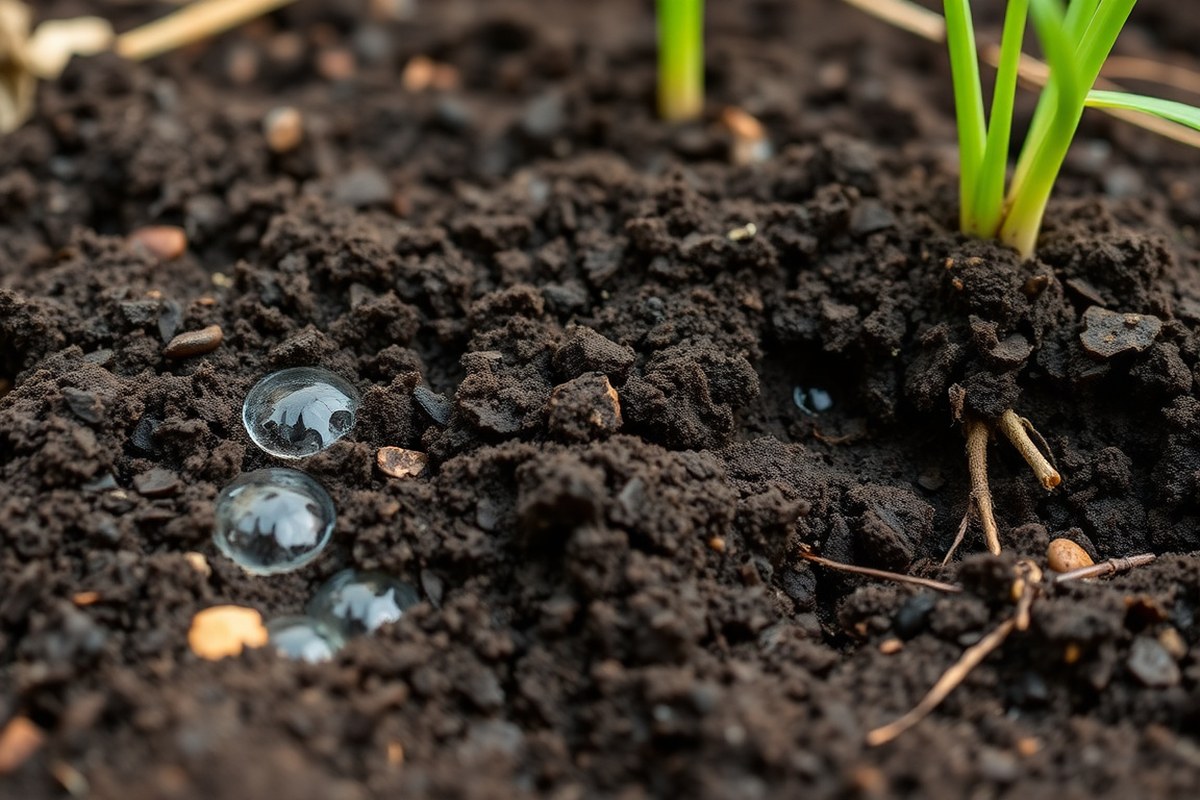
Well draining soil means water moves through the soil steadily without pooling on the surface. It holds enough moisture for roots but also lets air reach them. This balance keeps roots moist and oxygenated, which plants need to grow strong.
Water drainage is important because too much water harms roots and too little dries them out. When soil stays wet too long, roots get less oxygen. Too much water can cause root rot in plants.
Soil that drains too fast keeps roots too dry. Plants will wilt without enough water.
Soil structure affects drainage by the size and arrangement of soil particles. Sandy soil has large particles, making it drain quickly but dry out fast. Clay soil has tiny particles that hold water tightly, often causing poor drainage and soggy roots.
A well draining soil is loose and crumbly, with tiny spaces filled with air and water. These pockets let water soak in and excess water drain away at a good pace.
Well-drained soil lets water flow about 1 to 6 inches per hour. It drains within 10 minutes after watering.
Good drainage means soil is not sticky or waterlogged when you walk on it. Your garden soil might drain poorly if it sticks to boots.
Wet soil that stays soggy long after rain also shows poor drainage. Well-draining soil helps plants avoid diseases caused by standing water.
To check drainage, you can observe how water behaves after heavy rain or watering. Water soaking in steadily means good soil drainage.
Puddles that disappear in a few minutes show healthy soil. This helps roots breathe and absorb nutrients efficiently, which leads to better plant health.
How to Perform a Simple Soil Drainage Test at Home
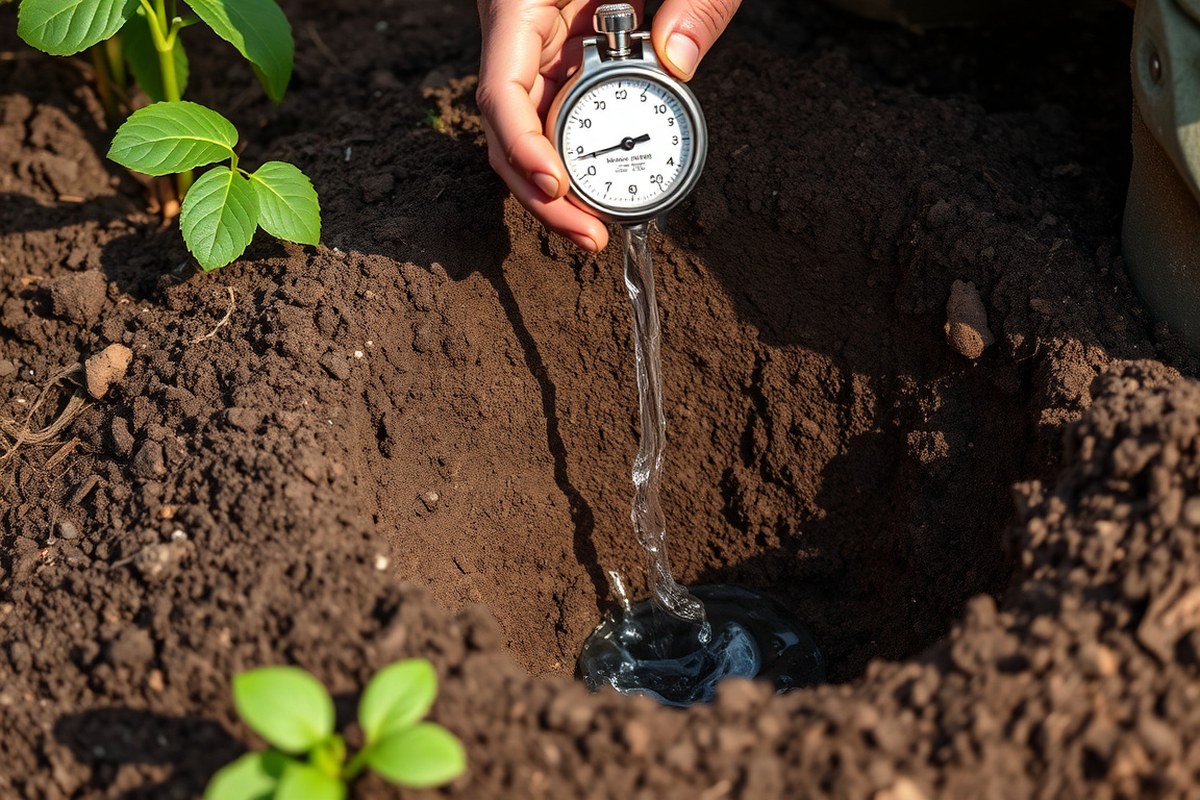
Testing drainage at home shows how quickly water leaves your soil. Dig a hole about 12 inches wide and deep.
Pour water in, then time how long the water takes to disappear. This test tells you if your soil drains well or holds too much water.
Preparing the Test Hole
Start by picking a dry day with no rain forecast. Choose a spot in your garden where you want to test drainage.
Dig a round hole measuring about 12 to 18 inches wide and 12 inches deep. This size gives enough soil for a good drainage test.
Remove loose soil and smooth the sides and bottom. This prevents water from quickly escaping through cracks.
- Find a dry spot in your garden away from plants.
- Use a shovel to dig a 12-inch diameter, 12-inch deep hole.
- Clear away any loose soil from the hole’s sides and bottom.
Use a dry day to get accurate results; wet soil may give false readings.
Measuring Drainage Time Accurately
Fill the hole completely with water. Pour slowly to avoid soil collapse or channeling water down.
Start a timer when you finish filling. Watch how long it takes for water to seep fully into the soil.
Let the water drain until almost gone. This usually takes 30 minutes to a few hours.
- Fill the hole with water slowly until full.
- Note the exact time you finish filling to start timing.
- Check periodically and watch water level drop until almost gone.
It’s normal for water to sit a bit on the surface before soaking in. Be patient during the test.
Calculating and Interpreting Results
Measure how far the water level falls, usually about 12 inches. Record how long this took in hours or minutes.
Divide the water depth (in inches) by the drainage time (in hours). This gives you the drainage rate in inches per hour.
Soil that drains about 1 inch per hour is well draining. Below 0.5 inches per hour means poor drainage.
- Note the distance water drops, usually 12 inches.
- Record how long it took in hours. For example, 12 inches / 1 hour = 1 inch/hour.
- Compare with the 1 inch/hour standard to judge drainage quality.
Water draining slower than 1 hour for 12 inches means poor soil drainage.
How Different Soil Types Affect Drainage and Plant Growth
Soil drains differently based on its mix of particles like sand, clay, and silt. Clay holds water tightly and drains slowly, which can suffocate roots. Sand has big particles, so it drains quickly but holds fewer nutrients.
Silt is between clay and sand in texture. It holds more water than sand. It drains better than clay does.
Loam, a balanced mix of sand, silt, and clay, often drains well. It lets water pass while keeping some moisture and nutrients for plants.
Here’s a table that breaks down how these soil types affect drainage and plant health. It shows how fast water moves through and what the soil feels like for roots.
| Soil Type | Drainage Speed | Texture & Feel | Effect on Plant Roots |
|---|---|---|---|
| Clay | Very slow, less than 1 inch/hour | Sticky, dense when wet, hard when dry | Poor oxygen flow, risks root rot |
| Sand | Fast, more than 6 inches/hour | Gritty, loose, dries quickly | Good aeration but poor nutrient retention |
| Silt | Moderate | Soft, smooth, holds moisture well | Better water retention but can compact |
| Loam (mix) | Balanced, 1 to 6 inches/hour | Crumbly, moist, airy | Ideal for most plants, good root oxygen |
Adding too much sand or clay changes drainage a lot. For example, clay soil can stay waterlogged and harm plants unless you add coarse sand. Adding sand helps only when mixed in almost equal parts.
Using just a little sand won’t work. You need nearly equal sand and soil.
Loam’s mix means it usually fits into the best drainage range. Plants grow best in soil that drains at about 1 to 6 inches per hour. That gives roots air without drying them out too fast.
Key Signs That Show Your Soil Drains Too Slowly or Too Quickly
Soil that drains too slowly holds water for too long, blocking air from reaching roots. You might notice water pooling or soil staying soggy days after rain. The roots soften and darken.
This often makes plants look tired. Leaves may yellow and growth can slow down.
On the other hand, soil that drains too quickly won’t keep enough moisture. Plants in sandy or very loose soil may wilt often, even if you water them regularly. Their leaves turn yellow or dry out.
Roots can’t absorb enough water. Water drains away too fast.
Good drainage lets roots soak up water. Water sits just long enough. Then, the rest drains away.
Plants look healthy and leaves stay firm. Soil feels moist, not wet, after watering. This happens a few hours after watering.
- Water pools on the surface or soil stays soggy for over 24 hours
- Plant roots become soft, dark, or smell bad (sign of rot)
- Leaves yellow, wilt, or drop unexpectedly without pests or drought
- Soil dries out very fast, causing frequent wilting
- You find yourself watering plants more often to keep them alive
- Soil feels gritty and loose with water passing through immediately
Check your soil by digging a few inches down after watering. It is still muddy a day later. This means drainage is slow.
Soil feels dry within hours and plants wilt. This means drainage is too fast. You can improve either with organic matter like compost to balance soil texture and water flow.
Signs of drainage problems are clear in your plants and soil moisture. Acting early prevents root damage and keeps your garden thriving. Watch how soil holds or sheds water.
Check this through different seasons. It helps catch drainage issues early.
Effective Organic Matter to Improve Soil Drainage
Compost is one of the best organic materials to improve soil drainage. Adding about 25% to 40% compost mixed into your soil will loosen clay or compacted soil. It creates better air pockets and improves water flow through the soil.
Shredded leaves or leaf mold also help break up heavy soil. They add humus that increases soil porosity and retains some moisture without waterlogging roots. Aim for a 2 to 3-inch layer of shredded leaves on soil.
Turn this layer into the soil to help it break down faster. This speeds up decomposition effectively.
Aged manure or humus-rich manure mixes add nutrients and organic matter that revitalize soil. Spread a 1 to 2-inch mulch layer evenly over the area. Work this layer into the top 6 to 8 inches of soil.
This improves soil texture and health. This helps improve texture and drainage while feeding plants naturally.
Peat moss or sphagnum moss is often used to make potting mixes lighter and drain better. Mix about 30% peat moss with soil or compost. But be aware it lowers soil pH to 3.5, 4.5.
Peat works well in containers for plant growth. It might not suit garden beds without adjusting pH levels. Use lime or other pH adjusters if needed.
Biochar is a charcoal-like material with a large internal surface area. Adding around 5% biochar by volume boosts drainage and holds moisture in balance. It also improves soil structure over time, especially in heavy or poor soils.
Wood chips and pine bark make good mulch materials. They loosen the soil surface and help water drain evenly. This benefits soil aeration and moisture.
Use wood chips and bark as a top mulch layer only. Avoid mixing them directly into the soil in large amounts. You can add small amounts with compost for mild improvement.
Don’t add too much sand to clay soil. It often makes drainage worse unless mixed half and half, which isn’t practical for most gardens.
Building Raised Beds and Other Structural Solutions for Drainage
Raised beds help fix drainage problems by lifting soil away from heavy, compacted ground. They let water flow freely through the soil mix you create. Adding soil layers with good drainage helps keep plants from waterlogging.
These layers give roots space to grow well inside raised beds. Good drainage is key for healthy plant growth in containers.
Constructing Raised Beds with Proper Soil Mix
Raised beds should sit 6 to 8 inches above your native soil to improve drainage. The height stops water from pooling around roots during heavy rain or watering. Use sturdy wood, stone, or recycled bricks that can hold soil without collapsing.
Here’s a simple way to build one and mix soil for good drainage:
- Pick a sunny, level spot and clear weeds from the ground.
- Build a frame 6 to 8 inches tall using untreated cedar or composite boards.
- Lay a weed barrier or landscape fabric inside the frame for cleanup.
- Mix soil with 40% topsoil, 40% compost, and 20% coarse sand or fine gravel.
- Fill the raised bed with the mix, leaving 1 to 2 inches space at the top.
- Water the soil mix to settle it and add more if it sinks.
- Plant your veggies or flowers about a week after filling.
Well-drained soil feels crumbly, not sticky or hard. Raised beds stop root rot and encourage air pockets in soil.
Soil Layering and Amendments in Raised Beds
Local soil often compacts too much to drain well, even in raised beds. Adding layers of different materials stops water from sitting at the bottom. Twigs, bark, or small gravel create air pockets for faster water flow.
Mix organic matter like compost or leaf mold for nutrients. Avoid extra sand because it might dry soil too fast, especially in hot weather. A soil mix with balanced materials feeds plants for six months in raised beds.
Drainage Systems: Trenches and Pipes
Besides raised beds, trenches or perforated pipes help drain large, soggy garden areas. Trenches guide excess water away from plants into lower ground or drainage ditches. Plastic or clay pipes with holes can run below soil, directing water underground.
To install pipes, first dig a shallow trench about 6 inches wide. The trench should be 8 to 12 inches deep to fit the pipes. Make sure the trench runs where drainage is needed.
Lay perforated pipe, cover it with gravel, then add soil on top. Pipes stop water from building up in clay soils outdoors.
They are useful when you can’t build raised beds. Pipes also work well in large landscape areas to drain water.
Common Mistakes That Harm Soil Drainage and How to Avoid Them
Digging or tilling soil too often breaks down its natural structure. That damage compacts the soil once it settles, squeezing out air pockets. Plants need air spaces in soil to drain water well.
Without them, water stays and causes soggy spots. This can bring root rot in plants.
Walking or working on wet soil also causes compaction. This crushes tiny tunnels important for water flow and root growth.
To protect soil, wait until it dries before stepping on it. Use stepping stones or garden paths to reduce foot traffic on garden beds.
Adding sand alone to clay soil might seem helpful but often backfires. Sand particles fill gaps between clay particles, creating a cement-like mix that blocks drainage.
Instead, mix sand with plenty of organic matter like compost. The organic matter helps keep the sand and clay separated, improving porosity.
- Till only when necessary, ideally once or twice yearly
- Use a garden fork to gently loosen soil without breaking structure
- Avoid walking on wet beds; use paths or stepping stones
- Mix sand sparingly with organic matter, not pure sand
- Add organic compost yearly to maintain soil pores
- Plant cover crops to protect soil from erosion and compaction
Keeping soil structure means adding organic matter regularly. Compost, leaf mold, and seaweed build stable clumps in soil. These clumps keep their shape and let water flow through.
This helps plants grow better. These additions cost little and improve drainage over time. Check your soil yearly and top-dress with organic material to keep it healthy.
Different gardens have unique needs. In containers, use light mixes with perlite or sand combined with seaweed for air pockets.
Raised beds benefit from loosened soil mixed with organic matter for better drainage. Adjust your approach depending on soil type and watering habits to prevent drainage problems.
Maintaining and Monitoring Soil Drainage over Time
Keep your soil draining well by caring for it often and paying attention. Regular checks help catch problems before plants suffer. Tools and pro advice can step in when simple actions don’t fix the issue.
Routine Soil Care for Drainage
Adding organic matter like compost or vermiculite yearly keeps soil loose. This helps water flow more easily through the soil.
These improve aeration and keep moisture balanced, so plants don’t drown or dry out. Avoid walking on your beds too much; compacted soil blocks pores and slows drainage.
Water your garden deeply but less often to encourage strong roots. Let the soil dry slightly between watering sessions to prevent waterlogging. Also, mulch with wood chips or straw.
This lock in moisture while preventing crusting and erosion. Check drainage spots after heavy rain to see if water pools or soaks in quickly.
Using Moisture Sensors and Observation
Soil moisture sensors range from $10 to $50 online or in garden stores. Stick one a few inches into your bed and check readings before watering. Moisture meters or probes tell if soil is too wet or dry.
You can adjust your watering schedule based on their readings. This avoids drainage problems in your garden.
Watch your plants closely. Wilting, yellowing, or root rot signs suggest drainage troubles. Feel the soil surface with your fingers.
It should feel moist but not soggy 1 to 2 inches deep. Checking after rain or watering sessions helps you spot slow drainage early. So you can take action.
Professional Solutions for Persistent Drainage Issues
Call a landscaper or soil expert if water pools for days. Also call if plants stay weak despite your care. Experts can test soil structure deeply.
They might suggest drainage pipes or regrading to fix the area. Professionals spot hidden causes such as hardpan layers or subsoil compaction that simple fixes miss.
Costs vary widely, often from $500 to a few thousand dollars depending on the problem size. Don’t delay calling for help if poor drainage causes root rot or kills plants rapidly. Getting expert advice prevents plant loss and expensive rework later on.
Check soil moisture before watering with a simple probe to avoid overwatering. Excess water often harms roots more than drought does.
Step-by-Step Action Plan
Here’s a simple plan to get your soil draining well quickly and reliably.
- Before you start: Test your soil drainage with a simple hole test. If water stays too long, you’ll need to improve soil texture.
- Week 1: Add organic matter like compost or shredded leaves. Mix it into the top 6 inches of soil to improve structure and drainage.
- Week 2: Check drainage again after rain or watering heavy enough to soak deeply. Water should soak in within 30 minutes to 2 hours.
- Week 3: Build raised beds or add drainage channels if soil is still soggy. Raised beds help excess water run off faster.
- Month 1: Avoid compacting soil by walking on planting beds. Use stepping stones or paths to protect soil pores.
- Ongoing: Mulch with straw or bark to keep soil consistent moisture without waterlogging. Mulch also delays surface crusting.
- Every 3 months: Retest soil drainage and add more organic material if needed. Keep tracking to catch problems early.
Frequently Asked Questions
How Does Well Draining Soil Benefit Root Health?
Well draining soil stops roots from sitting in water. This prevents rot and lets roots breathe, which helps plants grow stronger.
Can Mulch Improve Soil Drainage?
Mulch helps regulate soil moisture but doesn’t fix drainage alone. Combine mulch with organic matter to improve soil’s ability to drain well.
What Role Do Twigs Play in Soil Drainage?
Twigs add air spaces in the soil, helping water flow. Using twigs improves soil aeration and drainage, which roots need for oxygen.
How Does a Caliche Layer Affect Drainage?
A caliche layer acts like a barrier that stops water flow. It can cause poor drainage by holding water above it and making soil soggy.
Why Is Well Draining Soil More Critical for Indoor Plants?
Indoor plants often sit in containers where water can pool. Well draining soil stops water buildup, preventing root rot in pots.
What’s a Quick Way to Check If Soil Drains Too Fast in Your Garden?
If water vanishes in under 10 minutes, soil drains too quickly. This can dry out roots before they absorb enough water.
The Bottom Line
Good soil drainage starts with knowing your soil’s needs and taking simple steps. Checking drainage regularly helps keep plants healthy. Start today by testing your soil to see how fast water soaks in.