Do Blue Lake Bush Beans Need a Trellis? What Actually Works for Best Growth
Do Blue Lake bush beans need a trellis? No, they don’t.
These beans grow in a compact, bushy shape that supports themselves well. You can plant them without any support and still get healthy growth and good yield.
Blue Lake bush beans usually grow only 12 to 18 inches tall. This modest height means they don’t flop over easily. Just give them enough space and sunlight to keep them sturdy.
Plant the seeds about 3 to 4 inches apart in rows 18 to 24 inches apart. This spacing helps air flow around the plants and prevents disease. Support is usually only needed if the plants face strong winds or heavy rain.
In cases of very windy gardens or heavy storms, a simple stake or small trellis can help. But most gardeners won’t need it for everyday growing. Proper watering and avoiding overcrowding also keep your bush beans strong.
Key Takeaways
- Blue Lake bush beans grow 12-18 inches tall and don’t require trellises.
- Plant seeds 3-4 inches apart with 18-24 inches between rows for airflow.
- Self-supporting growth suits most home gardens without extra supports.
- Consider support only in areas with strong winds or heavy rain.
- Full sun exposure helps bushes stay healthy without flopping.
- Proper spacing reduces plant crowding and helps keep beans upright.
Do Blue Lake Bush Beans Need a Trellis to Grow?
Blue Lake bush beans don’t need a trellis because they grow as compact bushes. These beans usually reach 12 to 18 inches tall, with a spread around 16 inches. Their short, sturdy stems keep them upright without extra support.
Unlike pole beans, Blue Lake bush beans stay shorter. They grow to a manageable height. They don’t need trellises to climb.
Blue Lake bush beans are a determinate type. They grow to a set size.
They produce fruit all at once. This habit means they don’t send out long vines that require staking.
Some gardeners use light support for heavy pods. This helps in windy areas. It keeps plants from falling over.
A simple wire mesh or short stakes can help keep branches from flopping onto the ground. Most growers space bush beans well apart.
They let the plants support themselves. No trellis is needed during the season.
How Blue Lake Bush Beans Differ from Pole Beans
Blue Lake bush beans and pole beans differ mainly in how they grow and need support. Bush beans grow short and compact, usually standing upright without help.
Pole beans climb and can reach 6 to 10 feet tall. So they need something to hold onto as they grow.
This growth difference matters because it changes how you plant and care for them. Bush beans fit in tighter spaces as they stay low.
Pole beans need wider rows and trellises or poles for climbing. You can’t swap one for the other without changing how you handle them.
| Characteristic | Blue Lake Bush Beans | Pole Beans |
|---|---|---|
| Growth Habit | Compact, bushy, self-supporting | Vining, requires support |
| Height | 12-18 inches | 6-10 feet |
| Trellis Requirement | Not required | Necessary for support |
| Plant Spacing | 2-4 inches apart, rows 18-24 inches apart | 4-6 inches apart, rows 3-5 feet apart |
| Harvesting Ease | Easier, pods accessible at ground level | Requires reaching or climbing |
Because bush beans are shorter, they usually do not need a trellis. You plant them closer, which saves garden space and makes picking pods simpler.
Pole beans, though, will flop without a tall trellis or some form of vertical support. They need the vertical space to grow strong and healthy.
Don’t try to grow pole beans without support; they’ll sprawl and reduce yield.
When Is Supporting Blue Lake Bush Beans Beneficial?
Blue Lake bush beans usually grow well without support. Still, you might want to use light support in some cases to keep plants healthy. Wind or heavy rain can knock the plants over, damaging them and making harvest harder.
When you plant beans less than 3 inches apart, they crowd. Crowding makes it hard for beans to grow well. Keep at least 3 to 4 inches between each plant.
This crowding lowers air flow, raising the chance of fungal diseases. Adding a small stake or cage can hold plants upright and improve air circulation.
A trellis or light support helps if your garden gets strong winds. It keeps plants from bending or breaking in storms. Use support when heavy weather is common.
The plants stay steadier, and you avoid beans lying on moist soil. That helps reduce rot and disease. So your plants put energy into growing pods instead of fighting sickness.
- Place 2- to 3-foot stakes near each plant for light support
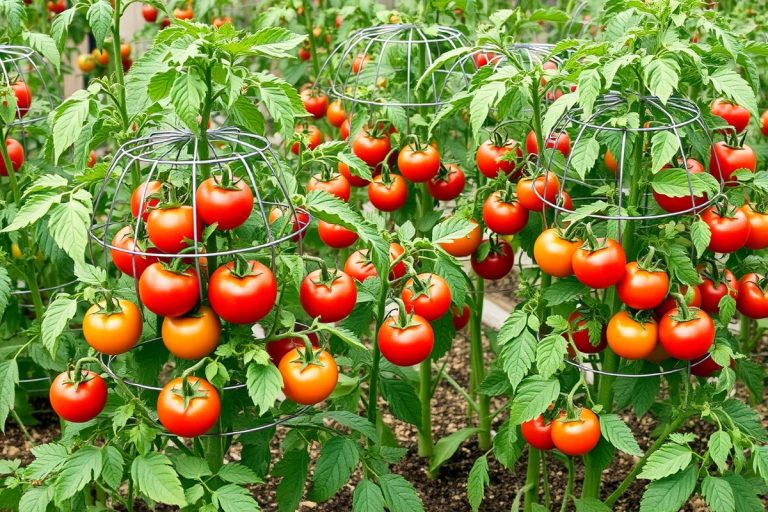
- Use a small wire cage around clusters of bush beans
- Install a low trellis about 18 to 24 inches high to keep plants upright
- Space plants at least 3 inches apart to reduce crowding
- Secure the vines gently with soft ties if they fall sideways
- Check supports after storms to fix any leaning plants
Light stakes and cages cost only a few dollars and save you time on harvesting. You don’t need a tall trellis since these beans only grow 12 to 18 inches high. Adding support creates good airflow around leaves, which helps keep diseases like powdery mildew away.
Avoid heavy trellising that forces bush beans to grow vertical. That can stress the plants or break their stems. Give Blue Lake bush beans just enough support to stay off the ground.
This prevents rot and pests without stressing the stems. Avoid over-support because it can harm the plants. This way, the beans develop well, stay clean, and you get a better, easier harvest.
Types of Trellises and Supports Suitable for Bush Beans
Blue Lake bush beans usually don’t need a trellis since they grow in tight, self-supporting bushes. Simple stakes or small cages keep plants upright. They stop sprawling.
This improves air flow and makes picking easier. Choose support based on your garden size. Think about how tidy you want the bean patch.
Simple Stakes and Low Fences
Driving a few sturdy stakes next to the plants helps support them without much fuss. Tie plants gently with soft garden twine. Use cloth strips if you prefer.
Do this every few inches. Stakes cost a few dollars each.
They are easy to set up in small beds. Great for narrow spaces too.
Low garden fences made of wood or plastic mesh also work well for modest bush beans. These fences hold plants upright and stop heavy rains from flattening them.
Choose stakes about 2 feet tall. That fits the average Blue Lake bush bean height.
Wire Mesh and Netting Trellises
Wire mesh or plastic netting fixed to a frame lets the bush beans lean without sprawling. This option is best if you have a larger garden and want to keep rows neat. Make a frame with wood or metal stakes.
Use stakes about 3 feet tall. Stretch mesh horizontally or vertically.
Wire or netting takes more time to install than stakes. It gives strong support in wet or windy weather.
Materials for a 3-by-6-foot mesh trellis usually cost $20 to $40 at garden centers. The mesh keeps branches upright and helps beans get better sun and air circulation.
A-Frame and Custom Structures
An A-frame trellis is like a small tent shape. It has two boards leaning together with mesh inside. This holds beans up on both sides, letting more air flow and making harvest easier.
Build an A-frame with scrap wood or garden poles. Make it about 4 feet tall. This will clear the bush’s growth.
Custom trellises work well if you want extra order or have unusual spaces. You can add crossbars or hinges to fold the trellis for winter storage.
These supports need more time and money. They give strong support without constant tying or adjusting.
Planting and Spacing Blue Lake Bush Beans for Best Growth
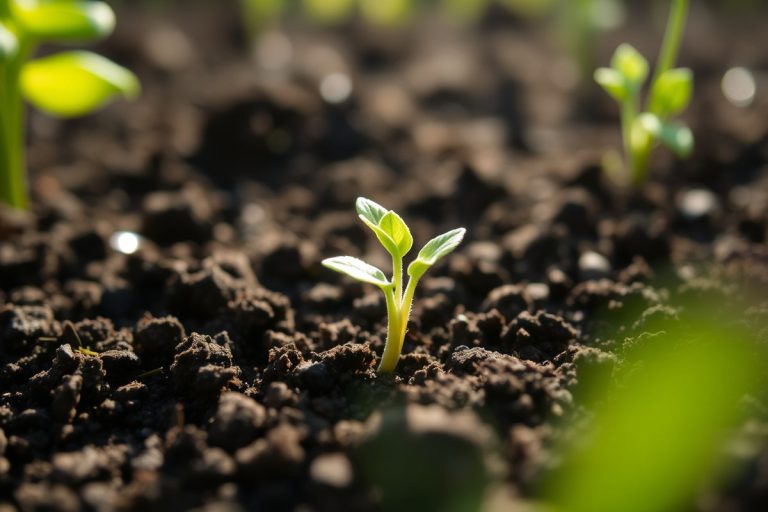
Blue Lake bush beans grow best when planted 3 to 4 inches apart. Rows should be 18 to 24 inches apart. This spacing helps plants grow well.
Plant seeds about 1 to 1.5 inches deep to get strong roots and good growth. Good spacing helps air move between plants, reducing pests and the need for extra support.
Seed Planting Depth and Timing
Plant seeds about 1 to 1.5 inches deep in loose soil. This depth lets seeds grow strong roots without struggling to break through the soil. Planting too shallow means seedlings might dry out quickly.
They can also blow away in strong wind. Planting seeds too deep can delay sprouting. Some seeds may not come up at all.
Wait until the soil is at least 60°F at a 4-inch depth before planting. Cooler soil slows germination and leads to weak plants. Use a soil thermometer to pick the right planting day.
Check soil every day for proper conditions. This helps your seeds sprout better.
Row and Plant Spacing Guidelines
Space seeds 3 to 4 inches apart within rows. Leave 18 to 24 inches between rows to give plants enough room.
This setup increases airflow and light, which helps avoid disease problems and keeps plants healthy. Tight spacing can cause crowded growth and weak stems.
Providing enough space lessens crowding and often removes the need for trellising. The beans can stand strong on their own because each plant gets enough air and light. Crowded rows are more likely to flop and might need support.
Adjusting Spacing for Containers or Small Plots
In containers or small garden plots, use tighter spacing but expect smaller plants. Space seeds 2 to 3 inches apart in rows. Keep rows or containers 12 to 18 inches apart.
This gives plants enough room to grow. Smaller spaces limit growth, so beans may benefit from gentle support or stakes.
Thinning seedlings after germination helps create the right spacing. Remove weaker plants to keep stronger, better spaced ones. This helps air circulate even in smaller spaces where trellis use is harder.
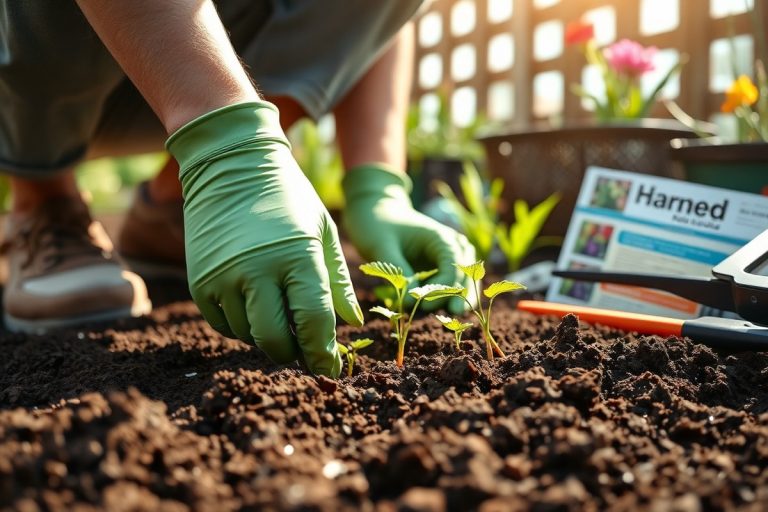
Follow these steps for planting Blue Lake bush beans with proper depth and spacing:
- Check soil temperature at 4-inch depth to confirm it is 60°F or warmer.
- Prepare soil by loosening it to at least 4 inches deep for root growth.
- Sow seeds 1 to 1.5 inches deep in rows that are 18 to 24 inches apart.
- Place seeds 3 to 4 inches apart within each row for good airflow.
- Water gently after planting to help seeds settle and start germination.
- Thin seedlings if they sprout too close, leaving the strongest plants spaced properly.
- Monitor growth and add support only if plants crowd or flop over.
Planting seeds too shallow or too deep delays growth and weakens plants.
Training and Maintaining Blue Lake Bush Beans with Support
Training Blue Lake bush beans on a trellis helps them grow upright. Tie their stems gently to the trellis for support. This keeps plants neat and healthy.
This keeps plants healthy and pods easy to harvest. Regular pruning and watching for pests also help your beans thrive.
Using Soft Ties for Gentleness
Choose soft materials like cloth strips or garden twine to tie your bush beans. Avoid plastic or wire, which can cut into stems and cause damage. Tie plants loosely so they can grow without pressure but still stay upright.
Tie the main shoots to the trellis at 6- to 8-inch intervals. This spacing keeps branches secure but allows airflow around the plants, reducing disease risk. Check ties every week and loosen or move them as plants grow.
Regular Pruning and Canopy Care
Pruning bush beans isn’t usually necessary. But removing crowded or yellowing leaves helps air move through leaves better.
This cuts down moisture buildup that invites disease. Snip any leaves blocking sunlight from pods.
Cut back stems if plants grow beyond 18 inches wide. You can also trim them to boost pod production. This keeps plants manageable and productive.
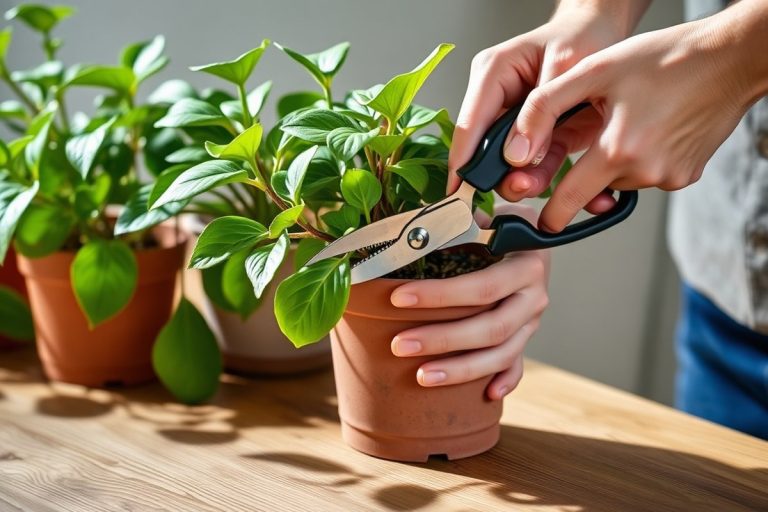
Use clean scissors or pruners. Doing this encourages new healthy growth and easier harvesting later.
Inspecting for Pests and Diseases
Check your beans every few days for common pests like aphids or spider mites. Look under leaves and on stems for small insects or webs. Early spotting makes treatment easier and safer.
Remove any sick or damaged leaves you find right away. This stops disease spread. Keep weeds down around the plants to avoid pests.
Weeds also hold moisture that spreads fungus and bacteria. Clear beds help your beans stay healthy.
Follow these steps to train and care for your beans on a trellis:
- Choose a trellis about 3 feet tall and sturdy enough for bean weight.
- Tie each plant’s main stems gently to the trellis using soft cloth strips.
- Space ties about 6 to 8 inches apart along each stem to prevent drooping.
- Inspect your ties weekly, loosening them to allow stem growth.
- Remove any yellow or crowded leaves to improve airflow around plants.
- Check plants for pests every few days and pick off bugs by hand.
- Keep the base area free of weeds and debris to reduce disease risks.
- Prune back excessively wide branches if shading lowers pod production.
Common Mistakes and How to Avoid Them When Growing Blue Lake Bush Beans
Many gardeners overcrowd Blue Lake bush beans, which hurts air flow and growth. Plant seeds about 2 to 4 inches apart in rows 18 to 24 inches wide. Squeezing plants closer makes them compete for light and nutrients, causing weak stems and fewer pods.
Planting seeds too deep is another common mistake. Sow seeds 1 to 1.5 inches deep to promote fast, strong germination. Planting much deeper may cause seeds to rot or fail to sprout.
Blue Lake bush beans usually grow well without a trellis. So tying or pruning is rarely needed.
Tying plants can damage stems or slow pod growth if done incorrectly. Avoid pruning unless you want to remove dead or damaged leaves for airflow.
- Keep spacing at least 2 inches between plants and 18 inches between rows
- Plant seeds 1 to 1.5 inches deep in loose, well-draining soil
- Avoid crowding to reduce disease risks and improve pod production
- Do not use trellises unless unusual conditions require support
- Skip pruning except to clear dead leaves for better airflow
- Water regularly but avoid soggy soil to prevent root rot
Planting with the right depth and spacing takes little extra effort but helps beans grow strong. The right spacing lets air flow through the crop, lowering mold or mildew risk. Skipping unnecessary ties or pruning keeps your plants healthy and saves time.
Overcrowding makes gardeners think plants need a trellis. The real issue is not enough space for each plant.
Correct soil depth improves germination rates and reduces slow starts. Following these simple steps often prevents problems that cause weak plants or poor yields.
How Growing Conditions Affect Support Needs for Blue Lake Bush Beans
Blue Lake bush beans usually stand firm without a trellis. Still, strong winds or frequent storms can push plants over. Wind can break bean stems in rough weather.
Adding light stakes helps. Low cages also keep beans upright in windy spots.
Soil quality matters for how stable these bush beans stay. Rich, well-drained soil lets roots cling tightly, supporting the plant better. Clay or very sandy soils offer less grip.
So plants may lean or topple as they grow heavier with beans. You can improve soil by mixing in compost or aged manure before planting. This boosts root health and helps plants resist falling over.
Season and location influence whether you should use support too. Beans grow strong roots early when soil hits 65°F (18°C). Early root growth helps beans stand up.
This happens as soil warms in spring. Cooler climates with short seasons slow root growth. This delay means beans may need extra support.
Support helps during tough first weeks. Also, gardens in humid or rainy areas face disease risks if beans lie on wet soil. Keeping plants off the ground with simple supports improves air flow and drying, lowering disease chances.
Adding light stakes in windy or heavy rain areas protects your beans without crowding your garden.
Using supports varies by situation. In a warm, sheltered urban garden with rich soil, no trellis is often needed. But more exposed rural areas with loose or rocky ground benefit from lightweight supports.
You only need to tie plants gently with garden twine, using soft knots to avoid damage. Checking plants regularly during storms ensures these supports hold and beans don’t sag.
Keep an eye on how your bush beans react through the season. Leaning stems or tangled branches mean it’s time to add stakes or netting. Stakes and twine cost little.
Wood scraps or bamboo poles run under $5 each. Twine costs about $2 per roll. Using stakes and twine adds 10 to 15 minutes weekly.
This small extra work keeps your beans healthy. It also makes harvesting easier.
Step-by-Step Action Plan for Growing Blue Lake Bush Beans with or Without Support
Here’s a simple plan to grow Blue Lake bush beans and decide if they need support. Follow the steps in order to keep your beans healthy and productive.
- Before planting: Choose a sunny spot with well-drained soil. Blue Lake bush beans like full sun to thrive.
- Planting time: Sow seeds 1 inch deep. Space them 3 inches apart in rows. Keep rows 18-24 inches apart. This spacing helps good air circulation.
- Week 2: Check if plants are growing unevenly tall or leaning. Prepare a simple trellis or use stakes to support them.
- Week 3-4: If using a trellis, gently tie any taller plants to support rods. Use soft ties to avoid damage.
- Ongoing care: Water regularly but avoid overhead watering to reduce disease risk. Healthy plants need even moisture.
- Mid-growth: Remove any crowding plants or damaged leaves. This improves airflow and reduces pests.
- Harvest time: Pick beans when pods are firm and about 4-6 inches long. Frequent harvesting encourages more beans.
- After harvest: Clear old plants and add compost to your soil. This keeps nutrients ready for the next season.
Frequently Asked Questions
Are Blue Lake Bush Beans the Same as Blue Lake Pole Beans?
No, bush beans grow short and compact, pole beans climb and need support. Bush beans top out around 18 inches, while pole beans reach 6-10 feet.
Are Blue Lake Bush Beans Easy to Grow?
Yes, they grow quickly and don’t need any trellises. Their bushy form makes them simple for beginners to manage in small spaces.
What Should Not Be Planted Near Bush Beans?
Avoid planting onions, garlic, or fennel close by as they can stunt bean growth. Beans prefer neighbors like carrots or cucumbers instead.
How Tall Will Blue Lake Bush Beans Grow?
They usually grow 12 to 18 inches tall, staying short and bushy. This height helps them stay self-supporting without extra stakes.
Do Blue Lake Bush Beans Produce as Many Pods Without Support?
Yes, they yield well without support since they don’t climb or vine. Proper spacing and soil care affect pod production more.
Can Blue Lake Bush Beans Benefit from Light Support in Windy Areas?
Yes, minimal support can help prevent damage in strong wind. Use simple stakes or a low fence to protect plants but not a full trellis.
Wrapping Up
Blue Lake bush beans don’t usually require a trellis. But support can help in certain cases.
Watch how your plants grow and add support if they stretch or lean. Start by checking your beans two weeks after planting to decide what they need next.