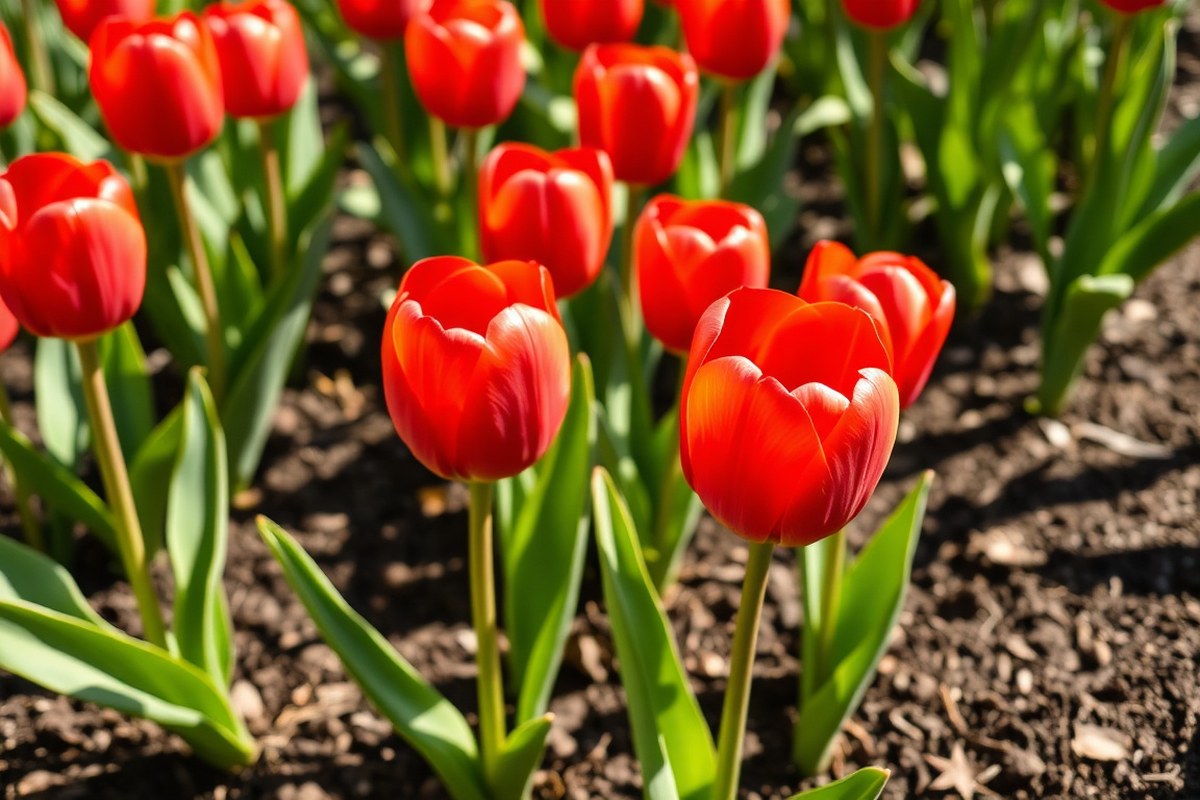
How to Care for a Tulip Plant: Complete Guide for Healthy Blooms
Learning how to care for a tulip plant means planting bulbs at the right time. Plant your tulip bulbs in the fall.
Do this about 6 to 8 weeks before the first hard frost comes. This timing helps the bulbs settle and develop roots before winter.
Pick a spot that gets at least six hours of sun every day. Tulips prefer full to partial sunlight for strong growth and bright blooms. Make sure the soil drains well to avoid soggy conditions that damage bulbs.
Plant tulip bulbs 6 to 8 inches deep. Space each bulb 4 to 6 inches apart.
This depth keeps bulbs safe from freezing and pests while allowing shoots to emerge easily. Avoid planting too shallow or too crowded to help tulips thrive.
Key Takeaways
- Plant tulip bulbs after soil temperature drops below 55°F (13°C).
- Choose a sunny spot with well-draining soil for planting tulips.
- Dig holes 6 to 8 inches deep to protect bulbs from cold and pests.
- Space bulbs 4 to 6 inches apart; tighter spacing suits large drifts.
- Plant in fall, 6 to 8 weeks before your area’s first hard frost.
- Chill bulbs indoors for 12 to 16 weeks before planting in warmer areas.
When and Where to Plant Tulip Bulbs for Best Growth
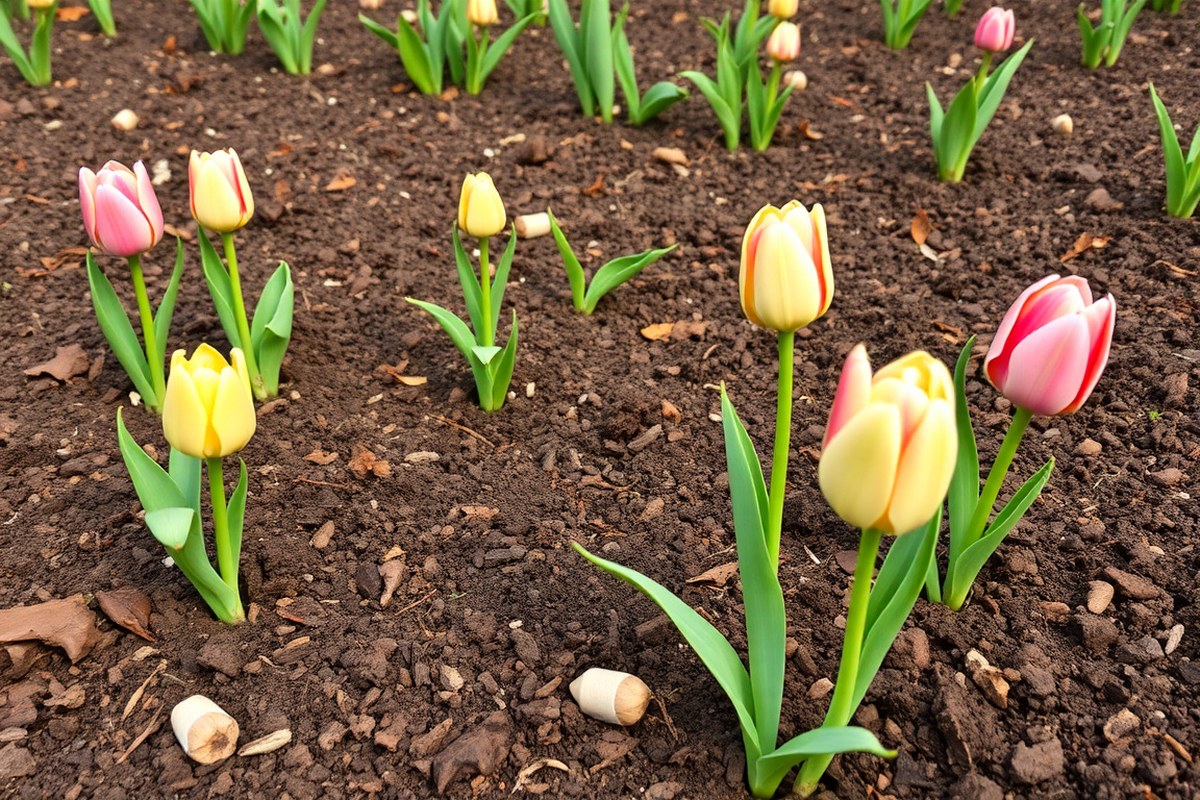
Tulip bulbs take root best in the fall, once the soil cools below 60°F. Plant tulip bulbs 6 to 8 weeks before your first hard frost. This usually happens in late October or November. This timing lets bulbs stay dormant until spring, which is key for blooming.
Choosing a sunny spot with at least six hours of direct light matters a lot. Tulips in shade grow tall and weak with fewer flowers.
Pick well-draining sandy or loamy soil to stop bulb rot, their biggest enemy. Avoid wet or heavy clay soils that hold water.
Plant bulbs 6 to 8 inches deep, about three times their size. Space them 4 to 6 inches apart. This depth guards bulbs from the cold and pests.
In warmer zones, December planting works. Colder areas need earlier fall planting. Bulbs chill 10 to 14 weeks at 35°F to 45°F. This chilling starts flowering.
For indoor planting, you must mimic this chilling. Store bulbs in the fridge for 12 to 16 weeks. After that, pot them by a sunny window.
This chilling period tricks them into thinking winter passed. Indoors, use a well-draining potting mix and keep soil moist but not soggy.
Outdoor planting demands less fuss but watch the soil temperature. It should be cool, not frozen. Dig holes that protect bulbs well and layer soil back carefully.
Keep indoor bulbs in a cool place during chilling. Then move pots to a bright, warm spot to wake shoots.
How to Prepare Soil and Plant Tulip Bulbs Properly
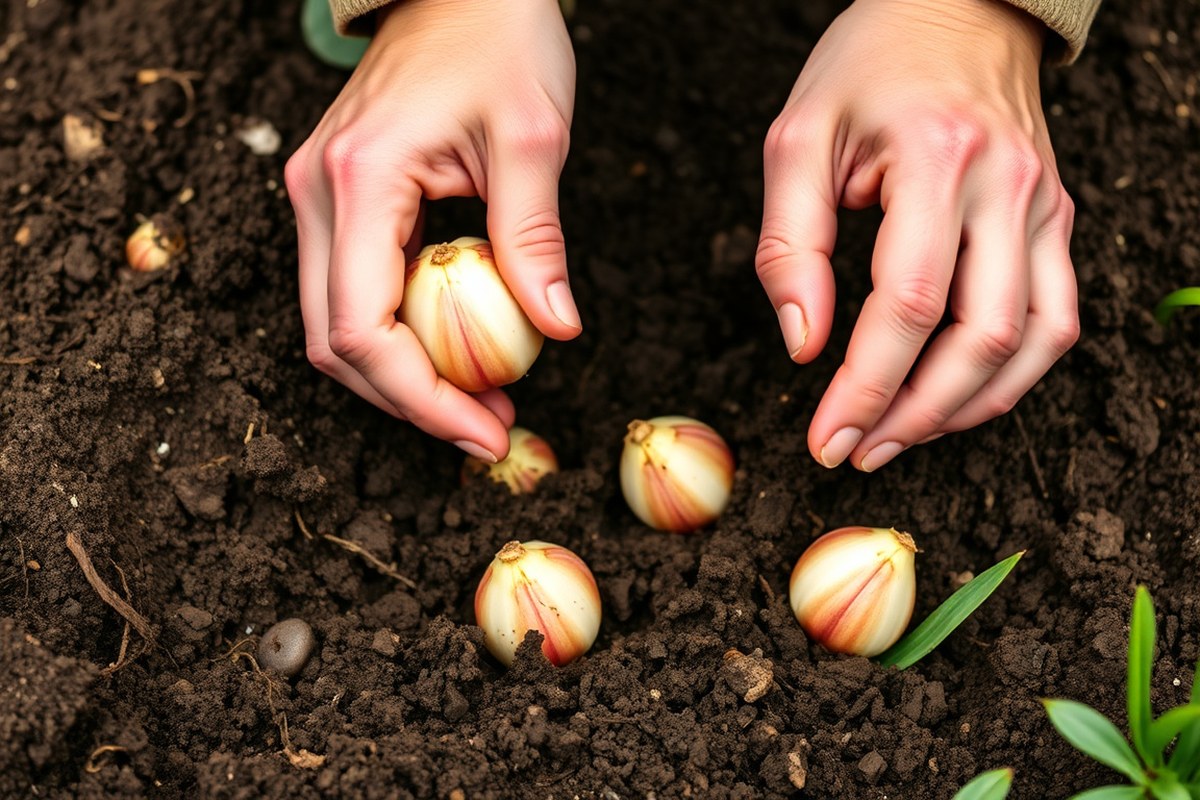
Tulips grow best in soil that drains well and has a pH of 6.0 to 7.0. Heavy clay or sandy soil will benefit from added compost or organic matter. Good soil stops rot and helps roots grow strong.
Plant tulip bulbs 6 to 8 inches deep. This depth is about three times the bulb’s height.
This depth protects bulbs from extreme cold and animals while supporting sturdy stems. Space bulbs 4 to 5 inches apart to give them room to grow without crowding.
Position the bulbs with the pointed end facing up. This orientation helps the shoots break through the soil quickly. Planting bulbs upside down or sideways can delay sprouting or reduce flower size.
- Choose a sunny spot with well-draining soil and loosen it to about 12 inches deep.
- Mix in compost or organic matter if your soil is dense or poor.
- Dig 6 to 8 inch deep holes for each bulb. Space bulbs 4 to 5 inches apart in the ground.
- Place each bulb pointy side up at the bottom of its hole.
- Cover the bulbs with soil and gently firm it down to remove air pockets.
- Water the planting area deeply to help settle the soil around the bulbs.
- Consider using wire bulb cages if voles or mice are a problem in your area.
Don’t plant bulbs too shallow; it risks frost damage and weak stems.
Watering Tulips Correctly Indoors and Outdoors
Outdoor tulips need watering only when the soil is dry. Check the top 1-2 inches of soil.
When the soil feels dry, soak your tulips with water until moist. During active growth in spring, watering about once a week usually works well, assuming no rain.
Potted tulips require a bit more attention because pots dry out faster. Water them when the soil feels dry to the touch.
But do not let pots sit in standing water. Providing enough water to moisten the soil without flooding will help bulbs avoid rot.
Avoid overwatering as tulip bulbs dislike soggy soil, which can cause bulb rot or fungal diseases. Underwatering wilts the leaves and shortens flower life. Stick to checking soil moisture regularly, especially in pots, as it varies by temperature and humidity.
Fill your vase two-thirds full with cool water and refresh it daily or every other day to keep tulips fresh. Cut the stems using clean scissors at a sharp angle, 1-2 inches longer than needed before putting them in water. Choosing tulips that are still buds before cutting helps them last longer in the vase.
Place cut tulip stems in cool water away from sunlight or heat sources to prevent quick wilting. Wrapping tulips in paper and chilling them in water for a few hours before arranging also helps keep them fresh longer.
Caring for Tulips After They Bloom to Promote Future Growth
After your tulips bloom, cut off spent flowers but keep the leaves until they turn yellow. Letting the leaves die back stores energy in the bulbs for next year’s growth. You can fertilize tulips lightly after they bloom.
Then decide if you want to lift bulbs for storage. Or leave them growing in the ground.
Deadheading Tulip Flowers
Cut tulip flowers right after they’re done blooming. This stops the plant wasting energy on making seeds. The bulb keeps nutrients for next year’s flowers.
Follow the stem to the base and snip the flower off carefully. Avoid damaging the leaves or stalk. Removing just the flower also keeps the garden tidy.
Waiting for Leaves to Yellow Naturally
Keep the green leaves intact until they yellow and die back on their own. Leaves keep making food through photosynthesis and feed the bulb for next year. Cutting leaves too early weakens the bulb and reduces future blooms.
This natural dying back can take 6 to 8 weeks after the flowers fade. The yellowing leaves signal the bulb is entering dormancy and safely storing energy. Plant perennials behind tulips to hide dying foliage in your garden.
Fertilizing After Blooming
Apply a balanced, slow-release fertilizer after tulip blooms fade and while leaves are still green. Feeding supports nutrient storage in the bulb. Stop fertilizing once leaves start turning yellow.
A fertilizer with equal parts nitrogen, phosphorus, and potassium (10-10-10) works well. Use about 1 tablespoon per square foot around the base of the plant. Water the fertilizer in lightly to prevent leaf burn.
Lifting and Storing Bulbs for Replanting
Choose if you want to lift bulbs or keep them in soil. Think about your climate and how much garden space you have.
Bulbs in mild climates can stay planted. In warm or wet areas, lifting helps avoid bulb rot and supports better blooms next year.
Wait 6 weeks after flowering before lifting bulbs. This timing allows leaves to yellow fully and bulbs to store nutrients. Carefully dig bulbs with a small garden fork; avoid bruising them.
Follow these steps to lift and store tulip bulbs:
- Wait until leaves turn yellow and start to dry up.
- Use a garden fork to loosen soil around each bulb carefully.
- Lift the bulbs gently, removing excess soil by hand.
- Brush off dirt but don’t wash bulbs; keep them dry.
- Place bulbs in a well-ventilated basket or mesh bag.
- Store bulbs in a cool, dry, and dark spot with good airflow.
- Check bulbs monthly and discard any soft or rotten ones.
- Replant bulbs in fall, 6 to 8 weeks before ground freezes, to bloom next spring.
Protecting Tulip Bulbs and Plants from Pests and Animals
Tulip bulbs face threats from rodents like mice, voles, and squirrels. These animals dig up bulbs and nibble on them, causing plants to die before blooming. Deer also eat tulip leaves and flowers, ruining your garden’s display.
To protect bulbs from rodents, use wire mesh or hardware cloth cages buried around bulbs. The mesh should have openings smaller than half an inch.
Planting bulbs inside raised beds with wire bottoms also helps keep critters out. This takes some time and extra materials but stops most damage.
Natural repellents work well too. Sprinkling crushed eggshells, cayenne pepper, or coffee grounds around bulbs deters animals.
You can also scatter thorny leaves like holly or rose prunings, which animals dislike walking over. These cost little and are safe for your garden.
- Cover bulbs with hardware cloth buried 6 inches deep
- Use thorny leaves around bulbs to keep rodents away
- Spray deer repellents with garlic or rotten eggs smell
- Install motion-activated sprinklers to scare off deer
- Plant tulips with daffodils to reduce deer interest
- Remove rodent burrows near bulb beds immediately
- Repeat natural repellents after rain or watering
Deer rarely eat daffodils, so planting tulips near them discourages browsing. Motion-activated sprinklers can startle deer before they settle in your garden.
Removing rodent tunnels near bulbs limits easy access for hungry pests. Repeat natural repellents regularly, especially after rain, to keep effectiveness high.
Don’t forget to check bulb cages yearly and repair holes where rodents squeeze through.
How to Care for Tulip Plants Indoors and in Pots
Tulips in pots indoors need the right pot size, soil, light, and consistent watering. They prefer cool temperatures and bright but indirect sunlight. After blooming, you should trim them and prepare the bulbs for next time.
Selecting the Right Pot and Soil
Use a pot deep enough, at least 8 inches, for tulip bulbs. Make sure it has drainage holes to stop water from pooling. Pick soil with a pH near 6.0 to 7.0 for good nutrient uptake.
Heavy garden soil is too dense for pots. Choose a potting mix made for bulbs. You can mix regular soil with sand to drain better.
This helps keep the bulbs healthy. Avoid pots that hold too much moisture, such as plastic ones without drainage.
Optimal Lighting and Temperature
Tulips indoors thrive in bright light but not direct sunlight. A spot near a north- or east-facing window is best.
They will grow toward the light. So rotate the pot regularly to keep growth even.
Keep the room temperature cool, ideally between 60 and 68°F. Avoid placing potted tulips near heating vents or drafts. Cool air slows the plant’s growth hormone, which helps preserve flower life and leaf health.
Watering and Feeding Indoor Plants
Water the tulips only when the top inch of soil feels dry to touch. Overwatering creates soggy soil that kills bulbs. Use room-temperature water to avoid shocking the roots.
Feed your potted tulips with a balanced, water-soluble fertilizer every two weeks during growth. Follow the package directions closely to avoid burning roots. Tulips in pots need nutrients since soil depletes quickly.
- Check soil moisture by inserting your finger about an inch deep.
- Water thoroughly until excess drains out the bottom.
- Apply diluted balanced fertilizer every 14 days during active growth.
- Place pots on saucers to catch excess water and protect surfaces.
- Keep soil pH in the range of 6.0 to 7.0 by adjusting with garden lime or sulfur if needed.
Post-Bloom Indoor Tulip Care
After blooming, snip off spent tulip flowers to stop energy waste. Do not cut leaves; they keep photosynthesizing to feed the bulb. Remove the pot from direct sun and reduce watering gradually.
Tulip bulbs can stay in pots only one season before you must replant fresh bulbs. Wait until the tulip leaves turn fully yellow. Then dig up the bulbs carefully.
Dry them and keep in a cool, dry spot for storage. Replant fresh bulbs in autumn for indoor blooming next year.
Storing and Prepping Tulip Bulbs for Next Season
Lift tulip bulbs after their foliage has died back, usually in late spring or early summer. Use a garden fork to gently dig around bulbs without damaging them. Remove soil from bulbs by hand.
Let them dry one or two days. Use a shaded, well-ventilated spot for drying.
After drying, put bulbs in mesh or paper bags. Use shallow trays too. This lets air flow around them.
Store them in a cool, dry spot with temperatures between 65 and 75 degrees Fahrenheit (18-24°C). Avoid plastic bags or sealed containers, which trap moisture and cause rot.
In USDA zones 9 to 10 or warmer, chill bulbs in the fridge six to eight weeks before planting. Keep bulbs away from fruits and vegetables. These release ethylene gas.
Ethylene can damage your bulbs. After chilling, plant bulbs outdoors in late winter or early spring to encourage blooms.
In warmer areas, chilling may be needed for up to 10 to 14 weeks. Store bulbs in your fridge’s crisper drawer. Aim for 40 to 45 Fahrenheit (4-7°C).
This keeps a steady cool temperature. Check bulbs periodically during chilling; they should remain firm without mold or shriveling.
Bulbs stored properly will stay viable for the next season. Soft, moldy, or shriveled bulbs will likely fail to grow.
Large, healthy bulbs tend to produce larger tulip blooms. Store bulbs promptly after digging and follow recommended chilling times to get reliable spring color.
Extending the Life of Cut Tulips in Water
Cut tulips properly and keep their stems in fresh, clean water at cool room temperature. Conditioning the tulips before placing them in the vase helps them absorb water better. Regularly changing the water and trimming stems extends their vibrancy.
Proper Stem Cutting and Trimming
Cut tulip stems early in the morning when they are fully hydrated. Use sharp scissors or a knife to cut the stem cleanly. Cut about 1 inch from the stem’s bottom.
Make sure the cut is straight and smooth. Avoid crushing the stems while cutting; this can block water absorption.
Trim the cut ends again every two days to keep the water flowing freely. You can cut the stems at a slight angle to increase surface area for water intake. Never leave leaves below the waterline as they rot and encourage bacteria growth.
- Gather scissors or a sharp knife and prepare a clean workspace.
- Cut the tulip stems at about a 45-degree angle, removing 1 inch from the base.
- Remove any leaves that will sit below the water level in the vase.
- Place stems immediately in lukewarm water to prevent air bubbles.
- Trim stems by about half an inch every two days.
- Check stems for any signs of damage or sliminess and recut if needed.
Cut tulips in the morning when their water levels in the stem are highest.
Conditioning Tulips Before Display
Conditioning tulips involves letting them drink water in a cool, dark place for several hours. This step helps the flowers hydrate fully, making them last longer in the vase. Use water at about 60 to 65 degrees Fahrenheit to keep stems open and absorbent.
Adding a floral preservative can speed up conditioning by reducing bacteria and providing nutrients. Keep freshly cut tulips out of direct sunlight. Avoid placing them near heat during conditioning.
This helps tulips stay fresh longer. Do not mix tulips with daffodils in the same vase because daffodil sap clogs tulip stems.
Place tulips in cool water with floral preservative for at least 4 hours before arranging.
Choosing the Right Vase and Water
Select a vase wide enough to hold tulips upright without crowding their stems. A clear glass vase helps you watch the water level and cleanliness. Fill the vase with clean, lukewarm water at about 65 degrees Fahrenheit for best absorption.
Change the water completely every two days to prevent bacteria growth. Adding a few drops of bleach per quart of water keeps the water clear and bacteria-free. Do not mix tulips with daffodils in your vase since daffodil sap harms tulips.
Keep tulip stems upright in a clean vase filled with fresh, cool water.
Maintaining Vase Water for Longevity
Change the water every two days to stop bacteria buildup blocking the stems. Rinse the vase to remove slimy residues before refilling it with fresh water and preservative. Always re-cut stems slightly when changing water.
Keep the vase in a cool room away from direct sunlight and drafts. Cooler room temperatures around 60 to 68 degrees Fahrenheit help tulips last longer. Avoid placing the vase near ripening fruit, which releases ethylene gas that shortens flower life.
Replace vase water regularly and trim stems to keep tulips drinking freely.
Step-by-Step Action Plan for Healthy Tulips
Follow these steps to grow and care for tulips successfully, both indoors and outdoors.
- Before planting: Choose a sunny spot with well-drained soil for outdoor tulips. Check soil drains well by digging a hole and filling with water. It should clear within an hour.
- Planting season: Plant tulip bulbs in the fall. Do this 6 to 8 weeks before the first hard frost arrives. This timing helps bulbs establish roots before winter. Plant bulbs 6 inches deep and 4 to 6 inches apart, pointed end up.
- First watering: Water bulbs right after planting to settle soil. The soil should be moist but not soggy.
- During growth: Keep outdoor tulips watered weekly if rainfall is less than 1 inch. Indoors, water pots when the top inch of soil feels dry.
- After blooming: Cut off spent flower heads but leave leaves until fully yellow and dry. This lets the bulb store energy for next year.
- Late spring: Stop watering outdoor tulips once leaves die back naturally. Dig up bulbs if you want to store them inside.
- Storing bulbs: Keep dried bulbs somewhere cool and dry with good airflow. Look at them every month and throw out any that are soft or moldy.
- Extending cut tulips: Replace the water every 2 days to keep tulips fresh. Trim the stems at an angle each time you change the water. This lets the tulips absorb water better.
Frequently Asked Questions
How Long Will Potted Tulips Last?
Potted tulip blooms usually last 7 to 14 days. Their lifespan depends on the variety and how well you care for them indoors.
How to Keep Potted Tulips Alive?
Keep potted tulips cool and place them in bright, indirect light. Avoid overwatering to prevent bulb rot and keep the soil just moist.
Do Tulips Prefer to Grow in Pots or in the Ground?
Tulips grow better in the ground because they get more space and natural conditions. Pots work but need extra care with watering and temperature.
What Do You Do with a Potted Tulip Plant After It Blooms?
After blooming, remove spent flowers but keep leaves until they yellow. Then let the bulb rest or plant it outside for next year.
Can Tulip Bulbs Be Left in Pots Year-Round?
Tulip bulbs can stay in pots but may need chilling. Without cold, they might not bloom again next spring.
Are Tulips Toxic to Pets or Children?
Tulips can cause mild stomach upset if chewed on by pets or kids. Keep plants out of reach to be safe.
The Bottom Line
Tulips need the right soil, sun, water, and care after blooming to thrive again. Start with planting bulbs at the right depth and time for best results. Check on your plants regularly to keep them healthy and enjoy bright blooms year after year.