How to Care for Indoor Plants: A Complete Guide with Proven Tips
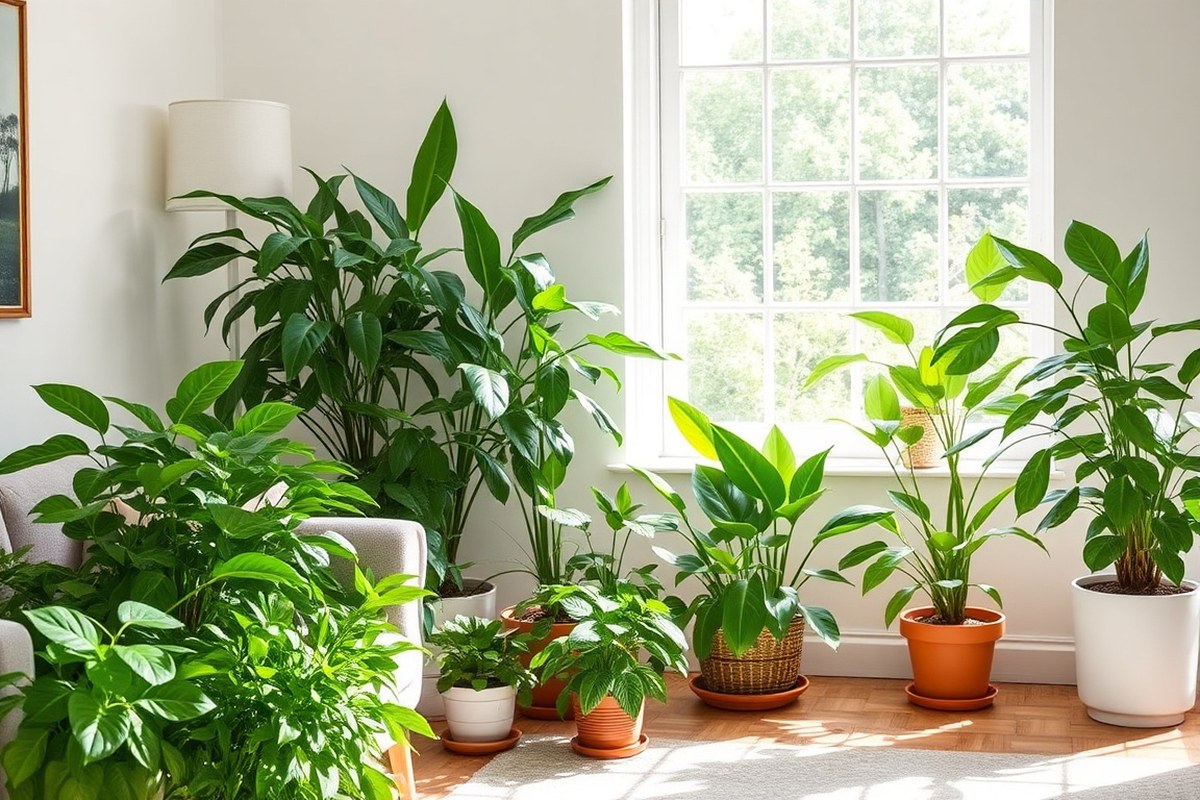
Knowing how to care for indoor plants starts with simple, steady routines. Water them every one to two weeks and keep an eye on soil moisture. Too much water can drown roots, and too little will dry them out fast.
Light matters a lot. Place plants where they get the right brightness, whether low or bright indirect light. You can check plant tags to spot their light needs quickly.
Humidity often gets overlooked but can affect plant health. Mist leaves or place a humidifier nearby, especially in dry rooms. This helps tropical plants keep their leaves vibrant and fresh.
Use pots with good drainage to avoid soggy soil. Fresh soil helps too, so repot every year or year and a half. These basics set your plants up for real success.
Key Takeaways
- Water most indoor plants every one to two weeks for steady moisture.
- Check that the top two inches of soil feel dry before watering.
- Match plants to your light conditions: low, medium, or high brightness.
- Choose pots with drainage holes to prevent water buildup.
- Repot plants every 12 to 18 months to refresh soil and root space.
- Keep humidity around 50 percent or higher for most tropical plants.
How to Water Indoor Plants Correctly
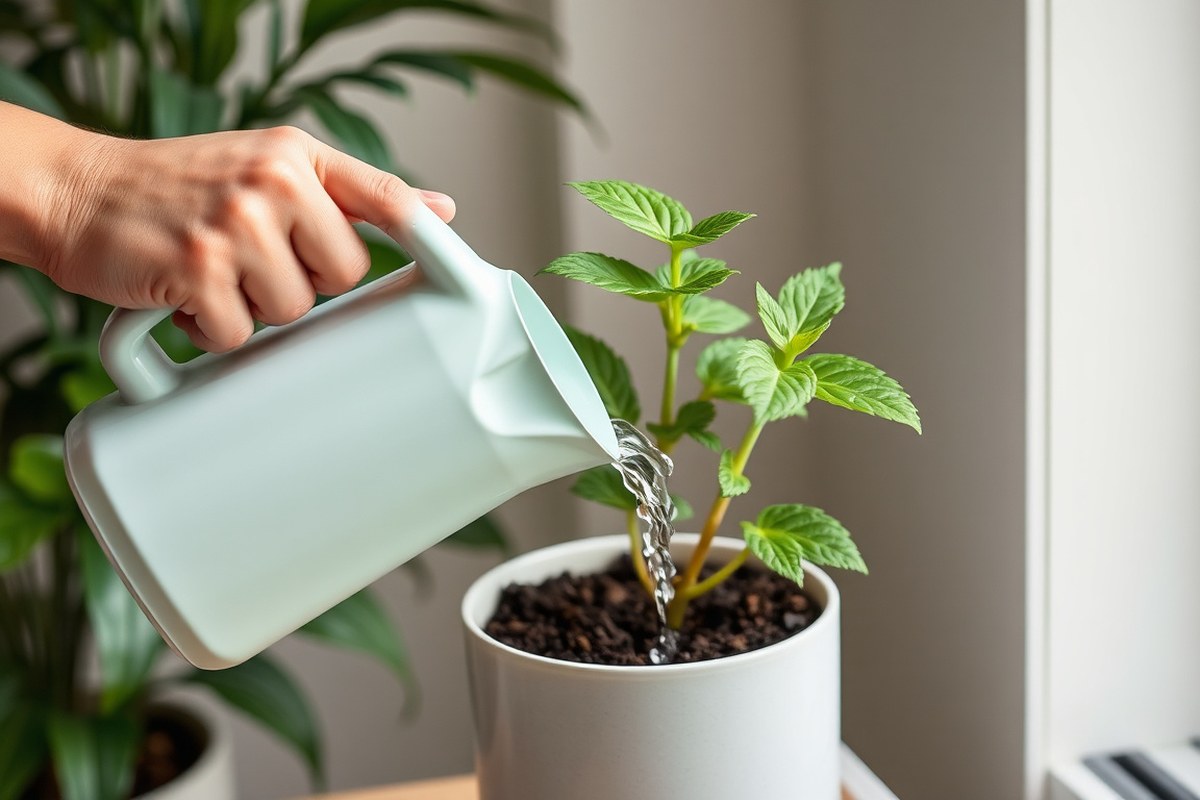
Check the soil moisture by feeling the top inch for dryness. Avoid watering too early or too late using this simple test. Use your finger to decide whether the soil needs water.
Succulents and thick-leafed plants like their soil to dry out completely between waterings. Tropical plants usually need more frequent watering, often every 1 to 2 weeks. Adjust based on your plant’s type and the season since plants grow slower in winter.
How you water also depends on your pot type. For pots with drainage holes, water until you see water dripping out.
This ensures the entire root ball is moist. For pots without drainage, water less, just enough so the soil is damp but not soggy.
- Check soil every 3 to 4 days, more in dry homes
- Use a moisture meter or terracotta sensor for an easy check
- Water at room temperature to avoid shocking roots
- Water slowly, letting soil absorb it without pooling
- Empty saucers after watering to prevent root rot
- Adjust watering frequency by plant size and pot material
- Reduce watering in winter when plants rest
Common mistakes include watering on a fixed schedule without checking soil moisture. This leads to overwatering or underwatering and weak roots.
Avoid wetting plant leaves during watering to prevent diseases. Also, don’t forget to empty excess water from trays to stop roots from sitting in water.
Overwatering harms plants more than underwatering by causing root rot. Underwatered plants show droopy leaves but improve quickly with water.
Too much water can cause yellow leaves and mushy stems. Monitoring soil moisture with tools like a Rapitest® digital meter helps keep watering just right.
Choosing the Right Indoor Plants for Your Space
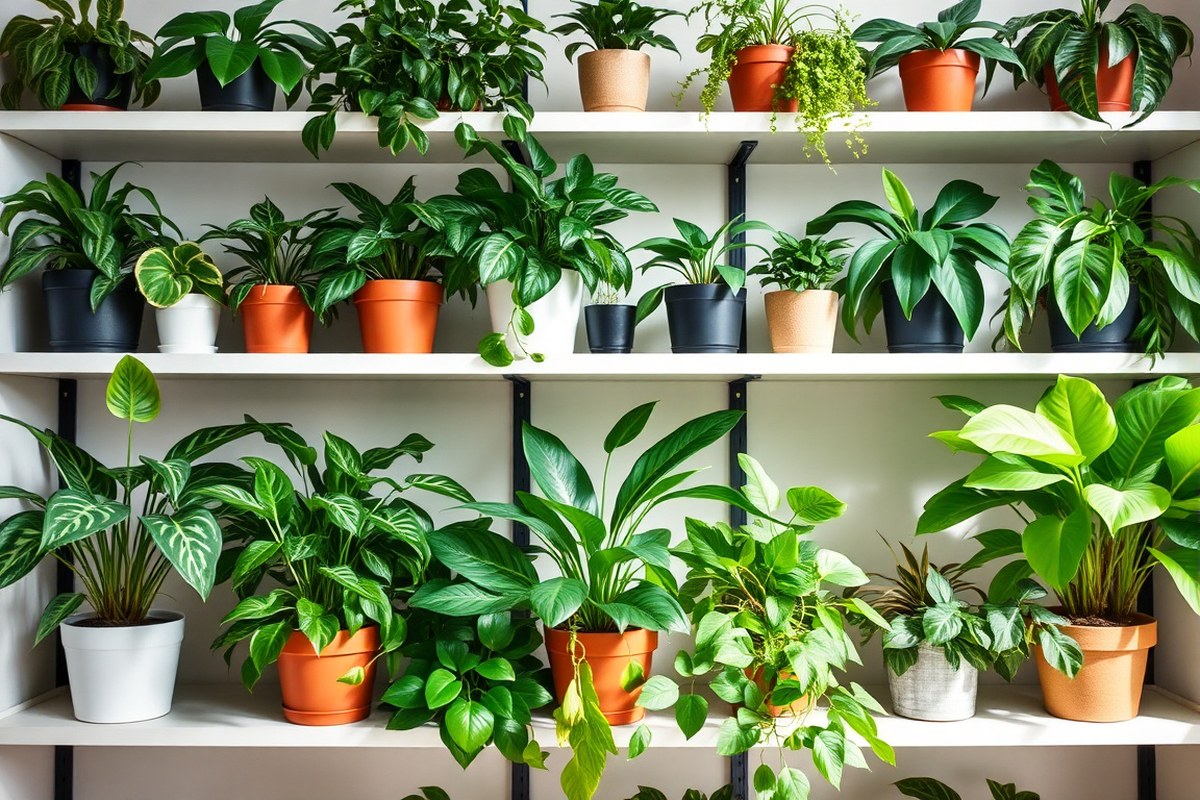
Pick indoor plants that fit your home’s light, space, pet situation, and your time for care. Matching plants to your room’s conditions helps them stay healthy and lively. Knowing the right plants to choose saves you effort and keeps your home green.
Plants for Low-Light Conditions
Low light means spots like north-facing windows or dim corners in your home. Plants that thrive here grow slowly but survive well with minimal direct sunlight. Snake plants and pothos do well with low light and little fuss.
These plants can handle dim rooms without wilting or needing special care. They are great for spaces without south or east-facing windows. Even dim light from a lamp can help them survive for a while.
| Light | Expected Sunlight | Plants That Suit It |
|---|---|---|
| Direct | Unfiltered sun, often a south window | Cacti, aloe vera, succulents |
| Bright Indirect | Bright room with little direct sun | Monstera, ficus, spider plant, prayer plant |
| Moderate | East or west window | African violet, Boston fern |
| Low | North window, dim corners | Snake plant, ZZ plant, pothos, peace lily, and cast-iron plant are easy indoor plants. |
Choose low-light plants to avoid struggling with plants that need lots of sun. These are easy to adapt to cooler or shaded rooms without extra lighting. They suit room corners, offices, or bathrooms.
Pet-Safe Indoor Plants
Some indoor plants can harm pets if chewed or swallowed. Look for pet-safe species to keep your furry friends safe and your plants intact. Spider plants and Boston ferns are popular safe choices for homes with cats and dogs.
Always check plant labels or reliable sources for pet toxicity. Avoid common toxic plants like pothos and peace lilies if you have curious pets. Keep plants out of reach if you can’t find safe ones.
Keep toxic plants away from pets or place them where pets can’t reach.
Best Plants for Beginners
Easy-care plants survive occasional watering slips and varying light. Snake plants, ZZ plants, and pothos fit this well and forgive forgetfulness. These plants need less fuss but still brighten up any room.
Beginner plants do best in temperatures from 65°F to 75°F (18°C to 24°C). They handle a range of indoor temps and medium humidity. This makes them good for new indoor gardeners.
Matching Plants to Your Room’s Environment
Check the light and space where you want to place your plant. Also look at humidity levels in the room. Think about how much time you can spend taking care of it.
South-facing windows are perfect for sun-lovers like succulents and cacti. North-facing or shaded areas work better for ferns and snake plants.
Use hanging pots for limited floor or shelf space to keep rooms green without clutter. Plants need proper watering and humidity to thrive. They usually do well in indoor temperatures between 65°F and 75°F. A simple checklist helps you pick plants that thrive rather than struggle indoors.
Checklist to Match Plants to Your Home:
- Measure the light level (direct, bright indirect, moderate, low)
- Note room temperature and humidity range
- Consider available space and growth size of plants
- Check if pets will touch or eat the plants
- Assess how much time you can spend on plant care
Providing the Right Light for Indoor Plants
Indoor plants need the right amount of light to thrive. Check how much natural light your space gets first. Use artificial lights if the sunlight is not enough.
Evaluating Natural Light in Your Home
Look at the direction your windows face. South-facing windows get the most bright, direct light. East and west windows offer moderate light, while north windows give low light.
Use a simple method to judge sunlight hours. Watch how long direct sunlight hits the spot where you want to place your plants. Most houseplants need at least 4 to 6 hours of indirect light daily.
Here is a quick comparison of light needs and sunlight hours:
| Plant Type | Light Requirement | Approximate Sunlight Hours |
|---|---|---|
| Low Light Plants (Snake Plant, ZZ Plant) | Low to medium indirect light | 1-3 hours indirect light |
| Medium Light Plants (Philodendron, Pothos) | Medium to bright indirect light | 4-6 hours indirect light |
| High Light Plants (Succulents, Cacti) | Bright direct or strong indirect light | 6+ hours direct or bright indirect light |
Using this table, place your plants according to their light needs and your home’s sunlight. Rotate your plants regularly for even growth.
Using Artificial Lighting Effectively
Sometimes natural light isn’t enough, especially in winter or rooms without windows. Use LED grow lights as your best option. They are energy efficient and produce the right light spectrum for plants.
Set up your grow lights about 12 to 24 inches above the plants. Keep them on for 10 to 14 hours daily, mimicking daylight. Use a timer to manage this easily and avoid burning your plants.
Follow these steps to install grow lights correctly:
- Choose LED grow lights made for indoor plants; prices range from $20 to $50.
- Mount or hang the light fixture above your plants at the recommended height.
- Use a timer to set light cycles for 10-14 hours daily.
- Move plants periodically to avoid uneven light and encourage balanced growth.
Signs Your Plant Needs More or Less Light
Watch your plants closely for signs of light stress. Too little light slows growth, causes pale leaves, or makes stems stretch out thin. These are clear signs your plant wants more light.
Too much light can scorch leaves, causing brown spots or faded colors. Leaves might curl or drop if the sun or grow lights are too intense. Shift plants with burnt leaves to a spot with less direct light.
If unsure, use a light meter or plant meter to measure light levels. This helps adjust placement and lighting accurately.
Seasonal Light Adjustments
Light levels change with seasons. In darker winter months, bring plants closer to windows or turn grow lights on. You may want to increase watering slightly as growth speeds up with more light.
During summer, some plants need protection from harsh direct sunlight. Move them farther from windows or use sheer curtains to filter strong rays. Adjust light slowly to prevent shock.
Try to keep plants in the same general light zone throughout the year. Moving them too fast between light levels can stress them.
Choosing and Using the Best Soil and Pots
Indoor plants need nutrient-rich soil that drains water well. Most plants thrive in standard potting soil. Succulents and cacti do better in soil that drains faster.
Mix half regular potting soil with half cactus soil for them. Choose soil that contains peat moss or coconut coir for moisture.
Also pick soil with perlite or pumice for good drainage. Compost in the mix helps provide nutrients to plants.
Pots with drainage holes are key to keeping roots healthy. These holes let excess water flow out, preventing root rot. Without drainage holes, water can pool in the pot’s bottom, causing roots to rot.
Choose pots slightly bigger than the old one, about one to two inches wider in diameter. Too large a pot holds too much moisture, increasing rot risk.
You can reuse old soil, but fresh soil is best. Old soil may lose nutrients and develop fungi or pests. Reused soil has to be sterilized before you plant again.
Heat it in the oven at 180°F for 30 minutes. This kills pathogens and pests hiding in the soil. Mix in fresh compost or potting mix to restore nutrients and improve texture.
Here’s a simple process to repot your indoor plants with the best soil and pot:
- Pick a pot about 1-2 inches larger in diameter than the current pot. Make sure it has drainage holes.
- Add well-draining soil at the bottom of your pot. Use enough soil to support and improve the plant’s roots. This helps keep roots healthy and prevents waterlogging.
- Gently remove the plant from its old pot, loosening tangled roots carefully.
- Place the plant in the new pot at the right height. So the top of the root ball is about an inch below the rim.
- Fill around the roots with the fresh soil mix, pressing lightly but not packing it tightly.
- Water the plant thoroughly until water runs out of the drainage holes.
- Set the pot on a tray or saucer to catch extra water and avoid mess.
Using this method, your plant’s roots stay healthy and the soil drains well. Roots need air and moisture, so avoid compacting soil too much. A good pot and soil mix balance water retention with drainage.
You want the soil moist. But not soggy, to prevent common problems like root rot and poor growth.
Maintaining Ideal Humidity and Temperature for Health
Most indoor plants like humidity between 40% and 60%. Tropical plants such as pothos and philodendron need humidity above 40%. Cacti and succulents like aloe vera and snake plants prefer lower humidity near 20% to 40%.
You can raise humidity naturally by grouping plants together. Grouping raises moisture and creates a small humid microclimate. Another easy way is placing a shallow tray filled with water and pebbles beneath plants.
As the water evaporates, humidity rises around the plant pots. Misting leaves with water daily helps tropical plants. But don’t overdo it to avoid mold.
Bathrooms and kitchens often have higher humidity and suit tropical plants well. Using a humidifier is a good option in dry rooms during winter. Small models cost about $20 to $50 and need weekly cleaning to prevent bacteria.
Avoid putting plants near air vents and radiators. These cause dry spots and make air too hot or cold. Drafts also create temperature swings that stress your plants.
Most houseplants grow best in temperatures from 65°F to 85°F. Tropical plants prefer warmer spots closer to 90°F. Plants like rubber plants do well in cooler rooms but dislike hot, dry surroundings. Cacti, succulents, and spider plants tolerate drier air and cooler temperatures down to 50°F. In winter, keeping plants above 50°F helps prevent stress.
Some plants need more humid or cooler conditions. Calathea and alocasia like humidity levels above 60% to 80%. Aloe vera and lipstick plants do better with 40% to 60% humidity.
Cacti and succulents prefer humidity near 40% but can handle lower. Adjust care based on each plant’s needs to keep leaves healthy and growth steady.
Don’t place your plants in direct drafts from heaters or AC units to avoid leaf drop.
Fertilizing Indoor Plants for Steady Growth
Fertilize indoor plants every four to six weeks during spring and summer. These seasons bring active growth, so plants use more nutrients. Cut back on feeding in fall and winter when growth slows to avoid overfeeding.
Choose a balanced fertilizer with equal parts nitrogen, phosphorus, and potassium, like 10-10-10. Higher nitrogen helps leafy plants grow lush leaves.
Use all-purpose fertilizers with ratios like 4-4-4 if unsure. Succulents and cacti thrive with less frequent feeding and need fertilizer with lower nitrogen.
Liquid fertilizers work well for quick nutrient boosts. Dilute the liquid fertilizer to half strength and apply it during regular watering.
Slow-release fertilizers come as granules or capsules in the soil. They feed plants gradually for two to three months, lowering the risk of overfeeding.
Avoid fertilizing dry soil, it can burn plant roots. Always water your plant first, then apply fertilizer to moist soil. Overfertilizing shows as yellow, burnt leaf edges or stunted growth.
Succulents need feeding only two to three times per growing season. Tropical plants often require more regular feeding.
Different plants have different needs. Aloe vera and other succulents prefer brighter spots and less fertilizer. Tropical plants like pothos or peace lilies do better with steady feeding.
Follow the fertilizer label instructions closely every time you feed plants. Stop feeding if plants look unhealthy or growth slows down. Take breaks in fertilizing to avoid stressing your plants.
Cheap slow-release brands cost around $5 to $15 for a 1-pound bag, lasting several months. Liquid fertilizers cost less upfront but require more frequent use. Fertilizing gets easier once you create a routine to follow.
Choose the right fertilizer type to match what your plants need. Stick to your schedule for steady, healthy growth.
Recognizing and Managing Pests and Diseases
Common pests include aphids, spider mites, and mealybugs. They also include scale insects, thrips, whiteflies, and fungus gnats. These pests often bother indoor plants.
Each pest shows unique symptoms such as sticky leaves, webbing, or discolored spots. Catching these signs early helps you treat problems before they worsen.
Check your plants weekly for signs of pest damage or disease. Look under leaves and at stems for bugs, webs, or holes.
Use a flashlight and magnifying glass if needed. This small effort saves stress and money on harder fixes later.
| Pest/Disease | Symptoms | Treatment |
|---|---|---|
| Aphids | Sticky residue, curled leaves | Insecticidal soaps, neem oil, horticultural oils |
| Spider Mites | Fine webbing, yellow specks on leaves | Insecticidal soaps, neem oil, horticultural oils, humidity increase |
| Mealybugs | White cottony patches on stems and leaves | Insecticidal soaps, neem oil, alcohol-soaked cotton swabs |
| Scale Insects | Brown or white bumps on stems | Manual removal, horticultural oils, insecticidal soaps |
| Thrips | Silver streaks, distorted leaves | Insecticidal soaps, neem oil, pyrethrins, blue sticky traps |
| Whiteflies | Tiny white flying insects | Insecticidal soaps, neem oil, pyrethrins, horticultural oils |
| Fungus Gnats | Flying gnats, root damage | Bacillus thuringiensis (Bt) soil treatment |
| Powdery Mildew | White powdery coating on leaves | Remove affected leaves, increase air circulation |
| Root Rot | Wilting, mushy roots | Improve drainage, repot with fresh soil |
| Leaf Spot | Brown or black spots on leaves | Remove spots, avoid overhead watering |
You can treat pests naturally by spraying insecticidal soap or neem oil directly on bugs. Wipe affected areas with alcohol-soaked cotton swabs especially for mealybugs. Humidity helps control spider mites.
Increase it using a humidifier or misting. Manual removal works well for scale insects, scrape off bumps gently.
Use pesticides only if natural methods fail after a week or two. Follow label instructions carefully. Avoid overusing chemicals indoors to protect yourself and your plants.
Call a professional if infestations spread quickly or disease symptoms worsen despite treatments. Early action usually stops pests and diseases before major damage.
Seasonal Care and Pruning Tips for Indoor Plants
Indoor plants need different care during winter because light and temperature change. You should reduce watering and watch for dry air.
Pruning helps plants stay healthy, and rotating them keeps growth even. Cleaning leaves improves how plants absorb light.
Winter Light and Water Adjustments
Reduced daylight means indoor plants get less light in winter. Most tolerate lower light but grow slower. Place your plants near windows that get indirect light for best results.
Water less often because plants use water more slowly in winter. Water every 3 to 6 weeks depending on your plant’s needs and soil dryness. Make sure pots drain well to avoid root rot during cold months.
Keep room temperatures between 60°F and 75°F for most houseplants. Avoid cold drafts and heaters that dry out the air too much.
Pruning to Promote Healthy Growth
Pruning removes old, yellow, or brown leaves that drain energy from your plant. Cutting back leggy stems helps fresh growth develop evenly. Use clean, sharp scissors or pruning shears.
Follow these steps for proper pruning:
- Inspect your plant for dead or discoloured leaves and stems.
- Cut off yellow or brown leaves close to the stem base.
- Trim leggy stems just above a leaf node or branch point.
- Remove any crowded or crossing branches to improve airflow.
- Clean your scissors between cuts to prevent disease spread.
Check your plant weekly and prune lightly as needed. Avoid heavy pruning during cold months when growth slows down.
Rotating Plants for Even Light Exposure
Leaves naturally grow toward the light, causing uneven shapes. Turning your plants keeps them balanced with healthy, even growth. Rotate pots about 90 degrees once a week.
During winter, when light is weaker, rotation helps all leaves catch enough sun. Moving plants closer or farther from windows also helps if light changes with the seasons.
Failing to rotate plants leads to lopsided growth and weak stems.
Cleaning Leaves and Removing Dust
Dust on leaves blocks light and reduces photosynthesis. Wiping leaves regularly keeps plants healthy and looking good. Use a soft, damp cloth or gentle spray of water.
Remove brown tips or old leaves by pinching or cutting them away. Clean leaves at least once a month, or more often in dusty rooms. Avoid harsh soaps or chemicals that harm leaves.
Step-by-Step Action Plan for Healthy Indoor Plants
Follow this plan to get your indoor plants growing strong from day one. Each step includes a clear action and a sign it worked.
- Day 1: Choose a spot with the right light for your plant type. Look for healthy, upright leaves after a week.
- Week 1: Water your plant following its specific needs, check the soil moisture before watering again. Soil should feel slightly dry on the top before next watering.
- Week 2: Add a light dose of fertilizer suited to indoor plants. New leaf growth or sturdier stems means it’s working.
- Week 3: Check the pot drainage and repot if roots circle or come out the bottom. Plant should perk up in 3 to 5 days.
- Week 4: Inspect for pests or signs of disease, yellow spots, sticky leaves, or webs. No new damage means pests are controlled.
- Month 2: Adjust humidity by misting or using a humidifier if leaves look dry or crispy. Leaves should look fresh and firm.
- Every Month: Prune dead or yellow leaves and trim as needed to shape the plant. New growth or fuller shape means success.
Frequently Asked Questions
What Is the Best Way to Clean Indoor Plant Leaves?
Use a soft, damp cloth to gently wipe dust off leaves. This helps plants breathe and absorb light better. Avoid using leaf shine products as they can clog pores and harm plants.
Can Indoor Plants Improve Air Quality in My Home?
Yes, many indoor plants can reduce indoor air pollutants. They remove toxins and add oxygen, improving indoor air quality. However, good ventilation is also necessary for the best effect.
How Often Should I Repot My Indoor Plants?
Repot most indoor plants every one to two years. New soil refreshes nutrients and gives roots more room to grow. Choose a pot just one size larger to avoid overwatering risks.
Can I Use Tap Water to Water My Indoor Plants?
Tap water is usually fine for most houseplants. But let it sit out overnight first.
This allows chlorine to evaporate, which some plants don’t like. Avoid softened water because salt can harm roots.
What Signs Show My Indoor Plant Is Overwatered?
Yellowing leaves and soft stems often indicate overwatering. The soil might stay wet much longer than usual. Cut back on watering and let the top dry before watering again.
Do I Need to Rotate My Indoor Plants Regularly?
Yes, rotating plants every week helps even growth. It prevents plants from leaning toward light and promotes balanced development. Turn the pot 180 degrees each time for best results.
The Bottom Line
Indoor plants thrive when you meet their light, water, and humidity needs. Start small and check your plant often. Or move a plant to better light.