How to Plant Peony Bulb: Complete Guide for Healthy Blooming
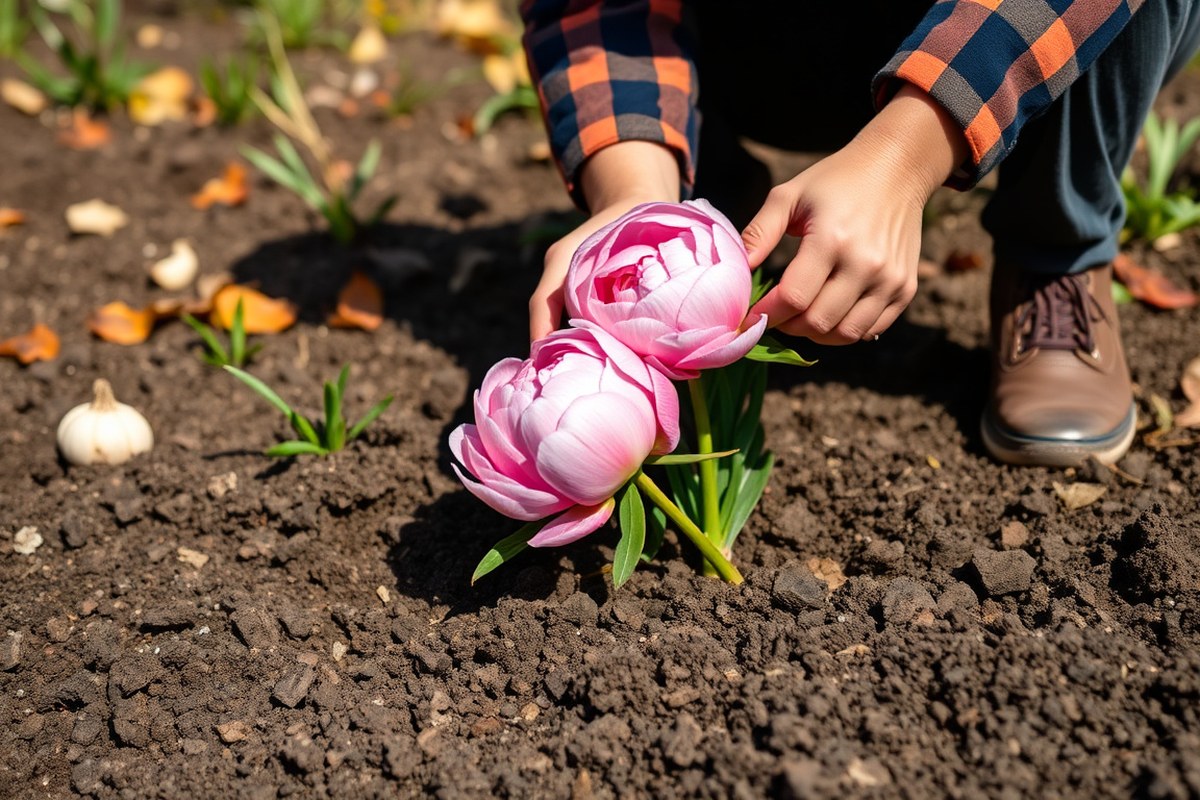
Knowing how to plant peony bulb correctly will help you get bright, healthy blooms. The key is planting the bulb’s eyes only 1 to 2 inches below the soil surface. Planting too deep makes peonies focus on roots, not flowers, which means no blooms.
Dig a 12-inch-wide hole about 2 inches deep to start. Put the bulb in with its eyes pointing up, just below the surface. Space bulbs 3 feet apart to give them room to grow healthy.
Choose a spot with at least 6 hours of daily sunlight and good drainage. Water regularly but avoid soggy soil to keep roots healthy. Proper spacing, depth, and light are all you need for your peony bulbs to thrive.
Key Takeaways
- Plant peony bulb eyes no deeper than 2 inches below soil surface.
- Prepare a planting spot by digging a hole 12 inches across and 2 inches deep.
- Set bulbs 3 feet apart so they get plenty of air and space to grow.
- Choose a site getting a minimum of 6 hours direct sunlight daily.
- Ensure soil drains within 1, 2 hours to avoid root rot problems.
- Water peony bulbs regularly but keep the soil from becoming soggy.
How to Plant a Peony Bulb Correctly Step-by-Step
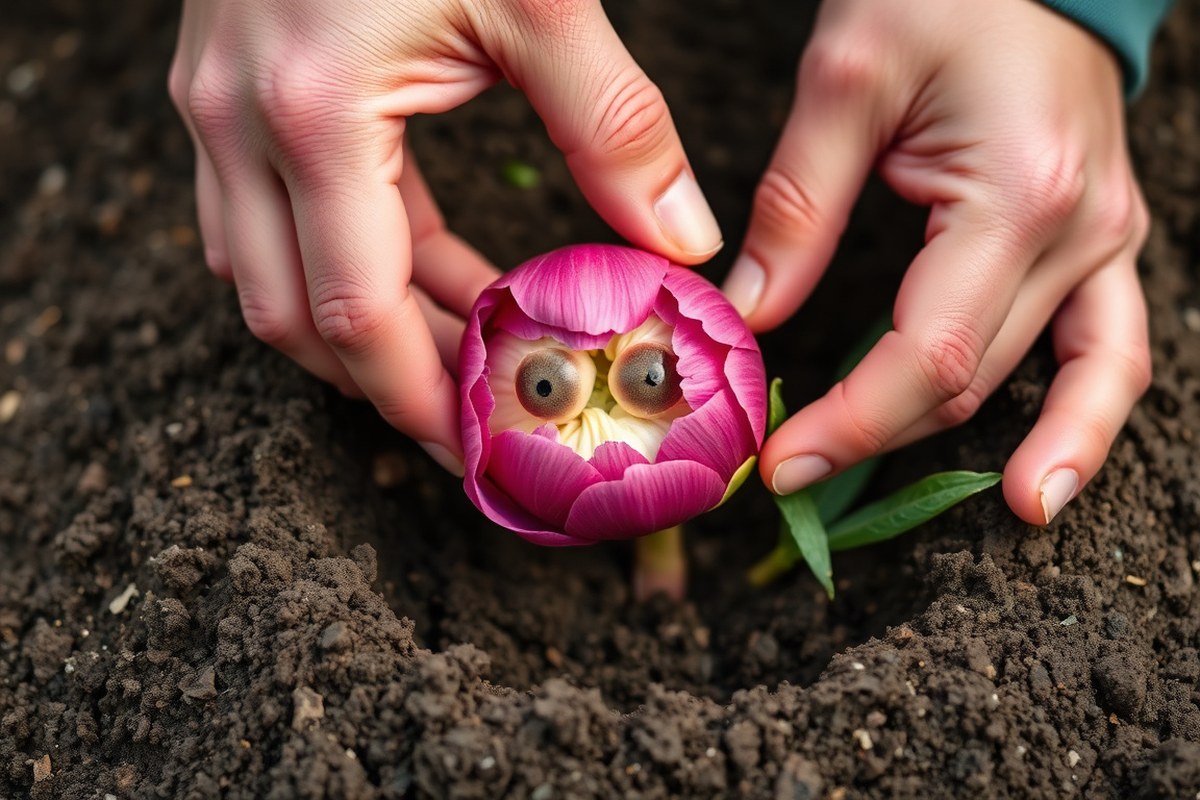
Plant the peony bulb with the eyes facing up, no deeper than 1 to 2 inches under the soil. Keep 2.5 to 3 feet between herbaceous and Itoh bulbs to give room for growth. Shallow planting prevents peonies from failing to bloom, which happens when bulbs sit too deep.
Preparing the Planting Hole
Dig a hole about 12 inches wide to give your peony bulb enough space. The hole should be no more than 2 inches deep to place the bulb properly. Loosen the soil at the bottom and sides to help roots spread easily.
Make sure the soil is loose and well-drained before planting. Hard or compacted soil can block new root growth. A properly sized and prepared hole helps your peony settle comfortably.
Positioning the Peony Bulb ‘Eyes’
The eyes of a peony bulb are small red or pink buds that will grow shoots. Point the eyes upward when placing the bulb in the hole. Position them 1 to 2 inches below the soil surface for best bloom success.
Planting the eyes too deep prevents blooms from emerging. They need to be close to the surface to get enough sunlight and air. You can check by lightly pressing the bulb and spotting the small buds.
Correct Depth and Spacing Guidelines
Keep the eyes no deeper than 2 inches under the soil when placing the bulb. Shallow planting helps the plant grow flowers instead of just leaves. Name your variety and check its label for specific depth instructions.
Leave 2.5 to 3 feet between traditional herbaceous and Itoh peony bulbs. This space lets the plants spread out without getting crowded.
Peonies can grow 3 to 4 feet tall and wide. So spacing improves airflow and reduces disease risk.
Backfilling and Initial Watering
Fill the hole gently with soil until the bulb is covered and the surface is smooth. Press the soil lightly to remove air pockets, which helps roots contact the soil better. Avoid piling mulch right over the bulb eyes.
Water the planting area well to settle the soil around the roots. This first watering supports root establishment and reduces shock. Afterward, keep the soil moist but not soggy until growth starts in spring.
- Dig a hole 12 inches wide and 2 inches deep in your prepared site.
- Examine the peony bulb and identify the eyes, the small red or pink buds.
- Place the bulb in the hole with eyes facing up.
- Ensure the eyes sit 1 to 2 inches below the soil surface.
- Space bulbs 2.5 to 3 feet apart to allow for growth.
- Backfill the hole gently with soil, firming lightly.
- Water thoroughly to settle the soil around the roots.
Best Time and Conditions to Plant Peony Bulbs
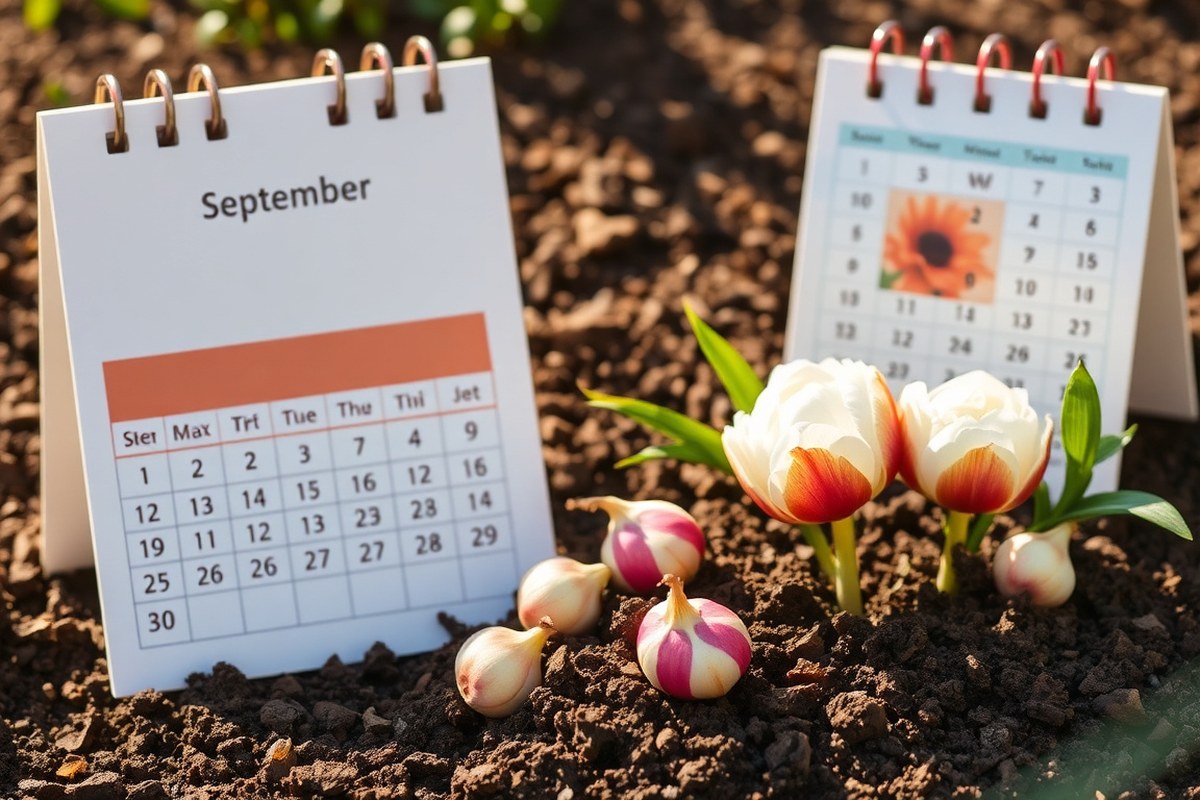
Peony bulbs grow best when planted in early fall, usually between September and October. This timing lets roots settle into the soil before winter freezes the ground. Your peony roots grow deep and healthy before winter.
You’ll see stronger shoots next spring. Those shoots will have better blooms too.
Planting peonies in spring is possible, but these are often sold as potted plants. Spring planting means the bulbs missed their root-building time in fall.
Expect slower growth and weaker blooms in that first season. Fall planting generally leads to faster-established plants and better flowers.
Climate zones change when to plant. In USDA Zones 3 through 7, fall offers a good window to put bulbs in. Zones colder than 3 might need extra winter mulch or protection because the soil freezes hard.
In Zones 8 and warmer, plant peonies in late fall. Early winter planting also works well. This avoids dry heat that can harm roots.
Local conditions matter too. Microclimates can affect soil temperature in your garden. Shady spots slow soil cooling in fall.
Walls that trap heat also delay safe planting times. Check your soil temperature; aim for around 50 degrees Fahrenheit before planting. Don’t plant peony roots too early or too deep.
Soil that’s too hot hurts young roots. Plant no more than 2 inches over the eyes to avoid weak blooms.
To get the best start, plant your peony bulbs six weeks before your ground freezes solid.
How to Choose and Prepare the Right Site for Peonies
Peonies grow best in a sunny spot getting at least six hours of direct light daily. Choose a place where water won’t pool after rain.
Good drainage is key since sitting in wet soil harms the roots. The soil should feel loose and crumbly, never compacted or soggy.
To check drainage, dig a hole 12 inches deep and fill it with water. Let it drain fully, then fill it again.
Water draining away within two hours shows your soil drains well. Slower drainage means you need to improve the soil or pick a different spot.
Peonies prefer soil with a pH between 6.5 and 7.0. You can test your soil’s pH with a kit from a garden supply store.
Add lime according to package directions when soil tests too acidic. For alkaline soil, help by mixing in sulfur carefully.
- Pick a sunny location with at least six hours of direct sun
- Ensure soil drains well; water should clear within two hours in a test hole
- Use soil with a pH from 6.5 to 7.0 for best growth
- Plan to space peony bulbs about 3 feet apart to avoid crowding
- Dig the planting hole 15 x 15 inches and loosen the soil well
- Add organic matter like compost to improve soil texture and nutrients
Space your peony bulbs roughly 3 feet apart to give them room to grow. Dig a hole around 15 inches square and deep. Mix in compost or aged manure to enrich the soil and improve drainage.
Stir the soil to break up clumps. Refill the hole with this mixture, ready for your bulbs.
Plant peony roots around 2 inches deep with eyes pointed upward. Cover eyes with just half an inch of soil in warm areas. Proper site and soil prep set peonies up for lasting blooms.
Common Planting Mistakes and How to Avoid Them
Planting peonies too deep is a top mistake. The bulbs should sit no deeper than 2 inches below the soil. Planting too deep stops stems from growing up well.
This causes fewer flowers or none at all. Keep bulbs shallow for better blooms.
Spacing them too close causes poor air circulation and crowding. This leads to weak growth and more disease risks. Leave 3 feet between peony plants to space roots well.
Keep them away from big bushes or walls. This gives roots plenty of room to spread.
Here are seven common mistakes you want to avoid when planting peonies:
- Planting bulbs deeper than 2 inches below ground
- Not letting the soil dry before watering after planting
- Crowding plants closer than 3 feet apart
- Failing to soak bulbs overnight before planting
- Choosing shady spots instead of full sun
- Ignoring soil drainage issues that cause rot
- Planting during extreme heat without watering support
Always soak your peony bulbs overnight in water before planting. Wet bulbs start growing faster.
Work in loose, well-draining soil. Good drainage keeps roots healthy and prevents rot problems.
Pick a spot where the plants get at least 6 hours of sun daily. Sun is needed for big blooms and strong stems.
Hot spots need some afternoon shade. It helps plants cool down and keeps flowers blooming.
Try to plant when the soil is cool but not frozen. Early spring is best.
After planting, keep the soil moist but not soggy. Water deeply once a week until roots develop well.
Soil Preparation and Nutrient Tips Before Planting
Start by clearing the planting area of rocks, weeds, and old roots. Dig deeply at least 12 inches to loosen the soil well. Mix in 2 to 3 inches of organic compost to boost fertility and drainage.
Check your soil’s pH with a simple test kit from a garden store before planting. Peonies thrive with a slightly acidic to neutral pH between 6.5 and 7.0.
When soil is too acidic, add lime slowly, about 5 pounds per 100 square feet. Wait a few weeks and test the soil again.
For soils that lean alkaline above pH 7.0, sulfur can lower the pH slowly. Use about 1 to 3 pounds per 100 square feet depending on the test results. Spread amendments evenly, then water the soil well to start changes before planting.
Use balanced fertilizer like 10-10-10 or 5-10-5 to add nutrients. Apply 1/2 cup for every 10 square feet. This improves soil fertility.
Mix it into the soil with compost before planting bulbs. Avoid too much nitrogen as this can cause leafy growth instead of flowers.
Keep soil loose and well-drained, as peony bulbs sit about 2 inches below the soil surface. Heavy, wet soil can cause bulb rot and poor growth. Compost also helps air and water move through the soil better.
Test soil pH a few weeks before planting your peonies. This lets you adjust it with lime or sulfur properly. Take your time to get it right.
Watering, Mulching, and Early Care for Peony Bulbs
After planting your peony bulb, soak the soil thoroughly. Continue watering every two weeks until the soil freezes solid.
Allow the soil to dry a bit between each watering to stop sogginess. Excess water can rot the bulb and slow its development.
Apply an inch of mulch around the base of the peony to hold moisture. Use organic mulch like shredded leaves or bark. Avoid piling mulch directly on the bulb eyes.
Leave some space for air to circulate. Mulch helps keep the soil temperature steady and stops weeds, which compete for nutrients.
For winter protection, add another inch of mulch around the plant in zones 2 to 4. This keeps the peony eyes from freezing during harsh cold spells. In warmer zones, mulch mainly prevents moisture loss and weed growth rather than freezing risk.
During the first growing season, continue watering regularly but carefully. Peonies form feeder roots in fall, so consistent moisture helps them establish well. Too much or too little water can cause weak stems or fewer blooms the next season.
Check mulch often and refresh it as needed to keep the soil cool and moist. Watch for mulch that turns wet and heavy or starts to mold. Replace or thin the mulch to avoid excess moisture near the bulb, which can be harmful.
Staking peonies early in the growing season supports developing stems. This helps keep blooms upright and prevents damage during wind or rain. Use stakes or cages around the plant when shoots reach a few inches high.
Supporting Peony Growth and Managing Common Issues
Provide support before peonies grow taller than 8 inches. Watch for common pests like aphids and diseases like powdery mildew. Divide mature peony clumps every 8 to 10 years to maintain growth and share plants.
Common Peony Pests and Diseases
Aphids are small insects that suck sap from new growth, causing distortion. Spray them off with water or use insecticidal soap early in growth. Powdery mildew shows as a white powder on leaves, especially in humid weather.
To manage powdery mildew, avoid watering leaves and increase air circulation. Remove infected leaves promptly and apply fungicides if necessary. Peonies rarely have serious pest problems but inspect plants weekly during spring.
Best Practices for Staking
Strong stems support heavy peony blooms but may need help as they grow tall. Insert stakes when plants reach 6 to 8 inches tall to avoid damaging roots. Use garden stakes or wire cages around the plant’s base for steady support.
Tie stems gently with soft twine or fabric strips to prevent bruising. Avoid tight ties, which can restrict growth or cause breakage. Check ties monthly to adjust as stems thicken and grow.
How and When to Divide Peonies
Divide peonies in fall after foliage dies back, usually every 8 to 10 years. Dig carefully around the clump, lifting it with roots intact. Shake off soil to see roots and eyes clearly before cutting.
Use a sharp knife to cut the clump into sections. Each section should have 3 to 5 eyes. Make sure the roots are thick on each piece.
Plant divisions immediately at the same depth they grew before, spacing them 3 feet apart. Water well after transplanting and add mulch to retain moisture.
Differences in Planting and Caring for Peony Types
Herbaceous, Itoh, and tree peonies differ in planting depth, spacing, care, and blooming times. Each variety needs special attention to bloom well. Knowing these differences helps you grow healthy, flowering plants that fit your garden space.
Herbaceous vs Itoh vs Tree Peonies
Herbaceous peonies grow new shoots each year and die back in winter. Plant their roots just 1 to 2 inches deep to avoid failed blooms. They need spacing about 3 feet apart to prevent disease and promote airflow.
Tree peonies are woody shrubs that lose leaves in winter but keep thick stems. Plant tree peonies slightly deeper, about 3 to 4 inches.
Space them at least 4 feet apart because they grow larger. They require less frequent watering once established.
Intersectional or Itoh peonies are hybrids combining features of herbaceous and tree peonies. Plant Itoh peonies 2 to 3 inches deep and space 3 to 4 feet apart. Their care is similar to herbaceous but they tend to have stronger stems.
| Peony Type | Planting Depth | Spacing | Care Needs | Bloom Timing |
|---|---|---|---|---|
| Herbaceous | 1 to 2 inches | 3 feet | Regular watering, mulch, staking | Late spring to early summer |
| Tree Peony | 3 to 4 inches | 4 feet | Less frequent watering, pruning of woody stems | Late spring |
| Itoh (Intersectional) | 2 to 3 inches | 3 to 4 feet | Similar to herbaceous, strong stems | Late spring to early summer |
Spacing affects airflow and disease prevention. Proper depth helps buds develop without rotting. Herbaceous and Itoh bloom slightly later than tree peonies.
Container Planting Considerations
Peonies can grow in containers but need a large pot at least 10 to 15 gallons. Make sure the container drains well to avoid root rot. Use quality, well-draining soil suited for peonies.
Place containers where peonies get at least half a day of sunlight. A bit of afternoon shade can deepen their bloom colors. Water regularly but avoid waterlogging the roots; containers dry faster than garden soil.
Choose a pot with drainage holes and avoid planting peony roots too deep in containers.
Bloom Development Timeline
Peonies usually take 2 to 3 years to bloom well after planting. First-year blooms might be small or sparse. Full blooming strength comes once the roots settle and the plant matures.
Herbaceous and Itoh peonies tend to bloom from late spring through early summer. Tree peonies often bloom earlier in late spring. Patience is key; these long-lived plants reward your care for decades.
Step-by-Step Action Plan for Planting Your Peony Bulb
Follow these steps to plant your peony bulb right and set it up to bloom beautifully. Watching for signs of success helps you adjust care as needed.
- Before planting: Choose a sunny spot with well-drained soil. Dig the soil and add compost to improve nutrients.
- Day 1: Plant the peony bulb with eyes no deeper than 2 inches. Press soil gently to cover the bulb. Water lightly after planting to settle the soil. Firm the soil gently around it.
- Immediately: Water the bulb thoroughly to settle the soil and remove air pockets.
- Week 1: Add a 2-inch mulch layer around the peony. Keep mulch away from the bulb crown. This protects roots and controls weeds.
- Month 1: Check soil moisture weekly; water if the top 2 inches feel dry. Avoid waterlogging.
- Spring after planting: Look for small shoots emerging. This means your peony is taking root.
- First growing season: Support stems with stakes if the plant grows tall. Remove weeds regularly.
- After first bloom: Cut off dead flowers only. Leave the leaves on the plant till fall. Leaves feed roots for next year’s growth.
Frequently Asked Questions
How Deep Should I Plant Peony Bulbs for Best Bloom?
Plant peony bulbs with the eyes 1 to 2 inches below soil. This is critical; planting deeper causes fewer or no flowers.
Can I Plant Peony Bulbs Closer Than 3 Feet Apart?
No, spacing 2.5 to 3 feet apart prevents crowding and lets clumps grow. Peonies don’t spread fast, so give some room.
What Should I Check on a Peony Bulb Before Planting?
Look for healthy eyes (buds) and no disease or damage on the bulb. Choosing a good bulb helps the plant grow strong.
Is It Okay to Plant Peony Bulbs Under Mulch Immediately?
Avoid planting bulbs too deep or burying them in mulch. Soil alone should cover bulbs 1 to 2 inches deep before mulching lightly.
How Often Should I Water Peonies After Planting?
Water peonies well after planting, then every few weeks in hot weather. Older plants resist drought but still need occasional soaking.
Can I Plant Peony Bulbs Any Time of Year?
Plant bare root peonies in fall to let roots establish before winter. This timing improves bloom chances and overall growth.
The Bottom Line
Planting your peony bulb correctly gives you a good chance for healthy growth and lovely blooms. Start by picking the right site today and prepare the soil well. Keep an eye on watering and mulch to help your plant settle in its new home.