How Much Do Sprinkler Systems Cost a Complete Guide to Pricing and Savings
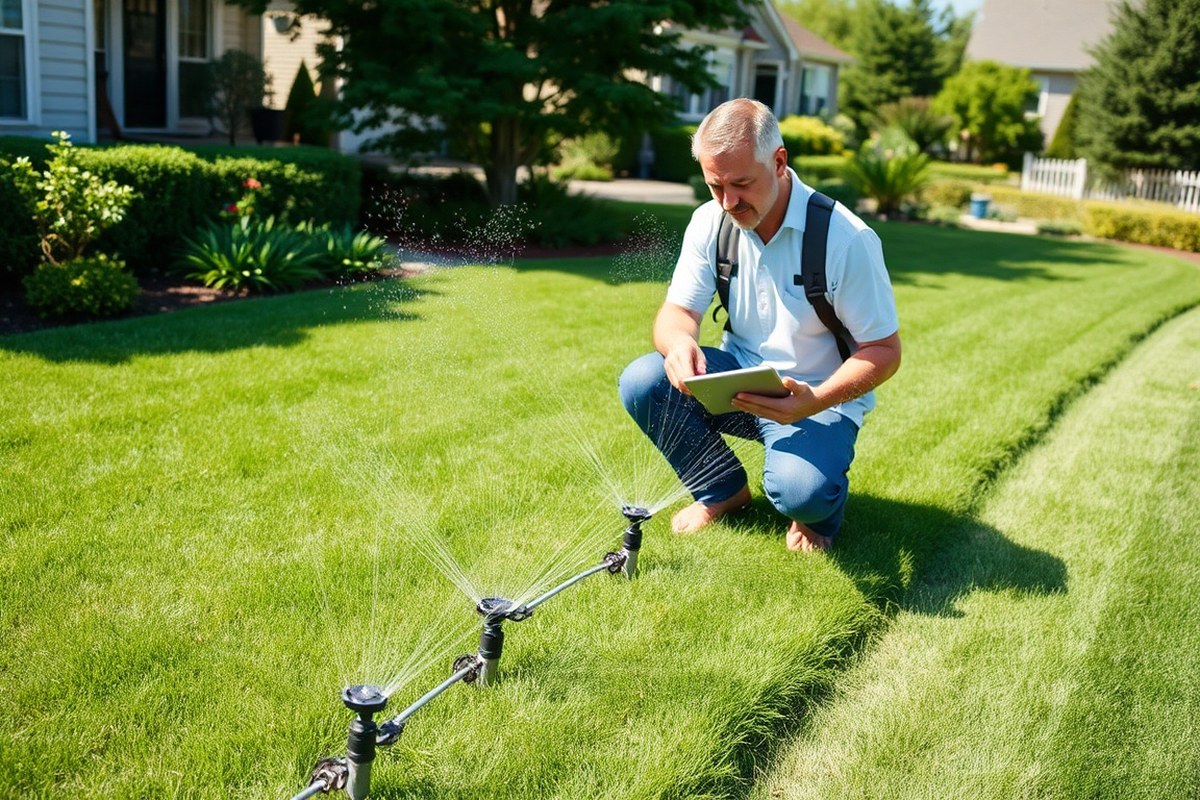
How much do sprinkler systems cost? Expect to pay about $0.90 to $1.70 per square foot for installation.
That means a typical 5,000-square-foot lawn will cost between $4,500 and $8,500 for an in-ground system. These prices cover parts and labor for a fully installed setup.
Labor makes up roughly half the cost. But paying for pro installation gives you a customized system that’s safe and convenient. A timer is a common extra for sprinkler systems.
It can cost from $10 to $300. This lets you set watering times easily.
Start by measuring your lawn area and deciding how many zones you need. Bigger lawns and more zones raise costs, so plan carefully. Also, watch out for extra expenses like permits or fixing landscaping after digging.
Key Takeaways
- Installing a sprinkler system typically costs $4,500 to $8,500 for 5,000 sq.ft. Lawns.
- Pro labor costs make up about 50% of total sprinkler installation prices.
- Timers cost between $10 and $300 and add automation convenience.
- Lawn size and the number of zones directly affect your total cost.
- Permits and landscaping repairs can add unexpected fees to your project.
- Basic sprinkler heads range from $10 to $40 for fixed, above-ground models.
Typical Sprinkler System Costs and Price Ranges
Sprinkler system costs usually range between $1,679 and $3,541. The national average falls around $2,540 for a typical yard. Price varies mainly by the number of zones and yard size.
Costs hover between $0.90 and $1.70 per square foot for in-ground systems. For example, a 5,000-square-foot lawn would cost between $4,500 and $8,500 to cover. Smaller lawns start lower, while bigger ones push the price higher.
Here’s a quick example: If you have a 2,000-square-foot yard, expect to pay $1,800 to $3,400. Add more zones and pipe runs, and those numbers will climb. A 7-zone system typically costs the most compared to fewer zones.
The price tends to rise with more zones because each needs valves, piping, and connections. Also, local factors like soil type and slope affect labor time. You might pay more in areas that require permits or trenching around obstacles.
For national variations, some places average lower, around $0.55 per square foot. Others with high labor costs push toward $1.75 or more. Keep that range in mind depending on your state or city.
Here’s a breakdown by lawn size with typical cost ranges. A 500 sq ft lawn costs $250 to $1,000. A 1,000 sq ft lawn runs $500 to $2,000.
A 3,000 sq ft lawn sits between $1,500 and $6,000. That pattern stays consistent, with larger yards taking a bigger bite out of your budget.
Cost Breakdown: Parts, Labor, and Installation Fees
The biggest part of your sprinkler system cost is labor, usually about half the total. Professionals charge $50 to $100 per hour for their work, depending on your area. Labor covers planning, trenching, installing pipes, heads, valves, wiring, and testing the system.
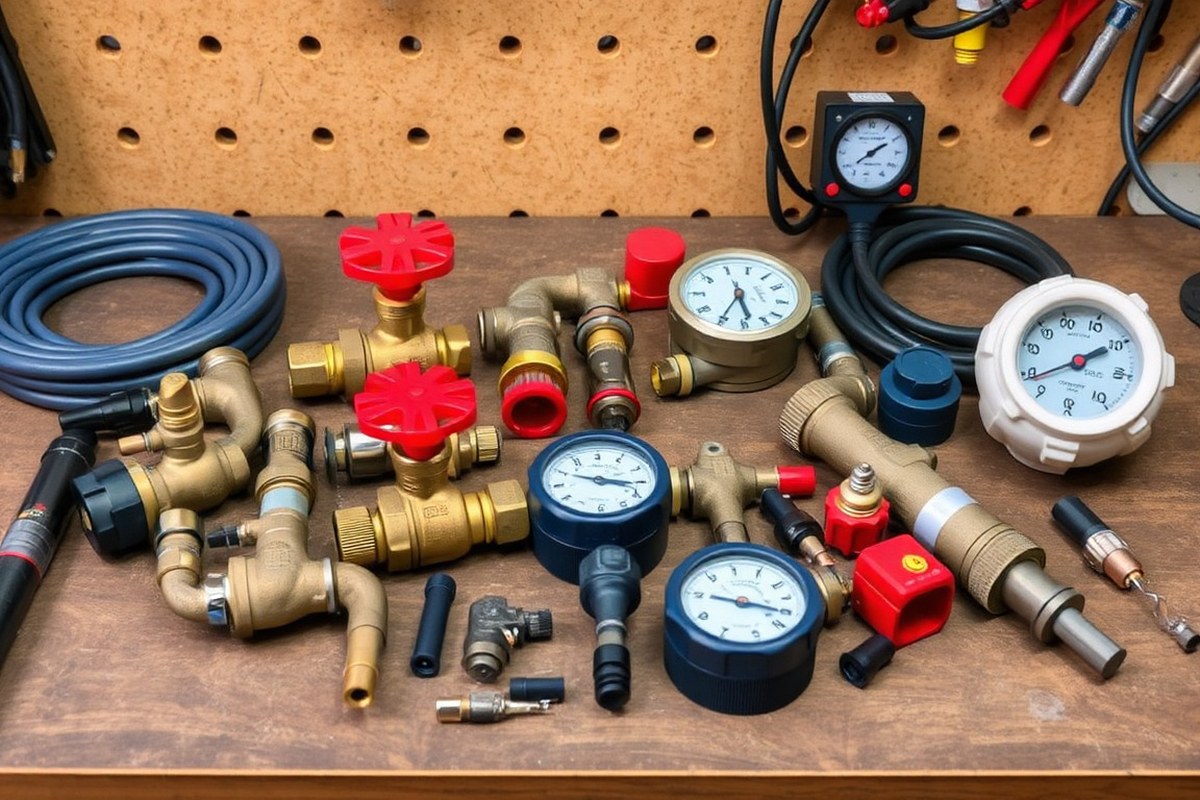
Parts vary widely but several key items have typical price ranges. Sprinkler heads alone go from $2 to $15 each. Valves for each zone run between $20 and $50.
Controllers or timers cost $50 to $400, depending on features. Pipes, fittings, and backflow preventers also add to the bill.
| Component | Cost Range |
|---|---|
| Controller / Timer | $50, $400 |
| Backflow Preventer | $100, $350 |
| Sprinkler Heads (each) | $2, $15 |
| Valves (per zone) | $20, $50 |
| Pipe and Fittings | $200, $600 |
| Labor (per zone) | $200, $400 |
Permit and inspection fees depend on your local rules. Some areas require backflow prevention devices by code, which adds costs from $300 to over $1,200. For new installations, costs go up with more irrigation zones.
Special needs like soil or low water pressure raise costs too. These factors add to your total price. Landscape repair after trenching can also add expense.
Adding smart features like Wi-Fi controllers raises your upfront cost by $150 to $600 or more. Yet, these smart controls save water and reduce bills over time. Buying cheaper parts or doing it yourself can cut costs.
But it may cause more repairs or need replacing sooner. Keep that in mind before deciding.
Check local permit requirements before ordering parts or hiring labor to avoid unexpected fees.
Types of Sprinkler Systems and How They Affect Costs
Sprinkler system costs vary a lot depending on the type you choose. In-ground, drip irrigation, and above-ground systems all serve different needs and budgets. Picking the right one depends on your lawn size, plant types, and preferred control features.
In-Ground Systems: Features and Price Range
In-ground sprinkler systems use buried pipes and pop-up heads for even watering coverage. They operate on automatic timers and can cover large lawn areas with multiple zones. Expect to pay $1,740 to $3,410 for typical installations.
Full systems can cost $6,000 to $10,000. Larger lawns need bigger systems.
These systems last long and add curb appeal but have higher upfront costs. They work best for medium to large lawns that need year-round consistent watering without manual setup. Installation usually requires professional help due to trenching and plumbing.
Drip Irrigation Costs and Ideal Uses
Drip irrigation lines deliver low flows of water directly to soil at plant roots. This uses tubes laid on or below the ground. The cost is $450 to $1,100.
Price depends on the area and setup. It works well for gardens, shrub beds, and trees where water needs are precise.
This system cuts water waste and lowers utility bills. It targets plant roots directly. This helps drought-sensitive plants grow better.
Drip irrigation works well for small to medium gardens. It can be expensive per zone.
Spray heads usually cost less. Maintenance is simple but requires periodic checking for clogs.
Above-Ground and Temporary Sprinklers Explained
Above-ground sprinklers attach to garden hoses and run manually or with simple timers. Kits cost from $15 upfront. Larger setups run about $2,000.
They cover up to 1,500 square feet. These systems suit small yards or temporary watering needs.
These are easy to install and move. They waste more water than fixed systems. Coverage is uneven with higher loss risk.
Homeowners who want budget options or renters can use these. They don’t require digging or professional installs.
| System Type | Typical Cost Range | Best For |
|---|---|---|
| In-Ground (Automatic) | $1,740 to $3,410 | Medium to large lawns |
| Drip Irrigation | $450 to $1,100 per zone | Gardens, shrubs, trees |
| Above-Ground Sprinklers | $15 to $2,000 | Small or temporary lawns |
| Smart WiFi System | $700 to $1,300 per zone | Water savings for any lawn |
Use this table to narrow your choices. In-ground systems deliver the best long-term value for big lawns that want automatic watering. Drip irrigation is the smart pick for focused watering of plants sensitive to overwatering.
Above-ground sprinklers fit tight budgets and temporary use. They cost more if you run them too long. Watch out for wasted water.
Smart and Automated System Upgrades
Smart sprinkler controllers improve any system by using WiFi to adjust watering schedules automatically. They cost about $700 to $1,300 per zone.
These systems cut water bills by watering only when needed. Smart features include weather sensing and remote control from a phone.
Adding smart controls to your in-ground or drip system improve efficiency without replacing hardware. They work well for homeowners wanting convenience and water savings. Smart upgrades work for any lawn size.
They reduce water waste and improve plant health. This boosts your return on investment.
How Lawn Size and Number of Zones Influence Price
The size of your lawn has a big impact on sprinkler system costs. Systems usually cost between 50 cents and $2 per square foot. For example, a 5,000-square-foot yard could cost around $4,500 to $8,500 for installation.
Sprinkler systems divide your yard into zones. Each zone covers a specific area based on sprinkler head reach and water pressure.
More zones mean more valves, piping, and labor, which boost the price. Low water pressure might force you to add zones, raising costs further.
Zones let you water different parts of your lawn in separate cycles. This controls pressure better and prevents overwatering.
Most home systems have between 4 and 8 zones. A larger yard or complex landscape can push this number higher.
To pick the right zone number, map your lawn size and shape. Break it into sections around 600 to 1,200 square feet each. Each zone should run independently, matching zones to natural lawn areas or watering needs.
For example, suppose your lawn is 6,000 square feet. Divide it into 6 zones of about 1,000 square feet each.
This keeps the water pressure steady and avoids extra plumbing expenses. Adding too many zones for small areas drives up costs unnecessarily.
Adjust zones based on plant types and sun exposure too. Shade can lower watering needs and change zone size. Grouping similar plants avoids overwatering and saves water bills over time.
Expect to pay about $220 per sprinkler head and $85 per valve box. Each zone needs at least one valve.
More valves add $165 or more to system cost. These costs add up quickly if you have many zones in a large yard.
One common slip-up is picking too few zones. It can cause low watering pressure and patchy coverage, wasting water and hurting your lawn. Too many zones increase upfront costs and installation time without much benefit for small yards.
Talking to a professional can help balance your lawn size, water pressure, and budget. They can design a system with enough zones for good coverage.
This helps with efficient watering. They avoid overspending on unnecessary parts.
Additional Costs: Permits, Excavation, and Landscaping Repairs
Permits for sprinkler systems vary by location. Some cities require a permit costing between $50 and $200. Check with your local city hall before installing.
This helps avoid fines. It also prevents work delays.
Soil type affects how hard it is to dig trenches for the pipes. Rocky or clay soils slow excavation and raise costs by about $0.40 per linear foot.
When your yard slopes, installers adjust pipe depth and layout. This takes extra time and adds labor fees.
Fully landscaped yards with grass, shrubs, or trees need careful digging. Installers must avoid root damage, which takes more time and increases costs. Sod often must be cut and replaced, raising repair expenses.
- Ask local authorities about sprinkler permits and fees.
- Test soil hardness before installation; rocky soils cost more to dig.
- Note yard slope; steep slopes need special pipe placement.
- Plan for sod replacement and root protection around landscaping.
- Set aside extra money for unexpected landscaping repairs.
Fixing broken sprinkler heads ranges from $100 to $400 depending on damage. Lawn repair costs can add up if the irrigation line installation disturbed plants or hardscaping. Keep your contractor on site to manage these details well.
Always confirm permit needs early to avoid work stoppages and extra fees.
Smart Sprinkler Systems: Features, Costs, and Water Savings
Smart sprinkler systems cost more upfront but offer water savings and easy control. Adding smart controllers or sensors will raise your initial price by $10 to $500. These features help reduce waste by adjusting watering based on weather and soil conditions.
Smart Controller Cost Overview
A typical automatic controller adds about $10 to $325 to your sprinkler system cost. More advanced smart controllers with Wi-Fi cost between $125 and $400. You can spend $50 to $500 on elaborate app-enabled or weather-based controllers.
Simple controllers improve watering uniformity, while expensive models add remote control and weather adaptation. Including smart features changes costs but helps you avoid overwatering and lower your monthly water bills.
Common Smart Features Explained
Smart systems often include weather sensors that pause watering during rain. Soil moisture sensors adjust watering times to avoid excess irrigation. These sensors cost $17 to $75 each and plug into your controller.
Wi-Fi enabled controllers let you manage your system from your phone or computer. You can start, stop, or adjust zones remotely. This feature is useful for frequent travel or busy schedules.
Pairing smart controllers with high-efficiency nozzles reduces runoff and saves water. This combo can cut water use by 20 to 30 percent, depending on your lawn setup.
| Sprinkler Add-on | Cost per Piece |
|---|---|
| Rain and Soil Sensors | $17, $75 |
| Wi-Fi and Phone Controllers | $125, $400 |
| Automatic Controllers | $10, $325 |
| Elaborate Smart Controllers | $50, $500 |
Using low-cost components can keep your total cost down. Plan and map your zones to avoid paying for unnecessary parts and installation time.
Savings and ROI from Smart Irrigation
EPA estimates say weather-based controllers can reduce daily water use by about 37 gallons. Some smart controllers cut water use by 30 to 50 percent. This lowers your water bills significantly over time.
Drip irrigation systems paired with smart controls save even more water, up to 70 percent. Smart systems cost $200 to $500 more.
Homeowners usually get an 86 percent return. That happens when they sell their homes.
Smart systems also help avoid fines for runoff in areas with strict watering regulations. Limiting wasted water is both environmentally friendly and cost-effective long term.
DIY vs Professional Installation: Cost and Risks Compared
Installing a sprinkler system yourself can save $1,000 to $2,500 or more. But you’ll need time, the right tools, and basic plumbing skills. Hiring a pro costs more upfront but cuts down risks and comes with warranties.
Steps for DIY Sprinkler Installation
Start by mapping out your lawn and planning sprinkler zones carefully. Mark where you want sprinklers, valves, and main lines. You’ll need a trenching tool, pipe cutter, PVC cement, and a shovel for digging trenches.
Next, dig trenches about 6 to 12 inches deep for pipes. Lay the main line and connect lateral pipes with tees at zone valves. Sockets and PVC primer help create sealed joints to avoid leaks.
Hook up your control valves and run wiring back to the irrigation timer. Test each zone to check spray coverage and leaks before covering the trenches. This part usually takes several days depending on your lawn size.
Common DIY Mistakes to Avoid
One big mistake is poor zone layout causing uneven water coverage or overspray. Avoid placing sprinklers too close to sidewalks or driveways to reduce waste.
Another error is not digging trenches deep enough. Shallow pipes freeze or break more easily.
Failing to use proper pipe glue and fittings leads to leaks that raise costs later. Neglecting to test the system before backfilling covers hidden leaks that require costly repairs. Also, wiring mistakes at the controller can prevent zones from running as intended.
Benefits of Hiring a Professional
Pros bring experience and tools to install your sprinkler system faster and with fewer headaches. They handle permits if needed. They advise on the best sprinkler parts.
They help pick the right timers and zones. Hiring a licensed plumber or irrigation specialist ensures the system follows local codes.
Professional installation often comes with a warranty. It covers leaks, parts, or timer issues. The warranty may last a year or longer.
Their work reduces the chance of costly mistakes that often occur with DIY projects. You also save days or weeks in labor that DIY might take.
The extra cost may run from $1,500 to $4,000 depending on size and complexity. But better coverage, fewer repairs, and ongoing support can save money over time. Homeowners who lack plumbing tools, experience, or time often find professionals safer and more convenient.
Maintenance and Long-Term Costs for Sprinkler Systems
Maintaining a sprinkler system typically costs about $75 to $85 yearly. This covers routine checks, cleaning, and minor fixes like replacing sprinkler heads.
Quality parts last 5 to 10 years. So investing in them cuts repair expenses over time.
Common repairs include fixing broken heads, clogged nozzles, or damaged pipes. You might also need to reroute zones, which costs around $600 to $800 each. Seasonal maintenance is important: prepare your system for winter and restart it properly in spring.
- Check and clean sprinkler heads monthly during the watering season
- Adjust spray patterns to avoid watering driveways or sidewalks
- Test system pressure and look for leaks every 2, 3 months
- Drain or blow out the system before winter to avoid freeze damage
- Inspect valves and controllers yearly and update settings seasonally
Winterizing involves shutting off the water and draining lines before freezing starts. This usually happens when temperatures drop below 32°F for several nights. Without this step, pipes can crack, leading to costly repairs.
Don’t skip manual system checks after winter freeze; damage often hides underground.
Upgrades, like installing new controllers or smart sensors, add value but cost extra. Planning for these every few years helps maintain efficiency and might save water. Budget accordingly for your lawn size and setup complexity.
Step-by-Step Action Plan for Installing a Sprinkler System
Here’s a simple plan for setting up your sprinkler system. It focuses on keeping costs right.
You’ll know what to expect. Follow these steps to stay on budget and avoid surprises.
- Before you start: Measure your lawn size and mark zones. This helps estimate parts and labor costs accurately.
- Week 1: Research the sprinkler system type that fits your lawn and budget. Check smart system features if water savings matter.
- Week 2: Get quotes from at least two pros and compare parts, labor, and installation fees. Ask about permits and extra costs.
- Week 3: Decide if you want DIY or professional installation after weighing risks and skill needs. Order your supplies or book the installer.
- Week 4: Have the installer or yourself set up the system. Check for leaks or uneven spray to ensure quality work.
- After installation: Adjust watering schedules and test smart features. Make sure the zones run correctly and you conserve water.
- Monthly: Inspect heads and pipes for clogs or damage. Clean and fix small problems before they grow costly.
Frequently Asked Questions
How Much Does It Cost to Install a Sprinkler System for a 5,000 Sq.ft. Lawn?
It costs about $4,500 to $8,500 to install for 5,000 sq.ft. The size of your lawn strongly affects the total price since installation price is about $0.90 to $1.70 per sq.ft.
What Parts of the Sprinkler System Contribute Most to Installation Costs?
Labor is almost half the cost. The rest covers parts like valves.
Sprinkler heads add to the price too. Installation also includes trenching, which can increase costs depending on your soil and equipment used.
How Does the Number of Watering Zones Affect Sprinkler System Price?
More zones mean more pipes and equipment, raising costs. A 7-zone system costs more.
It controls water flow better. Perfect for large or irregular lawns.
Does Adding a Smart Controller Increase the Cost of a Sprinkler System?
Smart controllers add $200 to $500 to the base price but save water and money. These timers adjust watering schedules and can pay for themselves by cutting water waste.
Why Should I Consider Professional Installation over DIY for a Sprinkler System?
Professional installation costs more but guarantees safety and proper system setup. Professionals manage permits and repairs.
They keep the system running well. Your lawn and pipes stay safe.
What Are Some Hidden Fees I Might Face When Installing a Sprinkler System?
Excavation, permits, and fixing lawn damage add to costs. Costs depend on where you live and yard layout.
Complexity also affects price. Always ask for a detailed quote first.
The Bottom Line
Sprinkler system costs depend on many factors like size and features. Starting with a clear plan helps you control expenses. Check your lawn size today to get a solid cost estimate.
One Comment