How to Pronounce Liriope Correctly: Complete Accent Guide & Tips
Learning to say liriope starts by splitting it into four parts. Say “luh.” Then say “rahy.”
Next say “uh,” and last, “pee.”” Say them together as luh-RAHY-uh-pee, with the emphasis on the second syllable. This pronunciation works well in English and is widely accepted among gardeners and plant lovers.
Focus on the “rahy” sound in the middle; it’s key to getting it right. Once you nail that part, the rest flows naturally. Try saying it slowly at first, then speed up until it feels comfortable.
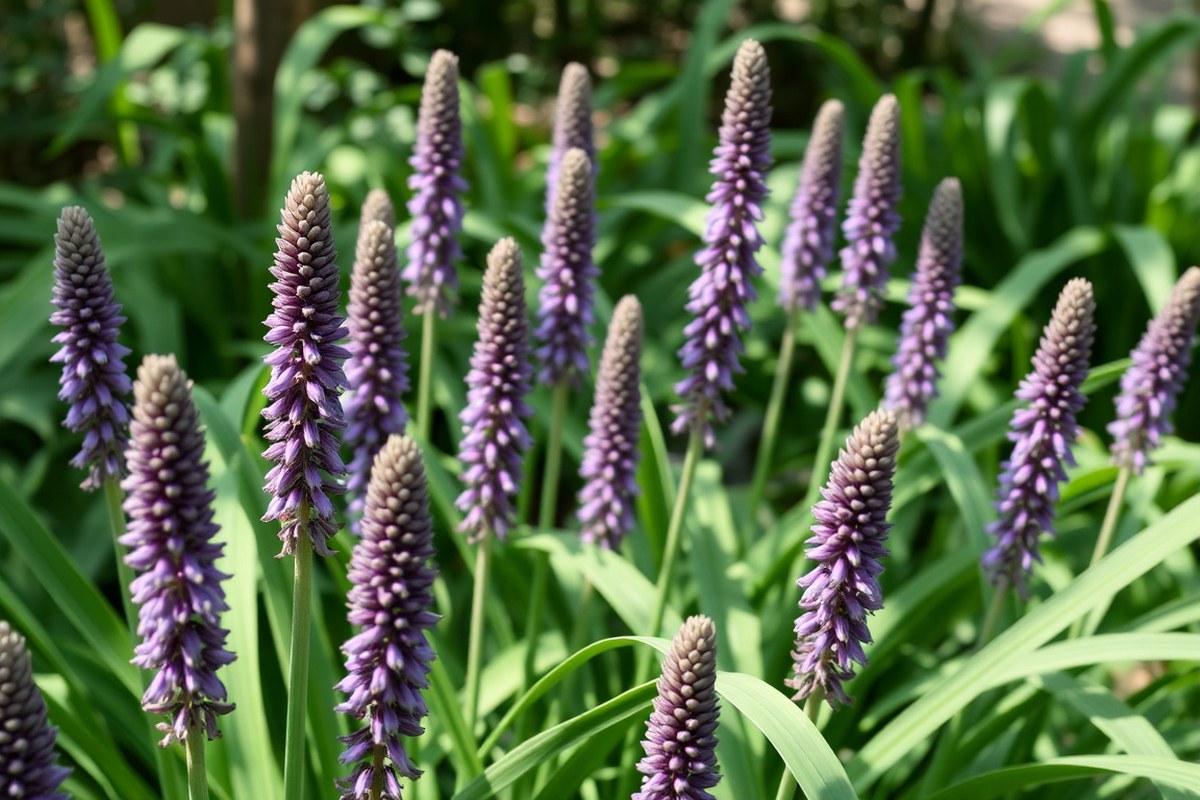
Remember, liriope refers to a common garden plant with small violet, blue, or white flowers. Saying the name correctly helps you share your gardening tips clearly and confidently.
Key Takeaways
- Break down liriope into four parts: luh-RAHY-uh-pee.
- Put stress on the second syllable: “RAHY.”
- Practice slowly, then speed up to sound natural.
- The “rahy” sound is the toughest but most important.
- Say liriope out loud when talking about these garden plants.
- Don’t rush the last two syllables: “uh-pee.”
How to Pronounce Liriope Correctly in English
You pronounce liriope with four syllables: li-ri-o-pe. The stress lands on the second syllable, so it sounds like lih-RYE-oh-pee. Say it with a soft “li” then a stronger “rye.”
Add a quick “oh” sound. End with “pee.””
Phonetically, liriope is pronounced /lɪˈraɪəpi/. The “l” starts softly, then the stressed “raɪ” has a clear “rye” sound.
The “ə” is a quick, light syllable, like “uh,” and “pi” sounds like “pee.” Saying each part slowly helps you get the stress and rhythm right.
Practicing liriope means focusing on that stressed second syllable. Try saying “lih-RYE-oh-pee” several times, stressing the “RYE.” If you stress the first or last syllables, it sounds off.
This pattern suits liriope muscari or liriope spicata plants. Use it when you talk about them in your garden.
Common Pronunciation Variations and Accent Differences

Different English accents bring subtle changes when saying liriope. You’ll hear slight shifts in vowel sounds, especially in the first two syllables.
These shifts usually don’t make the word unclear or wrong. But they reflect regional speech habits.
Here’s a simple table showing common English accent variations for liriope pronunciation. It breaks down how each accent handles the word:
| Accent | Phonetic Pronunciation | Audio Guide |
|---|---|---|
| US English | /laɪˈraɪ.oʊ.pi/ (lie-RYE-oh-pee) | Listen |
| UK English | /lɪˈraɪ.ə.pi/ (lih-RYE-uh-pee) | Listen |
| Australian English | /laɪˈraɪ.oʊ.pi/ (lie-RYE-oh-pee) | Listen |
| Canadian English | /laɪˈraɪ.oʊ.pi/ (lie-RYE-oh-pee) | Listen |
| Indian English | /lɪˈɹi.oʊ.peɪ/ (lih-REE-oh-pay) | Listen |
Accent shifts usually affect the vowels in the first and last syllables. The US, Australian, and Canadian accents mainly use “lie-RYE-oh-pee.”
The UK accent leans toward “lih-RYE-uh-pee,” which sounds a bit softer. Indian English sometimes changes the last syllable to “pay” instead of “pee.”
All these variants are accepted when the word remains clear. Local accents influence how you say liriope, but none change its meaning. Pick one accent and focus on that style for easier learning and communication.
Use audio resources to hear liriope in different accents before practicing out loud.
This way, you’ll understand why some people say it differently and feel confident using liriope yourself. Listen carefully to how vowels shift and then repeat. This hands-on approach helps your ears and mouth adjust together.
Pronouncing Liriope in Other Languages
In French, liriope sounds like “lee-ree-OP” with a soft French “r.” The stress falls on the last syllable, unlike English. It uses a clear “ee” vowel at the start, sounding smoother than the English version.
German speakers say it as “lee-REE-oh-peh,” stressing the second syllable. They pronounce each vowel clearly. The final “eh” sound is distinct.
English often has a softer ending. The “r” in German is guttural, made at the back of the throat.
Spanish pronunciation is closer to “lee-ree-OH-peh.” They stress the third syllable, and the “r” sounds roll slightly.
Vowels are short and crisp, with each part clearly heard. The “e” at the end is pronounced, which is different from the English silent “e.”
Portuguese speakers say it as “lee-ree-OH-pee” or “lee-ree-OH-peh” depending on the region. Brazilian Portuguese favors the “pee” ending.
European Portuguese often softens the last vowel to “peh.” Both use a tapped or trilled “r,” similar to Spanish.
Language shifts mostly affect stress placement, vowel length, and consonant sounds. French and German emphasize the last or second syllable. Spanish and Portuguese place stress on the third.
The “r” sound changes from English’s mild roll to German’s harsh or Spanish’s soft trill. Vowels also shift from English’s variable pattern to more precise and shorter sounds.
Audio resources can clarify these sounds. Websites like Forvo or Google Translate offer user-recorded clips.
Apps such as Anki or language-specific dictionaries let you hear native speakers. Listening carefully helps train your ear to language differences in liriope pronunciation.
| Language | Phonetic Pronunciation | Syllable Stress | Key Sound Feature |
|---|---|---|---|
| French | /li.ʁi.ɔp/ | Last syllable | Soft guttural “r” and smooth vowels |
| German | /liˈʁiː.o.pə/ | Second syllable | Distinct vowels, harsh “r” |
| Spanish | /li.ˈɾi.o.pe/ | Third syllable | Rolled “r,” crisp vowels |
| Portuguese (Brazil) | /li.ɾi.ˈo.pi/ | Third syllable | Trilled “r,” “pee” end |
| Portuguese (Europe) | /li.ɾi.ˈo.pɨ/ | Third syllable | Trilled “r,” softer ending vowel |
Try playing audio examples slowly at first. Repeat after native speakers focusing on syllables and stress. Practice rolling or tapping the “r” sound.
This helps if you don’t use it naturally. Let your tongue get used to it slowly. Consistent practice can fix tricky sounds and help you speak liriope confidently in each language.
Mnemonic Devices and Tips for Remembering Pronunciation
Remembering how to say liriope correctly gets easier with a few simple tricks. Using mnemonic devices helps your brain lock in the right sounds. Daily practice with clear pronunciation makes your speech confident and smooth.
Using the ‘Lie’ Mnemonic
The first part of liriope sounds like the word “lie.” Think of saying “lie” clearly, as if you’re telling a story. This mental shortcut sets you up to start the word with the correct sound.
Try a short phrase like “Lie is the start” to remind yourself of the opening sound. Saying this phrase before liriope signals your tongue and mouth how to move. Repeat this several times for better recall.
Breaking Down the Word Phonetically
Split liriope into syllables to make it less tricky: “lie-ree-oh-pee.” Each part has a simple sound you can focus on. Emphasize the first syllable “lie” to avoid mixing up the word’s rhythm.
Practice saying each syllable slowly, then blend them together. Listen carefully to the vowel sounds in “ree” and “oh” so they stay clear and open. Stress the “lie” harder, then soften your voice for the last syllables.
Daily Practice Tips
Use short daily routines to build muscle memory for pronouncing liriope. Spending five minutes a day helps you nail the sounds without getting overwhelmed. Record yourself to check for clear articulation and correct stress placement.
- Say liriope slowly five times, focusing on each syllable
- Practice minimal pairs like “lie” and “rye” to tune your ear
- Use the mnemonic phrase “Lie is the start” aloud each session
- Record and listen to your pronunciation, then adjust as needed
- Speak liriope in a sentence to practice natural rhythm
- Repeat this routine daily for at least one week
Practicing overhead in small chunks prevents frustration. Good results sound natural, not forced, with clear vowel sounds and right stress. If your speech feels tense or unclear, slow down and simplify the steps.
Common Mistakes When Pronouncing Liriope and How to Fix Them
People often mispronounce liriope by stressing the wrong syllable or mixing up vowels. The name should sound like “leer-ee-OH-pee,” but many say “LIR-ee-ope” or “le-RYE-oh-pee.” These mistakes usually happen because the word looks tricky or unfamiliar at first glance.
The errors come from trying to read it like common English words. Also, hearing the plant name in passing without checking the correct pronunciation leads to repeating errors. Fixing these mistakes takes clear focus on how each part sounds and practicing aloud.
- Avoid stressing the first syllable; focus on the third instead.
- Don’t pronounce the “i” as a long “eye” sound.
- Break the word into four parts: leer – ee – OH – pee.
- Practice saying shorter parts slowly, then speed up.
- Listen to native speakers or trusted plant websites.
- Use shadowing: repeat after hearing correct pronunciation immediately.
- Record yourself and compare to correct versions for feedback.
Self-check your pronunciation by recording each syllable and matching your voice to the right sounds. If you stress “leer” too much or say a diphthong like “RYE,” rewind and try again. Doing this daily for five minutes can cut down errors quickly.
Don’t rush through the word; clear enunciation saves confusion and builds confidence.
Knowing the right pronunciation helps you talk confidently with fellow gardeners or sellers. It avoids awkward moments if people correct your speech. Plus, clear pronunciation helps you remember liriope better for future conversations.
Step-by-Step Practice Plan to Master Liriope Pronunciation
The best way to master saying liriope is to practice in clear steps. Break the word into sounds, record yourself, and adjust how you say it. This plan helps you hear mistakes and improve little by little.
Sound Breakdown and Exaggeration
Start by splitting liriope into simple parts: “li-ree-oh-pee.” Say each part slowly and clearly. Saying it too fast or quietly hides sounds and makes it harder to catch mistakes.
Practice by exaggerating each sound, especially the vowels. Stretch the “ree” sound longer than normal.
This helps your mouth remember the shape you need. It also makes the correct stress clear, which usually falls on the second part “ree.”
Recording Yourself with Scripts
Use a phone or computer to record your voice saying liriope in sentences. Hearing yourself is key to spotting errors you don’t notice when only speaking. Here’s a script to try:
“I planted liriope along the garden path.” “My liriope plants bloom well in shade.” “Liriope is a great groundcover for tough spots.”
Repeat each sentence three times. Try to keep your speech natural, not too slow or forced. Save these recordings for review.
Review and Adjustment Techniques
Listen carefully to your recordings and compare your pronunciation to a native speaker. Use YouTube channels like Rachel’s English or English with James as your reference. Notice how they stress the word and move their mouth.
Mark which part of the word you stumble on or say incorrectly. Repeat those parts slowly and exaggerate again. As you get better, say the whole word without breaking it up.
- Break liriope into syllables and say them slowly and clearly.
- Exaggerate vowel sounds to focus on proper mouth movements.
- Record your voice using simple sentences including liriope.
- Play back your recordings and listen for unclear or wrong sounds.
- Compare your pronunciation to videos or native speakers online.
- Practice the parts you find tough, speaking them slowly and clearly.
- Repeat the whole word and sentences as your pronunciation improves.
- Keep practicing a few minutes a day and note your progress.
Historical and Botanical Context That Explains Pronunciation
The word liriope comes from Greek mythology. It refers to Liriope, a water nymph linked to the story of Narcissus. This background explains why the name sounds classical and a little formal in English.
Liriope entered the world of plants in the late 19th century. Botanists named this group of evergreen groundcovers after the mythological figure. That shows how scientific naming often borrows from ancient languages and stories.
Because it traces back to Greek roots, the pronunciation follows some Greek patterns. For instance, the “e” at the end is pronounced like “ee.”
This small detail is key to saying the word right. People often drop it, but knowing the root helps keep it clear.
The word’s history affects English speakers who want to say liriope properly. It sounds like a name, which makes it stand out among other plant names. When you learn that it’s a nymph’s name, the pronunciation feels more natural and less random.
Botanically, liriope plants grow in clumps of grass-like leaves with tiny purple or white flowers. These plants often fill spaces between bigger shrubs or line pathways.
Knowing this helps you connect the word to what you see in your garden. It’s easier to remember and say the word when you imagine the plant.
Some growers find that saying the full name smoothly fits their work better. It carries a bit of respect for the plant’s classical roots. Saying the word wrong might confuse people.
It can sound less professional. This matters in gardening and flower talk.
Pronunciation evolved because English speakers adapted the Greek word for everyday use. The original Greek stressed three syllables: “lir-i-O-pee.”
Over time, some drop the last syllable or shift the accent. That’s normal for many borrowed words, but it causes different sounds across regions.
Knowing liriope’s origin means you know a bit of its story and sound. This helps reduce hesitation when you say it aloud.
Plants named from history or myth often come with tricky pronunciations. Recognizing this pattern guides you to approach such words patiently.
Using Liriope in Speech: Sample Sentences and Practice Scripts
Using liriope in sentences helps you get comfortable with its sound. Practice with short phrases or full dialogues to hear and say it clearly. This method builds your confidence saying liriope in everyday talk.
Simple Sentences Using Liriope
Short sentences name liriope as a garden plant or ground cover. They show how the word fits naturally in common talk. Use these often to get familiar with its flow and rhythm.
Examples: “Liriope grows well in shady spots.” “I planted liriope along the walkway.”
“The liriope’s purple flowers bloom in summer.” They help your mouth get used to the word’s parts.
Gardening Conversation Practice
Gardening chats are great for practicing liriope in a real-world context. Repeat phrases that mix gardening terms with liriope pronunciation. You learn the word’s sound and what it means.
Practice short dialogues like this:
- “Have you tried liriope as a ground cover?”
- “Yes, it handles shade and drought really well.”
- “What color flowers does your liriope have?”
- “Mostly purple, sometimes white too.”
Focus on stressing the first syllable: LIR-ee-ope. That emphasis helps clarity in speech.
Professional and Casual Usage Scripts
Use scripts for formal talks or casual chats to practice liriope smoothly. For example, a nursery worker might say, “Our liriope varieties are popular for easy landscaping.”
In casual chat, you might say, “I love my liriope patch. It stays green all year.”
Try this guided script: Nursery Visit Script:
Customer: “Can you recommend a plant that grows in shade?”
Worker: “Liriope is a perfect shade-loving ground cover.”
Customer: “How do I care for liriope?”
Worker: “It needs little water and spreads slowly.”
Practice saying liriope slowly at first, then speed up to natural talk speed.
Step-by-Step Action Plan to Pronounce Liriope Correctly
Follow these steps to learn how to say “liriope” clearly and confidently. Check your progress at each stage to stay on track.
- Day 1: Listen to audio clips of “liriope” in English and other languages. Repeat aloud to get familiar with sounds.
- Day 3: Practice saying “liriope” slowly, breaking it into syllables: lir-ee-ope. Notice which syllable is stressed.
- Week 1: Use mnemonic devices like “LIRy’s OPe” to remember the pronunciation pattern. Test yourself daily.
- Week 2: Record yourself saying “liriope.” Compare your recording to native speakers to spot mistakes.
- Week 3: Use “liriope” in sample sentences aloud. Focus on smooth flow and proper stress.
- Week 4: Practice with different accents or language versions to understand variations. Try imitating them.
- After 5 weeks: Talk with a friend or join a gardening group. Use “liriope” naturally and ask for feedback.
Frequently Asked Questions
What Is the Easiest Way to Remember the Pronunciation of Liriope?
Remember ‘Li-ri-oh-pee’ by breaking the word down into four parts. Saying it slowly helps get the rhythm right.
Can Pronunciation Vary by Region in the US?
Yes, some Americans say ‘li-ry-oh-pee’ slightly differently. Stress and vowels change a bit by location but still stay close.
Does Liriope Pronunciation Change When Used in Gardening Talks?
No, it stays consistent to ‘Li-ri-oh-pee’ in garden settings. Clear pronunciation helps avoid confusion among plant enthusiasts.
Is It Common to Mispronounce Liriope’s Last Syllable?
Yes, some say ‘lip’ instead of ‘pee.’ Focusing on ‘pee’ is key for the correct sound.
What Common Sound Mistakes Happen in Liriope’s First Syllable?
Some say ‘lee’ instead of ‘li’ (short i). Using short i makes it sound right.
Can I Use Online Audio to Check Liriope Pronunciation?
Yes, online audio clips like on HowToPronounce.com are handy. Listening and repeating helps a lot.
The Bottom Line
You can say “liriope” clearly with steady practice and attention. Start by listening and repeating the word aloud today. Speaking it confidently will improve your gardening talks and language skills.