What Is Vermiculite Used for? 8 Essential Uses and Safety Tips
What is vermiculite used for? It’s mainly a lightweight mineral that expands when heated. People use it in gardening because it holds water well.
It also works for insulation and packing. It resists fire too. These qualities help plants, protect items, and keep buildings safer.
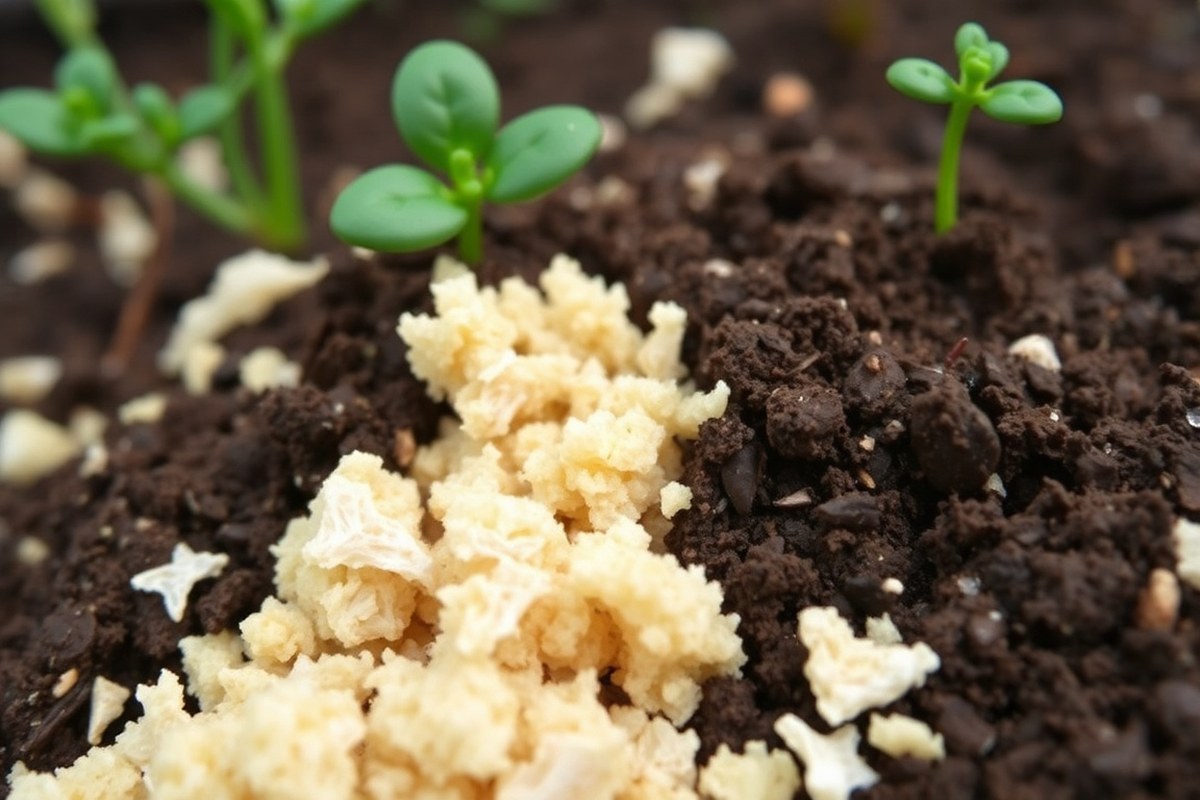
In gardens, vermiculite improves soil aeration and moisture retention. It cushions fragile roots and helps spread nutrients evenly. Many gardeners add vermiculite to seed mixes to boost germination and support young plants.
Vermiculite makes mulch lighter and helps soil drain better in container plants. It also works well in potting mixes with peat moss and perlite. This combination keeps soil loose and holds enough moisture for healthy growth.
Vermiculite was widely used as insulation before the 1990s in homes and commercial buildings. Some older vermiculite can contain asbestos, which is a health risk. Always test insulation and follow safety rules carefully when handling it.
Key Takeaways
- Add vermiculite to soil to boost water retention and root health.
- Use vermiculite-based insulation only with verified asbestos-free material.
- Heat vermiculite between 800°C and 1000°C to expand it for various uses.
- Choose vermiculite grade based on particle size for gardening or packing.
- Check for asbestos in old insulation before any removal or renovation.
- Vermiculite improves seed germination by holding moisture around seeds.
What Are the Main Uses of Vermiculite Today?
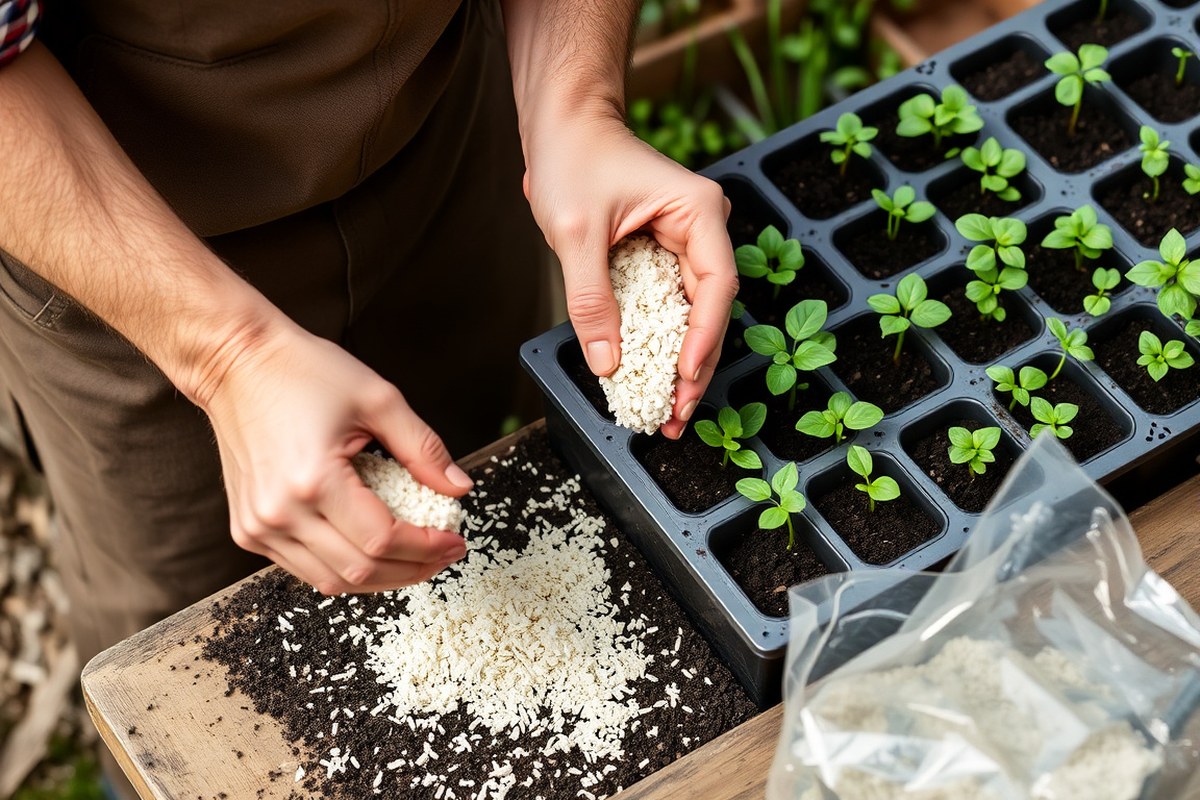
Vermiculite mainly serves in gardening, construction, and industry due to its lightweight and absorbent traits. In gardens, gardeners use exfoliated vermiculite to improve soil aeration and hold moisture around plant roots. Vermiculite mixes well with potting soil or seed starters.
It helps seeds sprout evenly. It also helps plants keep water without getting soggy.
Homeowners often find vermiculite as loose-fill insulation in older homes, especially in lofts and cavity walls. Vermiculite insulation is light and resists fire. It cuts heat loss effectively.
It also reduces noise. Vermiculite insulation is mostly in houses built before the 1980s. Newer homes often don’t use it anymore.
Vermiculite is used outside gardening too. It’s part of fire-rated drywall and light concrete blocks. Its fireproofing ability helps slow down flames during a fire, which improves building safety.
Industries use vermiculite for packing because it absorbs liquids well. It protects fragile items in shipping. It also helps control spills.
Exfoliated vermiculite is widely use due to the heating process it undergoes, which expands its structure. This makes it useful both as a growing medium and as an insulating filler.
Vermiculite holds moisture for plants, but you need to water carefully. It can keep too much water when overused.
Vermiculite comes from natural mines in countries like South Africa and Brazil. This supply supports many uses. Its cost varies by quality and quantity but remains affordable for most garden and construction projects.
Using vermiculite insulation without asbestos testing risks health, especially in older buildings. Safety testing is important.
How Does Vermiculite Help Plants and Soil?
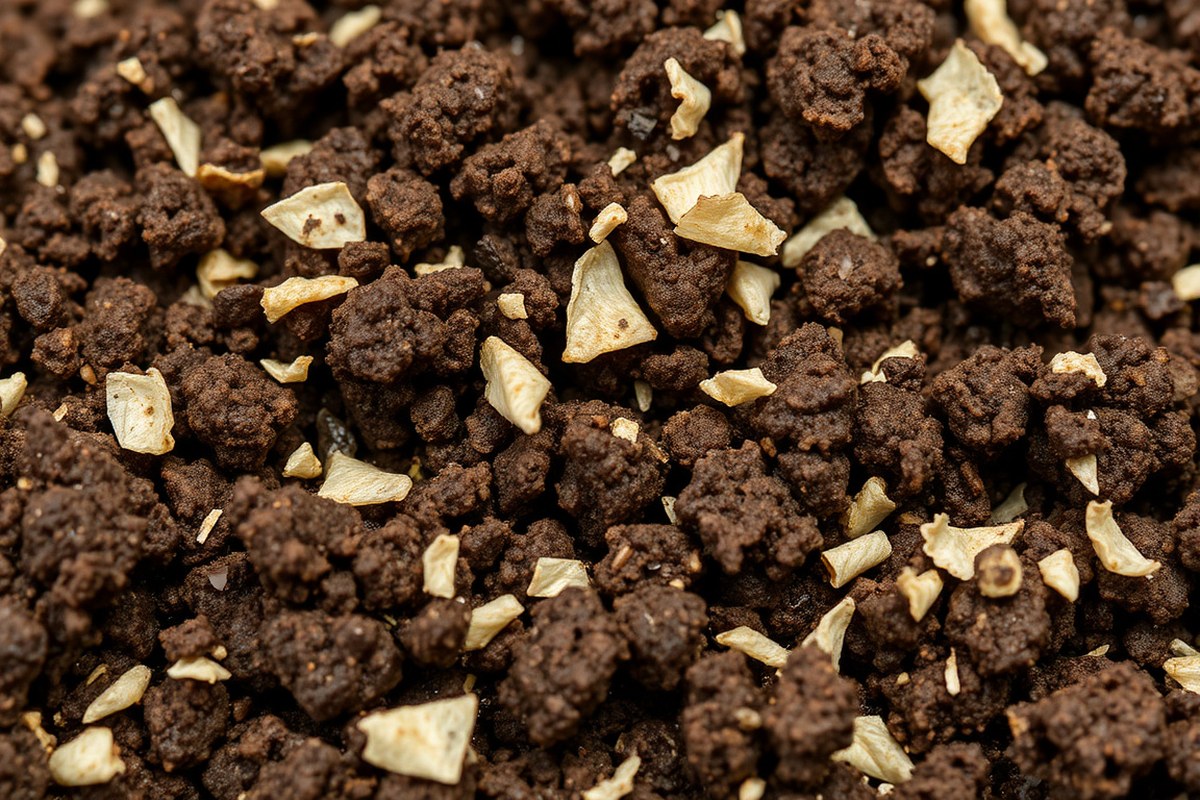
Vermiculite improves soil by holding water like a sponge and slowly releasing it. This keeps moisture available for plants during dry spells.
It helps air reach roots by making small gaps. These gaps improve soil aeration without losing much water.
Seedlings and cuttings thrive in vermiculite because it keeps the environment moist while allowing air in. Its fine particles help seeds stay in place and absorb water evenly. This reduces seed rot and encourages stronger root growth.
Nutrients stick to vermiculite particles, helping plants get steady feeding between waterings. However, vermiculite is sterile when processed, so adding fertilizer is necessary. Mixing vermiculite into your soil balances moisture, air, and nutrients well for many plants.
- Mix vermiculite with potting soil to lighten heavy soils
- Add 10% to 30% vermiculite for seed starting or cuttings
- Use vermiculite to boost moisture in sandy, quick-draining soils
- Combine vermiculite with compost or fertilizer for nutrient supply
- Water plants less often thanks to vermiculite’s water retention
- Choose fine grade vermiculite for seed germination
Adding vermiculite loosens compacted soil and helps roots grow deep by improving both aeration and moisture. This means plants are healthier and better able to withstand heat or drought. Keep in mind that overdosing vermiculite can lead to soil staying too wet and hurting roots.
Use only enough vermiculite to improve moisture. Too much can hold excess water and lead to root problems.
What Types and Grades of Vermiculite Exist and How to Choose?
Vermiculite comes in fine, medium, and coarse grades. Each grade has specific particle sizes and suits different uses in gardening, insulation, and packing. Choosing the right grade affects how well vermiculite performs in your application.
Fine Grade for Seed Starting and Cuttings
Fine vermiculite has small particles, usually under 3 millimeters. It retains water and air well, providing a moist and airy environment for seed germination.
You can use it alone for rooting cuttings. Mixing it with potting soil helps roots grow faster.
Fine grade vermiculite also prevents damping-off disease by improving drainage and reducing soil compaction. This makes it ideal for starting seeds indoors or producing healthy plant cuttings.
Medium Grade for General Soil Amendment
Medium grade has particles roughly 3 to 5 millimeters wide. It balances moisture retention and aeration better than coarse grades. Mixing medium vermiculite into garden soil improves drainage and keeps soil loose, which helps roots grow.
This grade suits potted plants and container gardens. It also works great in raised beds.
Add it to vegetable plots to improve soil quality. It doesn’t make the soil too dense.
Coarse Grade for Insulation and Packing
Coarse vermiculite has larger flakes of 5 to 10 millimeters or more. It traps air pockets, making it a great insulator for walls, attics, and around heaters. The coarse grade cushions and protects fragile items during shipping.
Its resistance to heat and fire suits it for insulating tanks or fireproofing around heaters. Coarse vermiculite fills spaces well without settling quickly, so it lasts longer as insulation. Vermiculite Grade Comparison Table:
| Grade | Particle Size (mm) | Typical Uses | Benefits |
|---|---|---|---|
| Fine | < 3 | Seed starting, rooting cuttings, potting mixes | Good water retention, improves drainage, prevents compaction |
| Medium | 3 to 5 | Soil amendment, container gardens, raised beds | Balances moisture and aeration, loosens soil |
| Coarse | 5 to 10+ | Insulation, fireproofing, packing fragile goods | High insulation, heat resistant, cushions items |
Choosing the right vermiculite grade depends on your task. Fine grade is best for delicate plant starts.
Medium works well for everyday gardening. Coarse vermiculite suits insulation and packing needs because of its size and heat resistance.
Mix vermiculite into the soil at 10 to 40 percent by volume. Adjust the amount based on the soil and plant needs. For insulation, loose-fill coarse vermiculite can be poured or blown into cavities for long-lasting effects.
Vermiculite vs Perlite and Other Soil Amendments: Which Should You Use?
Vermiculite and perlite both improve soil, but they work differently. Vermiculite holds water well, making it great for dry soil or sensitive plants. Perlite adds air pockets, which helps soil drain and stay loose.
Coarse vermiculite mixes larger chunks that boost air flow while still holding moisture. This feature helps lighten heavy clay soil without washing away water. Perlite, pumice, and coir focus more on aeration and drainage.
| Amendment | Water Retention | Aeration | Best Use | Notes |
|---|---|---|---|---|
| Vermiculite | High | Moderate (coarse grades higher) | Clay soil, dry conditions, seed starting | Holds nutrients well |
| Perlite | Low | High | Compact soil, hydroponics, drainage | Lightweight, inert |
| Pumice | Moderate | High | Succulents, cacti, landscapes | Natural rock, long lasting |
| Coir | High | Moderate | Soilless mixes, moisture-loving plants | Biodegradable, sustainable |
Pick vermiculite when soil needs more moisture and some air. It suits container plants well but adjust the amount to container size and plant type. For outdoor beds or succulents, perlite or pumice give better airflow and drainage.
Coir blends moisture retention with break-apart texture. It works well in soilless mixes but breaks down faster than rock-based amendments. Mix vermiculite with perlite or coir in hydroponics to balance water and air.
Is Vermiculite Safe? Understanding Risks and Contamination
Vermiculite itself is safe for most garden and home uses. The problem comes when vermiculite is contaminated with asbestos, a hazardous mineral. This contamination mainly comes from older vermiculite insulation mined from Libby, Montana, before the 1990s.
Asbestos fibers can cause serious lung issues if inhaled. These include lung cancer and mesothelioma, a rare cancer linked to asbestos exposure.
You can’t see asbestos in vermiculite. So assume any vermiculite installed before 1990 might be unsafe until tested.
To identify unsafe vermiculite, check the age and source of the material. Vermiculite in garden products today is tested for asbestos and usually safe to use. Insulation in older homes or recovered material could be contaminated and needs special care.
- Assume vermiculite in homes built before 1990 may contain asbestos.
- Have older vermiculite tested by a certified lab before disturbing.
- Wear an N95 or P100 respirator, gloves, goggles, and disposable coveralls if handling suspect vermiculite.
- Do not disturb or vacuum vermiculite insulation in attics or walls.
- Hire licensed asbestos removal professionals for testing and removal.
Wear protective gear whenever you handle any vermiculite that is not from a known safe product. Respirators filter harmful dust, and gloves stop skin irritation.
Use goggles to protect your eyes from dust. Coveralls keep your clothes free from fibers.
Heating vermiculite during manufacturing drives off impurities and kills any fiber risk by temperatures above 800°C. This process makes garden-grade vermiculite safe. The EPA found that modern horticultural vermiculite has minimal asbestos risk.
It contains only trace or no asbestos at all. Gardeners face a very low health threat from it.
Don’t try to remove attic vermiculite insulation yourself unless you have proper safety gear and training.
How to Test and Handle Vermiculite Insulation Safely
Testing vermiculite for asbestos is important before any work near insulation. You must collect samples carefully without disturbing the material much.
Then send samples to a certified lab for asbestos analysis. When asbestos is found, only a licensed pro should remove it.
Gathering Representative Samples Correctly
First, wear disposable gloves and a mask rated for asbestos dust. Find a small, hidden area of the vermiculite to sample so you don’t disturb much material. Use dampened tools to reduce dust released while taking the sample.
Break off about a teaspoon of vermiculite and place it in a clean, sealed container. Label it with your address, date, and sample location to avoid confusion. Avoid sweeping, vacuuming, or disturbing large amounts of insulation.
- Wear a respirator with P100 filters
- Dampen insulation before sampling
- Use disposable gloves and sealed bags
- Take small amounts from 3 or more locations
- Label and seal containers tightly
- Keep the area sealed after sampling
Take care not to damage surfaces or spread dust beyond the sample area. You feel unsure or see crumbly insulation, stop sampling now. Call a professional right away.
Choosing a Certified Laboratory for Testing
Deliver your vermiculite samples to a UKAS-accredited lab for reliable asbestos testing. Request testing using advanced methods like Transmission Electron Microscopy or Polarized Light Microscopy. These techniques detect asbestos fibers accurately, even at low levels.
Labs charge varied rates; a typical test costs between £200, £400. You’ll receive a report stating whether asbestos fibers were found and at what concentration. Use this report to decide on safe handling or removal.
Do not attempt to interpret unclear results on your own. You need help, contact your local environmental agency or certified surveyor. Avoid delays, as handling the material incorrectly could release dangerous fibers.
Legal and Safety Protocols for Removal
Asbestos is confirmed, do not try to remove vermiculite yourself. Licensed contractors charge £40, £70 per square meter but follow strict safety rules. They wet down fibers, use HEPA vacuums, and contain debris in double bags.
They take the waste to licensed hazardous facilities. Then, they do an air clearance test. You can re-enter only after the test clears the air.
Homeowners must seal the area until professionals arrive to prevent fiber spread. New insulation can only be added once removal meets safety standards and clearance passes.
Call professionals if the insulation is crumbly, old, or poses health risks. Always keep children and pets away from the affected space. Follow EPA, CDC, and OSHA safety guidance current as of 2026 for your protection.
Industrial and Packing Uses of Vermiculite Explained
Vermiculite is often used as packing material because it cushions fragile items during shipping. It’s lightweight and compressible. So it fills spaces well around bottles, glassware, and lab samples.
Vermiculite absorbs liquid spills well. This makes it good for packing hazardous chemicals. It’s often used to transport liquids safely.
In industry, vermiculite is valuable due to its fire resistance and lightweight properties. It appears in spray-applied fireproofing on steel beams and in thermal insulation for chimneys and furnaces. Vermiculite mixes with lightweight concrete or plaster.
It adds heat protection. It also makes the material lighter overall.
You use vermiculite for fireproofing with binders. Then you spray or apply it as a panel. This helps protect surfaces from fire damage.
This binds the flakes, preventing them from breaking apart easily. Treated concrete or plaster with vermiculite withstands high heat.
It’s also lightweight. This suits buildings that need fire-rated materials.
Vermiculite expands when heated. This helps it work well as loose-fill insulation. It was common in UK attic insulation before the 1980s.
This expanded material traps air, providing thermal resistance. Vermiculite is found in commercial building walls, ceilings, and floors.
It improves fire safety. It also reduces heat loss.
Besides fireproofing, vermiculite helps make lightweight concrete screeds. Adding vermiculite reduces the mix’s density, easing load on structures like floors and roofs. This benefit is important in large or industrial buildings where weight matters for safety and cost.
When handling vermiculite used in construction, avoid cutting or demolishing it without protection. The binder limits dust when intact, but disturbing vermiculite may release particles. Wearing a mask and following safety rules protects you from inhaling dust during renovations or repairs.
Practical Tips and Common Mistakes When Using Vermiculite
Use vermiculite carefully to keep soil moist without waterlogging. Add the right amount for your plants and avoid common mistakes. Store vermiculite well to keep it fresh and effective.
Right Amounts for Various Plant Types
Add vermiculite to about 10% to 20% of your soil mix by volume. Seedlings need less, around 10%, to keep moisture without drowning roots. For mature plants or containers, up to 20% helps hold consistent moisture during dry spells.
In lawn topdressing, vermiculite is not a replacement for fixing compacted soil or irrigation. Use it mainly in seed mixes or planter beds to improve moisture levels. Start small.
See how your soil holds water. Adjust for your plants’ needs.
Avoiding Overwatering and Compaction
Using vermiculite can cause soggy soil if you add too much or water too frequently. Vermiculite holds moisture well but does not improve drainage like sand or perlite. Combine it with good drainage material to keep roots aerated.
Don’t pack vermiculite tightly in the soil, it loses its air pockets. Lightly mix it in to keep soil loose. Overcompaction can damage root health and reduce oxygen flow.
Never rely only on vermiculite to fix drainage or compaction problems in lawns.
- Mix vermiculite to a light, fluffy soil texture
- Water only when the top inch of soil feels dry
- Combine vermiculite with other amendments like compost or perlite
- Don’t use vermiculite alone for heavy clay soils
- Check soil regularly for moisture before watering again
- Use vermiculite best in seed trays or potting mixes, not just bare soil
Storage Conditions to Maintain Quality
Keep vermiculite dry and sealed to avoid clumping and moisture loss. Store it in a cool, dry place away from direct sunlight or extreme heat. A plastic bin with a tight lid works well for opened bags.
Avoid placing vermiculite near chemicals or sources of contamination. Moisture can cause it to cake or grow mold, reducing its ability to hold water. Label your storage container to avoid confusion or accidental misuse.
Step-by-Step Action Plan for Using Vermiculite Safely and Effectively
Follow this plan to add vermiculite to your garden or home project with confidence. Each step includes a clear task and a way to check your success.
- Before you start: Pick the right vermiculite grade for your project. Medium grade works well for planting. This helps your plants grow better. Check the packaging to confirm it’s asbestos-free for safety.
- Day 1: Test a small amount of vermiculite mixed with your soil or potting mix. Look for improved moisture retention after watering for a day.
- Week 1: Use vermiculite as a top layer for seed starting or soil aeration. Observe if seedlings sprout evenly and soil stays moist but not soggy.
- Week 2: Wear gloves when handling vermiculite for insulation. Use a mask too. These stop you from breathing in dust. Verify no dust lingers after cleanup.
- Week 4: Monitor plant growth in vermiculite-amended soil versus control plants. Healthy, vigorous growth shows it’s working well.
- Month 2: Adjust watering habits; vermiculite holds water longer. Cut back watering if soil stays wet for several days.
- Ongoing: Keep leftover vermiculite in a sealed container. This keeps it dry and dust-free. It’s ready for your next use.
Frequently Asked Questions
What Is Exfoliated Vermiculite Used for in Gardening?
Exfoliated vermiculite improves soil aeration and water retention. It helps plants grow better by providing a lightweight, moisture-holding medium. You usually mix it into potting soil for seed starting or container gardens.
Can Vermiculite Help with Moisture Control Indoors?
Yes, vermiculite can absorb excess moisture and prevent dampness. It’s used in some insulation and gardening products to manage humidity. This helps reduce mold and mildew risks in homes or greenhouses.
Is Vermiculite Still Used for Packing Fragile Items?
Vermiculite remains popular for packing delicate goods due to its lightweight, shock-absorbing nature. It cushions items during shipping and handling. Manufacturers prefer it because it doesn’t compress like foam or bubble wrap.
Why Do Some Old Buildings Have Vermiculite Insulation?
Vermiculite insulation was widely used before the 1990s due to its fire resistance and lightweight properties. Many homes built pre-1980 have it in attics. You should test it for asbestos before any renovation work.
How Is Vermiculite Used in Industrial Applications?
Vermiculite is used for fireproofing, soundproofing, and as a loose-fill insulation. It helps protect equipment from heat. Industries value vermiculite because it is non-combustible and easy to apply.
What Should I Do If I Find Vermiculite Insulation in My Home?
Assume it might contain asbestos if your home predates the 1990s. Avoid disturbing it and hire a licensed professional for testing and removal. This protects your health during renovations or demolition.
Wrapping Up
Vermiculite is a helpful material for plants, insulation, and packaging. Use it carefully and pick the right type for your needs. Start by testing a small batch to see how it works for your project.