How to Prune a Schefflera Plant: Simple Steps for Healthy, Bushy Growth
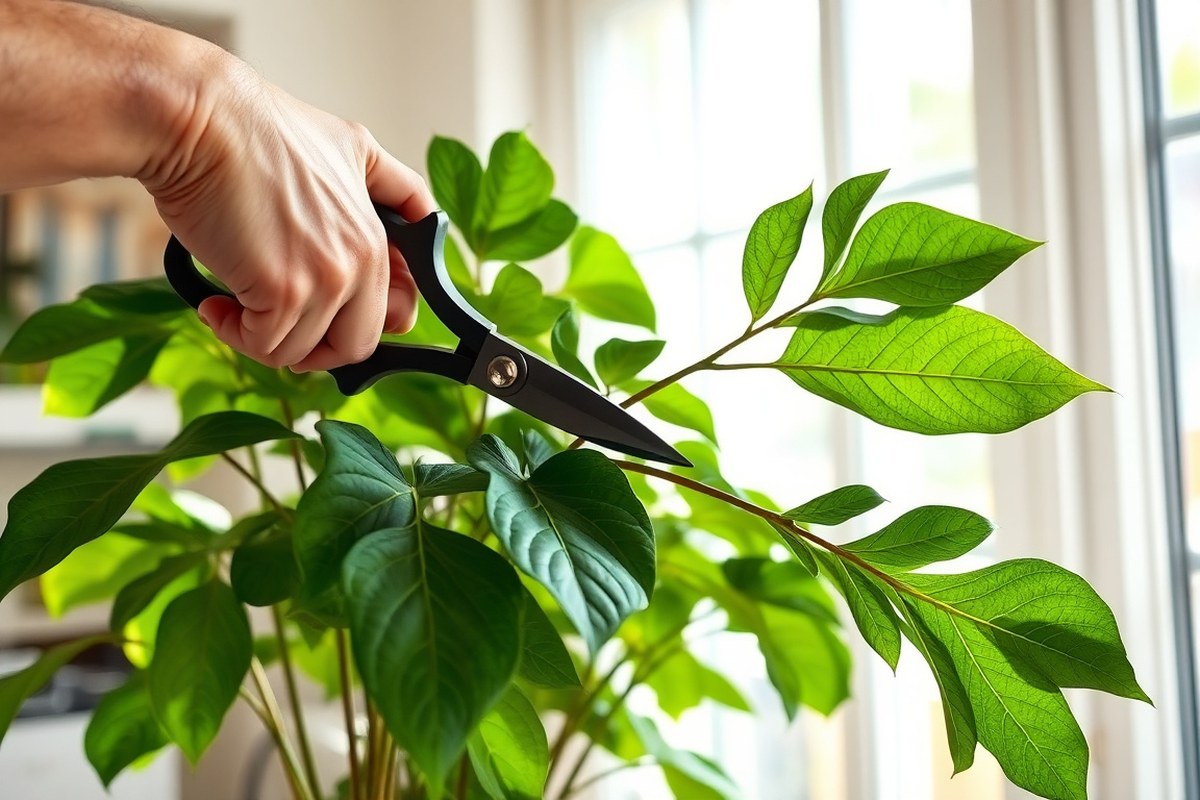
Knowing how to prune a Schefflera plant helps keep it healthy and full. Start by trimming no more than 10% of the growth yearly to avoid shock. Cut away dead or yellow leaves first; they drain the plant’s energy.
Check your plant closely to spot leggy stems or branches that grow too tall. Use sharp, clean tools to make smooth cuts and lower infection risk. Pruning also shapes your plant, making it look bushy and neat, not spindly.
Height control is key if your Schefflera grows beyond its space indoors. Cut the tallest stems back by up to 6 inches to encourage side shoots. This method helps your plant stay compact and vibrant.
Prune during the growing season, usually spring or early summer, for best results. Avoid heavy pruning in winter, when the plant’s growth slows down. Regular pruning prevents overcrowding and promotes better air circulation.
Key Takeaways
- Only prune about 10% of your Schefflera’s growth each year.
- Use clean, sharp tools to prevent damage and infection.
- Remove dead or yellow leaves first to boost plant health.
- Trim leggy branches by up to 6 inches for bushier growth.
- Cut back tall stems to control height and shape the plant.
- Take 4- to 6-inch cuttings with leaves for propagation.
How to Prune a Schefflera Plant Step-By-Step
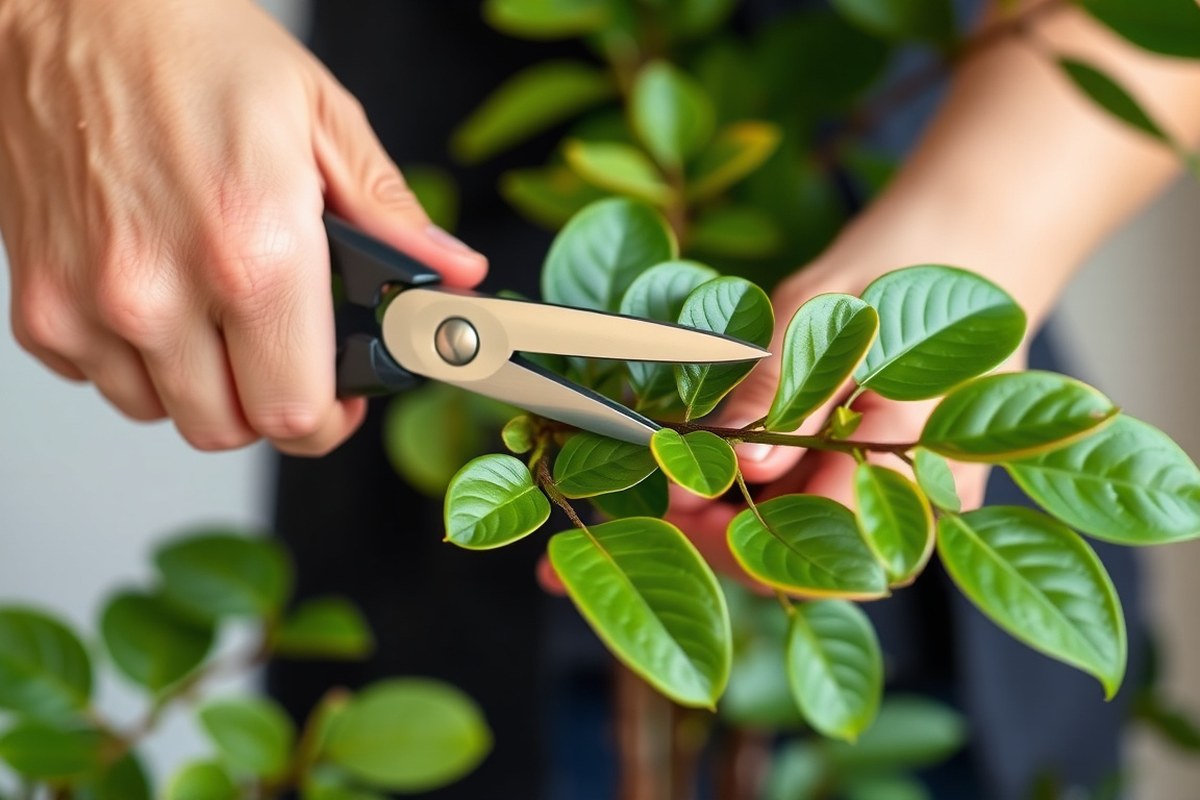
Pruning your Schefflera correctly means making clean cuts in the right spots. It stops damage and helps your plant grow fuller and healthier. Cutting above a leaf node or branch junction encourages new growth and avoids ugly stubs.
Be careful not to remove too much foliage at once, since leaves make the plant’s food. Prune slowly over time instead of cutting more than half the plant at one time. Also, prune during spring or early summer when growth is strong for quicker recovery.
- Identify the branches to prune. Look for long, leggy stems or damaged leaves to cut back.
- Cut above nodes.Make each cut about ¼ inch above a leaf node or branch. Cut at a slight angle. Make sure the cut is clean and precise.
- Remove dead or infested parts. Cut off brown, dried, or bug-infested stems immediately and clean your tools afterward.
- Shape the plant. Trim branches to control height and encourage bushy growth by cutting back to the desired size.
- Limit total pruning. Don’t remove more than 30-50% of the foliage to prevent stressing the plant.
- Use clean, sharp tools. This prevents spreading insects or disease between cuts.
- Watch the light. After pruning, move your Schefflera to bright, indirect light to avoid legginess in new growth.
Pruning like this helps your Schefflera look neat and stay healthy. Careful cuts let it regrow quickly without wasting energy. Avoid deep winter pruning since the plant recovers more slowly then.
When Is the Best Time to Prune Your Schefflera for Optimal Growth?
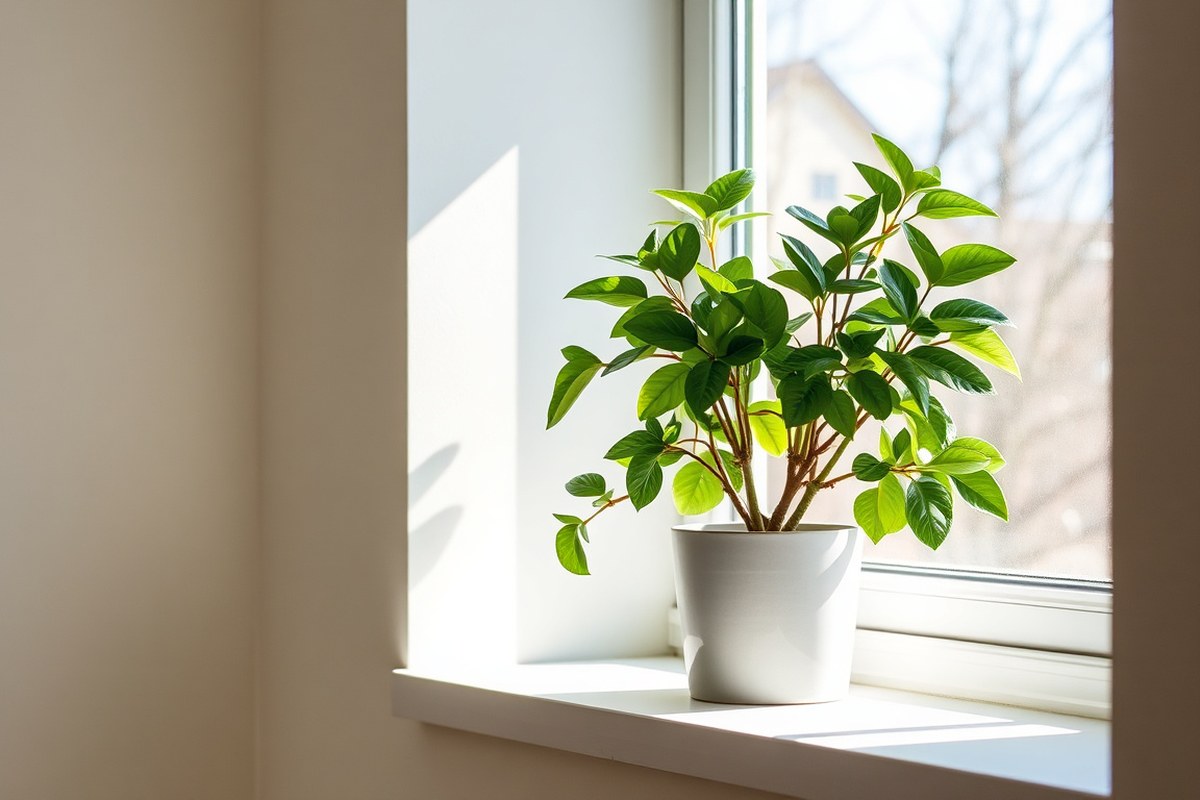
Prune your Schefflera in early spring before new growth starts. This timing gives the plant the best chance to bounce back. This timing lines up with the plant’s active growth cycle.
So it can heal and fill in pruned areas faster. Prune right before growth starts to encourage bushier growth. This timing also shapes the plant better than pruning during dormancy.
Pruning heavy or wrong timing stress the Schefflera. You might see slower growth or spread-out leggy stems after pruning in late fall or winter.
Light trimming for dead or damaged parts can happen any time. But major cuts should stick to spring or early summer.
| Factor | Care Tips |
|---|---|
| Best pruning season | Early spring to early summer, typically February to March |
| Growth removal limit | Up to 10% of the plant’s total growth per year |
| Light for recovery | Bright, indirect light after pruning |
| Humidity requirement | Maintain above 50% humidity during healing |
| When to avoid major pruning | During dormancy in fall and winter months |
Pruning too much every year weakens your Schefflera. Try pruning about 10% annually to keep it healthy and shaped.
A one-time bigger prune to reshape is fine but skip it regularly. Removing leggy stems just above a leaf node in spring encourages fullness.
Keep your plant in a spot where it gets plenty of bright, indirect light after pruning. High humidity helps the cut areas heal faster and prevents leaf drop.
Watch your Schefflera for fresh shoots within a few weeks. This shows you pruned the plant at the right time.
Avoid heavy pruning during the plant’s dormant winter phase; it slows recovery and growth.
Essential Tools and Preparation for Pruning Schefflera
To prune a Schefflera effectively, you need sharp, clean tools and some simple safety steps. The main tool is a good pair of pruning shears, ideally bypass type. Cleaning the blades before and after pruning helps prevent spreading disease.
Choosing the Right Pruning Tools
Sharp bypass pruning shears work best for Schefflera because they make clean cuts. Avoid scissors or knives since they can crush stems and cause damage. A sharp cut lets the plant heal faster and lowers disease risk.
These tools are usually affordable, costing around $10 to $20 at garden centers. Having just one sharp pair is enough for most pruning jobs. Sometimes a sharp knife helps with tricky branches but use shears first.
Disinfecting and Maintaining Tools
Keep your pruning shears clean by wiping them with a 10% bleach solution. Mix one part bleach with nine parts water in a small container. Wipe the blades before you start pruning and after you finish.
This cleaning kills bacteria and fungi that cause plant diseases. You should also dry the blades well to stop rust. Regularly oil the pivot point of your shears to keep them smooth and sharp.
- Prepare a 10% bleach solution (1:9 ratio).
- Wipe blades thoroughly before and after pruning.
- Dry tools fully to prevent rust.
- Oil the shear pivot for smooth cutting.
- Sharpen blades as needed with a fine file or sharpener.
Never skip cleaning if you prune multiple plants, especially if some look sickly.
Personal and Plant Safety Measures
Wear gloves to protect your skin from sap and sharp blades. Choose a bright, well-lit spot so you see what you cut. This helps avoid accidental damage to healthy stems and leaves.
Avoid pruning more than one-third of the plant at once. This prevents stress that could slow growth or cause dieback. Collect clippings immediately and dispose of diseased parts in the trash, not compost.
- Wear sturdy gloves to protect your hands.
- Prune near a window or use good lighting.
- Cut only dead or overgrown branches carefully.
- Don’t remove more than one-third of foliage at once.
- Dispose of pruned branches properly to avoid disease spread.
Taking these steps helps your Schefflera recover quickly and keeps you safe during pruning.
How to Identify Which Parts of Your Schefflera Need Pruning
Look closely at your Schefflera for signs that it needs pruning. Yellowing leaves or brown spots can mean rot or disease at the base. Dead or dry branches break easily.
They look brittle or dark. Healthy stems are green and strong.
Leggy growth shows when branches stretch long with few leaves, especially near the top or center. The plant may look sparse or uneven. Removing these weak stems lets your Schefflera focus energy on fuller, better growth.
Check for pests by looking under leaves and at stems. Spider mites or scale insects create tiny spots, webbing, or sticky residue. Pest-infested areas should be pruned to stop the problem from spreading and to improve plant health.
- Remove branches with dead, yellowed, or diseased leaves
- Cut out dry, brittle, or broken stems
- Trim small, weak stems growing inward or overlapping
- Prune back leggy branches with sparse leaf growth
- Eliminate stems showing signs of pest infestation
Start by inspecting your plant from all sides to catch problem spots early. Use your fingers to gently shake branches; dead parts often snap off easily. Focus on pruning only the affected areas to avoid stressing the plant.
Don’t prune too much at once because your Schefflera can weaken or slow growth. After pruning, keep an eye on new shoots or leaf color changes. Healthy plants will develop fuller leaves and stronger branches within a few weeks.
Pruning Techniques to Control Height and Encourage Bushiness
Pruning a Schefflera helps keep its height manageable and promotes dense, bushy growth. Cutting back main stems controls size, while pinching growing tips encourages new branches. Removing crowded branches improves air flow and plant health.
Topping to Reduce Height
Cutting the top of the main stem limits the overall height of your Schefflera. This method makes the plant send out more branches just below where you cut. It helps keep the plant compact without leaving tall, leggy stems.
Find the tallest stem. Cut above a leaf node. New branches will sprout there.
This focuses the plant’s energy on growing outwards instead of upwards. Doing this once a year during spring works best to keep the shape balanced.
- Find the tallest stem on your Schefflera.
- Locate a leaf node 2 or 3 nodes down from the top.
- Use sharp pruners to make a clean cut just above that node.
- Remove any dead or damaged leaves near the cut area.
- Watch for new branches developing below the cut.
- Water and place the plant in bright indirect light to encourage growth.
Make clean cuts to avoid damaging the plant and causing slow recovery.
Pinching Soft Tips for Bushiness
Pinching means removing the soft growing tips to promote lateral branch growth. It encourages the plant to fill in and develop thicker foliage. This technique is perfect for fixing leggy stems and encourages fresh, compact shoots.
Pinch off the terminal bud. Use your fingers or clean scissors. Remove just the tip.
This sends a signal to the plant to grow more side branches near the tip. Repeat this every few weeks during the growing season.
- Identify soft, new growth at the ends of branches.
- Pinch or snip off the growing tip just above a leaf node.
- Don’t remove more than one-third of the stem at a time.
- Check the plant weekly and pinch ongoing new tips to keep fullness.
- Keep your Schefflera in bright light to help new side shoots grow fast.
Avoid cutting too far down. Leave 2 to 3 leaf nodes for healthy new growth.
Thinning Crowded Branches
Removing crossing or inward-growing branches improves air circulation and the plant’s overall shape. It reduces overcrowding that can lead to weak growth or pest issues. Thinning also allows sunlight to reach more leaves.
Trim branches that rub against others or grow toward the center of the plant. Make cuts just above a leaf node to encourage balanced new growth. Keep some branches spaced well apart to maintain a healthy, attractive canopy.
- Examine your Schefflera and spot crossing or crowded branches.
- Choose branches growing inward toward the plant’s center for removal.
- Use sharp pruners to cut just above a healthy leaf node.
- Remove dead or weak branches at the same time.
- Rotate the plant every week to promote even, balanced growth.
Over-thinning can stress the plant; remove only a few crowded branches at a time.
How to Propagate Schefflera from Healthy Cuttings
You can propagate Schefflera from healthy cuttings taken during pruning. Cuttings between 4 and 6 inches long root best in water or soil. It usually takes about 4 to 5 weeks for roots to develop enough for transplanting.
Selecting and Preparing Cuttings
Pick stems that look healthy and have no signs of pests or damage. Choose cuttings about 4 to 6 inches long with a few leaves attached.
Cut just below a leaf node using clean, sharp scissors or shears. Make sure you don’t crush the stem when cutting.
Remove the lower leaves to expose the nodes where roots will form. This prepares the cutting to absorb nutrients and water better. Avoid cutting large leaves, as the cutting needs some foliage to feed itself.
Rooting Cuttings in Soil or Water
Choose between starting cuttings in water or moist potting mix. Both methods need warmth, bright indirect light, and high humidity. Keep the soil slightly damp or change water every few days to prevent rot.
You can dip the cut end in rooting hormone powder or gel before placing it. This encourages faster root growth but is optional. Covering the cutting with a clear plastic bag helps keep humidity high, which improves rooting success.
- Fill a small pot with fresh, well-draining potting mix or prepare a glass of water.
- Dip the cut end of the stem in rooting hormone if available.
- Insert the cutting 1 to 2 inches into moist soil. Or put the cut end in water.
- Cover soil pots with a plastic bag to keep humidity, securing it loosely.
- Place the cutting in bright but indirect sunlight.
- Water soil when the top inch feels dry or refresh standing water regularly.
- Watch for signs of root growth after roughly 4 weeks.
- Remove any yellow or rotting leaves promptly to prevent issues.
Transplanting Rooted Cuttings
After 4 to 5 weeks, roots should be visible or you’ll feel resistance when gently tugged. Roots about 1 to 2 inches long indicate the cutting is ready for transplanting. Use a fresh pot with well-draining soil and water lightly after moving the plant.
Keep the new plant in bright indirect light and avoid fertilizing until you notice new growth. New roots take time to establish, so keep watering consistent but not excessive. Avoid direct sun that can stress the young plant.
Common Pruning Mistakes and How to Avoid Them
Pruning too much at once can shock your Schefflera and slow its growth. Instead, trim lightly over a few weeks to help the plant adjust. Heavy cuts also risk cutting too low, leaving bare stems that won’t regrow well.
Avoid pruning during fall and winter when growth naturally slows down. Also, don’t prune in very hot or cold weather, since extreme temperatures stress the plant. Choose mild days in spring or early summer for the best results.
Dirty or dull tools spread disease and hurt your plant. Clean your pruners with rubbing alcohol before and after trimming. Sharp blades make clean cuts, which heal faster and reduce infection risks.
- Prune no more than 20-30% of the plant at once
- Trim away mushy, brown roots promptly to prevent infections
- Sanitize tools before use and between cuts during pruning
- Cut just above healthy leaf joints, avoiding low stubs
- Avoid pruning in fall, winter, or extreme heat/cold
- Don’t attempt propagation from stems of diseased plants
If your Schefflera looks stressed after pruning, increase humidity and water carefully. Keep it out of direct sun until new growth appears. Avoid fertilizing for about a month to let it recover fully.
Pruning away diseased limbs can save your plant, but don’t spread the disease. Always dispose of cuttings safely and avoid moving infected parts close to healthy plants. Regularly check for new signs of trouble after pruning to catch problems early.
Caring for Your Schefflera After Pruning
Right after pruning, place your Schefflera in bright, indirect light. Too much direct sun can stress the fresh cuts. This lighting supports quick healing and encourages new shoots to grow strong.
Keep the soil moist but not soggy for about two weeks after pruning. Water only when the top inch feels dry to touch. Overwatering can cause root rot, slowing recovery and harming growth.
Increase humidity if your home is dry. Mist the leaves once daily or use a humidity tray with pebbles and water. Higher humidity lowers stress and helps the plant regrow faster.
Check the plant regularly for any signs of pests or disease near the pruning wounds. Treat minor issues early to avoid spreading. You’ll know the plant is thriving when new leaves start appearing in two to four weeks.
Use a balanced liquid fertilizer diluted to half strength three weeks after pruning. This gives the plant extra nutrients without burning tender new parts. Avoid full-strength feeding right after pruning since it can shock the plant.
Keep your Schefflera’s environment consistent. Avoid moving it around or exposing it to drafts during recovery. Stress from sudden changes can slow new growth, so keep its spot stable.
Don’t overwater after pruning. Dry soil for a day or two helps cuts seal up faster.
Your Step-by-Step Schefflera Pruning Plan
This simple plan helps you keep your Schefflera healthy and bushy all year. Follow these steps to prune confidently and see growth soon.
- Before you start: Gather sharp pruning shears, gloves, and cleaning spray. Clear tools prevent damage and infection.
- Week 1: Inspect your Schefflera for weak, leggy, or dead stems. Mark spots for pruning to guide your cuts.
- Day 2: Cut just above leaf joints or healthy nodes. This encourages new shoots and stops dieback.
- Week 3: Remove no more than one-third of your plant’s growth to avoid stress. Check plant color and shape for improvement.
- Week 4: Start propagating healthy cuttings in water or soil. Roots should appear in 3 to 4 weeks.
- After 6 weeks: Begin regular light pruning to control height and spread. Watch for bushier foliage forming at pruning sites.
- Month 2: Clean leaves gently and water well to help recovery. Avoid direct sunlight to prevent shock.
Frequently Asked Questions
How Often Should I Prune My Schefflera Plant to Keep It Healthy?
You should prune your Schefflera once or twice a year. This helps maintain its shape and health by removing dead or overgrown branches. Regular pruning prevents the plant from becoming too leggy.
Can I Prune My Schefflera If It’s Indoors and Not Growing Much?
Yes, you can prune an indoor Schefflera even if growth is slow. Pruning encourages fuller growth and helps control size inside your home. Just avoid heavy cuts during dormant periods.
What’s the Best Way to Disinfect Pruning Tools for Schefflera?
Use rubbing alcohol or a 10% bleach solution to disinfect your tools. Clean tools reduce the risk of spreading diseases to your plant. Wipe blades before and after pruning.
Is It Okay to Prune a Schefflera with a Single Main Stem Differently?
Yes, single-stemmed Scheffleras need careful pruning to maintain their shape. Avoid cutting too close to the main stem to prevent damage. Trim side shoots lightly to encourage fullness.
How Long Does It Take for a Pruned Schefflera to Grow Back New Leaves?
New leaves usually appear within 2 to 4 weeks after pruning. This depends on growing conditions like light and temperature. Keep the plant warm and bright for quicker recovery.
Can Pruning Help Reduce Pests on My Schefflera Plant?
Pruning can reduce pests by removing damaged or infested leaves and branches. This cuts down hiding spots for insects. Still, monitor your plant regularly and treat infestations promptly.
Wrapping Up
Pruning your Schefflera helps it look fuller and stay healthy. Take your first cut carefully this week to watch new growth. Keep checking back to shape your plant just how you want it.