How Growing Plants Works: A Complete Guide with Practical Tips
How growing plants works can seem tricky, but it’s mostly about copying nature. Plants need warmth, water, light, and nutrients to thrive. Start by giving seedlings consistent temperatures between 65 and 75°F to mimic natural conditions.
Water is important since plants are about 95% water and absorb most of it through roots. Check soil moisture before watering to avoid overwatering, which is a common mistake. Providing the right light helps prevent many insect and disease problems naturally.
Warm-weather plants like cucumbers do best when soil hits 65 to 70°F. Peas prefer cooler soil around 40 to 50°F. Starting with the right plants at the right season helps you avoid frustration. Pay attention to light sources for indoor plants. South-facing windows provide the strongest sun for 6 to 8 hours daily.
Key Takeaways
- Keep indoor temperatures steady between 65-75°F for optimal plant growth.
- Water only when the soil feels dry an inch down to prevent root rot.
- Feed indoor plants every 4-6 weeks during the growing season for best health.
- Sow warm-weather seeds when soil temperatures reach at least 65°F.
- Use south-facing windows for plants that need 6 to 8 hours of sunlight daily.
- Provide 12-16 hours of artificial light for indoor plants with limited natural light.
How Plants Grow: From Seed to Full Plant
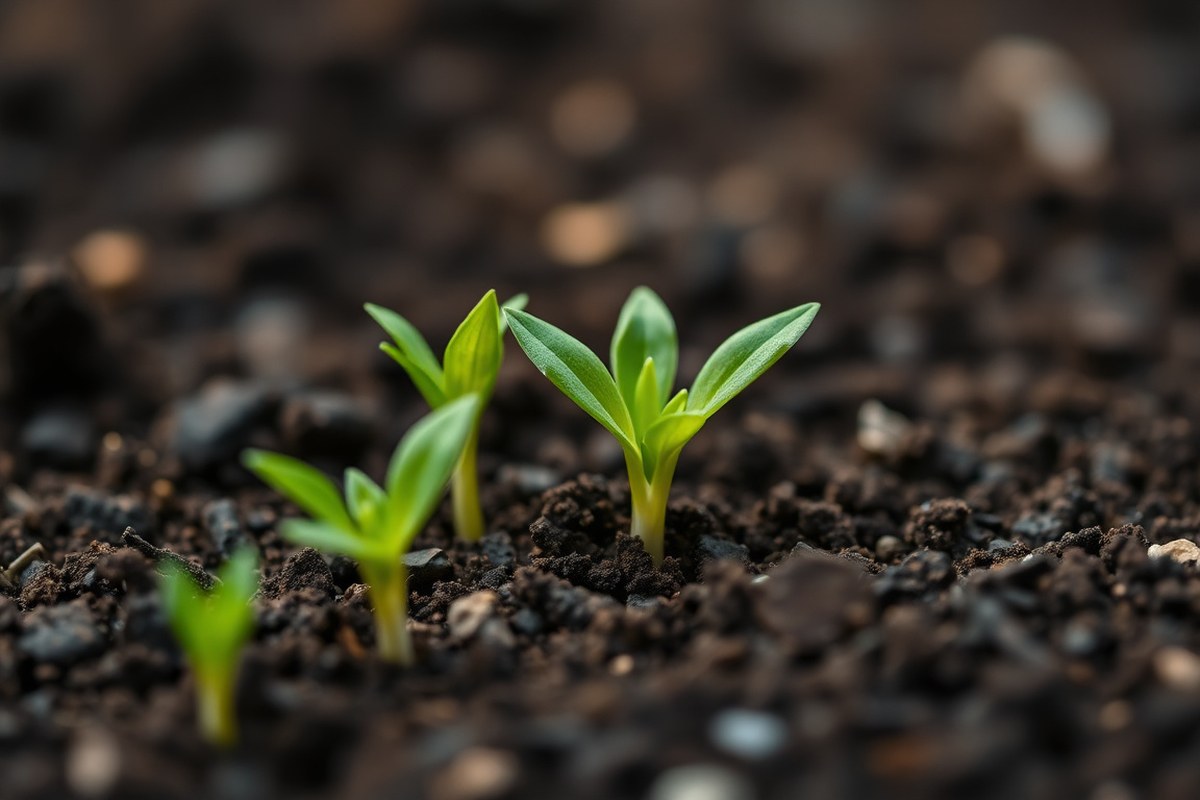
Seeds first soak up water to start the germination process. This causes the seed to swell and the seed coat to break. The root then pushes down into the soil.
The shoot grows upward toward the light. Some seeds need light to germinate. So they require 12 to 16 hours of exposure to grow lights that mimic sunlight.
The root grows down to absorb water and nutrients. The shoot grows up toward light to support the leaves.
Meristems at the tips of roots and shoots make the plant longer. Meristems in stems and roots make it thicker for support.
Roots are key because they absorb water for the plant. Water makes up about 95% of a plant’s weight. Without roots, the plant cannot get enough water.
Fine roots take in more water than thick taproots do. This is why nurseries sometimes trim taproots on trees.
The trimming encourages more small roots to grow. Stems hold up the leaves and flowers, letting them reach sunlight better.
Leaves perform photosynthesis, the process that converts sunlight into energy. The plant uses this energy to make food and grow. Full-spectrum LED lights include red, blue, yellow, and white LEDs.
These lights help plants with photosynthesis indoors. They provide a balanced color mix for growing.
Plants use water from their roots and sunlight from leaves. They convert carbon dioxide into sugars for energy. This process is called photosynthesis.
These sugars fuel more root and shoot growth, feeding the plant as it matures. This ongoing process supports seed germination and the whole life of the plant.
Essential Conditions for Healthy Plant Growth
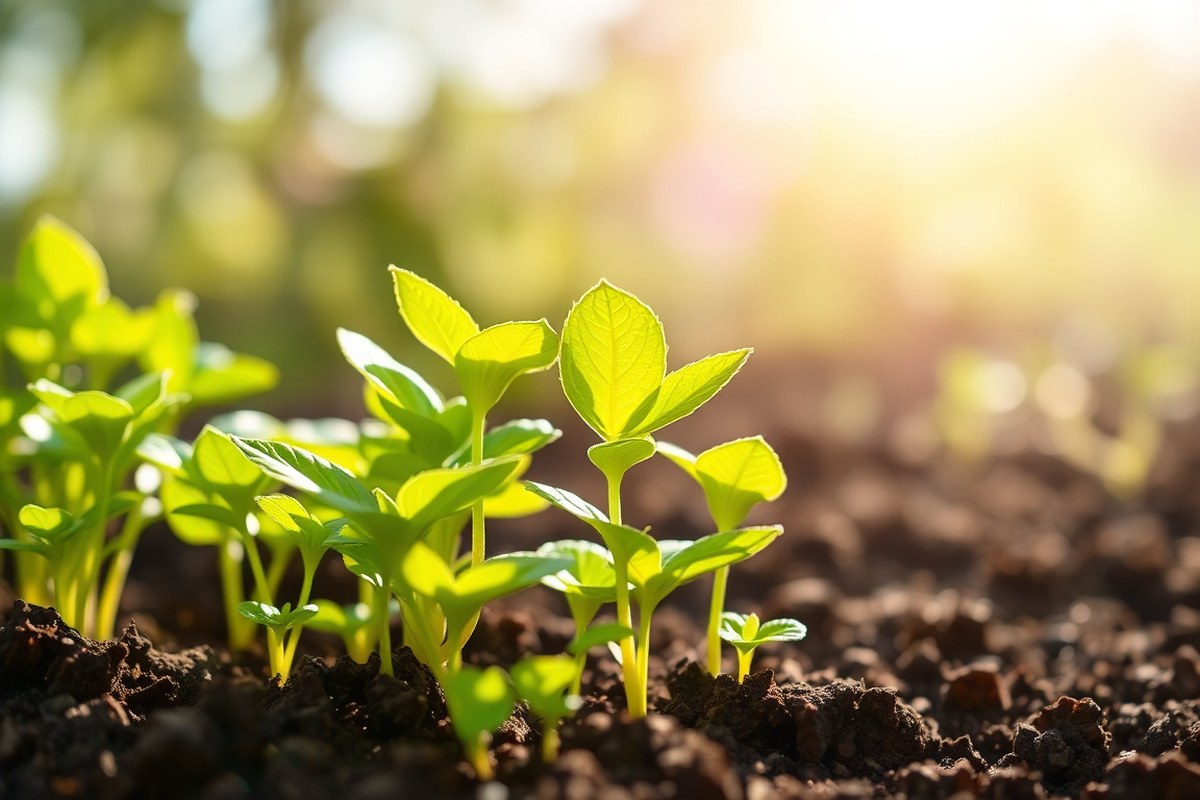
Plants need the right kind of light, water, and soil. They also need nutrients, air, temperature, and enough space to grow well. Each factor helps the plant stay healthy and strong.
Each factor plays a role in how healthy and strong your plants become. Paying attention to all these conditions helps plants reach their full potential.
Understanding Light Requirements
Plants mostly need full-spectrum light to grow. This type of light mimics natural sunlight and supports photosynthesis. Keeping grow lights 12 to 24 inches above plants helps provide the perfect amount of light.
Most plants require 6 to 8 hours of light daily, though some prefer less or more. Adjust light duration and distance based on plant type and growth stage.
- Use full-spectrum LED grow lights indoors for best results
- Place lights 12-24 inches above plants depending on intensity
- Give 6-8 hours of light daily for most plants
- Adjust light based on seedling or mature plant needs
- Outdoor plants usually need direct or filtered sunlight
Too much direct light can burn leaves, so watch for leaf discoloration.
Choosing and Preparing Soil
Soil anchors plants and supplies water and nutrients. Its pH level affects nutrient availability. So aim for neutral or slightly acidic soil with pH around 6.0 to 7.0.
Before planting, test your soil’s pH. Amend it with lime to raise pH or sulfur to lower it if needed. Adding organic matter improves soil texture and nutrient content.
- Test soil pH; ideal range is 6.0 to 7.0 for most plants
- Add compost or manure to enrich soil nutrients
- Amend soil surface based on container size (container size × 2 for amendments)
- Choose plants suited for your current soil to avoid major changes
- Ensure good drainage to prevent waterlogging
Plants suffer if soil is too compact or poorly drained; roots need air.
Watering Best Practices
Water deeply but less often to encourage strong root growth. This helps roots grow downward to find moisture. Avoid frequent shallow watering that keeps roots near the surface.
Different plants have various water needs. But a general rule is to water when the top inch of soil feels dry. Container plants usually need more frequent watering than garden beds.
- Water deeply to moisten root zone thoroughly
- Wait until top 1 inch of soil is dry before watering again
- Adjust frequency based on plant type, size, and weather
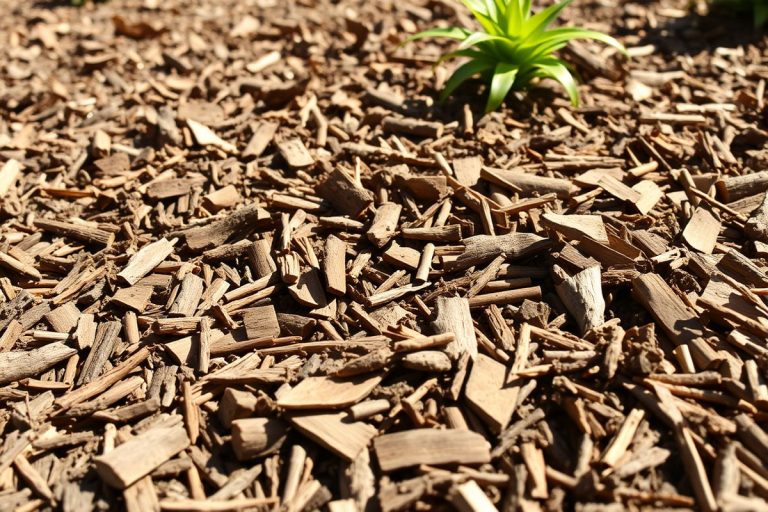
- Use mulch to retain soil moisture and reduce watering
- For air plants, mist or soak occasionally to supply moisture
Overwatering can drown roots and cause diseases, always check soil moisture first.
Key Nutrients and Fertilizers
Plants need nitrogen, phosphorus, and potassium as primary nutrients. Nitrogen aids leaf growth, phosphorus supports roots and blooms, potassium strengthens overall health. Fertilizing regularly keeps plants vigorous.
Use balanced fertilizers following label instructions. Organic options include compost, worm castings, and fish emulsion. Add nutrients according to plant size and growth phase.
- Select fertilizer with balanced N-P-K ratio like 10-10-10
- Apply fertilizer every 4 to 6 weeks during growing season
- Incorporate organic compost for slow-release nutrients
- Add fertilizer to soil surface for large plants (container size × 2 rule)
- Adjust nutrient supply if leaves yellow or growth slows
Too much fertilizer can burn roots or cause excessive leaf growth at the expense of flowers.
Ideal Temperature Ranges
Most plants thrive between 65°F and 75°F during the day. Night temperatures around 55°F to 65°F avoid stress. Extreme heat or cold can stunt growth or kill plants.
Warm-weather plants like beans and cucumbers should be sown when soil temperatures reach 65°F to 70°F. Protect seedlings from sudden temperature drops using covers or indoor starting spots.
- Maintain daytime temps of 65°F to 75°F for most plants
- Keep nighttime temps above 55°F to avoid cold stress
- Sow warm-weather seeds at 65°F to 70°F soil temperature
- Use row covers or indoor starting for temperature-sensitive plants
- Avoid planting outdoors too early in spring or late in fall
Cold soil or air slows germination and invites root diseases.
Stages of Plant Growth and What to Expect
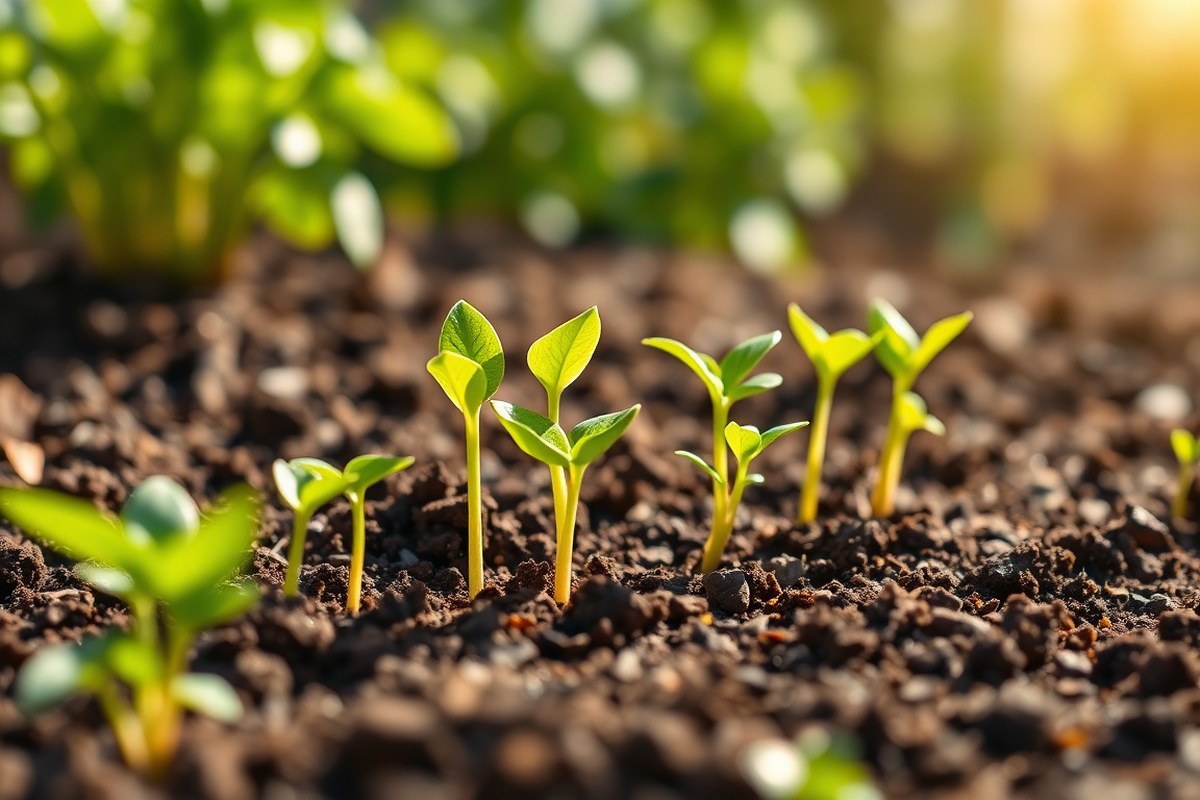
The first stage of plant growth is germination. This starts when the seed absorbs water and swells. Germination time varies, often from a few days to several weeks, depending on the plant species.
During this stage, keep the soil moist and warm, around 65 to 75°F, to encourage sprouting. Poor moisture or cold soil can delay or stop seeds from sprouting.
Once the seedling appears, the plant enters the vegetative stage. This is the longest growth phase when the plant focuses on growing stems, leaves, and roots. It typically lasts several weeks to months, depending on the plant type.
Good light, like 11,000 lumens from quality LED grow lights, supports healthy leaf and stem growth. Water regularly but avoid waterlogging. Aside from water and light, plants need nutrients, mainly nitrogen, for strong vegetative growth.
Notice slow growth or yellow leaves? Change light and feeding.
The reproductive stage follows the vegetative one. This stage includes budding, flowering, and fruiting. Exact timing depends on the plant.
But it happens as the plant matures, often after several months of vegetative growth. At this point, the plant uses stored energy to produce flowers or fruit. Maintaining stable temperatures and providing nutrients like phosphorus and potassium helps support this phase.
Avoid trimming terminal buds. If you do, be very careful. It can shift growth hormone signals and stop flowers.
Good care here leads to more blooms and fruit. Stress or poor nutrition can reduce yields or stop flowering.
How to Start Plants from Seeds or Transplants
Start planting seeds indoors a few weeks before the last frost date. Choose strong seeds and healthy seedlings for transplanting. Handle young plants gently to avoid damage that slows growth.
Selecting Seeds and Timing Planting
Check the seed packet for the recommended indoor sowing time. This usually falls 6 to 8 weeks before your area’s last frost date. Some cool-weather plants like peas can start earlier when soil stays around 40 to 50°F.
Pick seeds suited for your soil type and climate. Good soil boosts seedling survival and growth. Adjust your soil with organic matter if needed before planting.
Preparing and Sowing Seeds Indoors
Use seed-starting mix to give seeds a light, nutrient-rich base. Fill small pots or seed trays just below the rim. Water the mix thoroughly but avoid puddles that cause rot.
Plant each seed at the depth listed on the packet. Cover it lightly with soil to keep it moist and dark. Keep trays in consistent temperatures around 65 to 75°F for best germination.
- Fill seed trays with seed-starting mix.
- Plant seeds at recommended depth.
- Cover with a thin layer of soil.
- Water gently to moisten soil.
- Place trays in warm, bright spot.
- Keep soil moist but not soaked.
- Thin seedlings after sprouting to avoid crowding.
Transplanting Seedlings into Soil
Harden off seedlings before transplanting by placing them outdoors a few hours daily. Increase time outside for about a week. This prevents shock when planting in your garden.
Dig holes slightly larger than the seedling root balls. Water the soil around holes before planting. Set seedlings at the same soil depth they grew in containers.
Handling Plug and Bare-Root Plants
Plug plants come in small soil blocks with roots inside. Handle these by the leaves, not stems, to avoid damage. Plant them quickly to prevent roots drying out.
Bare-root plants lack soil around roots and need soaking before planting. Soak roots for several hours in water to rehydrate. Plant them immediately in prepared soil, spreading roots carefully.
Watering and Nutrient Strategies for Better Growth
Water plants deeply and less often to encourage strong roots. Most garden plants need about 1 inch of water each week. Use a small levee around larger plants to hold water and avoid runoff.
Look for signs of overwatering like yellowing leaves or wilting even when soil is wet. Underwatered plants may have dry, brittle leaves and slow growth.
Check soil moisture by poking your finger an inch deep. It should feel damp but not soggy.
Feed plants with compost to improve soil and add nutrients naturally. Compost lasts about six weeks, so add slow-release fertilizer afterward. Use liquid feed every 2 to 4 weeks during growing season for best results.
Different plants need different nutrients, like nitrogen for green leaves and phosphorus for flowers. Watch for nutrient issues such as yellow leaves or brown edges. For example, yellowing between veins can mean iron deficiency, which affects new leaves first.
Water in the morning to reduce evaporation and fungal diseases on plants.
Indoor plants need more careful watering, often less than outdoor ones. Keep their soil moist but not soggy, and avoid letting pots sit in water. Keep daytime temperatures around 70°F to 80°F and cooler at night to help them stay healthy.
Remember, too little water kills plants, but too much water can drown roots. Feeding plants regularly supports growth, especially when they use up nutrients in compost. Following a simple watering and feeding routine keeps your plants thriving all season.
Common Mistakes in Growing Plants and How to Fix Them
You might water plants too much or too little. You could use bad soil or give too little light. These common mistakes affect plant growth and health.
These mistakes slow growth and can make plants weak or sick. Fixing each starts with noticing what your plant needs and what’s wrong.
Watering Errors and Solutions
Overwatering is a common problem that causes root rot and diseases. Soil should feel moist but not soggy.
Check by sticking a finger 1 to 2 inches deep into the soil. Water your plant when the soil feels dry to the touch.
Underwatering makes leaves droopy and dry. Water more often in summer when soil dries faster due to heat and sunlight. Adjust watering to the season.
- Water only when soil is dry 1-2 inches down
- Use pots with drainage holes to avoid soggy soil
- Water thoroughly until it drains out the bottom
- Cut back watering in cooler months
- Use a spray bottle for delicate seedlings
Check for the soil tide mark near the plant base to set proper soil level. Keeping water consistent helps plants stay healthy without stress.
Soil and Nutrient Problems
Using poor soil or soil with the wrong pH hurts plant roots and growth. Most plants do best in soil with pH from 5.0 to 7.0. Buy potting mix suited for your plant’s needs.
Plants need more than water. They require nutrients like nitrogen and phosphorus to grow strong. Fertilize regularly but follow product instructions to avoid burning roots.
Poor soil lets pests and diseases thrive. So refresh soil yearly if growing in containers.
- Test soil pH with a simple kit
- Use fertilizer recommended for your plant types
- Replace container soil every year or two
- Add organic matter like compost to boost nutrients
- Avoid compacted soil for better root growth
Good soil and nutrition give you fuller leaves and healthy stems. Yellowing leaves often point to nutrient problems.
Light Deficiencies and Remedies
Plants need the right kind of light to make food and grow. Low light makes plants leggy and weak. Check the light your plants get by observing sunny hours and any shade patterns.
Many indoor plants thrive in bright, indirect light. For low natural light areas, use grow lights to meet their needs. Adjust the light distance and time to avoid burning leaves or stunting growth.
- Keep plants near windows with enough sun exposure
- Use grow lights for 12-16 hours a day when natural light is low
- Rotate plants weekly to ensure even growth
- Match plant type with available light levels
- Watch for pale or drooping leaves as light shortage signs
Bright light shows vibrant colors and strong stems. Dim light makes plants stretch and lose leaf size.
Handling Pests and Diseases
Pests can weaken plants by feeding on leaves or roots, making them vulnerable to disease. Check leaves often for small insects or spots. Early detection helps control pests before they damage your plants badly.
Treat common pests with insecticidal soap or neem oil. Don’t overwater as excess moisture encourages mold and root diseases. Remove infected leaves promptly to stop spread.
- Inspect new plants before adding them to your garden
- Isolate sick plants to prevent spreading pests
- Use natural pest controls like ladybugs when possible
- Keep leaves dry to reduce fungal disease risks
- Clean your tools between uses
Healthy plants grow better and resist pests naturally. Sick plants look yellow, distorted, or have holes.
Improving Space and Environmental Factors
Crowding plants limits airflow and increases disease risk. Give each plant enough room to grow and spread. Follow care instructions for spacing based on plant type.
Keep temperatures between 59°F and 78°F to prevent stress and disease. Avoid placing plants near heaters or air conditioners. Monitor humidity, especially for tropical plants, and adjust with a humidifier or misting if needed.
- Space plants according to their mature size
- Place plants where temperature stays steady within 59°F-78°F
- Improve airflow with a small fan indoors
- Use mulch outdoors to retain moisture and reduce weeds
- Remove crowded or unhealthy plants promptly
Proper spacing and temperature lead to stronger, more vibrant plants. Overcrowded or heat-stressed plants lag and lose leaves.
Using Grow Lights and Indoor Plant Care
Grow lights help indoor plants get enough light when sunlight falls short. LED grow lights are common because they use little energy and last long. Most indoor plants need 12 to 16 hours of artificial light daily.
This helps them stay healthy. It also stops them from stretching thin searching for light.
Place grow lights 6 to 12 inches above plants for best coverage. Keep the light moving or adjust height as plants grow taller. A west-facing windowsill works well for some indoor plants.
These plants need moderate sunlight. They do well without direct sun rays.
Water indoor plants based on their soil moisture, not a set schedule. Check soil with your finger; water when the top inch feels dry. Aim for 60% to 70% humidity around your plants.
You can mist their leaves or use a small humidifier. This helps copy their natural environment.
Feed plants every few weeks with a balanced liquid fertilizer during their growing season. Dilute fertilizer to half strength to avoid burning roots. Avoid overfeeding by pausing during winter when most plants grow slowly.
Use grow lights for 12 hours in rooms with low natural light. After 12 hours, turn the lights off to mimic nighttime. This helps your plants rest.
Plants need a dark period for rest and healthy growth. Set a timer to keep light durations steady without daily guesswork.
Keep grow lights clean and dust-free to maintain brightness. Replace bulbs yearly, even if they still glow, because their light quality drops over time. Check leaves often for too much light.
Look for yellowing or curling. If you see these signs, move the lights farther away.
Pruning, Growing Zones, and Encouraging Healthy Growth
Meristems are special plant tissues where growth happens. They exist at the tips of roots and shoots. These zones contain cells that divide rapidly, helping the plant get taller and longer roots.
Meristems respond to hormones that tell them when to grow. Plants also grow wider through secondary meristems, which produce new cells around stems and roots. Knowing where meristems are helps you prune without hurting the plant.
Pruning removes old or unwanted parts of a plant. It directs energy to new growth areas and keeps plants healthy. For example, cutting back dead branches in spring can encourage stronger shoots for the summer.
Timing depends on the plant type. Most shrubs benefit from pruning in late winter or early spring before growth spreads. Flowering plants often need a light trim after blooming to keep them full and tidy.
To prune, use clean, sharp tools to avoid damaging stems. Cut above a bud or branch angle to guide new growth outward. Avoid removing more than a third of the plant at once to prevent stress.
Supporting root growth means choosing the right container size. Pots should be large enough for the plants’ roots. Leave 1 to 2 inches of space around the root ball.
This helps roots grow well and stay healthy. This avoids root crowding and reduces repotting frequency.
Transplant new plants only after strong roots develop, usually within 2 to 6 weeks. Use quality potting soil that drains well and contains organic matter. Keep soil moist but not waterlogged to prevent root rot.
Always clean pruning tools before use to avoid spreading diseases between plants.
Step-by-Step Action Plan for Growing Healthy Plants
Follow these steps to start growing plants confidently. Check each step to see your plants thrive.
- Before you start: Choose seeds or transplants suited to your growing zone for better success.
- Day 1: Prepare soil or pots with fresh potting mix. It should be loose and moist but not soggy.
- Week 1: Plant seeds or transplants at the recommended depth. Watch for sprouts or new leaves forming.
- Weeks 2 to 4: Water regularly to keep soil moist. Avoid waterlogging by letting the top dry slightly.
- Week 4: Add balanced fertilizer based on your plant type and growth stage. Leaves should look green and healthy.
- Weeks 5 to 8: Use grow lights if indoors for 12 to 16 hours daily. Watch that plants don’t stretch or turn pale.
- Week 8 and beyond: Cut away dead or crowded branches. This helps your plant grow strong branches. It also encourages more flowers or fruit.
- Ongoing: Check plants daily for pests or disease signs. Treat problems early to keep growth steady.
Frequently Asked Questions
What Temperature Is Best for Growing Plants Indoors?
A steady temperature between 65 and 75°F works best. This range works for most plants.
It copies their natural environment. This keeps plants comfortable and helps them grow well.
How Often Should I Feed Indoor Plants During the Growing Season?
Feed indoor plants every 4 to 6 weeks in spring and summer. Using a balanced fertilizer during these months supports steady growth when plants are most active.
Can I Help My Indoor Plants Pollinate If No Bees Visit Them?
Yes, you must hand-pollinate indoor plants when natural pollinators are absent. Use a small brush or gently shake flowers to move pollen between blooms.
What Role Do Plant Hormones Play in Growth?
Plant hormones control growth in special zones called meristems. These hormones help regulate cell division and elongation, which shape the plant’s size and form.
Is It Better to Start Plants from Seeds or Transplants?
Both methods work, but seeds need patience and proper care to sprout. Transplants give you a head start, especially with vegetables and flowers that take longer to grow.
How Do I Know When to Plant Warm-Weather Seeds Outdoors?
Sow warm-weather seeds like beans when soil reaches 65 to 70°F. Planting at the right soil temperature helps seeds germinate faster and prevents them from rotting.
Key Points to Remember
Good plant growth combines the right steps and routine care. Start with one plant, watch it closely, and fix mistakes fast. Take your next step by choosing your first seed and setting up its home today.