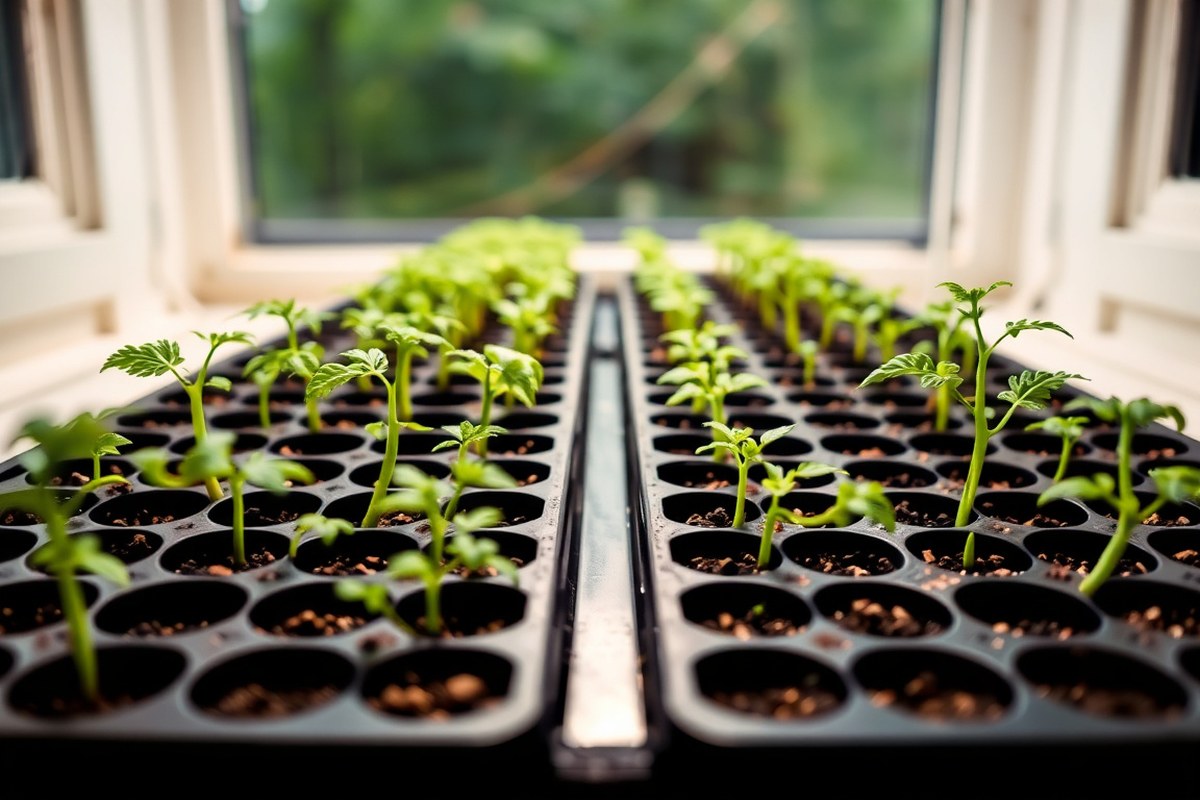
When to Start Tomatoes Inside: Timing Tips for Best Indoor Seed Starting
Wondering when to start tomatoes inside? Start your tomato seeds indoors about 6 to 8 weeks early. Count from your last average spring frost date.
This helps seedlings grow strong before planting outside. That timing helps seedlings grow strong enough to transplant outside once it gets warm. This approach suits most tomato varieties and lets you avoid cold-weather damage.
First, find your local last frost date through a reliable gardening source or USDA zone info. Count back about six weeks to mark your seed-start day. Keep in mind, tomatoes need warm soil and air to thrive outside.
Don’t plant tomatoes outside too early. Wait until soil reaches 65°F or warmer. Also, wait for nights to stay above 50°F.
Key Takeaways
- Start tomato seeds 6 weeks before your area’s last spring frost date.
- Check your local frost date using USDA zone or regional garden resources.
- If your grow lights run less than 14 hours a day, wait to start seeds. Delay the start by 3 to 5 days for better growth.
- Use seedling heat mats to keep soil between 65-70°F for good germination.
- Begin earlier for large-fruit heirlooms that need 10+ weeks indoors before transplanting.
- Don’t plant tomatoes outside until soil reaches 65°F and nights stay above 50°F.
When to Start Tomato Seeds Indoors for Your Climate
Start tomato seeds indoors about 6 weeks before your area’s average last frost date. This timing gives seedlings enough room to grow before you move them outside. For example, if your last frost date is May 15, start seeds around April 3.
You can find your local last frost date several ways. Check your county’s agricultural extension office website or use the USDA Plant Hardiness Zone map.
Your zone narrows down when frost usually ends. But your exact county date is more precise.
Different USDA zones mean different seed-start times. In zone 5, where the last frost is about May 15, start seeds in early April. In warmer zones like 8, the last frost happens early April.
Start sowing seeds indoors between mid-January and mid-February. This timing helps plants be ready in time.
Cooler zones, such as zone 3, require starting seeds later in March or early April. This lets seedlings be ready to transplant by planting time.
Count backward 6 weeks from your frost date to pick the seed start day. Take May 1 as the last frost date example. Sow seeds indoors between March 6 and March 20.
This range gives seedlings enough grow time inside. Transplant seedlings outdoors 2 to 3 weeks after the last frost, once the soil warms. Planning this timeline helps keep your tomato plants healthy.
Starting seeds too early can cause tall, weak plants. Avoid sowing seeds more than 8 weeks before your frost date. Keep the indoor growing period close to six weeks.
This prevents seedlings from outgrowing their indoor space. It helps them stay healthy until transplanting. Using this timing approach works well for most home gardeners across USDA zones.
How Tomato Variety Affects Indoor Start Timing
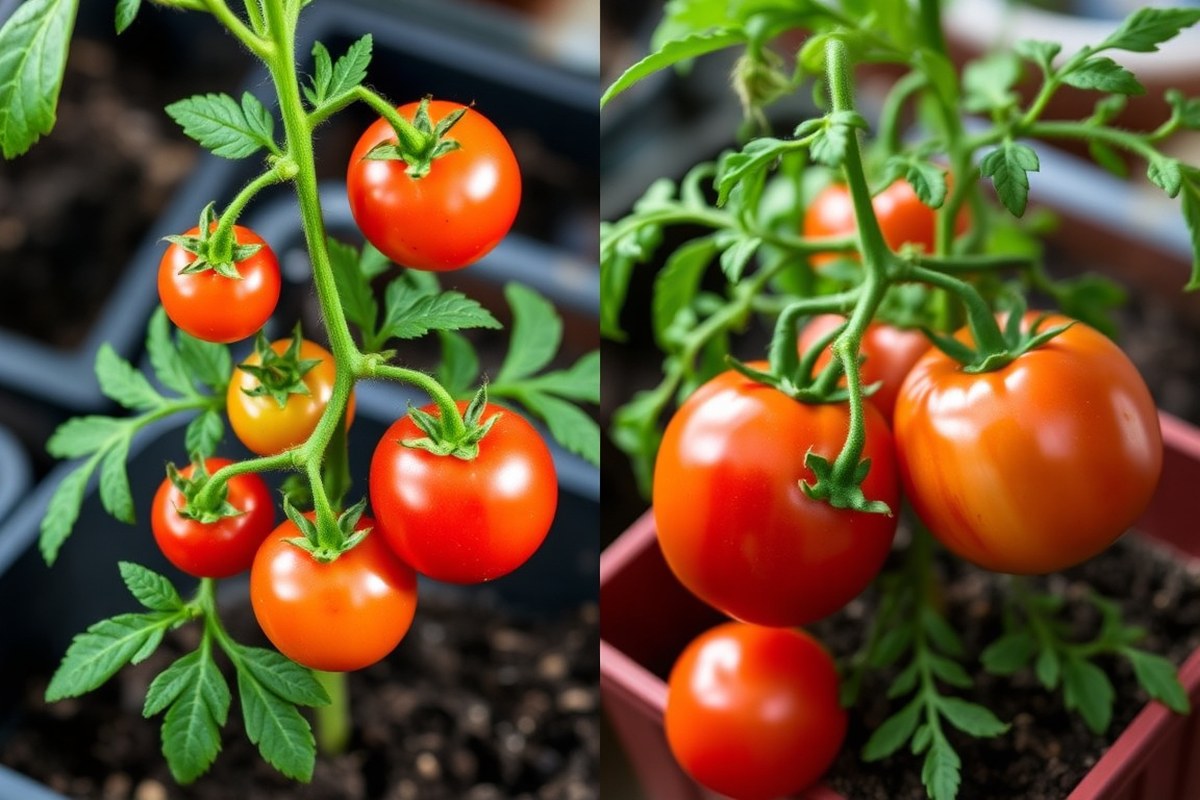
Different types of tomato plants need different indoor starting times. Determinate tomatoes usually mature faster and grow to a bush size. Indeterminate plants vine and take longer to ripen fruit.
Cherry tomatoes and heirlooms vary by their days to maturity. So you should adjust your timing based on the specific variety’s needs.
Start indeterminate tomatoes indoors 6 to 8 weeks before the last frost. These plants grow tall and keep producing fruit for a long time. You will need supports like trellises.
Determinate tomatoes only need 4 to 6 weeks indoors. They grow shorter and produce fruit all at once.
| Type | Start Before Last Frost | Transplant Age |
|---|---|---|
| Early Cherry (55, 65 days) | 6 weeks | 6 weeks old, 6, 8″ tall |
| Main-Season (70, 80 days) | 6, 8 weeks | 6, 8 weeks old, 8, 10″ tall |
| Late Beefsteak (80+ days) | 8 weeks | 8 weeks old, 10, 12″ tall |
| Determinate/Bush Types | 6, 7 weeks | 6, 7 weeks old |
To choose your seed-starting date, count back from your transplant day. Check the seed packet for maturity days and add about two weeks for indoor growth. If your last frost is May 1, plant seeds around mid-March for a 70-day tomato.
Heirloom tomatoes, often indeterminate, tend to need the longest indoor start. Some can take more than 8 weeks to be ready for transplant. So giving them extra indoor time helps.
Make sure your grow lights run more than 14 hours a day. This helps seedlings grow strong and healthy. Strong seedlings do better when you transplant them outside.
Starting seeds too early in low light makes leggy seedlings that struggle to thrive outdoors.
Ideal Conditions for Starting Tomato Seeds Indoors
Tomato seeds need warm soil and plenty of bright light indoors. They also require steady moisture. Use suitable containers to help them sprout well.
Soil temperatures should stay between 68°F and 85°F for the quickest germination. Seedlings need 12 to 14 hours of light daily.
Use a fine seed starting mix in shallow containers. This helps their roots grow strong.
Optimum Soil and Air Temperatures
Tomato seeds germinate fastest when soil temperatures are between 68°F and 85°F. A consistent 75°F is ideal to help seeds sprout within 5 to 10 days. Keep the air temperature close to the soil temperature.
Avoid making it too hot. This prevents stressing the seeds.
You can use a heat mat under the seed trays to maintain steady warmth. Avoid cold spots or drafts that slow germination. Warmer conditions speed growth but going above 85°F slows the process.
Lighting Requirements and Grow Light Tips
Tomato seedlings need about 12 to 14 hours of bright light each day indoors. Natural light from a sunny south-facing window may not be enough. Most windows provide uneven light, causing seedlings to stretch and grow weak.
Grow lights placed 2 to 3 inches above the seedlings work well. Keep lights on a timer to provide steady hours of light. A combination of fluorescent or LED bulbs designed for plants gives the best results.
Choosing Containers and Potting Mix
Shallow containers around 2 inches deep hold the seed starting mix and give good drainage. Avoid deep pots at this stage because seedlings don’t need much soil yet. Plastic trays or small peat pots work fine.
Use a light, sterile seed starting mix specifically made for seed germination. Avoid using garden soil or regular potting mix.
They hold too much water and can harbor diseases. A seed starting mix lets moisture drain while staying moist around the seeds.
- Choose seed trays or small pots no deeper than 2 inches
- Use a lightweight, sterile seed starting mix
- Make sure containers have drainage holes
- Plant seeds 1/4 inch deep in moist soil
- Label containers with tomato variety and sow date
This setup helps tomato seeds develop healthy roots without drowning or drying out. It also reduces the chance of damping-off disease.
Moisture Management for Seeds and Seedlings
Keep the seed starting mix evenly moist but not soggy. Too much water can cause seeds to rot before they sprout. Too little water dries out the tiny seedlings fast.
Cover seed trays with clear plastic or use a humidity dome to keep moisture steady. Remove the cover once most seeds sprout to prevent mold. Mist the soil daily or water from the bottom by placing trays in shallow water.
Using Grow Lights and Heat Mats to Adjust Start Dates
Tomato seeds need warm soil to germinate well. A heat mat can raise soil temperature to 75, 85°F, speeding up germination. This bottom heat matters because tomato seeds may rot if the soil stays cool.
You can start seeds earlier indoors if you use a seedling heat mat. Keep the soil warm around 65 to 70°F. Monitor room temperature to keep seedlings comfortable.
Both help seedling growth. Moistening soil with warm water before planting helps maintain the right temperature for quick sprouting.
Once seedlings emerge, they need strong light to avoid becoming leggy. Place grow lights 2 to 3 inches above plants. Run the lights about 14 hours daily.
This gives the right light amount. Without enough light, seedlings grow tall and skinny.
Their stems weaken and survival chances drop. Strong light keeps plants healthy.
Your seedlings look tall and weak. The light might be too far or too dim. Move lights closer or use brighter bulbs.
A sunny window rarely provides enough light. So supplemental grow lights help ensure strong, compact seedlings. Gradually raise the light as your plants grow to keep the distance consistent.
Use grow lights and heat mats together. This starts tomatoes up to two weeks earlier. It boosts early growth.
This helps you move seedlings outside sooner once your garden soil warms. Heat mats bring soil temperature up 20°F above air temperature, a difference that quickens germination.
Setting up a heat mat and grow light is straightforward and affordable. Heat mats cost about $15 to $30 and fit under seed trays.
LED grow lights range from $20 to $50 and can hang or clip above seedlings. Both require a timer to keep warmth and light consistent.
Start your seeds in a compost-rich mix on the heat mat. Check soil temperature at 2 inches deep, it should hit at least 60°F for germination. Run grow lights soon after sprouting to keep seedlings sturdy instead of spindly.
Let your heat mat run 8 to 12 hours each day. Focus on hours with steady warmth for best results. Don’t overheat plants.
After seedlings appear, switch to 12 to 16 hours of light each day. Starting too early causes leggy plants.
Even with heat and light, growing time stretches out. Wait for the right moment.
Timing Transplanting and Hardening Off Seedlings
Only plant tomato seedlings outside after frost danger is gone. Make sure soil is warm, at least 60°F. This helps tomatoes grow best.
Before planting, harden off seedlings by gradually exposing them to outdoor conditions over about a week. This helps seedlings adjust to sun, wind, and temperature changes to avoid shock when transplanted.
Recognizing Transplant Readiness
Seedlings are ready when they have 5 to 7 true leaves. They should be about 6 to 10 inches tall. These signs mean they can be planted.
Their stems should be thick and sturdy, not thin or leggy. The root system should fill the container without being root-bound.
Yellowing leaves or floppy stems signal stress or weak seedlings. Hold back transplanting if leaves look unhealthy. Healthy plants have a deep green color and firm stems.
Step-By-Step Hardening Off Schedule
Gradually exposing seedlings to outdoor conditions takes about 7 days before planting. Start in a sheltered, shady spot and slowly increase sun and wind exposure. Don’t leave seedlings out overnight until late in the process.
- Day 1-2: Set seedlings outdoors in a shaded spot for 1-2 hours.
- Day 3-4: Increase exposure to 3-4 hours with morning sun only.
- Day 5-6: Move to partial sun for 5-6 hours, protect from strong wind.
- Day 7: Leave seedlings outdoors all day if temperatures stay above 50°F.
- Day 8: Allow overnight outdoor stay if no cold snap is forecasted.
Bring seedlings inside if temperatures drop below 50°F or if strong winds threaten. Watch for wilting or leaf damage to slow the process.
Hardening off prevents shock and increases your seedlings’ chances to thrive outdoors.
Final Transplant Timing Relative to Frost and Soil Warmth
Transplant tomato seedlings 1 to 2 weeks after the last frost. Ensure soil temperature is 60°F or warmer before planting. Doing this helps plants thrive.
Cold soil delays tomato growth and increases disease risk. Warm soil speeds root development and plant establishment.
Check local frost dates and soil temperature with an outdoor soil thermometer. Some gardeners wait a full week after frost threats end to be safe.
Tropical gardeners can plant year-round, but temperate zones require this careful timing. Planting too early risks frost damage, killing the seedlings outright.
Common Indoor Tomato Seed Starting Mistakes and How to Fix Them
Starting tomato seeds too early indoors makes seedlings tall and weak. This happens because they stretch toward weak light. Start seeds 6 to 8 weeks before the last frost and follow your climate’s timing every year.
Too late means seedlings might not get enough time to grow strong before transplant. Plants started late can struggle outdoors and produce fewer tomatoes. Starting seeds too late can mess up your harvest timing.
Overwatering is another common mistake. Tomato seeds need moist, not wet, soil to germinate.
Constant soggy soil causes roots to rot or seedlings to die. Let the soil dry slightly between waterings and use a spray bottle or gentle watering can.
- Plan to plant seeds early, about 6 to 8 weeks before frost ends. Timing depends on your local frost schedule. This helps young plants get ready to grow.
- Use bright grow lights or a sunny south-facing window for at least 12-16 hours daily.
- Keep soil moist but not soggy; water lightly when the top inch feels dry.
- Keep indoor temps between 65°F and 75°F for best germination and growth.
- Move seedlings outdoors to harden off gradually over about 7 to 10 days.
- Thin seedlings early by snipping weaker ones to avoid crowding.
Poor lighting makes seedlings long and thin, and they grow weaker. Using grow lights 12 to 16 hours a day controls this.
Also, temperature affects seedling health; too cool slows growth. Too warm can stress plants.
Stress from starting too early can reduce resilience when you transplant. Young tomato plants get shocked if the weather is still too cold.
Wait until nighttime temps stay above 50°F to move plants outside safely. Careful timing helps avoid these issues and leads to richer, fuller harvests.
Adjusting Timing for Short and Long Growing Seasons
Adjusting your tomato seed start date depends mainly on your local growing season length. Short seasons call for starting seeds indoors about 8 weeks before your last frost date. This gives plants enough time to grow strong before moving outside.
For long seasons, start tomatoes earlier than usual. You can plant a second round in mid-summer. That way, you get fall crops too.
Using a heated greenhouse lets you start tomato seeds sooner. A heated greenhouse keeps seedlings safe from the cold. It lets you start 8 to 10 weeks before the last frost.
In a cool but unheated greenhouse, shift seed starting about two weeks earlier than usual. Starting earlier lets plants get a head start and often leads to bigger yields.
Here’s an easy rule: count backward from your average last frost date. For an outdoor start, begin 6 to 8 weeks before frost. In a heated greenhouse, add 2 to 4 extra weeks.
Say the last frost is May 1. Start seeds indoors by early March.
For a heated greenhouse, begin in mid-February. This timing helps plants establish before they face outdoor conditions.
Calculating Your Exact Indoor Seed Start Date
Find your area’s average last frost date. Subtract days your tomato takes to grow. Then add a few buffer days to be safe.
This helps you start seeds at the right time. Seedlings get a safe growing period indoors. They get ready before you plant outside.
Find Your Average Last Frost Date
Look up the average last frost date for your area. You can find this information at government or gardening websites for the US and Canada. It marks when the chance of frost is low enough to plant outdoors safely.
The last frost date is the anchor point for timing seeds indoors. Your last frost date guides when to start seeds.
For example, May 15 is the key date. Use it to plan your seed-starting schedule.
Determine Days-To-Transplant for Your Variety
Check the seed packet or supplier notes for the days-to-transplant. Most tomato varieties take 60 to 80 days from seed to transplant. This is how long the seedlings need indoor growing before they are ready for the garden.
Use the exact days recommended for your variety. Plan to start seeds the same number of days before that date.
For 70 days, begin 70 days earlier than last frost. This keeps seedlings from getting rootbound or leggy.
Add Buffer Days and Calculate Start Date
Add 5 to 10 buffer days to account for slow germination or extra hardening off time. Seeds can sometimes sprout later than average, and weather can delay transplanting outside. The buffer helps keep your timing safe and flexible.
Here’s a simple way to calculate your indoors seed start date:
- Find your average last frost date (e.g., May 15).
- Determine your variety’s days-to-transplant (e.g., 70 days).
- Add buffer days (e.g., 7 days) to allow for delays.
- Subtract days-to-transplant and buffer days from last frost date.
- For a May 15 last frost, subtract 70 days. Then subtract 7 more days for safety. This means you start around March 29.
- Soak seeds for 1 to 2 hours before planting for faster germination, if you like.
- Prepare seed trays and grow lights before your start date.
Starting seeds too early can cause tall, weak plants. Use buffer days wisely.
Step-by-Step Action Plan for Starting Tomatoes Indoors
Follow these steps to start your tomato seeds indoors at the right time. This helps you get healthy seedlings ready to plant outside.
- Before you start: Check your local last frost date. Use it to calculate when to sow seeds indoors.
- Day 1: Plant seeds in a seed-starting mix. Keep the soil moist but not soggy to promote germination.
- Week 1: Place seed trays under grow lights or near a south-facing window. Seedlings need 12 to 16 hours of light daily.
- Week 2: Use a heat mat if indoor temps are below 70°F. Warm soil speeds up germination and growth.
- Week 3-4: Thin seedlings by removing weaker ones. This gives space for strong plants to grow tall and healthy.
- Week 5: Begin hardening off. Take plants outside for a few hours in shade. Increase sun and time over 7 to 10 days.
- After hardening off: Transplant seedlings into larger pots if needed. Check for strong stems and true leaves before moving outdoors.
- Planting day: Move your tomatoes outdoors on a warm, frost-free day. Water well and watch them settle into their new home.
Frequently Asked Questions
How Do You Know Your Last Frost Date for Starting Tomatoes Indoors?
Find your last frost date with local extension services or USDA zone maps. This date helps you count back 6 to 8 weeks for seed starting. Knowing this prevents starting too early or late and keeps seedlings healthy.
Can You Start Tomato Seeds Indoors Without Grow Lights?
Yes, but grow lights help seedlings grow strong and not leggy. Place seeds near a sunny south-facing window if you lack lights. Seedlings often stretch and weaken without consistent light.
Should You Soak Tomato Seeds Before Planting Indoors?
Soaking seeds isn’t required but can speed germination by softening seed coats. Soak tomatoes in warm water for 4 to 6 hours before planting. This trick helps seeds start faster but isn’t necessary for success.
Can You Start the Same Tomato Seeds Indoors Multiple Times?
Yes, tomato seeds usually stay viable for 4 to 6 years if stored properly. Keep seeds dry and cool in airtight containers to last longer. Starting old seeds may reduce germination rates but often still works.
Does the Type of Soil Affect Starting Tomato Seeds Indoors?
Yes, using seed-starting mix or light potting soil is best for tomatoes. Heavy garden soil can hold too much water and risk damping off seedlings. Choose a mix that drains well and is sterile to avoid disease.
How Soon After Seedlings Appear Should You Thin Tomato Plants?
Thin seedlings as soon as they have 2 true leaves to avoid overcrowding. Leave the healthiest one, snipping others at soil level to reduce competition. Proper thinning improves airflow and prepares plants for transplant.
Final Thoughts
Starting tomato seeds indoors at the right time sets you up for a good harvest. Now, find your last frost date and gather your seed-starting supplies. You’ll be ready to plant your first batch of seeds right away.