Where Do Earthworms Come from? Origins, Habitats, and Behavior Explained
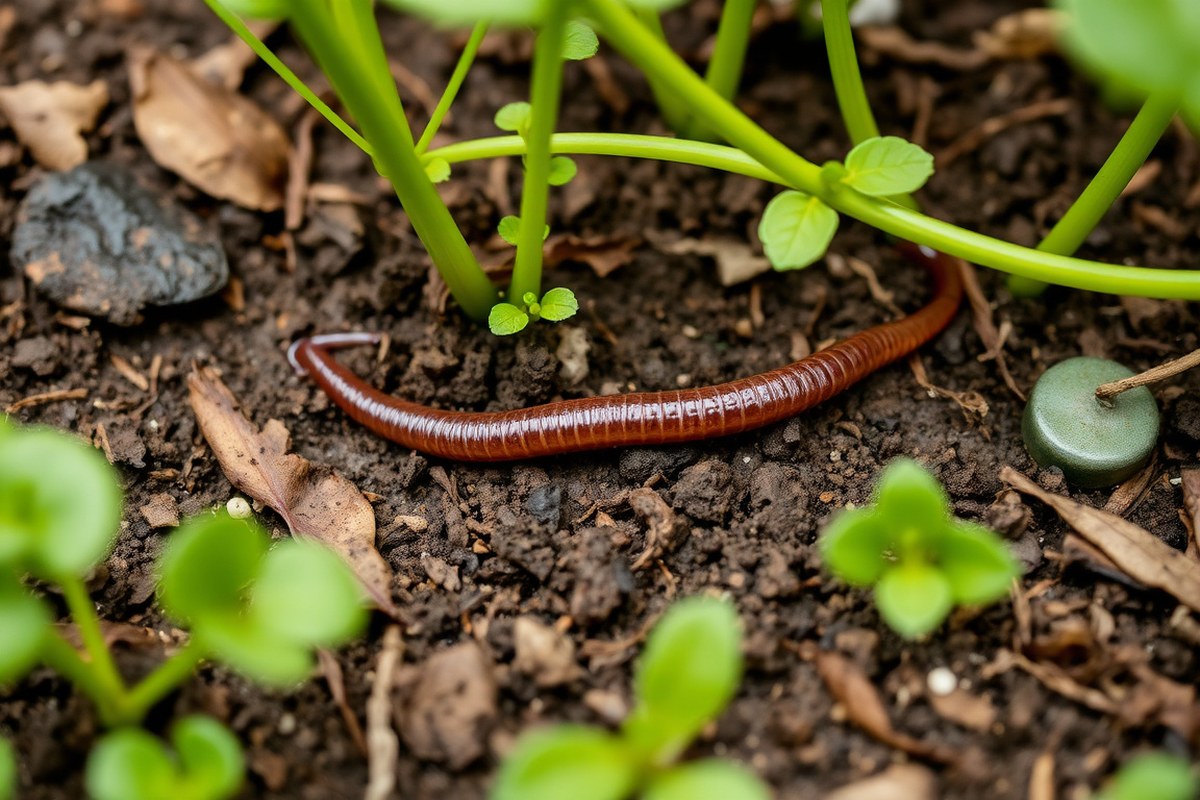
Earthworms first appeared in moist, nutrient-rich soils across many continents millions of years ago. They live where the soil stays damp and has good air. The temperature in these areas is usually between 50 and 60 degrees Fahrenheit.
They breathe through their skin and need soil moisture above 40% to survive. This moisture need explains why earthworms choose certain soils. They live near the topsoil or dig deeper based on soil type and moisture.
After rain, you often see earthworms on the soil surface because wet soil helps them move and breathe. They reproduce underground by laying cocoons that hatch young worms, keeping their population steady.
Knowing where earthworms live helps you understand soil health. Avoid heavy tilling to protect their tunnels and keep their numbers up.
Key Takeaways
- Earthworms originally come from moist, nutrient-rich soils with moderate temperatures.
- They require soil moisture of at least 40% to breathe through their skin.
- Different earthworm types live either in shallow topsoil or deep vertical burrows.
- Earthworms emerge after rain because moist conditions help them avoid drying out.
- They reproduce underground by laying cocoons that hatch into young worms.
- Heavy soil tilling can kill up to 90% of earthworms by destroying their tunnels.
Where Do Earthworms Originally Come From?
Earthworms have been around for more than 200 million years. Scientists think their ancestor lived about 209 million years ago.
This was around the time of dinosaurs and early mammals. This makes earthworms very ancient creatures that have survived many changes on Earth.
The earliest earthworms evolved long before plants fully covered the land. Their fossil record is rare because soft-bodied animals like earthworms don’t fossilize well.
Traces of ancient segmented worms like earthworms were found in old rocks. These rocks date back about 300 million years to the late Paleozoic Era.
Earthworms first appeared in soils that had enough moisture and organic matter for their needs. Their ability to burrow and improve soil helped plants spread and thrive. Over millions of years, earthworms evolved into thousands of species worldwide, except in Antarctica.
Tracing earthworms’ origin tells us how important they are to soil ecosystems. Earthworms have a long history. They helped shape soil and plants through many geological times.
Knowing when and where earthworms began helps explain their many types today. We find them in gardens, forests, and farms.
What Types of Earthworms Live in Different Soils?
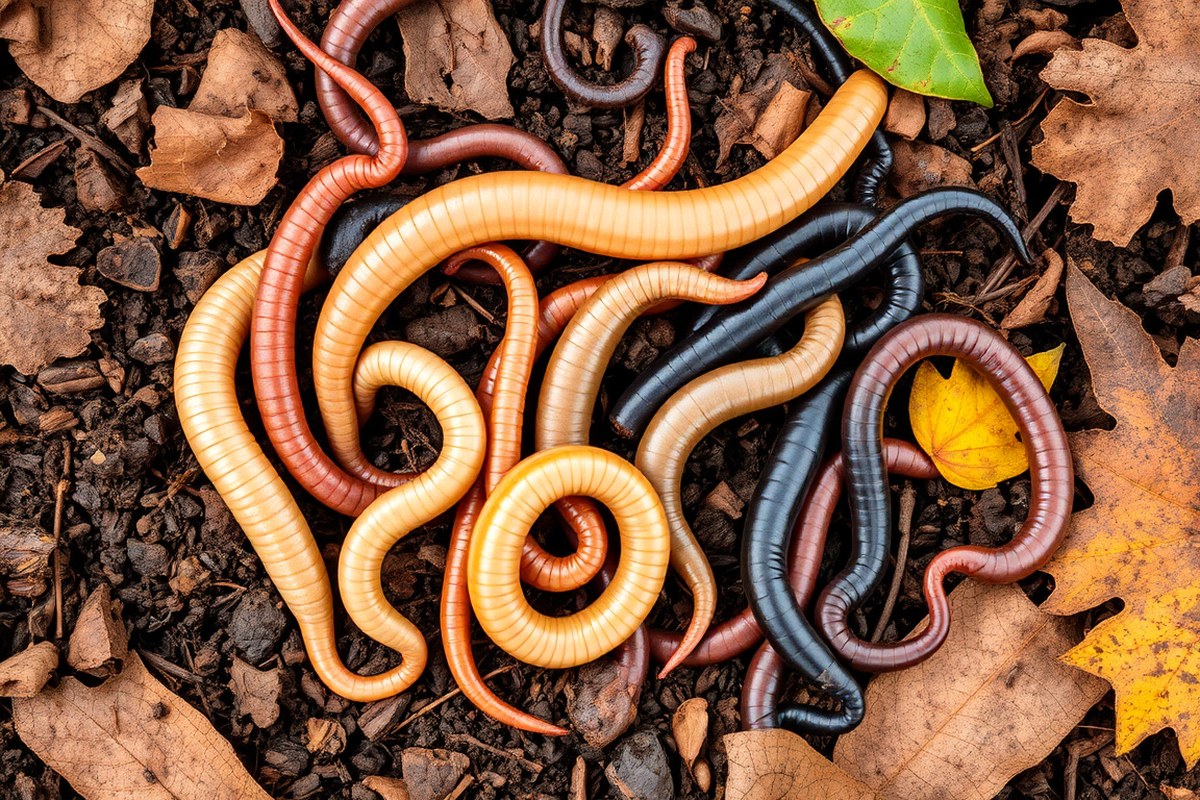
Earthworms fall into groups based on where they live in the soil. Surface dwellers stay near or on top of the soil, feeding on organic matter. Deep burrowers live far below, making long tunnels and affecting soil structure in different ways.
Surface-Dwelling Earthworms
Surface dwellers live in the upper soil layers or on decaying leaves and plant material. They feed mostly on dead organic matter, helping to break it down quickly. These worms keep the topsoil loose and rich by mixing organic debris into it.
Manure worms like Eisenia fetida are common examples. They live at the soil and litter interface. People use them in composting.
These worms process waste very fast. These worms rarely burrow deep and tend to stay moist under mulch or leaf litter.
Subsoil and Deep-Burrowing Earthworms
Subsoil earthworms live several inches underground. They eat soil and organic matter in it.
Grey worms (Aporrectodea caliginosa) make horizontal tunnels in the top 4 to 12 inches of soil. This activity improves soil aeration and water movement.
Deep burrowers, called nightcrawlers, create vertical tunnels that can reach depths of 8 feet (2.4 meters). Species like Lumbricus terrestris live in these permanent burrows. Their tunnels help roots grow deep and allow water and air to reach lower soil layers.
Distinctive Earthworm Species by Region
Many earthworm species are found in soils worldwide except frozen or very dry places. European species like Lumbricus terrestris now thrive in temperate gardens and forests across North America. These worms usually live several years and grow up to 12 inches long.
Forest soils often have native worms adapted to thick leaf litter layers. Invasive worms change soil and leaf litter fast. This change can harm some forest plants.
Garden soils often have mixed worm species. Surface and subsoil dwellers work together. They help keep soil healthy.
| Category | Typical Soil Habitat | Feeding | Burrow Depth | Example Species |
|---|---|---|---|---|
| Surface Soilers | On top or just below surface | Decaying plant matter | Surface or 1, 2 inches | Eisenia fetida |
| Upper-Soil Dwellers | Upper 2, 4 inches of soil | Soil organics and detritus | 2, 4 inches | Aporrectodea caliginosa |
| Deep Burrowers | Lower soil layers, vertical tunnels | Soil and organic matter | Up to 8 feet | Lumbricus terrestris |
Picking earthworms for your garden depends on your soil type and gardening goals. Surface worms suit compost heaps or mulched beds. Deeper burrowers help improve drainage and root growth in new or compacted soils.
Keep soil moist but not waterlogged to support different earthworm species well.
Why Do Earthworms Come Out of the Soil After Rain?
Earthworms don’t come out of the soil after rain because they’re gasping for air. Experts say this old idea isn’t quite right. Instead, earthworms can breathe through their moist skin, even in wet soil.
The soil is often saturated during rain. But it doesn’t flood out all the air they need.
Many scientists believe earthworms use the wet conditions to move safely above ground. The rain softens the soil and lowers the risk of drying out.
It also helps earthworms travel farther without their bodies drying out. This way, they can find new places to feed or mate.
Speaking of mating, earthworms often surface for breeding but mostly at night. They need moist air to prevent drying while they mate.
Rainy weather produces the perfect moist environment for this activity. So in some cases, they come out to reproduce, combining survival with finding mates.
A common myth says earthworms drown during heavy rains, but it’s unlikely. Worms can survive flooded soil for a while by slowing their metabolism. Flooding can make earthworms look for higher ground.
You often see them after storms. That’s because they want to avoid too much water.
Environmental factors also influence this behavior. Soil temperature, moisture, and salt levels all play a role. Earthworms avoid salty or overly dry soils.
Warm, damp soil often brings worms to the surface. You may spot more after light rain. They like moist but not flooded conditions.
Birds have learned to take advantage of this habit. They mimic rain by tapping the ground with their feet to lure worms out. This shows how the behavior is well-known in nature.
Light rain is a great time for gardeners to find worms. Earthworms help with compost and soil health. Try digging gently or looking in damp spots.
To encourage earthworms in your garden, keep soil moist but avoid waterlogging. Avoid salty fertilizers because worms dislike high salt in soil. Worms come up after gentle rain or watering.
This shows the soil is healthy and full of food. It’s a good sign for your garden.
How Do Earthworms Reproduce and Where Do Young Worms Come From?
Earthworms are hermaphrodites that mate to exchange sperm before producing cocoons. Each cocoon contains eggs that hatch into baby worms after a few weeks. Some species can also reproduce without mating through parthenogenesis.
Earthworm Reproductive Anatomy and Mating
Earthworms carry male and female parts from segments 9 to 15. Each worm can create sperm and eggs on its own. Still, they need to pair up to exchange sperm for fertilization.
During mating, worms align head-to-tail and exchange sperm over several hours. After they separate, each worm stores the sperm to fertilize its eggs later. Worms without a clitellum are not yet mature for reproduction.
Cocoon Formation and Hatching Process
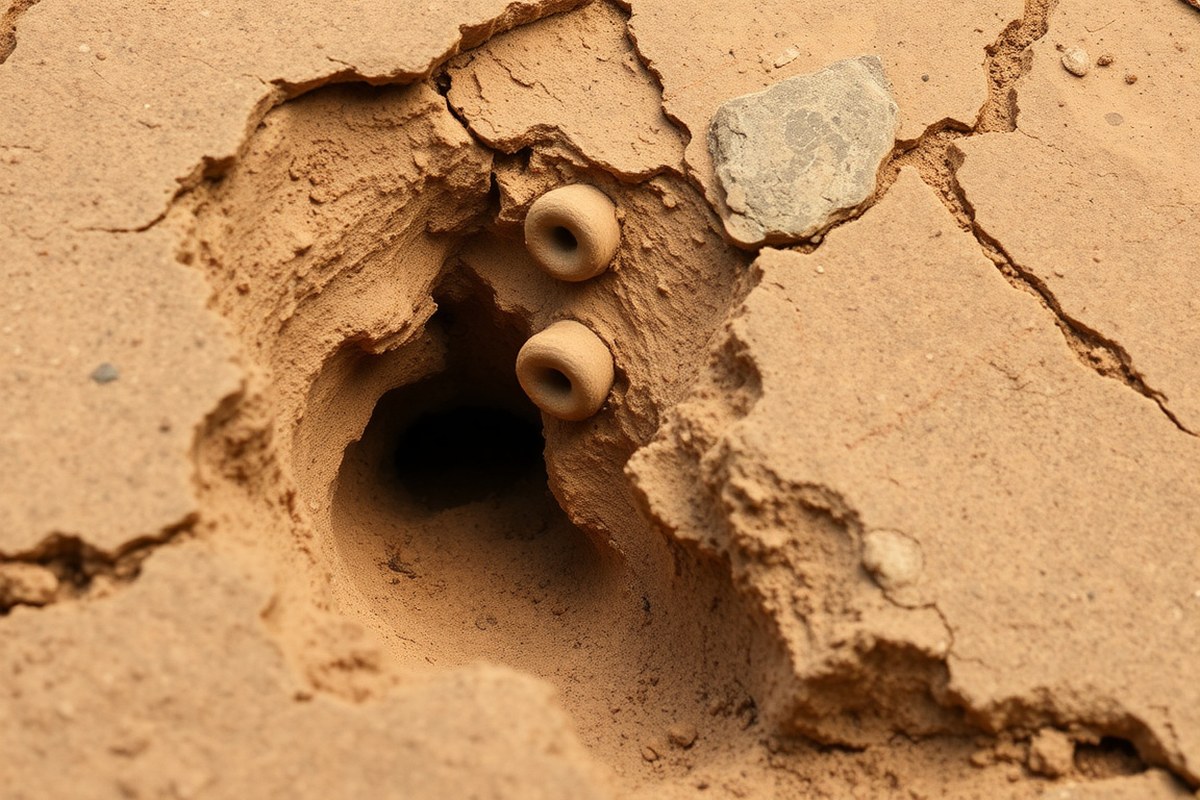
Once fertilized, the clitellum secretes a mucus ring that slides forward to form a cocoon. The worm deposits eggs and stored sperm inside this cocoon. It then seals and buries the cocoon in the soil where embryos develop.
After a few weeks, the eggs inside hatch into tiny, fully-formed baby worms. Depending on species, a cocoon can contain between 1 and 20 eggs. Most earthworm cocoons house just one or a few young worms.
Parthenogenesis and Cloning in Earthworms
Some earthworm species can reproduce without mating by parthenogenesis. This process creates young from unfertilized eggs, essentially cloning the parent. Scientists still don’t fully understand how this works.
Parthenogenesis lets worms reproduce even when mates are scarce. However, it’s uncommon compared to sexual reproduction among earthworms. It may help populations survive in isolated or harsh environments.
Where Do Earthworms Live and How Far Do They Burrow?
Earthworms live mostly in damp, dark soil with plenty of plant material. They need oxygen, moisture, and temperatures between 50 and 77°F to survive well. Their burrows are usually 2 to 8 inches deep.
Sometimes, they dig as deep as 3 feet. They do this to find food and moisture.
Soil moisture is key for earthworms. They prefer soil that stays moist but not waterlogged. When soil dries out or gets hotter than 86°F, earthworms go deeper.
Sometimes, they enter a dormant state to survive. They stay out of sunlight because it dries them out quickly.
Earthworms tend to stay localized but can move through soil slowly. They create slime tubes to move underground, which helps them avoid drying out. Earthworms can travel farther on the surface when it is wet.
They need to stay moist to stay alive. Dry conditions limit their movement.
| Earthworm Habitat Factor | Preferred Range |
|---|---|
| Soil Moisture | Consistently moist, not flooded |
| Soil Temperature | 50, 77°F (optimal), avoid >86°F |
| Burrow Depth | 2, 8 inches typical, up to 36 inches deep |
| Light Exposure | Dark soil, avoid sunlight |
Keeping soil moist and shaded encourages earthworm activity close to the surface. Dry, hot soil pushes worms deeper, reducing their surface benefits to plants. Earthworms move slowly underground and only affect soil nearby.
Water or animals can help spread them farther. Their impact stays local without these helpers.
To help earthworms, mulch soil to keep it moist. Avoid tilling soil too much to protect burrows. Keep plants growing to provide their food.
Moving earthworms is slow because they must stay wet. So creating good local conditions helps them thrive without much migration.
Don’t expose earthworms to direct sunlight or dry soil. They need both moisture and darkness to survive and work well.
What Factors Affect Where Earthworms Are Found?
Soil quality, moisture, and temperature shape where earthworms thrive. Earthworms need moist soil because they breathe through their skin. Their skin dries out fast in dry or hot weather.
So, moist soil helps earthworms survive and stay active. Cooler temperatures around 50 to 77°F support higher earthworm activity. Extreme heat or cold slows them down.
Pesticides and tillage disrupt earthworm populations. Pesticides can poison worms or their food sources, reducing their numbers. Frequent tillage breaks apart worm tunnels in the soil.
It also exposes earthworms to predators nearby. This makes survival harder and reduces soil health overall.
Invasive earthworm species spread by human activities like moving soil or plants. Once introduced, they compete with native species by consuming organic matter at different rates. This changes soil composition and can harm local ecosystems.
- Check soil moisture regularly; keep it damp but not soggy.
- Avoid strong pesticides near worm habitats; choose organic options.
- Minimize tilling to preserve worm tunnels and soil structure.
- Inspect plants and soil before transport to prevent spreading invasives.
- Maintain soil temperatures by using mulch or shade.
Healthy soil with plenty of organic matter encourages earthworm growth. Keep your soil loose and avoid compaction, so worms can burrow easily.
Watch for signs of fewer worms after pesticide use or heavy tilling. It may take months for numbers to recover.
How Do Earthworms Impact Soil and Ecosystems?
Earthworms improve soil by creating tunnels that let air and water move freely. This helps garden soil drain better and stops it from getting compacted. Plants grow stronger roots because the soil isn’t packed too tightly.
They eat dead leaves, roots, and other organic matter, then produce castings. These castings are rich in nutrients like nitrogen, phosphorus, and potassium. Your plants use these nutrients to grow well and stay healthy.
People call earthworms “soil engineers” because they change soil structure while burrowing and feeding. Their tunnels increase aeration, helping microbes break down organic material faster. This speeds up nutrient cycling, making the soil more fertile over time.
What Common Myths Exist About Earthworms Coming to the Surface?
Many people believe earthworms come to the surface to avoid drowning during heavy rain. Others think cutting a worm in half creates two worms.
Also, some worry earthworms could harm people. Most of these ideas aren’t true once you learn how earthworms actually survive.
Myth: Earthworms Drown in Rain
Earthworms don’t drown in rain because they can breathe underwater. They absorb oxygen through their skin, which needs to stay wet. Rain makes the soil soggy, helping them get enough oxygen without surfacing.
They come to the surface partly because heavy rain fills their tunnels, limiting oxygen there. Plus, the moist surface is easier to move over when the soil below is too wet. So, they aren’t escaping drowning but responding to low oxygen and easier travel.
Myth: Both Halves Survive After Cutting
Cutting a worm in half usually kills it. Only the front half with important organs and the clitellum might survive. The back half typically dies because it lacks essential parts to live or regrow.
Many think worms can regenerate two full worms, but that’s false. You can test this by looking carefully at worm injuries.
Half usually fails to recover. It’s best to avoid harming earthworms as they rarely survive severe damage.
Myth: Earthworms Pose Danger to People
Earthworms are harmless to humans. They don’t bite, sting, or transmit diseases.
People handle earthworms for gardening without risk. Some cultures even eat them as food.
They help soil health but don’t cause allergic reactions or skin problems. You can safely include them in outdoor activities or composting. Just wash hands after handling for usual hygiene.
Keep your hands clean after touching soil or worms to avoid minor germs.
How to Observe and Support Earthworms in Your Garden
Watch earthworms closely to see how they affect your soil and plants. Follow these steps to encourage their presence and know when you’re helping.
- Day 1: Check your garden soil after a rain to see earthworms on the surface. Seeing them means your soil is moist and healthy.
- Week 1: Add organic matter like compost. Earthworms feed on it, so more organic waste means more activity.
- Week 2: Avoid using strong fertilizers or chemicals. Earthworms could be harmed if you notice they start disappearing.
- Month 1: Test soil moisture regularly. Earthworms need moist but not soggy soil to thrive.
- Month 2: Dig small holes in your soil. Watch for tunnels after a day or two. Visible burrows show earthworms are working underground.
- Month 3: Plant cover crops or mulch to protect soil. Earthworms like loose, protected ground to live and burrow.
- Every season: Keep adding natural materials and keep soil loose. This supports earthworms all year long and improves your garden.
Frequently Asked Questions
Can Earthworms Survive in Dry Soil?
Earthworms struggle in dry soil because they need moisture. They must stay damp to breathe through their skin and avoid drying out.
Do Earthworms Migrate to New Areas?
Yes, earthworms migrate mainly to find better soil or mates. They often move after rains when the soil is moist enough.
Can Earthworms Live in Polluted Soil?
Some earthworm species can tolerate pollution but most avoid toxic chemicals. Pollution affects their survival and soil health negatively.
Are Earthworms Nocturnal Creatures?
Earthworms are mostly active at night to avoid drying out and predators. Nighttime offers cooler, damper conditions for movement.
How Fast Do Earthworms Burrow?
Earthworms burrow slowly, moving just a few inches per minute. The speed depends on soil type and moisture levels.
Do Earthworms Have Natural Predators?
Yes, birds, mammals, and insects commonly feed on earthworms. Predation helps keep earthworm populations balanced in ecosystems.
Wrapping Up
Earthworms come from natural soil habitats shaped by local conditions and health. You can encourage them by keeping your garden soil moist and rich in organic matter. Start by adding compost and watching for earthworm activity after rain.