What Does Fertilizer Do? A Complete Guide to Nutrients and Plant Growth
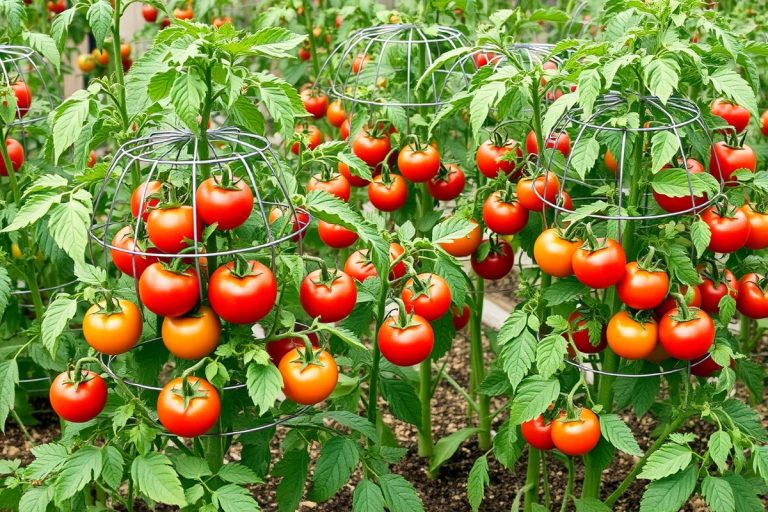
What does fertilizer do for your plants and soil? It supplies the nutrients plants need to grow strong and healthy. Fertilizer fills in nutrient gaps that natural soil might miss, boosting plant growth and yield.
Fertilizer helps plants build leaves, roots, and fruits by providing nitrogen, phosphorus, and potassium. These nutrients support photosynthesis, energy transfer, and water regulation inside your plants. Adding fertilizer can quickly improve poor soil and promote vigorous growth.
You should test your soil before using fertilizer to avoid overfeeding or nutrient imbalance. Also, apply fertilizer based on the plant’s growth stage for better results. Using the right type and amount prevents waste and protects the environment.
Key Takeaways
- Nitrogen boosts leaf and stem growth for most plants.
- Phosphorus supports strong root development and flowering.
- Potassium helps plants manage water and resist disease.
- Test soil to know which nutrients your plants need.
- Match fertilizer nutrient ratios to your specific plants.
- Slow-release fertilizer works well in warm soils around 70°F.
What Does Fertilizer Do for Plants and Soil?

Fertilizer supplies plants with key nutrients needed to grow well. The main ones are nitrogen, phosphorus, and potassium, often called N, P, and K. These nutrients support green leaf growth, root development, and overall plant health.
Plants also need about 17 essential nutrients including micronutrients like iron and zinc. Fertilizers fill in the gaps when soil lacks enough nutrients. Without fertilizer, plants may grow slowly or produce fewer fruits and flowers.
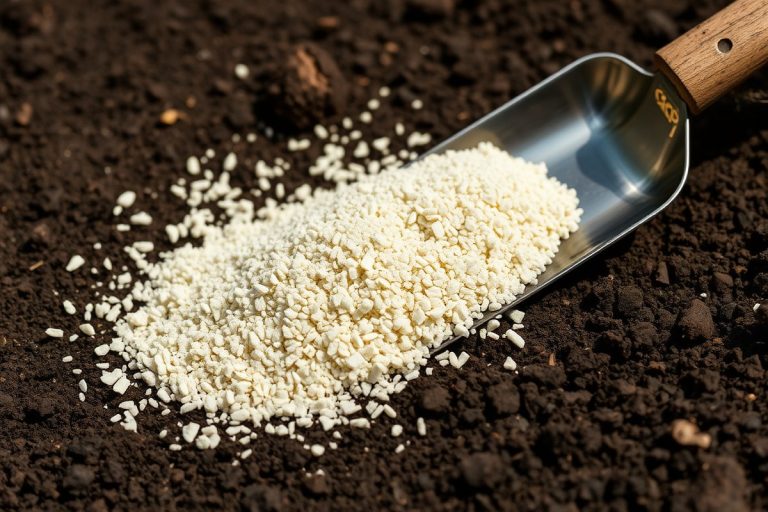
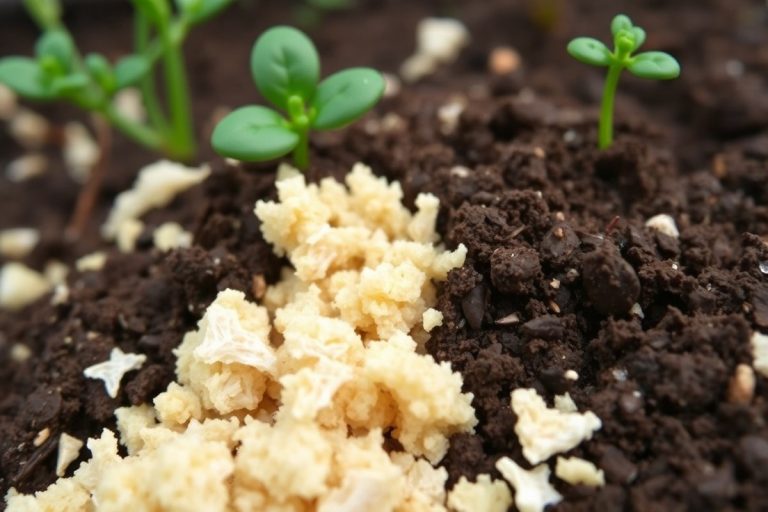
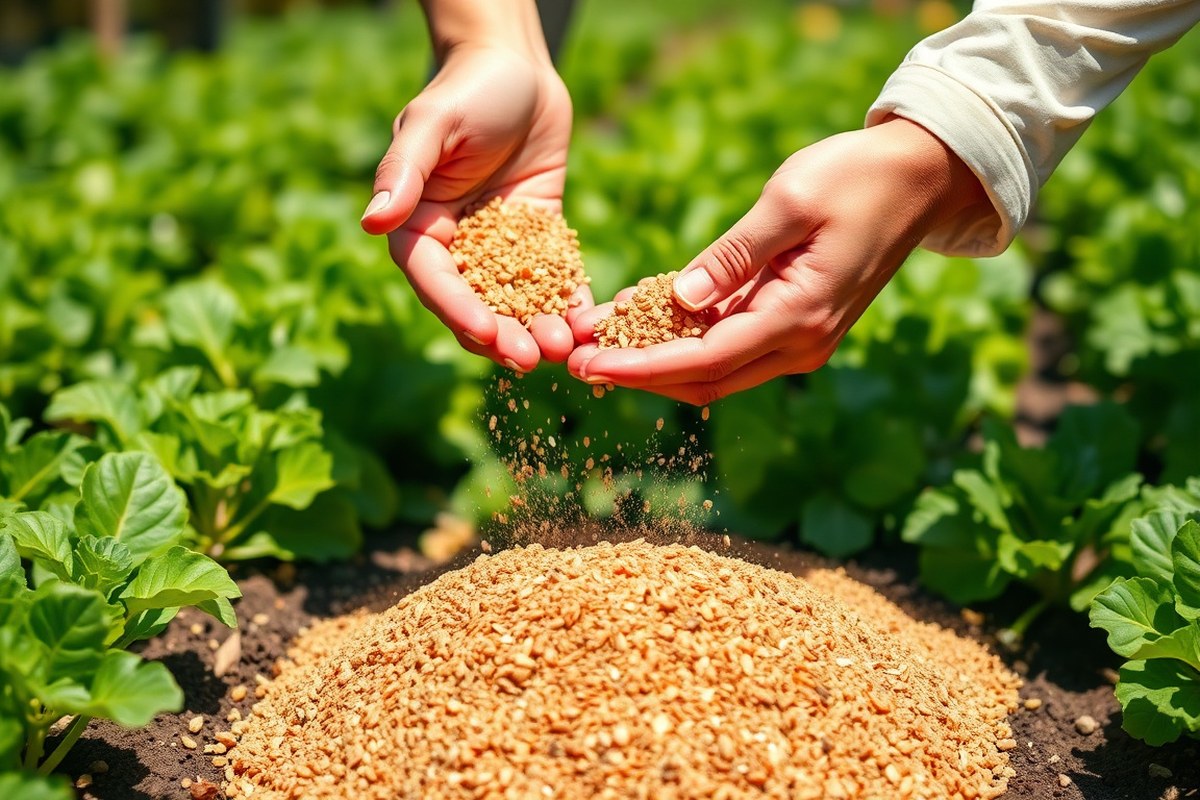
Applying fertilizer directly to the soil adds these nutrients where roots can take them up. For example, spreading slow-release granules around the plants lets roots absorb nutrients over time. Liquid fertilizers mixed with water deliver nutrients quickly for fast-growing plants.
Good soil naturally has many nutrients, but they get used up each growing season. Fertilizer helps replace nutrients that plants remove from the soil. This keeps the soil fertile and ready for the next crop or growing season.
Fertilizer also improves soil fertility by supporting microbial activity. Healthy microbes break down organic matter, making nutrients easier for roots to absorb. This can improve soil texture and water retention, helping plants handle drought better.
Using the right type and amount of fertilizer depends on your plants and soil condition. Soil tests can tell you which nutrients your soil is low in. So you add what’s missing.
Applying too much fertilizer can harm plants and the environment. So follow package directions carefully.
What Are the Key Nutrients in Fertilizer and Why They Matter
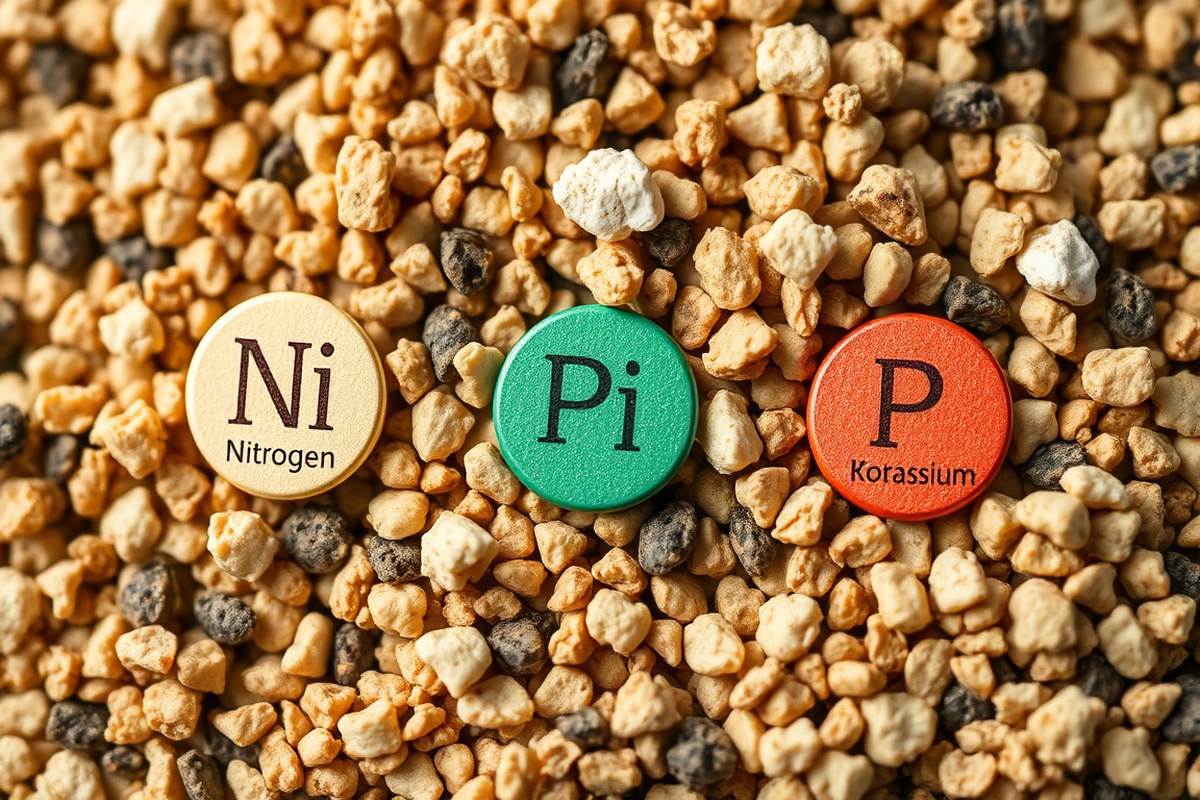
Fertilizers supply plants with the nutrients they need for healthy growth. Nitrogen helps plants make proteins and supports leafy and vegetative growth.
Phosphorus helps roots grow and supports flower and fruit growth. It also aids cell jobs like photosynthesis.
Potassium supports the movement of water, nutrients, and sugars within plants. This nutrient improves the quality of fruits and vegetables. Fertilizers have other nutrients like calcium, magnesium, and sulfur.
These make plant parts stronger. They also help plants make chlorophyll.
| Nutrient | Role for Plants |
|---|---|
| Nitrogen (N) | Protein formation, supports leafy growth |
| Phosphorus (P) | Photosynthesis, root and flower growth |
| Potassium (K) | Moves water and nutrients, improves crop quality |
| Calcium (Ca) | Strengthens plant structures |
| Magnesium (Mg) | Forms chlorophyll for photosynthesis |
| Sulfur (S) | Helps produce amino acids |
| Boron (B) | Supports healthy cell growth and pollen formation |
Plants need a balanced mix of these nutrients for good health. Fertilizers usually focus on nitrogen, phosphorus, and potassium. Plants need these nutrients in larger amounts.
Other nutrients are called micronutrients and are needed in smaller amounts. But they still play important roles in plant growth.
Choose fertilizer by the N-P-K ratio on the label. These numbers show nitrogen, phosphorus, and potassium amounts.
For example, a 10-10-10 fertilizer mix means it contains equal parts of these three key nutrients. You can adjust the ratio depending on the plant type or soil condition.
Be careful not to use too much nitrogen fertilizer. It can burn plants and cause leaf discoloration.
How Different Types of Fertilizers Work: Organic vs Synthetic
Organic and synthetic fertilizers are made differently. They supply nutrients to plants in unique ways. Organic fertilizers come from natural materials and release nutrients slowly.
Synthetic fertilizers are man-made and provide nutrients quickly. Choosing between them depends on your garden’s needs and your environmental priorities.
Characteristics of Organic Fertilizers
Organic fertilizers are made from decomposed plants, animals, or their by-products. They release nutrients gradually as soil microbes break them down. This slow nutrient release feeds plants steadily and helps build healthy soil over time.
They usually provide nutrients in lower concentrations than synthetic types. Nutrient levels can vary based on the source and soil conditions. For example, compost and manure can add phosphorus, nitrogen, and potassium but at unpredictable rates.
Organic fertilizers also improve soil structure by adding organic matter. This helps retain moisture and supports beneficial microbes.
You usually use organic fertilizers in bigger amounts. This costs more but helps soil health over time.
Characteristics of Synthetic Fertilizers
Synthetic fertilizers contain manufactured chemicals like ammonium sulfate and ammonium nitrate. These formulas deliver high concentrations of nutrients quickly, which helps plants grow fast. For instance, ammonium nitrate (34-0-0) supplies nitrogen immediately when applied.
Some synthetic fertilizers come as controlled-release types, coated to release nutrients slowly over weeks or months. This reduces nutrient loss to leaching and provides steady feeding. Liquid synthetic fertilizers offer fast nutrient uptake, useful during midseason growth boosts.
The nutrient content is consistent and predictable. You can measure and apply exact amounts based on soil tests. That’s why many gardeners use synthetic fertilizers for quick fixes or precise nutrient management.
Environmental and Usage Considerations
Organic fertilizers support long-term soil health but can vary in nutrient content and release speed. Their benefits build slowly, so they suit crops needing steady nourishment and soil improvement. You might need to apply more volume, which can be expensive or bulky for large areas.
Synthetic fertilizers provide nutrients efficiently but can cause nutrient runoff or pollution if overused. Synthetic fertilizers provide nutrients quickly.
This speeds plant growth but may harm microbes or cause salt buildup. Using slow-release or controlled-release products can reduce these risks.
Both types come as liquids, powders, or granules, fitting different gardening needs. Many expert growers combine organic and synthetic fertilizers to balance fast feeding and soil health benefits. Choose based on your goals, budget, and how soon plants need nutrients.
The table shows nitrogen rates for garden soils. It uses two common synthetic fertilizers.
| Soil Organic Matter Level | Ammonium Sulfate (21-0-0) | Ammonium Nitrate (34-0-0) |
|---|---|---|
| Low (0-1%) | 1 lb. Per 100 sq. Ft. (~2 cups) | 0.6 lb. Per 100 sq. Ft. (~1⅓ cups) |
| Moderate (2-3%) | 0.5 lb. Per 100 sq. Ft. (~1 cup) | 0.3 lb. Per 100 sq. Ft. |
| High (4-5%) | 0 (none needed) | 0 (none needed) |
This table shows how nitrogen fertilizer rates decrease as soil organic matter rises. Testing your soil helps determine the right fertilizer amount. Over-application wastes money and can harm plants or the environment.
What the Numbers on Fertilizer Packages Mean (NPK Explained)
The three numbers on fertilizer labels show key nutrient percentages. They tell how much nitrogen, phosphorus, and potassium are inside. Each number is a percent of the total weight.
These are called NPK values. A 12-8-10 fertilizer has 12% nitrogen by weight.
It also contains 8% phosphorus and 10% potassium. These numbers guide you on nutrients in the bag.
These nutrients are key for plant growth. Nitrogen helps leaves grow, phosphorus supports roots, and potassium strengthens plants overall. You don’t need all nutrients at 100%.
Fertilizers also have carbon, oxygen, sulfur, and minor minerals. Plants need these too for healthy growth. That’s why the three numbers don’t add up to 100%.
To know nitrogen in a bag, multiply weight by nitrogen percent. This calculation gives the nitrogen amount in pounds. It helps you apply the right dose.
For a 50-pound 12-8-10 bag, find nitrogen like this. Multiply 50 pounds by 12% to get 6 pounds nitrogen. This tells how much nitrogen you are adding.
Calculate phosphorus by multiplying 50 pounds by 8% for 4 pounds. For potassium, 50 pounds times 10% equals 5 pounds.
These show nutrient amounts in the bag. This tells you exactly how much of each nutrient you are applying.
You want to match fertilizer to your soil and plant needs. Sandy or clay soils often lose nutrients quickly. So a higher NPK like 15-15-15 might work better.
Applying the right mix keeps plants healthy and avoids wasting money. Adding fertilizer at planting time helps roots get nutrients early without overdoing it.
Remember, organic materials like compost and manure add nutrients but usually don’t have clear NPK numbers. Fertilizer labels give a quick way to measure specific nutrients and compare products. Using the numbers helps you give plants what they need without guesswork.
How to Choose and Apply Fertilizer for Best Plant Growth
Testing Soil and Understanding Your Plants’ Needs
You start by testing your soil to know its nutrient levels. Soil tests reveal what your soil lacks or has too much of. This helps you pick fertilizer that balances those nutrients for your plants.
Plants have different needs at various growth stages or seasons. A leafy vegetable needs more nitrogen, but a flowering plant might need more phosphorus. Watching your plants for signs like slow growth or yellowing leaves also shows nutrient needs.
Choosing Fertilizer Type and Nutrient Ratios
Pick a fertilizer type based on your plant and soil test results. Organic fertilizers release nutrients slowly and improve soil over time. Synthetic fertilizers act faster but need repeated applications every couple of months for steady growth.
For many gardens, an NPK ratio of 10-10-10 works fine as a general boost. If your soil test shows a nitrogen shortage, pick a fertilizer with higher nitrogen. Always base your application rate on the nitrogen content since plants use nitrogen the most.
Step-by-Step Fertilizing Techniques
Follow these steps to apply fertilizer effectively. Correct timing and placement help plants absorb nutrients better. Avoid over-fertilizing, which can harm roots or pollute the soil and water.
- Gather your soil test results and plant information to select fertilizer type and ratio.
- Calculate the amount to apply, focusing on nitrogen percent from the fertilizer label.
- Choose between liquid or granular fertilizer depending on your plant and time available.
- Apply granular fertilizer evenly around the plant base, avoiding direct contact with stems.
- Water the area well after application to help nutrients reach roots efficiently.
- For liquid fertilizers, dilute as recommended and apply directly to soil or foliage.
- Repeat fertilizing every one to two months during active growth, skipping dormant periods.
Don’t apply fertilizer right before heavy rain to prevent nutrient runoff.
How Long Does Fertilizer Take to Affect Plants?
Fertilizer generally starts working within a few days to a week. Nutrients dissolve in soil water and travel to plant roots quickly. You might see greener leaves or faster growth about 3 to 7 days after applying fertilizer.
Different fertilizers act at different speeds. Synthetic fertilizers dissolve fast, delivering nutrients within days. Organic fertilizers take longer because microbes must break them down first.
Expect organic types to show effects after 2 to 4 weeks. But they improve soil health over time.
Environmental factors alter how fast fertilizer works for your plants. Warm soil speeds nutrient absorption since microbes and roots are more active.
Cold or dry soil slows things down because nutrients don’t move well and microbes rest. Moisture is key, watering after applying fertilizer helps it dissolve and reach roots.
Plant type matters too. Fast-growing plants like lettuces respond faster to fertilizing than slow-growing trees. You may need to feed fruiting or heavy feeders more often during their growth stages.
Use fertilizers that match your plant’s needs. High nitrogen helps leaves grow. Phosphorus supports flowers and fruits.
Applying fertilizer properly makes a big difference. Spread it evenly around the root zone, then water in lightly.
Avoid pouring fertilizer directly on plant stems or leaves, as this can cause burn. Also, do not overfertilize; it wastes product and can harm plants and soil.
Feed houseplants based on their growth cycle. Don’t wait for visible signs. Stick to a regular schedule instead.
Most plants benefit from fertilizing in early spring before active growth starts. For outdoor crops and gardens, consider soil type and temperature when planning your feeding times.
Common Fertilizer Mistakes and How to Avoid Them Safely
Too much fertilizer can burn plant roots and stunt growth quickly. You’ll notice yellowing leaves, brown spots, and wilting even with plenty of water. On the flip side, under-fertilizing means slow growth, pale leaves, and fewer flowers or fruits.
Applying fertilizer at the wrong time wastes nutrients and stresses plants. For instance, new potting soil often doesn’t need fertilizer at first. Established plants benefit most when you add fertilizer to the base, not on leaves.
Fertilizer can harm people if handled carelessly. Dry powders or dust may irritate skin or lungs.
Always wear gloves and avoid breathing dust. Keep fertilizer sealed and stored in a cool, dry place away from kids and pets.
- Check soil before adding fertilizer to avoid guessing your plants’ needs
- Follow package instructions carefully on amount and frequency
- Water after applying to prevent fertilizer burn and help nutrients soak in
- Wear gloves and a mask when spreading dry fertilizer
- Store fertilizer in a sealed container, away from sunlight and moisture
- Rinse skin or eyes right away if fertilizer contacts them
- Do not apply fertilizer before heavy rain to prevent runoff
If you think you put on too much fertilizer, water the soil deeply right away. This can wash away excess nutrients from the root zone. Avoid adding more fertilizer until plants recover and show normal leaf color and sturdiness.
Safe fertilizing helps your garden grow without causing harm. Careful timing, protective gear, and correct amounts keep plants healthy. Handling fertilizer right also protects you and your home from accidents.
How to Use Soil Tests to Make Smart Fertilizer Choices
Soil tests measure nutrient levels and soil pH to guide fertilizer use. You read the test report to see which nutrients are low or high. Adjust fertilizer types and amounts based on those results for healthy plants and soil balance.
Collecting and Sending Soil Samples
Start by gathering soil samples from different garden spots. Mix soil cores from each spot to get a representative sample. Send the combined soil to a lab following their package instructions.
Taking samples at the right depth is key for accuracy. Usually, 4 to 6 inches deep works well for gardens. Avoid wet soil if possible because it can distort nutrient readings.
- Use a clean trowel or soil probe to dig soil samples.
- Gather 10 to 15 samples from different spots in your area.
- Mix them thoroughly in a clean bucket or container.
- Fill the lab’s sample bag or box with about 1 cup of mixed soil.
- Label the sample with your name, location, and date.
- Follow the lab instructions for mailing or dropping off the sample.
- Keep track of the sample ID and expected report date.
Collect soil samples during the growing season or just before planting crops.
Reading Key Soil Test Parameters
The report shows pH and nutrient levels like nitrogen, phosphorus, and potassium. PH tells you if soil is acidic, neutral, or alkaline. Plants usually prefer pH near 6.0 to 7.0 but each crop might differ.
Look at recommended ranges or categories like low, medium, or high for nutrients. Low means your soil needs fertilizer for that element. High means adding more could be wasteful or harmful.
Check nitrogen carefully since it changes quickly in soil. Phosphorus and potassium are more stable. Labs often recommend nutrient ratios like 2-1-0 or 1-0-0 for fertilizer choices.
Adjusting Fertilizer Choices and Application Rates
Match your fertilizer’s nutrient ratio to the soil test recommendation. For example, a 2-1-0 ratio advice fits fertilizers like 10-5-0 or 20-10-0. Use a fertilizer with little or no nitrogen if your soil already has enough nitrogen.
Apply more triple super phosphate or potassium sulfate where phosphorus or potassium is low. Use ¼ to 1 pound of phosphate per 100 square feet.
Use ¼ to ½ pound of potash per 100 square feet. Nitrogen applications vary more and depend on your plants’ needs and soil organic matter.
Adjust how much fertilizer you put down based on soil test numbers. Apply smaller amounts if levels are near sufficient. Avoid over-fertilizing since it wastes money and can harm plants.
Step-by-Step Action Plan for Fertilizing Your Garden
Follow these clear steps to start fertilizing your plants and watch them improve.
- Before planting: Test your soil using a kit. This shows nutrient needs and prevents overfeeding.
- Day 1: Choose fertilizer based on your soil test. Use NPK numbers that match your plants’ needs.
- Day 2: Apply fertilizer evenly around plants but avoid touching leaves. This protects your plants and feeds roots.
- Week 1: Water the area well after application. Water helps dissolve fertilizer and move nutrients to roots.
- Week 3: Check for new growth or dark green leaves. Healthy signs mean fertilizer is working.
- Monthly: Repeat fertilizer according to package instructions or soil test advice. Don’t overapply, which can harm plants.
- After heavy rain: Inspect soil for nutrient washout. Reapply fertilizer if needed to maintain nutrition.
Frequently Asked Questions
Can Fertilizer Improve Soil Structure?
Yes, some fertilizers add organic matter that loosens soil. This helps roots grow better and improves water drainage.
Does Fertilizer Affect Soil pH?
Some fertilizers can change soil pH by making it more acidic or alkaline. Testing your soil pH helps pick the right fertilizer.
Can Fertilizer Replace Compost in Gardens?
Fertilizer provides nutrients but doesn’t improve soil like compost. Compost adds organic matter and supports beneficial soil life.
Are Fertilizers Harmful to Beneficial Insects?
Overuse of some fertilizers can harm insects indirectly by changing plant health. Use fertilizer carefully to avoid upsetting garden balance.
Can Fertilizer Run Off Harm Nearby Water Sources?
Yes, excess fertilizer can wash into streams and lakes causing pollution. Apply to match plant needs and reduce runoff risk.
Do Plants Get All Nutrients from Fertilizer Alone?
No, fertilizers mainly supply N, P, and K but plants need other minerals. Healthy soil and organic matter help supply those extras.
Before You Go
Fertilizer gives plants the nutrients they need to grow well. Use soil tests to fit your fertilizer choice to the soil. Start with a test, and you’ll see better plant health quickly.