What Does a Calla Lily Plant Look Like? A Complete Visual Guide
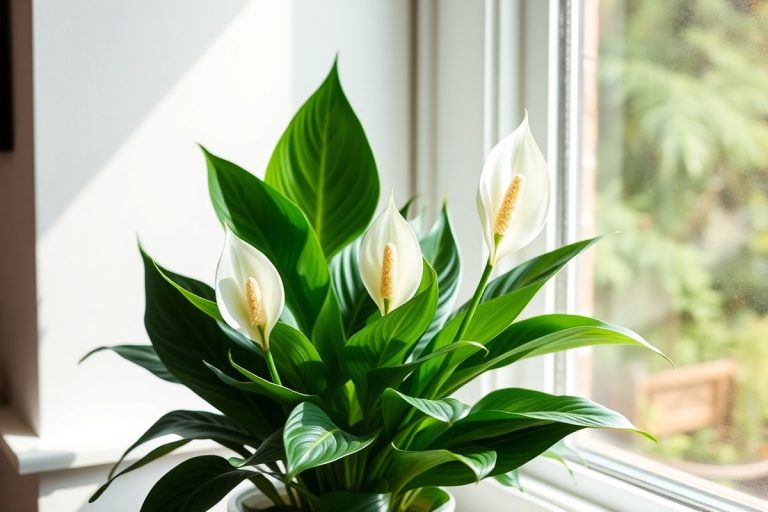
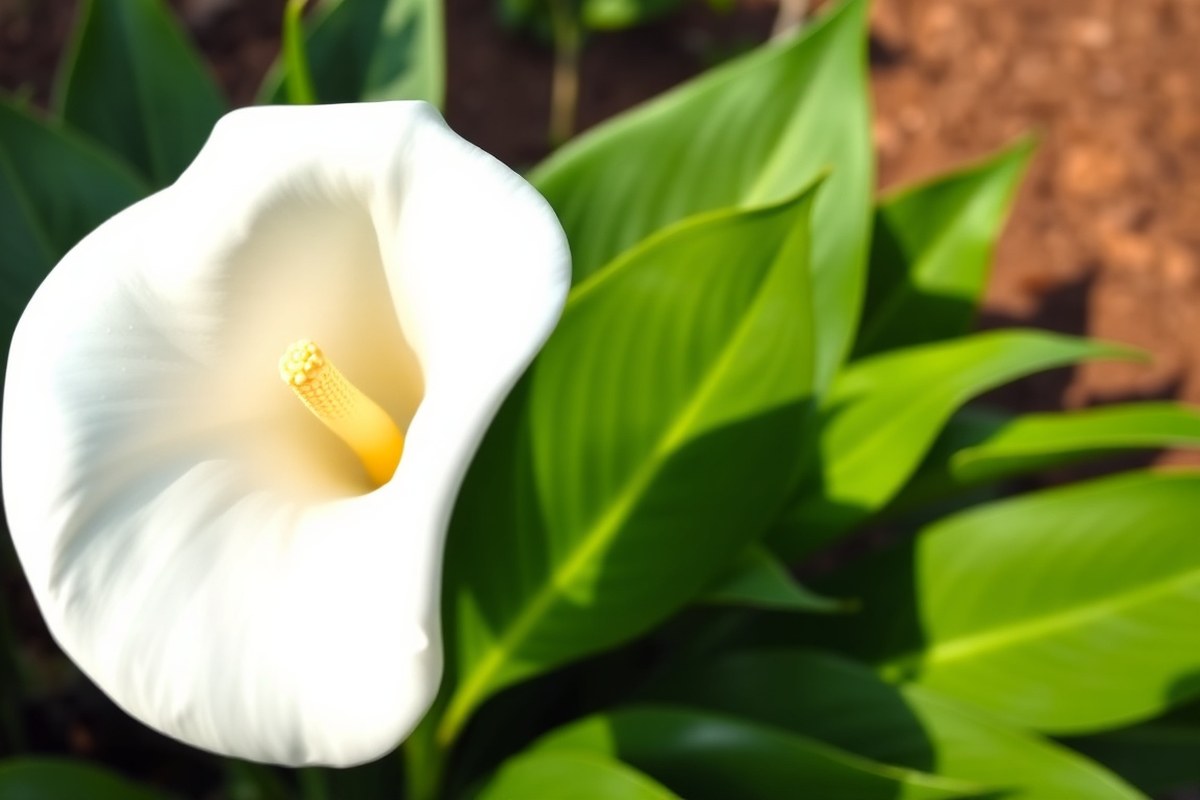
Calla lily plants have smooth, arrow-shaped green leaves that spread from the base. Their flowers grow on leafless stems and are funnel-shaped in white, pink, or deep purple. Each flower centers a spike called a spadix, usually yellow or white.
The plant grows from a thick, bulb-like rhizome just below the soil surface. Leaves and flower stems rise straight up in dense clumps with soft, flexible stems. These stems die back after flowering.
Calla lilies stand 12 to 36 inches tall, depending on the variety. They create a clean, elegant look in garden beds, borders, or containers. Their bright flowers contrast nicely with rich green leaves.
Plant rhizomes after the last frost, burying them 2 to 3 inches deep. Space them about 12 inches apart for good growth. Keep soil moist but not soggy with regular watering.
Key Takeaways
- Calla lily leaves are smooth, spear-shaped, and bright green.
- Flower stalks and leaves grow directly from the ground in clumps.
- Calla lily flowers are funnel-shaped with colors from white to deep purple.
- Plant rhizomes 5 to 7 cm deep with the tip facing up.
- Space plants about 30 cm apart for good airflow and growth.
- Mature calla lilies range from 12 to 36 inches tall.
What Does a Calla Lily Plant Look Like Overall?
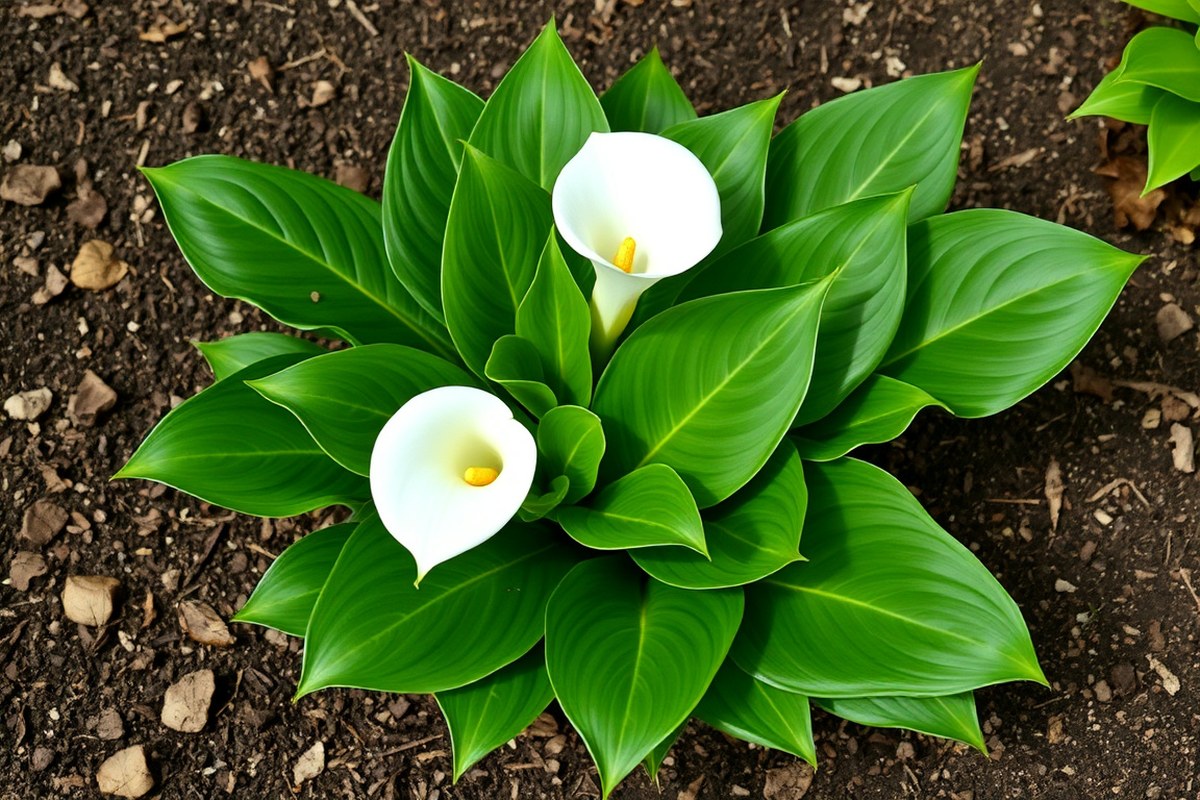
Calla lilies have a graceful, upright form that usually reaches 1 to 3 feet tall. The leaves and flowers grow close to the ground.
This makes the plant look compact and stemless. The flowers rise above shiny, arrowhead-shaped leaves, creating a clean and striking silhouette in your garden.
The leaves are broad and shiny. They measure 6 to 18 inches long. The size depends on the type.
The leaves are deep green. Their textures range from smooth to slightly waxy. This helps the plant stand out.
Each leaf grows separately directly from the underground rhizome. So you won’t see tall stems holding them up.
The flowers come in a funnel shape and wrap around a central spike called a spadix. The flowers come in many colors. You see pure white, pink, yellow, and red hues.
They vary widely. These colors brighten your garden.
They last for weeks and contrast with dark green leaves. They add a touch of elegance.
How to Recognize Calla Lily Leaves and Stems
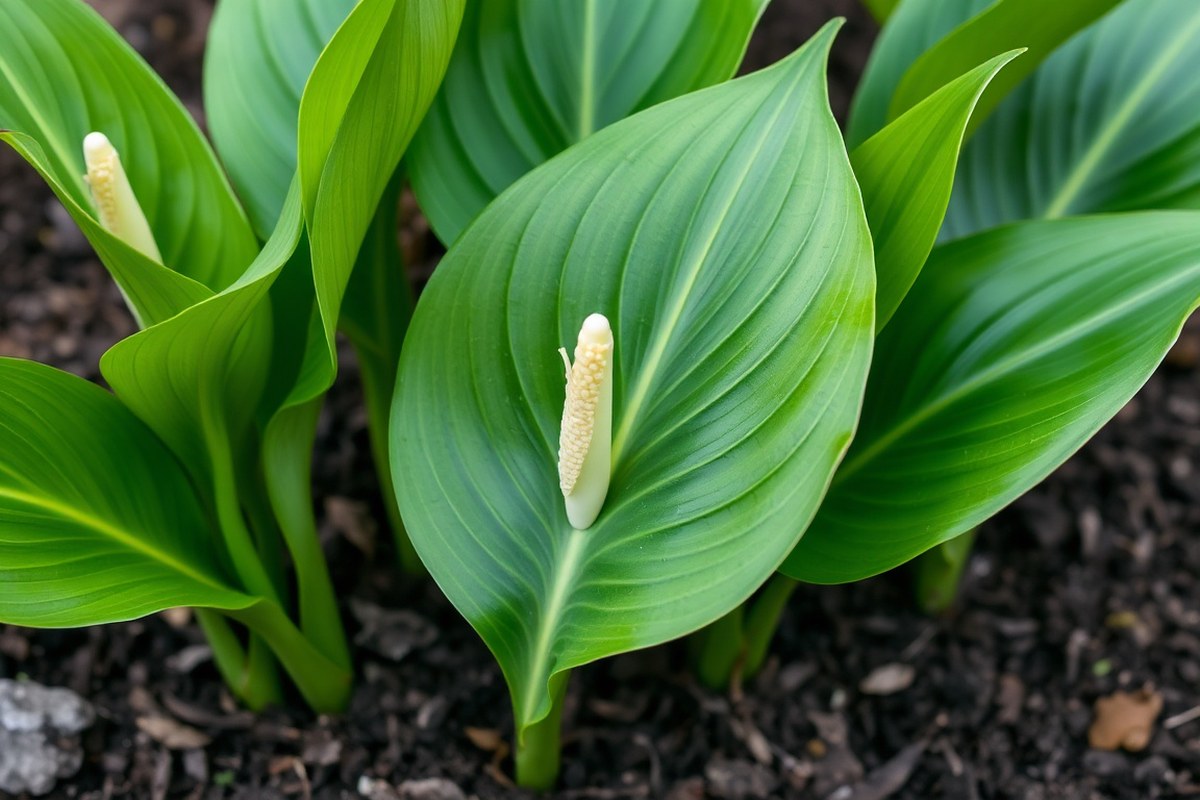
Calla lily leaves are shaped like arrows or broad hearts. They usually range from 6 to 12 inches long and 4 to 8 inches wide. The leaves grow upright from the base, often leaning slightly outward to show their shape fully.
The leaf texture is smooth and glossy, giving a fresh, shiny look to the plant. Leaf colors are mostly deep green, but some varieties have spotted or speckled patterns.
These spots don’t mean the leaf is sick. They’re natural in types like the golden calla, which has lightly freckled leaves.
Stems of the calla lily are thick, sturdy, and mostly green. They grow straight up, supporting the flowers and leaves equally well. The stems feel smooth and firm to the touch.
They grow from 12 to 24 inches tall. Height depends on the variety and growing conditions.
Leaves and stems grow closely together from the rhizome, forming a clustered base. Leaves appear at about the same time as the flower stems. So you’ll see lush green foliage alongside the blooms.
Leaves may yellow and wither when temperatures drop at season’s end. This shows the plant is getting ready to rest. Dormancy helps it survive colder months.
Check for any spots or discoloration beyond the natural speckles. Those might signal disease or pests rather than normal leaf patterns.
Understanding Calla Lily Flowers: Structure and Colors
The calla lily flower looks unique because it’s not a typical flower with petals. Its showy part called the spathe wraps around a central spike called the spadix. These two parts together create the signature calla lily bloom.
The Spathe: The Flower’s Showy Part
The spathe is a large, colorful leaf that curls around the flower’s center. It looks like a single, smooth, funnel-shaped petal but it’s actually a modified leaf. This wrap-around spathe draws attention and helps attract pollinators to the plant.
Unlike typical petals in true lilies, a calla lily only has this one big spathe. This difference matters because it helps you tell calla lilies apart from other lilies. The spathe has a waxy texture.
This makes it stand out well. It stays bright in the garden for weeks.
The Spadix: The Central Floral Spike
Inside the spathe is the spadix, a solid, finger-like spike covered in tiny florets. These tiny flowers contain the reproductive parts of the plant. The spadix can be yellow, white, or sometimes even purple, depending on the variety.
The spadix’s role is important, it’s where pollen is made and where seeds begin developing. Without the spadix, the plant can’t produce fruit or seeds. It’s the true flower part, while the spathe mainly acts as a visual attractor.
Color Variations and Bloom Timeline
Calla lilies come in many colors like white, yellow, pink, purple, and even deep maroon. These color variations come from different cultivars, offering gardeners options for any landscape. Some varieties mix two or more colors on one spathe.
The flower begins as a tight bud. It takes 7 to 10 days to open. Then, it opens fully.
The bloom stays fresh for around two weeks with proper care. After that, the spathe gradually fades and curls back before the plant fades for the season.
Calla Lily Bulbs (Rhizomes): What They Look Like and Why They Matter
Calla lily bulbs are actually rhizomes, thick horizontal stems underground. They differ from true bulbs and tubers in shape and growth. Healthy rhizomes store nutrients and help the plant spread and regrow.
Calla Lily Rhizome Shape and Size
Calla lily rhizomes look thick, fleshy, and grow horizontally just below the soil. They are not round like bulbs or knobby like tubers. Usually, these rhizomes measure about 1 to 2 inches wide and can be several inches long.
The rhizomes grow 2 to 3 inches deep in the soil. Their growing tips point upward.
This placement keeps them safe from frost and allows roots and shoots to develop properly. You won’t see them unless you dig gently around the plant base.
Healthy Rhizome Features to Look For
Good rhizomes feel firm and solid, not soft or shriveled. They have a consistent light brown or tan color without dark spots or mold patches. Avoid rhizomes that show signs of rot or excessive dryness.
Firmness and the absence of blemishes suggest strong nutrient stores inside the rhizome. These stores help the plant survive dormant periods and grow new shoots after pruning or frost. Damaged rhizomes often lead to weak or no growth.
Storage and Planting Recommendations
Store calla lily rhizomes in a cool, dry place if you can’t plant them immediately. Keep them above freezing but below 70°F to prevent decay or premature sprouting. Check occasionally for softness or mold during storage.
Plant rhizomes about 2 to 3 inches deep with growing tips facing up. Space them 12 inches apart in rich, well-draining soil amended with organic matter. Wait until soil temperature reaches 60°F or higher to plant after last frost.
Growth Habit and Size: How Calla Lilies Develop in the Garden
Calla lilies grow to different heights based on their variety. Miniature types reach 6 to 12 inches tall and stay compact, perfect for containers. Standard types usually grow 18 to 30 inches tall, forming moderate clumps in garden beds.
Giant or hybrid callas can grow over 36 inches tall. They spread wider than other types. These make great garden focal points or natural screens.
The plants usually grow in clumps, slowly expanding over time. Mature calla clumps can spread 2 to 3 feet wide. They also grow about 2 to 3 feet tall.
This happens in good growing conditions. This space allows the plants to develop healthy leaves and multiple flowers without crowding. Leave 12 to 18 inches space between bulbs when planting.
This helps plants grow stronger. It also stops disease by improving airflow.
During peak growing season, new leaves appear every 7 to 10 days. Flowers take 3 to 4 weeks to form fully from bud to bloom. Fast leaf growth means the plant quickly fills in around its base.
However, flowers need steady care to last through the season. Plant calla lilies where they get enough sunlight and water.
This helps them grow faster. It also makes their flowers last longer.
Plant calla lilies with enough space for air circulation to avoid problems with mold or rot.
How Environmental Factors Affect Calla Lily Appearance
Light, temperature, and soil shape how your calla lily looks and grows. Each factor affects leaf color, flower quality, and overall health. Watching these can help your plant thrive and avoid stress.
Light Exposure Effects
Calla lilies grow best with full sun to partial shade in warm areas. Too much shade can dull leaf color and reduce flower size. Bright light brings out vibrant green leaves and helps those trumpet-shaped blooms develop fully.
Strong, direct sun can scorch the leaves if your climate is very hot. Leaves may turn brown along the edges or show spots. Moving the plant to morning sun and afternoon shade works well.
This is especially true during hot summer months. The shade helps protect it from heat stress.
Low light slows growth and might cause fewer flowers. The leaves may grow longer but become paler. You can move the pot to catch more sunlight during the day.
Shifting it balances light exposure without stressing the plant. This helps the calla lily grow evenly.
Ideal Temperature Range
Calla lilies like temperatures between 60°F and 75°F to grow and bloom best. Temperatures above 85°F can make leaves droop and flowers bloom prematurely. Cooler nights below 50°F slow down growth and can make flowers fade earlier.
Keeping day temperatures steady helps the leaves stay firm and richly green. Avoid placing the plant near drafty windows or heat vents where sudden temperature swings happen. In colder areas, bring pots indoors before frost arrives.
During heat waves, giving your calla lily extra water and shade reduces stress. The plant recovers better when nights cool down again. Consistent warmth with moisture is key for healthy leaves and vibrant flowers.
Soil Composition and Moisture
Calla lilies prefer well-draining soil rich in organic matter. Heavy clay or soggy ground causes root rot and poor leaf health. Adding compost to the soil helps keep it loose and nutrient-rich for strong growth.
Choose a potting mix that stays damp yet allows water to drain. Mix in peat and perlite to improve moisture control and drainage.
Select a pot that measures at least 12 inches across and 10 inches deep for each rhizome. Small containers might limit the growth of leaves and blooms.
Water the soil evenly so it stays moist but not soaked. Dry soil leads to droopy leaves while overwatering turns them yellow with soft spots. Check the soil moisture before you water the calla lily.
This avoids watering problems like overwatering or drought stress. It also keeps the plant healthy and looking good.
Common Lookalike Plants and How to Tell Them Apart at a Glance
Several plants can be mistaken for calla lilies, mainly due to similar flowers or leaves. True lilies, large arums, and some arum relatives are common lookalikes. Knowing how their leaves, flowers, and growth habits differ helps you spot a calla lily fast.
| Feature | Calla Lily | True Lily | Large Arum (e.g., Jack-in-the-Pulpit) |
|---|---|---|---|
| Leaf Shape | Arrowhead-shaped and smooth-edged | Narrower, often lance-shaped with parallel veins | Large, deeply lobed or heart-shaped |
| Flower Structure | Single funnel-shaped spathe around a spadix | Multiple petals forming a star or bell shape | Spathe hooded over a spadix, but often folded |
| Size | 12 to 24 inches tall, compact growth | Varies widely, often taller with stems | Generally larger, can exceed 2 feet tall |
| Growth Habit | Grows from rhizomes, clumping with rounded leaves | Grows from bulbs, with upright stalks | Rhizomatous, but leaves may appear more scattered |
Calla lily leaves appear smooth and arrowhead-shaped, unlike the narrow or lobed leaves of others. Their flower has one broad, curved spathe wrapping a thick, straight spadix. If the bloom has separate petals or multiple flowers, it’s not a calla lily.
One quick way to check is the flower’s shape. Calla lilies have a distinct funnel or trumpet shape.
True lilies open widely and look petally star-like. Large arums’ spathes often curl or fold uniquely, less symmetrical than calla lilies.
Another tip is the plant’s size and growth. At 12 to 24 inches, calla lilies stay relatively short and compact. Larger arums and true lilies tend to grow taller or spread more.
Also, calla lily bulbs are rhizomes, thick, horizontal stems underground. Bulbs that look like pointed bulbs usually belong to true lilies.
Use this simple checklist to avoid mix-ups:
- Look at leaves: smooth arrowhead shape means calla lily.
- Check flower: single curved spathe around spadix is calla lily.
- Note plant size: 12 to 24 inches tall fits calla lily.
- Examine bulbs: thick rhizomes hint calla lily, true bulbs suggest others.
- Assess growth habit: compact clumps signal calla lily versus scattered leaves or tall stems.
Following these tips lets you identify calla lilies with just a glance. A quick look at the leaves and flowers normally clears up confusion. Take time to observe leaf edges and flower shape; that’s where most mix-ups happen.
Seasonal Changes and Dormancy: How the Plant Looks Year-Round
Calla lilies start growing in early spring once the soil warms up to about 60°F. At this stage, you’ll see new shoots rise quickly from the soil. The leaves are bright green and smooth. Within a few weeks, flower spikes emerge, usually in late spring to early summer.
During bloom, calla lilies showcase trumpet-shaped flowers that can last several weeks. As summer progresses, the flowers fade, and the leaves remain lush and vibrant for a while. Once autumn comes, the leaves start yellowing and dying back, signaling the plant’s shift towards dormancy.
When dormant in winter, the calla lily plant looks quite different. The leaves shrivel and turn brown, eventually dying off completely.
You often see just the soil surface or a small mound where the rhizomes lie beneath. These rhizomes stay firm and fleshy underground but inactive until spring.
Healthy rhizomes during dormancy feel firm and solid, not mushy or rotten. They don’t have a papery outer layer like some other bulbs. You should check them after digging or dividing.
Remove soft spots or moldy parts. This keeps the plant healthy for next year.
Good seasonal change shows green leaves in spring and summer. Then leaves slowly turn yellow in fall.
Avoid sudden brown patches or shriveling leaves too early, as that could mean stress or disease. Healthy dormancy will show no leaves above ground, just bare soil over solid rhizomes.
Never leave calla lily rhizomes soaking in water during dormancy. This can cause rot and kill the plant.
Step-by-Step Action Plan
Follow these steps to identify and care for your calla lily plant with confidence. Each step helps you check if your plant matches the right look and needs.
- Before planting: Examine the bulb (rhizome) for firm texture and no mold. A healthy bulb is a good start.
- Week 1: Plant the bulb in moist, well-drained soil. Watch for the first green shoots appearing.
- Week 2-3: Check the leaves. Look for broad, arrowhead-shaped leaves with a smooth surface. This confirms calla lily growth.
- Month 1: Observe the stems. They should be thick, smooth, and upright, supporting the leaves well.
- Month 2: Notice the flowers. They show a funnel-shaped spathe in colors from white to deep purple. This confirms flowering.
- When flowering ends: Trim faded flowers. The leaves should stay green; if they yellow, adjust watering.
- Dormant period: Reduce watering and let the foliage die back naturally. This rest phase is normal.
- Next season: Dig up and inspect bulbs before replanting. Firm texture means they are ready.
Frequently Asked Questions
What Size Are Calla Lily Flowers Typically?
Calla lily flowers usually range from 4 to 7 inches long. The flower’s smooth, trumpet shape makes them stand out in gardens.
Do Calla Lily Plants Have a Strong Scent?
Calla lilies have a very mild scent, often barely noticeable. This makes them suitable for indoor and outdoor settings without overwhelming smells.
Are Calla Lily Leaves Shiny or Matte?
Calla lily leaves usually have a smooth, shiny surface. The glossy leaves give the plant a fresh, vibrant look in your garden.
Can Calla Lily Stems Change Color?
Calla lily stems are mostly green but can have purple hues. The color varies depending on the plant variety and growing conditions.
Do Calla Lily Flowers Open Fully Like Typical Blossoms?
Calla lily flowers don’t open in petals; they form a single curved spathe. This unique shape adds to their elegant and simple appearance.
How Dense Are Calla Lily Plant Clusters?
Calla lilies often grow in clumps with several stems together. This cluster growth creates a fuller look in planting beds or containers.
Key Points to Remember
Calla lilies have distinct leaves, stems, and colorful flowers that make them unique. Knowing what to look for helps you spot them and care properly. Now, check your plant closely to see which stage it’s at today.