Where to Purchase Worms: 8 Reliable Sources and Expert Buying Tips
Where to purchase worms depends on what you need: local stores or trusted online shops. Garden centers, bait shops, and farmer’s markets commonly sell composting and fishing worms.
Online sellers offer a wider variety and consistent quality. They ship worms when temperatures stay below 29°C to protect them during transit.
Check local options first to see worms before buying. This avoids shipping risks like delays or heat damage. Local sellers also provide advice on the best worm type for your purpose.
Select online sellers with clear reviews who respond to questions quickly. Look for detailed info on worm species and health guarantees. Always ask about shipping methods, packing, and delivery timeframes.
Buying this way ensures you get healthy, active worms for composting or fishing. It helps prevent problems like dead worms or wrong species. Planning ahead and choosing carefully improves your success with vermiculture or bait use.
Key Takeaways
- Buy worms locally to avoid shipping stress and see them firsthand.
- Red wigglers reproduce fast, doubling population about every 90 days.
- Order worms online only when temperatures stay below 29°C during shipping.
- Ask sellers about worm health and bedding conditions to ensure quality.
- Keep new worms in bedding 24 to 48 hours before adding food scraps.
- Never leave worms in a closed car on warm days; they can die quickly.
Where to Purchase Worms Locally and Online
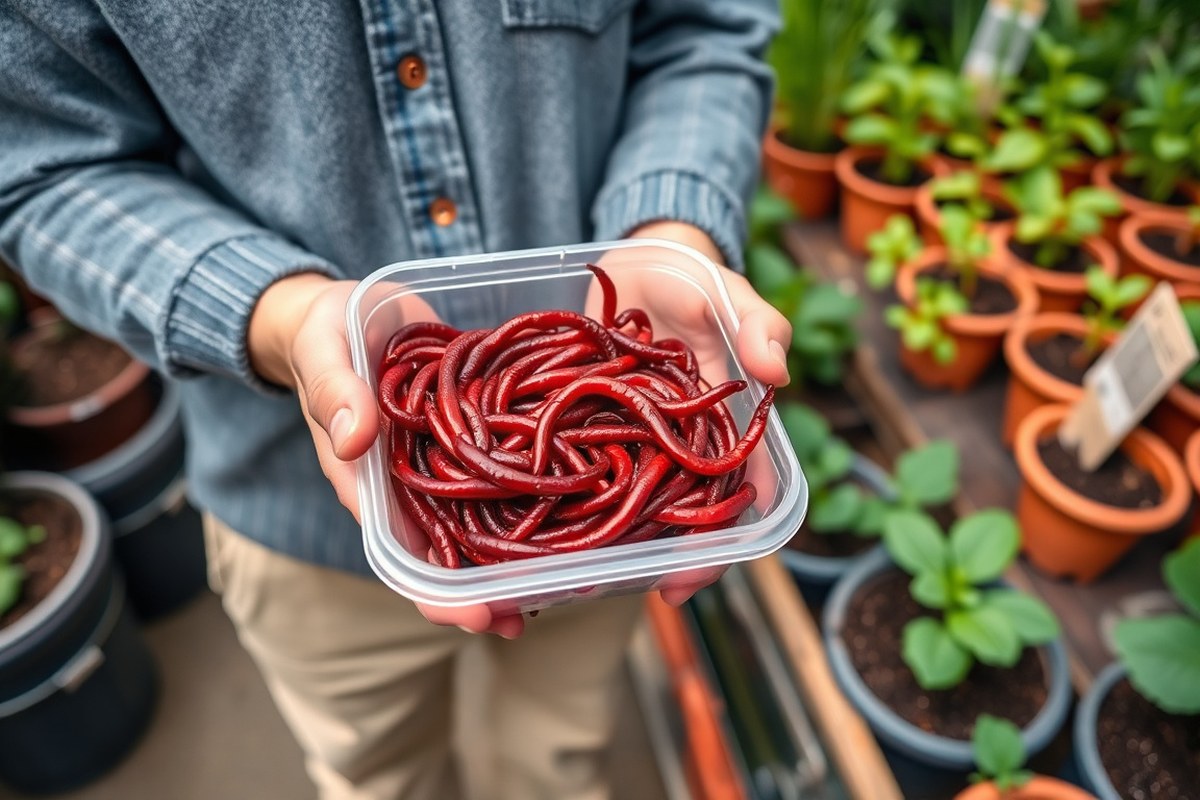
You can buy worms both locally and online depending on your needs. Local options include garden centers and bait shops.
Online sellers offer a wider range and convenient shipping. Choosing the right place helps you get healthy composting or bait worms safely.
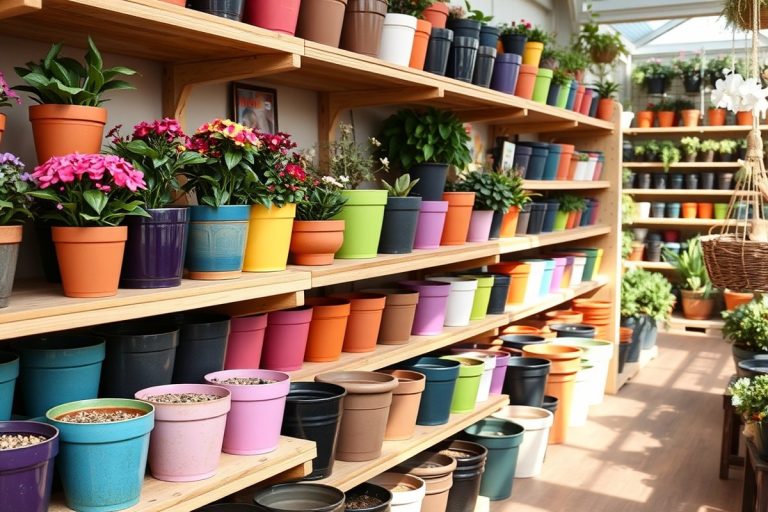
Local Garden Centers and Nurseries
Many garden centers stock red wigglers or other composting worms during the warmer months. These worms come in small packs for beginners starting worm bins. They work well for home compost heaps.
Choose these if you’re new to vermiculture. Visiting in person lets you inspect the worms and get advice from staff.
Call ahead to ask if they have the worm species you want. Some nurseries keep these worms year-round, especially in milder climates. Prices range from $10 to $30 per pound depending on location and worm type.
Bait and Tackle Shops
Bait shops often carry nightcrawlers and other earthworms used for fishing. Nightcrawlers also serve well for soil aeration in gardens.
Bait stores usually sell worms by the dozen or pound. Stock tends to be fresh during fishing season.
You can check local listings or call ahead to confirm availability. These shops can be good for quick purchases but may not specialize in compost worms. Worms from bait stores may not be ideal for vermicomposting because of different care needs.
Reputable Online Worm Suppliers
Online sellers often have more worm types to choose from. You can find red wigglers, European nightcrawlers, and crab worms. This option suits those wanting variety.
They provide detailed descriptions, bulk options, and shipping nationwide. Many ship live worms safely when temperatures are below 85°F (29°C) to protect them during transit.
Look for suppliers with good reviews and clear health guarantees. Buying worms online works well for large or rare worm orders. Prices range from $25 a pound to over $100 for bulk packs.
This can save you money on bigger buys. Expect shipping to take two to five days, with worms arriving in breathable packaging.
- Pure red wigglers for standard vermicomposting
- European nightcrawlers for soil aeration
- Bulk worm packages for large farms
- Worm composting kits including bins and tools
- Live worms shipped with temperature controls
- Detailed customer support and phone contact
Verify shipping dates and weather conditions before ordering live worms. Many sellers only ship during safe temperature windows to avoid heat stress on the worms. Follow all steps to get worms used to their new home.
This helps them settle quickly and start composting. Doing this right improves worm health.
Farm Supply and Feed Stores
Feed stores and farm supply shops sometimes carry composting worms, especially in rural or agricultural areas. They tend to stock worms in bulk for farmers or gardeners with larger compost setups. Prices here may be competitive compared to garden centers.
Check local listings or call these stores directly. Availability varies depending on the season and local demand. When buying worms in bulk, expect less packaging used.
You’ll likely need to prepare a proper container beforehand. This keeps the worms safe during transport.
Key Differences Between Common Worm Types
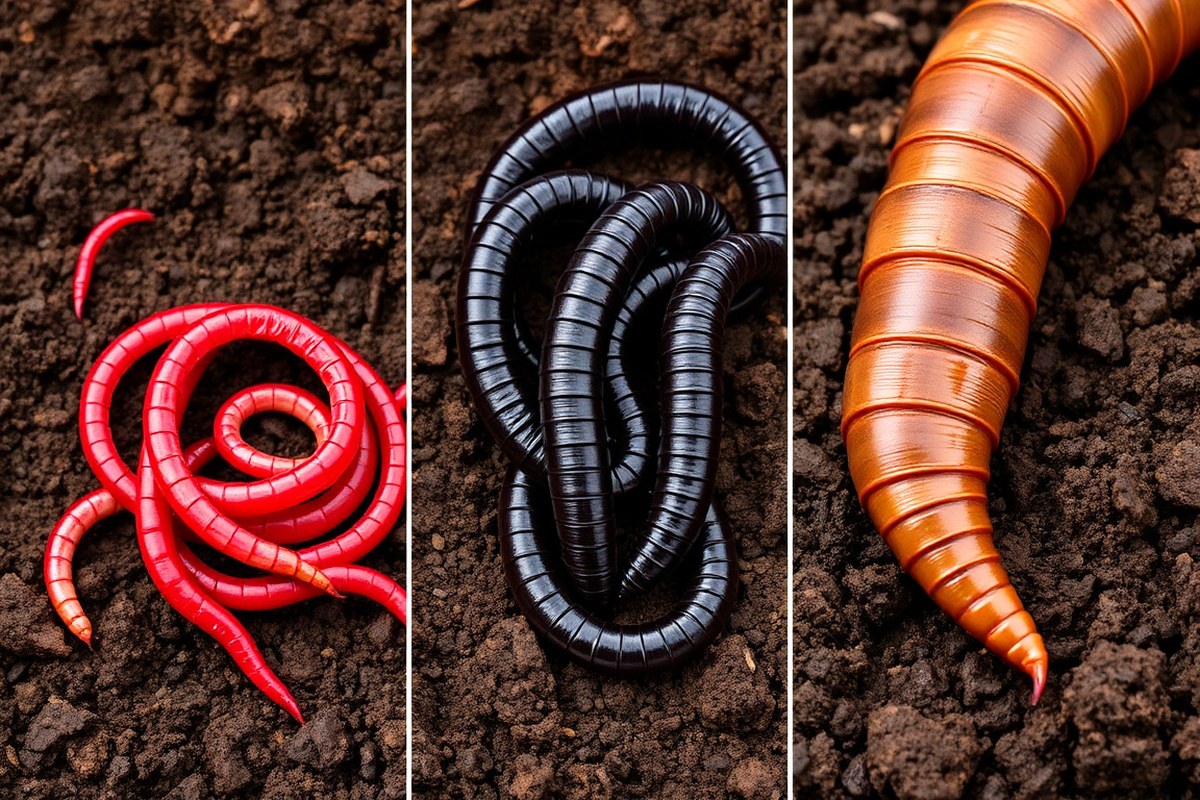
Choosing the right worm depends on your composting or gardening needs. Red wigglers are great for beginners and food scrap composting.
European nightcrawlers handle cooler temperatures better and suit garden beds. African nightcrawlers grow larger and are great bait or for big compost piles.
Red Wigglers (Eisenia Fetida)
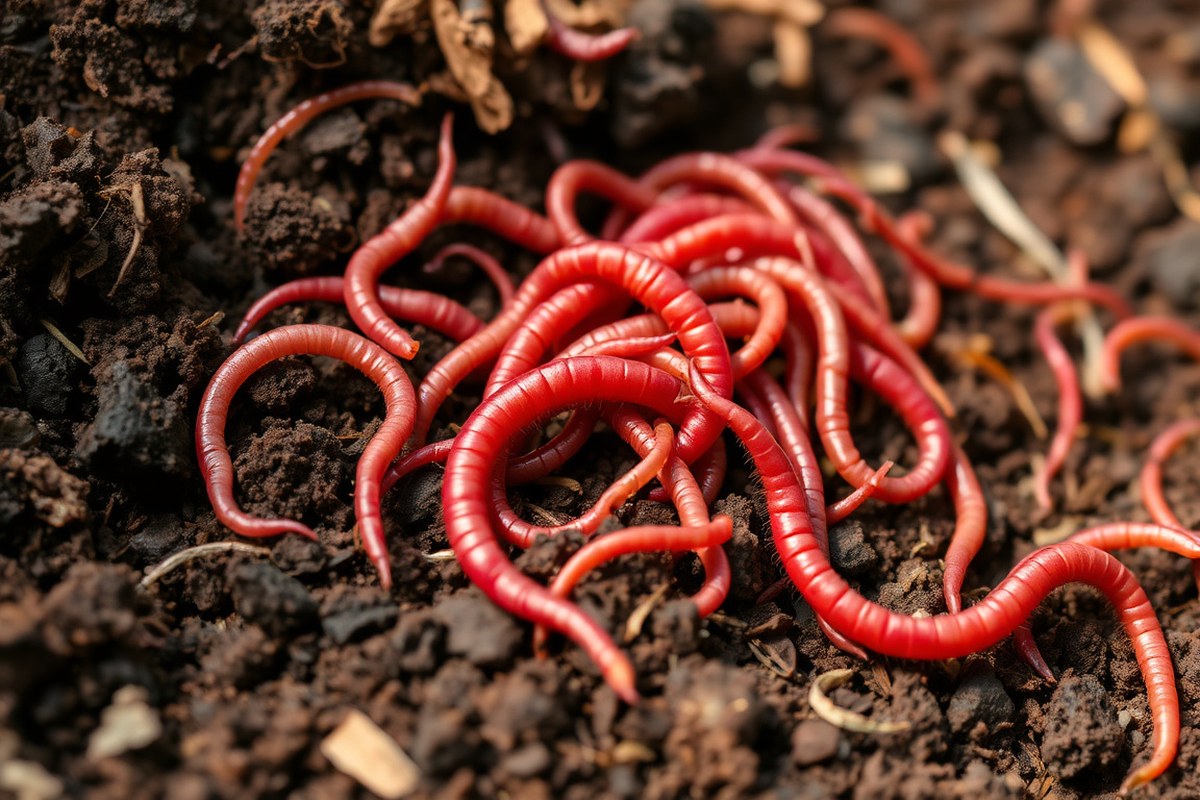
Red wigglers are the most popular composting worms. They reproduce fast and eat their weight in food scraps every day. These worms tolerate close quarters, making them perfect for worm bins and indoor composting.
They have five hearts and no eyes but can sense light to avoid danger. Red wigglers thrive between 55°F and 77°F. They struggle in temperatures below 50°F or above 85°F. So keep your bin in a temperature-controlled spot.
European Nightcrawlers (Eisenia Hortensis)
European nightcrawlers are bigger than red wigglers and work well for both composting and garden beds. They tolerate cooler temperatures better, handling 50°F to 70°F comfortably. That makes them a good choice for outdoor compost during colder months.
These worms move between compost bins and soil, helping aerate garden beds. They also serve well as fishing bait because of their size and hardiness. Their slower reproduction rate means you’ll need more worms if composting heavily.
African Nightcrawlers (Eudrilus Eugeniae)
African nightcrawlers are larger and faster-growing than the other two species. These worms prefer warmer conditions, thriving best between 75°F and 85°F. They’re excellent for big compost piles and worm farms in warm climates.
They’re popular for bait because of their size and durability in water. However, they don’t tolerate cold well and may die if temperatures dip below 60°F. African nightcrawlers also reproduce quickly but need more space than red wigglers. Here’s a quick comparison to help pick the right worm:
| Characteristic | Red Wigglers | European Nightcrawlers | African Nightcrawlers |
|---|---|---|---|
| Scientific Name | Eisenia fetida | Eisenia hortensis | Eudrilus eugeniae |
| Best Temperature Range | 55°F, 77°F | 50°F, 70°F | 75°F, 85°F |
| Reproduction Speed | Very fast | Moderate | Fast |
| Size | Small (3, 4 inches) | Medium (4, 6 inches) | Large (6, 8 inches) |
| Ideal Use | Indoor worm bins, food scrap composting | Composting & garden beds, fishing bait | Large compost piles, warm climates, fishing bait |
| Tolerance to Cold | Low | Moderate | Low |
| Common Purchase Source | Worm farms, online sellers | Worm farms, bait shops | Worm farms, online specialty shops |
Picking worms meant for composting, like red wigglers or European nightcrawlers, helps avoid surprises. Some worms sold as fishing bait may not compost well or reproduce efficiently. Match the worm to your project and climate for best results.
Only buy African nightcrawlers if your climate stays warm year-round or you can keep them indoors.
How to Choose the Right Quantity of Worms
Check your compost bin or garden area size first. This helps you know how many worms to buy. Start with one pound of red wigglers per square foot.
This rule works well for most bins. For a 4-square-foot bin, that means about 4 pounds of worms. This gives them enough space to eat and breed well.
Buying too few worms slows down composting because they take longer to multiply. Too many worms crowded together can also stress them and create an unhealthy environment.
One pound of worms usually has around 1,000 red wigglers. This weight gives you a solid starting population.
Prices vary by worm type and seller. Expect about $30 per pound for common compost worms. Buying larger quantities often lowers the price per pound.
Plan a large compost or small farm? Look for bulk worm sales.
Bulk buys cost less but need more care. Keep bedding and moisture right to protect worms.
For home gardeners, a pound or two of worms is a good start. You can always add more later as your system grows. Commercial-scale buyers should calculate their feeding and bedding needs carefully before buying hundreds of pounds.
Buy the right worm amount for your setup. This avoids waste and keeps worms healthy and busy.
Also, check if your garden soil already has wild earthworms. Your setup size matters. You may need fewer worms than usual.
Watch how your worms settle in during the first few weeks. Healthy worms will multiply and settle quickly if the environment suits them.
What to Ask Sellers to Ensure Healthy Worms
Before buying worms, ask sellers about the worms’ source and care routine. Knowing where the worms come from reveals if they grew in healthy, chemical-free environments. Check how fast the seller ships the worms.
Aim for delivery in one or two days. This keeps the worms lively.
Inspecting worms before purchase helps spot healthy specimens. Healthy worms look plump, move actively, and have moist, unbroken skin.
Avoid worms that smell bad or move slowly. Bad smell or sluggishness means poor health or wrong handling.
Use this checklist when talking to a seller. Check worms in person for quality. Ensure their viability before buying.
- Ask if worms come from chemical-free, organic bedding
- Request details on feeding, moisture, and temperature care
- Check returning customers’ reviews for seller reliability
- Confirm worms are shipped quickly, ideally in 1-2 days
- Request a worm sample or a photo before buying
- Look for firm, active worms without foul odors
- Avoid sellers with repeated reports of dead worms or short counts
Talking directly with sellers helps, especially those who raise thousands of worms. They can answer specific questions about worm bedding and troubleshooting problems. Good sellers let you inspect worms or their living conditions before buying.
Healthy worms double their population roughly every 90 days in good settings. This shows that worms you buy should be strong and ready to reproduce. Ask if you can order castings with the worms.
This shows what active worm activity looks like. It helps you spot health signs later.
Seasonal Considerations for Safe Worm Purchase and Shipping
Spring and fall offer the best times to buy worms for shipping or local pickup. Temperatures in these seasons usually range from 50°F to 70°F. This range helps reduce heat or cold stress on worms.
It keeps worms comfortable and active. Shipping worms during these months helps them survive transit and settle well in your compost setup.
Extreme heat in summer can cause worms to overheat during shipping. Temperatures above 85°F may reduce their survival and productivity once you get them. Cold winter weather can freeze or slow down worms.
Long transit times over one day increase this risk. The worms become less healthy during long cold trips.
Worms can survive 3 to 5 days without food in transit. But cooler, stable temperatures make that easier.
Most sellers, like Meme’s Worms, use breathable packaging and clean bedding to protect worm health. They often recommend opening packages quickly and acclimating worms to fresh bedding within 24 hours.
Local purchases reduce risks from extreme weather by letting you pick up worms directly. Buying worms locally keeps them safer in winter or summer. It reduces the risk from extreme temperatures during shipping.
Locally bought worms arrive healthier and ready to use. You can introduce them to your bin right away, avoiding delays or temperature shocks.
Order at least one pound of worms to cover shipping stress and get a strong start. That usually costs around $13 to $20 without extra feeding supplies. Follow seller advice on feeding small amounts at first to help worms adjust and grow fast.
Don’t leave shipped worms sealed or in hot sun. Open and move them within hours to stable bedding.
Best Practices for Transporting and Acclimating New Worms
Transporting worms safely ensures they arrive active and ready to work in your compost or garden. Worms like cool, moist places. They can die if too hot.
Dry transit also harms them. Taking simple steps protects them from stress and keeps them healthy for faster composting.
Once home, worms need time to adjust to their new environment. You can’t just dump them into your compost bin or soil without prep. Introduce fresh bedding slowly.
Let worms get used to new food. This helps them settle and produce castings faster.
- Keep worms cool and shaded. Transport worms in a cool area of your car, away from direct sunlight. Use a cooler bag or box with ventilation holes to maintain air flow. Avoid the trunk on hot days.
- Keep bedding moist, not wet. Check the worm container or bag to ensure the bedding isn’t soggy or dry. Moisten with a spray bottle if needed. Worms breathe through their skin. So moisture is critical but too much water suffocates them.
- Minimize transport time. Plan to bring worms straight home in under two hours when possible. Longer trips increase stress and risk temperature swings.
- Prepare your worm bin ahead. Prepare your compost bin or garden soil first. Add fresh bedding like shredded newspaper or cardboard. Use finished compost too. Keep bedding moist and loose for worms to move freely.
- Gently introduce worms. Pour new worms onto the surface of your prepared bedding. Don’t bury them deeply. They will naturally move downward to avoid light and find food.
- Feed sparingly the first week. Provide small amounts of food scraps or finished compost. Worms adjust gradually to new diet and conditions. Overfeeding causes odors and attracts pests.
- Maintain moist, dark conditions. Cover the bin with a damp cloth or lid to keep humidity high and light out. Check moisture every few days and add water or dry bedding as needed.
- Let worms settle before harvesting. Give worms about two weeks to acclimate before expecting strong casting production. Active, healthy worms will spread through the bin and improve soil quicker.
Following these steps protects worms from heat, dryness, and stress during transport. It also helps them start working faster once added to compost or garden beds. Taking time to acclimate worms means better soil and happier worms that last longer.
Additional Supplies to Buy with Your Worms
Worm bedding provides a comfortable home for your composting worms. It keeps them moist and gives them space to move and lay eggs. A good worm bedding costs about $14 per bag.
It lasts a few months. Then, you need to refresh it.
You can use shredded newspaper, cardboard, or coco coir as bedding. Coco coir holds moisture well and is clean and easy to manage. Avoid bedding that is too wet or too dry to prevent worm stress and slow reproduction.
Worms also need proper food to stay healthy and compost effectively. Regular kitchen scraps like fruit and vegetable peelings work best.
Avoid citrus, oily, or spicy foods that harm worms or attract pests. Worm chow pellets offer a balanced, convenient option if you want easier feeding.
- Worm bedding like shredded paper, cardboard, or coco coir
- Worm food: fruit and vegetable scraps or worm chow pellets
- Moisture meter to monitor bedding dampness
- A breathable worm bin or container with drainage holes
- Gloves to handle worms and bedding comfortably
- A spray bottle to keep bedding moist without overwatering
- Optional: oyster shell flour to balance pH and aid digestion
Choose a container that fits the number of worms you buy. It needs air holes and a lid to keep pests out but allow airflow.
Keeping bedding moist but not soggy is key, around 70% moisture. You’ll spot healthy worms as plump and active, mostly hidden in bedding but visible when disturbed.
Too wet bedding leads to bad smells and worm deaths from lack of oxygen. Dry bedding slows worm action and causes stress. Adjust moisture by spraying with water or adding dry shredded paper if needed.
Routine maintenance and the right supplies help your worm bin thrive. You will see faster composting and happier worms with these basics covered.
How to Maintain and Monitor Worm Health over Time
Worm health depends on steady feeding, proper moisture, and a safe home. You need to keep their bedding fresh, feed appropriate scraps, and watch for signs of stress. Healthy worms will breed fast, usually doubling in 12 weeks under good conditions.
Feeding and Bedding Maintenance
Feed worms fruit and vegetable scraps, coffee grounds, and crushed eggshells. Avoid citrus, oily foods, and meat to prevent bad odors and pests. Add food in small amounts every few days depending on worm numbers.
Keep bedding moist but not soggy. Use shredded newspaper or cardboard as bedding, changing it every few weeks when it breaks down. Fresh bedding gives worms a stable place to retreat through temperature changes.
Ideal Temperature and Moisture Levels
Worms thrive best between 55 and 77°F. Too cold or hot slows breeding and eats stress. Keep your worm bin away from direct sun and freezing spots.
Maintain moisture like a wrung-out sponge, around 70% damp. Too wet bedding lowers oxygen and causes foul smells. Check daily and add dry bedding if needed.
Signs of a Healthy Worm Population
Healthy worms are active, reddish, and smooth-bodied. They consume scraps steadily and produce lots of dark, crumbly castings. You’ll likely see cocoons and new small worms within weeks.
A steady population growth, roughly doubling in three months, shows good health. The bin should smell earthy, never rotten or sour. Worms also burrow into bedding, mixing it well.
Common Problems and Troubleshooting
Check for bad smells that mean too much moisture or food waste. Remove wet parts and add dry bedding to fix it.
Worms crawling out of the bin mean they feel stressed. Light, heat, or bad conditions often cause this.
Slow reproduction or dead worms point to cold, dry, or acidic bedding. Adjust conditions gradually and reduce feeding to give worms a break. Avoid overcrowding by splitting your worm farm if needed.
Put your worm bin in a cool, shaded spot. This helps stop temperature shocks. Temperature shocks can stress your worms.
Step-by-Step Action Plan for Buying and Caring for Worms
Follow these steps to get your worms settled and active in your compost or garden.
- Before you buy: Decide which worm type suits your project, like red wigglers for composting. Check local or online sellers for availability.
- Day 1: Purchase your worms along with bedding and a container. See that the worms look lively and moist.
- Day 2: Let your worms get used to the new space. Keep the package close to their bed for a few hours. This helps them settle without stress. This helps minimize shock.
- Day 3-4: Put worms into the prepared bedding with food scraps. Check that they start burrowing within a day.
- Week 1: Monitor moisture and temperature daily. Keep bedding damp like a wrung-out sponge to keep worms healthy.
- Week 2: Add small amounts of food waste regularly. Watch for signs of overfeeding, like bad odor or escaped worms.
- Month 1: Start harvesting worm castings as the bedding reduces. Your worms should be healthy and multiplying by now.
Frequently Asked Questions
Can I Buy Worms and Put Them in My Garden?
Yes, you can buy worms to add to your garden soil. They help break down organic matter in the soil.
This improves soil health. They also aerate soil, helping plants grow better.
Where Do You Get Worms From?
You can get worms from local garden centers, bait shops, or directly from worm farmers. Buying from a trusted source ensures the worms are healthy and suited for your purpose.
How Can I Keep Nightcrawlers Alive?
Keep nightcrawlers in cool, moist soil or bedding with good airflow. Avoid exposure to heat above 85°F and direct sunlight, which can harm them quickly.
How Much Do 1000 Worms Cost?
Prices vary, but 1000 compost worms usually cost around $30 to $40. Cost depends on the worm species and the seller’s location or shipping fees.
Where to Purchase Worms?
Local garden centers, bait shops, farmers markets, and online worm farms offer worms for sale. Choose a source with good reviews and healthy worms to get the best results.
Can I Use Fishing Bait Worms for Composting?
Bait worms may not work well for composting; choose compost-specific worms like red wigglers. Compost worms are better adapted to breaking down organic waste efficiently.
The Bottom Line
Good worms come from careful sellers and good care. Start by choosing the right worm for your needs. Then, get your supplies and settle your worms gently today.