What Is Proper Humidity for a House: A Complete Guide with Seasonal Tips
What is proper humidity for a house? The ideal range is between 30% and 50% relative humidity.
That level keeps your home comfortable and protects your health. It also helps stop mold and mildew growth, which can damage your walls and furniture.
Too much moisture above 60% makes your home a breeding ground for mold and dust mites. Too little humidity dries your skin, nose, and throat, causing discomfort and sometimes irritation. Keeping humidity steady between 30% and 50% helps avoid these problems.
Start by measuring your home’s humidity with a reliable hygrometer. Check your indoor levels often during cold winters when heating dries the air. In hot summers, air conditioning can lower humidity too much or let moisture build up inside.
Key Takeaways
- Keep indoor humidity between 30% and 50% to stay comfortable and healthy.
- Avoid letting humidity rise above 60% to prevent mold and mildew.
- Use a quality hygrometer to measure humidity accurately in your home.
- Check humidity daily during extreme outdoor temperature changes.
- Lower humidity when you notice dampness or a musty smell in any room.
- Add a humidifier during dry seasons to maintain at least 30% humidity.
What Is the Ideal Humidity Range for a House?
Keeping your home’s humidity between 30% and 50% is best. This range helps your health and comfort. It also protects your home.
Relative humidity measures moisture in the air. It compares to the max the air can hold at that temperature. When humidity stays in this range, it feels comfortable, prevents dryness, and limits moisture-related problems.
Humidity higher than 50% can make the air feel sticky and encourage mold and dust mites. The EPA advises keeping indoor humidity below 60% to avoid these issues.
Humidity under 30% causes dry skin and irritated eyes. It can also harm wood floors and furniture.
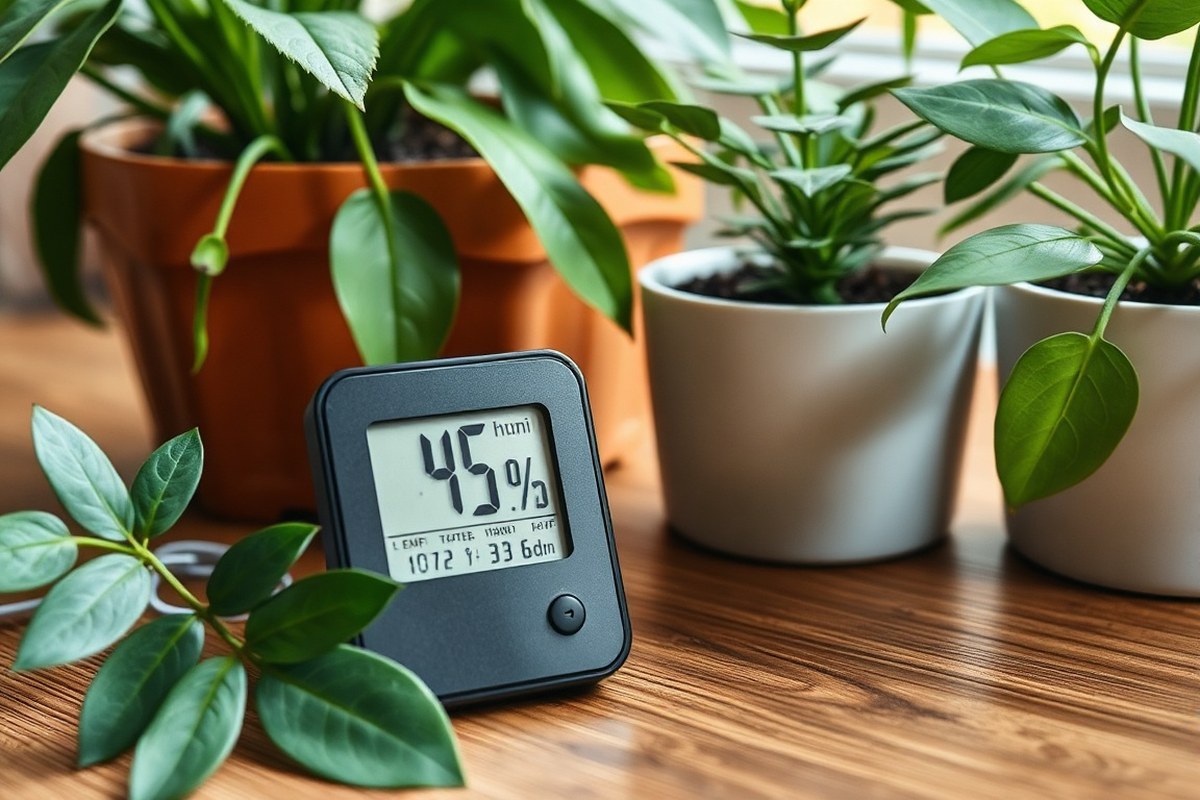
You can measure relative humidity with an affordable digital hygrometer, usually costing $10 to $30. Place it in main living areas and bedrooms to monitor levels.
Use a humidifier or dehumidifier to fix humidity outside 30% to 50%. This helps your home’s health and comfort.
How Outdoor Temperature Influences Indoor Humidity Targets

Indoor humidity levels need to adjust as outdoor temperatures change. Colder air holds less moisture, so you must keep indoor humidity lower in winter. This prevents damp surfaces from forming condensation, which can damage walls, windows, and promote mold growth.
When it’s below 20˚F outside, indoor humidity needs to drop. This prevents moisture buildup on cold surfaces. Lower humidity helps keep walls and windows dry.
High humidity during winter lets water vapor settle on walls and windows. This causes peeling paint, mold, and wood rot, especially where insulation is poor.
You can keep humidity around 50% during warmer months. Warm air holds more moisture. So higher indoor humidity is okay then.
But in summer, excess humidity can feel sticky and encourage mold in damp areas. Here’s a quick reference for safe indoor humidity targets based on outdoor temperature.
| Outdoor Temperature | Indoor Humidity Target | Main Concern |
|---|---|---|
| Below 0˚F | 15% or lower | Prevent condensation on very cold surfaces |
| 0˚F to 20˚F | 30% to 40% | Avoid window and wall moisture buildup |
| 20˚F to 50˚F | Up to 40% | Balance moisture without condensation risk |
| Above 50˚F | 40% to 50% | Prevent excess humidity and mold growth |
Adjust your indoor humidity as the seasons shift to match these ranges. Use a hygrometer to track it regularly, especially during cold snaps.
Notice window condensation or damp spots? Lower the humidity level quickly.
Keep winter humidity under 40% to stop moisture on cold windows and walls.
Running a humidifier in winter needs caution. Humidity above recommended levels can cause condensation on well-insulated windows.
Very dry air under 25% causes dry skin, irritated eyes, and breathing trouble. A balance keeps your home comfortable and safe.
Set your dehumidifier or humidifier controls to these targets based on outdoor temperature each day. This practice protects your home structure and helps maintain healthy air quality year-round.
Measuring Humidity in Your Home Accurately
To measure your home’s humidity accurately, use a quality hygrometer and place it thoughtfully. Checking several rooms at different times helps capture a clear picture. This approach guides you on when and where to look for reliable readings.
Choosing the Right Hygrometer Type
Digital hygrometers work well for home use. They offer readings within about 1 to 2 percent accuracy. This precision helps you trust what you see, especially when small changes matter.
You can find these devices for $10 to $30 online or at home stores. Avoid analog models because they often lack accuracy and can be harder to read. A digital meter with a clear display simplifies regular monitoring.
Best Placement Locations for Accuracy
Put a hygrometer in key rooms like bedrooms and the basement. These areas often show different humidity levels that impact comfort and mold risk. Avoid placing it near vents, windows, direct sunlight, or moisture sources like sinks and showers.
Basements tend to be damper, so a hygrometer there helps spot early moisture problems. The bedroom gives a good view of your personal air comfort. Also, placing one near a frequently used bathroom helps check if humidity spikes stay brief.
Timing and Frequency of Measuring
Give the hygrometer time to settle after moving it, about 30 minutes for an accurate reading. Humidity fluctuates throughout the day.
So check readings morning, afternoon, and evening for the best overview. Take readings in multiple rooms to spot differences.
Checking weekly during spring or fall helps catch changes as outdoor temperatures shift. In winter and summer, measure every few days in damp or dry spots. Watching regularly helps catch trends and decide when to adjust humidifiers or dehumidifiers.
Health and Comfort Effects of Incorrect Humidity Levels
Humidity below 30% can dry out your skin and nasal passages. This often leads to nosebleeds and irritated respiratory tracts. Dry air also causes static electricity, which can shock you and damage electronics.
High humidity above 60% supports mold growth and dust mites in your home. These allergens worsen asthma and cause breathing problems. The air feels heavy and uncomfortable, which can disturb your sleep.
Humidity affects allergies by making dust mites and mold thrive when levels exceed 60%. These irritants trigger asthma attacks and nasal congestion. You might notice more coughing or wheezing in rooms with poor humidity control.
Sleep is best when humidity stays near 45% to 50%. Levels above 60% can make the room feel stuffy and hot. Lower than 30% causes dryness, which disrupts comfortable breathing during sleep.
Keeping bedroom humidity around 45% helps you breathe easier and improves sleep quality. Many modern HVAC systems control humidity well. You can raise low moisture using a humidifier in your home.
To reduce high moisture, try a dehumidifier instead. Both devices help balance indoor humidity levels.
Extreme indoor dryness in winter increases skin cracks, colds, and maintenance costs. On cold days, avoid letting indoor humidity exceed 35% to prevent condensation and mold. Proper humidity protects your health and your home.
How to Manage High Humidity and Prevent Mold Growth
High humidity makes mold and damage more likely in your home. You can lower moisture by fixing leaks, using dehumidifiers, and improving ventilation. Removing the moisture source is the key to long-term control and stopping mold growth.
Using Dehumidifiers Effectively
Dehumidifiers help reduce humidity quickly in damp rooms. Run them in spots with steady humidity above 60%, like basements or bathrooms. Keep doors closed and windows shut to maximize their effect.
A dehumidifier costs about 30 to 50 watts per hour depending on size. Continuous use can raise your electric bill, so use it only when needed. Empty the water reservoir often or hook up a drain hose for ongoing operation.
Dehumidifiers remove moisture from the air to reduce humidity. They help with symptoms but don’t stop leaks or condensation.
Fixing leaks requires other repairs. Use them alongside other steps for the best results in stopping mold.
Ventilation and Exhaust Fan Strategies
Good ventilation removes moist air and brings in drier air. Turn on exhaust fans in bathrooms, kitchens, and laundry rooms whenever you use water. Bathrooms with humidity sensors automate this and prevent excess moisture buildup.
Opening windows after showering or cooking helps lower humidity if the outdoor air is drier. Run ceiling fans or portable fans to speed airflow and reduce pockets of damp air.
Regularly servicing your air conditioner helps. It removes moisture as it cools. So keep it clean and working properly to lower indoor humidity efficiently.
Fixing Common Moisture Sources
Leaks from pipes, roofs, or appliances often cause high humidity in one room. Inspect basements and crawl spaces for damp foundations or leaking pipes. Repair or replace anything leaking.
Condensation forms on cold surfaces like windows and poorly insulated walls. Adding insulation and sealing gaps helps stop this moisture source. Avoid drying clothes indoors and check for damp materials regularly.
Control how much water you bring indoors. Fix dripping faucets and don’t overwater houseplants. These small fixes reduce steady moisture that feeds mold.
Timing for Humidity to Return to Normal
Humidity stays high for hours after showering or cooking. It usually takes a few hours to return to normal. This happens because water adds moisture to the air.
Running an exhaust fan while using water speeds up drying. It can cut humidity time to under an hour. This helps keep the air drier faster.
For leaks or flooding, dry wet materials within 24 to 48 hours. The EPA says this prevents mold growth most effectively. Delays beyond two days raise mold risks significantly.
Persistent humidity spikes mean you should check for hidden moisture. Ventilation and dehumidifiers can help. But fixing the source is the fastest route back to normal.
Don’t wait to dry wet areas, mold can start in just 48 hours after water damage.
When to Use a Humidifier to Increase Low Indoor Humidity
Use a humidifier when indoor humidity falls below 30%. Set it to maintain humidity between 30% and 50% to avoid dry air problems. Avoid going over 50% to keep excess moisture from causing damage or mold.
Signs You Need a Humidifier
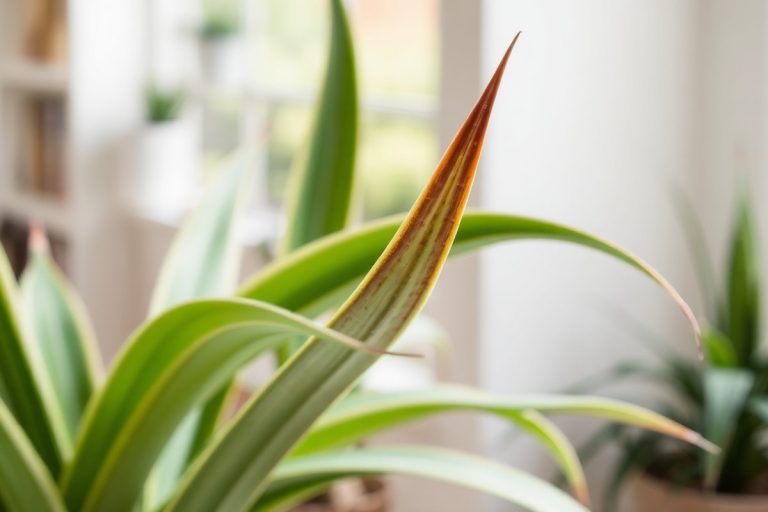
You’ll feel dry nose, itchy skin, or irritated eyes when humidity is too low. Cold, dry winter air often causes these problems inside homes. Plants may also show stress with brown leaf edges if humidity is too low.
Another sign is static shocks or wooden furniture cracking. These indicate indoor air is pulling moisture from surfaces and your body. Watch closely during colder months when heaters run continuously.
Setting Target Humidity Levels
Keep your humidifier set between 30% and 50% relative humidity. Aim for about 40% in bedrooms to help with comfort and easier breathing. A digital hygrometer can help you see exact readings and adjust settings precisely.
Remember to check outdoor temperatures. If it’s below 10°F outside, keep indoor humidity closer to 30%.
This prevents condensation on windows and cold surfaces. Adjust your humidifier as the seasons change to avoid moisture problems.
Humidifier Types and Their Uses
Evaporative and ultrasonic humidifiers are popular for bedrooms. Ultrasonic models run quietly and use little electricity, making them good for sleeping areas. Evaporative units offer natural moisture output and are less likely to over-humidify.
Whole-house humidifiers attach to your HVAC system for consistent humidity control. A smaller room humidifier gives more control over individual spaces. Pick a type that fits your budget and the rooms you want to humidify most.
Avoiding Excess Moisture Problems
Keep levels below 50% to prevent mold and dust mites growth. Too much moisture leads to musty smells, sticky walls, and even damage to wood floors. Use a humidifier with a built-in humidistat to stop over-humidifying automatically.
Regularly clean your humidifier to prevent bacteria and mold inside the device. Avoid running it non-stop.
Turn it off when humidity is adequate, especially in milder weather. Dry air helps keep your home healthier and more comfortable without risking moisture buildup.
Room-by-Room Humidity Guidelines and Special Considerations
Bedrooms should hold humidity between 30% and 50%, which feels comfortable and reduces mold risk. Keep furniture about two inches from exterior walls to allow air circulation. This placement prevents hidden moisture buildup that can cause mold or damage.
Basements often run more humid due to cooler temperatures and ground moisture. Aim for the same 30% to 50% range, but check often. Using a dehumidifier helps lower dampness in your home.
Ventilate twice daily for 5 to 10 minutes when it’s cooler. This routine keeps air fresh and reduces moisture.
| Room | Recommended Humidity Range | Tips for Managing Humidity |
|---|---|---|
| Bedroom | 30%, 50% | Pull furniture 2 inches off exterior walls; monitor to prevent mold |
| Basement | 30%, 50% | Ventilate daily; use dehumidifier; check for damp spots |
| Bathroom | Under 60% (ideally) | Run exhaust fan during and 20 mins after showers; avoid indoor drying |
| General Indoor Areas | 30%, 50% | Ventilate twice daily; vent dryer outside; prevent moisture traps |
Bathrooms require more care because hot showers pump moisture into the air quickly. The goal is to keep humidity below 60% to avoid mold growth.
Always run the bathroom fan during and for 20 minutes after showers. This removes steam and dries surfaces faster.
You can improve overall indoor humidity by not drying laundry inside and venting your dryer outdoors. These common habits add extra moisture and can push humidity above ideal levels. Keep measuring devices away from walls and furniture to get accurate readings.
Common Humidity Management Mistakes and How to Fix Them
Ignoring outdoor temperatures is a common error that messes with your indoor humidity levels. When it’s between -20˚F and -10˚F outside, keep humidity low. Don’t let indoor humidity go above 20%.
This helps protect your home. Not adjusting devices for cold can cause condensation.
It can damage wallpaper and make paint blister. These problems happen without proper humidity control.
Many people place humidifiers or dehumidifiers in the wrong spots, which makes them less effective. These devices work best away from walls and corners, in open spaces where air flows freely. Putting them in closed areas may cause uneven humidity and persistent damp spots between rooms.
Overcorrecting humidity is another mistake. Trying to keep humidity exactly the same causes swings. These swings stress your HVAC system.
It also makes indoor air uncomfortable. Instead, aim for a range like 30-50% to avoid these issues.
- Check outdoor temperature daily and adjust humidity targets accordingly
- Place humidifiers/dehumidifiers in open areas, not corners or behind furniture
- Use a hygrometer in several rooms to spot differences and adjust devices
- Avoid drastic changes; keep indoor humidity steady within 30-50%
- Look for signs like peeling paint or mold to spot problems early
- Ventilate bathrooms and kitchens to reduce localized humidity build-up
- Clean and maintain your humidity devices regularly for best performance
Some rooms may feel damper than others. You might need more devices or better ventilation. This can fix the problem.
Persistent moisture that causes visible damage might require a professional inspection. Look for water stains, musty smells, or mold as clues that expert help is needed.
On very cold days (-10˚F to 0˚F), keep humidity below 25%. This prevents window condensation and frost buildup. It helps protect your home.
Routine checks keep humidity levels healthy and protect your home’s surfaces. Adjust your devices based on the season and weather changes. This approach prevents moisture damage and keeps the air comfortable all year.
Step-by-Step Action Plan to Keep Your Home’s Humidity Just Right
This plan helps you keep indoor humidity comfortable and safe year-round. Follow these steps to get started and check for success as you go.
- Day 1: Buy a digital hygrometer to measure your home’s humidity. Check readings in main rooms to see where you stand.
- Week 1: Adjust your HVAC system settings or vents to keep humidity between 30% and 50%. Use your hygrometer daily to track changes.
- Week 2: If humidity is too high, run a dehumidifier in problem areas. Notice less musty smells and no visible mold spots.
- Week 3: If humidity feels too low, add moisture. Use a humidifier in bedrooms or living areas, especially during winter. Feel less dry skin and breathing irritation.
- Before seasonal changes: Check weather forecasts and adjust humidifier or dehumidifier use accordingly. Your hygrometer should keep showing 30% to 50% humidity.
- Monthly: Clean and maintain humidifiers and dehumidifiers. This keeps devices working and avoids mold or germs spreading indoors.
- Whenever you notice: Look for condensation on windows or walls. Take steps to fix leaks or improve ventilation to prevent damage and health issues.
Frequently Asked Questions
What Is Proper Humidity for a House?
Proper humidity for a house is between 30% and 50% relative humidity. This range helps keep you comfortable and prevents mold and dust mites.
How Does Outdoor Air Affect Indoor Humidity Levels?
Outdoor air impacts indoor humidity because cold air holds less moisture. When heated, its relative humidity drops, often causing dry indoor air.
Can Running a Humidifier All the Time Cause Problems?
Running a humidifier nonstop can raise humidity above 50%, risking mold growth and dust mites. Use a hygrometer to monitor levels and avoid excess moisture.
Why Does Humidity Feel Different in Winter Compared to Summer?
Heated indoor air in winter drops relative humidity, making it feel drier. In summer, higher outdoor humidity raises indoor moisture, which can feel muggy.
What Damage Can Too Low or Too High Humidity Cause in a Home?
Low humidity dries out wood and causes static shocks. High humidity helps mold grow and damages paint and wallpaper. Balance prevents these issues.
How Often Should I Check My Home’s Humidity?
Check indoor humidity weekly during extreme seasons. Regular monitoring helps adjust humidifiers or dehumidifiers promptly for comfort and health.
Final Thoughts
Proper humidity keeps your home comfortable and protects your health. Use a hygrometer today to see your indoor moisture levels. Adjust as needed to stay in the 30% to 50% range for best results.