When to Put Lime on Grass: Complete Guide for Best Timing and Results
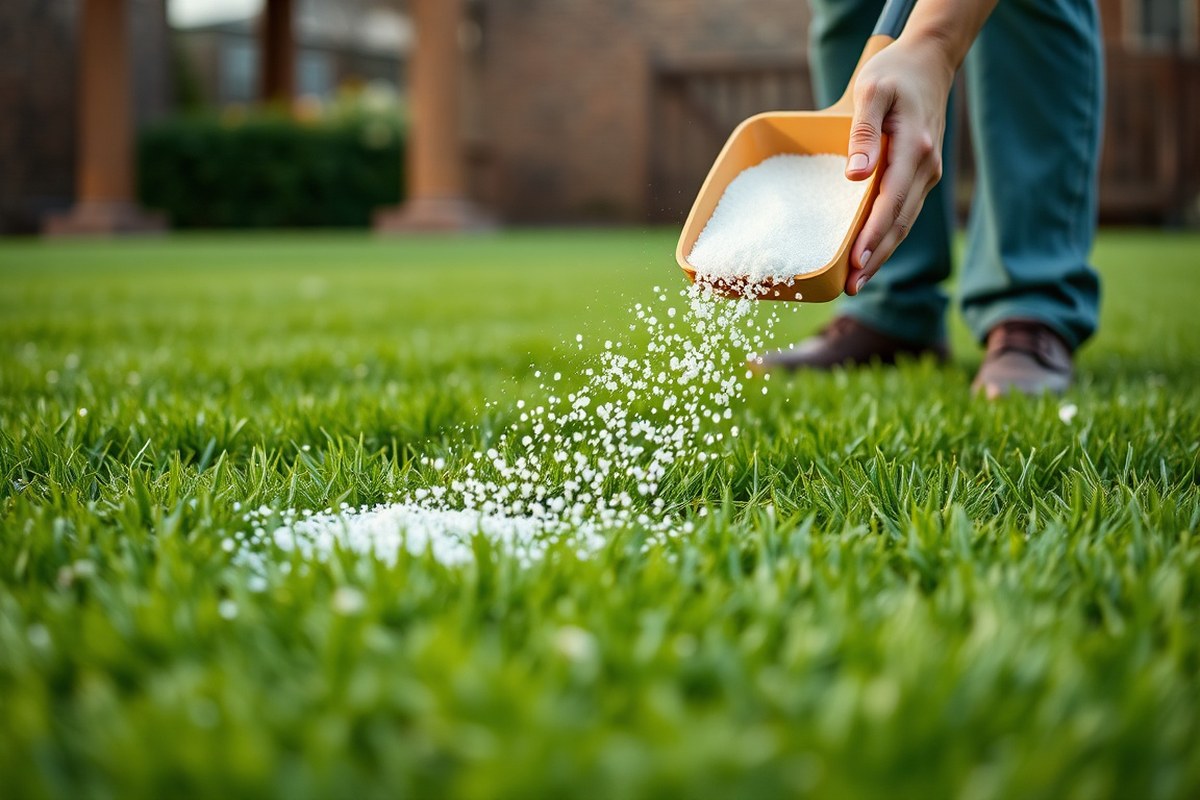
Knowing when to put lime on grass is key to healthy lawns. The best time is during early spring or fall when the grass is actively growing. These seasons help lime adjust soil pH slowly and improve nutrient uptake.
Start by testing your soil’s pH before applying lime. Grass grows best between a soil pH of 6 and 7. So lime is needed if the pH is below six.
Putting too much lime on your lawn can cause damage. Applying lime at the wrong time can also hurt grass. Use lime carefully to help, not harm, your lawn.
Lime works slowly, often taking six months to change the pH when using granular types. Plan your application well ahead of peak growth seasons to give lime time to work. Watering after spreading helps lime activate and blend into the soil more effectively.
Key Takeaways
- Test your soil every 2 to 3 years to monitor pH levels accurately.
- Apply lime in early spring or fall for the best lawn response.
- Use dolomitic lime if magnesium saturation is below 10% on your soil test.
- Sandy soils need smaller, frequent lime doses to avoid leaching past roots.
- Water your lawn with about 1 inch of water within 24 hours post-application.
- Re-test soil 6 to 12 months after lime application to check pH changes.
When Is the Best Time to Put Lime on Grass?
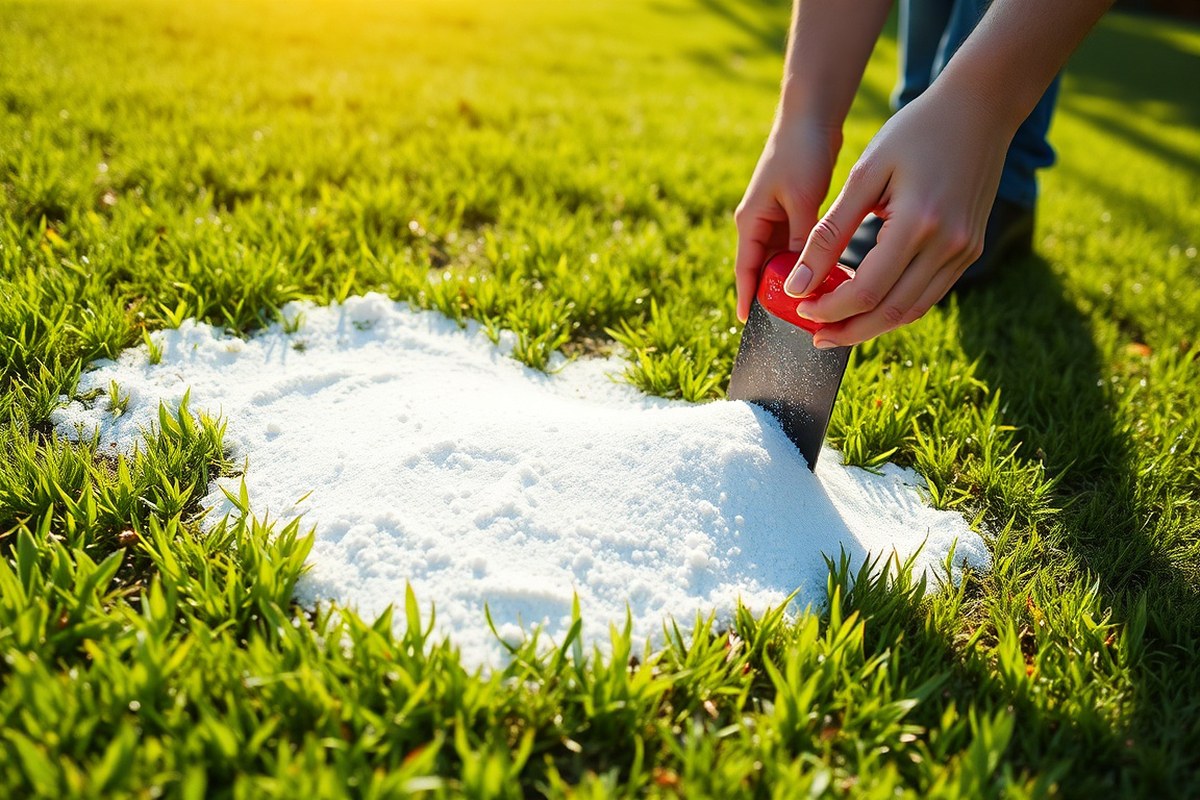
Apply lime in early spring, around March. Early fall, near September, works too. Most grasses respond best during these times.
The soil is cooler and moister then, helping lime break down and change your soil’s pH. These seasons let lime do its job before grass growth kicks in or slows down.
Test your soil before adding lime. Check pH levels and lime type needed. Choose a lime that suits your grass.
Avoid liming if your soil is already neutral or alkaline, as this can harm the grass. Grass types may shift your timing a bit. But spring and fall remain solid choices for most varieties.
Avoid applying lime during high heat or drought. Do not lime frozen soil. Lime won’t spread evenly or work well then.
Also, give lime time to settle before adding fertilizer or herbicide, usually a few weeks. This timing lets lime adjust the soil pH so fertilizers and weed killers perform better.
Your soil is sandy, so use smaller lime doses. Apply lime more often instead of one big treatment. Use about 15 pounds per 1,000 square feet yearly.
Split this amount into two applications. This prevents lime washing away and keeps pH steady. For other soils, a usual full dose once per season is fine.
You can save money and help lime work well by planning applications when rain is expected. Water helps lime settle into soil. Avoid applying lime just before heavy storms.
It prevents lime runoff and loss. Add lime gradually over a few years.
Don’t dump lots at once. Big doses can swing soil pH too far.
How Soil pH Affects Grass and When Lime Is Needed
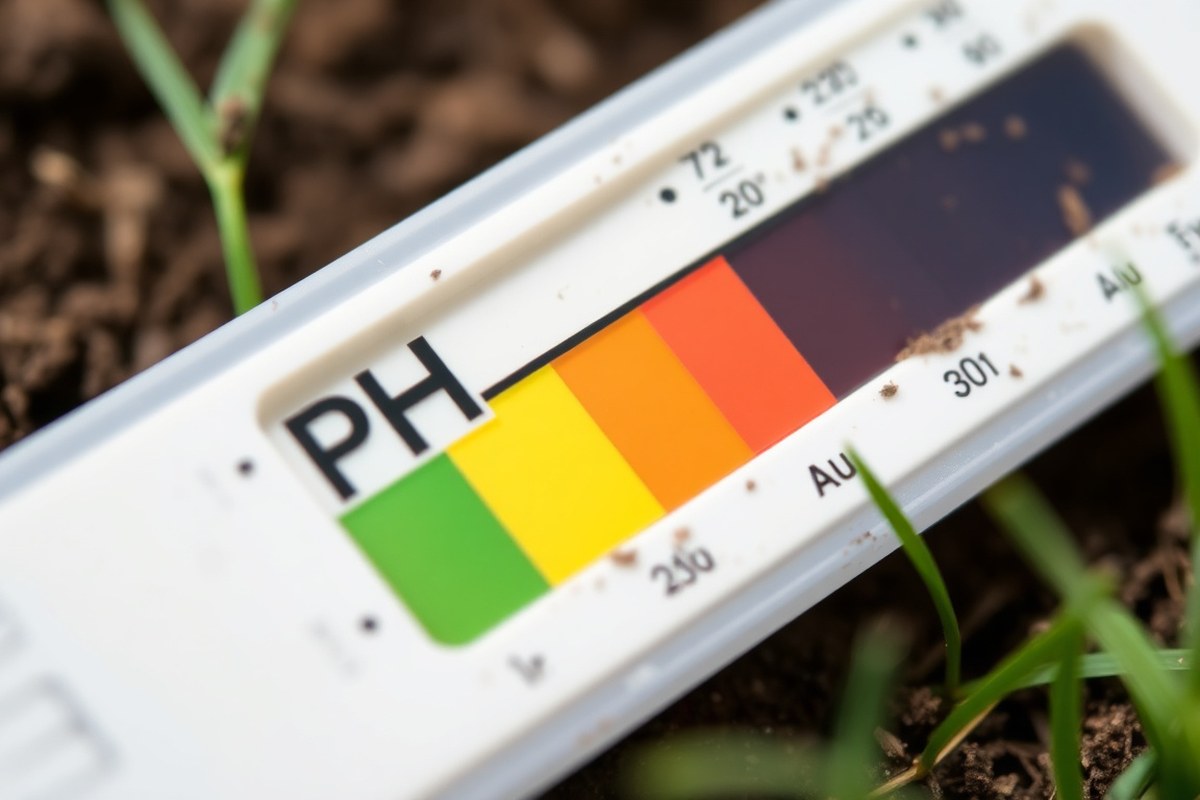
Soil pH affects how well grass absorbs nutrients like nitrogen and potassium. Grass grows best in soil with a pH between 6.0 and 7.0. When soil pH drops below 6.0, the soil becomes too acidic, limiting nutrient uptake and slowing grass growth.
Signs your lawn might be too acidic include thin, slow-growing grass and yellow patches. Moss or clover appearing in your lawn also suggests acidic soil. These plants survive better in low pH conditions where grass struggles.
The most reliable way to confirm if your lawn needs lime is through soil testing. You want to test every 2 to 3 years. A simple soil test kit costs $10 to $30.
You can also send samples to a local extension office. They provide more detailed results.
Your soil test shows the exact pH level. It also tells you how much lime to apply. This helps adjust your soil properly.
For example, lime is usually needed if pH is below 6.0. The report also guides lime amounts per 1,000 square feet, helping you avoid under- or over-application.
Some soils may also need dolomitic lime if magnesium base saturation is below 10%. This helps supply magnesium along with raising the pH.
Different grass types prefer slightly different pH levels. So testing can confirm the right balance for your lawn.
After applying lime, wait 6 to 12 months and re-test your soil pH. Improvements happen slowly, as lime gradually changes the soil chemistry. Better grass color appears when pH is ideal.
Grass grows thicker too. You also get fewer weed problems.
Don’t guess your lawn’s pH. Test the soil first to avoid wasted lime and unneeded expense.
Types of Lime: Choosing Between Calcitic, Dolomitic, Pelletized, and Liquid
Lime comes in different types based on material and form. The two main types are calcitic and dolomitic lime. They differ by their calcium and magnesium content.
You can pick from pulverized, pelletized, or liquid lime. Consider your lawn size and what’s easiest to use. Each type works well for different needs.
Calcitic vs Dolomitic Lime Differences
Calcitic lime is mainly calcium carbonate. It balances soil pH quickly and feeds calcium to the soil. It also helps soil microorganisms thrive better than dolomitic lime.
Dolomitic lime has calcium carbonate plus magnesium. It’s better if your soil lacks magnesium. A soil test costing around $20 to $30 can tell you which your lawn needs.
Choose dolomitic lime if your soil test shows magnesium deficiency. Go with calcitic lime if magnesium levels are fine and you want faster pH adjustment.
Comparing Pelletized, Pulverized, and Liquid Lime
Powdered or pulverized lime is the cheapest but creates lots of dust. It needs calm, windless days for safe application and can irritate eyes and lungs. It’s best for small areas or when you don’t mind extra cleanup.
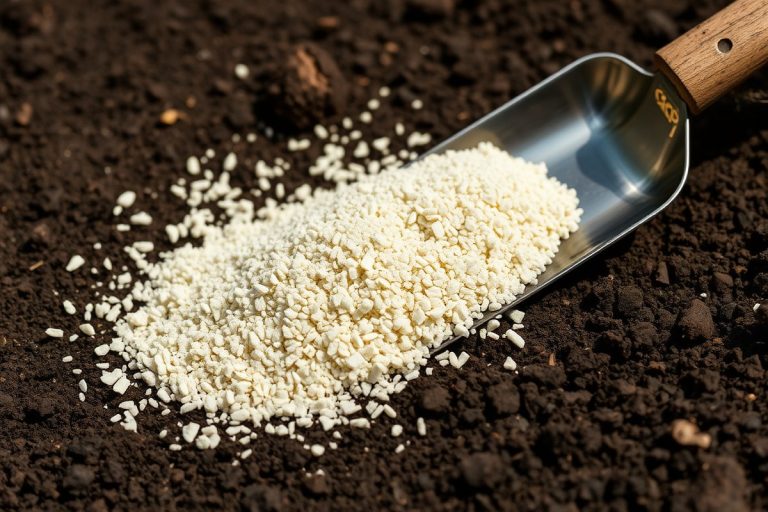
Pelletized lime turns powder into small pellets. They spread evenly and cause less dust. Pellets take a bit longer to break down, especially without watering after application.
Liquid lime reacts the fastest, changing pH in 2 to 4 weeks. It works best during the growing season for fast results.
This type usually costs more than others. Use it on smaller areas or spots.
Cost and Ease of Application
Standard pulverized calcitic lime costs about $4 to $6 per 40-pound bag as of 2026. Pelletized lime is more expensive, around $12 to $18 per 40-pound bag. Liquid lime prices vary and often come in smaller bottles.
Size matters too. For large lawns, pelletized or pulverized lime with a spreader works best. Use liquid lime for small areas or fast fixes when spreading solid lime is tricky.
Here’s a quick comparison:
| Type | Main Content | Speed to Act | Application Ease | Dust Level | Cost per 40 lbs (2026) |
|---|---|---|---|---|---|
| Calcitic lime | Calcium carbonate | Faster | Powder: Dusty | High | $4 – $6 |
| Dolomitic lime | Calcium & Magnesium | Slower | Powder: Dusty | High | $4 – $6 |
| Pelletized lime | Powder formed into pellets | Moderate | Easy to spread | Low | $12 – $18 |
| Liquid lime | Suspended lime particles | Fast (2-4 weeks) | Easy for small areas | None | Varies |
Think about your soil test results, lawn size, and budget when choosing lime. For sandy soil, smaller amounts work because it needs less lime. Clay soils need more lime due to their high buffering capacity.
After spreading pelletized lime, water your lawn well. This helps the lime break down quicker. It also stops powder dust from causing lawn burn.
How Much Lime to Apply Based on Soil Test Results
Check your soil test report for the exact lime recommendation. It gives a precise pH reading and nutrient levels. Your soil’s magnesium base saturation determines the lime type needed.
Different pH levels need different lime amounts to reach the right balance. Applying too much lime at once can harm your grass. If your soil needs over 40 pounds per 1,000 square feet, split it into two doses six months apart.
Use a drop spreader for more accurate application in small areas. Spread lime evenly and water lightly after to help it soak into the soil. This improves effectiveness and avoids wasting lime.
| Current Soil pH | Target pH | Lime Required (lbs / 1,000 sq ft) | Expected Time to React |
|---|---|---|---|
| 5.0 | 6.5 | 50 (Split into two 25 lb apps) | 9 – 12 Months |
| 5.5 | 6.5 | 35 | 6 – 9 Months |
| 6.0 | 6.5 | 15 – 20 | 4 – 6 Months |
For example, if your soil pH is 5.0, you need 50 pounds of lime per 1,000 square feet. Split this into two 25-pound applications about six months apart. This schedule lets the lime react gradually, avoiding stress on turf.
Your soil test decides how often to apply lime and which type matches your soil quality. Avoid applying lime during hot summer months. High evaporation can build up surface salts and stress your lawn.
Step-by-Step Lime Application Process for Lawns
Start by mowing your lawn short and removing any debris. Use a spreader to apply lime evenly across the grass. Water the lawn right after spreading and keep it moist for the next day.
Preparing the Lawn for Lime Application
Mow your lawn to a short height before you apply lime. This gives better lime contact with the soil underneath the grass.
Clear away yard debris and thick thatch first. This helps lime reach soil better.
Plan to overseed? Apply lime first. It helps create a good seedbed.
Aerating the soil before liming also helps lime penetrate deeper and improves root growth. Don’t spread lime in hot, dry weather.
Grass can get stressed. Lime also needs moisture to work well.
Choosing and Using Application Equipment
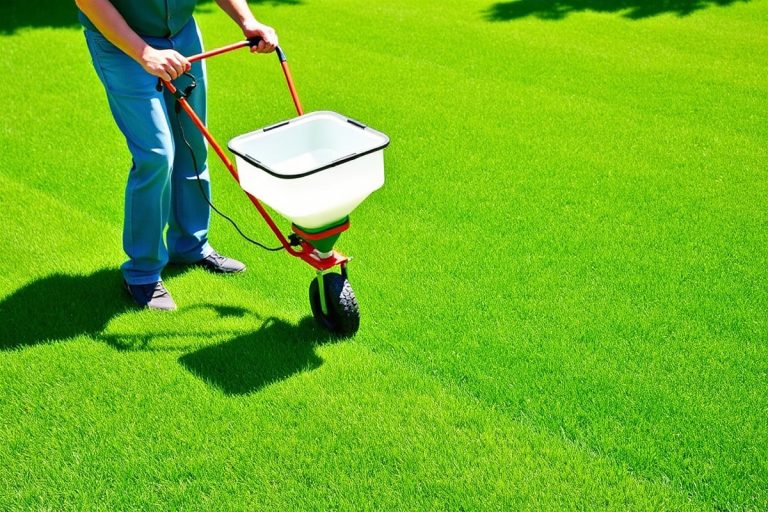
A broadcast spreader works best for covering your lawn evenly with lime. Calibrating the spreader ensures you apply the right amount based on your soil test. For smaller lawns, a hand spreader can give you better control over lime placement.
Walk at a steady pace and overlap paths slightly to avoid missing spots. Spread lime when the grass is dry to prevent clumping. Avoid spreading too close to sidewalks or driveways to reduce lime drift onto hard surfaces.
- Measure the area to calculate the needed lime amount.
- Fill the spreader with the correct lime type and rate.
- Set the spreader to the recommended opening for your lime product.
- Walk evenly across the lawn, releasing lime as you go.
- Overlap passes slightly to cover all areas.
- Close the spreader when you turn or stop to avoid extra lime dumping.
Post-Application Watering and Care
Water the lawn immediately after spreading lime with about 0.25 inches of water. This helps activate the lime and starts its movement into the soil.
Within 24 hours, target about 1 inch of rain or watering. This keeps soil moist for lime to work.
Keep the soil moist but not waterlogged for a few days after application. Avoid mowing again for a day or two to let the lime settle and begin working. Applying lime every two to three years usually keeps soil pH balanced without risking over-application.
Don’t apply lime in the heat of summer to avoid stressing your grass. Wait for cooler, moist conditions instead.
Regional and Seasonal Variations in Lime Application Timing
In northern regions, it’s best to apply lime in the fall, usually between September and November. The soil is still warm enough for lime to react before winter.
Applying lime in early spring works too. But fall allows more time for the soil to adjust before the growing season.
In southern areas, apply lime in late winter or early spring. That means from February to April. These months have cooler weather for better results.
The warmer climate keeps soil active longer, so lime reacts faster. Avoid applying lime during hot summer months.
Dry soil makes lime less effective then. Also, stressed grass won’t benefit much during heat.
Transition zones, where northern and southern climates meet, require careful timing. Fall applications from October to November are safest here. Grass can be actively growing or entering dormancy.
So watch your local frost dates to avoid damaging the lawn. You might also add lime in early spring if you missed fall.
Don’t apply lime if your grass is dormant from extreme cold or drought. Lime works best with active root systems, so dormant lawns won’t absorb it well. Also, avoid liming before heavy rains or snow to prevent lime runoff and wasted product.
Plan lime application around other soil treatments. Apply lime either before or well after adding compost or manure. Wait at least two weeks between these tasks.
This prevents chemical interference. This timing prevents chemical reactions that could reduce both lime and fertilizer benefits.
Aerating your lawn before lime helps. It opens soil pores so lime penetrates deeper and works faster. Watering lightly after spreading lime also aids in activating the lime without washing it away.
Costs vary but lime generally runs $30 to $60 per 40-pound bag. You’ll likely need one to three bags per 1,000 square feet based on soil tests. Applying lime at the right time reduces waste.
It also balances soil pH faster. This helps keep your lawn greener and healthier.
Common Mistakes When Applying Lime and How to Avoid Them
Applying lime too often or in large amounts harms your lawn. Over-liming raises soil pH above the ideal range, making nutrients less available.
This causes yellowing grass and slower growth. Stick to the amounts from a soil test to avoid damage.
Windy conditions cause lime to scatter unevenly. You might apply too much in some spots and too little in others. Choose a calm day or early morning to spread lime.
Winds should be low. This helps spread lime more evenly across your lawn.
Many people forget to keep lime off sidewalks and driveways. Lime stains these surfaces and can be tricky to clean. Use a drop spreader for precise application and sweep up any missed lime quickly.
- Don’t spread lime on windy or rainy days
- Follow soil test recommendations closely, no guessing
- Apply lime evenly with a drop spreader, not a rotary one
- Avoid piles of lime; rake it lightly into the soil
- Water the lawn after applying lime to help it soak in
- Wear gloves and a mask to protect yourself from dust
- Wait several months between treatments unless soil tests say otherwise
Uneven coverage often comes from using broadcast spreaders or tossing lime by hand. These methods leave bare patches.
A drop spreader keeps the lime flowing in rows and cuts overlap. Raking lime into the soil stops it from blowing away and improves effectiveness.
An overlooked step is watering after liming. Lime needs moisture to dissolve and react with the soil.
Without watering, it sits on top and works slowly. A light sprinkler spray soon after spreading can speed results and reduce dust.
Skipping soil aeration makes it harder for lime to reach roots. Aerate your lawn before liming to open compacted soil layers.
It lets lime settle deeper and balances pH better. This takes extra effort but improves how well lime works.
Improving Lime Effectiveness with Soil Aeration and Watering
Core aeration before applying lime helps the lime reach deeper soil layers. Proper watering after liming activates the lime, speeding up pH adjustment. These steps together improve lime effectiveness and lawn health faster.
Benefits of Core Aeration Before Liming
Core aeration pulls out 3-inch plugs from the soil, making channels for lime to fall into. This is important because lime does not move easily through soil on its own. You’ll see better lime penetration, especially in compacted or clay soils.
Clay soils are slower to absorb lime, so aeration really helps here. Creating space in the soil helps oxygen flow better. It also helps roots grow stronger.
This leads to a healthier lawn overall. Aerate your lawn carefully, covering the whole area where you’ll spread lime.
Watering Guidelines Post-Liming
Watering right after spreading lime on your lawn starts its activation. The water helps chemical reactions that reduce soil acidity. This process makes the lime work faster.
Aim for about a half-inch of water within 24 hours of application. This is enough to wet the soil without washing lime away.
Keep soil moist for a few days after liming to help the lime work properly. Avoid heavy rain or watering that causes runoff. Regular, moderate watering supports quicker pH correction and better nutrient availability for grass roots.
Adjustments for Sandy vs Clay Soils
Sandy soils need less lime but require more frequent watering after liming because they drain quickly. Keep the soil damp but not soggy to prevent lime from leaching below root zones. This keeps lime working where grass can use it.
Clay soils hold water longer but need more lime to raise pH effectively. Aeration before liming is a must for these soils to prevent lime from sitting on top. After liming, watch soil moisture since clay can become waterlogged if overwatered.
Don’t apply lime during drought or heavy rain. Both reduce lime’s ability to change soil pH.
Step-by-Step Action Plan for Applying Lime to Your Lawn
Follow this simple plan to apply lime at the right time. Doing so helps your grass grow better. Proper timing gives you the best results.
- Before Spring (March-April): Test your soil pH to see if lime is needed. Aim for a pH below 6.5 to justify liming.
- Early Spring: Choose the right type of lime based on your soil and preferences. Pelletized lime is easiest to spread evenly.
- Spring or Fall: Spread lime evenly using a spreader. Apply the recommended amount from your soil test.
- Immediately After Application: Water your lawn lightly to help lime start working in the soil.
- Within Two Weeks: Aerate your lawn if it’s compacted to boost lime absorption.
- Four to Six Weeks Post-Application: Test your soil pH again. Check if it moved closer to your target range.
- Next Season: Repeat soil testing before reapplying lime. Avoid overliming or applying lime unnecessarily.
Frequently Asked Questions
Can I Apply Lime on Newly Seeded Grass?
Avoid lime on new seed until grass is established. Lime can interfere with seed germination. So wait until young grass is growing well before applying.
How Long Does Lime Take to Change Soil pH?
Lime typically takes 3 to 6 months to alter soil pH. This slow effect means planning ahead is important before lime benefits show.
Should I Water My Lawn Right After Applying Lime?
Yes, water the lawn after applying lime. It helps wash lime dust off blades and starts pelletized lime breakdown for better soil absorption.
Is It Okay to Spread Lime on Frozen Ground?
Spreading lime on frozen soil is less effective. The lime won’t mix well. So wait for thawed and workable soil to apply lime best.
How Often Should I Retest My Soil After Liming?
Retest your soil every 6 to 12 months post-liming. This checks if your pH reached the right level or if more lime is needed.
Can Lime Be Applied with Fertilizer at the Same Time?
Avoid mixing lime directly with fertilizer. Apply separately to prevent chemical interactions and ensure both products work well on your soil.
The Bottom Line
Applying lime carefully improves your lawn’s health and green color over time. Start by testing your soil pH this season. Follow with proper lime choice and application to keep your grass thriving.