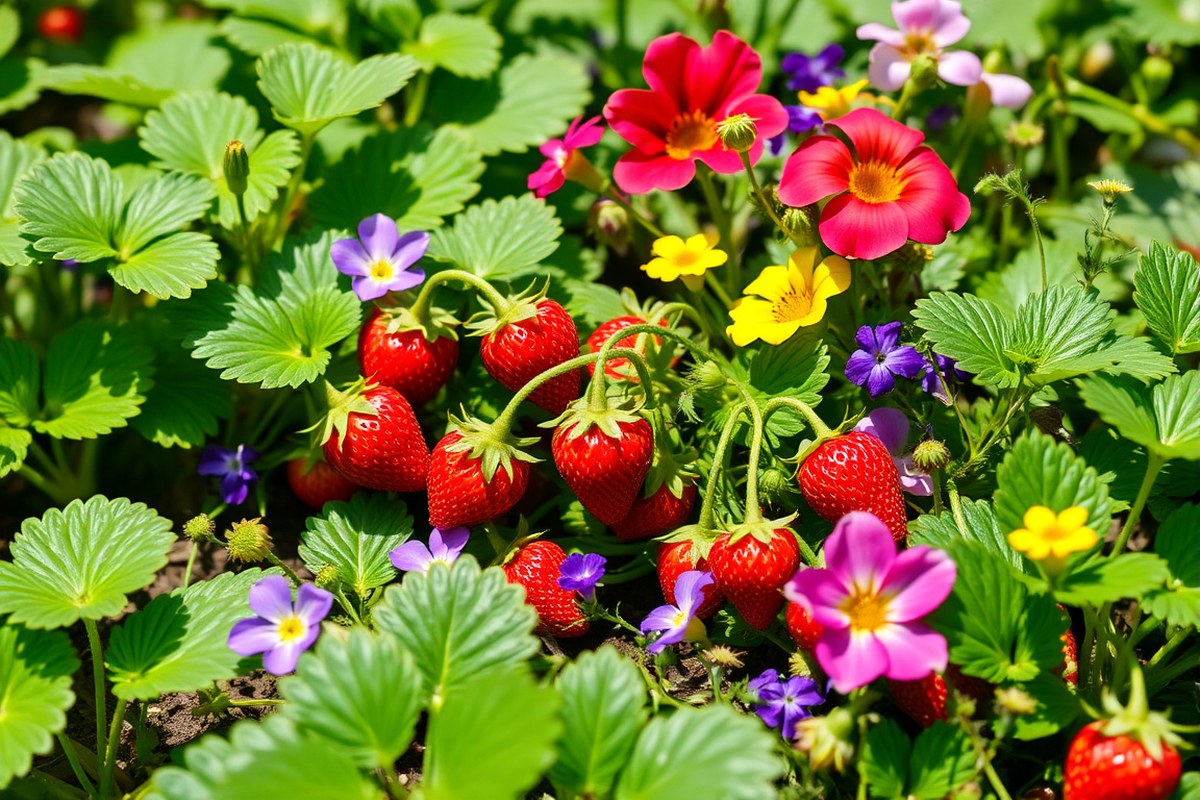
What Grows Well with Strawberries: 8 Companion Plants That Boost Growth
Wondering what grows well with strawberries? Many plants boost their growth and protect them.
Growing the right companions can improve your strawberry patch’s health and yield. It also cuts down pest problems naturally.
Good partners for strawberries include onions, herbs like thyme and borage, and leafy vegetables. These plants either repel harmful pests or attract helpful pollinators. Plant them near your strawberries to take advantage of their natural effects.
Start planting companions in early spring when you set out your strawberries. Space your strawberry rows 4 feet apart and place companion plants carefully to avoid overcrowding. Make sure taller plants don’t block the sun from strawberries.
Strawberries need full sun to grow well. Keep sunlight clear for your fruit to thrive.
Key Takeaways
- Plant onions near strawberries to deter harmful insects and rodents.
- Use thyme around strawberries to hide the berry’s ripe scent from pests.
- Borage’s blue flowers attract pollinators and its leaves add cucumber flavor to salads.
- Lettuce grows low enough to fit under strawberries, using space well.
- Keep taller companions off the strawberry’s sun path to avoid shade problems.
- Space strawberries 12 to 18 inches apart when planting with companions.
What Plants Are Best to Grow with Strawberries?
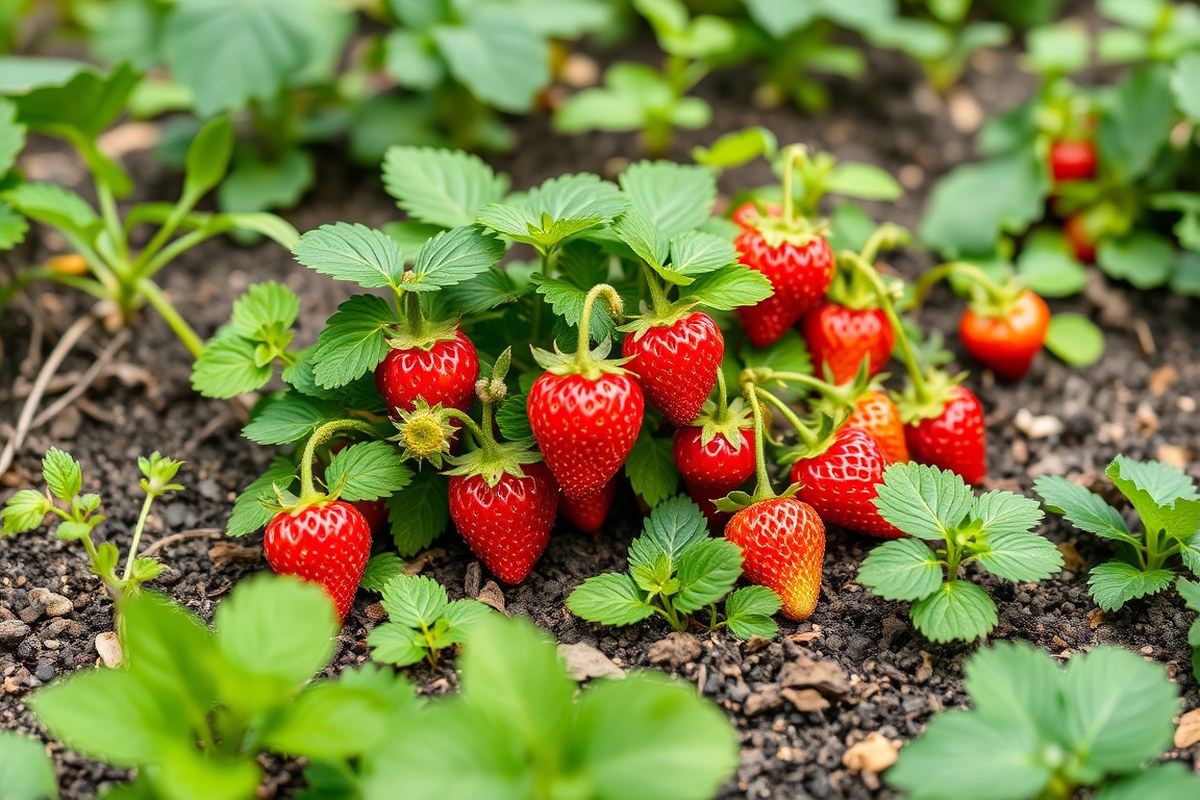
Strawberries grow best with plants that boost growth, flavor, and pest resistance. Companions like borage improve growth by attracting pollinators.
Herbs such as sage and thyme help keep pests away and may even improve berry flavor. Planting the right neighbors can protect strawberries and increase your harvest.
Some companions bring extra benefits based on your garden space. For example, asparagus’s root system won’t compete with strawberries.
Onions and garlic, from the allium family, deter insects and rodents with their strong smell. Just plant tall companions like these so they don’t block sunlight.
- Borage attracts pollinators and improves flavor.
- Sage repels pests and improve berry taste.
- Thyme helps keep ants and aphids away.
- Chives discourage many common strawberry pests.
- Onions repel insects and rodents near strawberries.
- Spinach contains saponins that naturally deter pests.
- Mustard fills gaps without crowding strawberries.
When you plant, space strawberries about 2 feet apart in rows 4 feet apart. Place companion herbs like sage or thyme close but avoid crowding.
Keep tall plants on the row edges to protect sun access. Regularly check for pests to adjust companion planting as needed.
The right companion plants will help your strawberries stay healthy and tasty. They reduce pests naturally, so you use fewer chemicals. Your harvest should be larger and berries sweeter with good plant partners nearby.
Which Vegetables Pair Well with Strawberry Plants?
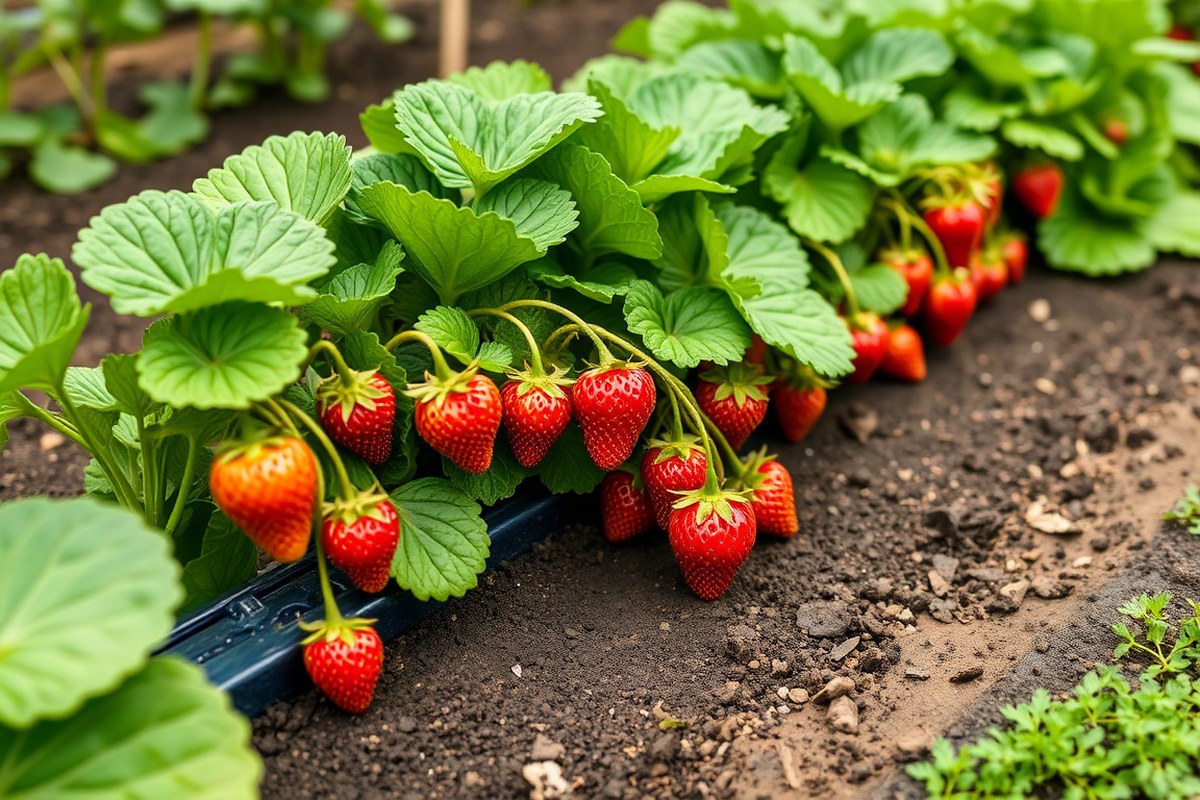
Some vegetables grow well with strawberries because they don’t compete for space or nutrients. Spinach is one good example. Since spinach stays low to the ground, it fits nicely between strawberry plants without crowding them.
Scallions and chives also work well as companions. These herbs have shallow roots. They don’t take up much room.
This lets your strawberries spread their runners. Planting onions near strawberries can keep pests away because of their strong smell.
Space everbearing strawberries about 12 inches apart. This gives room for companion plants. Try bush beans or lettuce nearby.
Bush beans help by keeping bugs off your strawberries while not taking up much soil depth. Lettuce grows quickly and strawberries can even grow through some lettuce leaves.
- Spinach: low-growing, minimal competition
- Scallions and chives: shallow roots, pest deterrents
- Onions: strong smell repels insects
- Bush beans: fix nitrogen, repel pests
- Lettuce: fast-growing, shares space well
- Horseradish: boosts plant health
Spacing is key to avoid competition. Keep companion vegetables about 12 inches from everbearing strawberries.
June-bearing types need more space because they grow larger runners. Alpine strawberries go 12 to 18 inches apart, so companions should follow that spacing.
Adding vegetables that grow at different soil depths helps too. For example, strawberries have shallow roots while horseradish digs deeper.
This means both get the nutrients they need without getting in each other’s way. Your strawberries will still produce on time with these veggies, since their growth cycles rarely conflict.
Plant companion vegetables so they don’t shade your strawberries; sun exposure is important.
How Do Herbs Like Thyme, Borage, and Mint Help Strawberries?
Herbs like thyme, borage, and mint help keep pests away. They also attract good bugs that help your garden. Plus, they can make your strawberries taste better.
These herbs are easy to grow alongside strawberries and create a healthier, more productive garden. Using the right herb companions reduces the need for chemical pest control and supports fruit production.
Benefits of Borage for Strawberries
Borage attracts parasitic wasps and other beneficial insects that eat pests damaging strawberries. It’s also known for preventing worm attacks, which protects ripe berries. Many gardeners notice borage improves the flavor of their strawberries, adding value beyond pest control.
Borage grows well in full sun and prefers well-drained soil. Plant it near your strawberries in spring or early summer. This helps flowers get pollinated more.
It also keeps some pests from bothering your plants. Its blue flowers attract moths, butterflies, and bees, which increase strawberry yields naturally.
Thyme as a Pest-Repelling Herb
Thyme, especially lemon thyme, is a strong pest repellant thanks to citronella oils it contains. It keeps away insects, snails, and worms that commonly attack strawberries. Its aroma also conceals ripe strawberry scents, making them less visible to pests.
Thyme stays small and fits well in pots or garden borders. Plant thyme around or within your strawberry beds to form a natural protective barrier. Regularly harvest thyme to keep it dense and healthy, maintaining its insect-repellent abilities.
Mint’s Role and Risks in Strawberry Patches
Mint repels aphids and mites, pests that can harm strawberry plants. This herb grows easily with little work needed. That makes it great for small gardens.
You don’t have to do much to care for it. Mint spreads quickly. So it’s best to plant it in containers near strawberries to avoid crowding.
Uncontrolled mint can overtake a strawberry patch and rob nutrients. Keeping mint contained helps protect strawberries while still reaping the pest-repelling benefits. Thin mint plants regularly to stop them from shading or competing with your berries.
Other Helpful Herbs to Consider
Dill flowers attract beneficial insects that feed on aphids and thrips, which damage strawberries. Oregano also repels pests while adding flavor to your kitchen garden. Using a mix of these herbs creates a diverse environment that naturally supports strawberry health.
Plant herbs with staggered bloom times to continuously attract pollinators. This strategy improves fruit set since strawberries rely on insect pollination more than wind. Think of your herb companions as allies for both pest control and pollination.
Here is a table that compares thyme, borage, and mint. It shows how each one helps strawberries. It also lists things you should watch out for.
| Herb | Benefits for Strawberries | Maintenance Notes | Risks or Considerations |
|---|---|---|---|
| Borage | Attracts parasitic wasps; prevents worm attacks; improves flavor | Plant in full sun; grows well near strawberries; blooms attract pollinators | None significant; prefers well-drained soil |
| Thyme (esp. Lemon) | Repels insects, snails, worms; hides ripe berry scent; attracts good bugs | Small; fits in pots or borders; regular harvesting keeps strong scent | Needs sun; can become woody if unpruned |
| Mint | Repels aphids and mites; easy to grow; low maintenance | Grow in containers near strawberries; spreads rapidly if unchecked | Can crowd and compete with strawberries; needs frequent thinning |
Planting these herbs requires about 6 to 12 inches of spacing near your strawberries. Start herbs from seedlings or seeds in early spring, the same time as your strawberries. Watch your garden monthly to prune herbs and check their spread to keep a balanced patch.
What Flowers Attract Pollinators to Strawberry Gardens?
Attracting pollinators like bees and butterflies helps strawberries produce more fruit. Flowers that offer nectar or pollen draw these insects to your garden. Once there, pollinators visit the strawberry blossoms, increasing fruit set and size.
To bring pollinators close without shading strawberries, place flowering plants around the border or between rows. Keep taller plants on the north side or away from strawberry patches. This way, the flowers get sun, and strawberries still receive full light.
- Borage: Blue star-shaped flowers attract bees and butterflies with nectar.
- Yarrow: White or pink clustered blooms draw a variety of pollinators.
- Cilantro: Small white flowers invite helpful insects while repelling pests.
- Marigolds: Bright orange or yellow flowers lure bees without overshadowing.
- Cosmos: Tall, delicate flowers provide nectar and don’t block sunlight.
- Lavender: Purple blossoms attract bees and add a sweet scent.
- Sunflowers: Plant tall at garden edges to keep shade away from strawberries.
Borage grows about 2 to 3 feet tall. It fits well spaced 1 foot from berries.
Yarrow stays low and spreads slowly, perfect near strawberry rows. Cilantro blooms in late spring and early summer, matching strawberry flowering times.
Create small flower clusters of 3 to 5 plants for better visibility to pollinators. Water new flowers regularly and avoid herbicides that might harm bees. Costs include buying seeds or starter plants, usually between $3 and $8 for small packets.
Poor placement may block sunlight or invite unwanted bugs. Some flowers, like alyssum, attract pests harmful to strawberries, so avoid these. Watch your garden for changes and adjust planting spots as needed to keep strawberries healthy.
Which Nitrogen-Fixing Plants Benefit Strawberry Growth?
Nitrogen-fixing plants like bush beans and peas help strawberries by adding nitrogen to the soil. This natural boost supports better strawberry growth and fruit quality. You can grow these legumes near strawberries to keep the soil fertile without extra fertilizer.
Bush Beans and Their Benefits
Bush beans are reliable nitrogen-fixers that work well with strawberries. They add nitrogen to the soil, which strengthens strawberry plants. Bush beans usually grow quickly and don’t climb, making them easy to manage around strawberry patches.
They produce nitrogen in a form strawberries can use, reducing your need for added fertilizers. Bush beans also don’t compete much for space if you keep good plant spacing. This helps strawberries send out runners to root properly.
Peas as Complementary Nitrogen Fixers
Peas are another great choice for enriching soil near strawberries. Like bush beans, peas naturally replenish nitrogen in the soil. Growing peas and strawberries together gives you two harvests from the same area.
Peas grow well in early spring, matching strawberry planting times. They also help shade the soil, which can keep weeds down around your strawberries. This helps maintain soil moisture and prevents strawberries from drying out.
Choosing the Right Bean Varieties
You want to pick bush beans and peas that do not overwhelm your strawberry plants. Look for bush beans rather than pole beans because they stay compact. Pole beans grow tall and may shade or crowd your strawberries.
Good nitrogen-fixing legumes safe for strawberries include peanuts, cowpeas, soybeans, and fava beans. Growing these can improve soil nitrogen content but watch for how much shade they create. Space plants 12 to 18 inches apart to avoid crowding.
| Plant | Type | Nitrogen Fixing | Growth Habit | Spacing Near Strawberries |
|---|---|---|---|---|
| Bush Beans | Legume | Yes | Compact, Bush | 12-18 inches |
| Peas | Legume | Yes | Vining but manageable | 12-18 inches |
| Peanuts | Legume | Yes | Bushy, Low | 12-18 inches |
| Cowpeas | Legume | Yes | Vining or Bush | 12-18 inches |
| Soybeans | Legume | Yes | Bushy | 12-18 inches |
| Fava Beans | Legume | Yes | Tall Bush | 12-18 inches |
Matching plant spacing is key. Too close causes competition for water and light.
Keep strawberries spaced so their runners can root. Set beans or peas between them.
Incorporating Nitrogen Fixers into Strawberry Care
Plant bush beans or peas near strawberries in early spring for the best growth timing. Keep plants 12 to 18 inches apart to prevent crowding. This spacing helps runners spread and beans grow without shading strawberries too much.
Prune bean flowers in the first year if they fruit early. This helps the plant focus on root growth. Strong roots build a healthier plant.
Adding nitrogen-fixing plants means you won’t have to add as much fertilizer or compost later on. Healthy soil means strawberries produce sweeter, stronger fruit.
Plant nitrogen fixers at the same time as strawberries to balance growth and soil benefits.
Which Plants Should Be Avoided Near Strawberries?
Some plants cause problems when grown near strawberries. They compete for nutrients, shade the strawberry plants, or bring pests. This can reduce strawberry growth and fruit yield.
Avoid planting tall or fast-growing crops that block sunlight. Strawberries need full sun to produce sweet, juicy berries.
Also, stay away from heavy feeders that rob the soil of nutrients strawberries rely on. This keeps your strawberry patch healthy and productive.
These plants typically cause trouble near strawberries:
- Tomatoes, potatoes, and eggplants, they share pests and diseases.
- Brassicas like cabbage, broccoli, and cauliflower, they attract pests harmful to strawberries.
- Fennel, it releases chemicals that inhibit strawberry growth.
- Walnut trees, their roots release juglone, which is toxic to strawberries.
- Large or dense plants like corn, they shade strawberries and steal moisture.
- Beans and peas, they can cause fungal diseases that hurt strawberry roots.
Check your garden layout before planting. These plants can lower strawberry health by stealing nutrients or inviting disease. Removing or relocating them prevents problems and helps you avoid poor berry harvests.
In gardens with limited space, spacing becomes critical to reduce competition. Plant strawberries at least 12 inches away from any incompatible neighbors.
Consider growing incompatible plants in separate areas or raised beds. This keeps roots and pests from mixing and hurting your strawberries.
Watching your strawberry plants closely in the first growing season shows if neighbors cause trouble. Drooping leaves, fewer flowers, or slow growth suggest something’s wrong. Remove or move the bad neighbors quickly to avoid losing fruit quality.
How to Manage Companion Plant Growth Near Strawberries?
Companion plants can affect how much light your strawberries get. Larger plants may block sunlight and slow strawberry growth. You need to balance their size and position to keep both strong and healthy.
Pruning and thinning help keep companion plants from overtaking strawberries. Overcrowding causes poor air circulation, raising disease risks. Good spacing lets sunshine reach strawberry leaves and fruit, improving flavor and yield.
Organizing your garden layout prevents plants from competing too much. Putting tall companions to the north keeps them from shading strawberries. Low-growing herbs and flowers fit well around strawberry edges.
Follow these steps to manage companion plant growth near strawberries:
- Choose suitable companions: Pick lower-growing or slow-spreading plants like thyme or chives. Avoid tall fast-growers next to strawberries.
- Space plants properly: Keep about 12 to 18 inches between each strawberry and companion. This helps air flow and light access.
- Place tall plants north: Plant taller companions on the north side to reduce shading over strawberries.
- Monitor growth weekly: Check plants regularly for crowding or unwanted shade. Early spotting makes control easier.
- Prune companion plants: Cut back runners when they grow near strawberry leaves. Trim any extra growth within 6 inches of your strawberries. This keeps plants healthy and stops crowding.
- Thin crowded areas: Remove weaker or extra plants if space is tight. This stops competition for nutrients.
- Mulch around plants: Use organic mulch to reduce weeds and retain soil moisture for strawberries.
Pruning means snipping runners or tall shoots with garden shears. It takes just a few minutes every one to two weeks during growing season. Thinning involves pulling small or weak companion seedlings so strawberries aren’t crowded.
Good management keeps sunlight bright on all plants and lowers fungal infections. Without it, strawberries become weak and produce little fruit. Companion plants that overgrow cause tangled patches that are hard to harvest.
How to Use ‘Trap’ Plants to Protect Strawberry Crops?
Trap plants lure pests away from strawberries, keeping the main crop safe. They attract harmful insects so these pests ignore your strawberries. This method reduces damage and limits pesticide use.
Definition and Purpose of Trap Plants
Trap plants are crops grown near strawberries to attract pests away. These plants act as decoys that pests prefer over strawberry plants. Using trap plants helps protect strawberries by reducing pest pressure.
This natural pest control method lowers damage to fruit and leaves. It also reduces the need for chemical sprays, which can harm beneficial insects. Trap planting keeps your strawberry patch healthier, especially in small gardens.
Common Trap Plants for Strawberries
Nasturtiums are popular as trap plants because they attract aphids effectively. Aphids prefer nasturtiums and leave strawberries alone when these are nearby. Radishes can also attract some pests and fit well between strawberry rows.
Mustard plants repel nematodes and lure some pests away from strawberries. Leafy greens like lettuce might attract slugs but can also distract birds and bugs. Each trap plant targets different pests, so choose based on your main strawberry problems.
Positioning and Timing Trap Planting
Place trap plants around the edges of your strawberry patch or between rows. This setup catches pests before they reach your strawberries. Timing is key: plant trap crops slightly before or with your strawberries.
Start trap plants two to three weeks before strawberries mature. This timing builds up pest populations on the traps first. Avoid planting trap plants too late, or pests might damage your strawberries before moving over.
Here’s how to position and time trap plants effectively:
- Identify the main pests harming your strawberries this season.
- Choose trap plants suited for those pests, such as nasturtiums for aphids.
- Plant trap crops around strawberry beds or between rows early in the season.
- Allow trap plants to grow enough to attract pests before strawberries get ripe.
- Check that trap plants cover the perimeter or problem spots without crowding strawberries.
- Water and care for trap plants as you do your strawberries.
- Prepare to remove or treat trap plants if pest infestation grows too high.
Monitoring and Maintaining Trap Plants
Watch trap plants closely for pest buildup and damage levels. If pests overwhelm trap plants, remove or treat those plants quickly. This prevents pests from spreading back to strawberries.
Regularly check leaf surfaces and stems for aphids, slugs, or nematodes. Healthy trap plants continue attracting pests without becoming a pest source themselves. Replace trap plants if they age or stop being effective.
Trap plants need active care and timely removal to prevent them from becoming pest breeding grounds.
Your First Steps: Planting and Caring for Strawberries with Companions
Follow this step-by-step plan to start companion planting with strawberries. Watch how your garden changes as plants support one another.
- Before planting: Choose companion plants like spinach, borage, or thyme. They boost strawberry growth and reduce pests.
- Day 1: Plant strawberries spaced correctly with chosen companions nearby but not crowded. Healthy spacing cuts disease risk.
- Week 2: Mulch around plants with straw or pine needles. Mulch keeps soil moist and limits weed growth.
- Week 4: Check companion plants for vigor and signs of pests. Strong companion plants mean strawberries are well supported.
- Month 2: Add a few flowering plants, like marigolds or nasturtiums, near strawberries. Flowers attract more pollinators.
- Month 3: Prune back herbs like mint if they spread too much. This prevents them from overtaking strawberries.
- During growing season: Watch for common pests on your strawberry plants. Use trap plants, like mustard, to lure pests away. Check the trap plants regularly to catch them early. This keeps strawberries safe.
- After harvest: Adjust companion planting based on what worked best this season. Planning helps improve next year’s yield.
Frequently Asked Questions
Can Strawberries Grow Well with Tomatoes?
Strawberries can grow near tomatoes, but watch for competition in water and nutrients. Avoid overcrowding to keep both healthy.
Is It Beneficial to Plant Strawberries with Garlic?
Garlic deters pests effectively around strawberries thanks to its strong smell. It helps reduce insects that harm strawberries.
Can Strawberries Be Grown with Corn in the Garden?
Corn attracts pests that may also target strawberries, so they don’t pair well. It’s better to keep them apart.
Do Strawberries and Peppers Grow Well Together?
Peppers share similar water needs and don’t overshadow strawberries much. This makes them a decent companion in small gardens.
Should Strawberries Be Planted with Potatoes?
Potatoes and strawberries both attract certain pests. So it’s best not to plant them close. Separate them to avoid problems.
Do Strawberries Need Full Sun Like Their Companion Plants?
Most strawberries and their good companions prefer full sun for best growth. Shade could reduce berry production significantly.
Key Points to Remember
Strawberries thrive with the right companion plants that improve growth and flavor. Start by adding herbs and flowers that attract pollinators. Try planting a small mix this season and see your strawberries benefit from their garden neighbors.