What Is a Hose Bibb? A Complete Guide to Types, Use, and Maintenance
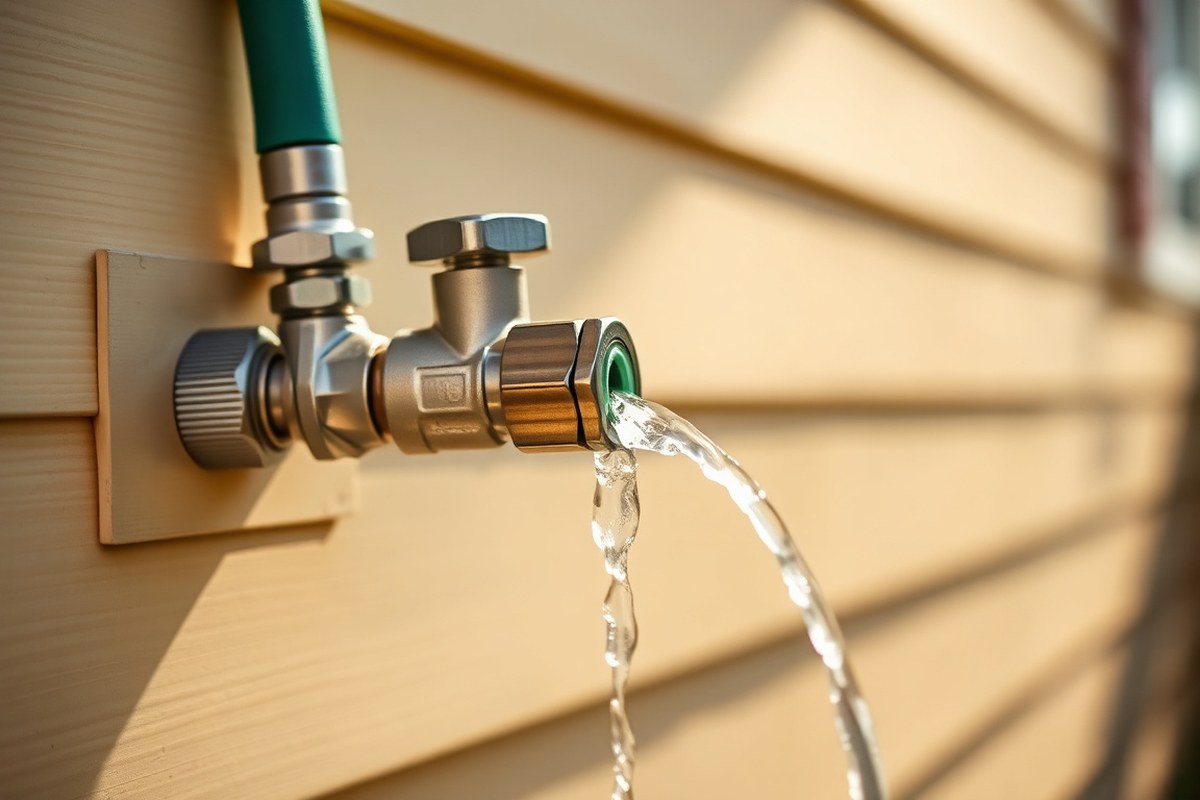
A hose bibb is an outdoor faucet used to connect garden hoses. It’s usually mounted 12 to 16 inches above the ground on your home’s exterior. This height makes it easy to reach and helps protect it from damage.
It controls water flow for tasks like watering plants or washing cars. Most have a simple lever or knob to open and close the valve. Some include a backflow preventer to keep dirty water from entering your home’s supply.
Choosing the right hose bibb depends on your climate and plumbing size. Frost-free hose bibbs are best in cold areas to prevent freezing and pipe bursts. In warmer places, a standard model is usually fine.
Brass hose bibbs resist corrosion better than plastic or cheaper metals. Make sure the size matches your home’s plumbing for good water pressure and easy installation.
Key Takeaways
- A hose bibb is an external faucet connecting your garden hose to your home’s water supply.
- Most hose bibbs sit 12 to 16 inches above the ground for easy hose attachment.
- Standard hose bibbs work fine in warm climates but winter calls for frost-free types.
- Match your hose bibb size to your home’s water piping; usually 3/4 inch diameter.
- Simple ball valve designs on hose bibbs let you quickly control water flow outdoors.
- Installing a high-quality hose bibb can last 10 to 20 years with proper care.
What Is a Hose Bibb and How Is It Used?
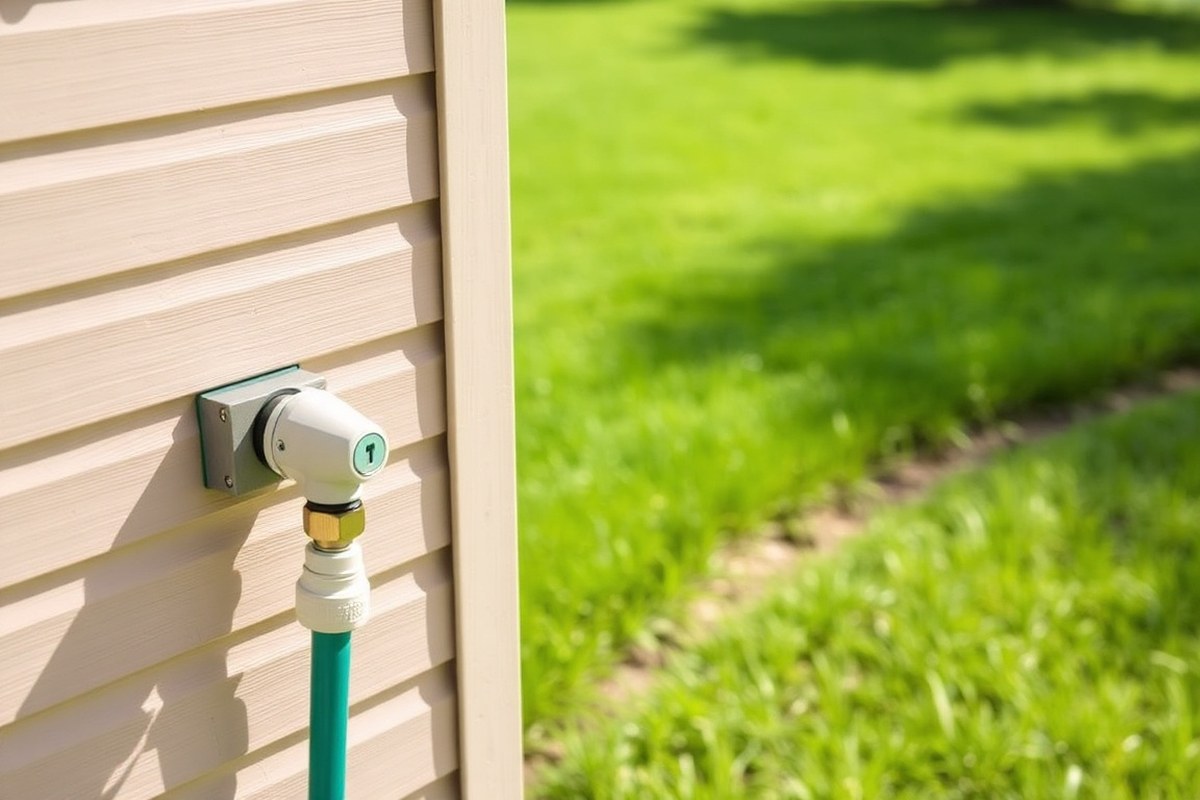
A hose bibb is an outdoor faucet attached to your house’s exterior wall. It lets you connect a garden hose to your home’s water supply. This valve controls water flow outside, making watering and washing easier.
People often call it a hose bib, spigot, sillcock, or outdoor faucet. These names all refer to the same plumbing fixture with minor differences in wording.
A sillcock is the technical term. But spigot and hose bibb are common in everyday talk.
You use a hose bibb to attach garden hoses. It helps with watering plants and washing cars. You can also fill pools with it.
It has threaded outlets that fit standard hose connectors securely. In colder regions, frost-free versions help avoid frozen pipes that might burst in winter.
How Does a Hose Bibb Work to Control Water Flow?
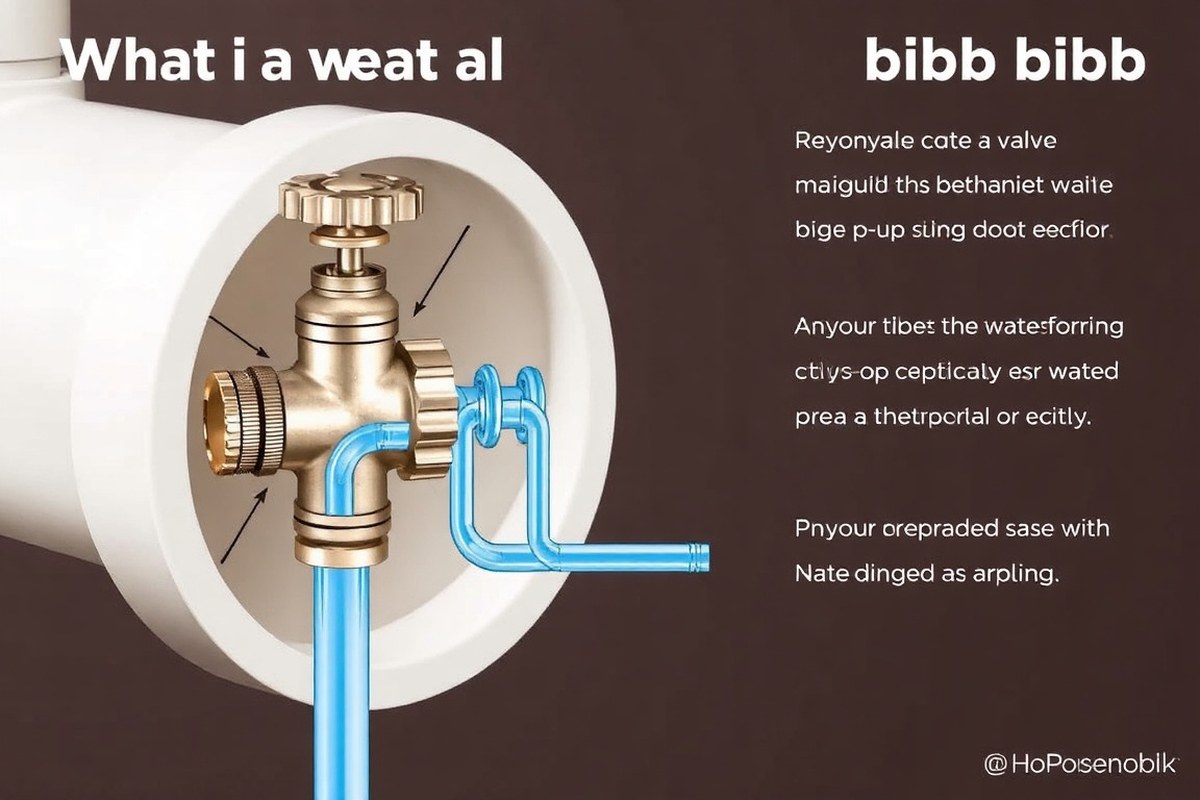
A hose bibb controls water flow using a simple valve mechanism inside its body. The key part is the valve seat, which seals the water path when closed. Turning the handle moves an operating rod.
This rod presses a washer against the seat. It stops water from flowing out.
The most common valve type in hose bibbs is a compression valve. When you turn the handle clockwise, it screws the stem tightly into the valve seat. This action compresses the washer, creating a seal that blocks water flow.
Turning the handle counterclockwise loosens the stem. This opens the valve. Water then flows to your hose.
The handle usually looks like a winged knob or a wagon wheel. This shape gives you a good grip to turn the valve easily. Each quarter turn changes whether the valve closes or opens fully, controlling water flow precisely.
The handle may feel stiff or leak around it. The washer or seat might be worn out. They need repair or replacement.
Because the hose bibb is outside, it’s important to shut the valve before cold weather arrives. This stops water from staying inside the pipe or valve. Water inside can freeze.
Freezing water can crack the pipe or valve. Also, disconnect your garden hose to avoid water trapped between the hose and bibb from freezing.
Always close your indoor shutoff valve before freezing weather. Disconnect hoses to prevent faucet damage.
Types of Hose Bibbs and How to Choose the Right One
Three main types of hose bibbs suit different climates and uses. Choose based on the winter temperatures in your area and the faucet’s location. Frost-free hose bibbs work best where freezing is common.
Standard Hose Bibbs
Standard hose bibbs are the most common outdoor faucets. They mount directly on your home’s exterior wall and connect to the water supply. This simple design is easy to install and cost-effective.
However, in cold climates, they can freeze and cause pipes to burst. Water stays in the exposed pipe section outside, which risks freezing below 32°F. You’d replace them every few years if you notice leaks or damage from freezing.
Frost-Free Hose Bibbs
Frost-free hose bibbs have the valve placed several inches inside the building. This keeps water inside a heated space, preventing freezing in winter. They close the water flow where it stays warm, not at the faucet handle outside.
This design requires shutting off water inside the house during replacement to avoid leaks. These bibbs cost more but save money on repairs down the line. Most plumbers recommend frost-free types for climates with winter below freezing.
Commercial-Grade Hose Bibbs
Commercial-grade hose bibbs offer heavy-duty features for durability. Some models use stainless steel parts that resist rust and last longer. Aquor hydrants, for example, provide seven times more frost protection than regular frost-free bibbs.
These fittings suit locations with frequent hose use or tough conditions. They cost more upfront but cut down on replacements and maintenance over years. Homeowners with large gardens or irrigation systems may find these worthwhile.
Here’s a quick comparison to help pick the right hose bibb for your needs:
| Type | Freeze Protection | Typical Cost | Best Use | Durability |
|---|---|---|---|---|
| Standard Hose Bibb | Low (risk of freezing) | $20-$40 | Mild climates, occasional use | Moderate |
| Frost-Free Hose Bibb | High (valve inside building) | $40-$80 | Cold climates, winter use | Good |
| Commercial-Grade Hose Bibb | Very high (extra frost protection) | $80-$150+ | Heavy use, harsh conditions | Excellent |
Choosing frost-free models is smart if your area gets below 32°F during winter. If you rarely use the hose outside or live somewhere warm, a standard bibb may do. For busy outdoor watering or harsh climates, commercial-grade options last longest and reduce repairs.
Materials Used in Hose Bibbs and Their Durability
Hose bibbs are commonly made from brass, plastic, and stainless steel. Brass bibbs are popular because they resist corrosion well. They usually last about 20 to 30 years.
This applies to normal everyday use. However, they can be prone to freezing and cracking in colder climates if not properly winterized.
Plastic hose bibbs cost less and resist rust. But they usually don’t last as long. Their typical lifespan is about 5 to 10 years.
They may crack in freezing weather. Plastic works best in mild climates or for temporary setups.
It costs less but does not last long. Choose it when saving money matters more.
Stainless steel hose bibbs offer the best durability and a clean look. They resist corrosion from water and weather better than brass or plastic. Stainless steel bibbs can last 30 years or more.
That makes them a solid choice for home or business. They offer good long-term value.
They cost more upfront, often twice the price of brass. But last longer and need fewer repairs.
Choosing stainless steel makes sense where you want fewer worries about leaks or rusty parts. The metal feels solid and smooth to turn, adding a bit of style outdoors. For a fast, low-cost fix, plastic bibbs might work.
They also suit places with warm temperatures year-round. Use them if durability is not a priority.
Maintaining any hose bibb helps it last longer. Look for drips near the handle or spout. If you find any, tighten the packing nut with a wrench.
This often stops small leaks. Before winter, drain water from the bibb and cover it to prevent freezing damage. Even the best materials won’t last if freezing water is inside the valve or hose.
Seasonal Maintenance Tips to Prevent Hose Bibb Freezing and Leaks
Proper seasonal care helps stop hose bibb freezing and leaks. You should winterize your hose bibb before cold weather and check it regularly during summer. Keeping up with these small steps can save costly plumbing repairs.
Preparing for Winter
Shut off the water supply to your hose bibb inside your home. Open the hose bibb to drain water completely before freezing weather hits. Leaving the faucet open lets any leftover water expand without pressure buildup.
Remove hoses from the bibb and store them in a dry spot. Attach an insulated cover to protect the valve and pipe from cold air. A foam or Styrofoam cover will hold warmth better than nothing.
- Shut off indoor valve supplying the hose bibb
- Detach and drain garden hoses
- Open hose bibb to drain water
- Install insulated cover over the bibb
- Check for leaks or drips before freezing weather
- Consider frost-free hose bibb replacement if leaks occur often
Frozen water inside a hose bibb can burst pipes behind walls. Frost-free hose bibbs place the valve where it stays inside your home’s heated space. That reduces freezing risk without shutting water off inside each winter.
Summer Maintenance Tasks
Summer is a good time to check your hose bibb for leaks and wear. Clean the spout opening with a brush to remove dirt and debris. Dirt and rust inside can cause drips and reduce water flow.
Turn the faucet on and off several times to check smooth operation. Listen for squeaks or stiffness that signals worn washers inside. Inspect gaskets and O-rings, replacing them if cracked or flattened.
Make sure garden hoses connect securely without twisting threads. Loose connections often cause leaks around the spout or pipes.
Leak Inspection and Repair Tips
Leaks happen mostly from worn washers, loose connections, or damaged parts. Tighten hose connectors but avoid overtightening, which can strip threads. Replace washers every 1-2 years to ensure a good seal.
Look behind the bibb for damp spots, swelling paint, or water stains. These signs mean leaks can be inside the wall.
If it leaks inside the wall or won’t shut off completely, call a plumber. Water damage often worsens fast behind walls.
Leave your hose bibb dripping a little during deep freezes to prevent pipe bursts.
Slow drips keep water moving where freezing is a risk. This helps relieve pressure buildup and stops pipes from bursting in cold snaps. Turn water off fully only after draining the system for winter.
How to Know When Your Hose Bibb Needs Repair or Replacement
Check your hose bib regularly for leaks around the connections. A dripping faucet or pooled water near the bib shows a problem. Damage often results from worn washers or loose packing nuts, which cause water to escape.
Hose bibbs usually last about 10 to 15 years, depending on use and weather exposure. Frequent freezing and thawing can shorten their life, especially if they aren’t winterized properly. Rust or corrosion on the valve or handle also means it’s time for attention.
Try tightening the packing nut first when you see a small leak. Replacing the washer inside often stops leaks too. Repairing these parts costs less and takes about 15 to 30 minutes for most DIYers.
Leaks that keep coming back need a full replacement. The valve may not shut off water fully. Replacing the hose bib is better in this case.
Damaged pipes inside the bib or cracked bodies mean repairs won’t last. A hose bib costs about $30 to $60 for the part. You may pay extra if you hire a professional.
Loose hose bibbs wobble when you attach a hose. This movement can crack pipes. It may also cause leaks later.
Tighten mounting screws to keep it steady. Check the wood or siding near the bib for water damage. It could mean the leak lasted too long.
Turn on the water to test your hose bib. Watch for drips at the spout or base. Look closely to catch small leaks.
Also, twist the handle to make sure it fully stops water flow. Strong water pressure with no leaks means the bib is still in good shape.
Fixing leaks early helps prevent costly water damage, such as basement flooding or rotting wood. When you notice signs of failure, act quickly. Small repairs usually save money and hassle compared to full replacement or water damage cleanup.
Step-by-Step Guide to Replacing a Hose Bibb Safely
Replacing a hose bibb is a project you can handle yourself with the right tools. The key steps are to remove the old tap first. Then prep the pipe carefully.
Finally, install the new bibb securely. Take your time to check for leaks before finishing up.
Tools and Preparation
Gather a pipe wrench, adjustable wrench, Teflon tape, and a wire brush before starting. You’ll also need plumber’s tape and a bucket to catch any water left in the pipe. Shut off the main water supply to avoid spills or flooding during the job.
Wear gloves and safety glasses to protect yourself from dirt and sharp edges. Have rags ready to clean up.
Also get a bucket to catch water drips. This helps keep the area dry.
- Pipe wrench and adjustable wrench for loosening fittings
- Teflon plumber’s tape for sealing threads
- Wire brush to clean pipe threads
- Bucket to catch water
- Rags for cleanup
- Safety gloves and glasses
- Shut-off valve access to stop water flow
Removing the Old Hose Bibb
Turn off your home’s main water supply completely before starting removal. Open the old hose bibb to relieve any pressure and drain leftover water. Use your pipe wrench to loosen the old bibb by turning it counterclockwise.
Apply penetrating oil when the bibb won’t budge. Let it sit for 10 to 15 minutes. This softens corrosion.
Use a wire brush on pipe threads. This clears rust or deposits. Clean threads help fittings seal better.
Remove old plumbing tape carefully. Clean threads well to ensure a tight seal. This prevents leaks with the new bibb.
Installing the New Hose Bibb
Wrap the new hose bibb’s threaded end with Teflon plumber’s tape. Wrap clockwise around the threads three to five times to get a tight seal. Hand-screw the new bibb until it feels snug.
Then tighten it with a wrench. Turn about one-quarter more to secure it.
Don’t overtighten, as this can damage the threads or the pipe. Make sure frost-proof bibbs have the right pitch. Point them slightly downward.
This lets water drain and avoid freezing. Reattach any insulation or covers if your region has cold winters.
Testing and Leak Checking
Turn the main water supply back on slowly to avoid pressure shocks. Open the new hose bibb and watch for leaks around the threaded connection and stem.
Use a dry rag to check if any water seeps out. Tighten slightly if needed but avoid overdoing it.
Check again after about 10 minutes to be sure the connection stays dry. Remove the bibb if leaks continue.
Reapply Teflon tape or swap out old washers. This can stop leaks inside the bibb.
When to Call a Professional for Hose Bibb Issues
Call a plumber if your hose bib leaks persist after you tighten or replace washers. Minor drips are usually easy fixes.
But continuous leaks may indicate worn valves or damaged pipes. Professionals spot these problems early, preventing costly water damage from hidden leaks inside walls or underground.
Broken pipes behind the bib need a pro to fix them. Freeze protection that’s not set right also requires help. Long corrosion damage is another complex problem for experts.
A licensed plumber can help if your hose bib is not up to code. They make sure everything follows local building rules. This avoids penalties and safety issues.
Backup shutoff valves and frost-proof bibs need careful fitting. Improper installation can cause leaks or pipes to burst. Getting it right prevents costly water damage.
The rule is simple: try basic repairs like washer swaps first. Try fixing the problem for one hour first. If rusty parts or water stains appear, call a pro.
Don’t wait with serious issues like these. Plumbing specialists use tools and knowledge to safely replace parts and prevent future leaks or freezing.
Costs vary by location and job complexity. Simple repairs usually run $100 to $200.
Full replacement or correcting code issues can cost $250 to $500 or more. Prices depend on labor rates, part quality, and whether wall or underground pipes need work.
Don’t ignore persistent leaks. They often hide bigger risks like water damage or mold behind surfaces.
Step-by-Step Action Plan for Your Hose Bibb
Follow these steps to keep your hose bibb working well all year. Check it regularly to catch problems early.
- Before spring: Inspect for leaks or cracks. Replace washers if water drips when off.
- Week 1 of use: Turn the handle slowly to open and close. Feel for smooth action and no leaks.
- Monthly: Check that the hose connection fits tight. Replace worn washers if it leaks at the joint.
- Late fall: Disconnect hoses and drain the bibb. Cover it to prevent freezing damage.
- Every year: Test the shut-off by closing the valve fully. No water should flow when closed.
- When leakage starts: Tighten packing nuts or replace faulty parts. Confirm leaks stop before reuse.
- After 3-5 years: Check for corrosion or slow leaks. Consider replacing the whole bibb if problems persist.
Frequently Asked Questions
What Is the Main Difference Between a Hose Bibb and a Regular Indoor Faucet?
A hose bibb is designed for outdoor use with a threaded spout for garden hoses. Indoor faucets often don’t have the thread or weatherproof features that hose bibbs have.
How Do Frost-Free Hose Bibbs Prevent Freezing Damage?
Frost-free hose bibbs extend the valve further inside the wall where temperatures stay warmer. This design stops water from freezing and cracking the pipe outside.
Can I Install a Hose Bibb Myself If I Don’t Have Plumbing Experience?
You can replace a hose bibb yourself using basic tools if you follow safety steps carefully. However, don’t hesitate to call a professional if you’re unsure or new to plumbing.
Why Do Hose Bibbs Come in Different Materials Like Brass and Plastic?
Brass hose bibbs are more durable and resist corrosion better than plastic ones. Plastic versions cost less but wear out quicker and may crack in cold weather.
What Height Should I Install a Hose Bibb from the Ground?
Hose bibbs are usually installed 12 to 16 inches above ground to ease hose attachment. This height also reduces dirt or debris buildup near the valve.
Is It Normal for a Hose Bibb to Drip Slightly After You Turn It Off?
Minor dripping can happen if the washer or valve seat wears out over time. Regular checks and timely replacement of these parts can stop annoying leaks.
Final Thoughts
A hose bibb helps you control outdoor water easily. Keep it maintained to avoid leaks and freezing. Start today by inspecting it carefully and replace worn parts as needed.
One Comment