What Is LECA for Plants: Complete Guide to Setup, Care & Best Plants
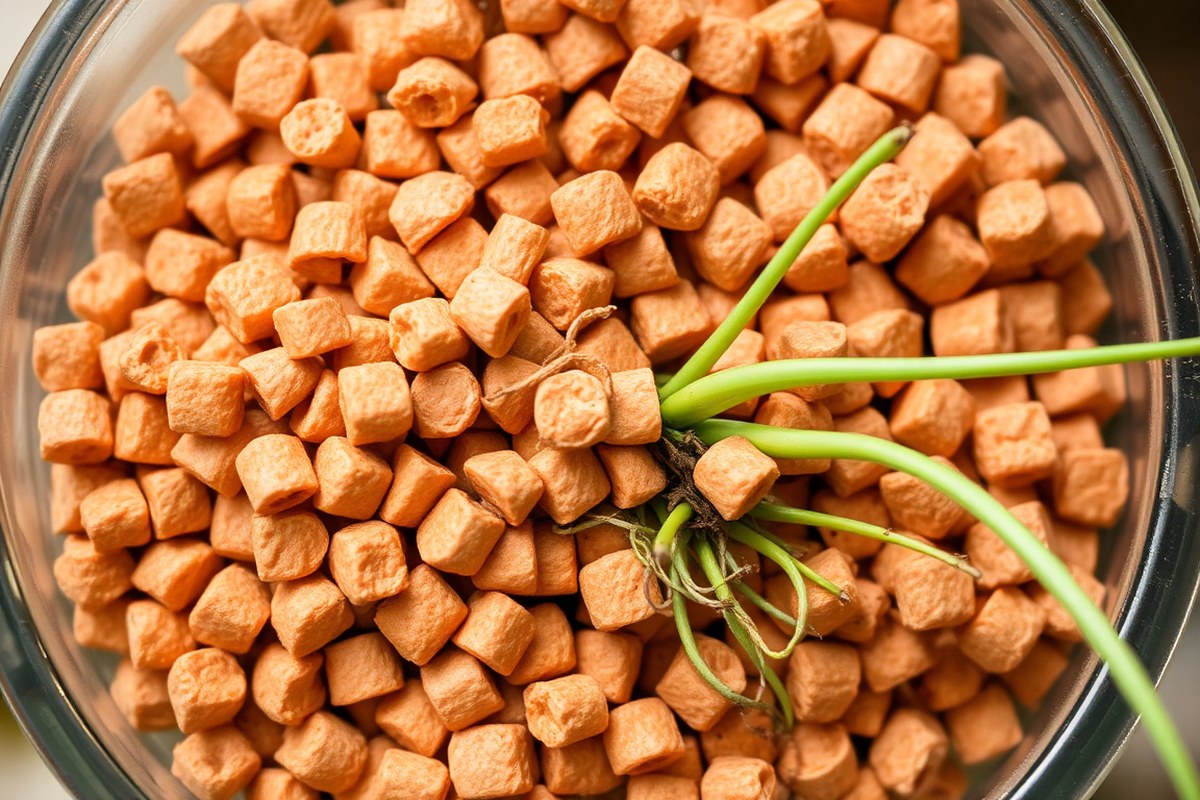
What is LECA for plants? LECA stands for Lightweight Expanded Clay Aggregate.
It’s a type of clay ball used as a growing medium instead of soil. The clay balls soak up water but still let air reach the roots.
LECA works well because it holds about 30% of its weight in water. This means it keeps roots moist without making them soggy. That helps plants avoid root rot and other problems caused by overwatering.
To use LECA, soak it in water for 24 to 48 hours before planting. This lets the clay balls absorb enough water to support your plants. Clean or replace LECA every 1 to 2 years.
The tiny pores clog over time. This affects plant health.
Key Takeaways
- Soak LECA in water for at least 24 hours before use to hydrate it fully.
- Replace LECA every 1 to 2 years to avoid clogged pores and poor drainage.
- LECA holds about 30% of its weight in water, reducing root rot risk.
- Use clean tap water for soaking to prevent introducing pests or diseases.
- Thoroughly rinse LECA to remove dust and debris before planting.
- Plants develop strong white water roots in 2 to 4 weeks before transferring to LECA.
What Is LECA and How Does It Work with Plants?
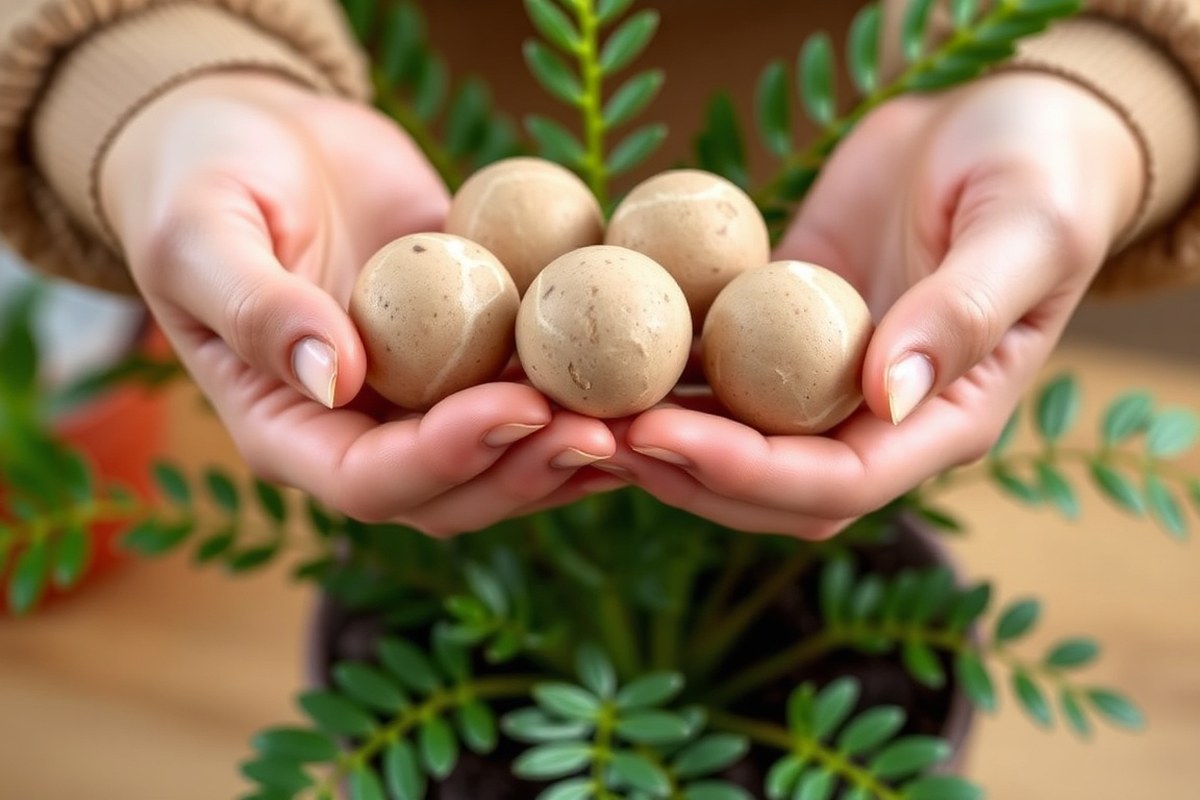
LECA means Lightweight Expanded Clay Aggregate. It is made by heating clay. The clay heats until it puffs into small, round balls.
These balls have a hard shell on the outside. Inside is porous, letting them hold water and air.
This helps plants get both at once. This unique structure creates a balance of moisture and airflow around the plant roots.
Unlike soil, LECA doesn’t cling to roots or hold nutrients on its own. LECA doesn’t hold nutrients for plants to eat. It holds plants up in the pot.
It also soaks up water at the pot’s bottom. You can see the water level in a clear pot. So guessing when to water is easier and root rot risks drop.
Its porous, lightweight texture lets roots get plenty of oxygen, which plants need to grow strong. LECA won’t break down like soil does. You can rinse it to clean it.
Many people reuse it with different plants. This makes it a cleaner, more eco-friendly option for indoor gardening, despite a higher upfront cost.
LECA works best in systems where water and fertilizers reach the roots directly, such as hydroponics. It won’t feed plants by itself.
So you have to add nutrients through water solutions. This gives you more control over feeding and reduces mess compared to soil.
The physical features of LECA balls make it easier to manage moisture without suffocating roots. Water sits below the level of the balls.
Capillary action draws it up to the roots as needed. This reduces the chance of overwatering, which is a common issue with soil pots.
The main difference from soil is how LECA keeps roots airier and the water more visible. Soil can compact and trap moisture unevenly, while LECA creates a crisp, steady environment. It’s especially good for tropical plants that like well-drained, airy root zones.
Which Plants Grow Best in LECA and Which to Avoid
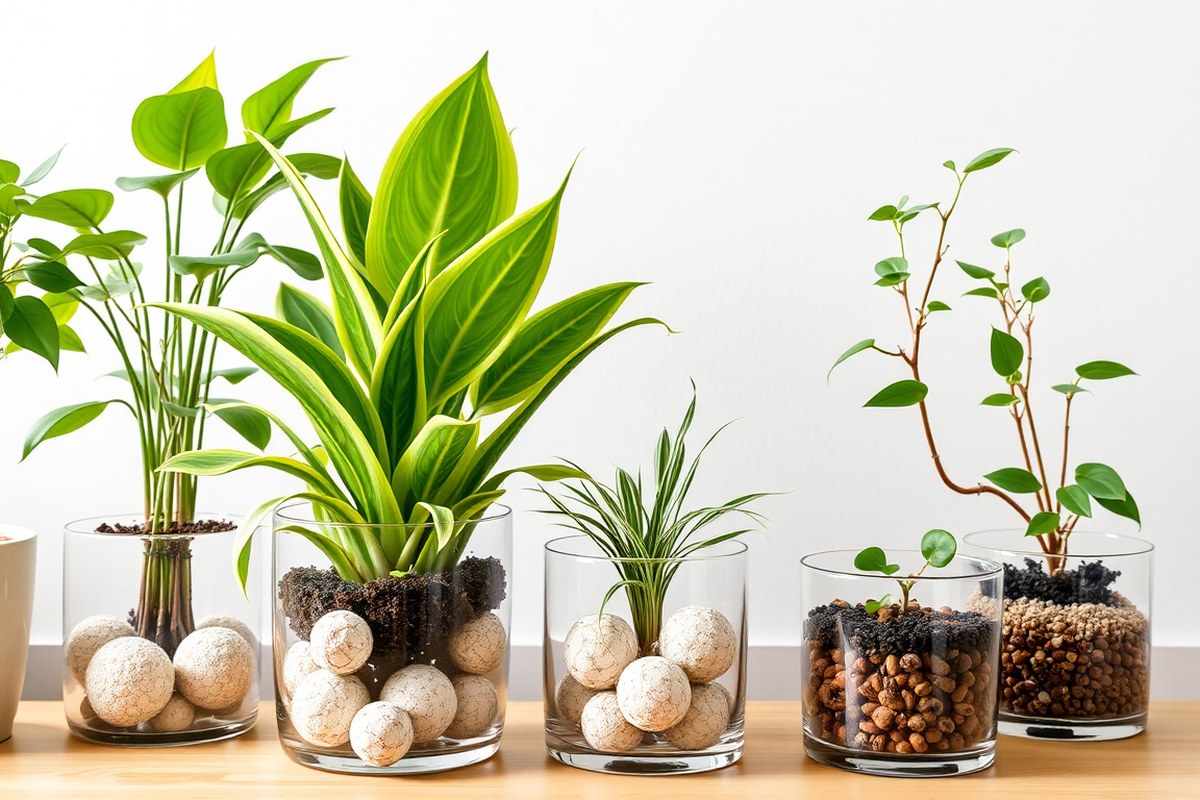
LECA works well for plants that need well-draining roots. It suits Monstera, Sansevieria, ZZ plants, and Orchids. LECA keeps roots airy and comfortable.
These plants tolerate the semi-hydroponic setup, where LECA holds moisture and air around roots. Hardier species with fast-growing roots adjust easier and thrive faster in LECA.
Delicate plants with shallow roots or those sensitive to environmental shifts may struggle. LECA lacks natural nutrients. So some plants might not absorb enough food without extra care.
Younger plants manage the switch better than old ones. Their roots adjust to moisture changes more easily. This helps them handle the move smoothly.
Some plants, like ferns or those needing constant moist soil, don’t do well in LECA. They prefer soil or other media that retain more water. Plants with thin roots can get hurt by big changes.
Switching environments too quickly risks root damage. Handle delicate roots with extra care.
Below is a simple decision table to help you choose wisely when starting with LECA:
| Plant Type | Fits LECA? | Why or Why Not |
|---|---|---|
| Monstera | Yes | Strong roots, tolerates hydro setup well |
| Sansevieria (Snake Plant) | Yes | Shallow roots, prefers well-drained medium |
| Orchid | Yes | Needs aeration, benefits from LECA’s air gaps |
| Ferns | No | Likes constant moisture, dislikes dry air roots |
| Begonia | Usually Yes | Likes humidity but can adapt with care |
| Delicate seedlings | No | Roots too fragile for LECA transition |
Start with plants known to do well in LECA before trying others. Soak LECA for 24-48 hours to prep it.
Let your plant develop white water roots in water for 2-4 weeks first. This helps plants adjust to the new medium smoothly.
Cleaning LECA every 6 months keeps it healthy and prevents disease or mold growth.
Using LECA can save money since it’s reusable after cleaning. Keep in mind LECA is inert and won’t feed your plant. You must add nutrients to the water often.
LECA does not have any organic material. Nutrients keep plants growing healthy and strong.
How to Prepare LECA Before Planting with Your Plants
Preparing LECA before planting means cleaning and soaking it correctly. You need to remove dust, soak the pellets, and optionally sterilize them. Handling water properly also helps your plants thrive in LECA.
Rinse LECA to Remove Dust and Debris
New LECA balls often have dust and debris from packaging or shipping. Rinsing clears away this dust to keep your water and plant roots clean. Use a fine-mesh strainer or colander to rinse the pellets under running water.
Rinse the LECA until the water runs much clearer than the first rinse. This usually takes several minutes and multiple water changes. Removing dust prevents clogged pumps and keeps your system hygienic.
Soak Duration and Water Quality Considerations
After rinsing, soak LECA balls for about 24 hours in clean water. This soaking hydrates the pellets, so they start absorbing moisture before planting. Some growers soak up to 48 hours for extra saturation.
Use room temperature tap water or filtered water for soaking. Avoid using very cold or hot water to prevent thermal shock to the pellets. Soaking also helps wash out any soluble minerals that might stress your plants.
Optional Sterilization Methods: Boiling vs Bleach Soak
Cleaning LECA before reuse helps stop bugs and diseases from spreading. Mix one part bleach with nine parts water. Let the LECA soak in that for around 15 minutes.
After bleach soaking, rinse LECA thoroughly to remove any residue. You can also pasteurize LECA by heating it up. Keep it at about 180°F (82°C).
Let it stay there for 30 minutes. Boiling is better for deeper sterilization but costs time and energy.
For new LECA, sterilization is optional. Focus on rinsing and soaking unless you suspect contamination from previous use.
Handling Tap Water: Chlorine and Mineral Content
Tap water contains chlorine and minerals that can affect your LECA plants. Usually, soaking LECA in fresh tap water works well. Chlorine in the water often fades after 24 hours.
This makes the LECA safe for your plants. Let it sit uncovered.
Hard or mineral-rich water can affect LECA. Rinse the balls several times using distilled or filtered water to avoid problems.
Excess minerals may build up on LECA and harm roots over time. Regular refreshing of LECA helps prevent this buildup.
For sensitive plants, using filtered or dechlorinated water during soaking and watering improves plant health. Always observe your plant and adjust water quality as needed.
- Place LECA in a fine-mesh strainer or colander.
- Rinse thoroughly under running water until it runs clear.
- Fill a container with room temperature tap or filtered water.
- Soak LECA for 24 hours to allow full hydration.
- For sterilization, prepare a 1:9 bleach-to-water solution.
- Soak LECA in bleach solution for 15 minutes, if desired.
- Rinse LECA thoroughly after sterilizing to remove residue.
- Drain LECA and use immediately or store in a clean container.
Tools and Materials Needed to Grow Plants in LECA
You need several tools and materials to grow plants in LECA successfully. Clear pots or containers are popular because they let you see roots and water levels easily.
However, clear containers can also encourage algae if exposed to sunlight. So plan to clean them regularly.
Choose pots with drainage holes to prevent water from stagnating around the roots. Unlike soil, LECA holds water differently.
So maintaining a water reservoir at the bottom of the pot is essential. Your plants will absorb moisture directly from this reservoir through their roots.
Since LECA contains no nutrients, you must add hydroponic fertilizer to your watering routine. Use a liquid fertilizer made for hydroponics. Dilute it well.
This feeds your plants the nutrients they need. Watch how your plant responds to feeding.
Adjust feeding every 1 to 2 weeks. This depends on your plant’s needs.
- Clear pots with drainage holes, 4, 6 inches wide minimum
- Hydroponic liquid fertilizer, diluted per product instructions
- Containers with a water reservoir or trays to hold water
- Water level indicator or clear sides to monitor water depth
- PH meter or test strips to check nutrient solution pH levels
- Clean water source, ideally filtered or distilled
- Tools to flush pots every 2-4 weeks to control algae growth
Water your LECA setup carefully to keep the reservoir moist but not flooded. Clay balls keep about 30% of their weight in water.
They also let oxygen reach the roots well. Check water levels weekly and top off with fertilizer solution as needed to prevent drying.
Keep moisture and nutrients balanced for the best plant health. This stops root rot. It also prevents nutrient problems.
Watch your plant’s growth closely. Changes in root or leaf health show when to adjust care. Regular monitoring with simple tools keeps your LECA garden thriving without much hassle.
How to Transfer Plants from Soil to LECA Safely
Moving a plant from soil to LECA requires careful root cleaning and gradual adjustment. The plant needs 10 to 14 days to start producing new water roots. Expect some leaf droop during this transition while the plant adapts.
Preparing the Plant: Cleaning Roots and Removing Soil
Start by gently taking the plant out of its soil pot. Carefully wash the roots under lukewarm water to remove all soil without breaking them. Soil left on the roots can cause rot or mold once in LECA.
Trim off any dead or mushy roots with clean scissors. Keep healthy roots intact but free of clumps. Tidying roots helps prevent root damage and sets the plant up for success.
Handle roots softly to avoid extra stress or breakage during cleaning.
Initial Soaking Period and Placing Roots in Water
After cleaning, soak the plant’s roots in plain water. Use water at room temperature. Soak them for one to two days.
This helps the roots switch from soil moisture to water absorption. Avoid soaking for longer than three days, as roots may suffocate or weaken.
Make sure water covers the root system but not the plant crown. Airflow is important, so avoid waterlogging the stem or leaves. This soaking period is the start of the plant’s adjustment to hydroponic conditions.
Planting Roots in Soaked LECA and Early Care Tips
Use pre-soaked LECA pellets, soaked for at least 24 hours in clean water. Place the roots gently among the LECA balls. Transfer the plant this way.
Let water wick up slowly to the roots. LECA provides good oxygen flow and stable moisture for roots.
Keep the water reservoir level just below the root crown to avoid rot. Check moisture daily and add a diluted hydroponic nutrient solution about once a week. Avoid fertilizing too soon, as roots need time to adapt.
Choose a container that supports LECA and fits the root system well for stability.
Monitoring Plant Stress and Leaf Changes During Transition
Expect some leaf yellowing or droop in the first 10 days after transfer. This is normal while roots adjust from soil to water uptake. Keep light steady, avoid drafts, and maintain moderate temperatures around 65 to 75°F.
Many leaves yellow or wilt after the first week. Check the roots for damage or rot. Also, adjust water levels as needed.
Root rot often happens if the water is too high or stagnant. Patience is important, but watch for signs of serious stress.
- Remove your plant gently from its soil pot.
- Rinse roots carefully with lukewarm water until clean.
- Trim any dead or mushy roots carefully with scissors.
- Soak roots in water for 1-2 days, avoiding water on the crown.
- Pre-soak LECA pellets for at least 24 hours before planting.
- Place roots in LECA, ensuring the water reservoir stays below the crown.
- Feed weekly with a light hydroponic nutrient solution after 1 week.
- Monitor leaves daily, adjusting water and light as needed.
Watering, Fertilizing, and Maintenance for LECA Plants
Plants in LECA need careful watering and regular feeding. You keep roots moist by adding water to the reservoir, never soaking the LECA directly. Flushing helps clear salts, and refreshing LECA keeps your setup clean and healthy.
Watering Frequency and Reservoir Management
Add water to the reservoir below the LECA balls, not on top of the medium. Keep the water level consistent so roots stay moist but oxygenated.
Check the water weekly. Refill when the reservoir is half empty. LECA holds less water than soil, so dry roots can happen faster.
Use a sight glass or transparent pot to watch water levels. Dry roots stunt growth and cause wilting.
Fertilizer Types and Nutrient Dosing in LECA
Use a hydroponic fertilizer designed for nutrient solutions. Follow the maker’s instructions for mixing strength carefully. Overfeeding harms roots.
Most growers fertilize monthly and top up water between feedings. This routine prevents salt buildup and gives steady nutrients.
Look up your plant’s needs. Some like lower doses or extra calcium and magnesium.
Routine Flushing to Remove Salts and Buildup
Flush LECA every 2 to 4 weeks to remove mineral buildup and stale water. This keeps roots healthy and oxygen flowing.
For wick-style watering, remove the inner pot, dump the water, and rinse LECA with fresh water. Let it drain before refilling. Flushing prevents toxic salt layers that block water absorption and cause leaf burn.
Replacing or Refreshing LECA Substrate
Replace LECA every 1 to 2 years if it discolours or smells. Over time, it gets clogged and less porous.
Refreshing means rinsing it thoroughly to remove debris and salts. Soak in clean water and scrub gently if needed.
Fresh LECA improves drainage and air flow. Keep the cost low by reusing LECA carefully each season. Here’s a quick comparison table for care steps with LECA:
| Care Step | Frequency | How to Do It | Reason |
|---|---|---|---|
| Watering | Weekly or as needed | Fill reservoir below LECA, keep steady level | Keep roots moist without drowning |
| Fertilizing | Monthly | Add hydroponic nutrients to reservoir per instructions | Supply essential nutrients steadily |
| Flushing | Every 2, 4 weeks | Empty reservoir, rinse LECA, refill fresh water | Remove salt buildup and stale water |
| LECA refreshing | Every 1, 2 years | Rinse or replace LECA completely | Restore porosity and prevent clogging |
Following this schedule helps plants thrive with LECA as their medium. Watch for signs like dry roots or brown leaf tips to adjust care. Proper watering and feeding keep your indoor garden healthy without soil complications.
Troubleshooting Common LECA Plant Problems and Solutions
Root rot can happen in LECA if roots stay too wet or lack oxygen. Overwatering causes it because LECA holds moisture but also needs air gaps. To fix root rot, take the plant out of LECA.
Cut off any mushy roots. Soak the LECA balls in hydrogen peroxide for 30 minutes. Let the LECA dry fully before repotting to keep oxygen flowing.
Algae growth is another issue when LECA stays too wet and light hits the surface. It looks like green slime on the clay balls. Scrub the LECA gently, rinse thoroughly, and lower watering frequency.
Also, placing plants away from direct sunlight helps. Fungus gnats and other pests can appear, especially when organic debris builds up. Though less common in LECA than soil, gnats can still fly in.
- Reduce watering to keep LECA damp, not soggy
- Boil new or reused LECA for 10 minutes to sterilize
- Clean the container and wipe leaves to remove pests
- Use yellow sticky traps to catch flying bugs
- Rinse LECA weekly to prevent algae build-up
- Trim yellow or wilted leaves promptly
- Feed plants regularly with water-soluble fertilizer
Leaves turn yellow or wilt in LECA because of nutrient problems. Stress from moving the plant from soil can also cause this. Plants need a water-soluble fertilizer since LECA offers no nutrients itself.
Stress shows as drooping or dropping leaves after repotting but should improve within days. Make sure roots aren’t too crowded or damaged. Keeping the right water level lets roots breathe and prevents problems.
Can LECA Be Mixed with Soil and What Ratios Work Best?
You can mix LECA with potting soil to improve drainage and reduce soil compaction. The exact ratio depends on your plant’s needs and your fertilizing habits. Usually, a mix with 30% LECA and 70% soil works well for many indoor plants.
When the LECA portion goes over 50%, you must fertilize more often. That’s because LECA does not hold nutrients like soil does. If you don’t fertilize regularly, your plants might suffer nutrient deficiencies.
| LECA to Soil Ratio | Effects on Watering | Fertilizer Needs | Best for |
|---|---|---|---|
| 0% LECA (100% soil) | Soil holds moisture well | Standard fertilizing | Most houseplants, low maintenance |
| 30% LECA / 70% soil | Improved drainage, less soggy soil | Normal fertilizing | Plants needing better aeration |
| 50% LECA / 50% soil | Good drainage, watch moisture levels | Increased fertilizing needed | Plants that like moist but airy roots |
| Above 50% LECA | Very fast drying | More frequent and complete fertilizing | Semi-hydro setups, experienced growers |
Mixing LECA with soil affects your watering routine. LECA drains faster and holds less water than soil. Watering habits must change to prevent underwatering or puddles that attract fungus gnats.
Over 50% LECA in soil needs more attention to feeding and watering to keep plants healthy.
Mixing LECA is useful when your soil tends to stay soggy or compacts easily. It can make watering easier for heavy-handed waterers.
But be aware that the mix dries faster. So you might water more often than with plain soil.
For plants sensitive to overwatering but still needing nutrients, mixing LECA and soil offers balance. Avoid letting water pool in the bottom, as this creates a breeding ground for pests. Use pots with good drainage holes and consider layering LECA at the bottom to improve airflow.
Step-by-Step Action Plan for Starting with LECA
Follow these steps to set up your plants with LECA and see healthy growth. Check each step to confirm your plant is adjusting well.
- Before you start: Soak LECA in water for at least 24 hours. This cleans and preps the clay balls for your plant.
- Day 1: Take your plant out of the soil carefully. Rinse the roots gently to remove dirt and avoid damage.
- Day 1: Put the plant in a container with wet LECA halfway up. Support the roots gently to keep them safe.
- Week 1: Water just enough to keep LECA moist but not soaked. Watch for any leaf droop.
- Week 2: Begin feeding the plant with diluted hydroponic fertilizer every week and observe new growth.
- Week 3: Check that LECA stays wet and roots look healthy without bad smell or rot.
- After one month: Adjust watering based on plant response, less if overwatered, more if leaves wilt.
- Ongoing: Rinse LECA with clean water every 4-6 weeks to prevent salt build-up.
Frequently Asked Questions
Which Plants Do Not Like LECA?
Plants that prefer consistent moisture or heavy soil may struggle in LECA. Examples include ferns and some flowering plants. These plants need soil that holds water longer than LECA’s porous balls can provide.
Can I Mix LECA with Potting Soil?
Yes, mixing LECA with soil can improve drainage and aeration. A common mix is 70% soil and 30% LECA.
This ratio cuts down soil compaction. It also keeps most nutrients in the soil.
What Are the Disadvantages of LECA Balls?
LECA provides no nutrients, so you must fertilize regularly with hydroponic solutions. It also has a learning curve since watering and feeding routines differ from soil. Plus, some plants don’t adapt well to LECA.
What Plants Can Grow in LECA?
Plants with good root airflow needs like Monstera and pothos thrive in LECA. Tropical plants that grow naturally in airier environments tend to do well in this medium. It replicates a low-soil, oxygen-rich root zone.
How Often Should I Clean LECA Balls While Growing Plants?
You should clean LECA balls about every six months to prevent mineral build-up. Cleaning keeps the balls sterile and reduces pests like fungus gnats. Use warm water and vinegar to rinse them well.
Can LECA Be Used for Seed Starting?
LECA doesn’t work well for seed starting. It holds less water than soil. Also, LECA has no nutrients for seeds.
Seeds usually need more moisture to sprout and nutrients to grow early roots successfully. Soil or seed-starting mix works better.
The Bottom Line
LECA is a great medium to grow many plants with clean and efficient roots. Start by preparing your LECA carefully and transitioning your plants gently. Watch your plants closely to fine-tune care for the best results.