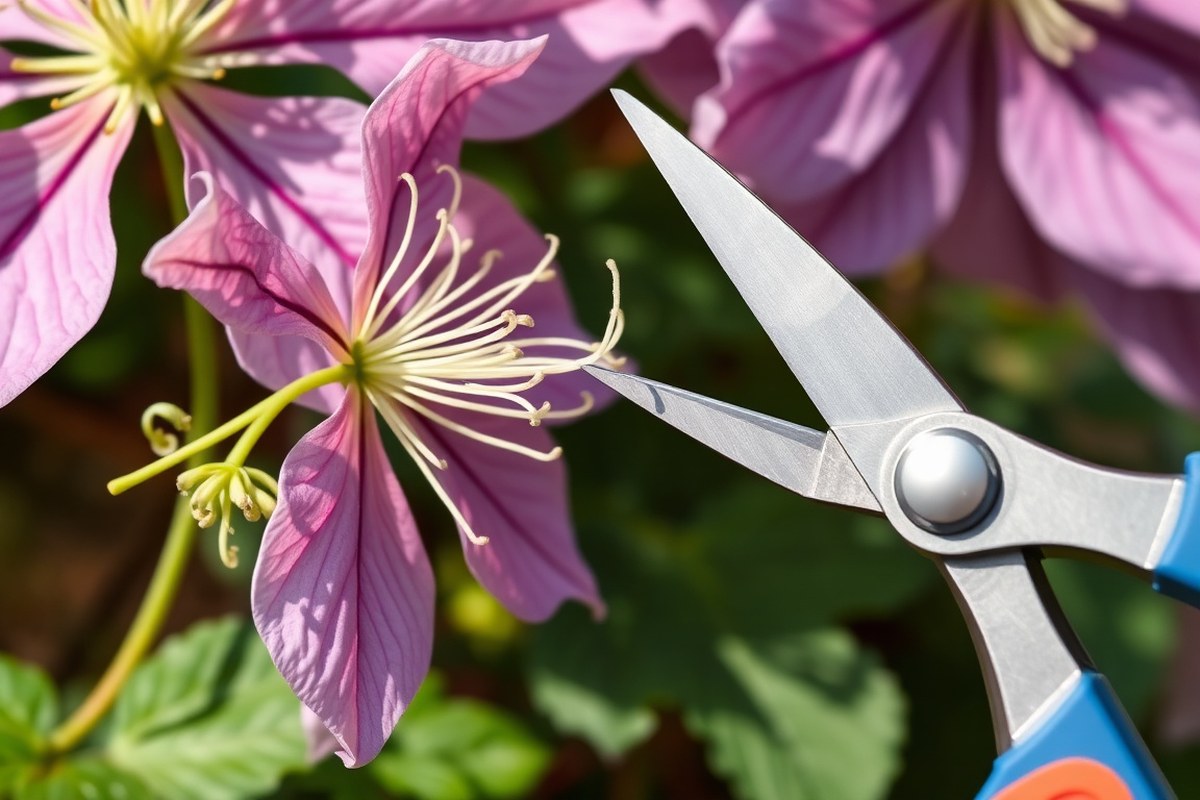
When to Cut Back Clematis: A Complete Guide for Healthy Blooms
Knowing when to cut back clematis is key for healthy blooms. Most clematis need pruning in late winter or early spring. Prune just as you see new growth starting on the plant.
This timing helps promote healthy growth and blooms. This timing helps plants recover fast and bloom better.
Group 3 clematis need a hard cut back in early spring. Cut the stems down to about 12 to 18 inches from the ground. This helps the plant grow strong and flower well.
Cutting at a 45° angle above a healthy bud encourages strong new stems. Be sure not to prune too early to avoid winter damage.
Groups 1 and 2 clematis need less pruning and usually only light cuts before spring. You should remove old, weak stems while watching for the first healthy buds. Adjust pruning based on your local climate and plant growth.
Key Takeaways
- Cut back Group 3 clematis hard in late winter or early spring.
- Prune Group 3 clematis stems to 12-18 inches above the ground.
- Make cuts at a 45° angle just above healthy buds.
- Lightly prune Group 2 clematis in late winter before growth starts.
- Group 1 clematis only need minimal pruning after flowering.
- Avoid pruning Group 3 clematis before winter to prevent damage.
Best Time to Cut Back Clematis by Pruning Group
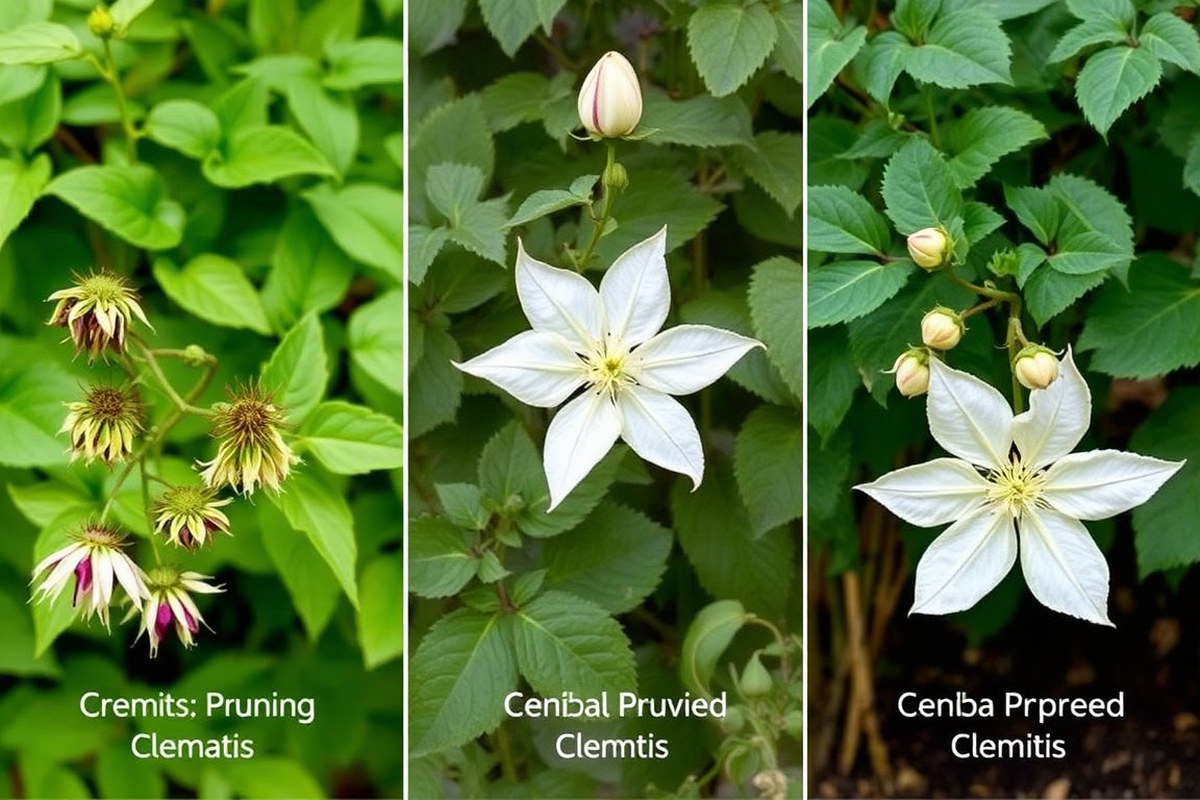
The best time to cut back clematis depends on its pruning group. Clematis are grouped by when they bloom and how much pruning they need. Choosing the right time avoids cutting off flowers and helps the plant grow well.
Identifying Group 1 Clematis
Group 1 clematis produce flowers on wood grown last year, often in early spring. Only prune dead branches and trim lightly after their flowers fade. Avoid cutting these plants before they bloom.
Clematis that flower prior to early summer usually fall into Group 1. These plants don’t need heavy pruning. Cutting too much will reduce flowers for the season.
Characteristics of Group 2 Clematis
Group 2 clematis open flowers in spring and summer. They bloom on both old and new wood. Prune lightly in late winter by removing weak or dead stems, but avoid hard pruning.
Light pruning in February works best for Group 2. You can also trim back a bit after flowering if the plant looks sparse or tired. These plants need some care but not a drastic cut back.
Traits of Group 3 Clematis
Group 3 clematis bloom on new growth in late summer. They need hard pruning in early spring, around February. Cut back all stems to about 12 to 18 inches tall.
Pruning Group 3 helps strong, healthy new growth and better blooms. These plants do not bloom on old wood, so cutting old stems doesn’t hurt. Wait to prune until just before new buds break.
Use the table below to compare pruning groups and timing. It shows bloom time, pruning window, and how to prune each group. This helps you know exactly what to do based on your clematis type.
| Pruning Group | Bloom Time | Pruning Window | Pruning Action |
|---|---|---|---|
| Group 1 | Early spring | After flowering | Remove dead wood only |
| Group 2 | Spring + summer | Late winter (February) | Light prune, remove weak stems |
| Group 3 | Late summer | Early spring (February) | Cut back to 12-18 inches |
Pruning at the right time saves you from losing flowers. Each group’s schedule matches its growth habit and bloom season. Check your plant’s bloom time to sort your clematis group and prune correctly.
How to Cut Back Group 3 Clematis for Maximum Growth
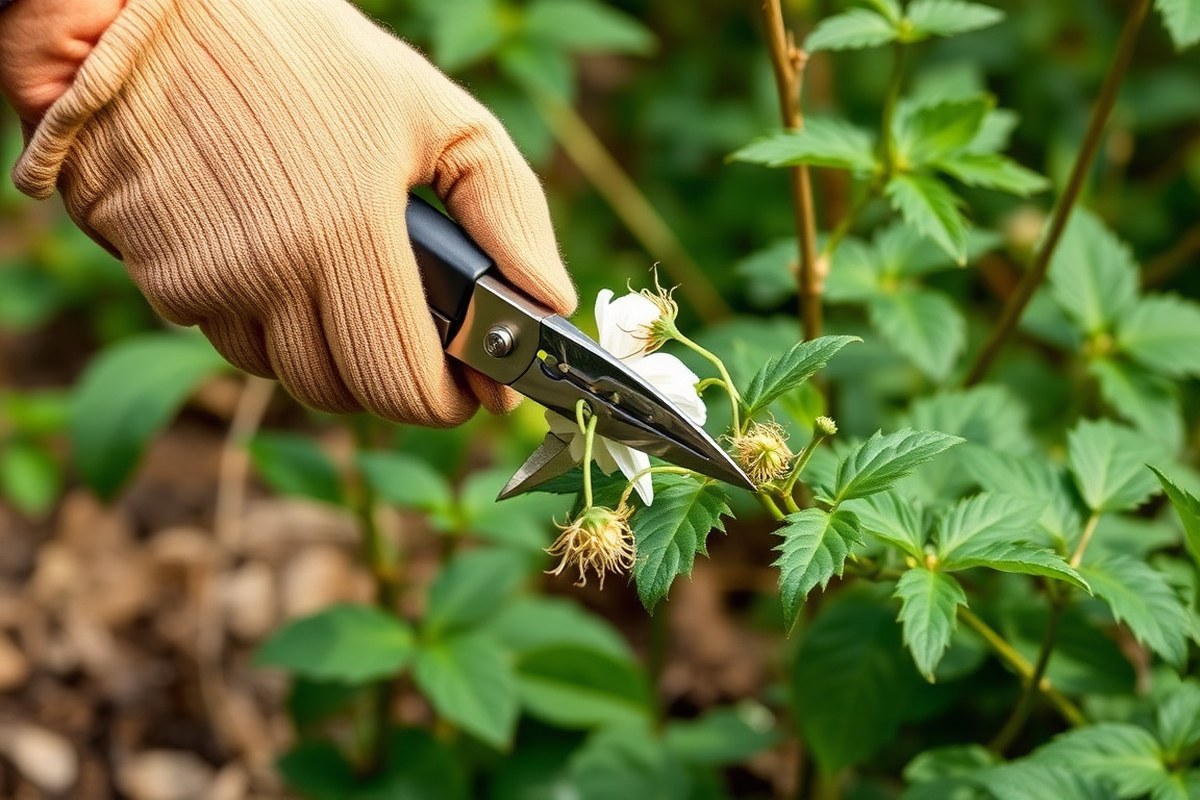
Cut back Group 3 clematis hard each early spring, when new growth starts. Cut all stems back to 12-18 inches (30-45 cm) above the ground. This encourages strong growth and flowering on new wood.
Choosing the Right Pruning Tools
Use sharp, clean pruning shears to make smooth cuts. Dull tools can crush stems and cause damage. A good-quality sharpening tool helps keep your shears in shape for easier pruning.
Hand pruners work well for most branches up to about ½ inch thick. For thicker stems, use loppers to get a clean, precise cut. Anything bigger may need professional tools.
Where and How to Make Cutting Angles
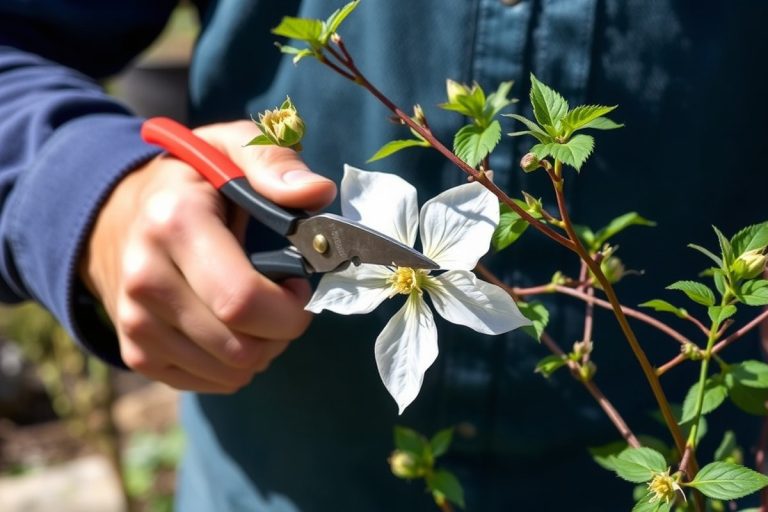
Make your cuts at a 45-degree angle just above a healthy bud or node. This angle lets water run off, preventing rot. Position the cut so the bud faces outward to support outward growth.
Trim all old stems back to the first pair of healthy buds. This usually means cutting 12-18 inches from the soil line. Remove any dead or damaged wood completely to keep the plant healthy.
Final Checks After Cutting
Look over the vine after pruning to remove any remaining weak stems. Clean up and dispose of all cuttings to avoid pests and diseases. Check pruning shears for sharpness before storing them away.
Water the plant well after pruning to help recovery. Avoid fertilizing right after cutting back; wait until you see new growth. Early spring pruning gives your clematis time to grow strong before blooming.
- Clean and sharpen your pruning shears before starting.
- Find the strongest stems and identify healthy buds 12-18 inches above ground.
- Cut each stem at a 45-degree angle just above a healthy bud.
- Remove all dead, weak, or damaged stems completely.
- Clear away the cut branches to prevent disease.
- Water the plant thoroughly after pruning is complete.
- Wait until new growth shows before fertilizing the clematis.
Prune your Group 3 clematis in early spring before buds swell. Avoid cutting back hard more often than once every three years to protect the vine’s health.
When and How to Lightly Prune Group 2 and Group 1 Clematis
Groups 1 and 2 clematis need light pruning, not a full cut back. Do a light trim in late winter to clear weak stems.
Prune again after the flowers fade to keep growth healthy. This helps keep the plant tidy and healthy without stressing it.
Pruning Right After Group 1 Blooming
After your Group 1 clematis blooms, prune it lightly to tidy up. Remove only the weakest or straggly stems to let new growth take over. Avoid cutting too hard to protect next year’s buds on old wood.
Pruning too early, like in fall or early winter, can cause weak late growth. Wait until the bloom finishes to make your cuts. This timing supports better flowering and less tangled vines.
Late Winter Light Pruning for Group 2
For Group 2 clematis, prune in late winter before spring growth starts. Focus on removing dead wood and any weak or damaged stems. Cut each stem back just to an emerging healthy bud to keep the plant vigorous.
Don’t cut stems too short, or you risk losing next season’s flowers. A late winter trim helps avoid a tangled mess of old and new wood. It also prepares the plant to produce strong flowering shoots.
- Use clean, sharp pruning shears to avoid damaging stems
- Cut stems back to just above healthy buds
- Remove dead, weak, or dead-looking growth only
- Avoid pruning in late fall to prevent weak new shoots
- Wait for clear signs of swelling buds before cutting
- Leave most healthy stems intact to protect next year’s flowers
Special Care for Newly Planted Clematis
New clematis needs careful pruning to establish strong growth. For the first winter, avoid heavy pruning. Instead, remove only dead or damaged stems to help the plant focus energy on root development.
In the second year, start light pruning. Use methods like those for Group 1 or 2 plants.
Keep an eye out for weak or dead growth and trim that back in late winter. This approach helps the plant build a healthy shape over time.
How Seasonal Climate Affects Clematis Pruning Timing
Pruning clematis depends a lot on your local weather, climate zone, and frost dates. Cold climates with late frosts need you to wait until late winter. Prune just before new growth starts.
This timing helps your clematis survive frost. Pruning too early may expose fresh cuts to frost damage, slowing the plant’s recovery and bloom.
In milder climates, pruning in late winter on a dry, overcast day works well. Avoid cutting back after growth begins, since this risks losing buds and reduces flower quality. In warmer areas, prune in early spring after frost danger passes.
This keeps your clematis healthy. It also helps the plant bloom stronger.
Timing also shifts with your clematis type and when it normally blooms. Check frost dates for your zone online or at local nurseries. Compare the dates to your clematis’s growth pattern.
This helps you prune at the right time. A simple rule for pruning: wait for swelling buds but no leaves.
Prune on a dry day. Avoid pruning after mid-spring to protect the buds.
Too-late pruning can rob your flowers. An early trim can expose the plant to freezing damage. Watch weather forecasts, especially in spring.
So you don’t prune just before a cold snap. Sharp bypass pruners make clean cuts.
These cuts heal faster. Faster healing lowers the chance of disease after pruning.
Delaying pruning until frost risk fades helps buds survive and bloom fully. This timing means you spend less time cutting dead or damaged stems later. Your clematis will bloom fuller and brighter with correct pruning.
Follow your climate and frost guidelines. This keeps your plant healthy and vibrant.
Aftercare: Feeding and Caring for Clematis Post-Pruning
After pruning, feed clematis with a balanced fertilizer that has equal nitrogen, phosphorus, and potassium. A 10-10-10 or 20-20-20 formula works well. Spread the fertilizer around the base but avoid touching the stems.
Water the area to help nutrients reach the roots quickly. This helps your clematis get the food it needs.
Water clematis regularly after pruning, especially during dry spells. Keep the soil moist but not soggy by deep watering once or twice a week.
Shallow watering causes weak roots. So soak about 6 to 8 inches deep for better growth.
Clematis likes full sun to partial shade. So ensure it gets six to eight hours of sunlight daily.
Morning sun with some afternoon shade suits most varieties, especially in hot climates. Too much shade slows growth and reduces flower production after pruning.
Mulch around the base to keep roots cool and moist. Use a few inches of organic mulch like compost or bark chips. Mulching cuts down weeds and keeps the soil moist.
This moisture helps clematis regrow strong stems and leaves. Keep the mulch layer about 2 to 3 inches thick.
Be careful not to overfeed, which can cause lush leaves but fewer flowers. Apply fertilizer every four to six weeks during the growing season, stopping by late summer. For container plants, use liquid feed every two weeks because soil nutrients wash out faster.
Pruned clematis that receives proper care will produce new growth within weeks. You’ll notice fresh shoots emerging from just above the cut buds. Weak regrowth or sparse flowering often means watering or feeding needs adjusting.
Water thoroughly after fertilizing to avoid root burn and help nutrients soak in well.
Common Clematis Pruning Mistakes and How to Fix Them
Cutting back clematis at the wrong time is a common mistake. Many gardeners trim too early or too late, which can stop flowers from blooming.
Pruning too soon might remove potential buds. Waiting too long can stress the plant and cause tangled growth.
Cutting too much at once is another problem. Clipping back more than one-third of stems can shock your clematis.
This can slow its recovery and delay flowering for the next season. Instead, remove only the necessary branches gradually over time.
Struggling with a messy, overgrown clematis? The key is to avoid heavy pruning all at once.
Start by clearing dead or weak stems, then gently untangle the vines. This helps the plant breathe and reduces disease risk.
- Prune only dead or weak stems first to avoid stressing the plant.
- Wait to prune group 1 and 2 clematis until spring. Prune just before new growth begins. This timing helps avoid damage.
- Prune group 3 clematis hard in early spring. Leave two healthy buds on each stem. This encourages strong growth.
- Don’t prune all stems at once; spread out over several seasons if needed.
- Use sharp, clean tools to prevent damage and infection.
- Mark your calendar with the correct pruning time to avoid mistakes.
- For very tangled vines, prune in small sections over a few weeks.
Many gardeners feel confused because clematis types require different pruning times. Identifying the pruning group first helps you avoid major errors. Overgrown clematis respond best to careful, slow trimming rather than quick, heavy cuts.
Good pruning leaves the plant looking balanced, with strong stems and plenty of buds. When done properly, clematis produces more flowers the next season. Incorrect timing or cutting too much weakens the vine and reduces bloom quality.
Preparing Clematis for Winter Without Damage
You don’t need to cut back clematis solely to prepare it for winter. The plant can handle the cold without needing a trim right before winter arrives. Pruning depends on the clematis group and growth cycle, not winter prep itself.
To protect your clematis during colder months, focus on mulching around its base. Apply a 2 to 4-inch layer of organic mulch, like shredded bark or compost. This mulch keeps roots warmer and holds soil moisture steady through freezing and thawing cycles.
Mulching stops soil from getting too hot during the day. It also slows down freezing at night. This helps protect your plants better.
This slows temperature swings that stress the roots. Keep mulch a few inches away from the stem to avoid rot.
Growing clematis in pots means the risk of winter damage is higher. Potted plants can’t insulate roots as well as those in the ground.
Move the pot to a sheltered spot or wrap the container with insulating material. Adding mulch on top of the soil inside the pot also helps keep roots cozy.
To prep clematis for winter, finish pruning early in the season. This helps the plant stay healthy before cold weather. Always check if pruning is needed first.
Next, clear weeds from the base and spread mulch evenly around the roots. Spread mulch so it’s about 3 inches thick around the plant.
Keep mulch from piling up against the stem to avoid rot. This protects the base of your clematis.
Preparing your clematis for winter usually takes less than 30 minutes. Mulch materials often cost under $20, but prices can vary.
This is a quick, affordable step. You’ll see less root freeze damage and steadier plant health come spring with this easy step.
A common problem is piling mulch too thick or too close to the clematis’ main stem. That traps moisture and encourages stem rot. Keep mulch well-distributed and pull some back in spring to allow fresh growth room.
Protecting clematis roots with mulch is a smart investment for any home gardener. The plant stays healthier during cold snaps and bounces back faster when the weather warms. Avoid digging or heavy pruning late in fall to keep this protection intact.
Special Pruning Considerations for Container-Grown Clematis
Pruning container-grown clematis differs because their roots are more exposed to cold. You must prune clematis using the group pruning guide. Always keep their limited space in mind.
This helps maintain healthy growth and good shape. Container plants dry out faster and need extra care after cutting back.
Prune potted clematis at the same time as garden plants. Match pruning to their group type. This avoids confusing their growth cycles.
However, you need to be more careful protecting pots from frost. Move containers indoors or to a sheltered spot if temperatures drop below 32°F (0°C).
After pruning, wrap pots in bubble wrap or burlap to insulate roots. Adding mulch on the soil surface helps keep moisture and temperature stable. Water clematis just before a cold snap.
Dry roots get more damage in freezing weather. Proper watering helps protect the plant.
Container clematis benefit from regular feeding, especially after pruning, due to limited nutrients. Use a balanced liquid fertilizer every two weeks in spring and summer. Avoid overwatering, which can cause root rot, especially when pots are insulated tightly.
Choose the right-sized pot for your clematis to avoid cramped roots restricting growth. Repot every 2 to 3 years to refresh soil and check root health. The plant may weaken if it becomes root-bound.
It can flower less even with good pruning. Repotting can help if you notice this problem.
Never leave container clematis in freezing air without insulation after pruning. Their shallow roots get damaged fast.
Step-by-Step Action Plan for Cutting Back Clematis
Prune your clematis at the right time. This helps it grow healthy and bloom well.
Follow these easy steps to do it right. Pay attention to the type of clematis you have before you start.
- Before spring starts: Identify your clematis group (1, 2, or 3). This shows you how and when to prune your clematis.
- Early spring (for Group 3): Cut back all stems to about 12 inches above ground. You’ll see strong new shoots within weeks.
- Late winter or early spring (for Group 2): Cut out weak or dead stems first. Next, trim the healthy stems lightly. Look for healthy bud growth after pruning.
- After flowering (for Group 1): Snip spent blooms and shape the plant gently. Watch for next year’s flower buds forming on old wood.
- Late fall: Clear fallen leaves and mulch around the base to protect roots in winter. Check for signs of frost damage in spring.
- During growing season: Feed your clematis with balanced fertilizer monthly after pruning. Notice stronger, more vibrant leaf growth.
- Container-grown clematis: Prune lightly year-round and repot every 2-3 years. Healthy root growth signals timing to prune or repot.
Frequently Asked Questions
How to Cut Back Clematis in Autumn?
Avoid heavy cutbacks in autumn to protect your clematis from frost damage. Instead, clear away dead or damaged stems and mulch to shield roots during winter. Light pruning can keep the plant tidy without risking growth loss.
What’s the Best Fertilizer for Clematis?
Use a balanced, slow-release fertilizer in early spring for healthy growth. Clematis plants benefit from a 10-10-10 or similar mix applied around the base. Avoid over-fertilizing, which can cause excessive leaf growth instead of flowers.
How Much Sun Does Clematis Need?
Clematis prefer full sun to partial shade to bloom well. They need at least six hours of sunlight daily for strong flower production. You can plant support nearby to shade roots while keeping vines sunny.
What Is the Best Soil for Clematis?
Clematis thrive in well-draining, fertile soil rich in organic matter. Aim for slightly alkaline to neutral pH and add compost for nutrients. Good drainage prevents root rot and supports vigorous growth.
When to Cut Back Clematis?
Cut back clematis in late winter or early spring before new growth shows. Group 3 types need a hard prune to 12-18 inches to encourage strong flowering.
Light pruning suits Group 2. Group 1 only needs dead wood removed after flowering.
Can I Prune Clematis in Summer?
Yes, you can lightly prune clematis in summer to remove dead flowers. This helps tidy the plant and may encourage a second bloom. Avoid heavy pruning, which can reduce flowering next season.
Wrapping Up
Cutting back clematis at the right time lets your plant grow well and bloom fully. Know your clematis group and follow the pruning steps. Start with identifying your clematis type today to plan your pruning right.