Is Blood Meal Good for Tomatoes? Effective Tips to Boost Growth Safely
Is blood meal good for tomatoes? Yes, it can really help your plants grow strong.
Blood meal is rich in nitrogen, which tomato plants need for leafy growth. Applying it at the right time gives your tomatoes a nice energy boost.
Use blood meal carefully because too much nitrogen can harm tomatoes. Spread it a few inches away from the stem to avoid burning the roots. It works fast, usually feeding plants within two weeks after you apply it.
Start by spreading about 1 to 2 pounds per 100 square feet. Watch your plants carefully after applying. Adjust the amount based on their growth.
Soak blood meal in water to create a liquid feed. Use this for easy root feeding of your plants.
It helps nutrients reach the roots faster. Just keep an eye on your plants to avoid overdoing it.
Key Takeaways
- Blood meal supplies high nitrogen that promotes healthy tomato leaf growth.
- Use between 1 and 2 pounds of blood meal around your plants. Spread it evenly over every 100 square feet. This helps supply needed nitrogen.
- Keep blood meal at least 4-6 inches away from tomato stems.
- Reapply blood meal every 4-6 weeks during the growing season if needed.
- Blood meal releases nutrients quickly, feeding tomatoes within 1-2 weeks.
- Use blood meal tea by soaking it in water for 24-48 hours for liquid feed.
Is Blood Meal Beneficial for Tomato Plants?
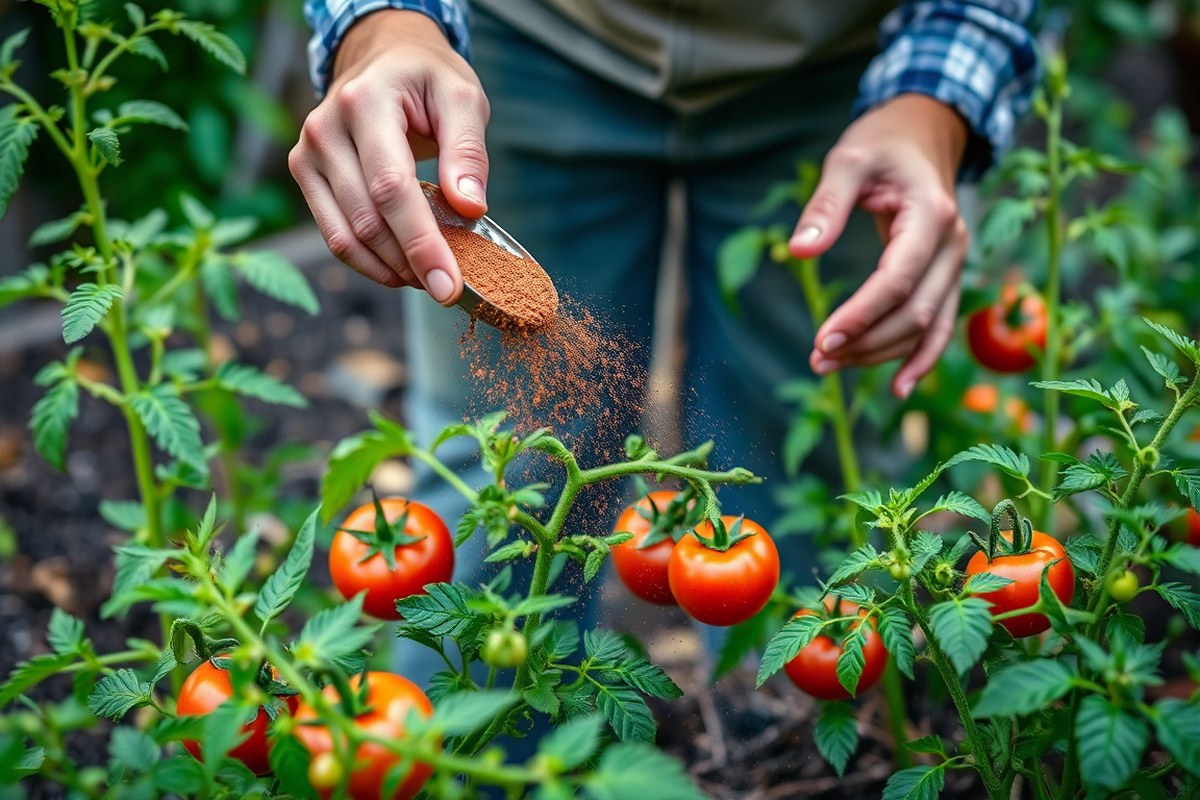
Blood meal works well for tomatoes when used correctly in the garden. It provides a strong source of nitrogen needed for leafy growth and early strength. Young tomato plants need lots of nitrogen to grow into healthy, fruit-supporting vines.
This fertilizer is organic and fast-acting, usually releasing nutrients within one to two weeks. Apply blood meal around tomato plants when you see new growth in spring. Start this early in the season to help young plants.
This timing lets tomato plants soak up nitrogen for better leaves and roots. It avoids shocking the young seedlings while encouraging growth.
Blood meal contains about 13% nitrogen, which helps fruit production. It supports roots and helps plants absorb nutrients better. Using blood meal prevents tomato problems like slow growth and yellow leaves.
These issues usually happen when plants don’t get enough nitrogen. Avoid blood meal after tomato plants start to flower. Too much nitrogen at this stage can cut down fruit production.
Spread blood meal around the plant base, staying at least six inches from the stem. This keeps the roots fed without harming the stem. This keeps roots safe and encourages good absorption.
One treatment can last six to eight weeks. You might need to add blood meal every four to six weeks. Check tomato leaves for signs they need more nitrogen.
Blood meal also has some drawbacks, like the strong smell that can attract pests. It’s best used moderately and not during seed germination. Too much blood meal at once can make tomatoes grow too fast.
This can stop them from flowering and producing good fruit later. For home gardeners wanting organic growth, blood meal is a good choice. It encourages strong, healthy young tomato plants without chemicals.
What Nutrients Does Blood Meal Provide Tomatoes?
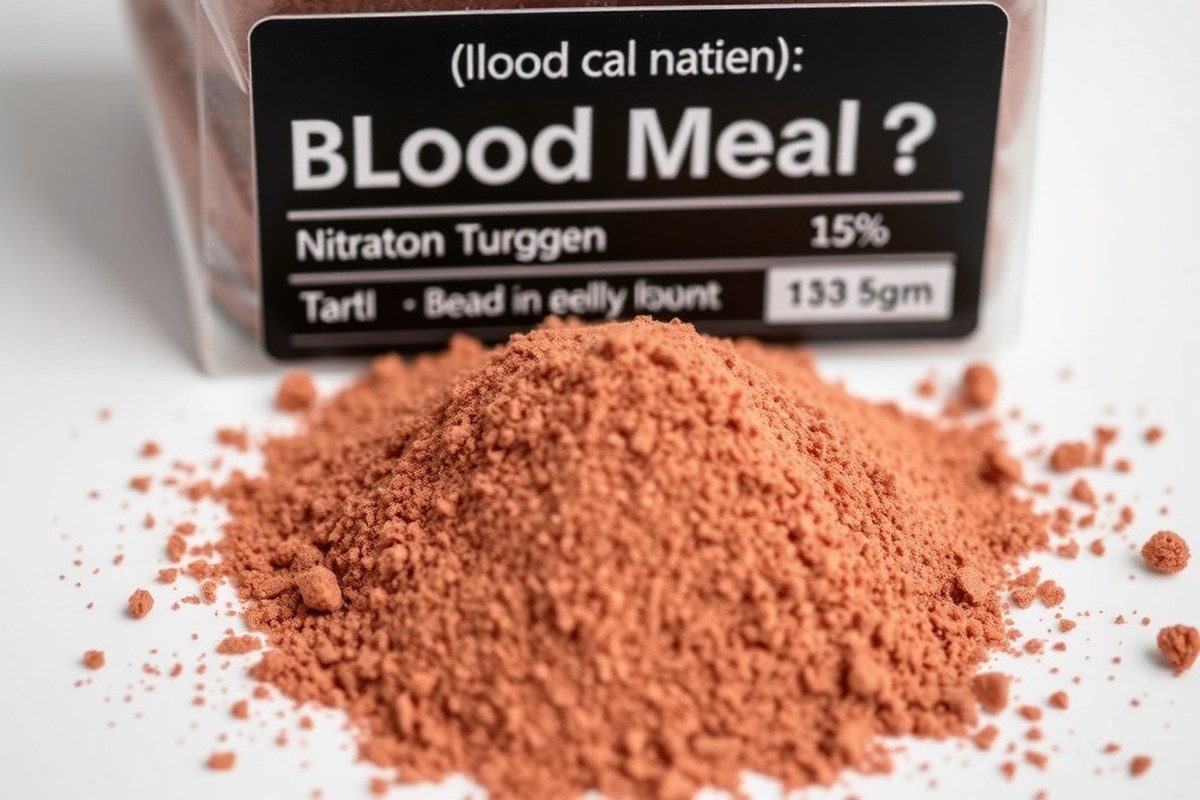
Blood meal gives tomatoes mainly nitrogen, with very little phosphorus and potassium. This nutrient mix helps tomato plants grow leafy and green but doesn’t fully support fruit development. It’s best to balance blood meal with other fertilizers for a complete nutrient supply.
Nitrogen Content and Its Role
Blood meal has a high nitrogen content, usually between 12% and 14%. Nitrogen helps tomato plants make healthy leaves and stems. This boost in growth helps the plant capture more sunlight for energy.
The nitrogen in blood meal is highly soluble, which means tomatoes can absorb it quickly. You’ll usually see faster leaf growth within one to two weeks after application. Too much nitrogen, however, can cause overgrown foliage with little fruit.
Phosphorus and Potassium Levels
Phosphorus and potassium help tomato flowers and fruit grow well. Blood meal has about 0 of these nutrients. So, it lacks enough phosphorus and potassium for fruiting.5% to 1% of each.
This is much lower than what tomatoes need for good fruit development. You might notice fewer or smaller tomatoes without extra sources of these nutrients.
To support fruiting, add fertilizers rich in phosphorus and potassium along with blood meal. Bone meal or rock phosphate can boost phosphorus. Kelp meal or greensand supplies potassium.
Comparison with Bone Meal and Compost
The table compares blood meal, bone meal, and compost. It shows nitrogen (N), phosphorus (P), and potassium (K) percentages. You can see the differences clearly there.
Blood meal stands out with the highest nitrogen but much lower phosphorus and potassium. Bone meal is the opposite with high phosphorus and zero potassium. Compost offers a balanced but lower nutrient concentration.
| Fertilizer Type | Nitrogen (N%) | Phosphorus (P%) | Potassium (K%) | Solubility Rate | Release Time |
|---|---|---|---|---|---|
| Blood Meal | 12, 14% | 0.5, 1% | 0.5, 1% | High | 1, 2 weeks |
| Bone Meal | 3, 4% | 15, 20% | 0% | Low | 3, 6 months |
| Compost | 1, 3% | 0.5, 1.5% | 1, 2% | Medium | 2, 8 weeks |
| Tomato-Specific Fertilizer | 5, 8% | 10, 15% | 10, 15% | High | 1, 2 weeks |
This mix explains why blood meal helps leafy growth. It is not enough alone for strong fruit production. You need other nutrients to support fruiting.
Compost provides a slower release and offers more balanced nutrients. Tomato fertilizers made for fruit often include higher potassium and phosphorus.
Tip: Use blood meal with bone meal or kelp meal. This covers all nutrient needs for tomatoes. Mixing helps get better fruit and leaves.
When and How Should You Apply Blood Meal to Tomatoes?
Apply blood meal around the time you plant your tomatoes for best results. Use 1 to 2 tablespoons of blood meal per tomato plant. Keep it a few inches away from the stem.
This prevents harming the plant’s base. This prevents root burn and supplies needed nitrogen for strong growth.
Applying Blood Meal Before Planting
Adding blood meal before planting gives tomato plants nitrogen right from the start. Mix it into the soil in the planting hole or sprinkle it around the spot. Doing this helps your young tomato roots absorb nutrients safely.
Prepare the soil first by loosening it well. Then work the blood meal into the top few inches to encourage even nutrient spread. This method helps establish your tomatoes with steady nitrogen access.
Top Dressing Established Tomato Plants
Use blood meal as a top dressing for tomatoes that are already growing well. Sprinkle it around the base of each plant without touching the stem directly. This method safely boosts nitrogen and supports ongoing growth.
Apply blood meal during early spring or a few weeks after transplanting outdoors. Avoid heavy applications to prevent salt buildup that can stress your tomato roots. Light, careful application is key here.
Making and Using Blood Meal Tea
Blood meal tea is a liquid fertilizer you can make. Soak blood meal in water for one or two days. Then use the liquid to feed plants.
This creates a quick nutrient boost without the risk of burning your plants. Use it as a gentle feed for tomatoes showing nitrogen deficiency.
Apply the tea by pouring it directly onto the soil near the plant base. Avoid wetting tomato leaves to reduce disease risk. This method spreads nutrients faster and is especially good for container-grown tomatoes.
Recommended Dosage and Distance from Stem
Use 1 to 2 tablespoons of blood meal per tomato plant. Adjust this based on soil tests or package instructions. This helps you feed plants just right.
Sprinkle it starting about 3 inches from the stem and extending out to the drip line. This keeps the blood meal safe from burning the stem and young roots.
Mix blood meal lightly into the top soil layer. Or water it in right after applying it. This helps the plants absorb nutrients better.
Watch plants closely for signs of over-fertilizing like leaf yellowing or wilting. Adjust the next application if needed to keep your tomatoes healthy.
- Loosen soil around your tomato planting spot.
- Measure 1 to 2 tablespoons of blood meal per plant.
- Sprinkle it evenly, starting 3 inches from each stem.
- Lightly mix it into the top soil layer without disturbing roots.
- Water the area well to help nutrients reach roots.
- Repeat application only if your tomatoes show nitrogen deficiency signs.
How Often Should Blood Meal Be Reapplied for Tomatoes?
Tomato plants need blood meal mostly every six to eight weeks. You reapply blood meal when you see yellow leaves. Yellowing usually starts on the lower leaves.
This shows your plant needs more nitrogen. This timing fits the plant’s active growing phase, giving a quick boost when needed.
Tomato leaves turning pale or yellow means slow growth. Add blood meal to help fix this. Use about 1 to 2 tablespoons per square foot to avoid overdoing it.
Too much blood meal can cause leaf edges to burn. The edges turn brown or crispy. This burn can hurt your tomato plant.
Blood meal acts fast, so wait a few weeks after application to see results. Your soil may get acidic if you add blood meal too often.
This can upset how plants get nutrients. Check your soil pH now and then and don’t apply blood meal more than needed.
For young or raised bed tomatoes, mix one handful of blood meal around each plant. This helps them start strong.
You usually don’t need to reapply until they start flowering or show yellowing again. Monitor your plants closely, especially during hot weather, since they use nitrogen faster then.
Applying blood meal too often can hurt tomatoes and nearby plants. Some plants need less nitrogen to do well. Stick to about two months between doses unless your plants clearly need more nitrogen.
Look at your tomato leaves’ color to know when to add blood meal again. Watching leaf color is the best guide.
What Are the Potential Drawbacks of Using Blood Meal on Tomatoes?
Blood meal can harm tomato plants if you use too much or apply it too close. Its high nitrogen content risks “burning” the plants by causing leaf scorch or yellowing. Spread the blood meal evenly.
Keep it 4 to 6 inches from the stem. This prevents damage to the plant.
Over-fertilizing with blood meal can upset the soil’s balance. Too much nitrogen may stunt fruit production by encouraging leaf growth instead. Blood meal can lower soil pH.
This makes the soil more acidic. Too much acidity may harm tomatoes.
The strong smell of blood meal may attract unwanted pests such as raccoons, dogs, or rodents. These animals could dig up your plants while trying to reach the fertilizer. Watch for pest activity after applying blood meal, especially in the early morning or evening.
Measure blood meal carefully every time. Apply it away from the plant’s base. This helps avoid burning and pests.
Blood Meal vs Bone Meal and Other Organic Fertilizers
Blood meal and bone meal are both popular organic fertilizers for tomatoes. But they serve different nutrient needs.
Blood meal is high in nitrogen, feeding leafy growth early in the season. Bone meal supplies calcium and phosphorus, which support fruit development later.
Choosing between blood meal and other organic options depends on your soil. Check your tomato growth stage. Match your fertilizer choice to both factors.
Blood meal is great if your soil lacks nitrogen and you want fast green growth. Bone meal and similar fertilizers work well when soil has enough nitrogen.
They add calcium. Calcium helps stop blossom end rot.
Here’s a quick comparison to help you decide what fits your tomatoes best. Use blood meal at transplant or early growth to boost leaves.
Switch to bone meal or balanced organic blends during fruit set. Other organic fertilizers, like compost or fish emulsion, can complement these by adding diverse nutrients.
| Fertilizer | Main Nutrients | Best Use Timing | Pros | Cons |
|---|---|---|---|---|
| Blood Meal | High nitrogen | Early season (transplant) | Quickly feeds leaf growth, organic | Can burn plants, costly |
| Bone Meal | Calcium, phosphorus | Mid to late season (fruit set) | Prevents blossom end rot, supports fruit | Slow release, less nitrogen |
| Compost | Balanced, low nutrients | All season | Improves soil health, cheap | Slow nutrient boost |
| Fish Emulsion | Nitrogen, some phosphorus | All season | Fast-acting, gentle | Smelly, temporary |
You might skip blood meal if your soil has enough nitrogen. Also skip it if you want to save money. Opt for bone meal or mixed organic fertilizers to support fruit development instead.
To feed your tomatoes all season, mix blood meal with other fertilizers. Reapply carefully for best results.
Safety and Environmental Considerations When Using Blood Meal
Blood meal is safe for organic gardening when you choose it from trustworthy suppliers. It must come from certified organic animals and be processed without synthetic chemicals. The USDA National Organic Program approves blood meal under these conditions.
Use the recommended rates like 1 to 2 pounds per 100 square feet. This prevents overloading nitrogen. Always follow these guidelines carefully when applying it.
Pets and wildlife usually aren’t harmed by blood meal if you apply it carefully. Keep the fertilizer out of reach of dogs and cats to avoid accidental ingestion. Birds and small wildlife might be attracted to the smell but rarely suffer from small amounts.
Avoid making heavy piles on the soil surface. Strong nitrogen doses can hurt roots or stress plants. This stress can affect nearby animals too.
The smell of blood meal is strong and can be off-putting indoors or in close quarters. Outdoors, the odor may repel some unwanted insects, which helps protect your tomatoes. Mix blood meal into the soil to reduce its smell.
Don’t leave it exposed on top. This helps keep odors down.
Store blood meal in a cool, dry place with a tight seal. This stops odors from spreading in your garden shed or garage.
Here’s a checklist for handling blood meal safely: Choose organic-certified blood meal. Apply 1 to 2 pounds per 100 square feet once per growing season. Mix it into the soil to cut down on odors and exposure risk.
Keep pets and wildlife away from freshly fertilized areas. Store unused blood meal in a sealed container away from heat and moisture. Wear gloves to avoid skin irritation when spreading it.
These steps take a few minutes each time but help keep your garden safe and comfortable. Good results happen when tomato plants get enough nitrogen to grow well. Avoid strong smells and risks to pets.
This balance helps your garden thrive. Using blood meal correctly creates a healthy environment for tomatoes.
It also protects the creatures around your garden. Keep usage balanced and careful.
Avoiding Common Blood Meal Mistakes with Tomatoes
Common mistakes with blood meal include using too much. Applying it at the wrong time is another error. People also often ignore pest problems when using it.
Avoid these by timing applications for early growth, measuring carefully, and storing blood meal properly. Fix leaf burn by reducing blood meal use.
You should balance nitrogen with other nutrients too. This helps keep plants healthy and growing well.
Using Too Much Blood Meal
Blood meal contains 12-15% nitrogen, which speeds up leaf growth but can harm plants if overused. Excess nitrogen causes leaf burn and weakens tomato stems. Over-applying also wastes money and can damage soil life over time.
Follow this checklist to avoid overuse and prevent nitrogen burn:
- Measure blood meal carefully using 1 tablespoon per plant for early growth.
- Apply evenly around the root zone, keeping it 3 inches from stems.
- Water after applying to help nutrients reach roots without concentrating on leaves.
- Skip applications if you see dark green leaves with brown edges, they signal burn.
- Balance nitrogen with phosphorus and potassium from other organic sources.
- Repeat only once every 4 to 6 weeks unless soil tests show more nitrogen is needed.
Too much blood meal is like feeding plants fast food. Damage to plants can start in just a few days. Watch your plants closely for signs of stress.
Applying Blood Meal at Wrong Growth Stages
Applying blood meal too late causes excessive leaf growth and fewer fruits. Tomatoes need nitrogen early to build healthy leaves and stems, then less once flowering starts. Feeding nitrogen after fruit set can reduce yield and delay ripening.
Blood meal works best during the first four to six weeks after transplanting tomatoes outside. Stop using it at flowering or switch to a fertilizer richer in phosphorus and potassium. This change helps tomatoes focus on making fruit, not more leaves.
Cut back nitrogen if blood meal was added too late. Add balanced compost or organic potash alongside to support plants.
This helps keep your tomatoes healthy. Monitor plants closely to catch weak fruit growth or overly lush foliage.
Preventing Pest and Odor Issues
Blood meal has a strong smell that can attract pests like rodents and raccoons. Storing it in airtight containers and applying just before rain helps keep critters away. Spread blood meal thinly to prevent concentrated smells around plants.
Mask blood meal by mixing it with soil or compost before applying. This lowers odor and keeps fertilizer where roots can access nutrients. Protect stored blood meal from moisture, which causes clumping and reduces effectiveness.
Check your tomato plants often for pest damage after applying blood meal. Remove any spilled blood meal quickly to avoid attracting pests. Keeping the area clean helps protect your plants.
Step-by-Step Action Plan for Using Blood Meal on Tomatoes
Use this plan to feed your tomato plants with blood meal effectively. Follow each step and watch for healthier leaves and stronger growth.
- Before planting: Mix ½ cup of blood meal per 10 square feet into the soil. This prepares the nitrogen for early growth. Check soil moisture to ensure it absorbs well.
- Two weeks after transplanting: Sprinkle ¼ cup of blood meal around each plant’s base. Water it in lightly. Look for new dark green leaves after a week.
- Monthly during flowering: Apply ⅓ cup of blood meal in the same way. This keeps nitrogen supply steady while fruits develop. Watch for any yellowing or leaf curl.
- Avoid overuse: Stop using blood meal if leaves turn too dark or growth slows. Excess nitrogen can hurt fruit production.
- Monitor your plants: Observe tomato leaf color and size weekly. Adjust blood meal use based on this to avoid problems.
- Harvest time: Stop adding blood meal when tomatoes start ripening. This helps balance nutrients for good fruit flavor.
Frequently Asked Questions
Can Blood Meal Cause Leaf Burn on Tomato Plants?
Yes, too much blood meal can burn tomato leaves. Use it carefully and mix into soil, never apply directly on leaves.
Will Blood Meal Attract Pests to My Tomato Garden?
Blood meal may attract pets like dogs or raccoons. Store it tightly and avoid overusing near garden edges.
Can I Use Blood Meal for Tomato Seedlings?
Blood meal is too strong for seedlings. Wait until plants have a few sets of true leaves before applying.
Is Blood Meal Safe for Container-Grown Tomatoes?
Yes, blood meal works for containers but use less. Follow the same rate as in-ground plants to avoid overfeeding.
Does Blood Meal Affect Tomato Fruit Size?
Indirectly, yes. Blood meal boosts leafy growth with nitrogen, but balanced nutrients affect fruit size more. Add potassium too.
Can Blood Meal Replace All Fertilizer Needs for Tomatoes?
No, it mainly provides nitrogen. Tomatoes need phosphorus and potassium too, so use other fertilizers for balance.
Final Thoughts
Blood meal can boost your tomato plants with needed nitrogen. Use it carefully and watch your plants’ leaves for signs. Start by adding blood meal before planting to give your tomatoes a good head start.