How to Prevent Tomato Hornworms: 8 Effective Natural Methods That Work
How to prevent tomato hornworms starts with spotting them early and using natural methods. These caterpillars hide well but cause serious damage fast once hatched. Using a mix of strategies slows their spread and protects your plants effectively.
Start by inspecting your tomato plants often, focusing on leaf undersides. Tomato hornworms may reach 5 inches and blend with the leaves. Spotting these pests early keeps them from eating too much of your crop.
Combine monitoring with physical barriers like row covers and attraction of natural predators. These methods reduce hornworm numbers without harmful chemicals. Start with good garden hygiene and soil care to break their life cycle.
Key Takeaways
- Inspect tomato plants twice a week for hornworm signs and eggs.
- Remove and destroy any hornworms you find during inspections.
- Use lightweight row covers to stop moths from laying eggs.
- Encourage parasitic wasps by planting flowers nearby.
- Till the soil before planting to kill hornworm pupae underground.
- Rotate tomato planting spots every 1 to 3 years if possible.
1. How to Prevent Tomato Hornworms Using Multiple Natural Methods
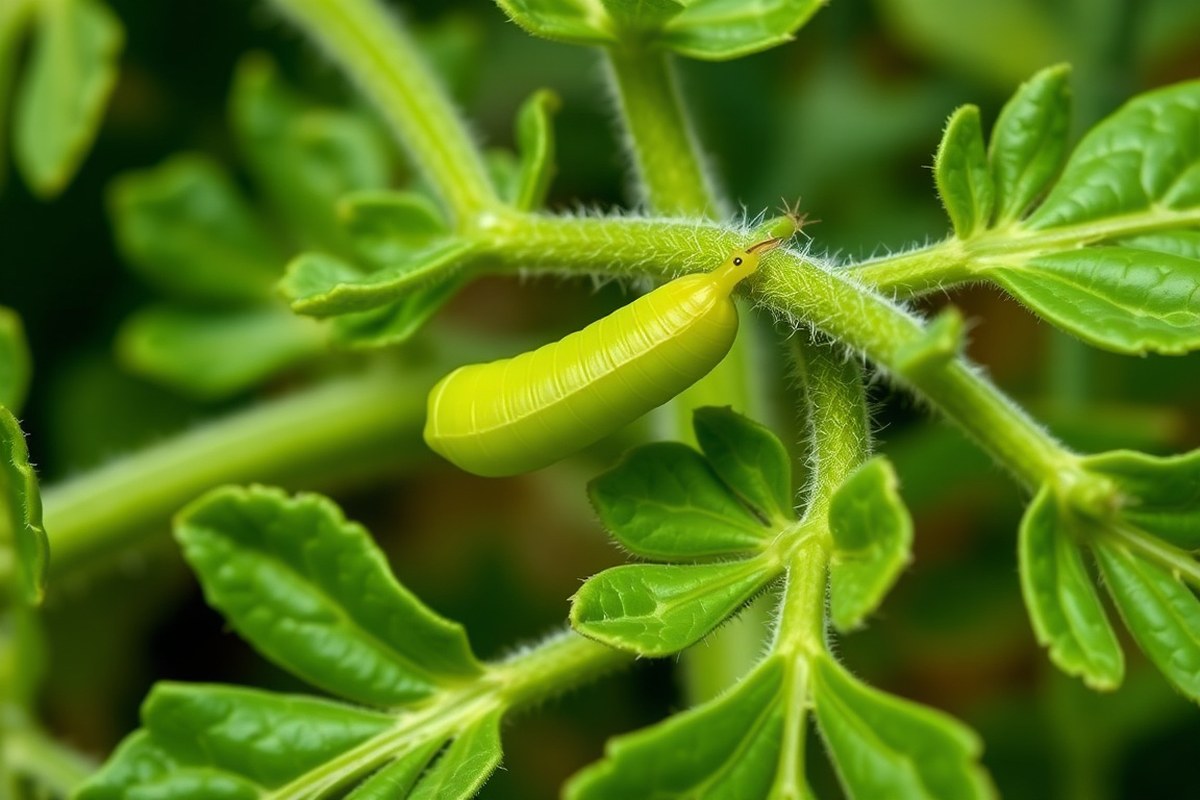
Using multiple natural methods together gives you the best control over tomato hornworms. For example, use crop rotation to break their lifecycle. Attract natural predators like parasitic wasps to help control them.
This combination can reduce pest problems. This approach lowers the chances of heavy infestations.
It works well for different garden sizes. You can use it no matter your skill level.
Here’s a decision table to match your garden setup and effort to effective prevention methods. Small gardens with limited time can focus on hand-picking hornworms. Grow companion plants like basil or marigolds nearby.
These help repel pests naturally. Medium gardens might add row covers during early growth and plant trap crops. Larger or skilled gardeners can try tilling and crop rotation.
Plant diverse companion plants and attract beneficial insects. They can also apply organic sprays like Bt or neem oil.
| Garden Size & Skill | Recommended Methods | Why |
|---|---|---|
| Small, Beginner | Hand-picking, Companion plants | Simple, low cost, hands-on pest removal |
| Medium, Intermediate | Row covers, Trap crops, Natural predators | Better plant protection, supports eco balance |
| Large, Experienced | Crop rotation, Tilling, Organic sprays | Breaks pest lifecycle, strong long-term control |
Combining methods works best by timing and layering your actions. For instance, start with clean soil and crop rotation in early spring. Set up row covers till plants flower, then introduce companion plants near the tomatoes.
Hand-pick any visible hornworms weekly. Use Bt spray only if you notice damage, limiting chemical use and protecting beneficial insects.
Each method takes some effort but avoids harsh chemicals that may harm your garden’s health. Crop rotation and tilling take time before planting starts. They disturb pupae 4 to 6 inches deep in soil.
This process reduces hornworm hatch rates. Hand-picking requires regular garden checks but immediately cuts pest numbers. Natural predators work over time once established, offering ongoing control.
Good results mean fewer holes in tomato leaves. You’ll notice fewer missing leaves. Hornworm numbers should also go down visibly.
Problems arise if you rely on one method only or stop monitoring your garden. For instance, row covers left on too long can reduce pollination. Applying organic sprays too frequently may harm beneficial wasps helping your garden naturally.
2. Recognizing Tomato Hornworms Early and Monitoring Your Garden
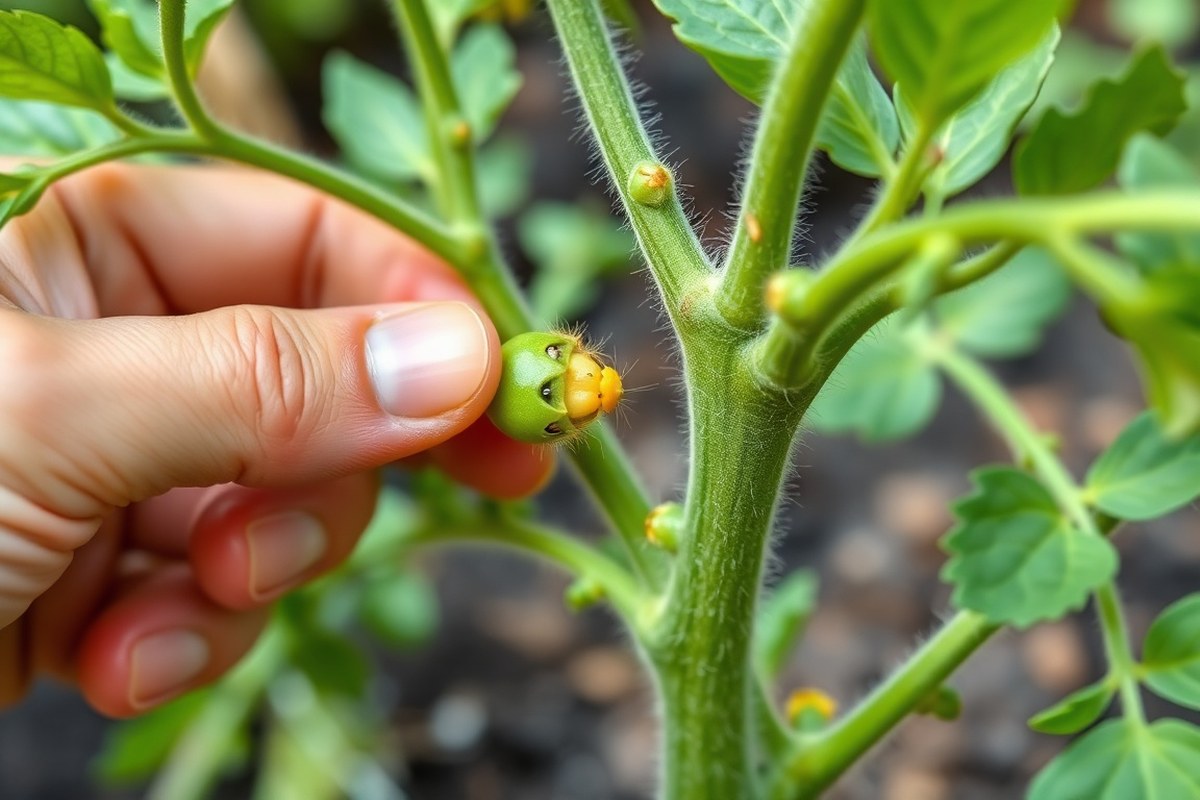
Spotting tomato hornworms early means checking your tomato plants often for eggs, caterpillars, and damage. These pests hide well but show clues like missing leaves and small droppings. Catching them at the start helps keep your plants healthy and saves time later.
Identifying Adult Moths and Eggs
Tomato hornworms start as eggs laid by five-spotted hawkmoths, which look like large gray moths. These moths usually appear in spring when temperatures rise above 60°F. They lay tiny, cream-colored eggs on the underside of tomato leaves.
Check the undersides of leaves carefully because the eggs are oval and about 1/32 inch long. They often cluster in groups of five or six. Spotting these eggs helps you stop hornworms before they become big, hungry caterpillars.
Spotting Caterpillars and Feeding Damage
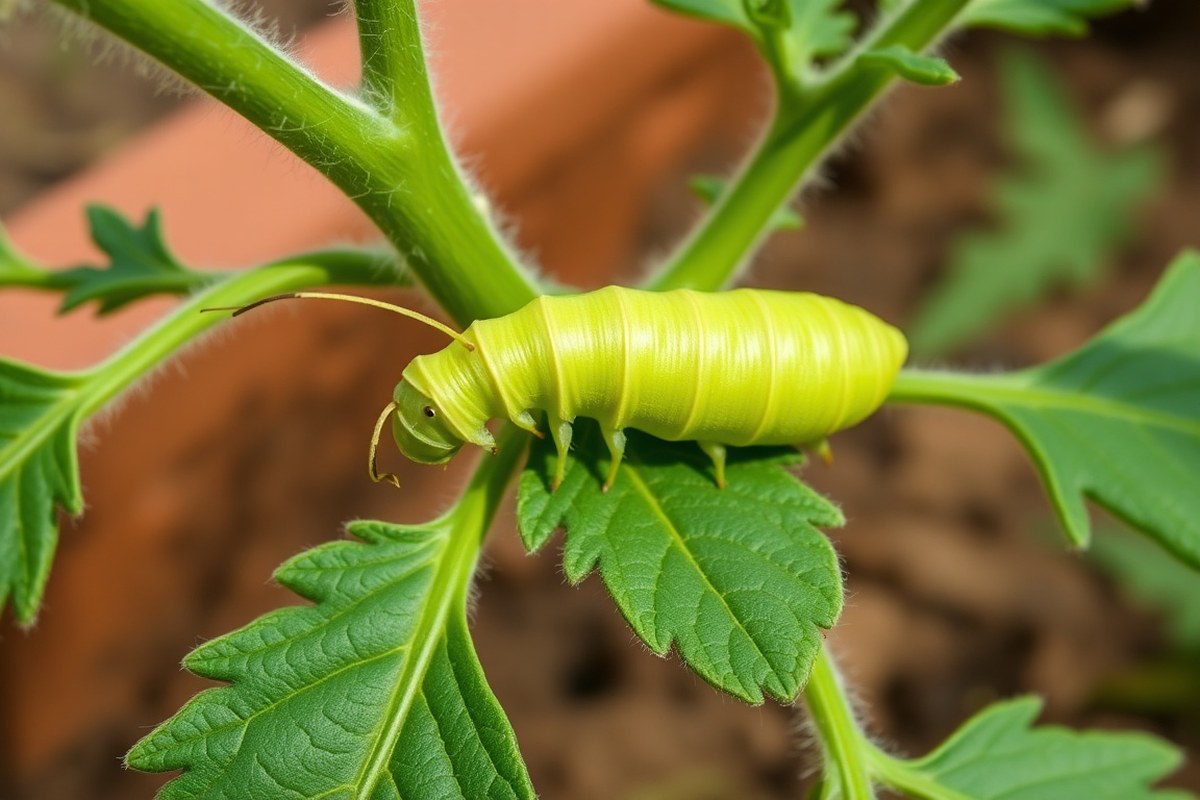
Tomato hornworms are large green caterpillars with white and black markings and a horn-shaped tail. They blend well with tomato leaves. You spot them feeding near plant tops.
Late afternoon or evening is when they appear easiest. They often grow to 3 to 4 inches long.
Look for early feeding signs like missing leaves. Check chewed edges and sharp bite marks. They usually appear on leaf tips.
A trail of small dark droppings, called frass, often appears on leaves or stems. Tracking this damage helps you find hornworms hiding nearby.
Using Tools and Timings for Effective Monitoring
Regular checks in the early morning or late afternoon catch hornworms when they’re less active. Use a flashlight when checking plants in the evening. Caterpillars camouflage on leaves and stems.
The light helps you spot them. Tools like soft gloves protect your hands during inspection.
Use this step-by-step checklist for monitoring your tomato plants:
- Examine the undersides of leaves for tiny cream eggs.
- Check the top and underside of upper leaves for caterpillars.
- Look closely for chewed leaves and missing foliage.
- Search for small, dark droppings (frass) on leaves and stems.
- Use a flashlight during evening checks to spot camouflaged hornworms.
- Wear gloves when handling plants to avoid skin irritation.
- Repeat checks every two to three days during growing season.
- Remove any hornworms or egg clusters you find immediately.
Check your tomato plants in the early evening. Hornworms feed mostly at that time and are easier to spot then.
3. Using Row Covers and Physical Barriers to Protect Tomato Plants
Floating row covers work well to stop hornworms from reaching tomato plants. These fabrics are lightweight and let sunlight and water through. They stop moths from landing on your plants.
Moths can’t lay eggs on plants covered with these fabrics. Install the covers early in the season, right after transplanting seedlings. So the plants stay protected before hornworms appear.
To put on row covers, gently spread the fabric over your tomato plants. Secure the edges with soil, garden staples, or bricks to stop moths from slipping underneath. Take off the covers when plants start flowering.
Tomatoes need pollination to produce fruit. This usually happens 6 to 8 weeks after planting.
Put a thick layer of organic mulch around the plant bases. This makes it hard for hornworms to climb the plants. Hornworms can’t easily reach plants with mulch barriers.
Straw, shredded leaves, or grass clippings work best because they create a loose barrier. Hardwood bark mulch is coarser and has bigger gaps. It won’t stop hornworms well.
Larvae can slip through the gaps easily. Spread mulch 2 to 3 inches thick around plants.
It keeps soil moist and cool. It also blocks pests moving near ground level.
| Mulch Type | Effectiveness Against Hornworms | Notes |
|---|---|---|
| Straw | High | Light, keeps moisture, and deters hornworms well. |
| Shredded Leaves | High | Creates thick barrier and improves soil as it breaks down. |
| Grass Clippings | Medium-High | Use only dry clippings to avoid mold issues. |
| Hardwood Bark | Low | Coarse texture allows hornworms to bypass. |
Place your mulch right after planting tomatoes to block pests early. Keep mulch a few inches away from stems to reduce rot risk.
Regularly check beneath mulch for any early signs of pests or eggs. This approach, combined with row covers, creates a strong physical wall that hornworms struggle to cross.
4. Attracting and Supporting Natural Predators and Parasitic Wasps
Good natural enemies of tomato hornworms include braconid wasps and birds. Braconid wasps are tiny, non-stinging parasitic wasps that lay eggs under the skin of hornworms. Their larvae feed on hornworms.
They form white cocoons on them. This kills the caterpillars over time. Birds also eat hornworms and other garden pests, helping reduce their numbers.
To attract braconid wasps, plant buckwheat or sweet alyssum near your tomatoes. These plants produce nectar. It attracts wasps and other helpful insects.
Ladybugs and lacewings visit, too. Let some hornworms with white wasp cocoons stay in your garden.
New wasps hatch from these cocoons. They build a natural army to fight hornworms.
Add companion plants like dill, fennel, and cilantro. They supply pollen and shelter. This helps support beneficial insects.
A habitat with many types of plants helps predators. It gives them places to hide.
It also provides food besides pests. Avoid using broad-spectrum insecticides so you don’t harm these helpful wasps and birds.
Placing bird feeders or water dishes can encourage birds to visit your garden regularly. Birds like sparrows and wrens hunt for hornworms and other caterpillars in tomato plants. A garden with many flowering plants is well-maintained.
It supports a balanced ecosystem. Hornworms stay controlled naturally.
Encouraging these natural enemies requires patience and a bit of planning. Plant flowering strips along garden edges in early spring to support wasp populations before hornworms appear. Over weeks, you’ll notice fewer hornworms and more beneficial insects actively hunting in your tomato patch.
5. Applying Organic Sprays Including Bacillus Thuringiensis and Neem Oil
Apply Bacillus thuringiensis (Bt) or neem oil sprays early in the hornworm life cycle. Use sprays when you spot small caterpillars or early egg clusters. Repeat treatments every 7 to 14 days for best control until hornworms disappear.
Using Bacillus Thuringiensis (Bt) Safely
Bt is a natural bacterium that targets hornworm larvae. It paralyzes their digestive systems, so they stop eating and die. Use Bt as soon as you see small hornworms or eggs on your plants.
Follow the label directions for mixing Bt. Apply the spray in the morning or late afternoon. Avoid spraying in direct midday sun to keep Bt effective.
Bt works best on young larvae under 2 inches long. Larger hornworms often survive Bt and may need handpicking. Bt is safe for beneficial insects and humans, making it a reliable organic choice.
Preparing and Applying Neem Oil Spray
Neem oil keeps adult moths from laying eggs and slows hornworm growth. Combine 1 tablespoon neem oil with 1 teaspoon liquid soap in 1 gallon water. Apply using a spray bottle or garden sprayer.
Spray your tomato plants thoroughly, covering both sides of leaves. Repeat every 7 to 14 days while hornworm activity lasts. Avoid spraying during the hottest part of the day to protect plants.
Neem oil is especially useful to prevent new eggs and young hatchlings. It also works as a mild fungicide if your plants face mildew or leaf spots. Keep neem oil out of reach of pets and wash hands after use.
Making Homemade Botanical Sprays
You can make a simple homemade spray using cayenne pepper to repel hornworms. Blend 1 tablespoon of cayenne pepper, 1 tablespoon of liquid soap, and 1 gallon of water. Strain the mixture before spraying to avoid clogging your nozzle.
Apply this spray every 5 to 7 days, especially after rain or watering. It helps keep hornworms off your plants but doesn’t kill them outright. Combine homemade sprays with Bt or neem oil for stronger control.
Natural sprays like garlic or soap and water can also help, but they’re less reliable. Homemade sprays require frequent application and won’t replace handpicking larger hornworms.
- Inspect tomato plants for eggs or small hornworms.
- Mix Bt or neem oil solution according to instructions.
- Spray tomato plants thoroughly, covering leaves and stems.
- Apply sprays early morning or late afternoon to avoid heat damage.
- Repeat every 7 to 14 days, or every 5 to 7 days for homemade sprays.
- Use handpicking alongside sprays for large hornworms.
- Store leftover spray in a cool, dark place and use within a week.
Spray when plants are dry to help sprays stick and work better.
6. Implementing Crop Rotation and Soil Cultivation to Disrupt Lifecycle
Moving your tomato plants every season helps stop tomato hornworms. These pests lay eggs near tomato plants. Rotate tomatoes, peppers, eggplants, and potatoes to avoid pest buildup for at least a year.
Try a simple two-year crop rotation schedule. Year one, plant tomatoes in one bed.
Year two, switch to non-related crops like beans, corn, or leafy greens. These alternate crops don’t host hornworms, so their population drops over time.
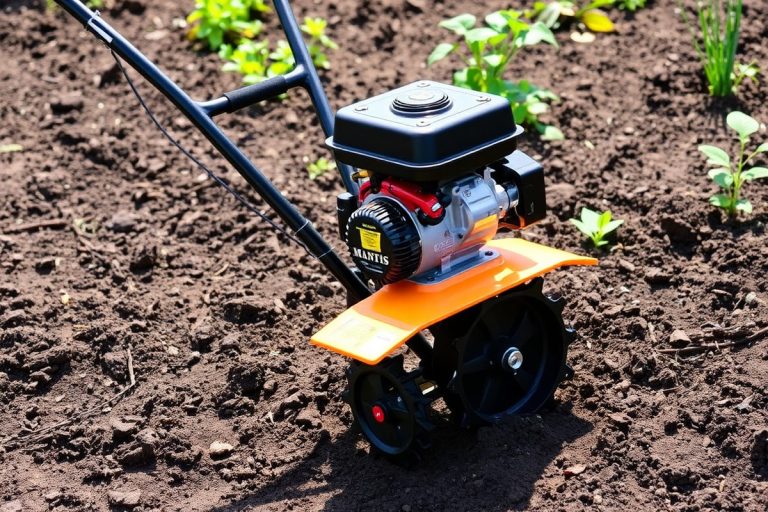
Tilling your soil twice a year can kill hornworm larvae hiding underground. Till once at the start of spring before planting. Again in fall after harvest.
This action reveals up to 90% of larvae hiding in the soil. You can kill the larvae before they turn into moths. This stops the pests from growing and spreading.
Use a garden fork or rototiller to turn soil about 6 to 8 inches deep. This method disturbs the soil enough to break the pupae safely beneath. Both tillings should happen when soil is dry enough to handle without compacting.
The cost mainly involves your time and effort. But you only need basic tools like a hoe or rototiller. Rotating crops and tilling soil take some planning but are proven organic methods to manage hornworms.
Skipping these steps lets hornworms keep their cycle going. You’ll likely see more damage from these pests. Taking action helps break their growth cycle.
7. Growing Companion Plants That Repel Tomato Hornworms
Strong scents from certain companion plants can keep tomato hornworms away. These plants make your tomatoes less tasty to hornworms. Planting them around your tomatoes creates a natural barrier the pests don’t like.
Some of the best companion plants to repel hornworms include:
- Basil, its aroma confuses the hornworm’s smell senses.
- Marigolds, they release a smell that hornworms avoid.
- Garlic, strong-smelling and deters many garden pests.
- Chives, another aromatic plant that bugs dislike.
- Mint, can spread quickly but helps keep pests away.
- Lavender, strong scent repels many insects, including hornworms.
Plant these companions near your tomatoes but not too close to crowd them. Keep at least 6 inches to 1 foot between companion plants and tomato stems.
Arrange them along the edges or in small clusters between tomato rows. This spacing helps spread the scent without competing for nutrients.
In warmer climates, basil and marigolds do particularly well, thriving in heat while protecting tomatoes. Cooler areas might favor garlic and chives, which tolerate lower temperatures better. The goal is to pick plants that grow well in your area.
This keeps them healthy. Healthy plants keep releasing their scents all season.
Companion plants won’t stop all hornworms but can reduce their interest in your tomatoes. It’s not unusual to still find hornworms occasionally, especially in big gardens. Keep an eye on plants and keep companion herbs trimmed to stay strong and aromatic.
Planting companions is fairly low cost. You can start from seeds or small nursery plants costing $2 to $5 each. Plant the scents early, close to when you plant tomatoes.
This helps the scents get established. It gives them a better chance to work. This natural approach helps limit pesticide reliance while boosting your garden’s health and flavor.
8. Hand-Picking Tomato Hornworms and Using Trap Crops for Control
Manually removing tomato hornworms is a quick way to protect your plants. You can also use trap crops like tobacco to lure larvae away from tomatoes. Both methods need proper timing and care for best results.
Steps for Safe Hand-Picking
Hand-picking hornworms lets you control pests without chemicals. Do it gently to avoid damaging your tomato plants.
- Put on garden gloves to protect your hands.
- Look closely at the undersides of tomato leaves and stems.
- Use your fingers or a soft brush to carefully lift the hornworm off.
- Place the hornworm in a bucket of soapy water to kill it.
- Check plants every two to three days for new hornworms.
- Dispose of dead hornworms far from the garden to avoid attracting predators.
Start removing hornworms as soon as you spot leaf damage or frass (worm droppings). Early action reduces plant stress and limits crop loss.
Wear gloves to prevent skin irritation from hornworm spines or pesticides nearby.
Choosing and Planting Trap Crops
Tobacco plants act as natural trap crops by attracting both tobacco and tomato hornworms. Plant them well away from tomatoes to pull pests out of your beds.
Start your trap crop in early spring. Do this 2 to 3 weeks before planting tomatoes.
This gives the crop time to grow first. This timing helps lure moths before they lay eggs on tomatoes.
- Pick a site 10 to 20 feet away from your tomato garden.
- Plant flowering tobacco seeds or seedlings in rows or a dedicated patch.
- Thin seedlings to stand 12 inches apart to reduce crowding.
- Water tobacco regularly to keep it healthy and attractive to hornworms.
Trap crops draw hornworms away but don’t prevent all damage. You may still need to remove some pests from tomatoes.
Maintaining Trap Crops During Growing Season
Keep trap crops healthy by watering and weeding on schedule. Healthy tobacco plants hold hornworms longer and reduce pressure on tomatoes.
Regularly check trap crops for hornworms and remove them to avoid moths completing their lifecycle. Hand-pick or treat these plants with organic insecticides if needed.
Cut back flowering tobacco after peak pest season. This helps stop hornworms moving back to tomatoes.
Keep the tobacco trimmed to protect your garden. Dispose of removed plant parts away from the garden.
Don’t place trap crops too close to tomatoes, this can attract pests to both crops.
Step-by-Step Action Plan to Prevent Tomato Hornworms
Follow these steps to keep hornworms off your tomatoes naturally. Each step builds on the last to protect your plants well.
- Before planting: Rotate your tomato spot from last year’s garden to break hornworm cycles. Success means fewer eggs in your new soil.
- At planting: Place companion plants like basil or marigolds nearby. Watch for fewer hornworm sightings around your tomatoes.
- Early growth: Cover plants with lightweight row covers until flowers appear. Remove covers once pollinators start visiting to check hornworm activity.
- Weekly throughout season: Check leaves closely for eggs and caterpillars. Hand-pick hornworms and crush eggs; you should see fewer pests each week.
- Mid-season: Spray Bt (Bacillus thuringiensis) or neem oil if you spot growing hornworms. Effects show in droopy or dead caterpillars soon after.
- Ongoing: Attract parasitic wasps by planting dill or fennel nearby. Look for small sting marks on hornworms signaling natural control.
- End of season: Cultivate soil by turning it over deeply to kill pupae underground. This reduces next year’s hornworm population.
Frequently Asked Questions
Can Tomato Hornworms Survive Winter in the Soil?
Tomato hornworms pupate 4 to 6 inches deep in soil. They usually don’t survive harsh winters, but mild climates may allow some to persist.
How Often Should I Check My Tomato Plants for Hornworms?
You should inspect tomato plants daily for hornworms. The pests eat fast, so frequent checks help catch them early.
Are Tomato Hornworms Attracted to Specific Tomato Varieties?
Hornworms don’t strongly prefer certain tomato varieties. They usually target any ripe tomato plants in your garden.
Can Hornworms Damage Other Garden Plants Besides Tomatoes?
Yes, hornworms can eat tobacco and other related plants. They mainly focus on tomatoes but may spread to similar crops.
Do Tomato Hornworms Fly and Spread to Nearby Gardens?
The adult moths can fly, spreading eggs to new areas. This can lead to infestations in nearby tomato gardens.
Is It Safe to Compost Tomato Plants Infested with Hornworms?
Composting infested plants is okay if the compost heats well. Heat kills pupae and larvae, preventing future outbreaks.
Final Thoughts
Preventing tomato hornworms means combining simple, natural steps you can do yourself. Keep up regular checks and plant care for best results. Start today by picking off any hornworms you find and setting up companion plants.