Which Flowers Come Back Every Year: A Complete Guide to Reliable Perennials
Which flowers come back every year is a common question for garden planning. Perennials are the answer since they return season after season without replanting. Examples include lilies, blanket flowers, and lavender, all known for reliable regrowth.
These plants save time and money compared to annuals that need yearly replacement. Pick perennials that match your sun exposure for best growth. Choose plants suited for your soil type.
This helps them thrive and come back strong each year. Start by picking hardy species for your climate zone to ensure they survive winter.
Perennials often grow 1 to 7 feet tall with attractive blooms that brighten your garden. Watch for common mistakes like overwatering or poor soil, which can stop them from returning. With proper care, these flowers will keep your landscape colorful year after year.
Key Takeaways
- Perennials return yearly, unlike annuals that need replanting each season.
- Lilies grow 4 to 7 feet tall, great for the back of flower beds.
- Blanket flowers are colorful perennials growing 1 to 3 feet high.
- Lavender is a shrubby herb with flowers that come back every year.
- Perennials save money over time despite higher initial costs.
- Choose perennials based on your garden’s sun and shade areas.
What Are the Most Popular Flowers That Come Back Every Year?
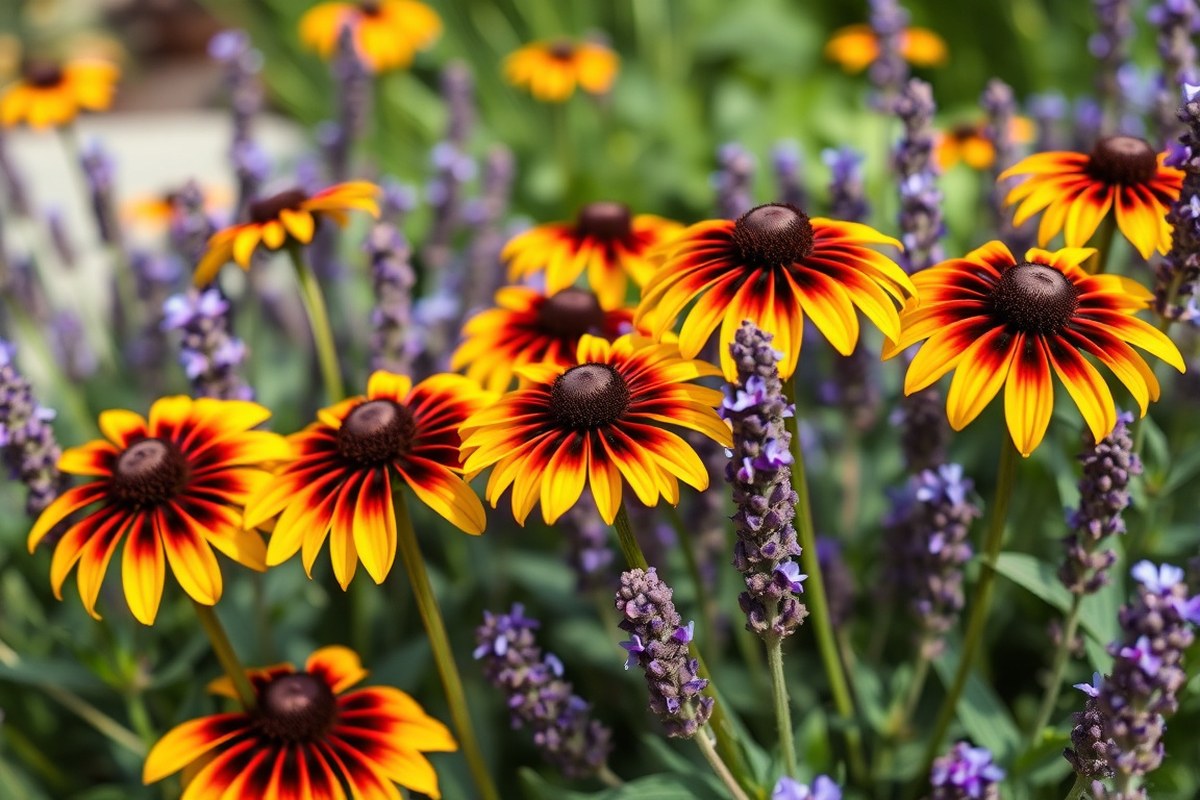
Black-eyed Susan is a popular perennial. It comes back every year. It grows well in full sun or partial shade.
It grows 2 to 3 feet tall. The flowers are bright yellow. They have a dark center.
This plant blooms from summer to early fall. It adds color when spring flowers fade.
Peonies are known for their fragrant, large blooms that return yearly. They prefer full sun to partial shade and grow between 2 and 4 feet tall.
Peonies grow well in USDA zones 3 to 8. They need rich, well-drained soil to do well.
Geraniums make a reliable choice for sunny spots. Peonies grow 1 to 2 feet tall.
They come in pink, purple, and white shades. These hardy plants offer long-lasting blooms and are fairly low-maintenance, fitting well in full sun gardens.
Astilbe stands out for its ability to return yearly in shady areas. Its flower plumes can be white, pink, red, or purple. Height varies from 1 to 4 feet by variety.
Astilbe likes moist, organic-rich soil. It brightens shady spots where other perennials struggle.
Siberian Iris has sword-like green leaves. Its flowers are blue, purple, or white.
It grows 2 to 3 feet tall and survives well in full sun or partial shade. This iris needs rich yet well-drained soil and spreads via rhizomes for increasing clumps over time.
Blanket flowers offer colorful, daisy-like blooms and grow up to 3 feet tall. They do well in full sun.
They handle heat and drought once established. Their yellow, red, and orange petals add brightness to sunny beds and borders.
Generally, planting these perennial flowers in the right spot ensures they come back stronger each year. Choose full sun for Geraniums, Blanket flowers, Black-eyed Susan, and Peonies. Choose part shade to full shade for Astilbe and Siberian Iris.
This suits gardens with less sun. Soil quality matters. So improve it with compost for the best yearly growth and blooms.
How Do Perennials Differ from Annuals and Biennials?
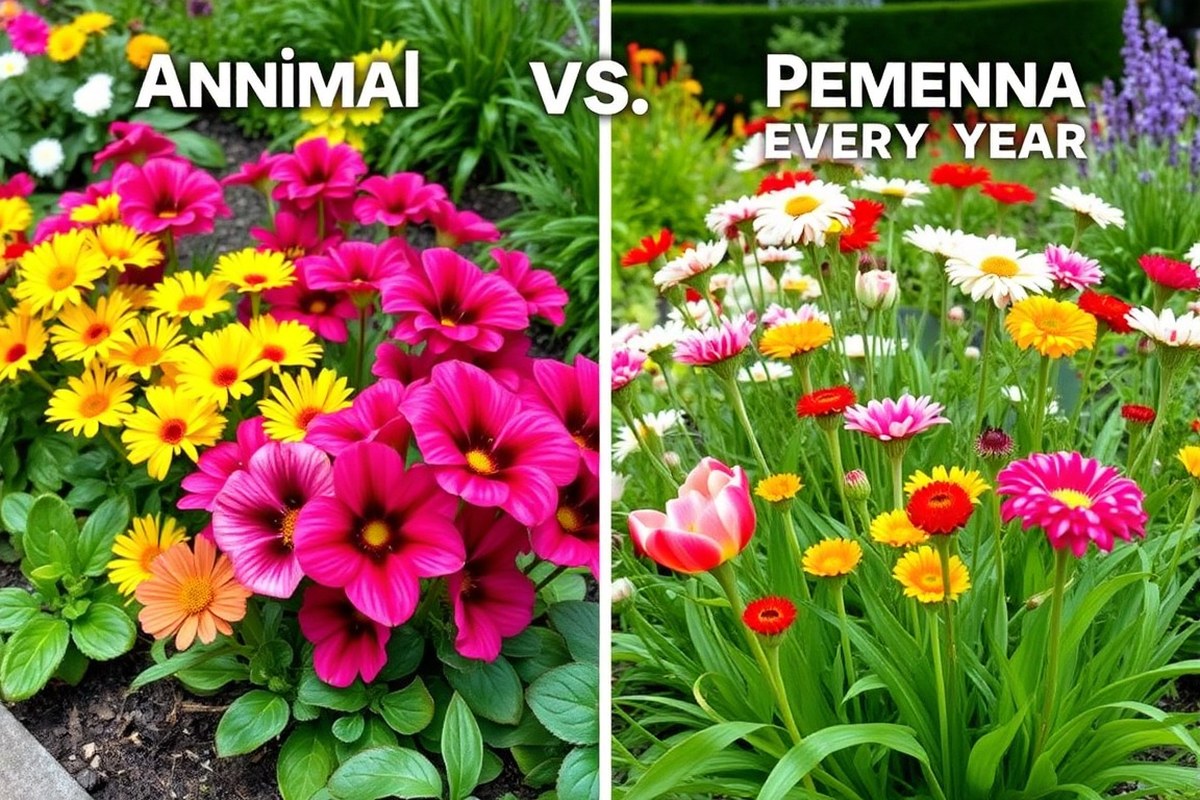
Perennials are plants that come back year after year. They live for several years, unlike annuals and biennials. Once a perennial is established, it usually needs less care each season.
Annuals complete their life cycle in one growing season. That means they sprout, bloom, and die within the same year. You have to plant them again each spring to enjoy more flowers.
Biennials take two years to complete their life cycle. The first year, they grow leaves and roots. The second year, they bloom, produce seeds, and die.
| Type | Life Cycle | Bloom Time | Replant Frequency |
|---|---|---|---|
| Perennial | Several years | Multiple seasons over years | Once, then returns yearly |
| Annual | One year | One season | Every year |
| Biennial | Two years | Second year only | Every two years |
Perennials usually die back in the winter and regrow each spring. This process lets roots stay alive underground during cold months. By contrast, annuals often die completely after their blooms fade.
Some plants bloom once or twice before dying because they’ve completed their life cycle. For example, annuals focus all energy on one good show. Biennials spread growth over two years but still only bloom once.
Be sure to check your plant labels or seed packets to know their life cycle.
Which Perennial Flowers Thrive in Full Sun and Shade?
Choosing perennial flowers depends heavily on your garden’s light conditions. Full sun means at least six hours of direct sunlight daily.
Partial shade areas get about three to six hours, often less direct. This difference affects how well perennials grow and bloom each year.
Perennials that thrive in full sun usually need well-draining soil and can handle drier conditions. Many produce stronger, longer-lasting blooms under these conditions.
Shade-loving perennials like cooler, moister soil. They bloom less but fill shady areas well.
| Perennial | Sunlight | Soil Type | Bloom Time | Zones |
|---|---|---|---|---|
| Platycodon | Full sun | Well-drained | Late spring to early fall | 3-8 |
| Lamium | Partial shade | Moist, well-drained | Spring to summer | 4-8 |
| Spiky Blue Flower (e.g., Eryngium) | Full sun | Dry, well-drained | Summer | 3-9 |
| Yellow/Pink/Red Perennials (various) | Full sun | Well-drained | Late spring to summer | 4-8 |
This table helps you pick flowers based on sunlight and soil. Platycodon suits zones 3 to 8 and likes full sun. It needs well-drained soil.
It blooms from late spring. It has strong stems and blooms that last well once established.
For partial shade, Lamium spreads well with silvery-green leaves and small flowers. It grows well in shaded spots and keeps them lively.
Knowing your zone helps you pick plants for your climate. This improves their chance to come back every year.
Gardeners with mixed sun and shade should map their garden before planting. Use areas with six or more hours of direct light for sun-loving perennials. Reserve spots with dappled or three to six hours of light for those that prefer shade.
Too much sun in some zones stresses plants. It can also dry out the soil too quickly.
Conversely, too little sun weakens blooms and slows growth for sun-loving perennials. Adjust watering and soil amendments accordingly to help each type thrive.
How to Plant and Care for Perennials to Ensure They Return Each Year
Perennials come back every spring if you plant and care for them right. Preparing soil, planting at the right depth, and watering well help plants thrive. You should also follow a good fertilizing routine every year.
These steps support your perennials’ growth year after year. These steps work for most perennial flowers in your garden.
Preparing the Soil Properly
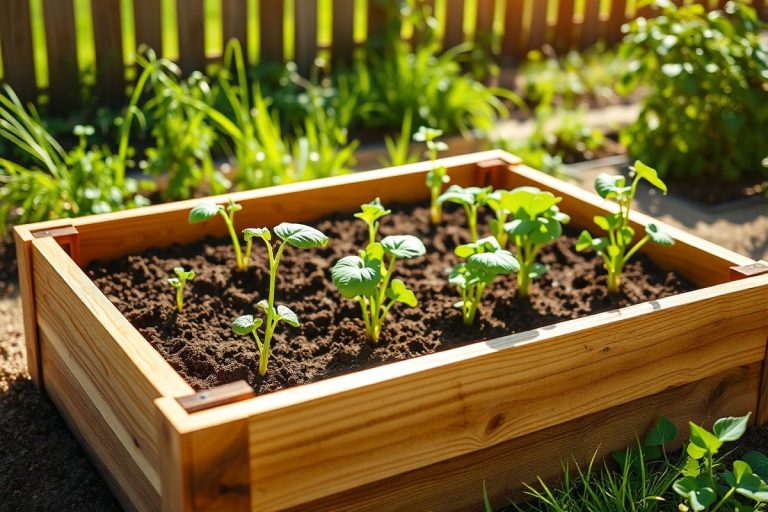
Good soil gives perennial roots the right start to grow deep and strong. The soil should be loose and well-drained to avoid waterlogging, which can rot roots. Adding organic matter, like compost or rotted manure, improves soil texture and provides nutrients.
Before planting, remove any weeds or debris so roots don’t compete for space. Testing soil pH helps you pick plants suited to your garden. Most perennials like soil that is slightly acidic to neutral.
Knowing pH guides your plant choices. Add lime or sulfur to your soil to fix the pH.
Only do this when a soil test shows you need it. Adjusting soil pH helps plants grow better.
Planting Depth and Spacing Guidelines
Planting depth depends on the perennial but generally matches its pot depth. Avoid planting too deep or too shallow for best growth. Check how deep your plant grew in its pot first.
For bulbs like tulips, plant 8 to 12 inches deep to protect from frost and pests. Planting too shallow may cause bulbs to dry out, while too deep delays growth.
Space plants enough for full growth without crowding. A common rule is 1 to 3 feet apart depending on the plant’s mature size. Overcrowding reduces airflow and may increase diseases or weak growth.
Watering and Fertilizing Tips
Newly planted perennials need regular watering until roots settle, usually about twice a week. After that, water deeply about once a week during dry spells but avoid overwatering. Most perennials are drought-tolerant once established and prefer soil drying slightly between waterings.
Use a balanced fertilizer like 10-10-10 in early spring to support growth. Avoid heavy feeding late in the season, which can encourage soft growth that won’t survive winter. Mulching helps retain moisture and reduce weeds around plants.
Follow these steps to plant your perennials properly:
- Clear soil of weeds and debris to prevent competition.
- Loosen soil to a depth of 12 to 15 inches for good root penetration.
- Amend soil with 2 to 3 inches of compost or rotted manure and mix well.
- Check soil pH and adjust with lime or sulfur if needed.
- Dig holes to the planting depth recommended for your perennial type.
- Place plants or bulbs at proper depth and spread according to mature size.
- Fill holes gently, firm soil lightly to remove air pockets.
- Water thoroughly to settle soil around roots and begin growth.
What Seasonal Care Helps Perennials Bloom Year After Year?
Perennials need seasonal care to come back strong and bloom again. Proper pruning, deadheading, fertilizing, and winter prep support healthy growth year after year. The right timing and tasks help your plants thrive without extra effort.
Spring Growth and Early Care
In spring, start by pruning dead stems to clear space for new growth. This helps perennials focus energy on healthy shoots and flowers. Remove winter debris to reduce pests and diseases hiding near the soil.
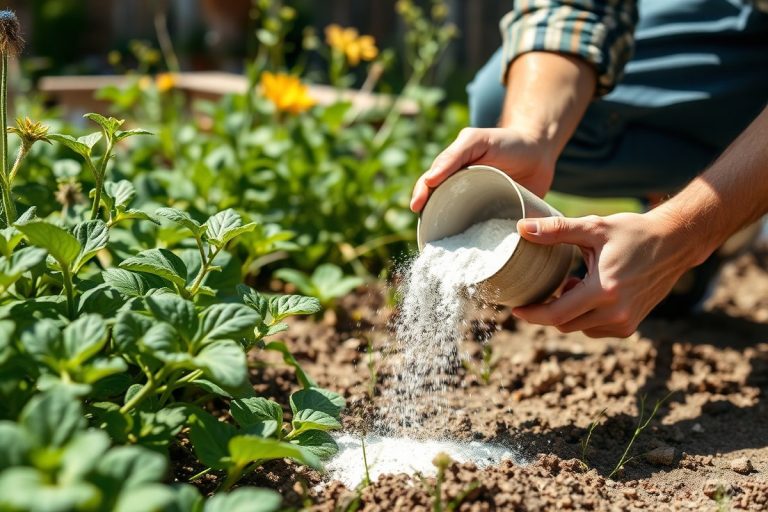
Fertilizing in early spring gives plants a nutrient boost for the growing season. Use a balanced organic fertilizer to avoid burning roots and promote steady growth. Water the plants well after fertilizing to help nutrients soak in.
- Cut back dead stems and leaves
- Clear mulch and debris from plant bases
- Apply organic fertilizer once in early spring
- Water thoroughly after fertilizing
- Check soil moisture and adjust watering
Don’t prune too early; wait until frost risk passes to avoid damage.
Summer Maintenance and Deadheading
Deadheading means removing spent flowers to encourage more blooms. It also prevents the plant from wasting energy on seed production. Do this every one to two weeks, especially for heavy bloomers like catmint or asters.
Summer is also a good time to apply a slow-release fertilizer once. This supports continuous blooming from early summer to fall. Keep soil moist but not soggy, as dry roots stress perennials and reduce bloom quality.
- Remove faded flowers regularly
- Apply slow-release fertilizer mid-summer
- Maintain even soil moisture
- Watch for pests and treat early
- Pinch back leggy growth if needed
Deadhead often to extend flowering periods and keep plants tidy.
Preparing for Fall and Winter Dormancy
Fertilize heavy feeders like colchicum or hydrangea with high-nitrogen fertilizer in fall. This helps plants store energy for winter and supports strong spring growth. Avoid over-fertilizing to prevent tender new growth prone to frost damage.
In late fall, wait for the first hard frost. Then cut back perennials to 4 to 6 inches. This helps prepare the plants for winter.
Remove dead foliage but keep some leaves if your area has extreme cold. They protect roots and crowns. Add a layer of mulch 2 to 3 inches thick to insulate soil and regulate moisture.
- Apply high-nitrogen fertilizer in fall
- Cut back to 4-6 inches after frost
- Leave some foliage in very cold zones
- Add 2-3 inch mulch layer for insulation
- Check plants occasionally for damage
Avoid heavy fall pruning for late-blooming perennials; wait until spring if unsure.
Which Perennials Have Long Blooming Seasons or Unique Flowering Times?
Planning a garden that blooms all season means choosing perennials with different flowering times. Some perennials bloom early in spring. Others show off in summer or even fall.
Some varieties bloom for months. Others flower more than once a year. They keep your garden colorful longer.
Cardinal flower starts blooming in early July and keeps going until September. This is great if you want a splash of bright red during summer’s heat. These flowers attract hummingbirds.
They also resist deer. This makes them great for wildlife gardens lasting into fall.
| Perennial | Bloom Time | Sun Preference | Zones | Notes |
|---|---|---|---|---|
| Cardinal Flower (Lobelia cardinalis) | Early July to September | Full sun | 3 to 9 | Deer-resistant and attracts hummingbirds |
| Japanese Anemone | Late Summer to Fall | Full to partial sun | 3 to 9 | Offers late-season nectar for pollinators |
| Hydrangea Shrubs | Late Spring to Early Fall | Full sun | 3 to 9 | Long blooming season, large flower heads |
| Other Long-Blooming Perennials | Late Spring to Early Fall | Varies | Zones vary | Colors include lavender-blue, pink, white |
Japanese anemones bloom from late summer into fall. They bring color when many other plants stop flowering. Hydrangeas bloom from late spring to early fall.
They give you flowers for months. Proper care helps them last longer. Their big flowers fill space well in full sun.
For early-season bloomers, Darwin Hybrid tulips are a solid choice. They re-bloom in spring if you keep the foliage after blooming. This lets the bulbs store energy for the next year.
But novelty hybrids may not last as long. Choose varieties proven to live multiple years.
Mix plants blooming at different times for continuous interest. Start with bulbs or perennials in spring. Add summer bloomers like cardinal flower.
Finish with fall bloomers like Japanese anemones. This approach ensures your garden never lacks color from spring through fall.
Common Mistakes That Prevent Perennials from Coming Back
Some perennials fail to return because they face harsh winter conditions without proper protection. Certain plants, like dahlias, only survive winters in zones 8 to 11. Gardeners in colder zones need to dig these up or provide insulation before freezing temperatures arrive.
Pests and diseases also reduce perennial survival. Insects like aphids or fungal diseases can weaken plants, making them less likely to bloom again.
Another common reason perennials don’t come back is improper planting or care. Planting too deep or too shallow can stress roots. Using the wrong soil type or poor drainage causes root rot or dryness.
Overwatering or underwatering also harms the roots and leaves. Regular checks for pests and early treatment keep the plants strong across seasons.
- Plant perennials at the right depth, usually slightly deeper than the root ball
- Choose well-draining soil and amend with compost to improve it
- Water plants deeply once or twice per week during dry spells
- Cut back dead stems to reduce disease risk and encourage new growth
- Remove weeds that compete for nutrients and space
- Cover tender perennials with mulch in fall to protect from frost
- Inspect plants regularly and treat pests or diseases early with natural or chemical controls
Keeping perennials healthy year after year takes steady attention. But costs little beyond time and effort. Mulching with leaves or bark helps regulate soil temperature and moisture.
It also reduces weed growth. A garden sprayer helps you apply insecticidal soap on aphids. It costs about $15.
This stops heavy damage to your plants. Healthy roots and clean beds help the plant come back stronger each spring. Skipping these steps often leads to weak or missing plants the next year.
How to Choose Perennials Based on Hardiness Zones and Garden Size
To pick perennial flowers that come back every year, check your hardiness zone first. These zones show which plants survive your winter temperature. Also, size your garden or container space to match plants that won’t outgrow their spot.
Understanding USDA Hardiness Zones
USDA Hardiness Zones divide North America by winter temperatures. Each zone marks the average coldest temperature you can expect. You find your zone by entering your zip code on the USDA website.
You can also ask your local extension office. Both will tell your planting zone.
Choosing perennials for your zone means better chances of winter survival. For example, lilies grow well in zones 4 through 9. Zone maps help avoid buying plants that won’t come back after cold winters.
Perennials for Cold vs Warm Zones
Plants like coneflowers thrive across zones 3 to 9 and tolerate cold winters well. Cold zones (3-5) need hardy perennials like daffodils and crocus that naturalize easily. These bulbs should be planted 3 to 6 inches deep for best results.
Warm zones (8-11) let you grow tender perennials like dahlias and cannas. In these zones, you don’t need to lift bulbs each year.
These plants won’t survive freezing temps outside colder zones. It’s smart to lift and store tender bulbs in cold areas for replanting.
Perennials for Small and Container Gardens
Lavender works well in pots because it stays compact and smells good. It needs well-drained soil and full sun to thrive in containers. Small gardens can also fit perennial plants like miniature coneflowers and dwarf lupines.
Keep container gardens cozy: choose plants that grow 12 to 24 inches tall to avoid crowding. Use good-quality potting soil and water regularly since containers dry out faster. Avoid large perennials that will quickly overrun small garden spaces.
Pick perennials rated for your USDA zone and garden size to avoid wasted effort and cost.
Step-by-Step Action Plan for Growing Perennials That Come Back
Follow these steps to plant and care for perennials that bloom year after year. Each step helps you see clear progress.
- Before planting: Choose perennials suited for your hardiness zone and garden size. This ensures they survive winter and fit your space.
- Planting day: Plant in well-drained soil and the right spot for sun or shade needs. The plants look healthy and start growing.
- Week 1: Water your new perennials deeply once a week to establish roots. The soil stays moist but not soggy.
- Month 1: Check growth and remove any weeds around plants. Your perennials show steady growth and no choking weeds.
- After first bloom: Deadhead flowers to encourage more blooms. You see fresh buds appearing over time.
- Late season: Apply mulch to protect roots during winter. The mulch covers the soil evenly and stays in place.
- Early spring next year: Cut back old stems and check for new shoots. New growth appears from the base or soil.
- During growing season: Fertilize according to plant needs without overdoing it. Your perennials stay healthy and continue flowering.
Frequently Asked Questions
What Perennial Flowers Attract Pollinators Every Year?
Coneflowers and Black-eyed Susans attract bees and butterflies every year. Their bright colors attract pollinators to your garden.
These flowers also add lively movement to your space. They are favorites for many gardeners because of this.
Can I Grow Perennial Flowers in Containers on a Balcony?
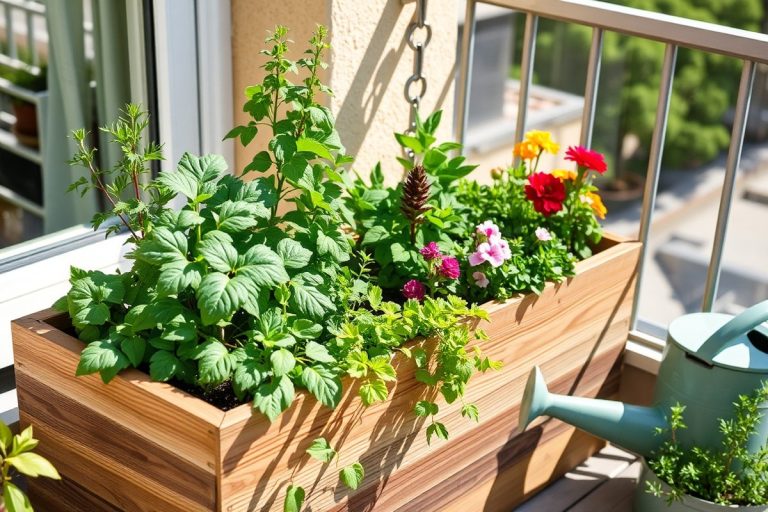
Yes, many perennials like lavender and blanket flowers do well in containers. Use good soil for planting these flowers.
Make sure they get enough sunlight and water. This helps them grow well, even in small areas.
How Long Does It Take for Perennial Flowers to Establish?
Most perennials take one to two growing seasons to fully establish. Once their roots settle, they come back bigger and stronger, offering more blooms each year.
Do Perennial Flowers Survive Winter in Cold Climates?
Many perennials die back in winter but regrow in spring from their roots. Mulching can protect roots from extreme cold and help ensure they return each year.
Can I Divide Perennial Flowers to Get More Plants?
Dividing perennials every few years helps keep them healthy and makes more plants. Early spring or fall is best for dividing and replanting.
Are Deer Likely to Eat Perennial Flowers?
Some perennials like lavender are deer-resistant, but others like black-eyed Susan may get nibbed. Planting resistant types can save you effort in deer-prone areas.
Key Points to Remember
Perennials are the best way to get reliable flowers year after year. Start by picking the right types for your garden. Then plant one or two this season and watch them come back next spring.