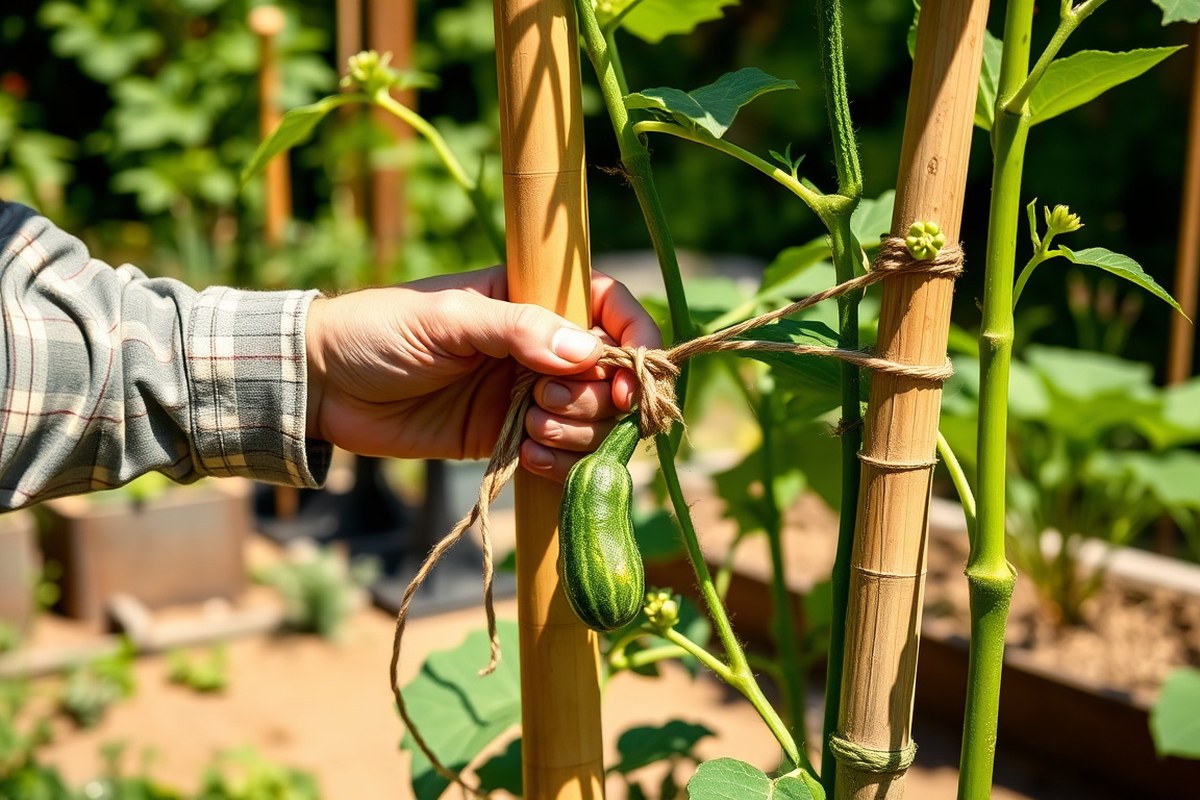
How to Stake Cucumbers: A Complete Guide for Healthy, High-Yield Vines
Learning how to stake cucumbers helps keep vines healthy and productive. The best time to stake cucumbers is when plants reach about 6 inches tall. Use a strong stake or trellis to support your cucumber vines.
Make sure it stands about 5 to 6 feet tall. This helps the vines climb and grow better.
Start by pushing a sturdy stake about 2 inches from the plant stem. Tie the vines loosely to avoid crushing or damage as they grow. Keep stakes spaced to allow good airflow and avoid crowding, which helps reduce fungus and pests.
Proper staking keeps cucumbers off the ground, making harvesting easier and improving fruit quality. Choose stakes that are 1 to 2 inches thick to hold the weight of heavy cucumbers. Check ties regularly and adjust them as vines grow longer and heavier.
Key Takeaways
- Stake cucumbers when plants reach about 6 inches tall for best support.
- Choose stakes or trellises that measure 5 to 6 feet in height. The thickness should be about 1 to 2 inches. This size gives sturdy support for cucumber plants.
- Push stakes 2 inches from the stem to avoid root damage and provide stability.
- Tie cucumber vines loosely with soft ties to avoid vine constriction and damage.
- Space stakes 12 to 18 inches from plants to ensure good airflow around vines.
- Space cucumber plants about 18 to 24 inches apart. This distance lets their vines spread out nicely. It also helps each plant get enough sunlight.
How to Stake Cucumbers Properly Step by Step
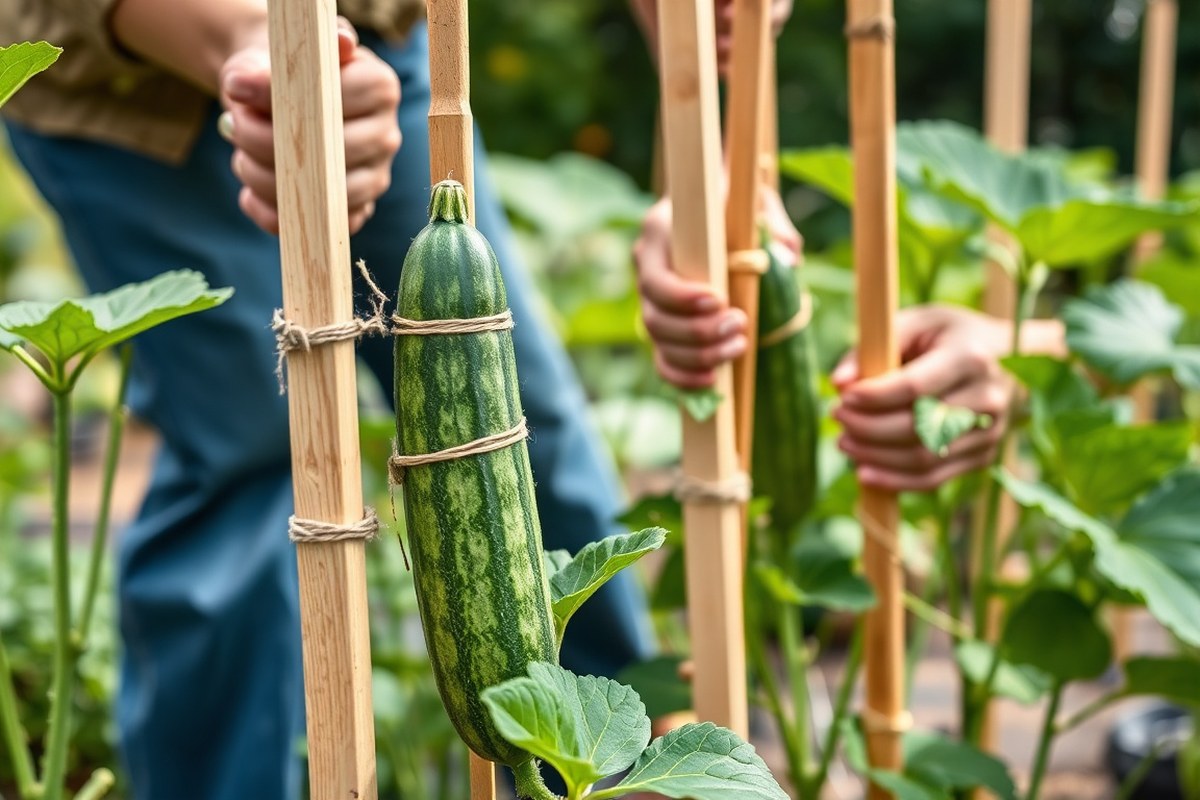
Start staking cucumbers early when plants reach about 6 inches. Use sturdy stakes placed 12 to 18 inches from each plant for support. Tie vines loosely with soft materials to avoid damage.
Preparing the Stakes and Materials
Select stakes at least 6 feet tall to support full cucumber growth. Bamboo or wooden poles about 1.5 inches thick work well for strength. You will also need soft ties like cloth strips or garden twine to secure vines gently.
Having the right materials ready makes staking easier and less stressful on plants. Avoid thin sticks that might break or bend under weight. Prepare a few extra ties before you start tying.
Installing Stakes at the Right Time and Distance
Place stakes when cucumber plants are 6 to 12 inches tall to avoid disturbing roots later. Insert stakes 12 to 18 inches away from each plant.
So roots have space to grow. Drive stakes 1 to 2 feet deep to keep them stable during wind and rain.
Position stakes straight and firm for vertical support. This keeps vines off the ground, improving airflow and reducing disease risk. Make sure stakes allow enough space around plants to prevent overcrowding and shading.
Tying Cucumber Vines Safely to Supports
Use soft materials like cloth strips or soft garden twine. Tie cucumber stems gently to stakes with these straps. This helps protect the plants while keeping them supported.
Loop the tie loosely around the stem to keep the plant from rubbing or constricting. Start tying vines as soon as they reach the stake height, usually when they show tendrils.
Attach ties at intervals of 6 to 8 inches along the vine to guide upward growth. Avoid tying too tightly, which can damage the plant and slow growth. Check ties regularly and adjust if they start to cut into stems.
Adding Additional Ties as Plants Grow
Add new ties every 1 to 2 weeks to support growing vines that lengthen quickly. Continue using soft, stretchable materials to prevent stem injury. Remove old ties that have become too tight or worn out to avoid damage.
Check all ties often, especially after wind or rain. Make sure stakes and vines stay firmly in place.
Fix any loose ties right away to keep support strong. Proper maintenance keeps cucumber plants strong through the season and makes harvesting easier.
- Gather three 6-foot bamboo or wooden stakes, about 1.5 inches thick.
- Prepare soft ties like cloth strips or soft garden twine.
- Set stakes 12, 18 inches from each cucumber plant, 1, 2 feet deep.
- Start staking when plants reach 6 to 12 inches tall.
- Tie vines loosely with soft ties every 6 to 8 inches along stems.
- Check and adjust ties weekly to avoid constriction as vines grow.
- Add new ties regularly to support longer vines.
- Remove old or tight ties to prevent damage.
Choosing the Best Stakes and Trellis Types for Cucumbers
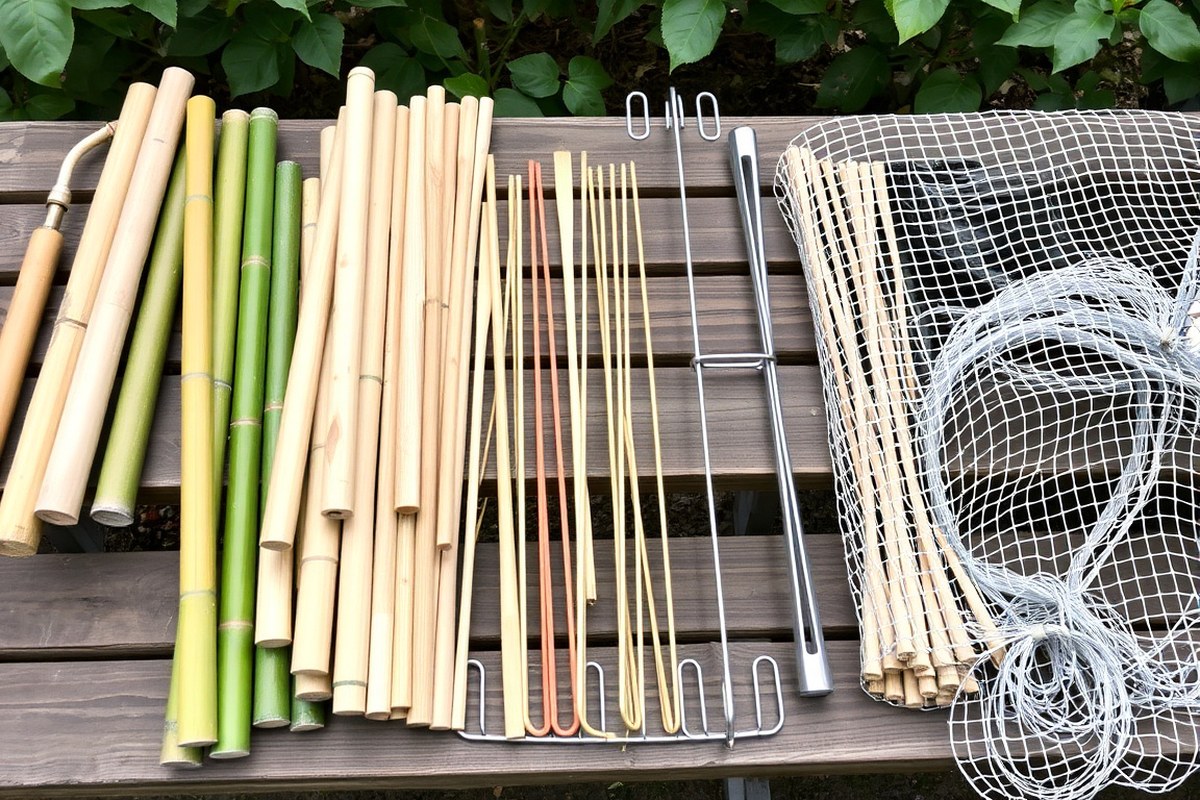
Choose stakes or trellises that stand 5 to 6 feet tall. They need to be sturdy enough to support cucumber vines. This helps the vines grow well and stay off the ground.
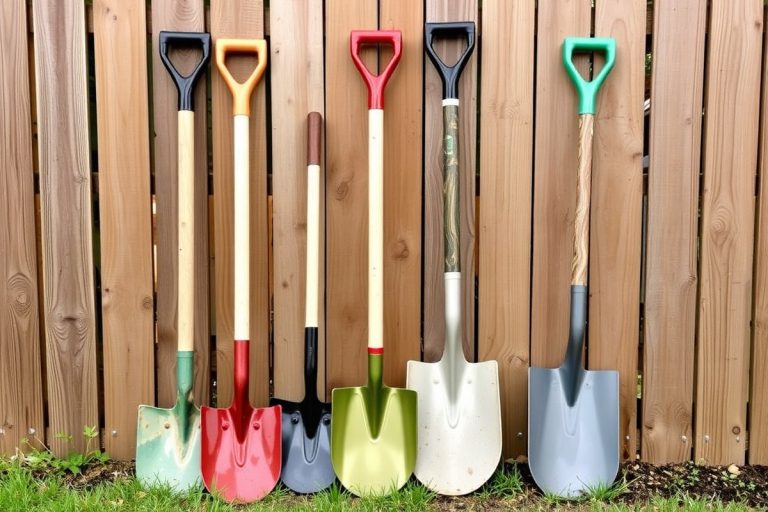
Wooden stakes, metal cages, lattice, and string trellises work well. They differ in cost, ease of use, and how long they last. Consider each type before picking one.
Pick a trellis or stake based on your space and budget. Also, think about how easy it is to tie vines and harvest. Choose what feels best for you.
Common Stake Materials and Their Pros and Cons
Wooden stakes are common and easy to work with. Wooden stakes are usually 6 feet tall and 1 to 2 inches thick.
They provide strong support and offer room to tie cucumber vines. This helps keep the vines healthy.
Metal stakes or cages last longer but cost more upfront. Metal holds heavier fruit better but can be harder to adjust or move during the season.
String trellises or netting offer lightweight, flexible options. You fasten string to stakes or frames, which can save space and lower expenses.
Popular Trellis Designs for Vertical Growth
Teepee trellises are built by leaning several tall stakes together and tying them at the top. This design supports vines from multiple sides and is easy to tie and harvest from.
Flat lattice panels or wire grids let vines climb vertically and allow good airflow. They usually stand about 5 to 6 feet tall, perfect for cucumber growth.
String trellises involve tying twine horizontally and vertically between stakes. They use less material but require more tying work throughout the season.
Cost and Durability Comparison
This table shows common stakes and trellis types for cucumbers. It lists their sizes, costs, and how long they last in gardens. Use it to compare options.
| Support Type | Height | Diameter/Thickness | Cost Range | Durability | Maintenance |
|---|---|---|---|---|---|
| Wooden Stakes | 6 ft | 1-2 in | $2-$5 each | 1-3 seasons | Low; tie vines as needed |
| Metal Cages/Stakes | 5-6 ft | Varies | $10-$25 each | 5+ seasons | Low; sturdy support |
| Lattice Panels | 5-6 ft | Wood/Wire grid | $15-$30 per panel | 3-5 seasons | Moderate; check ties |
| String Trellis | 5-6 ft | Thin twine | $5-$10 per setup | 1 season | High; regular reties |
Use wooden stakes if you want easy setup and moderate cost. Metal suits gardeners wanting long-term durability.
Lattice offers airflow and easy harvest but costs more. String trellises keep costs low but need more work.
Don’t place stakes too close to roots; leave 2 inches for healthy growth.
When and How to Tie Cucumber Vines Without Damage
Start tying cucumber vines when they reach 12 to 18 inches. Use soft twine or plant ties to avoid squeezing stems. Tie loosely in a figure-eight pattern to allow plant growth without damage.
Selecting Soft and Plant-Friendly Ties
Pick soft, stretchy materials to prevent cutting into the vines. Avoid wire ties or anything sharp, which can injure stems. Strips of old cloth, soft garden twine, or rubber plant ties work well.
Make sure the ties are wide enough to spread pressure evenly around the stem. Narrow ties tend to dig in and cause constriction quickly.
Choose ties that stay flexible as the plant grows. So you don’t have to replace them constantly.
Figure-Eight Loop Method Explained
Create a figure-eight loop by wrapping the twine around the stake and stem separately. This technique keeps the stem from rubbing against the stake, reducing damage. You leave a 2-inch gap between the tie and the stem for room to grow.
The first tie should go about 6 inches above the plant base. When the vine grows to 24 inches, add a second tie. Place it 6 to 12 inches above the first one.
Make sure the vine is secure without squeezing it tight. Use the same loose figure-eight method each time you add a tie.
Scheduling Tie Adjustments as Plants Grow
Check ties weekly, especially during fast growth periods. Loosen them by a half-inch or re-tie with a looser loop if the stem looks squeezed. Loosening ties prevents stem damage and allows healthy growth.
Also, add extra ties when cucumbers start forming. Secure fruit off the ground to boost airflow and reduce rot risk. After winds last more than three days, check the ties.
Look for rubbing or slack on the ties. Re-tie any loose or damaged ties as needed.
- Wait until vines reach 12 to 18 inches in length before tying.
- Choose soft ties like cloth strips or garden twine.
- Place the first tie 6 inches above the plant base.
- Use a figure-eight loop, leaving 2 inches slack around the stem.
- When the vine reaches 24 inches, add a second tie. Set it 6 to 12 inches above the first tie. Check to avoid damaging the vine with tight ties.
- Secure developing cucumbers off the ground with additional ties.
- Check ties weekly and loosen or re-tie them to avoid constriction.
- Inspect and adjust ties after windy days to prevent rubbing damage.
Benefits of Staking Cucumbers for Health and Harvest
Staking cucumbers makes your garden breathe better. It lifts the vines off the soil, letting air flow freely around leaves and fruit. This cut in moisture lowers the chance of rot.
Fungal diseases thrive on damp surfaces. Reducing wetness helps keep plants healthy.
Besides cutting disease, staking saves space in small gardens. Vines grow straight up instead of sprawling, freeing up ground for other plants. You can plant more cucumbers in the same space.
You still have room to walk between rows. This keeps the garden easy to tend.
Fruit quality also improves when cucumbers hang on stakes or trellises. They grow straighter since they don’t rest on uneven soil. Less contact with dirt means cleaner cucumbers, with fewer soft spots or sunburned patches.
Staking speeds up harvests by keeping fruit dry and exposed to light. You might get cucumbers ready one or two weeks earlier than if grown on the ground. Better airflow helps fruits ripen evenly.
Fruits kept off soil stay cleaner. This also helps fruits last longer.
You don’t need fancy gear to stake cucumbers. A simple wooden stake or wire trellis, placed early near the plants, works well. Tie vines loosely every 6 inches with soft garden ties.
This supports growing fruit well. It also prevents damage to the stems.
For small gardens, this lets you grow vertical cucumbers without crowding. Keep in mind some heavy fruits may need extra support to stop vines from snapping. Regularly check ties and adjust as plants expand to avoid damage.
Keeping cucumbers off the ground makes picking easier too. Instead of hunting for hidden fruits, you can see and grab them quickly. This reduces vine handling, which lowers stress on plants and helps them keep growing strong.
With these benefits, investing time and materials pays off. Staking your plants leads to healthier growth. The effort is worth the results.
You get more cucumbers that look good and last longer. They also take up less garden space. This makes your garden more productive.
Plant Spacing and Stake Placement for Best Results
Space cucumber plants 18 to 24 inches apart to give each one room. Crowding them can reduce airflow and invite fungal diseases. Proper spacing also helps sunlight reach all leaves, improving growth and yield.
Place each stake about 3 to 4 inches away from the cucumber stem. Drive stakes 6 inches deep to keep them stable as the plants grow. You need one stake per plant to support vine weight and keep fruit off the ground.
In rows, set stakes 2 to 3 feet apart to allow airflow between vines. This spacing works well especially in windy areas, reducing disease risk and keeping leaves dry. Good airflow helps cool plants and dries dew quickly.
- Plant spacing: 18-24 inches apart for bush types
- For trellised cucumbers, you can reduce spacing to 12 inches
- Stake placement: 3-4 inches from stem, 6 inches deep in soil
- Row spacing: stakes 2-3 feet apart to boost airflow
- Start staking when plants reach 12-18 inches tall
Arrange stakes or trellises so vines don’t crowd each other. Leave enough space between plants for you to walk and tend them easily. This setup helps you spot pests or problems before they spread.
Check stakes early to avoid damaging roots when inserting them near plants.
Avoiding Common Staking Mistakes and How to Fix Them
Tying cucumber vines too tightly is a common problem. This can cut into the stems and slow or stop growth. Use soft ties like cloth strips or gardening twine.
Leave a little slack to let vines grow. This stops the vines from getting squeezed.
Staking too late can also hurt your plants. When vines are long and heavy, moving stakes or tying them can break roots or stems.
Start staking when the vines reach 6 to 12 inches. This timing helps protect the plant and supports early growth.
Stakes that are too short or unstable cause the vines to droop or fall over. Stakes should be 4 to 6 feet tall above ground. Push them 12 to 18 inches deep into the soil.
This gives better support to your plants. Bamboo stakes are great because they stay steady and last all season.
Vines showing damage from tight ties need attention. Cut the tie gently. Then check the stem carefully.
Bruised vines need dead parts pruned off first. Then tie them again loosely a few inches away.
This helps the plant heal. Damaged vines may recover if you act quickly and avoid further squeezing.
Sometimes stakes lean or wobble, which lets cucumbers flop to the ground. Fix shaky stakes by adding soil at the base. You can also put a strong stake nearby for bracing.
This keeps stakes steady during growth. This keeps vines upright and helps cucumbers grow cleaner and healthier.
Wrong stake placement stresses cucumber vines. Stakes too far from plants cause bending and damage. Put stakes closer to avoid problems.
Place stakes right next to each cucumber plant. This helps you tie vines easily.
Avoid sharp bending of the vines. This helps the plant grow straight and strong.
Maintaining Staked Cucumbers Through the Season
Check your cucumber ties every week. As the vines grow, loosen or add new ties to avoid squeezing the stems. Ties that are too tight can damage the plant.
Loose ones won’t provide enough support. Soft garden twine or old fabric strips work well.
They don’t cut into the vines. Use soft material to avoid damage.
Pruning helps staked cucumbers focus energy on producing fruit. Trim the lower leaves regularly, especially those touching the soil. This reduces disease risk and improves air flow around the base.
Thin out some side shoots by cutting them off with garden scissors. Crowded vines need thinning. This keeps the plant from becoming too heavy or tangled on the stake.
Adjust watering to keep the soil evenly moist, not soggy. Staked cucumbers dry out faster because of extra air circulation. Water deeply twice a week during hot weather.
Check soil and water when the top inch is dry. Add a balanced fertilizer every two weeks once fruits start forming. Use a 10-10-10 mix or one made for vegetables to keep the feed balanced.
- Inspect plant health twice weekly for pests or wilting.
- Prune lower leaves early in the growing season.
- Loosen or re-tie vines as they grow larger.
- Water deeply twice weekly in hot weather.
- Feed cucumbers every two weeks after fruit starts.
- Remove damaged or diseased leaves promptly.
Check leaves for dryness or spots. Dry leaves may indicate too much sun or poor watering. Yellowing or damaged leaves can mean nutrient problems or pests, so act fast.
Keep the area around the base clean and free from fallen leaves to prevent fungus. Look for bright green, healthy leaves and steady growth. Long, flexible vines that cling well are ideal.
How to Harvest Cucumbers from Staked Plants Efficiently
Look for firm cucumbers with vibrant green skin when harvesting. They should feel crisp, not soft or yellowed. Picking cucumbers promptly prevents bitterness and overgrowth on staked plants.
Harvesting cucumbers on stakes is easier because the fruit hangs visibly above ground level. The vertical growth keeps cucumbers clean and shapes them straight by reducing ground contact. This also lowers slug damage and disease risk, improving the fruit’s taste and quality.
Follow these steps to pick cucumbers efficiently from staked vines:
- Check plants daily during harvest season to catch ripe cucumbers early.
- Look for fruits about 6 to 8 inches long, depending on the variety.
- Hold the cucumber gently with one hand to avoid damaging the vine.
- Use pruning shears or pinch by hand just above the fruit’s stem.
- Avoid pulling or twisting to prevent harming plant stems or vines.
- Place harvested cucumbers in a basket or container to keep them fresh.
- Cut overripe or yellowing cucumbers off to encourage new fruit growth.
- Repeat harvesting every two to three days for continuous yield.
Staked cucumbers are less likely to be missed during picking since they stay visible. This helps you harvest fruits at their best size and taste. Also, keeping cucumbers on stakes makes your garden look tidy and saves bending time.
Check your cucumber vines every one to two days. Ripe fruits grow fast and can become bitter if left too long.
Step-by-Step Action Plan for Staking Cucumbers
Follow these easy steps to start staking your cucumbers the right way. You’ll see healthier plants and better fruit.
- Before planting: Choose sturdy stakes or a trellis about 6 feet tall. Make sure it stands firm without wobbling.
- Planting day: Space cucumber seeds or seedlings 12-18 inches apart near your support. This gives each plant room to climb well.
- When vines reach 6 inches: Start tying them loosely to the stake. Use soft ties or garden twine to avoid damage. Check ties hold gently without squeezing stems.
- Every week: Guide new vines onto the stake. Weave them between trellis bars or retie if needed. Watch for crowed spots and open them up.
- After 4 weeks: Remove any leaves or vines at the base that touch the soil. This slows disease and keeps cucumbers clean.
- Mid-season: Fertilize around the base and water deeply once a week. Healthy growth means a better harvest.
- Harvest time: Pick cucumbers regularly when they’re firm and 6-8 inches long. Check vines for damage or pests while you harvest.
Frequently Asked Questions
How Deep Should I Insert Stakes for Cucumber Plants?
Insert stakes about 12 to 18 inches deep into the soil. This ensures they stay stable as cucumbers grow and vines pull on the support.
Can I Use Metal Stakes Instead of Bamboo for Cucumbers?
Yes, metal stakes work well and last longer than bamboo. Choose cucumber plants that grow about 5 to 6 feet tall.
Look for stems 1 to 2 inches thick. These sizes give plants the best support.
Should I Prune Cucumber Vines When Staking?
Pruning is helpful to improve airflow and focus energy on fruit production. Cut off crowding or damaged leaves near your stakes carefully.
How Often Should I Check and Adjust Ties on Cucumber Vines?
Check ties every week to avoid constriction and vine damage. Loosen or add ties as the plant grows to keep support firm but gentle.
Can I Reuse Bamboo Poles for Staking Cucumbers Next Season?
Yes, you can reuse bamboo poles if they are still strong and not rotting. Store them in a dry place during winter to help longevity.
Do I Need to Stake All Cucumber Varieties?
Not all cucumbers need staking. Bush varieties often don’t require it. But vining ones do for better growth and healthier fruit.
Wrapping Up
Staking cucumbers makes your plants healthier and eases picking. Keep checking that vines climb well and adjust ties gently. Next, set up your stakes early to avoid twisting and breakage later.