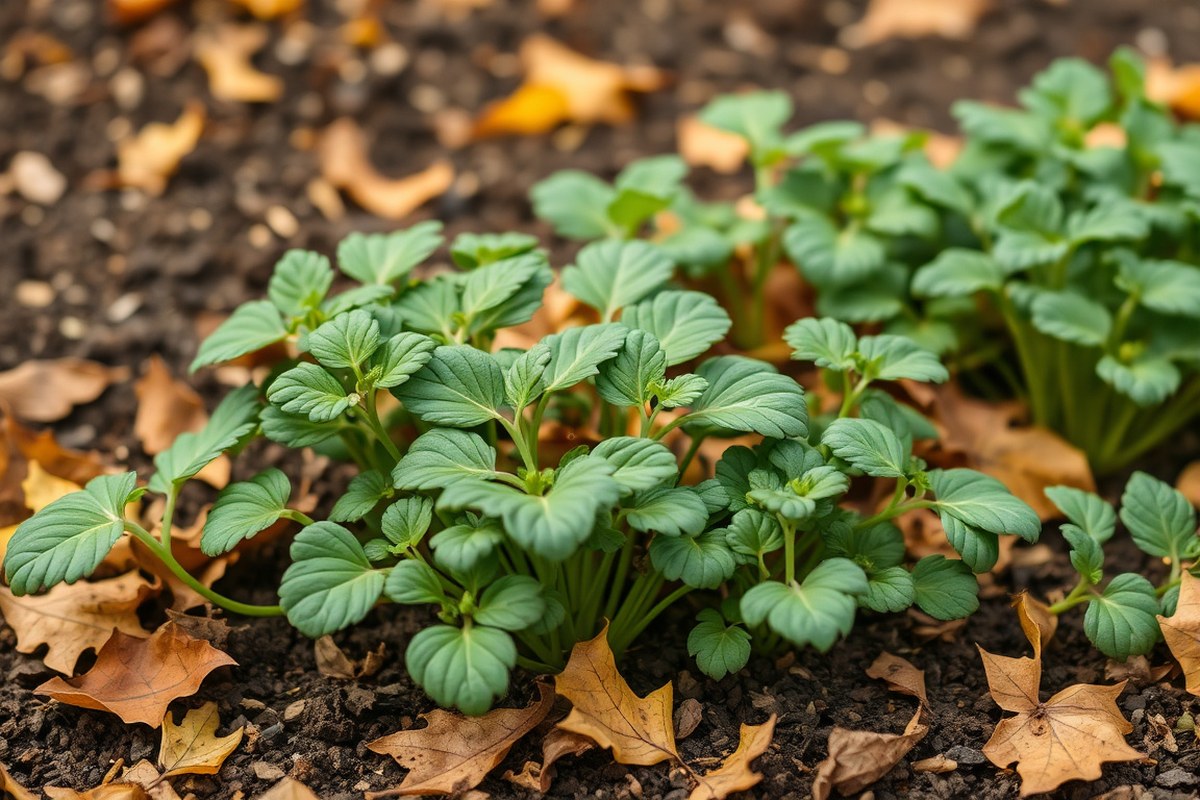
Can You Grow Potatoes in the Fall? A Complete Guide for Success
Fall is a good time to plant potatoes for a decent harvest. They take about 10 to 14 weeks to mature from planting until harvest. Plant once the soil reaches 40°F to 45°F (4°C to 7°C).
Set seed potatoes 3 to 4 inches deep and leave 12 inches between plants. Use loose, nutrient-rich soil for healthy growth, whether in the garden or pots. Top it with 1 to 2 inches of rabbit manure mixed with composted wood chips for added nutrients.
Keep an eye on daytime temps since seed potatoes won’t sprout well above 85°F or below 45°F. Early to mid-season potato types do best with fall planting. Avoid late-season kinds because frost might stop them from maturing.
Key Takeaways
- Plant seed potatoes 90 to 110 days before your area’s first frost date.
- Use seed potatoes with sprouts no longer than 1/2 inch for best growth.
- Space potato tubers 12 inches apart and rows 2 to 3 feet apart.
- Cover planted potatoes with 1 to 2 inches of rabbit manure and compost mix.
- You can start digging up small new potatoes just 10 weeks after you plant them.
- Full-size potatoes are ready once vines die back, usually 70 to 100 days.
Can You Grow Potatoes in the Fall Successfully?
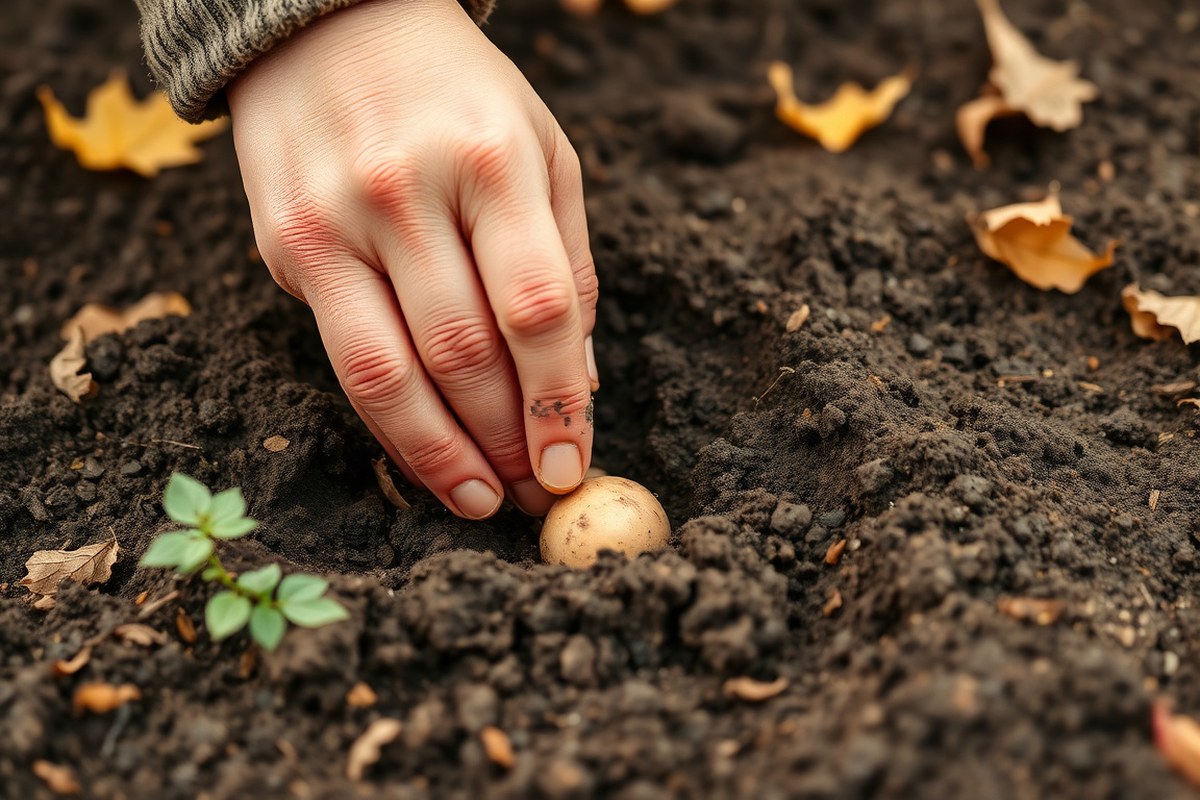
Potatoes do well planted in fall under the right conditions. This suits USDA Zones 6 to 10 with long enough growing seasons. Fall crops often yield bigger harvests with more starch than spring ones.
The soil should be about 50 to 60 degrees Fahrenheit. This temperature helps tubers start rooting faster and stronger. Potatoes prefer cool weather with nighttime temperatures near 55 degrees.
Plant early enough in fall to get 10 to 14 weeks before frost. This time lets potatoes develop fully.
Also, your area should have at least 90 frost-free days ahead. This gives the potatoes enough time to mature completely before cold sets in.
Ground that freezes deep in USDA Zone 5 or colder harms fall plants. Without covering, tubers probably won’t survive.
Use containers or grow bags at least 16 inches deep for fall potatoes. This works well if your garden soil is poor or shallow.
Loose, fertile soil helps roots spread and tubers grow larger. Plant seed potatoes with sprouts no longer than a half-inch to avoid damage.
Potatoes planted in fall start stronger than spring ones because they root once soil warms. This early start can lead to faster growth overall. Your final harvest depends on timing plantings to avoid frost and matching your climate conditions closely.
When Is the Best Time to Plant Potatoes in Fall?
Plant potatoes about 90 to 110 days before your first frost. This timing helps them mature before cold weather. Start counting back from expected frost day.
The soil should be around 45 to 50 degrees Fahrenheit to help sprouts grow strong. Timing depends on your local frost dates and soil temperature tracking.
Monitoring Soil Temperature
Check soil temperature with a simple soil thermometer before planting. Potatoes grow best when soil stays between 45 and 50 degrees Fahrenheit.
Soil warmer than 60 degrees can slow sprouting. Tubers may not form well in that heat.
Test soil temperature at 4 to 6 inches deep. Do it in the morning for best results. This gives you the most accurate reading.
Avoid planting if soil is below 40 degrees. Seed potatoes may rot or stop growing then. Cold soil slows their start.
Calculating Planting Date from Frost Dates
Look up your area’s average first fall frost date to plan backward. Count back 90 to 110 days for potatoes to mature.
Most common types take about 100 days to grow. Use this to pick your planting date.
For example, with a frost date on October 15, plant between July 27 and August 17. This lets potatoes mature before frost. This timing lets tubers mature before the soil freezes or plants suffer frost damage.
Adjust for local variations. Expect an early frost? Plant your potatoes earlier.
Or pick varieties that mature faster. Staggering planting dates can help extend your harvest window.
Adjusting for Your USDA Zone
Warmer USDA zones 8 or 9 do better planting in fall. They have milder temps and longer growing seasons.
In these zones, plant when soil cools to about 45 degrees. This usually happens late August to early September.
Colder zones may need mulch over trenches for insulation. This protects tubers through the winter cold. Experimental planting in cold zones requires careful timing and soil preparation to avoid damage.
Check frost risk for your zone before planting. Adjust your dates so tubers finish growing before frost.
Wait until soil temperatures drop below 55 degrees before planting to avoid poor sprouts.
Follow these steps to plan your fall potato planting:
- Find your average first frost date for fall in your region.
- Decide on the potato variety and confirm its days to maturity (90 to 110 days).
- Count back 10 to 14 weeks from your frost date to set your planting window.
- Use a soil thermometer to monitor soil temperature daily in late summer.
- Begin planting when soil is consistently around 45 to 50 degrees Fahrenheit.
- Adjust your planting date based on your USDA zone and local climate nuances.
- Consider mulching or trench techniques in colder regions to protect tubers.
Which Potato Varieties Are Best for Fall Planting?
For fall potato planting, choose early-maturing or cold-hardy varieties. Early-maturing types grow fast enough to harvest before freezing temperatures.
Cold-hardy ones tolerate frost and colder soil well. Your region’s climate matters for picking the right type.
Short-season potatoes usually mature in 70 to 90 days. This fits fall’s shorter growing window.
Long-season varieties take over 110 days and won’t finish before frost. If you live in a warmer area with mild fall weather, you have more variety choices.
| Variety Type | Primary Strength | Best For… | Example |
|---|---|---|---|
| Cold-Hardy | Frost Resistance | Long-term winter survival | Red Pontiac |
| Early-Maturing | Rapid Growth | Beating the first hard freeze | Norland |
| Dual-Purpose | Balanced Traits | General autumn experimentation | Yukon Gold |
Red Pontiac is a solid choice if you expect frost during growth. Norland grows faster.
So you can harvest sooner but it may be less frost tolerant. Yukon Gold works well if you want a balance between yield, taste, and timing.
Yukon Gold potatoes have a creamy texture and good flavor, suited for many dishes. Early-maturing types often produce smaller potatoes but harvest quicker. Cold-hardy varieties might yield a bit less but last longer in cool soil.
Use full sun and healthy soil to maximize yields for any variety. In cooler or northern zones, pick those with strong frost resistance.
In southern or milder fall climates, early-maturing choices help you avoid heat stress. Check seed catalogs for days to maturity and frost tolerance to match your specific fall window.
How to Prepare Soil and Plant Potatoes for Fall Growth
To grow potatoes in fall, prepare your soil first. Cut seed potatoes right. Plant them at correct depth and spacing.
Use mulch to protect the soil and plants from cold and moisture loss. These steps help your potatoes grow strong in cooler weather.
Improving Soil Structure and Drainage
Good soil helps potatoes develop healthy tubers. Loosen soil to 12 inches deep. This gives roots space to grow.
It also allows air to reach roots. Mix in well-rotted compost or aged manure for better drainage and nutrients.
Choose soil that holds moisture but drains well to avoid rotting. Avoid soggy ground since fall rains can add extra water that harms your crop. Raised beds or hills can help water drain away.
Cutting and Preparing Seed Potatoes
Small seed potatoes can be planted whole. But larger ones need to be cut into pieces.
Each piece should have at least one or two eyes, where sprouts will grow. This improves your chances of a good crop.
After cutting seed potatoes, dry them in a cool spot. Leave them for four to seven days. This makes a callus that stops rot and disease.
Planting Depth, Spacing, and Mulching
Plant seed potatoes 3 to 4 inches deep, with the eyes facing up. Space them about 12 inches apart in rows 2 to 3 feet apart. This gives each plant room to grow and access nutrients.
Mulch right after planting to keep soil cool and moist. Use straw, shredded leaves, or grass clippings about 3 inches thick. Mulch also protects against frost and reduces weeds that compete for nutrients.
Follow these soil preparation and planting steps to set your fall potatoes up well:
- Clear the planting area of weeds and debris to reduce competition.
- Loosen soil to 12 inches deep using a fork or tiller for good root growth.
- Mix in 2 to 3 inches of well-rotted compost or aged manure for nutrition.
- Cut big seed potatoes into pieces with one or two eyes. Let the pieces dry for 4 to 7 days. This helps protect them when planted.
- Dig holes or trenches 3 to 4 inches deep and space them about 12 inches apart.
- Place potatoes with eyes facing up and cover with soil.
- Apply 3 inches of mulch to keep soil moist and protect from cold.
How to Care for Your Fall Potato Plants
Potatoes growing in fall need about 1 to 2 inches of water each week. Water more as plants grow bigger and produce leaves.
Too little water makes the potatoes small. Too much leads to rot and diseases.
Sunlight matters a lot. Fall potatoes do best in spots with full sun, around 6 hours daily.
Too much shade slows tuber growth and weakens the plants. Watch your potato patch as fall days get shorter and adjust if possible.
Keeping pests away from your potatoes protects your crop and keeps it healthy. Fall has fewer pests than spring, but watch for aphids and beetles. Use handpicking or neem oil spray to control bugs without chemicals.
- Check soil moisture once a week, water if dry below 6 inches
- Watch for pest damage or chewing, treat early
- Clear fallen leaves or debris that might harbor bugs
- Cover plants with straw or old blankets if frost is forecast
- Use mulch to keep soil cool and moist
- Rotate crops yearly to prevent diseases
Frost damage is a major risk for fall potatoes. Frost below 28°F can kill leaves.
But tubers may keep growing underground if you cover plants well. Straw or mulch helps keep soil warmer and protects roots from sudden drops.
Diseases like blight or scab need prevention. Avoid overwatering and poor drainage to stop blight.
Crop rotation and choosing disease-resistant types also lowers risk. Remove any sick plants fast to stop spread.
Cover your potato bed before the first hard frost. This helps tubers grow longer. Longer tubers mean a bigger harvest.
How Long Do Fall-Planted Potatoes Take to Mature?
Fall-planted potatoes usually take about 70 to 100 days to reach full maturity. You can harvest new potatoes between 60 and 75 days. The tubers will still be small and tender then.
This lets you enjoy early potatoes before full growth. Full-size potatoes need the full growing period.
This period varies by variety but is 70 to 100 days. You should check your seed packet for exact timing.
You’ll know potatoes are ready when leaves start yellowing. The stems will also die back around the same time. These signs mean the tubers are mature.
After this happens, wait one to two weeks before digging up the crop. This extra time helps the skins toughen up, which protects the potatoes during harvest and storage.
Cooler temperatures in fall slow down potato growth compared to spring. Cover the plants with row covers when frost is expected. This protects the tubers from damage.
It also helps you extend the growing season safely. Soil quality also affects growth speed.
Compacted or nutrient-poor soil from a hot summer can slow development. So preparing the soil well will improve results.
Potatoes planted in fall often grow more slowly but produce denser tubers that store better. Fall potatoes mature a bit earlier than spring crops. This is because fall soil stays cooler longer.
The cooler temperatures slow growth in spring. Watch for signs the plants are declining.
Plan to harvest once the foliage dies back fully. This ensures the potatoes have reached full size.
How and When to Harvest Fall Potatoes Without Damage
Harvest fall potatoes once their vines start dying back, but before the soil freezes. Use careful digging to avoid bruising tubers. Cure and store them in a cool, dark, ventilated place for best quality.
Harvest Timing and Soil Conditions
Potatoes are ready when vines turn yellow and die back naturally. This shows tubers have matured under the soil. Harvest before frost hits the soil or ground freezes to keep potatoes healthy.
Check soil moisture. Slightly damp soil eases digging without smashing potatoes. Avoid harvesting right after heavy rain, which can cause tuber damage and rot.
Digging Without Damaging Tubers
Harvesting potatoes requires gentle soil loosening and careful tuber removal. Using containers like grow bags or burlap sacks can limit soil disturbance. They also let you check tubers more often for size.
Here’s a simple step-by-step harvest method to minimize damage:
- Cut back potato vines close to the soil surface.
- Loosen soil around the plant’s base using a garden fork or spade.
- Gently lift the soil to expose tubers without stabbing or scraping them.
- Pick up loose potatoes by hand, setting aside damaged ones to eat first.
- Place healthy tubers in a basket or shallow box, avoiding stacking too deep.
- Brush off excess dirt but do not wash potatoes before curing.
- Leave soil debris on tubers to protect the skin during curing.
- Repeat for all plants, working steadily to avoid frost or drying out tubers.
Curing and Long-Term Storage
Cure potatoes for about 10 days in a cool, dark, and well-ventilated space. Ideal cure temperature ranges from 45°F to 60°F (7°C to 16°C). This toughens skins, reducing rot risk in storage.
After curing, store potatoes in a dark, dry area at 38°F to 40°F (3°C to 4°C). Keep moisture low but not zero to avoid shrivelling. Check stored potatoes regularly and remove any rotten or damaged tubers.
Common Challenges Growing Fall Potatoes and How to Fix Them
Fall potatoes face a few common challenges like pest damage, frost, rot, and poor sprouting. These cause fewer or lower-quality potatoes. Each problem needs its own approach to fix or avoid.
In fall, pests such as wireworms, aphids, and potato beetles can attack your plants. These bugs eat leaves, stems, and sometimes tubers. To control them, regularly check plants for damage.
Handpick beetles or use insecticidal soap for aphids. Crop rotation helps reduce pest build-up season to season.
Frost can injure potato plants swiftly as temperatures drop below 32°F. Protect plants by covering them with frost cloth or thick mulch overnight. You can also move container-grown potatoes indoors or under shelter when frost threatens.
Rot occurs if soil stays too wet or poorly drained. It ruins tubers and causes plants to wilt.
To prevent rot, use raised beds or add coarse sand to clay soils. Plant on a small slope to avoid water pooling around roots.
Potatoes sometimes fail to sprout well in soil cooler than 45°F or hotter than 85°F. This slows or stops growth. Store seed potatoes in a cool, dark place above 45°F before planting.
Use certified seed potatoes free from sprout inhibitors and disease. Avoid store-bought potatoes untreated for sprouting.
- Check seed potatoes for firmness and no disease before planting.
- Handpick or spray bugs early to prevent crop damage.
- Cover plants with frost cloth on cold nights under 32°F.
- Use raised beds or sandy soil mix for good drainage.
- Keep seed potatoes between 45°F and 85°F before planting.
- Reduce watering as plants yellow late season to avoid rot.
Keep soil moist but not soggy to prevent rot and support sprouts.
Monitor evidence of pest damage and frost spots daily after planting. Quick action avoids bigger problems.
Healthy leaves and steady growth show your strategy works. Yellowing late in the season means it’s time to cut back water.
Step-by-Step Action Plan for Growing Potatoes in the Fall
Follow these steps to start your fall potato garden. Each step tells you how to check that things are on track.
- 4 to 6 weeks before first frost: Pick a potato type good for fall, like Yukon Gold. Red Pontiac also works well. You’ll know you picked well if the seed potatoes are firm and sprouting.
- 2 days before planting: Prepare your soil by clearing weeds and mixing in compost. Soil should feel loose and drain well to the touch.
- Day 1: Cut seed potatoes into pieces with one or two eyes. Let them dry for a day before planting. Dry pieces won’t rot quickly once planted.
- Day 2: Plant your potato pieces 4 inches deep in rows 12 inches apart. You should see sprouts above the soil within 2 weeks.
- Weeks 1 to 4: Water plants deeply once every week. Keep soil moist but not soaking wet. Check soil moisture by feeling the soil a few inches down.
- Week 5: Pile soil up around the stems. This stops tubers from sun damage and helps plants stay strong.
- 8 to 12 weeks after planting: Start checking leaves for yellowing, which signals near harvest time. Stop watering 1 week before harvesting.
- After 8 to 12 weeks: Gently dig around plants to harvest potatoes. Firm potatoes without dark spots mean your harvest was successful.
Frequently Asked Questions
Can You Grow Potatoes in Fall Containers?
Yes, you can grow fall potatoes in containers. Use loose, fertile soil and containers at least 16 inches deep for best results.
How Do Frost Dates Affect Fall Potato Planting?
You need at least 90 frost-free days to grow fall potatoes. This ensures the tubers mature before cold weather sets in.
Will Fall Potatoes Grow in Partial Shade?
Potatoes grow best in full sun, even in fall. Partial shade may reduce yield and slow growth, so choose a sunny spot.
Can I Reuse Soil from Spring Potatoes for Fall?
It’s better to refresh the soil for fall potatoes. Fresh soil helps prevent disease and provides nutrients for the new plants.
Do I Need to Fertilize Fall Potatoes Differently?
Fall potatoes benefit from balanced fertilizer high in potassium. This supports tuber development during cooler growing conditions.
Are Fall Potatoes More Disease-Prone Than Spring Crops?
Fall potatoes can face fungal diseases due to cooler, moist weather. Prevent problems with good air circulation and proper watering.
The Bottom Line
You can grow potatoes in the fall by planting the right varieties at the right time. Keep soil healthy and watch for early frost signs. Now, head outside and get your seed potatoes ready for planting this season.