Can You Compost Onions? Simple Steps for Fast, Odor-Free Results
Can you compost onions? Yes, you can compost onions and their scraps safely. They break down well in a hot compost pile when handled correctly.
Just be ready for a strong smell as they decompose. Onions add valuable nutrients like nitrogen to your compost mix.
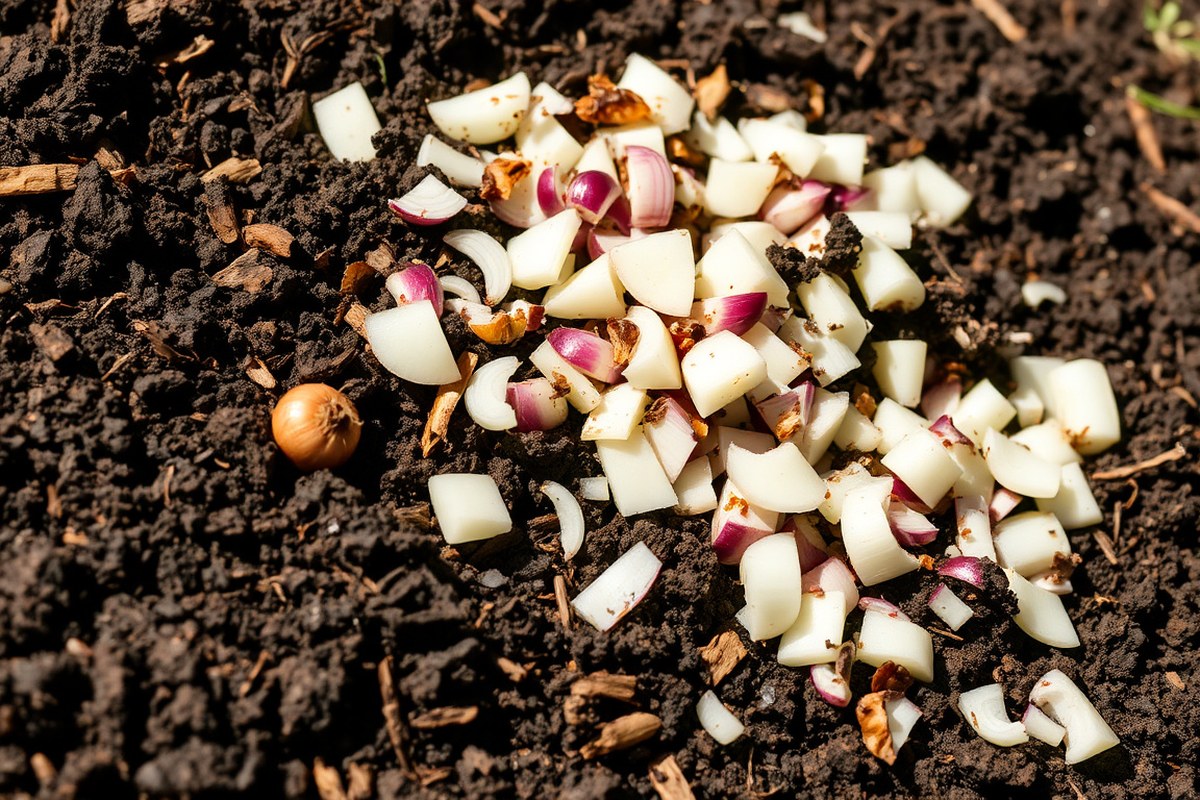
To keep onion odors under control, always bury onion scraps at least 10 inches deep. This helps reduce the smell and keeps pests away too. Chopping onions into smaller pieces speeds up the breakdown process and speeds composting overall.
Onions won’t last forever in your compost. In hot compost (135-150°F), they usually break down in 2 to 4 weeks.
Cold compost piles take longer, but proper mixing and layering help them decompose faster. Avoid composting onions in small, slow piles where they might just rot instead.
Key Takeaways
- Cut onions into tiny bits before putting them in your compost.
- Bury onion scraps at least 10 inches deep to minimize odors.
- Use a hot compost pile to break down onions in 2 to 4 weeks.
- Mix onion scraps with plenty of dry materials like leaves or paper.
- Turn the compost regularly to speed up decomposition and reduce smell.
- Keep the compost’s pH between 6.0 and 7.5 for best results.
Can You Compost Onions and Their Scraps?
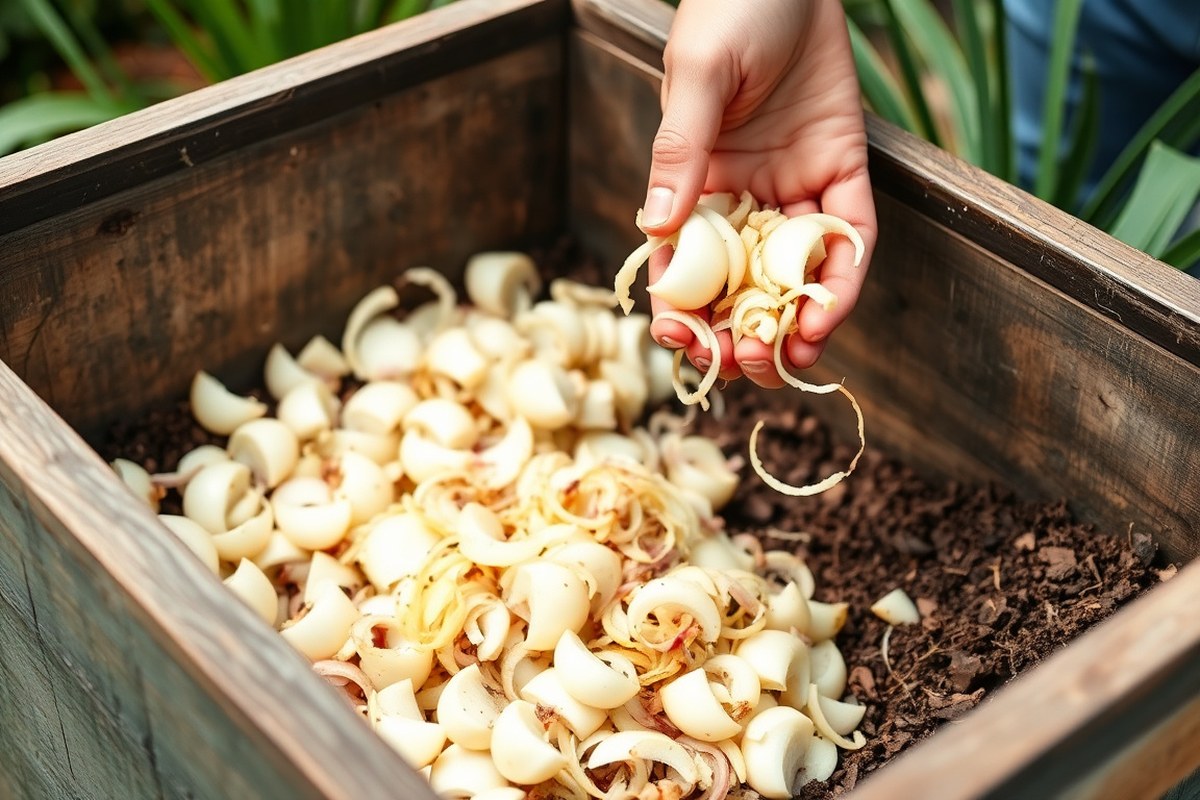
You can compost onions, including peels and whole bulbs. Just manage them well. Doing so keeps your compost healthy and safe.
Onions release sulfur compounds, which can cause strong odors if not handled properly. Bury onion scraps at least 10 inches deep.
Cover them with other compost materials. This helps control any onion smells.
Onion skins and peels break down slower in cold compost piles. But they will decompose in about 2 to 4 weeks in properly managed piles. This means you don’t need to worry about onion peels lingering forever in your compost.
Mix in plenty of carbon materials like dried leaves or paper. This balances nitrogen from onions. It also helps reduce odors.
Moldy or rotten onions are fine to add. They are already breaking down. This makes them easy for composting.
These scraps speed up the composting process, especially in a healthy pile with good aeration. Avoid adding onions with visible diseases to prevent spreading harmful pathogens or attracting pests.
Cooked onions are safe to compost too. But they can attract pests if left on the surface. Bury cooked onion scraps deeply like fresh ones to minimize smells and keep rodents away.
Small amounts in a balanced bin won’t cause trouble. But avoid dumping large quantities unless you have a hot compost or bokashi system.
Onions won’t harm worm bins if used carefully. But too many might slow worms down. Use onions in moderation for best results.
For most backyard setups, onion scraps are fine mixed gradually. Leave no large onion pieces exposed. Cut or chop scraps for faster breakdown and better odor control.
You can compost any onion waste safely. Avoid adding diseased bulbs. Always bury scraps deeply to keep things balanced.
Mixing onions with plenty of carbon-rich matter helps prevent strong odors and ensures quicker decomposition. Properly managed, onion scraps will turn into rich compost that supports strong garden growth.
How to Prepare Onions for Composting
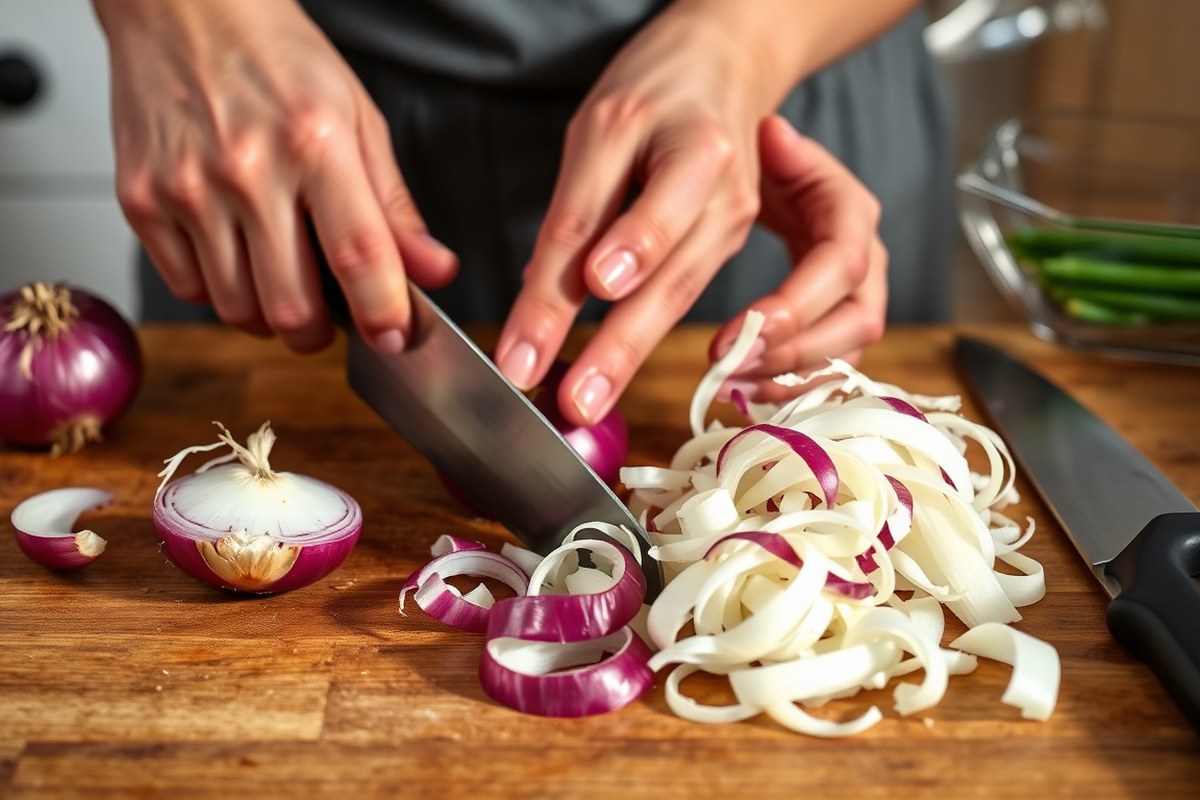
You should chop onions into small pieces no larger than 1 inch. This speeds up decomposition and prevents moisture pockets. Always bury onion scraps deep in your compost pile to avoid odors and pests.
Chopping Whole Onions Properly
Cut whole onions into chunks about 1 inch or smaller. Smaller pieces increase the surface area for microbes to break down the onion faster. Avoid adding whole onions as they slow the composting process.
Chopping also helps reduce moisture pockets that can slow decomposition. Use a sharp knife to quickly chop onions after peeling. Discard any tough roots or damaged spots before chopping.
Preparing Onion Peels and Skins
Include onion skins and peels, which break down easily. They add carbon to balance the nitrogen-rich onion flesh. Peels don’t harm compost microbes and can improve soil nutrients after composting.
Peel off any thick layers and break larger skin pieces into smaller bits. Thin layers break down faster. Dry skins for one or two days before composting.
Do this if your compost is very wet. It helps stop the compost from clumping.
Burying and Layering Onion Waste
Always bury chopped onion pieces and scraps at least 6 to 8 inches deep. This keeps smells down and stops pests like rodents from being attracted. Cover onions with dry brown material like shredded leaves or straw for balance.
Layer onions with equal or greater amounts of carbon materials. Turn the compost regularly to help oxygen reach the onion scraps. Compost tumblers are great because they mix and aerate the pile often, speeding up decay.
- Peel the onion, removing outer skins and damaged parts.
- Chop the onion bulb into pieces smaller than 1 inch.
- Break larger skins into smaller strips for quicker breakdown.
- Place chopped onion and skins deep into the compost pile.
- Cover onion scraps with at least 6 inches of brown material.
- Turn or mix the compost every few days, especially around onion areas.
- Monitor moisture, keeping compost damp but not soggy for best results.
Bury onion scraps well to avoid causing bad smells and to keep pests away.
How Onion Materials Break Down in Different Compost Setups
Onions break down at different speeds depending on how you compost them. Hot compost piles shred onions in a few weeks.
Cold piles may take months. Worm bins work but slower, and bokashi fermentation handles onions quickly and easily.
Hot Composting Times and Benefits
Hot composting heats the pile between 135°F and 150°F. At this temperature, onion flesh breaks down fast, usually within 1 to 2 weeks. Chopped onions fully decompose in 2 to 4 weeks in a hot compost pile. The heat helps break down those strong onion compounds that can slow decay.
Maintaining hot temps also kills any pathogens on diseased onions. It takes keeping the pile at 140°F for at least 3 days to be safe.
Cold Composting Challenges with Onions
Cold compost piles usually stay below 90°F. Here, onion scraps can take 3 to 6 months to fully decompose. Onion skins and whole onions take even longer because their layers are tougher. Without heat, their natural oils slow down breakdown.
Cold setups need good aeration and balance with carbon materials like brown leaves. Otherwise, onions can create odors or pest problems.
Worm Bins and Bokashi: Pros and Cons
Worm bins can compost onions but take longer than regular veggies. Worms might avoid concentrated onion oils, so onions break down slower.
Onion scraps in worm bins need to be mixed with other materials. This dilutes any irritation and keeps worms healthy in the bin.
Bokashi composting ferments onions in an airtight bucket. This method works fast and controls odours well, handling onions better than normal compost.
Bokashi bins fit right in your kitchen for hygienic onion waste processing. The fermented leftovers go into soil or compost to finish breaking down. Here’s a simple comparison of these compost setups for onions:
| Compost Method | Onion Decomposition Time | Conditions Needed | Suitability Notes |
|---|---|---|---|
| Hot Compost | 1-4 weeks | 135°F, 150°F, good aeration, balanced carbon | Kills pathogens; best for whole or diseased onions |
| Cold Compost | 3-6 months | Below 90°F, well-mixed carbon and nitrogen | Slow; risk of odor and pests if not managed |
| Worm Bin | 4+ weeks (varies) | Balanced mix, avoid concentrated onion parts | Safe if onions are in small amounts and scattered |
| Bokashi | 1-2 weeks fermentation + soil composting | Sealed bucket, anaerobic fermentation, kitchen friendly | Best for quick, odorless onion breakdown |
Choosing the right setup depends on your time and space. Hot compost clears onions fast but needs more care.
Worm bins and cold piles take longer but work with patience. Bokashi fits small spaces and works fast if you want odor control.
Managing Odors and Pests When Composting Onions
Onions can cause strong odors while composting, especially if left exposed on top of the pile. The smell comes from sulfur compounds released as onions break down.
This smell can attract pests like rats and bees. Neighborhood dogs might also come to dig in your compost.
To keep onion smells under control, bury the scraps deep in the compost. At least 12 inches under other brown materials like dry leaves or shredded paper works well. This layering helps trap odors and keeps pests from smelling the onions.
Overexposed onion waste often draws unwanted scavengers. Mixing onion scraps into the center of your pile helps speed decomposition and reduces surface smells. Enclosed compost bins or trench composting also lower odor escape and pest visits.
- Chop onions into smaller pieces before composting to prevent sprouting.
- Bury onion scraps under 12 inches of carbon-rich materials.
- Mix onions thoroughly into the middle of the compost pile.
- Keep your compost pile moist but not soggy to limit odors.
- Use an enclosed bin or trench composting to reduce pest access.
- Add dry leaves or shredded paper regularly for odor control.
Pests come when food scraps like onions sit too long near the surface. You can reduce this by regularly turning your pile so onions don’t stay exposed. This also helps oxygenate the compost and prevents bad smells.
Worm bins aren’t good for lots of onion waste. Worms avoid strong onion smells, so they won’t thrive.
A hot traditional pile or in-ground trench handles onion scraps better without inviting pests. Regular monitoring saves time by catching smells before they become a problem.
Balancing Onion Acidity and Nutrients in Compost
Onions are slightly acidic but don’t make your compost too sour. Their acidity won’t significantly change the compost’s pH because most piles lean alkaline. Still, layering onions with carbon-rich materials like dry leaves or shredded cardboard keeps the balance right.
Onions count as “green” material since they are rich in nitrogen, important for plant growth. The ideal compost ratio is about 25 to 30 parts carbon to 1 part nitrogen. Add three times more brown material than onion scraps by volume.
This is a simple way to keep balance in your pile. It helps control moisture and odor.
Adding onion scraps directly to compost without enough carbon can slow down microbial activity. Mixing in dry leaves or straw helps break down onions more efficiently. These carbon-rich materials absorb moisture and counterbalance onion acidity, keeping your compost healthy.
The papery outer onion skins tend to act as browns because they’re drier and add carbon. Including these skins along with greens balances out the pile naturally.
You can also add crushed eggshells or small amounts of garden lime if acidity seems high. But this is rarely needed.
Always cover onion scraps with 2 to 3 inches of brown stuff. This prevents smells and controls acidity. It keeps your compost healthy.
Some piles may slow if onions pile up too thickly. Spreading out onion waste in thin layers lets air circulate better. This speeds microbial breakdown and avoids wet, smelly spots.
Keep in mind that moisture matters as much as carbon and nitrogen. Onions add moisture, so add dry browns to avoid sogginess. Good airflow stops your pile from smelling bad and keeps things breaking down.
The right mix also helps. Both together keep your compost working well.
Common Mistakes and How to Fix Onion Composting Problems
Onion compost smells bad when it doesn’t get enough airflow. It also smells if mixed too much with wet stuff. Proper mixing and airflow help reduce the smell.
Those sulfur compounds in onions release odors if the pile stays damp and compact. Make sure your compost pile is well turned and dry enough to stop that smell.
Sprouting onion bulbs in compost happen when you leave them too long without enough heat. Onions start to grow again if the pile temperature stays below 110°F. To fix that, chop onions smaller and mix them with other green waste to boost heat. Turning the pile regularly helps too.
Pests are drawn to compost with cooked onions or seasoned scraps. Oils and spices make it attractive to rodents and bugs. Avoid throwing cooked onions in your bin.
Add a layer of dry materials like shredded paper or leaves. This covers smelly spots and keeps pests away.
- Leave out cooked onions to keep pests away.
- Chop raw onions into small pieces for faster decay.
- Mix onions evenly with dry leaves or paper for balance.
- Turn the pile every 1 to 2 weeks to add oxygen.
- Keep compost moist like a wrung-out sponge, not soggy.
- Use a compost thermometer to reach 130°F to 160°F.
- Cover fresh onion layers with dry material to control odor.
Onion compost takes longer when the pile is low in nitrogen or too cold. Those outer onion skins are carbon-rich but slow to break down. Adding kitchen scraps or grass clippings helps speed things up.
A compost thermometer shows if your pile needs water or turning. It helps reach the right heat for fast composting.
Safe Disposal and Handling of Diseased or Sprouted Onions
Don’t compost onions that show signs of disease. Diseased onions can carry pathogens that survive composting. Adding them risks reinfecting your garden soil and plants later on.
Instead, toss diseased onion waste in your trash. Burning the infected onions is another option if allowed locally. Ash from burned onions can safely go into your compost.
Sprouted onions pose a different problem. Whole onions or large pieces can sprout and regrow in a moist compost pile. This growth can spread unwanted plants in your compost and garden.
To avoid sprouting, break whole onions into smaller pieces before composting. Doing this helps them decompose faster and stops new shoots from developing. Keep whole, sprouted bulbs out of the compost pile if you want to prevent this issue.
Households with large onion waste amounts benefit more from traditional compost piles. They offer longer heat exposure, which kills many weed seeds and pathogens. Smaller home bin composters might not reach these temperatures and miss killing disease or sprouting bulbs.
Adding large amounts of whole or moldy onions at once can overwhelm your compost. This overload slows decomposition and spreads pathogens. Mix onion waste with plenty of dry materials like leaves or shredded paper to keep balance.
Cooked onions break down faster because they are softer. Watch the fat and salt in cooked scraps closely. Too much salt or fat can hurt your compost microbes.
Keep these levels low to protect the compost process. Use cooked onions sparingly as part of your compost inputs.
Practical Tips and Tricks for Successful Onion Composting
To speed up onion decomposition, chop them into small pieces and mix well. Use proper tools, turn your compost regularly, and consider additives to boost the process. Different methods like bokashi or tumblers can also help you get better results faster.
Tools to Improve Onion Composting
A sharp chopping knife or kitchen scissors make quick work of onions. Smaller pieces break down faster because they expose more surface area to microorganisms. A garden fork or compost aerator helps you mix and loosen compost for better airflow.
A worm bin with red wigglers helps break down onions faster. These worms turn scraps into worm castings. This speeds up composting.
Worms thrive in slightly acidic conditions, so onions can balance compost pH well. Using gloves when handling onions prevents skin irritation from sulfur compounds.
Using Bokashi or Compost Tumblers
Bokashi bins ferment onion scraps using microbes, speeding decomposition and reducing odors. This method works well indoors and avoids pest problems often caused by raw onion scraps. A bokashi kit includes bran inoculated with beneficial bacteria to kickstart fermentation.
Compost tumblers rotate to mix contents evenly and increase oxygen flow. They can reduce onion composting time from months to about 4 to 6 weeks. Tumblers also limit pests by keeping materials enclosed and make turning easier compared to piles.
Frequency of Compost Turning
Turning onion-rich compost every 3 to 5 days helps maintain oxygen flow and spreads heat. Heat kills bacteria that cause smells and speeds up decomposition by activating microbes. Too often turning interrupts the process, so avoid daily mixes unless using a tumbler.
For slower outdoor heaps, turn once a week to prevent compaction and wet spots. Inside bokashi systems, turning isn’t needed since fermentation works without oxygen. Worm bins require gentle mixing only if material looks uneven or compacted.
Additives to Accelerate Breakdown
Adding dry carbon materials balances onions’ high moisture and nitrogen. Use shredded paper, dry leaves, or straw. They keep the compost healthy.
This prevents slimy, smelly compost and helps microbes multiply. Use about twice as much dry material as onion scraps by volume.
Commercial compost starters or activators contain microbes that boost breakdown speed by days or weeks. For worm bins, a handful of crushed eggshells adds grit worms need and helps reduce acidity. Avoid adding thick onion skins whole, those break down slowly.
- Chop onions into 1-inch pieces for faster decay
- Mix onion scraps at the bottom or middle of the pile
- Balance wet onions with dry leaves or shredded paper
- Turn compost every 3-5 days or weekly for piles
- Use bokashi bins for indoor composting and odor control
- Add worms to boost decomposition and reduce pests
- Keep compost moist but not soggy for microbes to thrive
Cut onions small and mix well to avoid compact, slow-to-decompose spots in your compost.
Step-by-Step Action Plan for Composting Onions
Follow this plan to compost onions safely and speed up breakdown. It helps avoid pests and bad smells.
- Before you start: Chop onion scraps into small pieces. This speeds up decomposition and reduces odor.
- Day 1: Add chopped onions to your compost bin mixed with dry materials like leaves. Watch for even layering to avoid pile compaction.
- Week 1: Turn the compost to add air and prevent jams. Check for any strong onion smells, which means you may need more dry material.
- Week 2: Monitor moisture level; it should be damp but not wet. Adjust by adding dry materials if it feels soggy or water if it’s dry.
- After 3 weeks: Look for onion scraps breaking down and dark compost forming. You’ll notice fewer onion pieces and less smell.
- After 4-6 weeks: Continue turning weekly to mix materials. Check for pests; if spotted, bury onion scraps deeper next time.
- After 6 weeks: Use finished compost in your garden. It should be crumbly, dark, and smell earthy without any onion odor.
Frequently Asked Questions
Can Onions Make My Compost Pile Smell Bad?
Yes, onions can create strong odors when they decompose. Bury them at least 10 inches deep to reduce the smell significantly.
Are Onion Skins Good for Compost?
Yes, onion skins break down well and add carbon to compost. They help balance the pile when mixed with green materials.
Will Composting Onions Attract Pests?
Onions can attract pests if left on the surface. Bury them well and cover with other compost materials to avoid this.
How Long Does It Take Onions to Break Down in Compost?
Onions generally break down in 2 to 4 weeks in a hot compost pile. Chopping them speeds the process.
Can I Compost Moldy or Sprouted Onions?
Yes, moldy and sprouted onions compost fine. They are already starting to decompose and will turn into rich compost.
Do Onions Affect Compost Acidity Levels?
Onions can increase acidity if added in large amounts. Keep a good balance of materials to maintain healthy compost pH.
Final Thoughts
You can compost onions successfully by breaking them down carefully. Keep your pile balanced and well-aerated. Start by chopping your next onion scraps small and adding them to your compost bin today.