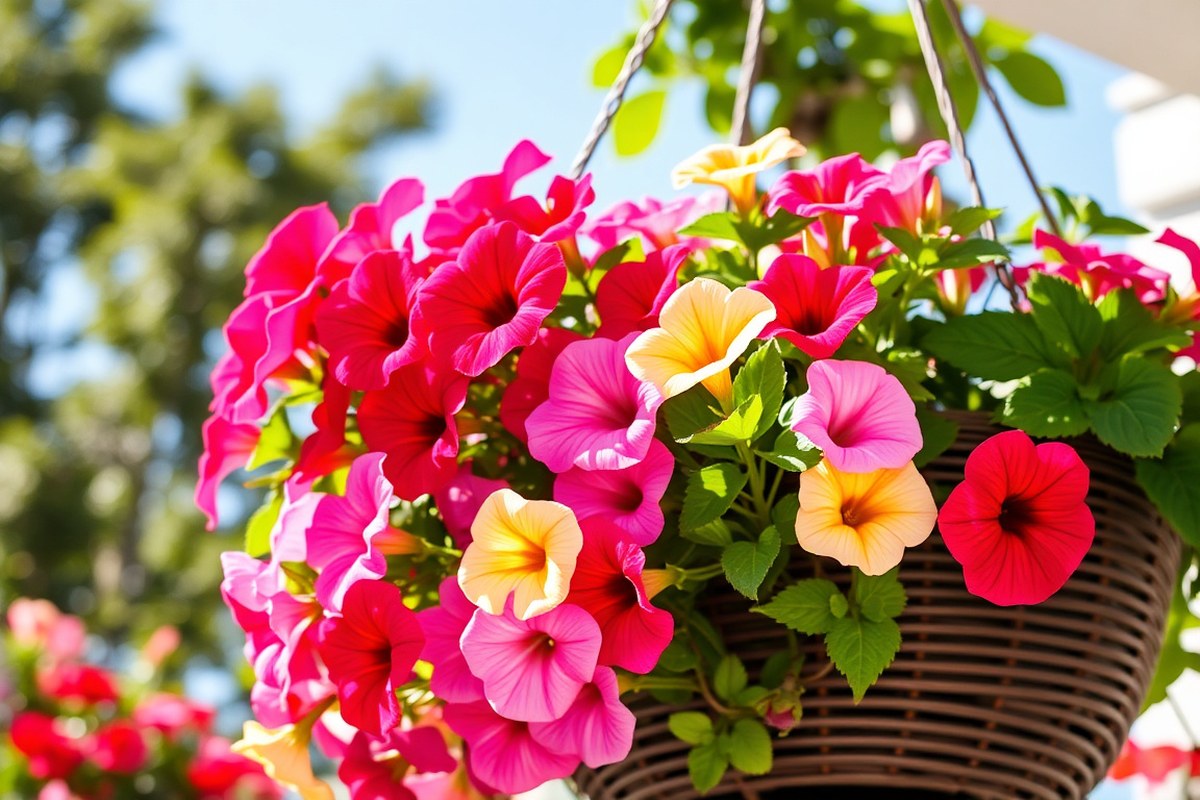
How to Keep Petunias Flowering: 8 Essential Tips for Long Blooming
Knowing how to keep petunias flowering can really brighten your garden all season. Give petunias plenty of sunlight each day. Water deeply but not too often.
Feed them regularly with diluted fertilizer. These steps keep flowers blooming and plants vigorous through heat and cooler days.
Start by planting petunias where they get at least 6 hours of full sun daily. Less sun means fewer flowers and leggy growth. Check your soil moisture often.
Petunias don’t like wet roots. But they also need some moisture to stay healthy.
Keep pruning and deadheading spent blooms every week to encourage more flowers. This cutting back lets the plants focus energy on new buds instead of setting seed. Little care like this goes a long way toward longer blooming.
Key Takeaways
- Plant petunias in spots with at least six hours of full sunlight daily.
- Water deeply but only when the top inch of soil feels dry.
- Fertilize every 10 to 14 days with half or quarter strength liquid fertilizer.
- Remove dead flowers weekly to promote new bloom production.
- Prune stems by about 20% once they reach eight inches tall for bushier growth.
- Use containers at least 12 inches wide to give roots room to grow.
1. Provide Optimal Sunlight for Continuous Blooming
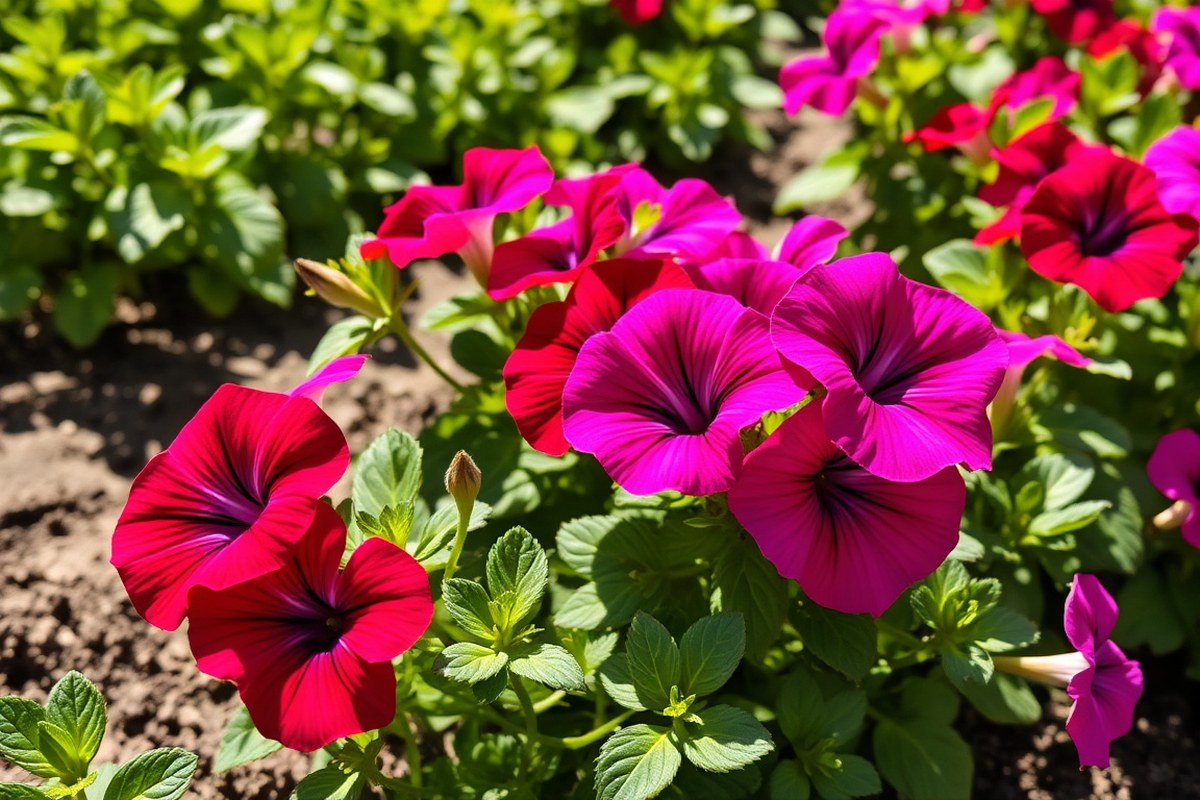
Petunias need at least six hours of direct sunlight each day to bloom well. They do best in full sun for eight hours or more.
This helps them produce more flowers. Plant them in a sunny spot where shadows don’t block their light.
Petunias that get less than six hours of sun bloom poorly. They also look leggy. Their stems grow long and spindly with fewer flowers.
In low-light spots, flowers grow slowly. Plants become weaker too. They don’t fill out nicely.
Petunias tolerate full sun even during hot summers. But some afternoon shade might help in very hot climates. Intense heat can stress plants, causing blooms to drop.
Choose a spot with morning sun and some afternoon shade. This helps flowers last longer.
For container-grown petunias on a porch or patio, move pots to maximize sun exposure daily. A shady garden spot can hurt petunias.
Put them where they get the most light, like south or west-facing beds. This small effort makes a big difference in bloom numbers.
Pick a bright site with six to eight hours of sun. This keeps petunias flowering nonstop.
Avoid spots next to large trees or buildings that cast long shadows. Watching the sun’s path for a few days helps find the best place to plant.
2. Water Petunias Deeply but Avoid Overwatering
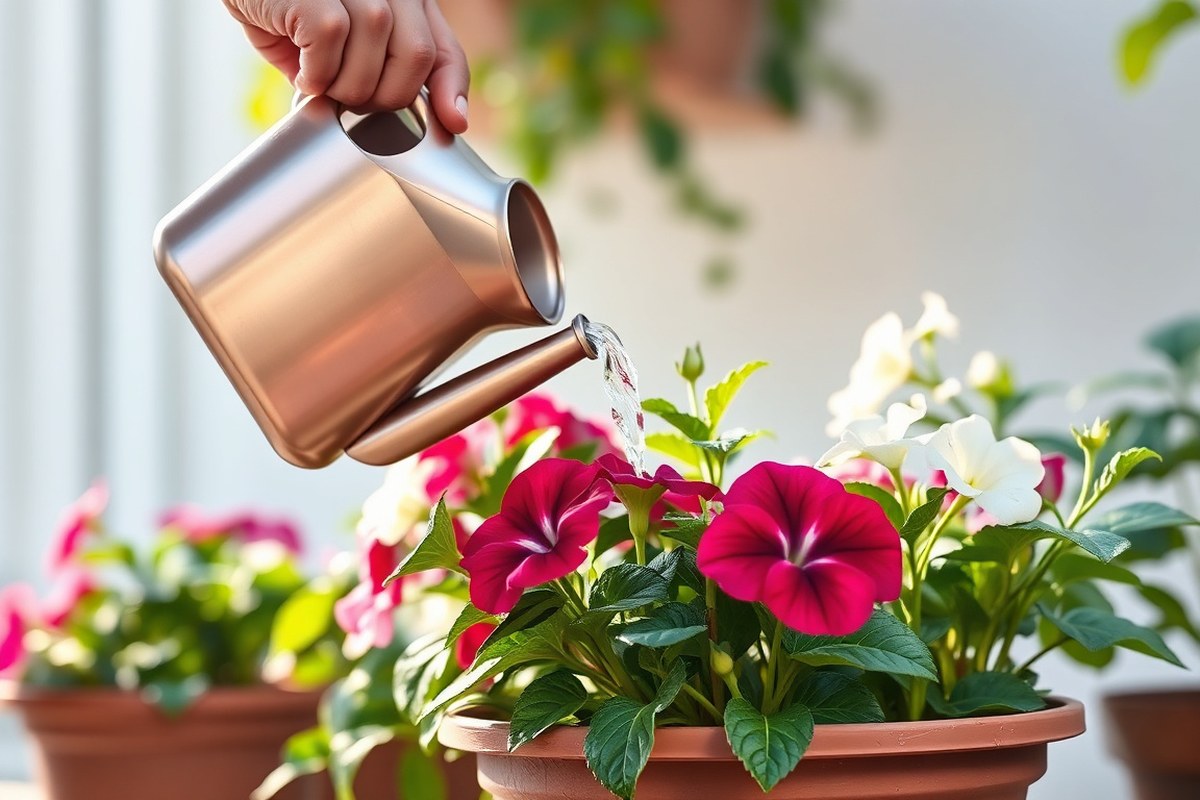
Water your petunias deeply, soaking soil about 6 inches down to reach roots. Avoid keeping soil soggy, or you risk root rot and stressed plants. Watering too shallow encourages weak roots and faded blooms.
Watering Frequency by Season
Petunias in containers dry out faster than those in garden beds. During hot summer, container petunias may need watering daily. Garden bed petunias usually need water every 2 to 3 days in warm months.
Decrease watering in cooler weather, about once a week in spring and fall. Soil moisture should be your guide; don’t water on a fixed schedule. When soil is dry 2 inches down, give a thorough watering.
Indoor vs Outdoor Petunia Watering Tips
Outdoor petunias face wind and sun that dry soil quickly. Water outdoor plants deeply to 6 inches but less often if in beds.
Indoor petunias usually need less frequent watering, about once or twice a week. Check container drainage carefully; indoor pots can retain more water, causing root problems.
Use pots at least 12 inches wide to avoid root binding and uneven moisture. Hanging baskets dry fastest and might need water every day during heat.
Recognizing Moisture Stress Symptoms
Wilting leaves that perk up quickly after watering show underwatering. Dry, brittle leaves and slow growth are also signs of too little water.
Pale, yellowing foliage or soft, soggy stems suggest overwatering. Roots may swell and rot if water sits too long near them.
- Water deeply and slowly to soak the soil evenly
- Check soil moisture 2 to 6 inches down before watering
- Use pots with drainage holes and avoid small containers
- Adjust water amount in hot vs. Cool weather
- Look for drooping leaves, but check soil first
- Remove excess water to prevent root rot
- Consider drip irrigation for consistent moisture
Never let your petunias sit in waterlogged soil; it causes root rot fast.
3. Fertilize Petunias Regularly to Support Bloom Energy
Petunias need regular feeding to keep their blooms going strong. Use a balanced fertilizer with a ratio like 10-10-10. You can also choose one with more phosphorus, such as 15-30-15.
Both work well for petunias. Phosphorus helps boost the growth of healthy flowers instead of just leaves.
You should feed your petunias every 10 to 14 days. Dilute the fertilizer to ¼ or ½ the recommended strength to avoid burning the plants. Overfeeding can cause lush foliage but fewer flowers, so take it slow and steady.
Organic options like compost tea, fish emulsion, or seaweed extract work well too. They release nutrients gradually and reduce the risk of overfeeding. Organic fertilizers often need more frequent application, about every 7 to 10 days, during peak bloom.
Many potting mixes already have slow-release fertilizer balls. You can wait a month before starting regular feeding, when you used fertilizer at first. Adding a controlled-release fertilizer at planting keeps nutrients steady from the start.
| Fertilizer Type | NPK Ratio | Application Frequency | Dilution |
|---|---|---|---|
| Balanced synthetic | 10-10-10 | Every 10-14 days | ¼ to ½ recommended rate |
| High phosphorus synthetic | 15-30-15 | Every 10-14 days | ¼ to ½ recommended rate |
| Organic (fish emulsion, seaweed) | Varies | Every 7-10 days | Follow package, often diluted |
| Controlled-release pellets | Varies | Once with planting | Not applicable |
How much sunlight your petunias get affects their nutrient needs. More sun means more blooms but also faster nutrient use. In very sunny spots, lean toward feeding every 10 days.
In shadier areas or cooler climates, you can feed a little less often. Avoid heavy feedings late in the season to reduce risk of frost damage. Keep fresh blooms coming by feeding lightly and steadily from planting until frost.
4. Deadhead Spent Flowers to Encourage New Blooms
Identifying Spent Flowers Ready for Removal
Deadheading means removing old blooms that stop producing flowers. Petunias put energy into seed formation if you leave these spent flowers. You want to catch blooms turning brown, faded, or dried at the edges.
Look closely at your petunias every few days. Pull out any flowers that are drooping or have wilted petals. These blooms won’t open again and hold the plant back from new blooms.
Tools and Techniques for Deadheading
Use your fingers or small scissors to deadhead petunias. Be gentle to avoid damaging stems or buds that are still growing. Cut about ¼ inch above the first green node below the spent flower.
Pinching off spent blooms by hand often works if the stem is thin enough. For thicker stems, sharp scissors give a clean cut that heals faster. Always clean your tools before use to prevent disease spread.
- Spot a spent flower that is wilted or discolored.
- Locate the first green node or leaf set just below the flower.
- Use finger pinch or scissors to remove the bloom just above that node.
- Remove leaf debris nearby to keep the plant clean.
- Dispose of the old flowers to avoid attracting pests.
Deadheading Schedule Through Growing Season
Deadhead petunias every 3 to 4 days during warm weather. This timing stops seed development promptly and redirects energy to new blooms. Skip deadheading during heavy rain or extreme heat to avoid stress.
For petunias growing in the ground, prune branches midseason. Cut back about 20%. This helps new growth start strong.
Regular deadheading combined with light pruning prolongs flowering well into fall. Watch your plants often for spent blooms to remove quickly.
5. Prune Petunias Regularly to Prevent Leggy Growth
Timing and Frequency of Petunia Pruning
Prune petunias in midsummer to encourage fresh growth and more flowers. This timing helps them recover and bloom again during the growing season. Avoid late fall pruning because plants are preparing to go dormant.
You can prune petunias once or twice during summer if needed. Check plants every few weeks for leggy or overgrown stems. Prompt pruning stops plants from getting tired and keeps them lively.
Safe Pruning Limits for Healthy Growth
Cut back about one-third of the petunia’s length at once to keep it healthy. Removing too much can stress the plant and slow its recovery. Focus on stems that look woody or have few leaves.
Stop pruning if petunias show wilting or slowed growth afterward. Let them rest and regain strength with good sunlight and feeding. You’ll see new green shoots in about 1 to 2 weeks if pruning was done right.
Techniques to Stimulate New Branching and Blooms
Pinch or cut just above leaf nodes to encourage petunias to branch out. This makes plants bushier and produces more flower sites. Avoid cutting stems flush with the soil; leave a small healthy shoot.
Keep deadheading spent flowers alongside pruning to help the plant focus on new buds. Using a clean, sharp pair of scissors reduces infection risk. After pruning, feed petunias with a liquid fertilizer higher in phosphorus and potassium.
Follow these steps to prune petunias properly:
- Examine the plant and locate leggy, woody, or sparse stems.
- Use clean, sharp scissors or pruning shears.
- Cut back about one-third of the length, just above a leaf node.
- Remove any dead or yellowing leaves and stems.
- Pinch back growing tips to promote branching.
- Deadhead old flowers to keep the plant productive.
- Apply a liquid fertilizer with more phosphorus and potassium.
- Water the plant after pruning to reduce stress.
Don’t remove more than one-third of the plant at a time to avoid shock.
6. Choose Well-Draining Soil and Proper Containers
Petunias do best in soil that drains well but also holds some moisture. A light potting mix with added compost is ideal. Compost helps the soil drain well while keeping nutrients and moisture in balance.
Using heavy clay or dense soil can trap water around the roots. That leads to rot and fewer blooms. Add compost or pick soil marked “well-draining potting mix.”
This stops drainage issues. It also helps flowers grow well and stay healthy.
For container-grown petunias, pick pots that have drainage holes. These holes stop water from pooling at the bottom. Without holes, roots stay wet too long, inviting root rot and wilting.
Use containers 8 to 10 inches deep. Make them wide enough for several plants. Leave extra space so roots can spread out comfortably.
Crowded roots mean smaller plants and fewer flowers. Large, deep pots let roots spread and soak up enough water and air.
Hanging baskets dry out faster than pots on the ground. They hold less soil and drain really well. That makes water vanish quickly.
Water these more often. Use containers with coconut coir or peat mixed in.
This keeps some moisture inside the soil. It prevents the roots from sitting in too much water.
Try to space petunias so their leaves don’t touch too much. Tight spacing limits airflow around roots and can cause moisture buildup. This slows flowering and can lead to diseases.
Use potting mix with compost. Don’t use heavy garden soil in pots. Choose containers with drainage holes at least 8 inches deep.
Plant no more than two petunias per pot that’s 10 inches wide. Add mulch on soil if planting in the ground to keep moisture stable.
7. Protect Petunias from Extreme Temperature Stress
Petunias grow best between 55 and 80 degrees Fahrenheit. Temperatures below 55 degrees slow their growth and reduce blooming. Above 80 degrees, petunias might wilt, and their flowering can drop off.
Frost can kill petunias or stop blooms quickly. Cover them with old sheets or garden fabric when frost threatens overnight. Remove the cover in the morning once the sun is out to avoid overheating.
If you live where frost is common, consider planting petunias after the last frost date. This prevents cold damage and helps flowers stay strong longer. In frost-free zones, petunias can keep blooming almost all year.
In very hot weather, move potted petunias into part-shade to prevent heat stress. For garden beds, use shade cloth during the hottest afternoon hours. Watering in the morning helps plants cope with dry heat.
To revive petunias after cold or heat stress, cut back leggy growth and dead flowers. A light feeding with a balanced fertilizer can boost recovery. Repeat feeding every two weeks for healthy blooms.
Extreme temperature swings can stress petunias and weaken blooming. Keeping conditions steady will help your plants flower longer. Protecting them from frost and midday heat helps maintain vibrant blossoms.
8. Monitor and Manage Pests and Diseases Early
Petunias commonly suffer from pests like aphids, whiteflies, and spider mites. These insects suck sap and damage leaves, causing fewer blossoms. Early spotting helps you act before flowers stop blooming.
Watch for tiny bugs clustered on new growth or under leaves. Aphids look like small green or black dots.
Spider mites create fine webbing and tiny pale spots on leaves. Whiteflies resemble tiny white moths that fly up when disturbed.
Diseases can be worse than pests for petunias. Common problems include crown rot, powdery mildew, and gray mold.
Powdery mildew appears as white powder on leaves. Gray mold causes fuzzy grayish-brown spots on flowers and stems.
Check your petunias regularly for leaf spots, wilting, or discoloration. These signs mean disease could be starting.
Removing infected parts stops the problem from spreading quickly. Try to find problems before more than 10% of the plant is affected.
Use insecticidal soap or neem oil to control pests early. Spray every five to seven days until bugs disappear.
Avoid broad-spectrum pesticides, which can kill beneficial insects that protect your petunias. Remove heavily infested leaves or flowers promptly.
For diseases, improve air circulation by spacing plants and removing crowded growth. Water at the soil level, not overhead, to keep leaves dry.
Fungicides with chlorothalonil or copper can help if disease spreads. Follow label instructions carefully to avoid harm.
Consistent weekly feeding with balanced fertilizer also boosts petunias’ strength against pests and diseases. Healthy plants recover faster and keep blooming longer. Keep an eye on plants after rain or humid weather, as moisture encourages fungal problems.
Early pest and disease control stops damage and keeps petunias flowering well. Don’t wait until flowers wilt or drop.
Step-by-Step Action Plan for Keeping Petunias Blooming
Follow this simple plan to make your petunias bloom all season long. Each step helps your flowers stay healthy and vibrant.
- Before planting: Choose a sunny spot with well-draining soil or containers. You’ll know it worked if the soil doesn’t stay soggy after watering.
- Week 1: Water deeply after planting but avoid soggy soil. Check petunias’ leaves for fullness, not wilted or yellow.
- Week 2: Start fertilizing every two weeks with a balanced feed. You’ll see stronger leaf growth and more buds forming.
- Week 3: Deadhead spent flowers as soon as they fade. Look for new buds replacing old blooms quickly.
- Week 4: Prune leggy stems to encourage bushier growth. Notice if petunias look fuller in the following week.
- Month 2: Watch for pests and remove any spotted or damaged leaves. Healthy leaves without spots or holes show it worked.
- Heatwaves or cold snaps: Move containers to shade or indoors during extreme weather. Your petunias should perk up after the stress passes.
Frequently Asked Questions
Can I Keep Petunias Indoors to Flower Longer?
Yes, petunias can bloom indoors with enough sunlight and proper watering. Put petunias near a south-facing window for better sunlight.
Use a balanced fertilizer every three weeks to help flowers grow. This routine supports healthy blooms throughout the season.
Should I Mulch Around Petunias to Help Flowering?
Mulching helps retain soil moisture and keeps roots cool. Use a thin layer of organic mulch like shredded bark to prevent weeds. This supports healthy bloom production.
Is It Better to Grow Petunias from Seeds or Seedlings for Longer Flowering?
Seedlings usually flower faster, but seeds might offer a longer blooming season. Starting indoors from seed in early spring gives petunias a head start for continuous flowers.
Can Petunias Tolerate Partial Shade and Still Bloom Well?
Petunias bloom best in full sun but tolerate some morning shade. Too much shade reduces flower numbers and can cause leggy growth, lowering bloom quality.
Does the Type of Petunia Affect How Long It Will Keep Flowering?
Yes, some varieties like wave petunias bloom longer than traditional types. Choosing spreading types can fill space and offer sustained, abundant blooms.
Can I Use Tomato Fertilizer to Keep Petunias Flowering Longer?
You can use tomato fertilizer if it has balanced N-P-K numbers. Avoid high nitrogen formulas, which promote leaves over flowers. Stick to a balanced fertilizer every three weeks.
The Bottom Line
Keeping petunias flowering means consistent care with sun, water, and regular grooming. Start deadheading your petunias today to boost new blooms. Small steps make your garden look alive all season long.