Does Coleus Flower? What to Expect and How to Manage Blooms
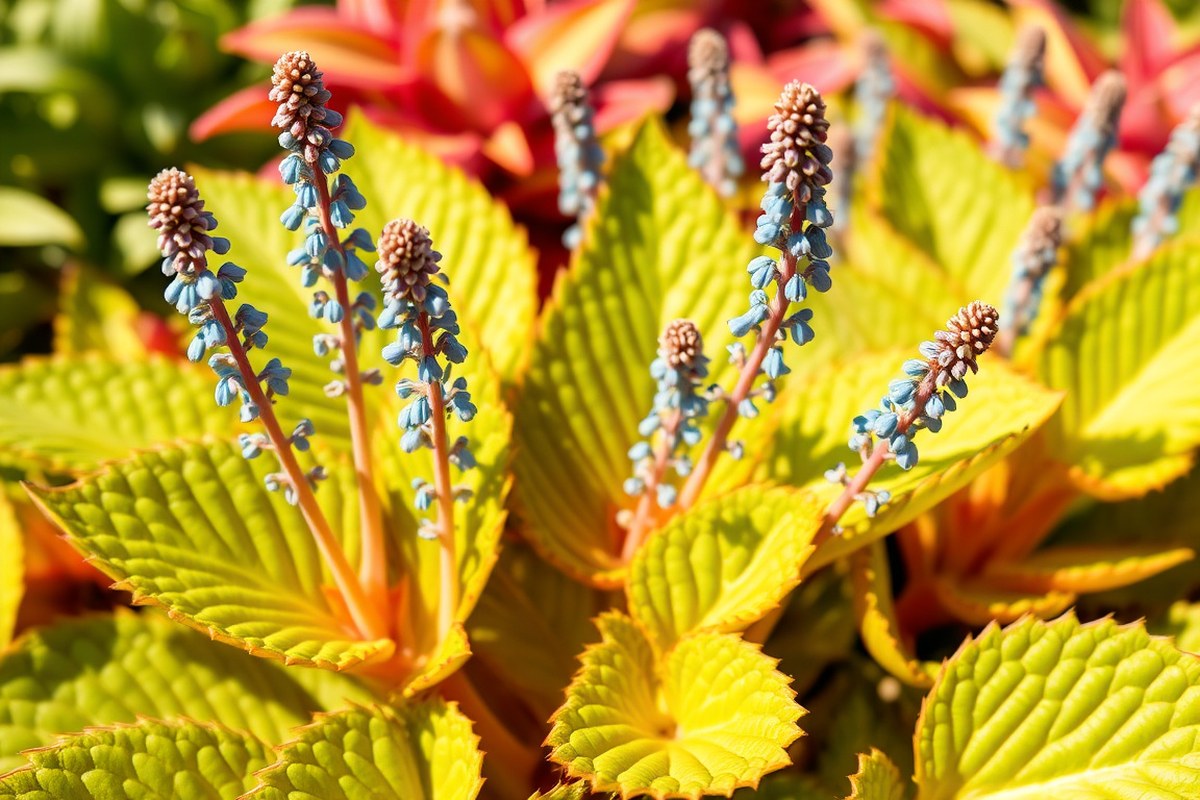
Yes, coleus plants do produce flowers, though they are not the main attraction. The flowers are small, usually under half an inch, and grow in clusters along spikes. These spikes can reach 4 to 12 inches tall.
Most people grow coleus for its colorful leaves. But blooms do appear on mature plants.
Coleus flowers show up when the plant is healthy and mature, often during summer. Indoors, they bloom in warm conditions.
When flowering, the plant focuses on reproduction, which can slow leaf growth. Pinching off flower spikes helps keep your coleus bushy and vibrant longer.
Keep your coleus in a warm spot with temperatures between 65 and 75 degrees Fahrenheit. They don’t tolerate cold soil or chilly air well. Provide enough light, like a sunny windowsill, so your plant looks its best.
Key Takeaways
- Coleus flowers are tiny and grow in spikes 4 to 12 inches tall.
- Flowering happens when coleus plants reach maturity and good health.
- Pinching off flowers keeps coleus leaves lush and encourages bushy growth.
- Maintain temperatures between 65°F and 75°F for optimal coleus growth.
- Plant coleus in a sunny spot to encourage healthy foliage and less blooming.
- Wait until outdoor temps reach 60°F before planting coleus outside.
Does Coleus Plant Produce Flowers and What Do They Look Like?
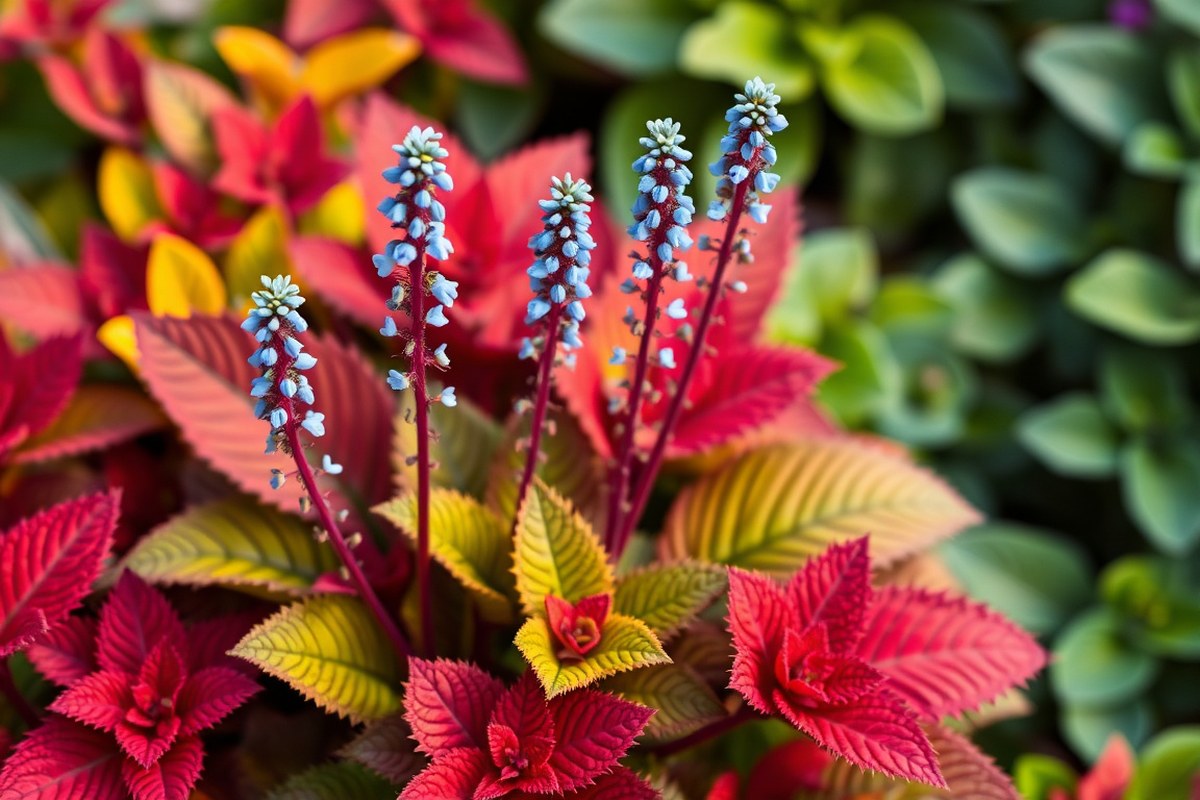
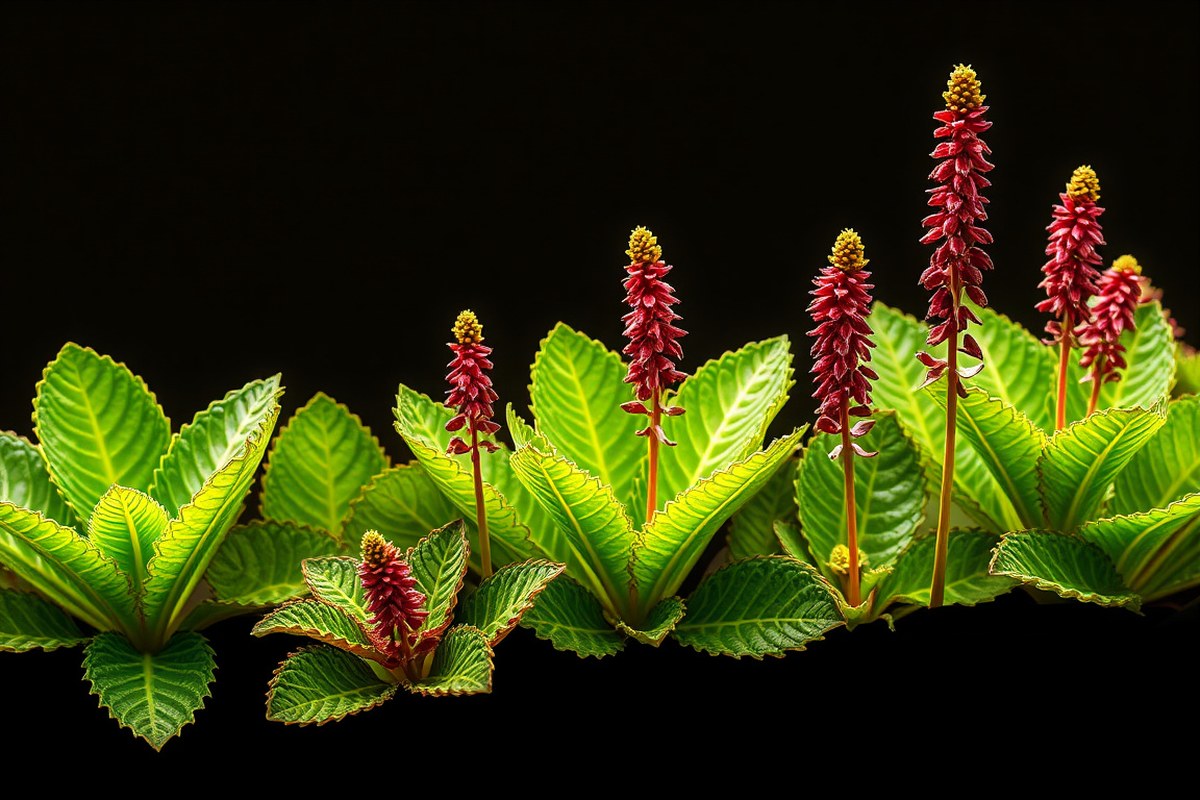
Coleus plants do produce flowers, but they are not the main attraction. These flowers usually show up in late summer or early fall. The blooms appear as spikes with many tiny flowers clustered together.
The flower spikes grow from 4 to 12 inches tall. They stand out against the colorful leaves. You can easily spot them in your garden.
Each individual flower is less than half an inch long and can be blue or white. The bloom spikes look delicate compared to the bold leaves.
Most gardeners grow coleus for the bright leaves. So they often cut off the flower spikes. Flowering can happen only if the plant is mature and conditions are right.
Indoor coleus rarely flowers. They need proper light and day length to bloom. This combination is harder to achieve indoors.
When and Why Do Coleus Plants Flower?
Typical Timing for Coleus Flowering
Coleus plants usually start to flower once they reach maturity. This often happens several weeks after planting, especially when plants are three to six inches tall.
Flowers usually show up when days shorten or nights cool. This happens in late summer or early fall. Warmer climates might see blooms earlier or year-round.
How Plant Age Influences Flowering
Young coleus plants focus on growing leaves before producing flowers. They usually need to develop enough foliage and energy reserves before blooming.
Older plants flower more because they used stored energy. They also reached full maturity. You might notice flowers forming on plants that are a few months old or older.
Stress as a Trigger for Blooms
Environmental stress often pushes coleus to flower. When plants experience heat, dry soil, or irregular watering, they respond by producing flowers.
Stress tells the plant to make seeds before things get worse. That’s why flowers appear after dry or hot periods. Keeping plants well-watered and shaded can delay flowering.
Day Length and Temperature Effects
Coleus responds to changing day length by flowering under shorter daylight hours. Nights in the 45 to 50°F range also encourage bloom development.
Outdoors, coleus prefers soil temperatures above 60°F to thrive before flowering. Cooler nights, especially under 60°F, can speed up the flower production process.
Managing Flowering for Healthy Growth
Flower spikes grow tall above the colorful leaves and can last two to three weeks. To keep your plant bushy, pinch off the flower spikes early.
Removing flowers stops the plant from using energy on seeds and encourages leaf growth. This works best when flowers first appear but before they fully bloom.
Pinching off flower spikes early helps your coleus keep vibrant foliage and avoid legginess.
How Flowering Affects Coleus Foliage and Plant Health
Flowering makes your coleus plant shift energy from its leaves to seed production. This means leaf color and size can fade or slow down during bloom. You may notice fewer new leaves and less vibrant foliage when flowers appear.
Pinching off flower buds helps your coleus keep its leafy look. By removing flowers early, the plant sends its energy back to growing lush, colorful leaves.
This keeps the plant fuller and healthier. It stops legginess and weakness from blooming.
Coleus is a tropical plant that can live several years in USDA zones 10 and 11. There, it acts like a perennial, and flowering might slightly reduce its vigor over time.
In cooler areas, coleus grows as an annual. Flowers don’t hurt much there because you replace the plant yearly.
Cutting flower spikes as they appear also avoids the energy drain that slows growth. This simple step takes just moments but helps coleus maintain its dense, showy foliage.
To keep your coleus looking its best, focus on leaf growth. Remove blooms as soon as you spot them.
Should You Let Your Coleus Flower or Pinch Off the Blossoms?
Deciding whether to let your coleus flower depends on what you want from the plant. To get lush, colorful leaves that last, pinch off flower buds. Doing this stops energy going into seeds and helps the plant focus on growing more leaves.
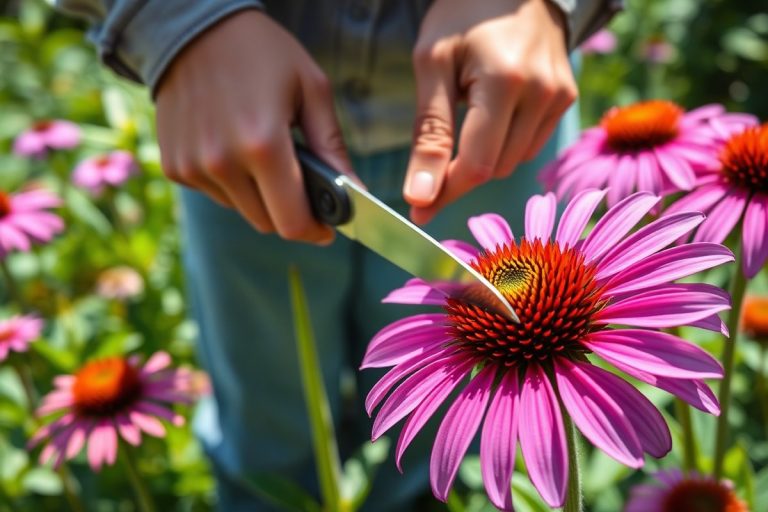
Pinching flowers is easy. Use your fingers or pruning shears to pinch just under the flower buds.
Do this whenever you see the buds forming. This directs energy back into leaves, making your coleus fuller and leafier.
Letting coleus flower adds small blue spikes in late summer. These can attract butterflies and add delicate color to your garden.
The downside is the leaves might fade sooner once flowers appear. Flowers also lead to seed production, which may shorten your plant’s lifespan.
Here’s a quick look at the pros and cons. First, consider flowers. Then, think about pinching off blooms.
| Choice | Benefits | Drawbacks |
|---|---|---|
| Let Flowers Grow | Adds extra color with blue spikes, attracts butterflies | Leaves can fade, shorter plant lifespan, less leaf growth |
| Pinch Off Flowers | Promotes longer-lasting, vibrant leaves; fuller plant | Missing out on floral interest and butterfly visitors |
Your design matters. For a full, leafy look, keep pinching off the flowers.
This is especially useful for indoor coleus or shady spots where leaf color shows best. Allow flowers if you want added garden color and cheer from butterflies.
Sometimes, you can try both. Let your coleus flower one year, then pinch flowers the next.
This keeps the plant healthy and changes your garden’s look. Also, different coleus varieties flower or not, so observe your plant’s habits before deciding.
How to Remove and Deadhead Coleus Flowers Properly
Removing coleus flowers by pinching off the flower spikes early keeps your plants vibrant. It stops the plants from using energy on blooms and encourages fuller foliage. Deadheading is simple and helps your coleus stay bushy and colorful.
Tools Needed for Deadheading
You don’t need fancy tools to deadhead coleus flowers. Your fingers often work best for pinching off flower spikes. For tougher stems, small, clean garden scissors or pruning shears can help.
Make sure scissors or shears are sharp and clean to avoid damaging the plant. Keep a small pair handy in your gardening kit for quick touch-ups. You won’t spend more than a few minutes each session deadheading.
Step-by-Step Deadheading Process
Removing flower spikes is easy and only takes a few quick steps. Follow these steps to keep your coleus looking good.
Focus on its leaves, not the flowers. This helps your plant stay healthy and colorful.
- Look closely for any flower spikes rising through the coleus foliage.
- Pinch the spike off early, right where it joins the main stem or leaf branch.
- Use scissors or pruning shears for a clean cut on thick stems.
- Remove spikes as soon as you see them to prevent seed production.
- Check plants once a week during the growing season for new flowers.
- Pinch growing tips off when plants reach about 6 inches tall to encourage bushiness.
- Dispose of removed flower parts to avoid attracting pests or diseases.
Pinching flowers off early stops the plant from wasting energy on blooms.
Timing Tips for Pinching Flowers
The best time to pinch off coleus flower spikes is as soon as they appear. Early removal encourages the plant to focus on growing colorful leaves instead of seeds. Do this weekly during warm months when coleus grows actively.
Pinching growing tips at about 6 inches tall helps keep the plant full and bushy. Watch flower spikes later in the season. Remove them quickly to keep leaf color bright.
Doing this also helps your plant grow more leaves. Leaving flowers to bloom causes leaf colors to fade. It also reduces the growth of foliage.
Propagating Coleus from Flower Seeds and Cuttings
You can grow new coleus plants from both flower seeds and stem cuttings. Seeds are quick to produce many plants.
But cuttings give offspring identical to the parent. Cuttings are usually the better choice for preserving the look and traits of hybrid coleus.
Collecting and Preparing Coleus Seeds
Coleus flowers produce small seeds after blooming. But seeds might not breed true to the parent.
Seeds are tiny and inside the dried flower spikes once the plant has finished flowering. You need to collect and prepare these seeds carefully for planting.
Harvest seeds once the flower spikes turn brown and dry but before they fall apart. Gently break open the seed pods to collect the tiny seeds inside. Allow seeds to air-dry on a paper towel for a day or two before planting.
Growing Coleus from Seed Indoors
Starting coleus from seed indoors lets you get many new plants fast. Seeds need warmth and light to sprout.
So find a bright spot with a temperature around 70 degrees Fahrenheit. Keep soil moist but not soggy to avoid seed rot.
Use a seed-starting or potting mix in shallow trays or small pots. Scatter the tiny seeds onto the moist soil surface. Press down gently but don’t cover them.
Keep the soil moist for better germination. Germination can take 7 to 14 days depending on conditions.
- Fill seed trays with moist potting mix and smooth the surface.
- Scatter coleus seeds on the soil’s surface evenly.
- Press seeds lightly into the soil but do not cover.
- Place trays in a warm spot with bright, indirect light.
- Keep soil moist by misting daily or covering with plastic wrap.
- Watch for seedlings in 1 to 2 weeks and remove cover once visible.
- Thin seedlings to 1 per pot when they get 2 sets of true leaves.
- Keep growing them in bright, warm conditions until outdoor transplant.
Propagating Coleus from Stem Cuttings
Propagation by cuttings is the easiest way to get new coleus plants. Cuttings grow roots quickly in water or moist soil.
They reproduce the exact parent plant. This method works well indoors with bright, indirect light around 70 degrees Fahrenheit.
Take a 4- to 6-inch stem cutting just below a leaf node. Remove the lower leaves to avoid rot, then place the cutting in water or moist soil. Roots can develop in 7 to 14 days, then you can pot up the new plant.
- Select a healthy coleus stem and cut 4 to 6 inches below a leaf node.
- Strip off leaves from the bottom half of the cutting. This helps prevent rotting and encourages root growth.
- Place the cutting in a glass of clean water or moist potting soil.
- Keep cuttings in bright, indirect light at 65 to 75 degrees Fahrenheit.
- Change water every few days if rooting in water to prevent rot.
- Check for root development, usually after 1 to 2 weeks.
- Plant rooted cuttings into pots with potting soil once roots are 1 to 2 inches long.
- Water regularly and keep soil moist but not soggy for best growth.
Environmental Factors That Influence Coleus Flowering
Coleus plants need plenty of light to flower well. A spot with bright, indirect light or morning sun works best.
East-facing windows bring good morning sun and afternoon shade. This helps coleus make blooms without burning its leaves.
Day length affects coleus flowering too. As days get shorter in autumn, many varieties start blooming.
This happens because less light signals the plant to shift energy toward flowers. You can simulate this inside by reducing artificial light hours in fall.
Temperature plays a key role in triggering blooms. Keep coleus in temperatures above 60 degrees Fahrenheit for steady growth.
The ideal range is 70 to 75 degrees Fahrenheit for best flower production. Cooler nights in autumn, around 60 degrees, also often start the flowering process.
Humidity should stay moderate but consistent. Coleus likes some moisture in the air but won’t do well in dry heat.
Using a humidifier or grouping plants together raises humidity. This helps prevent leaf drop and supports healthy blooming.
To encourage flowering, keep your coleus in warm, humid spots with good light. Avoid placing it in drafts or near heat vents, which stress the plant.
Flowers may not appear when light is too low. Move your plant to brighter light or cool nights to 60 degrees.
Common Mistakes and Problems Related to Coleus Flowering
Stress is a common cause of unwanted flowering in coleus. When the plant gets too much sun, it feels stressed. Inconsistent watering and poor soil stress the plant too.
This stress may cause it to bloom early. This usually makes the plant weaker.
It also dulls the bright leaves. You want to keep those leaves colorful and full.
Overexposure to sunlight, especially direct midday sun, can trigger stress. Coleus prefers bright but filtered light to maintain strong foliage without pushing it to flower early. Sudden drying or waterlogged soil confuses the plant.
This confusion might trigger early flowering. The plant does this to survive.
- Keep coleus in bright, indirect light; avoid harsh afternoon sun.
- Water consistently, allowing the top inch of soil to dry between waterings.
- Use well-draining soil to prevent root rot and stress.
- Pinch back flower spikes early to stop seed production and save energy.
- Watch for pests like aphids, spider mites, or mealybugs that weaken plants.
- Ensure good air circulation around the plant to reduce disease risk.
Allowing flowers might attract beneficial pollinators like bees and hummingbirds. Still, flowering can invite pests such as aphids and mealybugs, which damage your plant. Check your coleus regularly for these pests and remove them early.
Coleus flowers are safe for pets. But the plant itself can cause mild digestive upset if eaten in large amounts.
Keep your plant out of reach if pets tend to chew on houseplants. Maintaining a balance between foliage and flowering involves careful pinching and steady care.
Pinch off early flower buds before they grow to keep your coleus leaves lush. This saves the plant’s energy for beautiful foliage instead of seed production.
Step-by-Step Action Plan for Managing Coleus Flowers
Use this plan to decide if you want your coleus to flower. It will also help you decide how to handle the blossoms.
- Before spring: Choose if you want flowers. Decide based on leaf color vs. Blooms.
- Early growing season: Monitor your coleus for flower spikes. Look for small buds at stem tips.
- When buds appear: Pinch off tips if you want leaf growth only. Check if leaves stay vibrant.
- Mid-season: Let flowers grow if you want coleus seeds. See if blooms open fully.
- After blooming: Deadhead flowers to stop seed drop. Watch for new leaf shoots afterward.
- Late summer: Take stem cuttings for new plants. Roots should form in about 2 weeks.
- During care: Keep soil moist and provide indirect light. Check for stress signs like wilting.
Frequently Asked Questions
Can Coleus Flowers Attract Pollinators Like Bees and Butterflies?
Yes, coleus flowers can attract pollinators such as bees and butterflies. This helps support local ecosystems and can improve garden biodiversity. Keeping some flowers can benefit nearby plants too.
Do Coleus Flowers Have a Scent?
Coleus flowers usually have little to no noticeable scent. Their main appeal lies in the colorful foliage and delicate flower spikes, not fragrance. So, don’t expect strong floral aromas from coleus blooms.
How Long Do Coleus Flowers Last Once They Appear?
Coleus flowers typically last several weeks during summer and fall. Deadheading spent flowers helps extend the overall bloom time. Regular trimming keeps the plant looking tidy and encourages more foliage growth.
Can Flowering Coleus Survive If Planted in Containers Outdoors?
Yes, coleus in containers outdoors can flower well with proper care. Ensure the container has good drainage and place it in partial sun. Keep soil moist but not soggy to support healthy blooms.
Does Fertilizing Affect Coleus Flowering?
Fertilizing coleus properly can encourage more abundant flowers. Use a balanced, water-soluble fertilizer every few weeks during growing season. Avoid too much nitrogen, which boosts foliage but may reduce flowers.
Is Coleus Flowering More Common in Certain Cultivars?
Some coleus cultivars flower more readily, especially taller or upright types. Dwarf or trailing varieties may bloom less or later. Checking plant tags or breeder notes can guide your choice if flowers matter.
Key Points to Remember
Coleus plants do flower, but you control when and if. Pinching blooms keeps leaves bright and full. Try letting some flowers grow once this spring, then decide what suits your garden best.