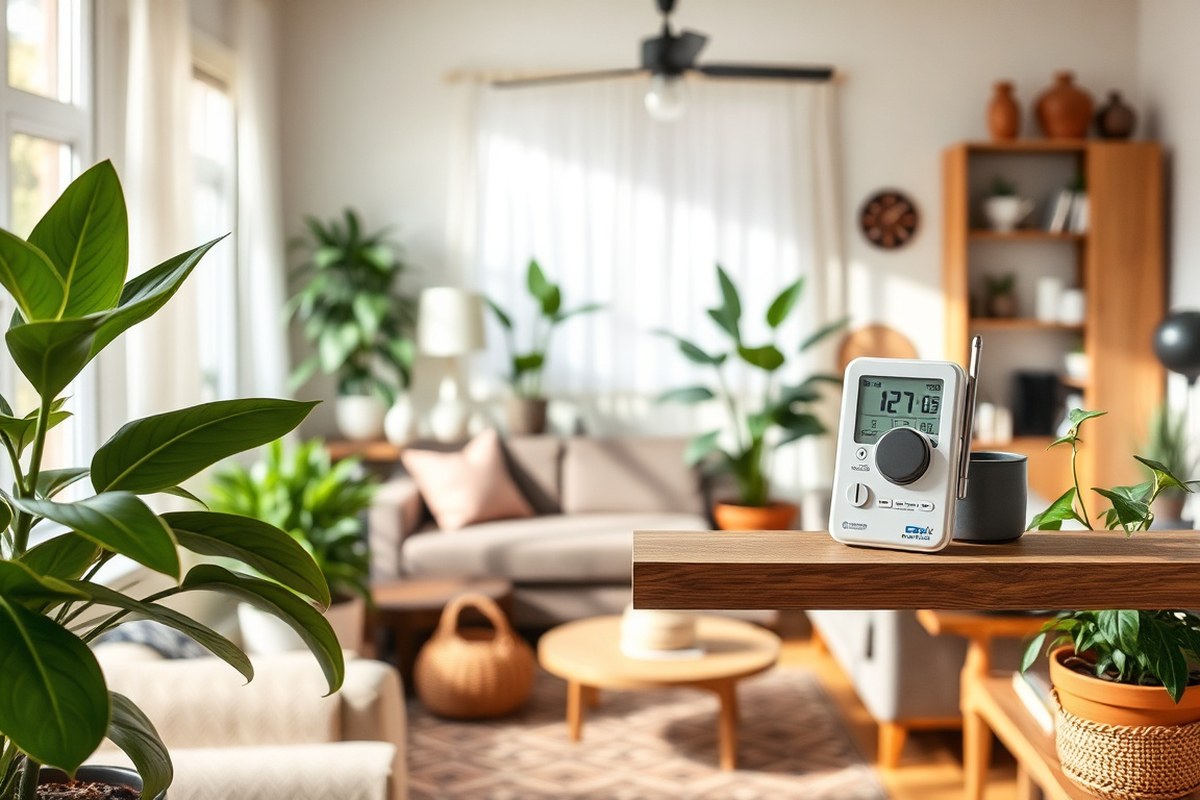
What Should the Humidity Be in Your Home? Optimal Levels and Practical Tips
What should the humidity be in your home? The best range is between 30% and 50% relative humidity.
This level keeps your home comfortable. It stops damage from too much or too little moisture.
Humidity lower than 30% can make the air dry. It may cause dry skin, itchy eyes, and sore throats. High humidity above 50% allows moisture to build up on walls and windows.
Excess moisture encourages mold growth and dust mites, which can worsen allergies. Keeping humidity balanced reduces these issues and promotes healthier air. It also helps preserve wood furniture and paint from cracking.
Start by measuring your home’s humidity with a reliable hygrometer. Check it in different rooms and at different times since levels vary. Fix extreme humidity with better ventilation, a dehumidifier, or a humidifier as needed.
Key Takeaways
- Indoor humidity between 30% and 50% is best for comfort and health.
- Keep humidity under 50% to reduce allergens and mold growth.
- Use a hygrometer to check humidity in multiple rooms regularly.
- Low humidity can cause dry skin and respiratory discomfort.
- High humidity encourages dust mites and mold in your home.
- Ventilate your home well to lower high humidity quickly.
What Is the Ideal Humidity Level for Your Home?
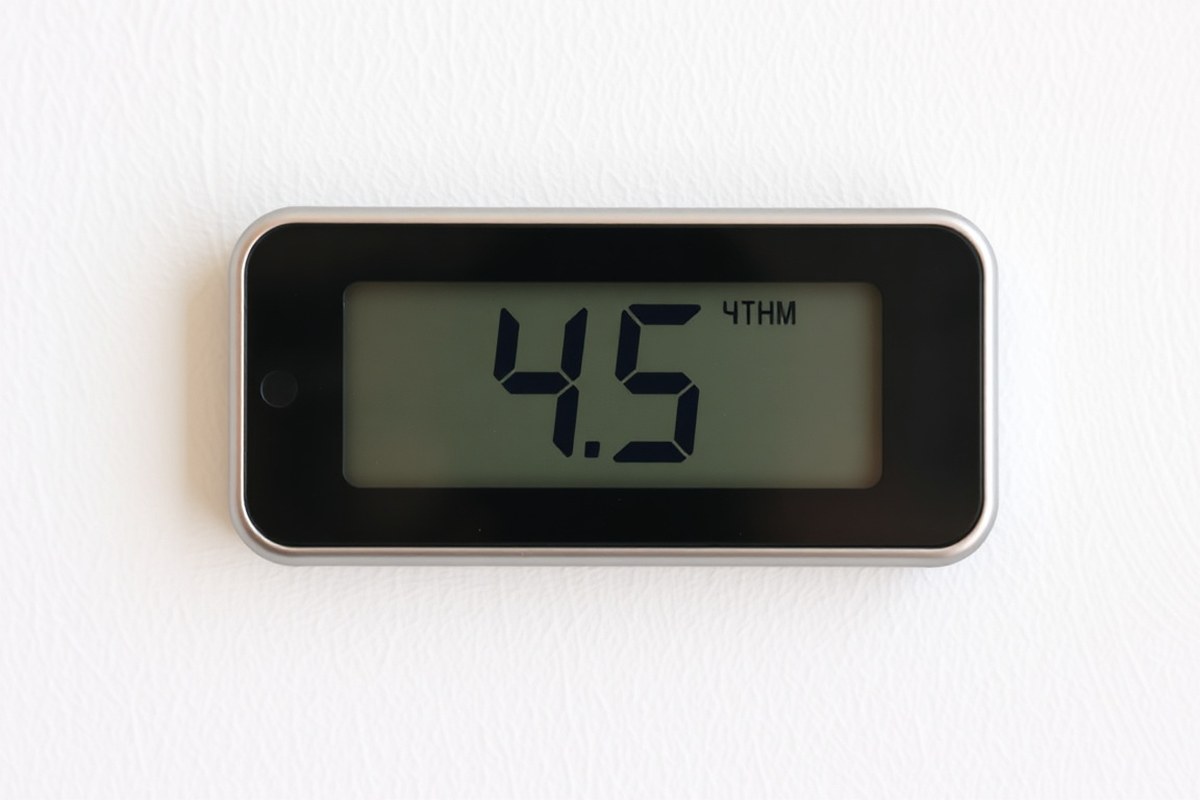
The best indoor humidity for a home is 30% to 50%. This range keeps your home comfortable and safe. It stops dry air and prevents mold growth.
In colder months, aim for 30% to 45% humidity to avoid condensation on windows. Warm months need humidity between 40% and 50%. This stops moisture that causes dust mites.
It also helps keep mold away. These levels also stop wood from cracking and protect furniture and paint.
Humidity below 30% often causes dry skin, irritated airways, and static electricity. Humidity above 60% can cause mold and dust mites. It may also create wet spots on walls and floors.
These damage your home. A basic hygrometer costs about $10 to $30.
It helps you watch humidity levels easily. This keeps your home stable.
Humidity in the right range feels more comfortable indoors. It lowers risks like allergies and breathing problems too. For example, balanced moisture prevents the spread of dust mites, which thrive in higher humidity.
You can use a humidifier or dehumidifier to change levels. This avoids damage and keeps humidity steady.
Remember that outside weather and your home’s heating or cooling system affect indoor humidity. So, adjusting your methods by season helps maintain these ideal levels.
Put a small digital hygrometer in living rooms for fast readings. It helps you check humidity every day.
How to Accurately Measure Humidity Levels in Your Home
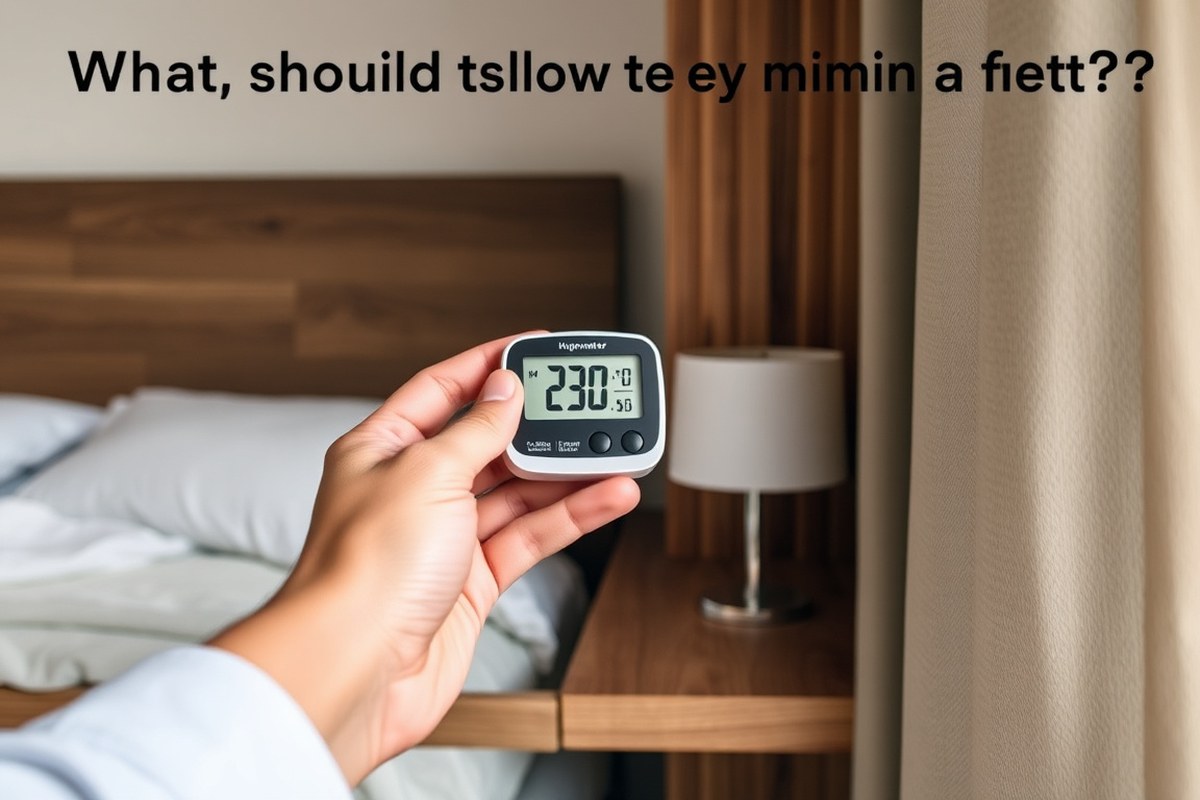
Use hygrometers to measure humidity in your home accurately. Both digital and analog types work.
But digital ones show results within 1-2% of actual humidity. Place them in key rooms like bedrooms and the basement for reliable readings.
Types of Hygrometers Available
Hygrometers measure relative humidity as a percentage. Analog models are cheaper but only accurate to within 10%. This works if you just want a rough idea of humidity levels.
Digital hygrometers give more precise readings, usually within 1-2% accuracy. Many also include temperature readings and cost around $10 to $15. They come in various sizes and are easy to read at a glance.
Best Locations for Hygrometers in the Home
Put hygrometers in rooms you use most often, like bedrooms, living rooms, and the basement. These spots show humidity where you spend most of your time.
They also reveal where moisture problems can start. It helps track issues early.
Avoid placing them near windows, doors, or vents. Airflow and outdoor changes can cause wrong spikes.
This keeps readings more accurate at home. Also, keep them away from stoves and showers, which release steam and can skew results.
- Bedroom: to check comfort during sleep
- Basement: common area for high humidity
- Living room: main family space
- Away from direct sunlight
- Not near air vents or heating sources
- Avoid humid spots like bathrooms or kitchens
Use more than one gauge if your home is large or has different humidity zones. This helps you spot problem areas quickly.
Tips for Reading and Calibrating Hygrometers
Check hygrometer readings regularly, especially during seasonal changes. Ideal indoor humidity ranges between 30% and 50%, according to the EPA. Numbers above 60% can cause mold and other issues.
Analog hygrometers often need calibration. You can test calibration by sealing the device in a plastic bag. Put a wet sponge inside with the device.
Keep it sealed for 6 to 8 hours. The reading should reach about 95% humidity. Adjust the device if it doesn’t match.
Consider buying more than one digital hygrometer to compare readings and confirm accuracy.
Keep an eye out for sudden changes. Watch for a device that jumps quickly or shows wrong numbers. Check for leaks or ventilation issues close to it.
Fixing these can help readings stay steady. Cross-reference with visible signs like condensation or damp spots.
What Factors Influence Indoor Humidity Levels?
Outdoor weather strongly affects indoor humidity. Cold air holds less moisture. So in winter, your home’s humidity often dips below 30%.
That dry air pulls moisture from your skin and breathing passages, causing discomfort. Warm summer air holds more moisture.
This can push indoor humidity above 60%. It happens if your home leaks air or lacks ventilation.
Daily activities add moisture inside your home. Cooking, especially boiling or frying, releases steam. Showers and long baths pump large amounts of water vapor into the air.
Laundry drying indoors also boosts humidity. These sources raise indoor moisture fast.
Poor ventilation makes your home feel sticky. Windows may also sweat in this case.
Leaks, poor insulation, and ventilation all impact humidity levels. Air infiltration lets outdoor air leak in, which means you can’t keep humidity steady. In winter, cold dry air seeps inside, dropping humidity and increasing heating costs.
Your heating system works harder if your home isn’t sealed or insulated well. Too much ventilation can lower humidity too much.
Furnaces often don’t add moisture back. This makes the air too dry, especially in winter.
On the other hand, inadequate ventilation traps moisture from your daily activities. Bathrooms, kitchens, and laundry rooms especially need exhaust fans to vent humid air outside. Without proper venting, damp air lingers, pushing humidity over 60%.
That environment can cause mold growth, damage walls, and worsen allergies. Fixing leaks and insulating well stops cold air from causing humidity swings and reduces energy waste.
Controlling humidity starts with understanding your home’s structure and habits. Check for drafts around windows and doors and seal them to limit outdoor air infiltration. Use exhaust fans when cooking and showering.
Keep them on for 15 to 30 minutes. This clears out moisture properly. Adding a humidifier in winter raises moisture to 40% to 50%.
This level helps dry skin and breathing feel better. In summer, dehumidifiers or air conditioning help keep humidity below 60%, preventing mold and damp smells.
Room-by-Room Ideal Humidity Levels and Why They Differ
Bedrooms should have humidity between 30 and 50 percent for the best sleep comfort. Lower levels in this range help reduce dust mites and allergens that can disrupt sleep. Use a small hygrometer in each bedroom to check humidity.
Adjust it with a portable humidifier or dehumidifier when needed. This helps keep your indoor air comfortable.
Basements generally need lower humidity targets, around 30 to 45 percent. Basements are often cooler and more humid than other rooms. Poor air circulation adds to moisture from the ground.
This makes basement air damp. Keeping their humidity below 45 percent helps avoid mold growth and damp smells.
Bathrooms usually have the same humidity range as bedrooms, 30 to 50 percent. Showers and baths add moisture. So use fans or open windows to reduce humidity quickly.
Run exhaust fans during and after showers. This keeps humidity below 50 percent. It helps prevent mold growth on bathroom surfaces.
| Room | Ideal Humidity Range |
|---|---|
| Living spaces | 40-50% |
| Bedrooms | 30-50% |
| Bathrooms | 30-50% |
| Basements | 30-45% |
| Attics | 30-45% |
To manage humidity in wetter rooms, install a hygrometer for daily checks. Adjust air conditioning or dehumidifiers if the level stays high. In basements, vapor barriers and proper drainage reduce moisture entering from the ground.
Bathrooms benefit from quick drying of damp surfaces. Use exhaust fans for 20 to 30 minutes after showering to keep humidity down.
Mold means humidity goes over 50 percent often. You need to control it better to stop mold.
How to Lower Home Humidity Effectively and Safely
Lowering humidity means removing excess moisture without drying your air too much. A good balance keeps your home comfortable and prevents mold. Use ventilation, dehumidifiers, and smart habits to manage moisture levels effectively.
Using Exhaust Fans and Ventilation
Run exhaust fans when cooking, showering, or doing laundry. These tasks add a lot of moisture, so venting air outside helps a lot. Fans with built-in humidity sensors switch on automatically when moisture rises, avoiding wasted energy.
Mechanical ventilation like energy recovery ventilators (ERVs) exchange stale indoor air for fresh outdoor air. ERVs keep humidity balanced while saving energy. Fresh air must be drier than the indoor air to reduce humidity effectively.
Choosing Between Portable and Whole-House Dehumidifiers
Use a portable dehumidifier if only a single room or basement feels damp. They cost about $200 to $300 and work well in small spaces. Set them to keep humidity below 60% but above 30% to avoid over-drying.
Install a whole-house dehumidifier if humidity is high throughout your home. These systems connect to your HVAC and pull moisture from every room at once. They are more expensive upfront but more effective for consistent control in humid climates.
Whole-house units can cost $1,000 or more, plus installation. They work best alongside air conditioning for steady humidity management all year.
Behavioral Tips to Reduce Moisture Production
Simple lifestyle changes help lower humidity without extra devices. Avoid drying clothes indoors and keep lids on pots when cooking. Opening windows a little when the air outside is dry helps air out moisture.
Check for leaks or damp spots around your home foundation, walls, or roof. Fixing water entry stops moisture buildup from the ground or rain. Run bathroom and kitchen fans for 20 to 30 minutes after use to clear humidity.
- Close bathroom and kitchen doors when using exhaust fans
- Use air conditioning on humid days
- Open windows briefly when outdoor air is dry
- Keep houseplants in moderation as they add moisture
- Seal gaps and cracks to prevent moisture entry
- Clean gutters and ensure proper drainage around the home
- Inspect and maintain HVAC filters regularly
Leave exhaust fans on a little longer after showers to clear humidity fully.
How to Raise Indoor Humidity Without Causing Problems
Adding humidity to your home is helpful when the air feels dry, especially in winter. Use a humidifier or household tricks to raise moisture. Avoid too much humidity to prevent mold and window condensation.
Selecting the Right Humidifier Type for Your Home
Whole-house humidifiers work well in cold months to keep moisture balanced. They connect to your heating system and cover the entire house. Portable humidifiers are good for bedrooms or small spaces where dry air bothers you.
Humidifiers come in types like cool mist, warm mist, evaporative, and ultrasonic. Evaporative models stay safer from bacteria and avoid over-humidifying. Warm mist units add some heat, which helps in winter but uses more energy.
Check humidifier size and output to match your room or home. For example, a bedroom needs a smaller one costing $30 to $60. Whole-house systems may cost $200 to $500 but keep humidity uniform all day.
Daily Humidifier Use and Maintenance Tips
Keep indoor humidity between 30% and 50% to stay comfortable and avoid mold. Use a hygrometer to monitor levels and adjust the humidifier. Don’t rely on guessing since air already near 50% won’t need more moisture.
Clean your humidifier often to stop bacteria and mold growth inside. Change water daily, and scrub the tank weekly with vinegar or mild soap. Replace filters and parts as the manufacturer suggests to keep it running well.
- Use distilled or filtered water to reduce mineral buildup.
- Place humidifiers away from walls and electronics.
- Turn off when humidity reaches the target range.
- Open a window briefly if condensation forms on windows.
- Keep the area around the humidifier dry to prevent damage.
- Run fans or vents to improve air circulation.
Regular care helps prevent musty smells and keeps your home’s air healthy. Over-humidifying triggers mold, so watch for signs and adjust accordingly.
Humidity Targets for Winter and Dry Climates
During winter, keep humidity at 30% to 40%. It prevents dry sinuses and skin without causing window fog. Cold surfaces mean condensation risks rise if you go beyond this range.
In dry or desert climates, aim for the mid 40% range whenever possible. Add humidity gradually to avoid overdoing it, especially if your home is well sealed. Use a humidifier only when indoor air feels dry or skin gets irritated.
After winter ends or on humid summer days, turn off your humidifier. Natural humidity usually keeps levels within the safe, comfortable range. You’ll save energy and avoid sticking to overly moist conditions.
Common Signs Your Home’s Humidity Is Out of Balance
Too much humidity in your home often shows up clearly. You may see condensation on windows or walls. This happens when inside is warm and outside is cold.
A musty smell can come from mold growing in hidden spots. These include behind furniture or under sinks.
Physical discomfort often starts when humidity reaches 55% or higher. Your skin might feel sweaty or sticky. Breathing can feel harder for people with asthma or allergies.
Dust mites and mold grow well in moist areas. They can harm your health and ruin wood furniture.
Low humidity causes other problems. Skin and lips may become dry, cracked, or itchy, often leading to irritation.
Wood items like floors and furniture can warp or crack because they lose moisture. People may notice static electricity shocks more often when the air is too dry.
- Persistent condensation on windows or walls
- Musty or moldy smells inside the home
- Sticky or sweaty feeling on skin
- Dry, cracked skin and lips
- Warping or cracking of wooden furniture
- Increased static electricity shocks
- Worsening asthma or allergy symptoms indoors
You can suspect a humidity issue even without a hygrometer by watching these signs. Look for visible mold spots, damp carpets, or peeling wallpaper. Dry nasal passages or sinus irritation may mean humidity is too low in your home.
Using a simple hygrometer costs around $10 to $20 and gives exact humidity readings. Keeping levels between 30% and 50% reduces mold growth and keeps skin comfortable. Just spotting these signs early can save you from costly repairs and health issues.
Mistakes to Avoid and When to Call a Professional
One common mistake is ignoring seasonal changes in humidity. For example, keeping humidity near 50% in winter often causes window condensation or mold. Using portable humidifiers without watching humidity can push levels too high.
Levels above 60% invite dust mites and mold to grow. This can make your home unhealthy.
Another error is failing to size and place humidifiers or dehumidifiers correctly. A small unit won’t cover the whole home well, leading to uneven humidity.
Poor placement near vents or in closed rooms reduces effectiveness. That’s why smart, whole-house systems can help balance humidity on their own schedule.
Knowing when to call an HVAC professional is important. Your home may feel sticky in summer or dry in winter. If this happens despite your own efforts, consider testing.
A pro can help find hidden problems. HVAC experts use equipment to measure temperature, humidity, and ventilation precisely. They can check for leaks, poor ventilation, or old ducts causing problems.
- Don’t guess humidity; use a digital, reliable monitor daily
- Avoid setting humidifiers or dehumidifiers blindly without targets
- Check if your HVAC system has built-in humidity controls
- Replace filters regularly to maintain airflow and humidity balance
- Keep whole-house devices sized for your square footage
- Inspect for roof leaks and crawlspace moisture that raise indoor humidity
- Adjust settings seasonally: lower humidity in winter, raise in summer
Professional whole-house humidity systems usually cost $2,000 to $5,000 installed, depending on home size and features. These systems integrate with your HVAC and keep humidity between 30% and 50%. While pricier than standalone units, they maintain comfort, protect wood and drywall, and limit mold risks.
Experts also use special tools like air quality monitors indoors. These track humidity and other factors over time. This helps understand your home’s air better.
This helps detect subtle problems early. A licensed HVAC contractor can make a custom plan for your home.
They might suggest ventilation changes or new equipment. This fixes ongoing humidity problems.
Don’t set a humidifier above 50% in winter, too much moisture can cause mold behind walls.
Your Quick-Start Plan for Managing Home Humidity
Follow these simple steps to get your home’s humidity right and keep it balanced. You’ll see easier breathing and fewer moisture problems.
- Day 1: Buy a reliable digital hygrometer. Check humidity in different rooms and record the numbers.
- Week 1: Use exhaust fans when cooking or showering. Notice if moisture levels drop on your hygrometer.
- Week 2: If humidity reads above 60%, start using a dehumidifier in damp areas. Watch the numbers fall within a few days.
- Week 3: If humidity reads below 30%, place a humidifier in dry rooms, especially bedrooms. Check for more comfort and skin moisture.
- Week 4: Inspect your home for leaks or poor ventilation spots. Fix leaks or open vents to improve airflow.
- Month 2: Regularly clean and maintain humidifiers and dehumidifiers. This keeps air clean and equipment working well.
- Ongoing: Monitor humidity weekly and adjust devices to stay between 30% and 50%. This range helps prevent mold and dryness.
Frequently Asked Questions
What Is the Safest Humidity Level to Prevent Mold in the Home?
Keep indoor humidity below 50% to prevent mold growth. Mold spores thrive when moisture is above this. So controlling humidity helps keep your home healthier.
Can Low Humidity Damage Wooden Furniture or Flooring?
Yes, humidity below 30% can cause wood to crack or warp. Maintaining balanced humidity prevents this damage and preserves your wood surfaces.
How Does Indoor Humidity Affect Energy Costs?
Proper humidity helps your heating and cooling work efficiently. Too much or too little moisture makes your system work harder, raising energy bills.
Can Outdoor Weather Changes Impact My Home’s Humidity?
Yes, outdoor humidity directly affects indoor moisture levels. Opening windows on dry days can lower indoor humidity quickly.
Should I Use Different Humidity Settings for Bedrooms and Living Areas?
Yes, bedrooms may need slightly higher humidity to prevent dryness. Adjust each room based on use and personal comfort for best results.
How Often Should I Check My Home’s Humidity Levels?
Check humidity weekly during seasonal changes to stay in the ideal range. Frequent checks catch problems early before they damage your home or health.
Wrapping Up
Keeping your home’s humidity between 30% and 50% protects your comfort and health. Check your humidity levels regularly to avoid problems. Start today by measuring humidity in all rooms and making small changes as needed.