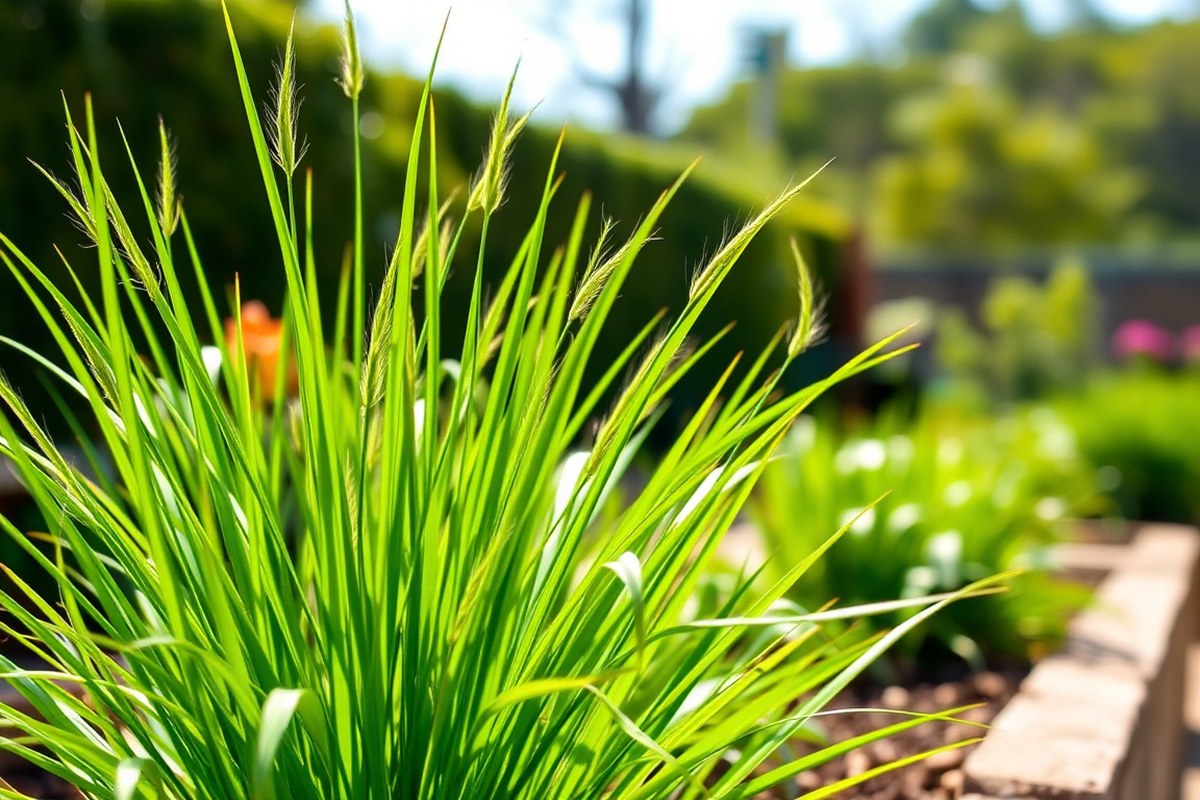
Does Citronella Come Back Every Year? What Actually Works to Keep It Thriving
Does citronella come back every year? Yes, citronella grass is a perennial that returns annually.
It grows in clumps and can reach up to six feet tall each season. You just need the right conditions for it to thrive year after year.
Citronella plants survive best when temperatures stay above 60°F (15°C). Plant them outdoors in spring once frost danger is gone. They’re sensitive to cold because their leaves hold lots of water.
When water freezes, it damages the plant cells. This is why cold harms them.
To keep your citronella coming back, protect it from frost and water stress. You can also cut the foliage back in late fall to prepare it for winter. These simple steps help your citronella stay healthy and ready for next season’s growth.
Key Takeaways
- Citronella grass is a perennial, so it typically returns each year.
- Plant citronella outdoors only after all frost risks pass.
- Protect citronella from freezing since ice crystals harm its watery leaves.
- Cut back foliage in fall to encourage healthy overwintering.
- Keep citronella where temperatures stay above 60°F during growing season.
- Potted citronella can be moved indoors before frost hits to survive winter.
Does Citronella Come Back Every Year?
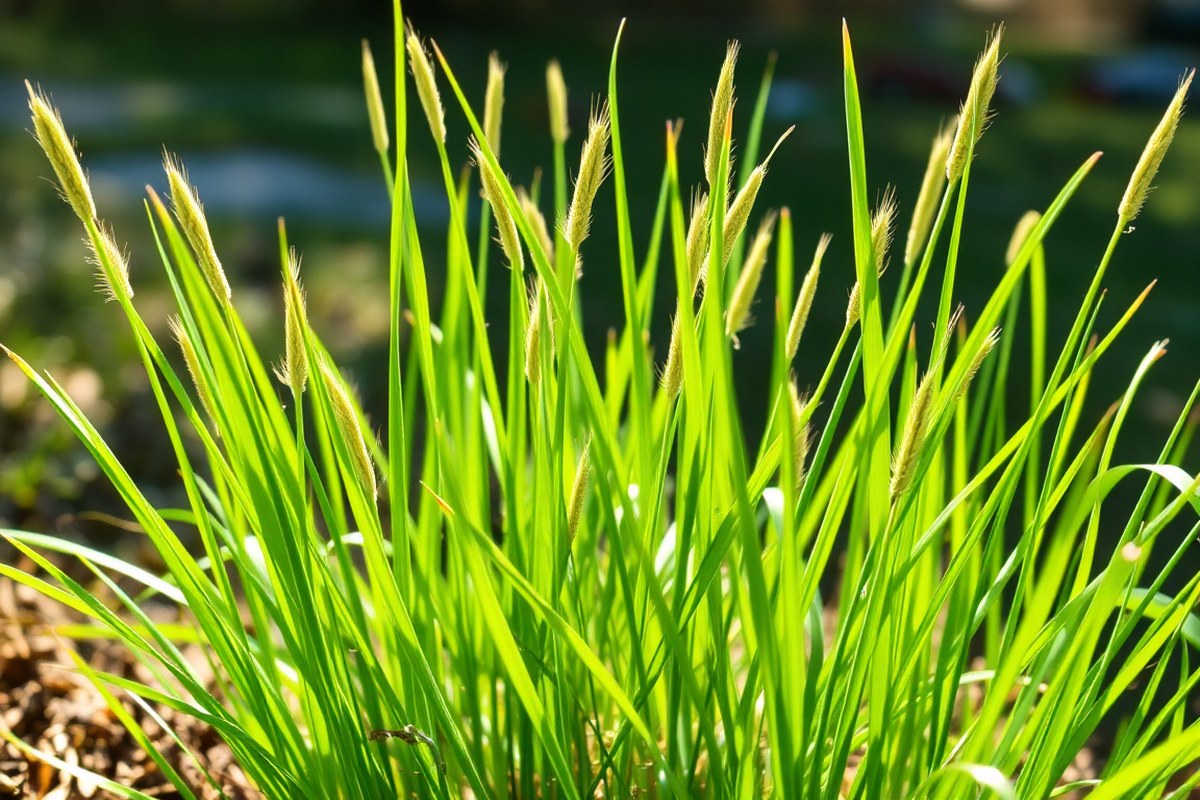
Citronella plants can come back every year, but it depends on your climate. These plants are tender perennials, not true annuals. They survive and regrow if winter temps stay above freezing.
This usually happens in USDA zones 9 to 11. Citrusella plants need mild winters to come back.
Zones with average winter lows above 20°F create the right conditions for citronella to return yearly. In colder zones, it often dies off during winter and grows as an annual. You can keep citronella in your garden every season.
Plant new seeds or use cuttings to grow it. This works well for fresh plants yearly.
The key factor is protecting citronella during cold months. In cooler areas, treat citronella like an annual plant. Grow it indoors to keep it through winter.
This helps it survive the cold. However, in warmer climates, it naturally regrows and thrives without extra care as a true perennial.
Timing when to harvest and store citronella also matters. Cutting the plant before frosts hit helps it recover better when temperatures warm up again. Healthy citronella plants show fresh growth in spring and summer.
This means they survived the winter well. Watch for new leaves and shoots.
Citronella grows best under full sun to partial shade. It reaches about 5 to 6 feet tall and forms dense clumps. Growing it in these conditions supports its perennial nature in mild climates and boosts seasonal return.
Citronella can return each year with mild winters. You must harvest and protect it on time. Living in warm zones helps it regrow.
If winters are harsh, treat citronella as an annual plant. Plan to replant or propagate it every year. This keeps your garden stocked.
How Climate Zones Affect Citronella Survival

Citronella plants thrive best where winters stay mild. They grow as perennials in USDA zones 9 through 11. These zones usually stay above 20°F in winter.
The plant will grow back from its crown every spring. It survives mild winters without much damage. You’ll often see new shoots emerging as early as February.
Colder climates cause more trouble. Zones 7 and 8 can drop to 0°F in cold spells. The citronella plant might die back down to its roots there.
It often regrows from roots when warmer weather returns. You can help survival by adding thick mulch around the base or moving the plant indoors. In zones colder than 7, citronella won’t survive outdoors over winter.
| USDA Zone | Average Winter Low | Citronella Behavior | Recommended Action |
|---|---|---|---|
| 9, 11 | 20, 45°F | Survives outdoors, regrows each spring | Leave in ground, minimal protection needed |
| 7, 8 | 0, 20°F | May die back to roots | Heavy mulch, grow in containers, or overwinter indoors |
| 3, 6 | -40 to 0°F | Will not survive winter outside | In colder areas, treat citronella as a yearly plant. You can also move it indoors before frost arrives. This keeps it from freezing outside. |
Frost, especially for plants in containers, can kill citronella during winter. Avoid exposing container plants to freezing temperatures. Plan to protect your citronella before frost comes your way.
Bring it indoors or cover it well for winter. This helps your plant survive cold weather.
Keeping soil moist but not wet helps your citronella bounce back. Like ginger, young shoots need moisture to grow fast. Pinching off tips in spring shapes the plant and improves growth vigor.
Move citronella indoors before the first frost if you live in zones colder than 9.
Differences Between Citronella Grass and Citronella Plant
The term “citronella plant” often causes confusion. It usually means two different plants: citronella grass and citronella-scented geraniums. They look alike in scent but act very differently when it comes to growing and care.
Citronella grass, belonging to the Cymbopogon species, is a tropical grass. It has thin, green blades with red or magenta-colored stems at the base. This grass thrives in warm climates and prefers full sun and lots of water.
It can grow several feet tall and spreads easily. The scent comes from oils in its leaves, often used for natural insect repellents.
Citronella plants are often confused with citronella-scented geraniums. These geraniums are shrubs with rounded leaves and woody stems, not grass. Their scent also deters bugs, but they behave more like houseplants or garden annuals.
They don’t grow as tall as citronella grass. They don’t spread out much either. They usually can’t survive harsh winters outside without help.
| Feature | Citronella Grass (Cymbopogon) | Citronella-Scented Geranium |
|---|---|---|
| Plant Type | Tropical Grass | Shrubby Perennial |
| Stem Color | Green blades with red/magenta base | Woody, brownish stems |
| Fragrance Source | Oils in leaves | Oils in leaves |
| Typical Height | 2 to 6 feet | 1 to 3 feet |
| Cold Hardiness | Survives USDA zones 9, 11 | Less hardy; often grown as annual or houseplant |
| Growth Habit | Spreading and clumping grass | Upright and bushy |
Knowing these differences can save trouble. Citronella grass needs full sun outside where temperatures stay above 32°F. Geraniums prefer some shade and can be grown indoors in colder climates. They require different watering and pruning routines, too.
For example, you can move citronella grass plants outside in spring once nights stay warmer. Geraniums often go dormant or die back in cold. Pruning geraniums lightly before bringing them indoors helps them survive winter inside.
Best Practices to Overwinter Citronella Plants
You can keep citronella plants indoors during winter. Cut them back first. Also, provide the right environment for growth.
It protects the crown to help the plant survive cold months. Moving the plant into a cooler but frost-free spot indoors stops frost damage.
When to Move Citronella Indoors
Bring citronella inside once nighttime temperatures drop below 50 °F consistently. The plant is frost sensitive and won’t survive freezing outdoor temps. Keep an eye on local weather forecasts in early fall to catch the right time.
It’s best to move the plant before the first hard frost hits. Waiting too long can cause root and crown damage that’s hard to recover from. Once indoors, choose a location where temperatures stay between 40 and 50 °F.
How to Trim and Prepare for Storage
Cut back citronella’s stalks to 2 to 4 inches from the soil surface. This trims away dead foliage and directs energy to the crown during dormancy. Gently shake off excess soil from the roots without washing them.
Store the crown in a cool, dry place like a basement or garage. Avoid a freezing environment to prevent damage from frost. Follow these steps for prepping your plant:
- Cut the foliage back to about 3 inches above the crown.
- Gently remove excess soil around the roots without disturbing them too much.
- Check the crown for signs of disease or damage and discard unhealthy parts.
- Place the trimmed plant in a container with enough dry soil or peat moss.
- Move the container to a cool, dry spot where temperature stays 40‑50 °F.
- Water sparingly once a month to keep soil barely moist.
- Monitor the plant and remove any decayed material during storage.
Ideal Indoor Care Conditions
The best winter home for citronella has indirect light, cooler air, and low humidity. Direct sun can stress the plant indoors and raise temperature too much. A north or east-facing window works well where it gets dim light.
Keep soil moist but never soggy during winter. Water your plant about every 3 to 4 weeks. Only add enough water to keep the soil from drying out.
Avoid overwatering. Avoid fertilizer until growth resumes in spring.
Good air circulation helps prevent mold or rot but avoid cold drafts. Maintain steady temperatures between 40 and 50 °F to keep dormancy.
This helps the plant rest until spring. It grows again when warmer.
How to Propagate Citronella for Year-Round Growth
Propagating citronella plants by cuttings or seeds helps you keep them growing year-round. Cuttings root quickly in water or soil.
Seeds let you grow new plants after flowering. Both methods give you backups in case outdoor plants don’t survive colder months.
Rooting Citronella Cuttings in Water or Soil
Taking cuttings is one of the easiest ways to propagate citronella. Choose healthy stems about 4 to 6 inches long. They root faster in water but planting directly in soil can save a transplant step.
- Cut a healthy stem just below a leaf node using sharp scissors.
- Remove the leaves from the bottom half of the stem to avoid rot.
- Place the cutting in a jar of clean water or dip the end in rooting hormone.
- Put the jar in bright indirect light or plant directly in moist but well-draining soil.
- Change water every 3 days to keep it fresh if rooting in water.
- Wait 10 to 14 days until roots grow at least 1 inch long.
- Transplant water-rooted cuttings into soil with good drainage and keep moist.
Keep cuttings out of direct sun to prevent drying out during rooting.
Collecting and Storing Seeds Properly
After flowering, citronella plants produce seeds you can collect to start new plants. Seeds need to be fully dry before storage. This method takes longer but gives your garden more plants for next season.
- Wait until seed pods turn brown and dry on the plant before harvesting.
- Gently remove seed pods and break them open to collect seeds.
- Spread seeds on a paper towel and leave them to dry for several days.
- Store dry seeds in a sealed envelope or jar in a cool, dry place.
- Plant seeds in moist soil indoors 6 to 8 weeks before the last frost date.
Don’t store seeds in humid places; they might mold or lose viability.
Maintaining Cuttings over Winter
Keeping cuttings alive through winter ensures you have healthy plants ready in spring. Keep rooted cuttings in pots with moist soil and bright light indoors. Avoid overwatering to prevent root rot.
Check cuttings weekly for signs of drying or disease. Trim to boost new growth if stems get leggy. Consider boosting humidity to help cuttings survive indoors.
Bring cuttings indoors before the first frost; cold kills unprotected stems.
Ideal Growing Conditions for Citronella Success
Citronella plants need bright, filtered sunlight to grow well. They grow best with full sun or some shade each day.
They need about 6 hours of sunlight daily. Too little light weakens the plant and slows regrowth after winter.
Temperature plays a big role in how well citronella comes back each year. Keep it above 45°F to prevent damage. When colder weather comes, bring the plant inside.
Put it in a bright, cool spot. Dropping below this range can cause leaf loss or winter dieback.
Watering should be frequent because citronella grass is very thirsty. It can need water every day during hot months to keep soil moist but not waterlogged. Well-draining, loamy soil helps keep roots healthy and prevents rot.
- Soil: Moist, loamy, well-draining
- Sunlight: Full sun or partial shade (about 6 hours daily)
- Temperature: Above 45°F, avoid frost
- Watering: Daily during summer; keep soil moist
- Fertilizing: Feed with balanced fertilizer every 4-6 weeks in growing season
- Indoor care: Place in a bright window, reduce watering in winter
Fertilizing every 4 to 6 weeks during the growing season supports rapid growth. Use a balanced fertilizer to feed your plant. Without regular feeding, the citronella may weaken and stop coming back strong after winter.
During winter, cut back watering and expect some leaf drop. Keeping the plant indoors near a sunny window helps it recover. When warmth and light return, new growth usually begins again by late winter or early spring.
Common Reasons Citronella Plants Fail to Return
Cold damage is a top reason citronella plants don’t come back. Prolonged freezing harms the leaves and roots, killing the plant slowly. You’ll see blackened, wilted leaves and mushy roots if frost got to it.
Improper pruning or cutting before winter can also ruin your plant’s chances. Cutting too low or leaving dead wood lets cold air reach vulnerable parts. Cut back just the top third of the plant, leaving enough stem for new growth.
Watering mistakes cause failure too. Citronella likes moist soil, not soggy or dry.
Overwatering can rot roots, while drought dries the plant out. Check soil often and water when the top inch feels dry.
- Keep soil evenly moist, avoid waterlogged conditions
- Prune by trimming one-third of the top growth
- Watch for leaf blackening or shriveling as frost signs
- Bring plants indoors or cover before temperatures hit 32°F
- Inspect plants for pests like spider mites and aphids
- Remove dead foliage to reduce pest hiding spots
Pests can weaken citronella plants, making winter survival hard. Spider mites and aphids suck plant juices, damaging leaves and stems. Check leaves regularly and spray insecticidal soap if you spot pests.
Frost damage shows up as dark patches or limp leaves. The cell damage stops water flow and traps ice inside tissues.
If your plant wilts and turns black after a cold snap, it likely froze. Removing damaged parts early helps new shoots grow.
How to Assess Citronella Plant Health After Winter
Your citronella plant comes back after winter if it shows fresh growth and a firm crown. Check for new leaves and stems. Then inspect the plant’s base carefully.
You need to find the crown there. Look below the soil line to decide your next step.
Check how much new growth appears. Then choose to save or replace the plant.
Checking for New Shoots and Leaf Color
Look for bright green shoots at the edges of the plant. Healthy new growth usually starts in early spring when temperatures rise above 50°F. Leaves should appear fresh and vibrant, not yellow or brown.
Slow or no green shoots often mean your citronella plant didn’t survive. Dying leaves will dry up and fall off, leaving bare stems.
A little patience helps. But if you see no change after two weeks of warm weather, it’s a bad sign.
Examining the Crown for Vitality
The crown is the thick base where roots and stems meet. It sits at or just below the soil surface. Gently clear away soil around the base to check it without disturbing roots too much.
A healthy crown feels firm. When sliced gently, it looks green or white inside. Use a clean knife for this.
The crown is soft, mushy, or dark brown inside. This usually means your plant rotted over winter. Healthy crowns resist squishing and don’t smell bad.
This spot needs to store energy and grow new shoots. So its condition matters most.
Deciding When to Replace or Save Your Plant
Pick up your citronella and shake off soil to see if roots feel firm and strong. Mushy roots or a rotten smell means you should replace the plant.
Save plants with firm crowns and roots even if growth is slow. They often bounce back.
Some gardeners prefer propagation instead of replacing. This is common if the original plant is large or costly.
Snip healthy stems to root in water or soil. This doubles your chances to keep citronella year-round.
- Wait for temperatures above 50°F to check for new growth
- Look for firm, green or white crown tissue under soil
- Observe leaf color: fresh green means healthy, yellow or dry suggests trouble
- Feel roots gently for firmness, avoiding damage
- Replace plants with mushy crowns or rotten roots quickly
- Consider propagating cuttings if the main plant struggles
- Allow two weeks of warm weather before final decisions
Don’t pull or dig hard when checking the crown. This can cause more stress during the plant’s recovery.
Step-by-Step Action Plan for Healthy Citronella Plants Every Year
Follow this simple plan to help your citronella plant come back year after year. Check your plant’s health as you go.
- Early Spring: Move your citronella plant outside after the last frost. Look for new green shoots to confirm it is waking up.
- First Week: Trim dead or brown leaves to encourage new growth. Healthy stems should be firm and green underneath.
- Week 2 to 3: Start watering regularly, about once or twice a week, depending on rain. The soil should feel moist but not soggy.
- Month 1: Apply a balanced, slow-release fertilizer to support growth. Watch for fresh leaves and stronger stems as a good sign.
- Throughout Summer: Keep your plant in full sun and water during dry spells. Healthy citronella has a fresh, lemony smell and dense foliage.
- Late Summer: Begin preparing for overwintering if you live in colder zones. Notice if growth slows down and leaves turn yellow.
- Fall: For colder climates, bring your citronella inside or mulch heavily. Check for signs of stress like wilting or drying leaves.
- Winter: Keep your citronella in a bright, cool spot indoors with minimal watering. The plant should stay alive with some leaves intact.
Frequently Asked Questions
Does Citronella Come Back Every Year in Cold Climates?
Citronella usually does not return in cold climates below freezing. You need to bring it indoors or treat it as an annual there.
Can I Grow Citronella in a Container for Winter Survival?
Yes, growing citronella in a container lets you move it indoors during cold weather. This protects the plant and helps it come back next year.
How Long Does It Take Citronella to Regrow After Winter Dormancy?
Citronella starts regrowing in spring as temperatures warm up over 60°F. It usually takes a few weeks to show new growth from the base.
Does Citronella Grass Need Pruning to Come Back Healthy Each Year?
Pruning dead or weak leaves helps citronella come back stronger. Cut it back in late winter or early spring for a fresh start.
Can Pests Affect Citronella’s Ability to Regrow Yearly?
Yes, pests like spider mites can weaken citronella and reduce regrowth. Regularly check your plant and treat any infestations quickly.
Is Fertilizing Necessary for Citronella to Return Every Year?
Fertilizing citronella supports healthy growth and better regrowth. Use a balanced fertilizer in spring and summer to feed your plant.
The Bottom Line
Citronella plants grow back each year in warm places. You must care for them to survive colder winters. They need protection and attention during cold months.
Start by checking if your plant is healthy this spring. Then give it the right light and water to keep it growing strong.