Will Mulch Kill Weeds? What Actually Works for Effective Control
Will mulch kill weeds? Mulch won’t kill existing weeds but does a great job stopping new ones.
It blocks sunlight, which weeds need to grow. Covering your garden with at least 2 inches of mulch shuts down most weed growth.
Mulch mostly stops new weeds but doesn’t kill existing ones. You need to remove or treat current weeds before adding mulch. Thick mulch blocks light, so weeds can’t start or grow.
For mulch to work best, use a 2 to 4-inch layer. Too thin, and weeds peek through; too thick, and water may not reach plants. Wood chips or bark nuggets work best at about 3 inches thick.
They last a long time and form a strong barrier. This thickness stops weeds from pushing through.
Key Takeaways
- Apply mulch 2 to 4 inches deep for effective weed suppression.
- Pull or remove existing weeds before laying mulch.
- Choose dense mulches like wood chips for better weed blocking.
- Don’t mulch too thick or you’ll block rain from reaching roots.
- Mulch blocks light, cutting weed growth by up to 90%.
- Check mulch layer annually and add more if weeds start growing through.
Does Mulch Kill Existing Weeds or Just Prevent New Ones?
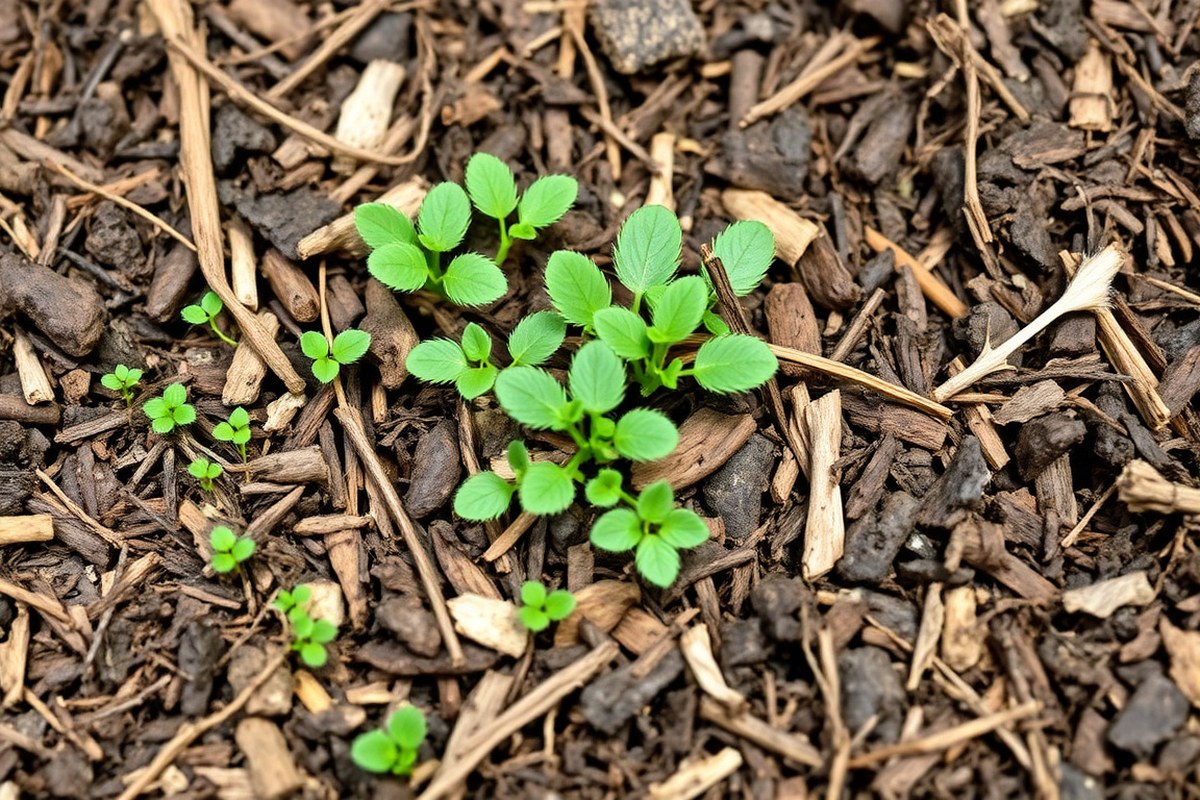
Mulch does not kill weeds already growing in your garden bed. It mainly works by blocking sunlight, which slows or stops new weed seeds from sprouting. Mulch alone won’t kill weeds already growing in the soil.
The weeds still get air and nutrients underneath the mulch. You must remove weeds before mulching to stop their growth.
To deal with existing weeds, you need to remove them before applying mulch. Pull or dig out weeds, making sure to get the roots. Alternatively, you can use a targeted herbicide like glyphosate.
But be careful since it kills any plants it touches. After pulling weeds, spread mulch 2 to 4 inches thick.
This layer helps keep new weeds from growing. Add mulch right after clearing the area.
Mulch shades soil, keeping it cool and moist longer. This stops many weed seeds from sprouting. The cooler soil makes it harder for weeds to grow.
Keep mulch 4 to 6 inches thick to block sunlight well. This thickness also holds moisture from reaching seeds. Seedlings won’t get what they need to grow.
Put cardboard or newspaper under organic mulch for better weed control. It smothers weeds beneath while it slowly breaks down. This adds nutrients to your soil too.
How Mulch Suppresses Weeds and Ideal Application Thickness
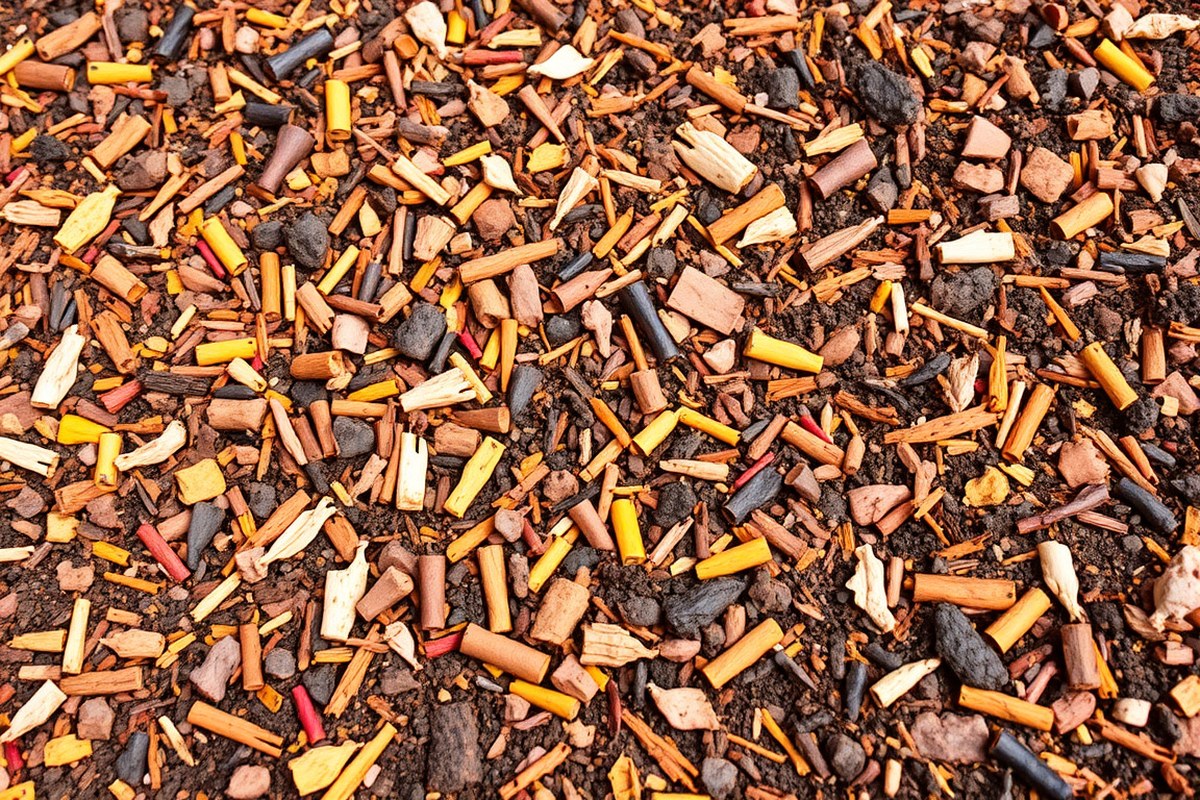
Mulch suppresses weeds mainly by blocking sunlight, which weeds need to grow. Without light, most weed seeds cannot sprout or develop properly. Some mulches, like wood chips or pine needles, release natural chemicals.
These chemicals slow or stop weed growth. This helps control weeds more naturally.
The ideal mulch thickness for weed control is 2 to 4 inches. Less than 2 inches won’t block enough light and allows weeds to push through.
More than 4 inches can stop rain from reaching the soil and damage your plants’ roots. For example, a 3-inch layer of bark chips works well to block about 80% of weeds.
Weeds already growing under the mulch will die slowly because they can’t get sunlight. This process usually takes weeks or months to work. It depends on mulch thickness and weed strength.
Thicker mulch slows weeds longer. You can speed it up by adding cardboard or landscape fabric.
Place these materials under the mulch. They smother weeds faster.
Mulch also helps improve soil health while keeping weeds down. Over time, as mulch breaks down, it adds nutrients to the soil. This benefit won’t happen if you leave old grass or weeds.
You must clear them away first. Mulch alone won’t stop new weed growth.
Some tough weeds like nutsedge can still push through thick mulch. These stubborn weeds often need extra help beyond mulch alone. Mulch works best as part of a full weed control plan.
Use it with spot weed killers or manual removal. Combining methods stops weeds more reliably.
Apply mulch 2 to 4 inches deep for best results. Thinner layers don’t control weeds well. Thicker layers block water from soaking in.
Choosing the Best Mulch Type for Weed Control
Mulch type affects how well it controls weeds, so choose carefully. Organic mulches come from plants or animals. They break down over time.
This process feeds your soil. You need to add more mulch regularly.
Inorganic mulches, like black plastic or landscaping fabric, last longer and block weeds better. They need little upkeep once installed right. However, they don’t improve soil health like organic options do.
| Mulch Type | Weed Control Effectiveness | Longevity | Maintenance | Additional Benefits |
|---|---|---|---|---|
| Organic (wood chips, straw) | Good, around 90, 95% weed reduction | Needs replenishment every 6, 12 months | Replenish when compressed below 2 inches | Improves soil health and appearance |
| Inorganic (black plastic, landscape fabric) | Very effective, blocks light completely | Lasts multiple years if undisturbed | Minimal once installed | No soil enrichment, poor appearance for some |
| Organic with card/paper layering | Superior weed suppression in tough spots | Temporary; breaks down with organic mulch | Requires layering prep and monitoring | Blocks persistent weeds by stopping light |
Natural mulches with herbicidal effects are rare. Using paper or cardboard beneath mulch can stop weeds mechanically by cutting off light.
This works well for stubborn weeds. Adding about 1, 2 inches of mulch on top keeps these weeds from growing again.
Organic mulch breaks down, which changes it from a barrier to a place weeds like. Too thin a layer lets weed seeds sprout in the mulch itself. Keeping mulch thick enough prevents weeds and helps soil moisture.
Inorganic mulches are cheaper over time because they last longer. Yet their look and soil impact aren’t right for every garden. Organic mulch works well for most homes.
It helps control weeds and improves soil health. It also adds curb appeal. Use a mix for best results.
Put cardboard below and organic mulch on top. This works well where weeds are strong.
Preparing Soil and Removing Weeds Before Mulching
Preparing the soil before mulching helps stop weeds from growing back. You need to remove existing weeds and clear the area for mulch to work well. Putting mulch directly over weeds usually hides them but does not kill them, so preparation matters.
Manual Weed Removal Techniques
The best way to start is by digging out all the weeds. Pull weeds by hand or use a hoe to cut them off at the roots. Removing roots prevents weeds from growing in your mulch bed later.
After pulling weeds, clean up all the debris and roots to avoid regrowth. This step may take time but improves mulch effectiveness. The soil should look bare and even before spreading mulch.
Using Sheet Mulching to Smother Weeds
Sheet mulching adds a layer to block light and smother weeds naturally. Lay cardboard or newspaper over the cleared soil, wet it well, then cover with mulch.
This stops new weeds by blocking sunlight and eventually breaks down to feed the soil. You’ll want to overlap sheets so no gaps appear. This method works best when the soil is free of large weed roots.
When to Apply Herbicides Before Mulching
Sometimes you need extra help to control tough weeds. A pre-emergent herbicide stops weed seeds from sprouting under mulch.
It needs bare soil to work well. Mulch alone won’t let it do its job.
Remove mulch first, then apply the herbicide according to label instructions. Wait the recommended time, usually a few days, before replacing mulch to avoid chemical damage. Follow these steps to prepare soil and remove weeds before mulching:
- Clear the area by removing all existing mulch.
- Pull weeds by hand or hoe, getting roots out.
- Rake away all weed debris and loosen the soil.
- Apply a pre-emergent herbicide if weeds are persistent and follow label directions.
- Lay down cardboard or newspaper sheets to smother any remaining roots.
- Wet sheets thoroughly to help them settle and stay in place.
- Spread a 2- to 3-inch layer of your chosen mulch on top.
How to Apply Mulch for Maximum Weed Control
Spread mulch evenly in a 2 to 3 inch thick layer. Keep the layer consistent to block light well. This stops weed seeds from sprouting.
Keep mulch from piling up against plant stems or tree trunks to avoid rot. Replenish mulch as it breaks down or thins to keep weeds from growing back.
Optimal Mulch Depth and Even Coverage
Lay mulch evenly 2 to 3 inches deep over bare soil for the best weed prevention. This thickness blocks sunlight and stops weed seeds from germinating. Avoid thick piles or thin spots because weeds can poke through or roots may suffocate.
Consider a layer of newspaper or cardboard underneath mulch for extra weed blocking. Overlapping sheets reduce weeds but still allow water and air to reach roots. Cover the paper with mulch so it doesn’t dry out or blow away.
Avoiding Mulch Against Stems or Trunks
Keep mulch about 1 to 3 inches away from tree trunks and plant stems. Mulch touching stems traps moisture, leading to rot and inviting pests and diseases. Instead, form a clear ring around stems free of mulch to keep plants healthy.
This gap also helps air circulate around stems and lets you spot pest issues sooner. Never mound mulch like a volcano against a tree trunk. It causes decay and weakens trees over time.
Replenishing Mulch and Seasonal Timing
Mulch breaks down over time, thinning and losing its weed blocking power. Add a fresh 1 to 2 inch mulch layer once a year. Do this twice a year if needed.
The best time is usually spring and fall. This keeps mulch thick and weeds suppressed without overloading your plants.
Late fall mulch replenishment protects soil through winter and stops early weed seeds from sprouting. In spring, it aids moisture retention and reduces weeds during the growing season. Inspect mulch monthly to spot bare or compacted areas.
- Clear weeds and debris before applying mulch
- Use organic mulch that breaks down gradually
- Water soil before spreading mulch to help roots
- Keep mulch 1, 3 inches away from plant bases
- Spread mulch evenly 2, 3 inches thick
- Replenish mulch yearly or as it thins out
- Consider newspaper layers beneath mulch for extra control
Don’t pile mulch against plant stems or trunks to prevent rot and pest problems.
Why Do Weeds Sometimes Grow Through Mulch?
Weeds sometimes grow through mulch because the layer isn’t thick enough. A thin mulch layer, less than 2 to 3 inches, lets sunlight reach weed seeds. This encourages them to sprout, defeating the purpose of mulching.
Another reason is leftover weed roots or seeds in the soil before mulching. Mulch doesn’t kill existing weeds if they’re already under the surface. Also, wind or birds can drop new weed seeds onto the mulch.
Common mistakes involve poor preparation and wrong mulch thickness. Not removing weeds fully before laying mulch causes new growth. Using lightweight mulch types can let weeds poke through more easily.
- Clear the area of all weeds and roots before mulching
- Spread mulch at least 3 inches thick for better weed suppression
- Use heavier organic mulches like shredded bark or hardwood chips
- Avoid piling mulch against plant stems to prevent rot
- Check mulch annually and replenish it as it breaks down
- Hand-pull any weeds that appear promptly to stop spreading
Proper preparation costs mostly time, about an hour per 100 square feet. Buying mulch costs vary from $20 to $50 per cubic yard, depending on type. Good results show very few weeds and healthy plants thriving under mulch.
Some tough perennial weeds still push through because they grow from deep roots. You might need to spot-treat these with herbicides like glyphosate carefully. Always avoid spray drift to protect your desirable plants.
Combining Mulch with Other Weed Control Methods Safely
Mulch can improve weed control when combined with herbicides, but you must use caution. Apply a targeted herbicide first, following label directions exactly.
Wait for the weeds to die completely before spreading mulch on top. Mulch placed on living plants can trap moisture and may harm desired plants.
Landscape fabric offers another way to block weeds by creating a barrier between soil and mulch. Lay fabric before adding mulch to prevent weeds from growing up through it. However, fabric can limit water and air movement.
So it’s best under light mulch like wood chips. Avoid fabric in vegetable beds where you want roots to grow freely.
Solarization uses clear plastic to heat soil and kill weeds naturally. Cover moist soil with plastic during the hottest months for 4 to 6 weeks.
After solarization, remove the plastic and spread mulch to stop new weed seeds from sprouting. Solarization requires strong sunlight and works best in summer or warm climates.
Natural weed killers include usable options like vinegar or manual removal tools. Vinegar works best on small, young weeds.
Spray on a sunny day and expect repeated treatments. Use a Fiskars Weed Puller or similar tool to remove deep roots carefully before mulching.
For better weed control, layer newspaper or cardboard over the soil. Add about 3 inches of mulch on top. This method helps block weed growth effectively.
This blocks light and physically smothers weeds. Cardboard breaks down slowly and enriches soil underneath. Avoid plastic sheets because they don’t let water through and hurt soil health.
Putting it all together means targeting existing weeds first, then blocking new growth with mulch. Read herbicide labels carefully to keep your yard safe. Choose natural weed controls if kids or pets play nearby.
This reduces chemical risks in your garden. Landscape fabric and solarization suit certain beds and climates best.
You must set them up correctly to protect your plants. Done right, they can reduce weeds well.
Dealing with Persistent Weeds in Mulch Beds
Weeds can still grow through mulch, especially tougher types like nutsedge. The best way to handle them is to pull or dig them out by hand carefully. You can also spot-treat trouble spots with herbicides without hurting your plants.
Manual Weed Removal Methods in Mulch
Pulling weeds by hand is usually the safest option. Grab the weed near the base and pull gently to get as much root as possible. This stops regrowth and prevents disturbing your plants.
For deeper or tougher weeds, use a hand weeder or garden fork. Slide it under the root and lift slowly. This works well for weeds growing deep in mulch beds.
Keep soil moist before weeding; it helps you pull weeds more easily. Remove all pulled weeds from the mulch or soil to prevent seeds from spreading again.
Targeted Herbicide Use Without Damaging Plants
Selective herbicides kill weeds without hurting surrounding plants if applied carefully. Use a small brush or spray shield to apply herbicide directly on leaves only. Avoid spraying on or near your plants.
Choose herbicides labeled safe for use around your type of plants. Read the directions carefully.
Some products need dry conditions or specific temperatures to work right. Always wear gloves and protective gear when handling chemicals.
Spot-treat only problem weeds instead of spraying whole beds. This reduces chemical use and protects soil life.
Recognizing When Professional Help Is Needed
Call a professional if weed problems are persistent or spread widely despite your efforts. Some invasive perennials have deep roots that are hard to remove by hand or spot treatments.
Professionals can use stronger tools or treatments safely without harming your garden. They might also install barriers or adjust mulch types to prevent future issues.
Hiring help usually costs $50 to $150 per visit. It can save you time. It also helps protect your valuable plants.
- Pull weeds when soil is moist for easier removal
- Use hand tools for deep-rooted or tough weeds
- Apply herbicide precisely to avoid plant damage
- Check product labels for safe use near plants
- Remove pulled weeds completely to stop reseeding
- Call a pro if weeds return quickly or cover large areas
- Consider mulch replacement or thicker layers for severe beds
Don’t spray herbicide on windy days to avoid drifting onto plants.
Your Step-by-Step Plan for Using Mulch to Control Weeds
Follow these steps to keep weeds down with mulch while protecting your plants and soil.
- Before you start: Clear your garden bed of all visible weeds by pulling or digging. Check that no roots remain to avoid regrowth.
- Day 1: Spread a 2- to 4-inch layer of organic mulch, like shredded bark or leaves. This thickness blocks sunlight to stop new weeds.
- Week 2: Check mulch coverage and add more if you see bare spots. Even coverage is key to prevent weed seeds from sprouting.
- Month 1: Remove any weeds poking through the mulch by hand or with a hoe. Pull them before they flower to stop seeds.
- Every 2 months: Refresh mulch to keep it thick and effective. Mulch breaks down over time and loses weed-blocking ability.
- Spring and fall: Combine mulch with careful hoeing or spot herbicide use if weeds get stubborn. Use herbicides labeled safe for mulch beds.
- Ongoing: Keep mulch moist but not wet to reduce weed seed germination. Dry mulch lets some weed seeds sprout.
Frequently Asked Questions
Can Mulch Kill Weeds Without Herbicide?
Mulch can kill some weeds naturally by blocking sunlight. Some mulches like pine needles release chemicals that stop weeds.
These chemicals lower the chance of weeds growing well. You don’t need extra herbicides to kill weeds in these mulches.
Should I Remove Weeds Before Mulching?
Yes, removing weeds first gives mulch a better chance to work well. Weeds left alone can grow through mulch. This weakens how well your mulch works.
How Thick Should Mulch Be to Stop Weeds?
Mulch should be at least 2 to 3 inches thick to block weed growth. Thinner layers let sunlight through, allowing weeds to sprout and grow.
Is There a Mulch Type Best for Weed Control?
Wood chips, pine needles, and straw mulch all help stop weeds. These mulches can also hold moisture and improve soil health.
Can Mulch Harm My Garden Plants While Stopping Weeds?
Thick mulch may block light to plants, slowing their growth. Avoid piling mulch too close to stems or trunks to protect your plants.
How Does Sheet Mulching Kill Weeds Naturally?
Sheet mulching uses layers of cardboard or newspaper beneath mulch. This smothers existing weeds and adds organic matter as it breaks down.
Wrapping Up
Mulch mainly prevents new weeds but usually won’t kill established ones without help. Keep your mulch thick and well maintained for the best weed control. Start today by clearing out the weeds before laying down fresh mulch.