What Plants Are Good for Bathrooms: A Complete Guide for Every Space
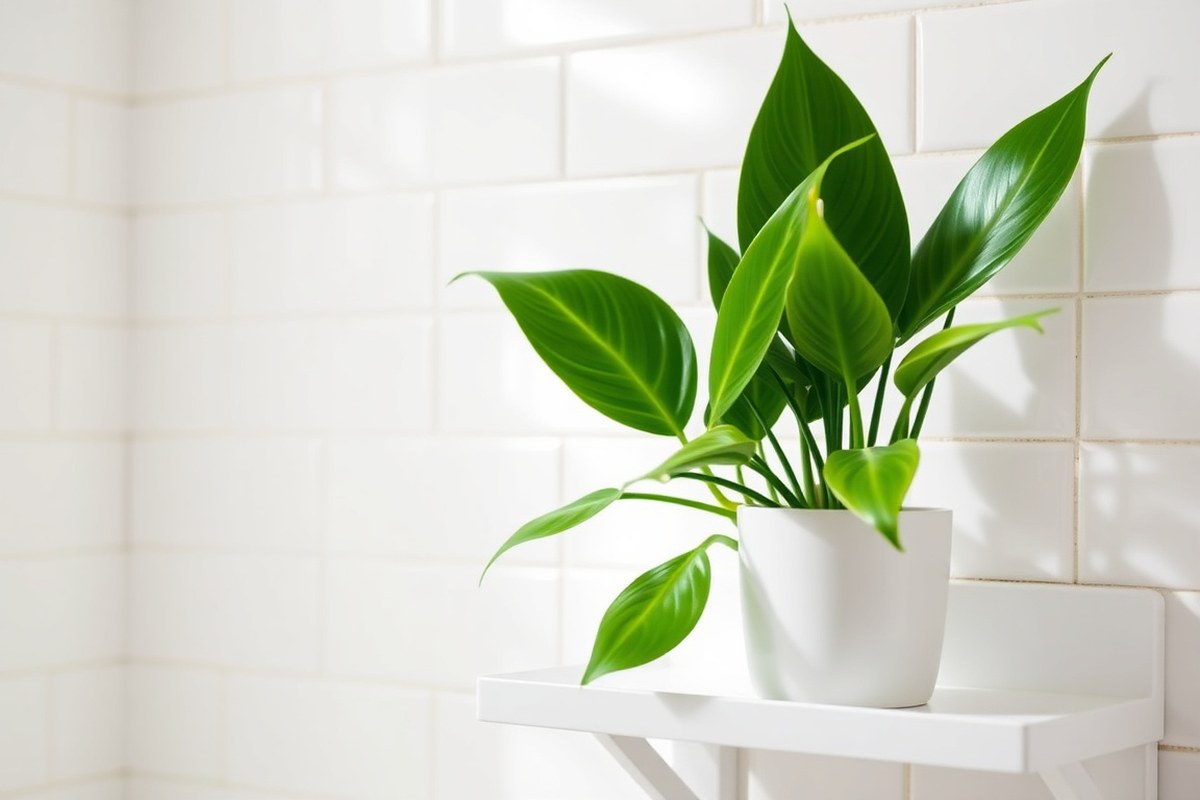
Wondering what plants are good for bathrooms with low light and high humidity? Choose plants like peace lilies and calatheas that thrive in warm, steamy places.
They need filtered light and stable temperatures around 65°F for best growth. These plants also help improve air quality by absorbing moisture and toxins.
Succulents like aloe and haworthia also do well if your bathroom has bright, indirect light. These plants handle humidity but don’t like soggy soil. So water only when the soil dries out to avoid root rot.
Size matters in bathrooms, so pick plants that fit your space. Dwarf plants work well in small bathrooms.
Air plants also fit nicely on shelves or inside glass containers without soil. They don’t take up much space in corners and add a fresh look.
Key Takeaways
- Choose equatorial plants for filtered light and steady 65°F temperatures.
- Water only when the top 2 inches of soil are dry.
- Aloe and haworthia prefer bright, indirect light and dry soil between waterings.
- Pick plant sizes that fit bathroom space, from compact to large specimens.
- Place humidity-loving plants like calatheas in warmer, draft-free spots.
- Use dwarf or air plants for small bathrooms to save space.
Best Plants for Bathrooms by Light and Humidity
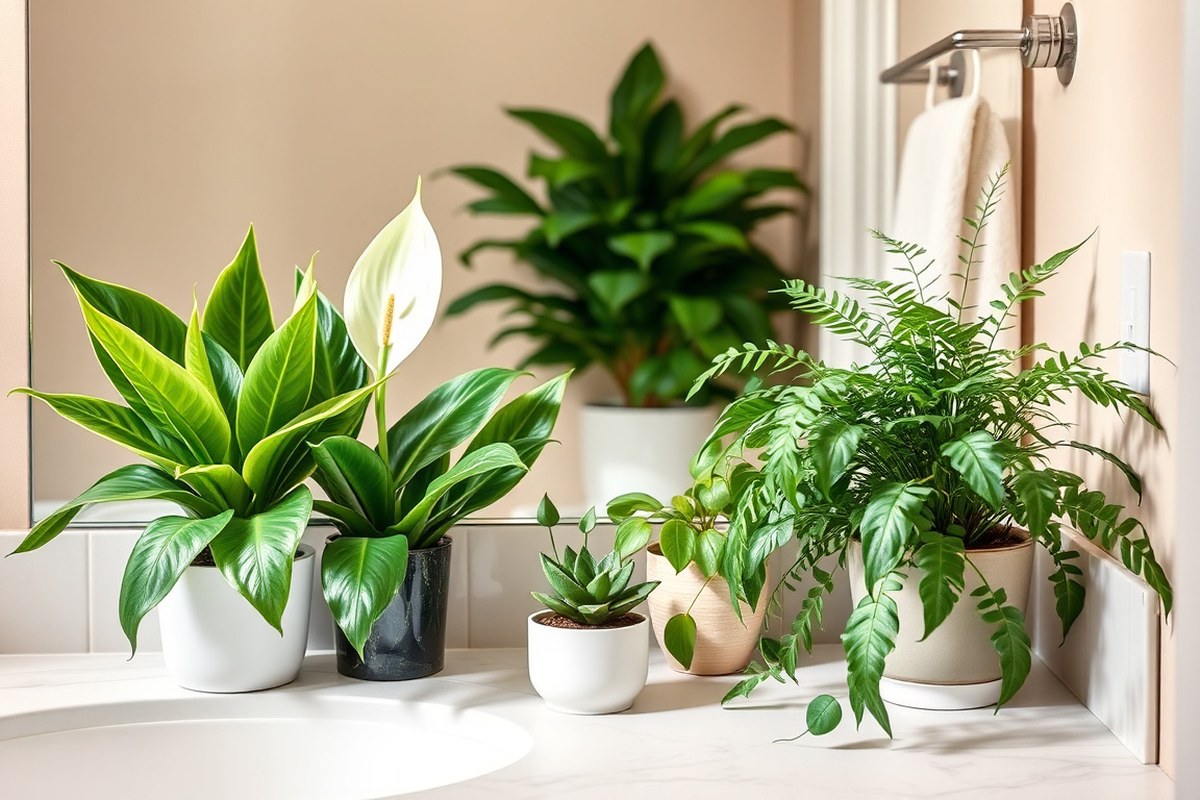
Bathroom lighting and humidity levels shape plant health. Some plants survive in low light, while others need high humidity.
Artificial light can help when natural light is missing. But all plants still need some light.
Low-Light Bathroom Plants That Thrive
Many bathrooms have little natural light or none at all. Plants that do well here include species that tolerate shade and need minimal sunlight. The ZZ plant and spider plant fit well in these spaces.
Spider plants adapt to lower light but thrive with indirect light. The ZZ plant manages low light and varying humidity without fuss. Both grow well in typical bathroom temperatures and can brighten dim spaces.
Plants That Benefit from High Humidity
Bathrooms usually have steady humidity around 50% to 70%, perfect for tropical plants. Plants like calatheas and other understory rainforest types love this moist air. They stay lush and vibrant with the warmth and dampness of a bathroom.
Calatheas, often called prayer plants, have striking leaves that move with light changes. They clean the air and thrive in steamy, warm rooms. Spider plants also like humidity and tolerate cooler bathroom temperatures.
Using Artificial Light for Bathroom Plants
Plants need 10 to 15 hours of light daily for good growth. Without windows, rely on artificial light like fluorescent or LED bulbs. Place lights close to plants and leave them on long enough to mimic natural day length.
No plant thrives in complete darkness forever. You can keep some alive with artificial light but choose species suited to low-light conditions. Regularly check plant health to avoid leggy growth or fading.
Switching on a grow light for about 12 hours daily helps. Use affordable LED bulbs made for plants, which cost around $20 to $40. This keeps plants healthy in windowless bathrooms while matching humidity needs.
| Plant | Light Needs | Humidity Tolerance | Bathroom Suitability |
|---|---|---|---|
| Spider Plant | Low to bright indirect light | Medium to high (50%-70%) | Excellent, handles low light and humidity well |
| ZZ Plant | Low light to shade | Medium | Very adaptable, good for low-light, humid bathrooms |
| Calathea (Prayer Plant) | Low to medium indirect light | High (50%-70%) | Great in warm, humid bathrooms with some light |
| Understory Tropical Plants | Low light to shade | High | Ideal for bathrooms with steady humidity and low light |
Matching plant choice to your bathroom’s light and humidity is key. Humidity favors tropical plants, while low light selects for hardy, shade-tolerant ones. Artificial light allows more options but requires a daily schedule.
Size and Placement Tips for Small and Large Bathroom Plants
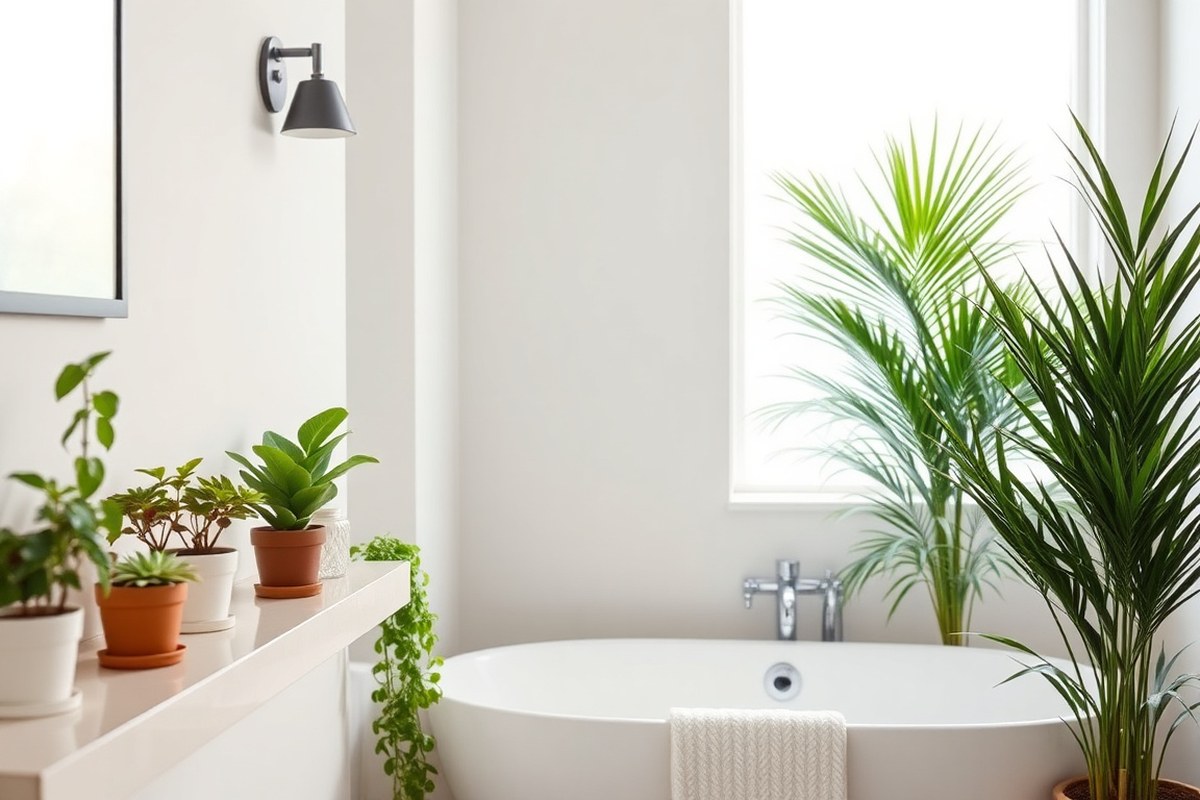
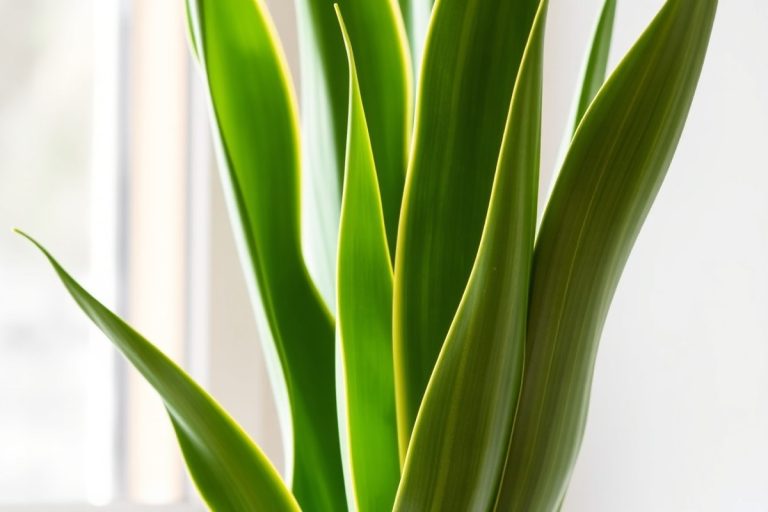
Small bathrooms need compact plants that don’t take up much space. Pick plants that grow 12 to 18 inches tall. Snake plants and air plants fit well.
They’re good choices for your bathroom. Hanging and trailing plants fit small bathrooms fine.
They save space on shelves and counters. Using vertical space makes your bathroom less cluttered.
In large bathrooms, bigger plants can add impact without cluttering the space. Go for tall, tropical plants that reach up to 8 feet. Some palms and large ferns work great.
They add height and style to your bathroom. Place them in corners or near a window so they get enough light without blocking movement.
Placement matters as much as size. Plants do best near natural light sources but not if they crowd the area. Use grow lights made for plants if your bathroom lacks windows.
These bulbs help your plants get enough light inside. Keep the light on for about 12-16 hours daily. Position the light close to your plant to give it enough brightness without overheating.
- Fit small plants below shelves or on window sills
- Use hanging pots for trailing plants to save counter space
- Place large plants in wide corners or by bath tubs
- Keep plants away from direct hot airflow or cold drafts
- Choose plants sized to room height and floor space
- Use grow lights if natural light is insufficient
- Rotate plants regularly for even growth on all sides
Think about airflow and temperature next to placement. Bathrooms often have humid air, which many plants love. But too hot or too cold spots can harm them.
Avoid placing plants right next to vents or heaters. Instead, keep them in areas with steady temperature and enough humidity.
Check plant size carefully before buying. A large tropical plant may outgrow a small bathroom quickly.
Choosing the right size and place helps your plants stay healthy and your bathroom look inviting. Small plants suit tight spaces by keeping things airy. Larger plants work well in spacious bathrooms.
They add a lush green look to bigger rooms. Correct placement makes watering and care easier, boosting your plant’s survival chances.
Caring for Popular Bathroom Plants: Watering, Temperature, and Light
Watering bathroom plants depends on their type and the bathroom’s humidity. Many common plants like snake plants and pothos need watering every two to three weeks. They like the soil to dry between waterings.
Don’t let soil stay soggy. Wet soil can hurt the roots.
Higher humidity in bathrooms means you might water less often than usual. Watch for dry soil and drooping leaves as signs your plant needs water. Begonias need soil to stay lightly moist.
Water once a week if humidity is low. Bathrooms with low humidity need careful watering.
Most indoor bathroom plants do well in temperatures between 65 and 80 degrees Fahrenheit. Avoid cold drafts or sudden temperature changes near windows or vents. Steady warmth helps plants like spider plants and philodendrons thrive without stress.
Adjust light based on your bathroom’s natural source or artificial lighting. Plants in windowless bathrooms, such as begonias, do best near fluorescent or full-spectrum LED lights. Rotate plants every week to evenly expose all sides to light and encourage balanced growth.
In winter, give plants more light. Move them closer to a window or light. This helps when natural light is weak.
In summer, avoid direct sun that shines through windows, which can scorch leaves. Use curtains or blinds to filter strong sunlight on bright days.
Set a simple care routine: check plants weekly for soil moisture and leaf color. Water only when the top inch of soil is dry. Keep bathroom temperatures steady.
Use artificial light if natural light is low or none. Give plants at least 12 hours of light daily. This supports their growth indoors.
Air-Purifying Plants Ideal for Bathroom Environments
Plants that improve your bathroom’s air quality filter out toxins like formaldehyde, ammonia, and carbon monoxide. These air-purifying plants thrive in the warm, humid environment typical of most bathrooms. Bathrooms without windows can support plants with low to medium light.
You just need to add a grow light. This helps plants survive and thrive indoors.
Tropical plants like peace lilies and Boston ferns like moist air. They also help reduce toxins in the air. These plants do well in bathroom conditions.
Their presence can make your bathroom air feel fresher after cleaning. These plants absorb some humidity from the air around them.
Still, you need proper moisture control and ventilation. This prevents mold or mildew from growing.
- Peace Lily removes common household toxins and loves medium indirect light. It grows from small to medium size. Note, it is not safe for pets.
- Boston Fern: Great at absorbing moisture and improving air, prefers medium indirect light, medium size, pet-friendly
- Pothos (Devil’s Ivy): Tolerates low light, small size, excellent air purifier, pet-safe
- Aloe Vera: Needs little water, thrives in humidity, purifies air, small size, pet-safe
- Snake Plant: Very low light tolerance, requires little water, excellent toxin remover, small size, pet-safe
- Haworthia Succulent: Thrives on bathroom humidity, minimal soil water needed, small size, pet-safe
- Air Plants (Tillandsia): Absorb moisture from air, no soil needed, thrive in bright indirect light
Tropical plants from moist climates naturally filter air and fit bathroom conditions. They need consistent watering and some light, either natural or artificial.
Overwatering is a common mistake that causes root rot. Adding a light source can help when your bathroom lacks windows.
Easy-care plants like aloe vera and snake plants need little water. They can survive in lower light levels. These make great choices for beginners.
Bathrooms with moderate natural or artificial light suit plants like pothos or Boston ferns best. You’ll know your plants are happy when their leaves look vibrant, not yellow or droopy.
Pet-Friendly Bathroom Plants That Are Safe and Beautiful
Pet-friendly bathroom plants are a smart choice if you share your space with cats or dogs. Good options include spider plants, Boston ferns, and peperomia.
These plants are safe if your pets nibble on their leaves. They also thrive well in humid bathroom air.
You should avoid common bathroom plants such as peace lilies and philodendrons. They contain compounds that can be toxic to pets, causing symptoms like vomiting or drooling. Keep these plants out of reach or pick safer alternatives instead.
Setting up your plants safely means placing them where pets can’t easily reach them. Use high shelves or hanging baskets for these plants.
Plants with long, arching leaves, like spider plants, fit perfectly there. Use sturdy pots and avoid crowded spots that encourage pets to jump or knock things over.
Products like wall planters or plant stands can cost between $15 and $40. These tools protect your plants and keep your pets safe.
Pick non-toxic soil and fresh water for your plants. This helps prevent pests and keeps pets safe.
Always double-check plant toxicity lists before bringing a new plant home if you have pets.
How to Grow Air Plants and Epiphytes in Bathrooms
Air plants and epiphytes are perfect for bathrooms because they don’t need soil. They thrive in humidity and do well in low to moderate light. Their natural needs match bathroom conditions, making care easier.
Types of Air Plants Suitable for Bathrooms
Bromeliads are some of the most common air plants for bathrooms. These plants naturally grow on trees and bark, making soil unnecessary. Bird’s nest ferns and some types of orchids also fit well here.
These plants enjoy warm, moist air that mimics their tropical homes. Bathrooms often provide just the right humidity. They can thrive even in small spaces or with artificial light.
Here’s a quick list of suitable bath-friendly air plants:
- Bromeliads, tropical, colorful, and hardy
- Bird’s nest fern (Asplenium nidus), lush and big-leafed
- Tillandsias (true air plants), small and easy to hang
- Orchids, prefers humidity and indirect light
- Staghorn ferns, unique shape, attach to walls
Watering and Humidity Care for Air Plants
These plants absorb water through their leaves, not roots. Mist them two or three times a week. If your bathroom lacks humidity, soak air plants once a week for 20 to 30 minutes.
Remove the plants from water after soaking and shake off excess moisture. Let them dry in fresh air to avoid rot. High humidity in bathrooms usually cuts down how often you water.
Watch the leaves for signs of dehydration like curling or browning tips. Too much water causes soggy leaves and black spots. Proper watering keeps them plump and green.
Lighting Needs and Placement for Air Plants
They prefer bright, indirect light, but many survive moderate or low light. Bathrooms without windows need grow lights or LED lamps. Position plants near any light source but away from direct sun.
Placing air plants near a frosted window or on a shelf with reflected light works well. Rotating them weekly ensures even growth. Keep plants away from cold drafts or hot vents.
Here’s a simple checklist to keep your plants happy:
- Bright, indirect natural light preferred
- Use grow lights if no natural light is available
- Rotate plants regularly for even exposure
- Avoid direct sun to prevent leaf burn
- Keep away from temperature extremes and drafts
Troubleshooting Common Problems with Bathroom Plants
Yellowing leaves often point to overwatering or poor drainage. The soil stays soggy in humid bathrooms, which suffocates roots and causes rot. To fix this, water only when the top inch of soil feels dry.
Use well-draining pots and add pebbles or activated charcoal at the bottom to improve drainage. Snake plants need water just once a month or less.
They do well with neglect. Humid spots suit them best.
Underwatering shows with crispy, brown leaf edges and drooping foliage. Misting helps when the air is dry or you forget watering. Water the soil deeply once a week.
Some plants, like Kentia Palms, prefer moist soil but not sitting in water. Check your soil moisture twice a week.
This helps you adjust watering. Each bathroom’s needs are different.
Mold or mildew around plants happens when moisture lingers on leaves or soil too long. Wipe leaves gently with a damp cloth every week to keep them clean. Avoid overcrowding plants to allow good air circulation.
Placing a small fan nearby for a few hours daily helps reduce humidity levels. Also, remove any yellowing or dead leaves promptly to prevent mold food sources.
Pests like spider mites or fungus gnats can thrive in a moist bathroom environment. Check plant leaves and stems weekly for tiny webs, spots, or moving dots. Find pests?
Rinse the plant with lukewarm water. Use insecticidal soap or neem oil spray. Follow the label instructions carefully.
Reapply every 7-10 days until the infestation clears fully. Alocasias need more care.
Their leaves hide mites well. Keep a close eye on them.
Regularly rotating your plants helps prevent uneven sunlight exposure and pests buildup on one side. Avoid over-fertilizing; excess nutrients in wet soil promote pests and fungal growth. Pick plants that fight mold, like Boston ferns or peace lilies.
They soak up moisture. These plants also improve air quality. Water plants with collected rainwater when you can.
It has fewer minerals. This stops soil build-up that causes pests and mold.
Selecting Blooming Plants That Flower in Bathroom Conditions
Several flowering plants can thrive in bathroom conditions with low light and high humidity. Orchids, peace lilies, and anthuriums handle steam well and will bloom regularly with the right care. Encouraging flowers depends on managing light, water, and temperature carefully in your moist bathroom space.
Popular Bathroom Bloomers and Their Needs
Orchids like the Phalaenopsis do well in bathrooms because they come from tropical forests. They prefer indirect light and warm, humid air, making them excellent bath companions. Peace lilies also flower indoors and tolerate lower light but still need some brightness to bloom.
Anthuriums are another favorite that produce heart-shaped blooms. They thrive in humid spots and bright, indirect light.
Keep in mind that although cast iron plants are tough, they rarely flower indoors. So they’re not ideal if you want blooms.
Light and Temperature for Successful Flowering
Flowering plants need more light than typical foliage plants but not direct sun. Bathrooms with a north-facing window can work if the plant gets some natural light daily. Supplemental grow lights can help if your bathroom has very little natural brightness.
Temperature above 60°F (16°C) is important for bloom production. Warm, steamy bathrooms suit orchids and anthuriums well. Avoid cold drafts or sudden temperature drops, which can stop a plant from flowering.
Watering and Humidity Tips for Flowering Plants
Bathroom humidity often suits tropical bloomers, which like 60-80% humidity. Let the soil dry slightly between waterings to avoid root rot. Water orchids by soaking their roots once a week, then draining thoroughly to prevent standing water.
Peace lilies and anthuriums enjoy moist soil but do not like soggy conditions. Mist the leaves occasionally if your bathroom is dry, especially in winter. High humidity combined with occasional light helps trigger flowering in many tropical plants.
Remember, “low light” means some light, not none, no light stalls blooming.
How to Choose Bathroom Plants Based on Your Specific Space
Start by checking how much natural light your bathroom gets daily. Note the direction windows face and if curtains block the light. Bathrooms with north or east-facing windows get less sunlight.
They usually receive about 2 to 4 hours of light. This amount suits plants that need low light.
Next, measure the room’s size and available planting spots. Small bathrooms benefit from compact plants on shelves or countertops. Larger ones can fit floor pots or hanging plants without crowding the space.
Humidity levels can vary. But showers and baths usually raise moisture for 30 minutes or more daily.
Plants like ferns or tropical species thrive when humidity stays above 50%. You can test this with an inexpensive humidity meter for about $10.
Pet safety is another key factor if you have cats or dogs. Many popular bathroom plants can be toxic.
So choose pet-friendly types marked safe on plant tags or trusted lists. This protects your pets without limiting style.
Match your light assessment with plant needs. For bright bathrooms with 6+ hours of natural light, spider plants or aloe vera do well. For low light, try pothos or snake plants.
These plants do well with 2 to 4 hours of indirect light. They handle shade better than most.
Think about how much care you can provide. Some plants need watering weekly and specific temps between 65 and 75°F. Others, like succulents, require less water and tolerate wider temperature swings.
Here’s a quick way to decide: walk through your bathroom and ask four questions. How much light does it get (bright, moderate, low)? How big is your space (tiny, medium, large)?
Do you have pets? How much time will you spend watering and trimming?
After answering, list three plant options from your choices that fit each answer. Narrow down by pet safety and ease of care. This method keeps your choices realistic and matches your bathroom’s unique conditions.
Step-by-Step Action Plan for Your Bathroom Plants
Follow these steps to pick and care for plants that thrive in your bathroom. Each step helps you see if your plant is happy and growing well.
- Before You Start: Check your bathroom’s light and humidity levels. Use a small light meter or just note sunlight and steam. This helps you pick plants suited to your space.
- Day 1: Choose bathroom-friendly plants like pothos, spider plants, or snake plants. Buy small pots to fit limited space. Watch for green, healthy leaves on purchase.
- Week 1: Place your plants near natural or artificial light sources. Avoid direct sunlight if your plants dislike it. Look for leaves that stay firm and unburned.
- Week 2: Start watering based on plant needs: usually once a week. Keep soil moist but not soggy. Check soil dryness by touching the top inch.
- Week 3: Increase humidity for dry bathrooms by misting or using a pebble tray. See if leaves stop curling or browning over the next days.
- Month 1: Watch plants for signs of stress or pests. Yellow leaves or droopiness mean adjustments are needed. Adapt watering, light, or move the plant.
- After 6 Weeks: Repot only if roots crowd the container or soil breaks down. Healthy roots fill the pot but don’t circle tightly. Repot with fresh soil for growth.
Frequently Asked Questions
What Plants Survive Best in Windowless Bathrooms?
Pothos and spider plants do well in bathrooms with no natural light. They tolerate low light and can grow under artificial lights near mirrors or fixtures.
Can Bathroom Plants Handle Sudden Temperature Changes?
Most bathroom plants prefer stable temperatures around 65°F. Avoid placing them near vents or drafty windows where cold or hot air can shock them.
How Do Bathroom Plants Help with Moisture Control?
Some plants like peace lilies absorb excess moisture and reduce humidity. This can prevent mold buildup in bathrooms after showers.
Are There Bathroom Plants That Thrive on Daily Steam?
Yes, humidity-loving plants like ferns and calatheas benefit from daily steam exposure. They absorb moisture and stay lush in steamy conditions.
Which Bathroom Plants Need the Least Watering?
Air plants need no soil and only occasional misting or soaking. They are perfect if you forget to water often.
Can Bathroom Plants Improve Air Quality After Cleaning?
Peace lilies and spider plants purify air well, especially after using strong cleaners. They help improve indoor air by filtering toxins.
The Bottom Line
Bathroom plants add life and clean air even in small, low-light spaces. Start with one easy plant to fit your bathroom’s light and moisture. Watch it respond, then add more green friends over time.