Does Mulch Bring Bugs? What Really Attracts Them and How to Prevent It
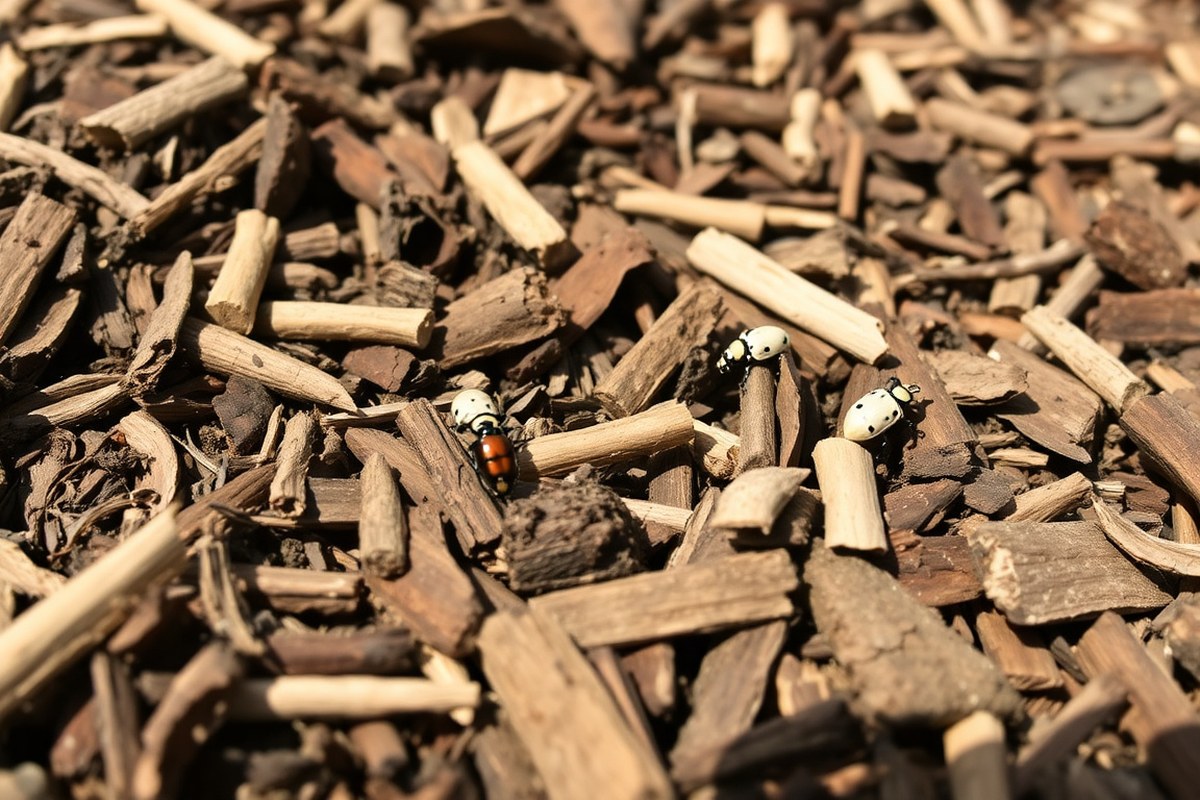
Does mulch bring bugs? The short answer is yes, but it depends on how you use it.
Mulch can attract pests if it stays wet or touches your home’s foundation. Keeping mulch dry and away from your house helps cut down on bug problems.
Thick layers of mulch trap moisture and create a nice home for insects and termites. Most bugs look for damp, dark places to thrive.
So moist mulch is an inviting spot. Using thinner mulch layers and choosing coarse materials keeps it from holding too much water.
You should also leave a gap between mulch and your house. Experts say to keep mulch at least 6 to 12 inches from your foundation. This stops bugs from bridging right from the mulch into your walls or wood siding.
Key Takeaways
- Keep mulch 6 to 12 inches away from your home’s foundation.
- Apply mulch 2 to 3 inches deep and taper edges to avoid moisture traps.
- Use coarser, less fragmented mulch to discourage pests from nesting.
- Avoid piles thicker than 4 inches to prevent a humid bug-friendly environment.
- Allow mulch to dry before applying, reducing ideal conditions for bugs.
- Pull mulch 3 to 5 inches back from young tree trunks to protect bark.
Does Mulch Really Attract Bugs and Pests?
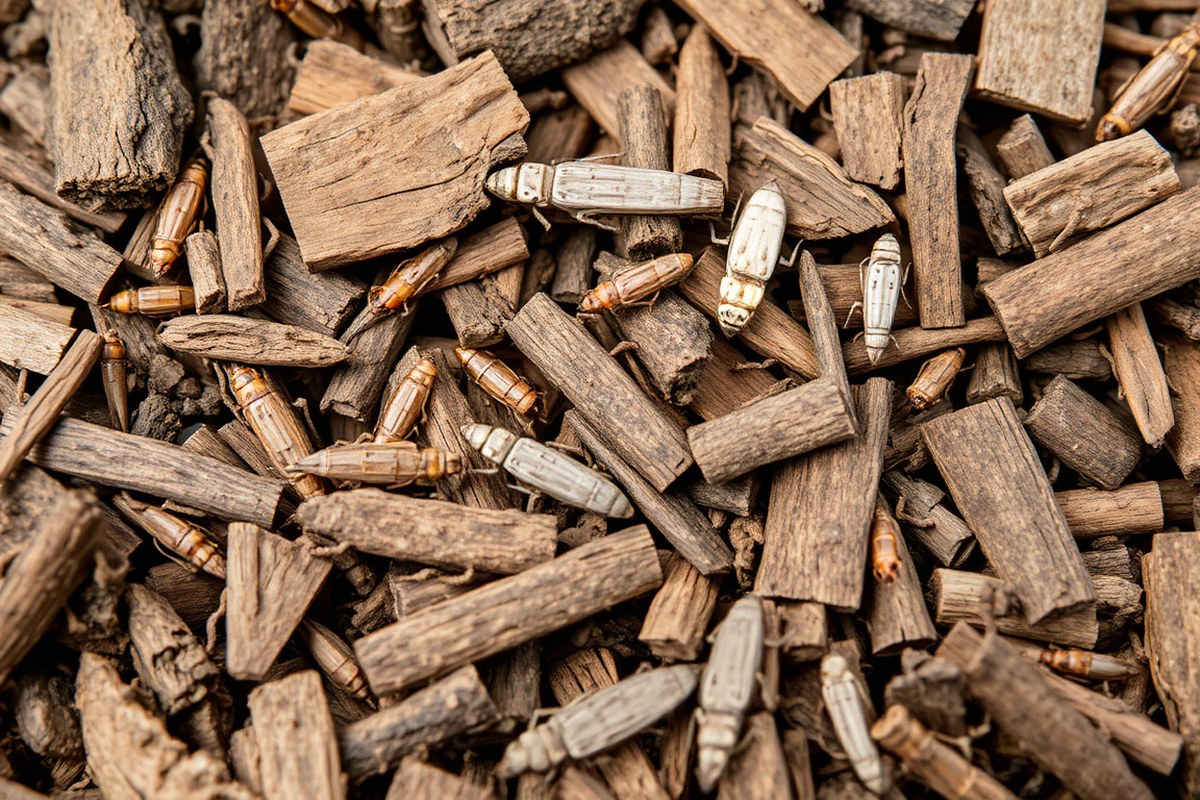
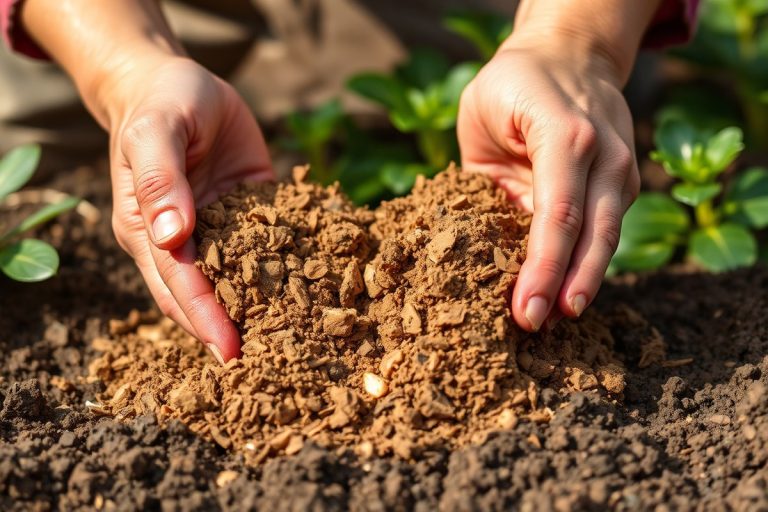
Mulch does attract bugs, especially organic types like wood chips or straw. These mulches offer shelter and food, drawing insects to your garden. Moisture retained in mulch creates a cozy spot that many bugs prefer for living or breeding.
The insects commonly found in mulch include earwigs, centipedes, pillbugs, fungus gnats, and booklice. Some spiders and millipedes also hide there, feeding on pests like aphids or slugs. This mix can be good since many mulch bugs help control harmful insects naturally.
Mulch attracts bugs mainly because it holds moisture and organic matter. Bugs need damp, dark places for shelter and breeding, and mulch provides that perfectly. Decaying wood or plant pieces provide food for many insects.
Termites and carpenter ants feed on wood mulch. They thrive where mulch breaks down.
Some mulches repel bugs due to natural oils. Cedar mulch, for example, contains oils that discourage ants, moths, and mosquitoes.
These oils fade after about a year, so fresh mulch works best. Cypress and melaleuca mulches also have natural repellents but break down slower or suit specific regions.
Not all bugs living in mulch are a problem. Many help by aerating soil and eating garden pests. Thick or damp mulch tends to attract more insects.
Rodents also come if plant debris piles up. Moisture in mulch invites pests.
Mulch too close to your home raises bug risks. Thick piles make it easier for bugs to move indoors. Keep mulch a few inches away from walls.
Proper mulch depth and placement limit pest contact points. Keeping mulch dry and clean helps avoid attracting unwanted bugs.
How Does Mulch Affect Termite and Ant Activity Near Homes?
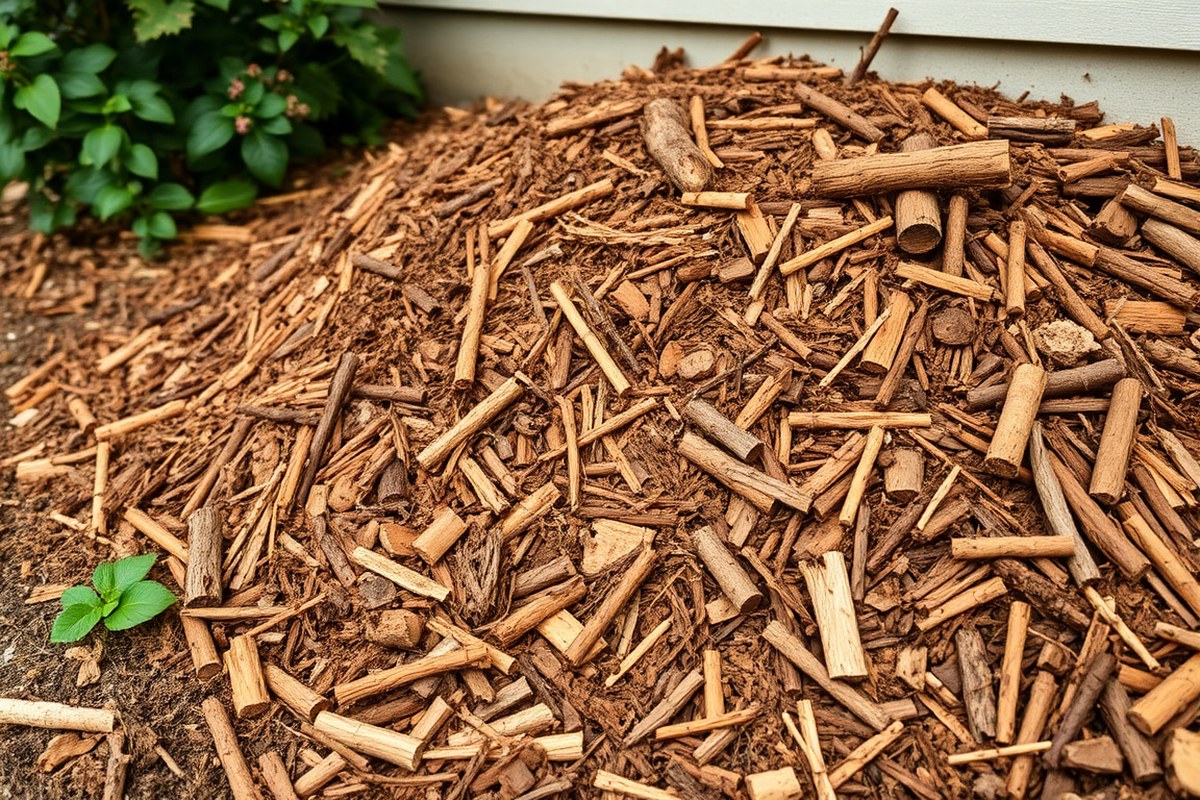
Mulch placed too close to your home can attract ants and termites. Aim to keep a 6- to 12-inch space of bare soil, gravel, or pavement between mulch and your siding. This space blocks pests from crossing the mulch onto your house.
Mulch thicker than 3 inches holds moisture and attracts termites more. Mulch with wood chips or bark is especially inviting to them. Damp, thick layers create the best conditions for termite activity.
Ants prefer moist, fine mulches like straw that let them build easy tunnels. Reducing mulch depth to 1 to 1.5 inches near the foundation discourages these pests while still protecting soil.
Not all mulch types pose the same risk. Wood chip mulches attract more termites and carpenter ants. These pests prefer organic mulch.
Mulch piled right against your siding increases the risk. Inorganic mulches such as rocks or rubber don’t invite these bugs as much. Cedar mulch contains natural oils that pests dislike.
Placing it near foundation edges helps keep ants and pests away. This mulch works as a pest deterrent. But it’s best used where preventing pests matters more than soil microbes.
Keep mulch 6 inches or more from your foundation. This space reduces termite and ant access to your home. Avoid piling mulch directly against the siding.
Thin or replace mulch near the foundation in spring and fall. Doing this cut down on pest buildup. Regular care lowers pest risks.
Termites don’t come from yards only because mulch is moist. Thick, damp mulch close to your house gives insects a nice home. Keep mulch dry and separated from buildings.
You can spray insecticides on mulch for a quick fix, but termites often return. So prevention by proper mulch placement and depth is safer and more effective.
Mulching properly means watching depth and distance, choosing suitable materials, and keeping mulch dry. This method limits termite and ant problems without losing mulch’s benefits for plants and soil health. Checking your mulch yearly costs little but helps avoid big problems.
Focus on inspecting during seasons when pests are active. Early action stops expensive termite damage.
Which Types of Mulch Repel Bugs Best and Why?
Cedar and cypress mulches are best for repelling bugs. They contain natural oils that bugs dislike. Other mulches like melaleuca and eucalyptus also repel pests but vary in lasting power.
Cedar Mulch and Its Insect-Repellent Oils
Cedar mulch stands out because it has oils called thujaplicin that bugs find unpleasant. These oils help repel ants, ticks, moths, and carpet beetles.
The natural scent fades after 6 to 12 months. So refreshing the mulch yearly helps keep bugs away.
Cedar is easy to find at garden centers and costs around $$ per bag. Using cedar mulch is simple. Spread a 1 to 2 inch layer.
Make sure the soil is dry to avoid pests. Avoid piling it too deep or against wood structures.
Cypress, Melaleuca, and Other Long-Lasting Mulches
Cypress mulch repels termites and ants. It works for 2 to 3 years. This makes it last longer.
Melaleuca mulch is also effective against termites and lasts about 2 to 3 years. It comes from an invasive tree, which is a good environmental choice.
Eucalyptus mulch repels mosquitoes and ants. The scent lasts 6 to 9 months. After that, it fades.
Cypress mulch breaks down more slowly. So it suits gardens where you want to reduce reapplication frequency but should be sustainably harvested.
Inorganic Mulch Options and Bug Attraction
Inorganic mulches like gravel, rubber, and plastic generally repel bugs because they lack food and moisture. Some contain plant-safe bug repellents built-in, adding protection. These mulches don’t attract the same insects that wood or straw do.
Using inorganic mulch near patios or play areas lowers bug presence without needing frequent replacement. However, they don’t improve soil health like organic mulches do. So balance your choice with garden goals.
Cocoa Bean Shell Mulch Benefits and Cautions
Cocoa bean shell mulch naturally repels many bugs and smells pleasant. It contains theobromine, which keeps pests away but is toxic to dogs and cats. Don’t use this mulch if pets roam your yard.
It can harm them. Choose a safer alternative.
Gardeners like cocoa mulch for flower beds and decorative spots where pet access is limited. It breaks down in around 1 year.
The cost is $$ per bag. This is similar to cedar and cypress prices.
Here’s how these mulches stack up for repelling bugs and lasting power:
| Mulch Type | Best For Repelling | How Long It Lasts | Relative Cost |
|---|---|---|---|
| Cedar | Ants, ticks, moths, carpet beetles | 6, 12 months before oils fade | $$ |
| Cypress | Termites, ants (heartwood compounds) | 2, 3 years | $$ |
| Melaleuca | Termites specifically | 2, 3 years | $$ |
| Eucalyptus | Mosquitoes, ants | 6, 9 months | $$ |
| Cocoa bean shell | General bugs (not pets) | About 1 year | $$ |
This table shows mulch choices. It matches bug type to repellent duration. Use it to pick the best mulch.
You can combine mulches to balance cost, maintenance, and pest control. For example, cedar works well for quick refreshes, while cypress suits longer-term projects. Spread mulch in a thin, even layer.
Replace it before the oils fade. This keeps bugs away.
What Is the Ideal Mulch Depth and Placement to Minimize Bug Problems?
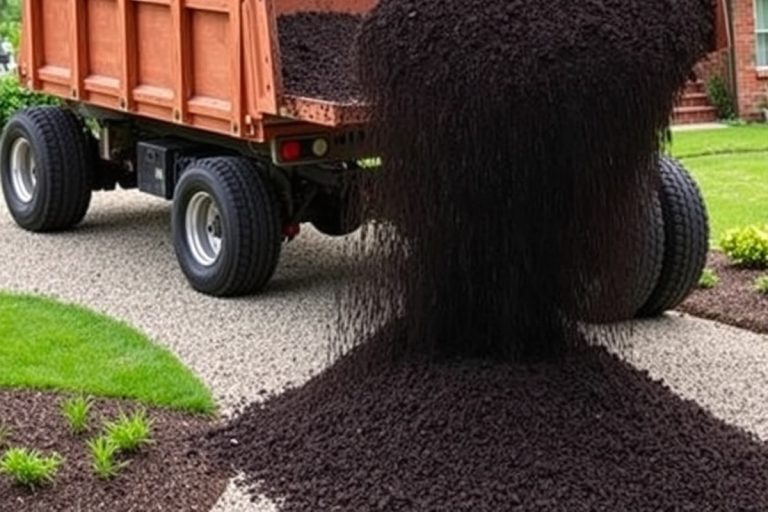
Keep mulch layers between 2 to 3 inches thick to avoid attracting bugs. Thick mulch, like 5 to 8 inches, holds lots of moisture. It also creates a perfect home for ants and insects.
That can lead to pest problems in your garden. A thinner layer still protects plants and soil while limiting bug-friendly dampness.
Mulch should never touch your home’s foundation or siding. Leave a gap of 6 to 12 inches between mulch and any wood, brick, or siding. Pulling back mulch creates a break that stops bugs from reaching plants.
You can also see signs like mud tubes early on. This helps you catch problems before they get worse.
Avoid placing mulch too close to trees as well. Pull mulch 3 to 5 inches away from young trees. For mature trees, pull mulch 8 to 10 inches away.
This helps keep pests and moisture away from the trunk. Exposing the root flare helps keep bugs from nesting at the tree base while allowing airflow.
- Spread mulch 2 to 3 inches deep, then taper edges
- Keep mulch 6 to 12 inches away from home foundations
- Leave 3 to 5 inches gap from young tree trunks
- Extend gap to 8 to 10 inches around mature trees
- Replenish mulch annually to maintain proper thickness
- Don’t let mulch stay constantly wet or pile up
- Inspect mulch areas regularly for bug activity
Thick mulch can bridge over pest barriers that professionals install. It also keeps the area moist longer, attracting damp-loving bugs like termites and ants. Proper placement reduces the chance of bugs moving from mulch onto your home or plants.
Setting the right mulch depth and distance costs nothing. It’s a simple step that really helps prevent pest problems. This small effort can protect your plants and trees well.
It takes less than an hour to spread or thin mulch correctly around your home. You’ll notice fewer bugs and less pest damage when you do.
How to Manage and Maintain Mulch to Reduce Bug Infestations
Keeping mulch tidy and refreshed helps reduce bug problems in your garden. Replace or refresh it every 6 to 12 months, especially with cedar or cypress mulch. Treating mulch with heat or natural sprays can also cut down pests lurking inside.
Heat Treating Mulch Before Use
Heat treatment kills bugs hiding in mulch before you spread it. You can do this by leaving mulch in direct sunlight until it heats up well. The mulch needs to reach at least 120°F inside to kill insects.
This process usually takes a day or two, depending on your location’s sun strength. Heat-treated mulch lowers the chance of bringing unwanted bugs into your garden.
- Find a flat spot in full sun, like a driveway or patio.
- Spread the mulch out in a thin layer, about 2 to 3 inches deep.
- Leave the mulch there for 24 to 48 hours on sunny days.
- Use a thermometer to check the mulch temperature inside.
- Once it reaches 120°F, turn the mulch to heat all parts evenly.
- Repeat heating if some areas stay cooler for a full kill.
- Spread heat-treated mulch in your garden, keeping it tidy.
Check mulch temperature carefully; uneven heating leaves some bugs alive.
Refreshing Mulch to Restore Repellent Oils
Oils in cedar and cypress mulch break down over months in sun and rain. Plan to refresh these mulches every 6 to 12 months. This keeps their natural bug-repellent properties working.
Removing old mulch and adding fresh mulch can also break pest cycles. Keep wood mulch 2 to 3 inches deep.
Leave 6 to 12 inches between mulch and your house foundation. This helps prevent pest problems.
Thicker mulch traps moisture and bugs. Keeping mulch thin helps air reach roots and discourages pests.
Using Natural Insecticides Safely
Natural sprays can reduce bugs without harsh chemicals. Look for options like neem oil or insecticidal soap. Spray mulches early in the day for best results, allowing them to dry.
Use natural insecticides only as directed on the label and avoid overuse. These treatments work best alongside regular mulch maintenance, like refreshing and heat treating.
Bugs persist? Remove the mulch, treat it, or replace it. Keeping mulch dry also helps reduce humidity-loving pests.
Avoid heavy watering; moist mulch for over 24 hours attracts more bugs.
Common Mulch-Related Mistakes That Increase Bug Problems
One common mistake is piling mulch too close to your home’s wood. Keep mulch at least 12 inches away from your foundation and any wooden structures. This gap stops termites and ants from using mulch to sneak into your home.
Some areas with higher termite risk need even wider gaps, about 16 to 18 inches. When mulch touches wood siding or tree trunks, it holds moisture against the wood. That moisture causes rot and invites pests like carpenter ants or termites.
Another problem is applying mulch too thickly. Layers thicker than 3 inches trap moisture, making bugs more active.
Spread mulch just 2 to 3 inches deep. This thickness controls weeds but doesn’t invite pests.
Over-applying mulch can also smother plants and slow water absorption. When mulch is too deep, soil stays wet longer, attracting bugs and sometimes rodents. Thin layers let water drain well and avoid creating bug-friendly homes.
Mulching during warm months, like late spring or early summer, can increase pest activity. That’s when many insects breed and look for shelter. You can reduce risks by adding mulch in early spring or fall instead.
Fix mistakes by pulling mulch away from your home and trimming thick layers down. Rake the mulch to spread it evenly across beds. It helps mulch dry faster and cuts bug shelter spots.
Replacing old, compacted mulch yearly also helps. Fresh mulch dries quicker and discourages bugs.
Refreshing mulch on a small garden bed usually costs $30 to $60. It takes less than an hour to finish this task.
A careful mulch setup will keep your landscape healthy and bug problems low. Avoid piling mulch against wood, don’t overdo the depth, and time your applications. These small fixes keep mulch working for you, not attracting pests.
Seasonal Tips for Fighting Bugs in Mulch Throughout the Year
Mulch provides shelter for many bugs, especially when it stays moist and cool. Bugs become more active in spring and summer as temperatures rise. You should refresh your mulch to prevent pests from settling in during these warmer months.
Winter tends to slow bug activity because cold weather makes bugs dormant. This downtime is ideal to clear away old mulch and apply a fresh layer. Adding 1 inch of new cedar or cypress mulch helps keep insect oils.
These oils fade over time. Add mulch each spring to maintain the barrier.
Weather patterns directly affect how bugs use mulch. Dry, hot conditions force bugs to move deeper for moisture. On rainy days, mulch stays damp longer, attracting more insects.
Watch rain patterns closely. This helps you know when to turn mulch. Turning or fluffing lets mulch dry out well.
- Top off cedar or cypress mulch with 1 inch each spring.
- Remove old mulch in late winter to reduce overwintering pests.
- Keep mulch depth between 2 and 3 inches to avoid excess moisture.
- Do not pile mulch against the house foundation, keep it 12 inches away.
- Turn or fluff mulch after heavy rain to speed drying.
- Consider refreshing mulch after prolonged wet or humid spells.
- Monitor mulch temperature; pests die at 120°F, which occurs in hot sun.
A 2- to 3-inch mulch layer shields soil without holding too much water. Thicker layers trap moisture and bugs. Spring is the best time to add mulch.
Bugs begin looking for homes once temperatures hit 60°F or more. Mulching then helps keep pests away.
Refreshing mulch too late in summer might leave pests sheltering longer. Try to work your mulch before peak bug season hits. Doing this every year helps stop bug infestations before they take hold.
Which Mulches Work Best Near Patios, Play Areas, and Plants to Repel Pests?
Picking the right mulch helps near patios, play areas, and plants. Plant the right companion plants to keep pests away. These choices can protect your outdoor spaces.
Cedar or eucalyptus mulch works well near patios to repel mosquitoes. Along wooded borders, a three-foot cedar barrier helps reduce ticks effectively. Combining mulch choices with plants like basil and marigolds improve pest control naturally.
Best Mulches for Patios and Play Areas
Cedar and eucalyptus mulch both release natural chemicals that repel mosquitoes. Spread a 2- to 3-inch layer around patios before mosquito season starts.
These mulch types also help reduce ants, a common pest near outdoor living spaces. Avoid placing mulch too close to house foundations to prevent attracting ants and termites.
Aluminum-coated or clear plastic mulch can also repel bugs near patios. They reflect sunlight and confuse insects, keeping them away from outdoor seating and play areas. Plastic mulches are less common in gardens but valuable for spot treatments where bugs gather.
Mulch and Plants That Repel Ticks and Ants
Ticks dislike crossing dry, open spaces. A three-foot-wide cedar mulch barrier works well at wooded edges. It can stop pests from moving into lawns.
It also protects play zones. This thick mulch strip stays dry enough to discourage ticks from crossing into sensitive areas.
Ants like to nest in dry spots under mulch edges. This is common near stone or wood borders. Check these areas for ant problems.
Using cedar or cypress mulch helps repel ants around plant beds and foundations. Plant basil to keep flies and mosquitoes away.
Marigolds help against whiteflies. Garlic near vegetables stops aphids and spider mites.
| Mulch Type | Best Use | Bug Control Target | Key Benefit |
|---|---|---|---|
| Cedar | Patios, wooded borders | Mosquitoes, ticks, ants | Natural chemicals repel multiple pests |
| Eucalyptus | Near patios | Mosquitoes | Releases insect-repelling oils |
| Cypress | Near but not against foundations | Ants | Keeps ants away from structures |
| Aluminum-coated plastic | Patios, play areas | Mosquitoes, flies | Reflects light to confuse insects |
Combining mulch with companion plants boosts natural bug defense. Lavender and basil repel mosquitoes near outdoor seating.
Marigolds or garlic help reduce other pests in vegetable patches. These plants are low-cost, easy to grow, and increase your garden’s protection.
Mulch Safety Considerations Around Children and Pets
Use cedar or eucalyptus mulch around play areas to minimize exposure to harmful bugs. Both mulch types have low risk for children and pets compared to compost or food-based mulches. Avoid mulch piles that stay wet and can attract mosquitoes as breeding sites.
Keep mulch layers thin enough to prevent hiding spots for biting bugs. Keep mulch two to three inches deep for best results. This depth holds moisture for plants.
It is not thick enough to shelter pests. Regularly rake and refresh mulch to keep it dry and less attractive to pests.
Mulch placed too close to compost or untreated wood can draw pests inside your yard.
Step-by-Step Action Plan to Manage Mulch and Bugs
Follow these simple steps to keep pests at bay while using mulch effectively around your home.
- Before you start: Choose cedar or pine bark mulch to help repel bugs naturally. Look for fresh mulch with no signs of mold or insects.
- Day 1: Lay mulch 2 to 3 inches deep around plants. Keep mulch 6 inches away from the house foundation. This prevents moisture damage and pest problems. This spacing reduces termite and ant access.
- Week 1: Water the mulch lightly to settle it but avoid making it soggy. Dry mulch attracts fewer bugs than wet mulch does.
- Month 1: Check mulch edges and remove any debris or leaves where bugs might hide. Clean perimeter reduces shelter for pests.
- Every 3 months: Turn the mulch with a garden fork to improve airflow and discourage insects. Look for fewer ants or termites after this.
- Seasonal: In spring and fall, thin old mulch and refresh it with a new layer. Fresh mulch helps prevent infestations before they start.
- As needed: Use insect-repellent plants nearby, like lavender or rosemary, to boost your mulch’s bug defense. Notice fewer bugs around these plants.
- Year-round: Keep mulch dry and avoid piling it against wood structures. Moisture and wood contact invite termite problems.
Frequently Asked Questions
Can Mulch Cause an Increase in Mosquito Populations?
Yes, thick, moist mulch can hold water and attract mosquitoes. They lay eggs in damp places, so keeping mulch dry helps prevent mosquito breeding.
Does Mulch Attract Beneficial Insects Too?
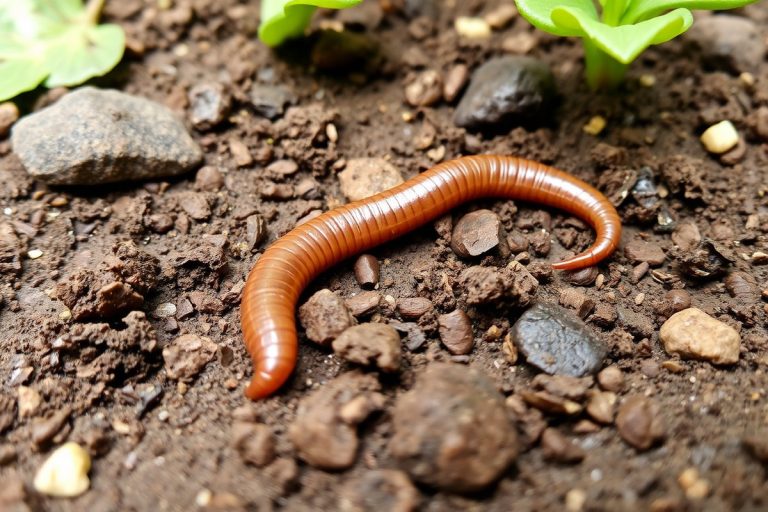
Yes, mulch provides shelter for helpful insects like ladybugs and earthworms. These bugs improve garden health by eating pests and aerating soil.
Can Mulch Hide Dangerous Pests Like Snakes or Spiders?
Mulch can offer hiding spots for snakes or spiders seeking shelter. Regularly turning your mulch reduces this risk by disturbing their cover.
Does Colored Mulch Affect Bug Attraction Differently Than Natural Mulch?
Colored mulch can still attract bugs since bugs care about moisture and organic material. Pigments usually don’t repel bugs or insects.
Can Mulch Attract Rodents, Such as Mice or Rats?
Yes, thick mulch near homes can attract rodents by providing cover and food sources. Keep mulch thin and away from foundations to reduce rodents.
Is It Harmful to Bugs If I Remove Mulch Completely from My Garden?
Removing mulch exposes soil, reducing bug habitats but also soil moisture retention. This can harm beneficial bugs and plants needing consistent moisture.
Final Thoughts
Mulch can attract bugs. But the right type and care reduce pests near your home.
Pick cedar or pine bark mulch, keep a shallow layer, and avoid wetness. Start by checking your mulch depth now and clear any piles touching your house.