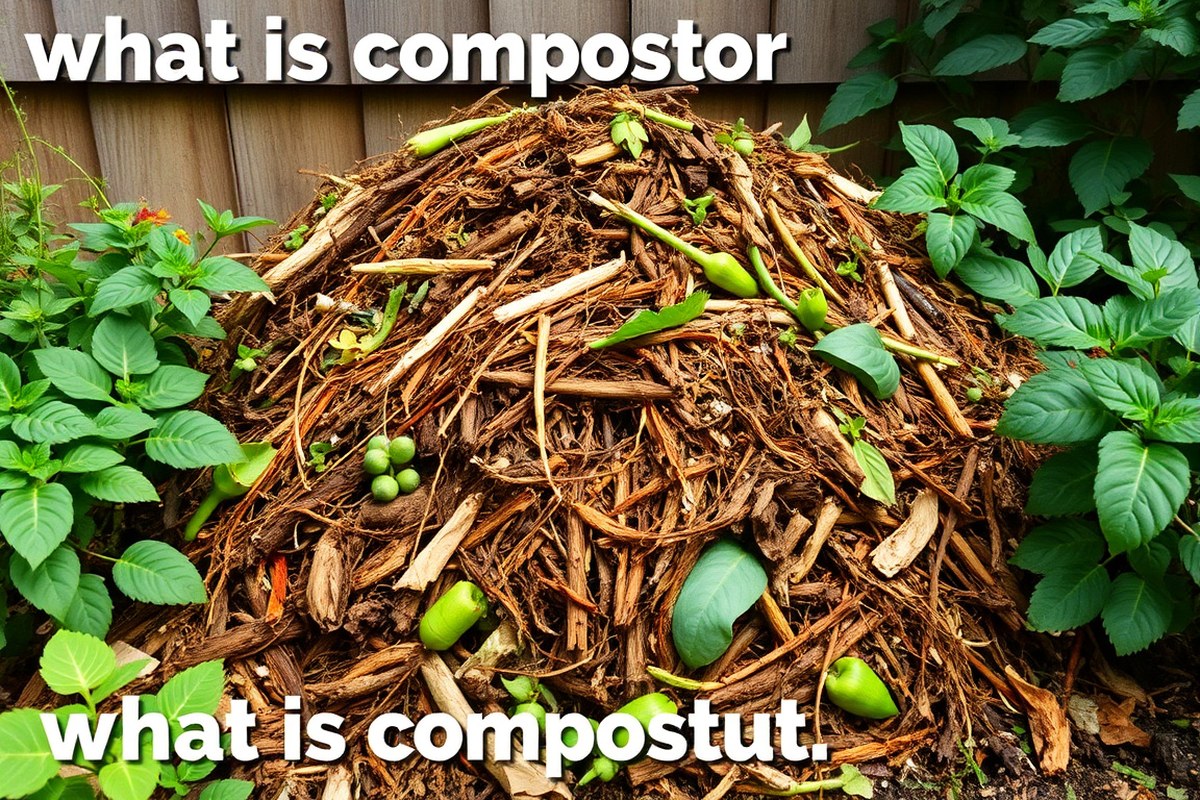
What Is Composting: A Complete Guide with Proven Methods and Tips
What is composting? It’s the process of turning kitchen scraps and yard waste into rich soil.
This natural breakdown happens when tiny organisms eat leftover plant materials. The result is nutrient-packed compost you can use to feed your garden and improve soil health.
Composting works best with the right mix of “greens” and “browns.” Greens are fresh materials like vegetable peels.
Browns include dry leaves or shredded paper. You want more browns than greens to keep the pile smelling good and breaking down properly.
Your compost pile should be about 3 feet wide and high. This size helps it retain heat, which speeds up decomposition. Turning the pile every few days adds air and keeps the process going strong.
Key Takeaways
- Use 2 to 3 parts brown material for every 1 part green. Measure by volume to keep the balance right. This mix gives the best results for composting.
- Keep your compost pile at least 3 feet wide and high to maintain heat.
- Turn your pile every 4 to 7 days to add oxygen and speed decay.
- Shred or soak bedding materials like newspaper to help them break down.
- Maintain moisture by checking your pile; it should feel like a wrung-out sponge.
- Place your compost in a spot with 6 to 8 feet of workspace around it.
What Is Composting and Why Does It Matter?
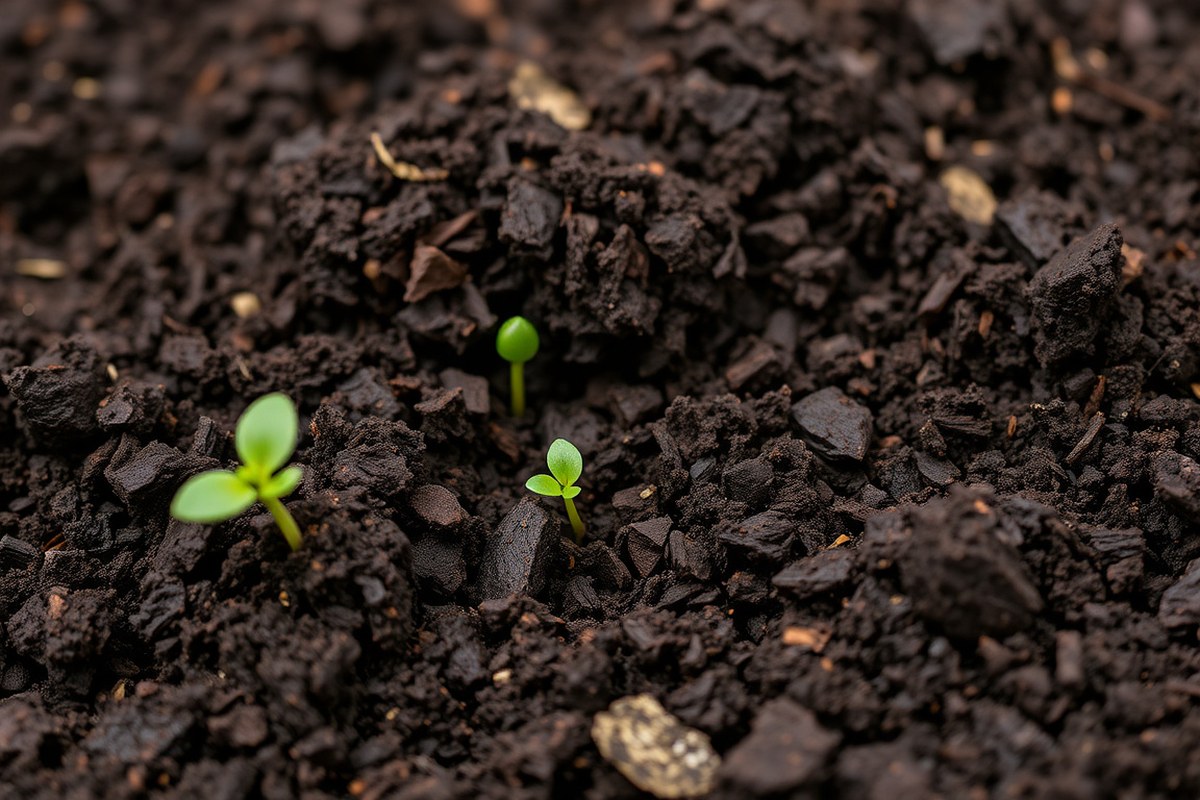
Composting is the process of turning organic waste into nutrient-rich soil. It involves breaking down items like vegetable scraps, leaves, and grass clippings. Microorganisms do the work by digesting this material until it becomes dark, crumbly compost.
You should compost because it keeps food scraps and yard waste out of landfills. Food waste makes up about 21 percent of trash. It causes a lot of methane, a greenhouse gas.
Methane is harmful to our environment. By composting, you reduce greenhouse gases and cut down landfill use.
Compost improves your garden soil by adding organic matter and nutrients. It helps soil hold moisture better and supports good microbes that keep plants healthy. Unlike synthetic fertilisers, compost contains no harmful chemicals and slowly feeds plants as it breaks down.
The process takes several months, depending on the method and materials. Hot composting speeds things up by keeping the pile warm around 130°F to 160°F. Cooler composting takes longer but still works well if you’re patient.
Composting costs little to nothing if you use a simple bin or pile. You can start with a plastic bin or even dig a hole to bury scraps. Keep a mix of green and brown materials.
Green means veggie scraps. Brown means dry leaves.
Good compost looks dark and crumbly, with an earthy smell. It should no longer have visible food chunks. Avoid soggy or slimy piles, which show poor airflow and slow decomposition.
By composting, you turn waste into something valuable for your garden and planet. It cuts waste, improves soil health, and captures carbon in the soil. That helps fight climate change while growing better plants right where you live.
How Composting Works: The Science Behind Decomposition
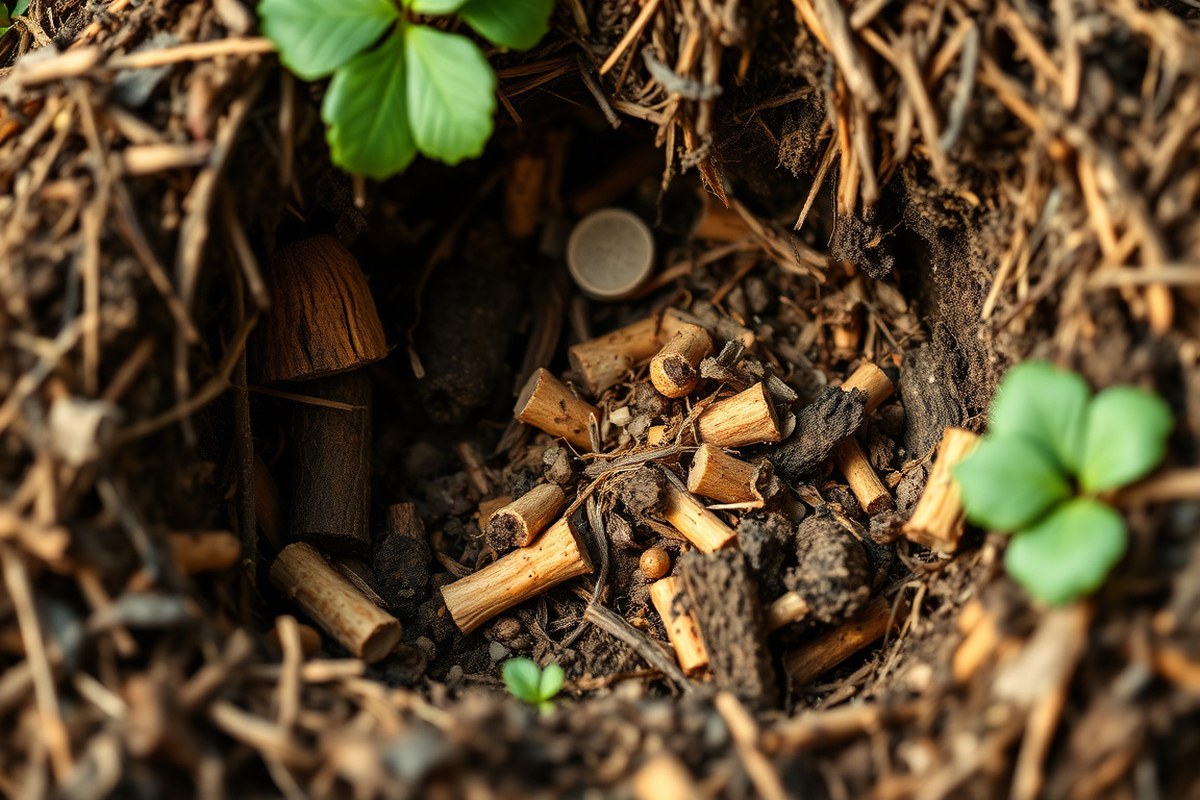
Composting works through the action of tiny living organisms called microorganisms. These include bacteria and fungi that feed on your yard and kitchen waste. They break down the organic matter into simpler substances, turning scraps into rich soil ingredients.
Oxygen is essential because these microorganisms need it to survive and work efficiently. Without enough air, the pile can become smelly and slow to break down.
Moisture also supports these organisms. But too much water can suffocate them and cause bad odors.
Temperature changes show how hard the microorganisms are working. A well-managed compost pile heats from 130 to 160 degrees Fahrenheit.
Microbes break down materials to generate this heat. This heat speeds decomposition and can kill some harmful seeds or bacteria.
You can speed up composting by turning your pile often. Turning mixes oxygen into the pile and balances moisture levels. How often you turn your pile depends on its size.
The mix of green and brown materials also matters. Green means high nitrogen, brown means high carbon.
Good compost has the right balance of carbon and nitrogen, moisture, and airflow. Your pile will slow down if it becomes dry or compacted.
Microorganisms need moisture and air to work well. You might notice a bad smell or wet slimy spots when the process struggles.
Keep your compost pile fluffy and moist, like a wrung-out sponge, to help microorganisms thrive.
Which Materials Can You Compost and Which to Avoid
Composting works best when you balance two groups of materials: greens and browns. Greens are rich in nitrogen.
Browns have plenty of carbon. Mixing them right helps microbes break down your compost faster and better.
Greens come from things like fruit scraps, veggie peels, coffee grounds, and fresh grass clippings. Browns are dry leaves, twigs, shredded paper, and plain cardboard with no wax or glue. Use about two or three parts browns to one part greens by volume to get the right balance for breakdown.
| Materials | Type |
|---|---|
| Fruit and vegetable scraps | Greens (Nitrogen-rich) |
| Grass clippings | Greens (Nitrogen-rich) |
| Coffee grounds and paper filters | Greens (Nitrogen-rich) |
| Dry leaves | Browns (Carbon-rich) |
| Plant stalks and twigs | Browns (Carbon-rich) |
| Shredded non-glossy paper | Browns (Carbon-rich) |
| Shredded cardboard without wax or glue | Browns (Carbon-rich) |
Not everything belongs in your compost pile. Avoid meat, fish, bones, cheese, milk, fats, oils, and grease. These create bad smells and attract pests like rodents.
Cooked food is okay in small amounts but watch for pests. Compostable foodware and bags often need industrial composting, so skip those at home.
Also, keep out herbicide-treated plants, aggressive weeds, diseased plants, treated wood, pet waste, and glossy paper. These materials can harm your compost or garden. Stickers on produce don’t break down well either, so remove them before composting.
Using the right materials means your compost heats up, breaks down quickly, and stays healthy. Too many browns slow things down. Too many greens make it slimy or smelly.
Keeping the right mix makes your garden soil rich. It helps soil get ready to grow plants you enjoy. The proper compost mix improves soil health and plant growth.
Choosing the Right Composting Method for Your Needs
You can compost in different ways depending on your space and needs. Backyard piles work well if you have space and want a simple setup. They might take longer, often several months, and need occasional turning and moisture checks.
Composting bins keep materials more contained. They help trap heat and keep the pile moist. Tumblers are a type of bin you turn easily with a handle, speeding up decomposition.
A tumbler can finish compost in a few weeks. You must balance green and brown materials well. This helps speed up the process.
Vermicomposting uses worms to break down scraps quickly. You keep a worm bin indoors or on a porch. It is great if you lack yard space.
Worm bins fit well in small areas. Worm composting is fast and low odor.
But you’ll need to feed the worms regularly. Worm bins are compact and often fit under a sink.
Indoor composting also includes bokashi systems, which ferment scraps rather than decompose them immediately. These work in small kitchens but usually require another step outside to finish the compost.
Many apartment-friendly bins are designed to sit on counters or balconies. This method suits people who want to compost year-round and indoors.
The right method depends on your goals and space. Space isn’t a problem. A backyard pile or basic bin takes low effort.
This setup is easy to manage. Tumblers cut down wait times but cost $50 to $150.
Vermicomposting saves outdoor space but needs more daily care. Indoor options suit small spaces but might need extra finishing outside.
| Method | Speed | Space Required | Effort Level | Ideal User |
|---|---|---|---|---|
| Backyard Pile | Slow (months) | Large | Moderate (turning, watering) | Gardeners with outdoor space |
| Compost Bin | Moderate | Medium | Low to moderate | Homeowners wanting tidy option |
| Tumbler | Fast (weeks) | Small to medium | Low (easy turning) | Busy gardeners seeking speed |
| Vermicomposting | Fast | Very small (indoor) | Higher (worm care) | Apartment dwellers, indoor users |
| Indoor (Bokashi, bins) | Varies | Small | Moderate | People without outdoor space |
Many backyard piles fail from being too dry. Keep your pile moist like a wrung-out sponge for better results. Hot composting requires enough material to maintain heat above 130°F. Scraps coming in slowly?
Cold composting works fine. It just takes more time.
Try starting with a simple bin or pile to learn what works. Watch how much space you have and how fast you want compost. You can always add a worm bin or tumbler later if that suits your routine better.
Starting Your Compost Pile: Practical Setup Steps and Tips
Starting your compost pile means setting up a space where organic waste can break down efficiently. You need the right size and good layering with carbon and nitrogen. There must be enough moisture and air for the pile to work.
These elements help the compost break down properly. Following a few simple steps can help you build a balanced compost pile that works well.
Selecting a Compost Site and Container
Pick a spot that’s dry, shady, and has good drainage. Avoid soggy, low areas where water pools. This keeps the pile aerated and prevents bad smells.
Choose a container or bin that fits your yard size and composting goals. You can use a simple fenced area, a ready-made bin, or a tumbling barrel. A bin about 3 feet wide and tall works well.
It helps hold heat and speeds up decomposition. This size is easy to manage for most gardeners.
Gathering and Layering Materials Correctly
Balance is key. Use two to three parts carbon-rich “brown” material like dry leaves or shredded paper.
Mix in one part nitrogen-rich “green” material like fruit scraps or fresh grass clippings. Avoid animal products to stop pests.
Start with a 4- to 8-inch layer of bulky brown material, such as twigs or straw. This helps with airflow from the bottom. Then add thinner layers of green and brown materials, alternating as you build the pile.
Maintaining Moisture and Turning Schedule
Keep the pile moist, like a wrung-out sponge. Check moisture by squeezing a handful; if water drips, it’s too wet. Lightly spray your compost with water when it’s dry.
Avoid soaking the pile too much. Water helps keep the decomposition process active.
Turn the pile every one to two weeks to add air. This mixes the materials and prevents odors. Use a garden fork or compost aerator tool to loosen and fluff the pile.
Monitoring Pile Temperature
Heat is a sign of active composting. The pile should reach 130° to 160° F to break down materials quickly. A compost thermometer helps track progress.
Add more green waste or water if your pile isn’t heating. Turn the pile more often to mix the materials.
These steps encourage faster composting. Hot piles shrink by 50 to 75 percent as they break down.
- Choose a dry, shady spot with good drainage for your compost area.
- Set up a compost bin roughly 3 feet by 3 feet in size.
- Create a base layer of bulky brown materials 4 to 8 inches thick.
- Add alternating layers of greens and browns maintaining a 2-3:1 ratio.
- Check moisture regularly, adding water or dry material as needed.
- Turn the pile every 1 to 2 weeks to keep it aerated.
- Monitor temperature to ensure active composting and adjust materials.
Turn your compost regularly to avoid bad smells and stop pests from nesting.
Signs Your Compost Is Working and Troubleshooting Problems
Knowing if your compost is working means looking for signs like warmth, moisture, and earthy smell. Bad odours, pests, or slow decay show problems that need fixing. Acting fast helps your compost break down efficiently and stay healthy.
Indicators of Healthy Compost
Your compost should feel warm inside, especially in the center. A well-maintained pile often heats up within a few days, showing active decomposition.
Moisture is key. The pile should feel like a wrung-out sponge, damp but not soggy.
An earthy smell means microbes are breaking down materials properly. You might also see the pile shrink over time as volume lowers. Turning the compost occasionally speeds up the process and stops clumps.
Fixing Odor Problems
A sharp, sour, or rotten smell signals too much moisture or not enough air. A pile that’s too wet becomes anaerobic, slowing decay and causing bad odours. Mixing in dry browns like shredded leaves or straw helps balance moisture.
Greasy or fatty scraps create strong odors and attract pests, so avoid adding them. To fix smells, turn the pile often to add oxygen.
Add water carefully when the pile feels too dry. Aim for damp sponge moisture.
Dealing with Pests
Proper compost shouldn’t attract pests or rodents if built right. Food scraps like meat, dairy, or oily leftovers pull unwanted animals and flies. Keep these out and bury fresh additions under browns to cut smells and pests.
Use a closed bin to keep pests away. You can also cover the pile with a lid. A tarp works too if needed.
Make sure to clean up spills around the compost to avoid attracting critters. Frequent turning also disrupts pests trying to settle in.
Accelerating Slow Compost
Slow compost often means the pile is too cold, dry, or contains tough materials. Hot composting is fastest.
So make sure your pile has the right mix of greens and browns. Check moisture regularly and turn the pile every few days.
Smaller chopped pieces break down quicker, so cut large scraps before adding them. Adding a shovel of garden soil helps introduce microbes to boost decomposition. A hot pile reaches 130 to 160°F, speeding up the process.
- Keep the pile moist but not wet, like a damp sponge
- Turn the compost regularly to add oxygen
- Balance greens (nitrogen) and browns (carbon)
- Avoid meat, dairy, fats, and oils
- Chop or shred materials for faster breakdown
- Use a closed bin to prevent pests
- Bury fresh scraps to reduce odors and pests
Using Finished Compost Effectively in Your Garden
Finished compost looks dark and crumbly, like rich garden soil. You can use it as a soil booster, mulch, or brew it into compost tea. Each use helps improve your plants in different ways.
Identifying Finished Compost
Finished compost usually smells earthy and fresh, not sour or rotten. It should feel crumbly and look dark brown, similar to soil. When ready, you won’t recognize most of the original materials in it.
Let it sit longer if it is still warm, wet, or has food pieces. Avoid using compost with bits of diseased plants. Those can carry pathogens and harm your garden.
Applying Compost to Soil and Plants
Adding compost to your soil improves its texture and holds moisture for plants. You can mix it with potting soil for containers or sprinkle it over garden beds.
Use compost as mulch by spreading a one- to three-inch layer over bare soil. Rake it evenly to protect the soil and feed plants slowly over time. For new plants, mix compost with soil.
Use about 30% compost to 70% soil. Work the mix into the top 5 to 7 inches.
Here’s how to apply finished compost:
- Check your compost for readiness; it should look and smell like soil.
- Clear the area of debris and weeds before spreading compost.
- Spread compost evenly in a layer 1 to 3 inches thick on your garden bed.
- Rake the layer gently to distribute it uniformly across the soil.
- For planting, mix compost into the existing soil, aiming for 30% compost.
- Water the area lightly to help the compost settle and start feeding roots.
- Repeat each growing season for steady soil improvement.
Brewing and Using Compost Tea
Compost tea is a nutrient-rich liquid made by steeping compost in water. It’s easy to make and can feed your plants quickly through leaves or roots.
Start with about one cup of finished compost in one gallon of water. Let it steep for 24 to 48 hours, stirring occasionally to aerate it. Then strain out solids before use.
Spray compost tea directly on plant leaves. Pour some into the soil at the plant base. Use it every couple of weeks during the growing season for best results.
Common Composting Mistakes and How to Avoid Them
Common mistakes slow down your compost or attract pests. One frequent error is not turning the pile often enough. Turning every one to two weeks helps oxygenate the compost and speeds up decomposition.
Another problem is a compost pile that’s too dry or too wet. Dry piles halt microbial activity, while wet piles can smell bad and become slimy. Aim for the feel of a damp sponge, moist but not soaked.
Many beginners add the wrong materials. Avoid dairy, meat, or oily foods since these attract rodents and cause odors. Don’t add weeds with seeds or diseased plants to your pile.
Only add them if your pile reaches hot composting temperatures above 130°F. This heat kills those risks. Hot piles kill risks but need at least a 3-foot cube of materials.
This size helps keep the heat going. Smaller piles won’t stay hot enough.
- Turn your compost every 1-2 weeks to add oxygen
- Keep moisture about as wet as a damp sponge
- Avoid adding meat, dairy, oily foods, and seeds
- Build piles at least 3 feet wide and tall for hot compost
- Use a rodent-proof bin if adding fruit and vegetable scraps
- Add earthworms after the pile cools for better breakdown
To fix a failed pile, first check moisture by squeezing a handful. It should drip only a few drops. Add water little by little to your pile if it is too dry.
Too much water can cause problems. Keep the pile moist, not soggy. Then turn the pile thoroughly.
Add fresh green yard waste or kitchen scraps if your pile isn’t heating. Mix the pile well after adding them. This helps heat build up fast.
Take care to avoid pathogens and pests. Wash hands after handling piles and wear gloves if you have cuts. Keep meat scraps out of your compost pile to avoid pests.
Use bins with lids and turn piles briskly. This keeps temperatures high enough to compost safely. Following local regulations for composting is wise, especially in cities.
Check your compost temperature: hot piles kill disease but smaller piles need extra care.
Step-by-Step Action Plan to Start Composting Today
Follow these simple steps to begin your compost pile and keep it healthy. Watch for signs like heat and shrinking volume to know it works.
- Before you start: Gather greens like kitchen scraps and browns like dry leaves. Having a good mix sets you up for success.
- Day 1: Set up your compost bin in a shady, well-drained spot. This keeps materials moist but not soggy.
- Day 2: Add your first layers, alternating greens and browns about two inches each. Check for a slight earthy smell.
- Week 1: Turn your pile gently with a garden fork every few days. This helps air reach the microbes.
- Week 2: Keep the pile damp, like a wrung-out sponge. Add water if it’s too dry.
- After 3 weeks: Check inside; the pile should feel warm and look crumbly. This means decomposition is working.
- After 2 months: Screen your compost for finished dark soil. Use it in your garden beds or pots to improve soil.
Frequently Asked Questions
What Does Composting Do for Your Garden Soil?
Composting adds nutrients and organic matter to your soil. It helps plants grow stronger and retain moisture better.
Is Compost Safe to Use Around Pets and Kids?
Yes, finished compost is safe around pets and kids. Avoid using compost with meat or dairy scraps that attract pests.
Can You Compost Citrus Fruits Like Lemons or Oranges?
You can compost citrus, but only in small amounts. Too much citrus can slow down the composting microbes.
How Often Should You Turn a Compost Pile?
Turn your compost pile every one to two weeks. This adds air and speeds up the breakdown process.
Can Composting Help Reduce Your Household Trash?
Composting can lower your trash by up to 30%. This cut reduces what goes to landfill yearly.
What Smells Should Your Compost Pile Have During Proper Decomposition?
Your compost should smell earthy, not rotten. Bad odors mean it’s too wet or lacks air.
Final Thoughts
Composting turns kitchen and garden waste into rich soil you can use. Start small and keep your pile balanced and moist. Try adding your finished compost to a flower bed this week.
Watch how your flowers grow better with it. Compost adds nutrients and improves soil health.