When to Cut Back Ornamental Grasses: A Complete Guide with Timelines and Tips
Figuring out when to cut back ornamental grasses can be tricky. The best time depends on the grass type and your local climate.
Generally, warm-season grasses get trimmed in late winter or early spring before new growth begins. This timing prevents cutting off fresh shoots that carry the new growth for the season.
Cool-season grasses usually wait until late autumn or early spring for cutting. These grasses stay green longer. So you want to let them grow through most of the colder months.
Cutting back at the right time helps keep grasses healthy and looking fresh. It also prevents damage and encourages strong new shoots.
Start by identifying your grass type to know the perfect timing. Watch for dead or brown foliage to know when pruning is due.
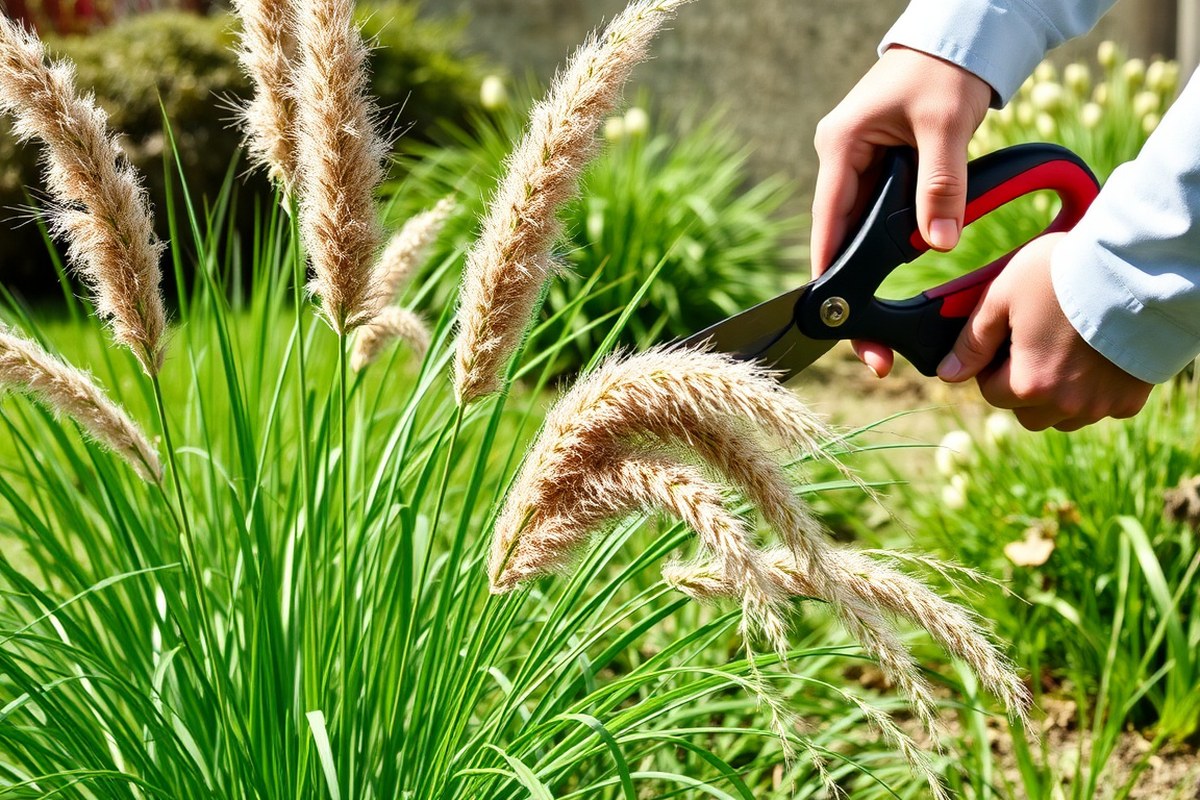
Using sharp tools makes the job easier and cleaner. Cutting with dull tools can tear the grass, increasing the risk of infection or pest problems.
Key Takeaways
- Cut warm-season grasses to about 6 inches above ground in late winter.
- Trim cool-season grasses back to 2 inches in late autumn to prepare for winter.
- Use sharp hedge shears or pruning saws suited for grass height and thickness.
- Keep an eye on foliage color. Brown or dry leaves often mean it’s time to cut back.
- Prune grasses evenly for a neat look and balanced regrowth.
- Cut fountain grass to 3-4 inches above the soil for optimal regrowth.
When Is the Best Time to Cut Back Ornamental Grasses?
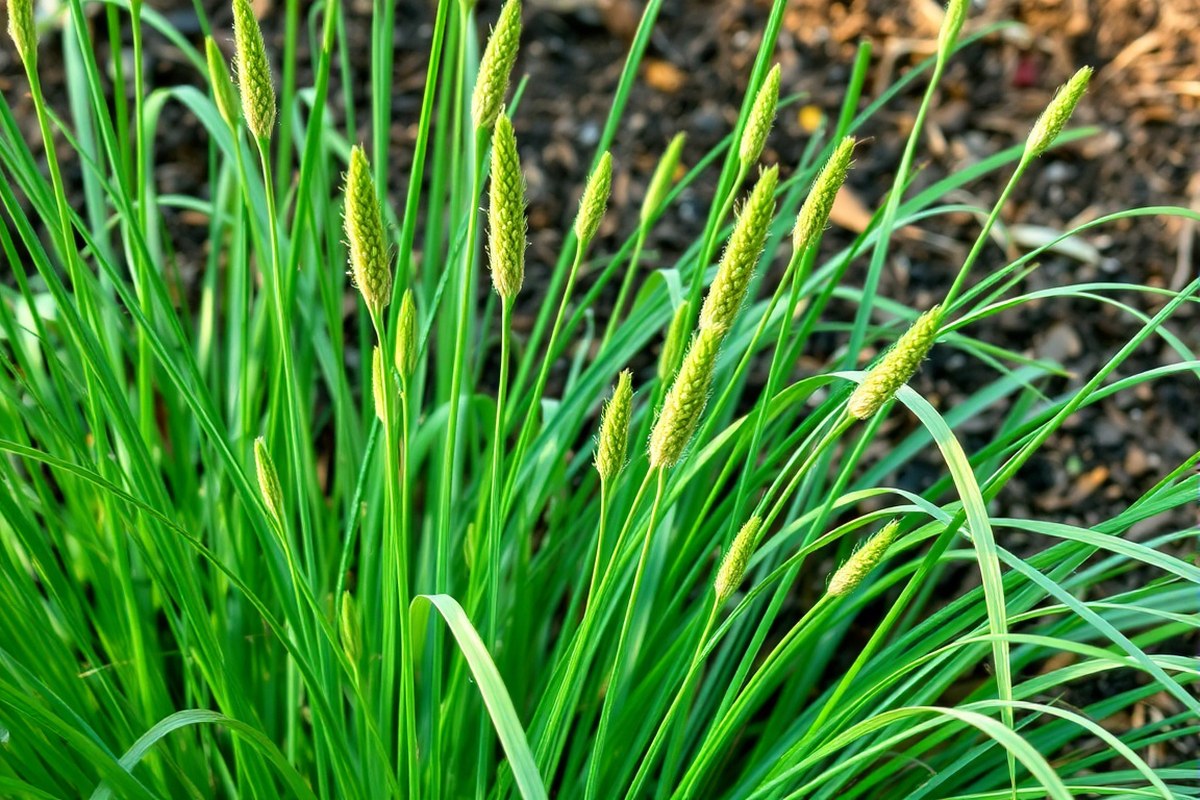
You should cut back ornamental grasses depending on their type. Warm-season grasses sleep in fall and need trimming from late fall to mid-spring. This usually means pruning between November and April to stay healthy and avoid hurting new growth.
Cool-season grasses prefer a late winter to early spring trim, often around February or March. Remove about two-thirds of their height to allow new shoots to grow without damaging the plant. Cutting too early or removing too much can stress these grasses.
Evergreen grasses usually don’t need a hard cut. Trim them lightly from late winter to early spring and comb out dead leaves. Cutting too harshly can reduce their year-round greenery.
Climate matters a lot for timing. In warm places or areas with wildfire risk, cut grasses sooner. Start trimming as soon as they go dormant in fall.
This helps reduce fire risks around your yard. This lowers fire risk by removing dry, dead material. In colder climates, waiting until late winter is better to protect against freeze damage.
Many gardeners cut grasses in spring because the plants look better through winter. Keeping grasses standing adds texture and winter interest. Fall cutting can leave a tidier look but at the cost of that winter structure.
For timing your cut, aim for a dry morning on a calm day. This reduces stress on the plant and helps cleanup. Use sharp, clean tools to make smooth cuts at the recommended heights.
For warm-season grasses, cut down to 2 to 4 inches above the soil. For cool-season, trim off the top two-thirds, leaving some growth to protect new shoots.
How to Identify Warm-Season, Cool-Season, and Evergreen Grasses
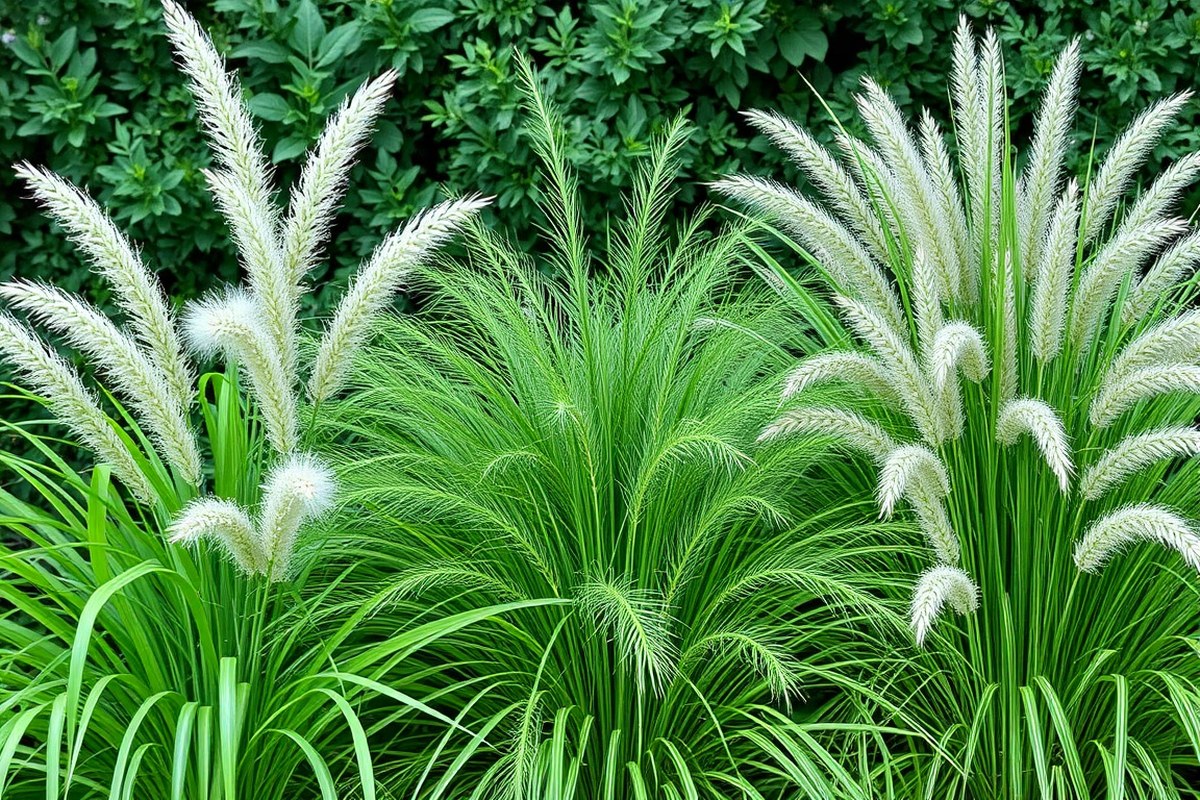
You can tell ornamental grasses apart by their growth habits, seasonal patterns, and how they look. This helps you know if they are warm-season, cool-season, or evergreen types. Knowing the type will guide when and how to cut them back.
Key Features of Warm-Season Grasses
Warm-season grasses grow most actively in hot weather when temperatures hit 80 to 95°F. They often go dormant in winter, turning brown. You’ll spot new growth beginning near the time Forsythia bushes bloom in early spring.
These grasses can be short, about 3 feet tall or less. Some grasses grow tall, reaching over 3 feet high. They vary in height depending on the type.
Tall types like maiden grass must be cut higher off the ground than short types. They respond best when trimmed just before fresh shoots appear but after deep freezes have ended.
Cutting warm-season grasses to the right height keeps their crowns safe and encourages new leaves. Usually, cut them down to 3 to 6 inches depending on their height.
Characteristics of Cool-Season Grasses
Cool-season grasses thrive when temperatures are between 60 and 70°F. They stay green in fall and spring but slow down in hot summer. You’ll notice these grasses keep some live blades in winter, though they might thin out.
These grasses grow steadily in cooler months and need pruning to about two-thirds of their height. That means leaving roughly one-third of the plant intact to protect new growth. Examples include feather reed grass and blue fescue.
Trimming too low on cool-season grasses can hurt the plant’s health and slow recovery in spring. Leave enough foliage to feed the roots through winter.
Traits of Evergreen Ornamental Grasses
Evergreen grasses keep their green leaves all year, even during winter. They need less cutting back than warm- or cool-season types. Usually, a light pruning in late winter or early spring will do.
You do not have to cut evergreen grasses down to the ground every year. Instead, remove dead or damaged blades to keep them tidy. This grooming helps maintain their shape and healthy appearance.
Evergreens work well for year-round color and texture in your garden. Just avoid heavy cutting unless the grass looks overgrown or unhealthy.
Here’s a simple table to help you decide grass length. It shows how short to cut your grasses. The guide is based on grass type and height.
| Type of Grass | How Short to Cut | Example Grasses |
|---|---|---|
| Cool-season | Cut back by two-thirds; leave one-third | Feather reed grass, blue oat grass, blue fescue |
| Warm-season (3 feet or under) | Cut to 3 inches above ground | Little bluestem, pink muhly grass |
| Warm-season (over 3 feet tall) | Cut to 6 inches above ground | Big bluestem, maiden grass, switchgrass |
This table makes cutting easier by matching your grass to the proper height. Cutting at the listed height protects the crown and supports fresh growth. Cutting too close can damage the plant and delay spring recovery.
Wait to cut warm-season grasses until Forsythia bushes bloom to avoid killing crowns.
Choosing the Right Tools and Safety Tips for Cutting Grasses
Choose the right tools for cutting ornamental grasses by their height and type. Sharp tools help you cut cleanly and prevent damage to the grass. Follow safety steps like bundling the grass and wearing protective gloves to avoid cuts and irritation.
Recommended Tools by Grass Height
For short grasses, pruning shears or garden scissors work best. They let you cut close to the ground without much effort. Most cool-season grasses fit this category.
Fountain grass does too. They are ideal to cut back to 4 to 6 inches.
Taller grasses or large clumps need stronger tools. Use loppers or a pruning saw for thick stems or tall grasses. This helps you slice through evenly without pulling or tearing the grass.
For tall or dense grasses, wrap the clump tightly. Use wide sticky tape or twine to hold it.
Then cut the bundle a few inches above the ground. This keeps the grass neater and avoids scatter.
Safety Gear and Precautions
Wear thick gardening gloves to protect your hands. This helps prevent cuts and scratches from sharp grass blades.
Long sleeves also stop irritation from rough foliage. Wear sturdy shoes to avoid slipping or stepping on hidden debris near the clump.
Cut back grasses on a dry day to avoid slips and easier collection of debris. Tie the grass into bundles before cutting to reduce mess and control the clump. Keep your tools sharp and clean to make cutting smoother and safer.
- Wear thick gloves for hand protection
- Use long sleeves to prevent skin irritation
- Pick dry days for safe, cleaner cutting
- Tie grasses with tape or twine before cutting
- Keep tools sharp to reduce effort and injury risk
- Wear sturdy, closed-toe shoes to protect your feet
Avoid rushing, especially when using sharp tools. Carefully cutting helps you keep control and reduces accidents.
Maintaining and Sharpening Cutting Tools
Regularly sharpen pruning shears and saws to keep them working well. Dull blades tear rather than cut, damaging grasses and causing strain. Use a sharpening stone or file and check blades before each use.
Clean tools after every use with water and a cloth to remove sap or dirt. This prevents rust and keeps blades sharp longer.
Store tools in a dry place to keep them sharp. Hanging on hooks or in a toolbox works best.
Replace worn parts like springs on shears or blades on saws. This keeps your tools safe and working well. Well-maintained tools make cutting ornamental grasses easier and promote better plant health.
How Low Should You Cut Back Different Ornamental Grasses?
You usually shouldn’t cut ornamental grasses to the ground too soon. Wait until late winter or early spring. This helps protect the plant.
Waiting lets the grasses protect themselves during winter and preserves their structure. New shoots start to grow around late February or early March.
That is the best time for a low cut. Cutting earlier may harm growth.
Tall ornamental grasses over 3 feet need trimming to about 6 inches tall. This height helps the plant regrow well. Avoid cutting too short.
This height avoids damaging the base and roots. Shorter grasses can be cut closer to the ground, around 3 to 4 inches, without stress.
| Grass Type/Size | Cutting Height | When to Cut Back | Effect on Flowering |
|---|---|---|---|
| Tall grasses (over 3 feet) | 6 inches above ground | Late winter to early spring | No negative effect if done at right time |
| Shorter grasses (under 3 feet) | 3 to 4 inches above ground | Late winter to early spring | Flowering remains normal |
| Warm-season grasses | Never cut to ground in autumn or early winter | After cold season, preferably late Feb-March | Cutting does not affect flowering |
Cutting too low too soon can harm the new growth you want healthy. Using sharp tools helps you avoid jagged cuts and lowers plant stress. Ornamental grasses have rough, silica-filled leaves that dull less durable shears fast.
Leaves left at a few inches high protect crowns from frost and dry out old growth. This shelter encourages fresh shoots in spring. Cutting too early or too low can harm blooming and seed spreading.
Let the plant keep some height for best growth control. This balances health and appearance.
Step-by-Step Guide to Cutting Back Ornamental Grasses
Cutting back ornamental grasses needs a careful approach, especially with large or old clumps. Bundling the grass before cutting keeps the area tidy and reduces flying debris. Removing dead leaves near the crown requires gentle handling to avoid damaging new shoots.
Preparing the Grass and Tools
Start by checking the grass for any loose or dead leaves that need pruning. Use sharp pruning shears or a hedge trimmer, depending on the size of the grass clump. Wear gloves to protect your hands from sharp blades and rough leaves.
Clear the area around the grass so you can move easily and avoid tripping. Choose a dry day to work.
Wet grass can be slippery and harder to manage. Gathering all your tools before you start saves time during the cutting process.
Bundling and Cutting Techniques
Before cutting, tie the grass clump gently with twine or garden string. This helps keep the stems together and prevents cut pieces from scattering. For large clumps, divide the grass into smaller sections and bundle each one separately.
- Gather the grass stalks together in a loose bundle.
- Wrap garden twine around the bundle two or three times.
- Secure the twine with a simple knot, allowing some slack.
- Cut the bundled grass down to about 2 to 3 inches above the ground.
- Repeat for each section if working on a large clump.
Cutting without bundling causes grass blades to scatter and makes cleanup harder.
Spot dead leaves stuck to the crown? Trim them carefully with small scissors.
Avoid cutting living green shoots to protect the plant’s growth. Removing only dead material keeps the grass healthy and promotes fresh shoots.
Post-Cut Cleanup and Disposal
After cutting, collect all grass clippings from the ground inside the bundles. Remove loose leaves and any remaining debris from the crown to prevent diseases. Dispose of or compost the old foliage according to local gardening guidelines.
Using a tarp below the grass helps carry all the bundles away with less mess. Clean your tools thoroughly after use to keep them sharp and rust-free. This cleanup routine reduces pest problems and prepares the area for new spring growth.
Mulching and Winter Protection Tips
Apply a thin layer of mulch around the base after cutting back the grass. Mulch keeps soil moist and protects roots from winter cold. Use straw, shredded leaves, or bark mulch, spreading about 2 inches thick.
For warm-season grasses in mild climates, trim some foliage in autumn. This helps keep their shape neat and tidy.
Leaving a small layer of dried blades through winter can protect crowns from frost damage. Remove this protective layer in early spring to reveal fresh grass blades.
When and How to Divide Overgrown Ornamental Grass Clumps
Divide ornamental grass clumps every three to four years to keep them healthy. The best time is early spring before new growth starts, when the ground is workable.
You can also divide in early fall if your climate allows. But spring is safer for most grasses.
Look for signs before dividing. The clump needs dividing when its center dies or turns brown. Clumps that grow too dense crowd other plants nearby.
This limits airflow and slows growth. Dividing helps improve air and allows grass to grow better.
To divide, dig about a foot around the base first. Use a spade or garden fork to lift the clump.
Break the clump into smaller pieces by hand or with a sharp knife. Each new section should have roots and shoots to grow well.
Plant the divided sections at the original depth. Firm the soil around each section. Water them well right after planting.
Leave about 2 to 3 feet between divisions to allow room for growth. Dividing takes about an hour for a medium-sized clump and costs just your tools.
Dividing prevents grasses from becoming overcrowded and weak. Avoid splitting too small sections, they may fail to grow. Watch for new growth and water the plants regularly to help them recover after dividing.
Common Mistakes When Cutting Back and How to Avoid Them
Cutting back ornamental grasses too early can stop the plant from gathering enough energy. Pruning before late winter can stop the grass from regrowing well. Cutting too low, especially on cool-season grasses, risks damaging crowns and rooting points.
One common mistake is cutting grasses in fall just because the foliage looks messy. This can leave the grass more vulnerable to winter damage.
Another error is removing more than two-thirds of the plant at once. For cool-season grasses, a severe trim weakens the plant and delays recovery.
- Delaying trimming until late winter or early spring helps grasses thrive.
- Not cutting back evergreen types since they keep foliage year-round
- Trimming only two-thirds of cool-season grasses’ height to avoid damage
- Ignoring tied-back foliage since it doesn’t affect health
- Avoiding fall shearing on grasses that store energy in old growth
Failing to cut back grasses at the right time can let dead material build up. This clogs garden beds and invites pests or diseases.
Also, old foliage can block sunlight and slow down new shoots. Clumps can get too dense, making it hard for air and water to reach inner roots.
To fix mistakes, wait until grasses start to show no green in late winter. Use sharp shears. Cut back tall grasses to about 4 to 6 inches above ground.
Don’t rush to tidy the bed in fall. Leave those dried blades to protect crowns.
For warm-season grasses, timing and cutting height may vary. So adjust based on your climate and species.
How to Adapt Cutting Back for Special Situations and Climates
Container-grown cool-season grasses need cutting back earlier than ground-planted ones. Do this in late winter to avoid stressing the plant. This timing helps the grass restart healthy growth before spring.
For grasses in wildfire-prone areas, dry standing grass is a fire risk. Cut back these grasses to ground level by late winter or early spring. Removing all dead material reduces fuel for wildfires and helps protect your home.
In cold climates, letting grasses stand through winter adds garden interest and habitat for wildlife. Cut back warm-season grasses in mid to late spring instead. This approach keeps the grass’s protective layer during freezing temperatures.
Mild climates allow you to trim grasses lightly in late fall to tidy them. Avoid heavy cuts before winter; otherwise, the grass may weaken. For evergreen grasses, just remove damaged leaves as needed year-round.
Don’t delay cutting back grasses in fire zones; dry leaves fuel flames fast.
Step-by-Step Action Plan for Cutting Back Ornamental Grasses
Follow these simple steps to cut back your ornamental grasses properly. This plan helps keep your garden healthy and neat all year.
- Late winter: Check if your grass is dormant by pressing the leaf blades. When grasses feel dry and brittle, they are ready to cut.
- Late winter to early spring: Wear gloves and eye protection. Use sharp shears or hedge trimmer to cut the grass. Cut 3 to 6 inches above the ground. This height keeps plants healthy.
- After cutting back: Remove all dead grass clippings. Look for fresh green shoots at the base to confirm healthy regrowth.
- Spring: Water the grasses if rainfall is less than 1 inch per week. Moist soil helps new shoots grow faster and stay strong.
- Late spring to summer: Watch the grass for signs of overcrowding. When clumps look dense or grow slowly, divide them next season.
- Fall: Leave evergreen grasses alone or trim only dead tips. Cutting back too late can hurt their winter protection.
- Every 2 to 3 years: Divide large or overgrown clumps before new growth begins. Check that divisions have roots and shoots before planting.
Frequently Asked Questions
Can You Cut Back Ornamental Grasses Before Winter?
You can cut them back before winter if you want a tidy garden. Some grasses don’t look good when dormant, so fall cutting helps. But late winter to early spring is usually better for growth.
Does Cutting Ornamental Grasses in the Morning Matter?
Morning is a good time to cut ornamental grasses because they are dry. Dry grasses are easier to cut and less likely to get damaged. You avoid disease spread when cutting dry plants.
How Do You Protect Ornamental Grasses When Cutting Them Back?
Use wide, sticky tape to bundle grasses before cutting for easier handling. It keeps the clumps neat and reduces damage during cutting. Clean tools also help keep grasses healthy.
Why Avoid Cutting Ornamental Grasses Too Low?
Cutting too low can harm the crown or roots of better grasses. Leave a few inches to protect the base and help regrowth. Different grass types need different cutting heights.
What Should I Do with the Cut Grass Clippings?
Remove clippings to prevent pest buildup and improve garden neatness. Or use them as mulch in other garden areas if dry and disease-free. Avoid piling clippings directly on grass bases.
Can Cutting Back Ornamental Grasses Encourage Pest Problems?
Cutting back doesn’t usually cause pests but fresh wounds may attract them. Use clean tools and avoid cutting during wet conditions to reduce risk. Healthy grass regrows stronger with proper care.
Before You Go
Cutting back ornamental grasses keeps them healthy and your garden looking good. Pick the right time and tools to avoid damage. Start by observing your grasses today to see if they need trimming.