How to Preserve Watermelon Seeds: A Complete Guide for Long-Term Viability
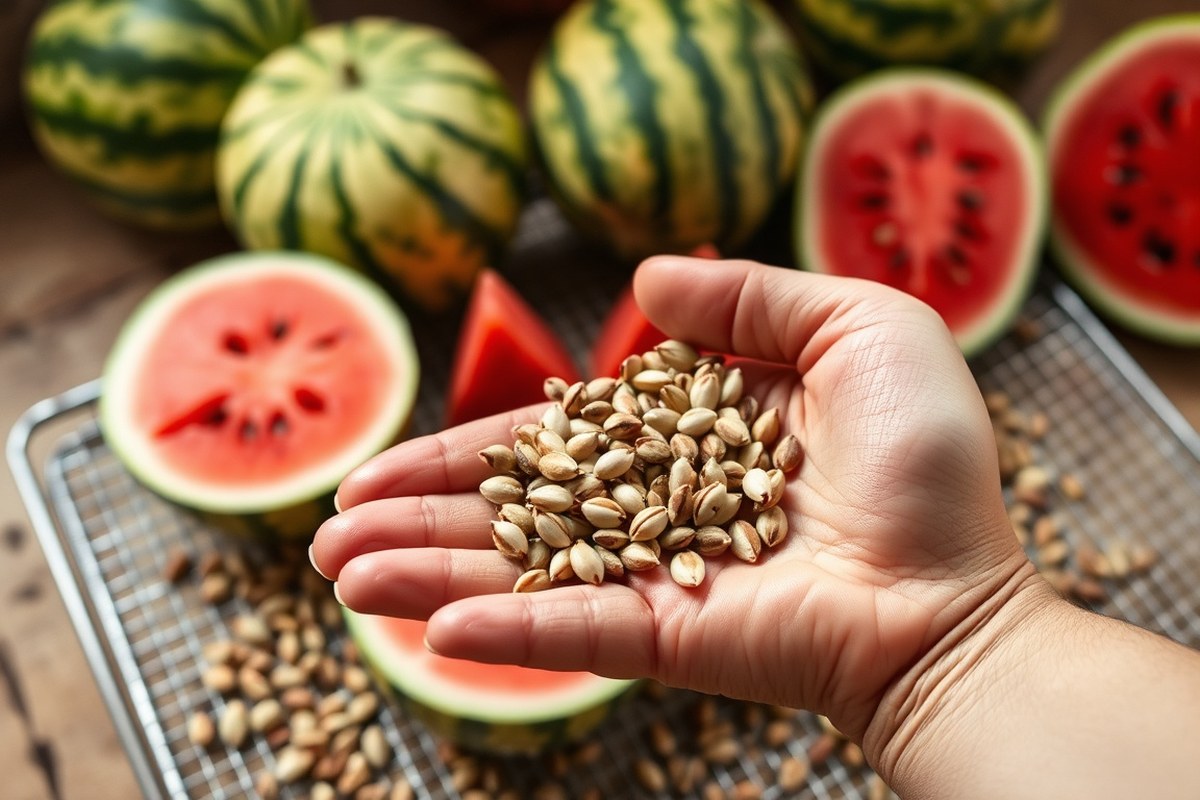
Knowing how to preserve watermelon seeds means you can save seeds for many years. The best way is to dry seeds completely, then store them cool and dry. This stops mold and keeps seeds ready to sprout when you plant them.
Start by choosing fully ripe watermelons and saving seeds from healthy fruit. Clean seeds well by soaking briefly in water, then in saltwater for about 15 minutes. This helps remove pulp and kills germs.
Dry seeds at room temperature for at least four days, spreading them thin. Make sure seeds feel fully dry before packing them in airtight containers. Keep the containers in a cool spot around 32°F to 50°F.
Key Takeaways
- Pick seeds from ripe, healthy watermelons for better germination.
- Soak seeds in fresh water two minutes, then saltwater 15 minutes.
- Dry seeds at about 70°F spread thin for at least four days.
- Ensure seeds are fully dry with ≤8% moisture before storage.
- Store seeds cool, between 32°F and 50°F in airtight containers.
- Use sealed paper bags in the fridge to block moisture.
How to Preserve Watermelon Seeds for Future Planting
Harvesting Seeds from Ripe Watermelons
Pick fully ripe watermelons to ensure seed viability. Ripe melons produce mature seeds that grow well next season.
Cut open your watermelon and scoop out the seeds with a spoon. Aim to collect 5 to 10 ripe melons for good seed variety.
Cleaning and Removing Pulp from Seeds
Fresh watermelon seeds have sticky pulp that must be removed. Cleaning seeds well stops mold and helps proper drying.
Rinse the seeds in a colander under running water. Rub gently to remove pulp, then soak in water for 30 minutes.
Swirl the seeds to loosen remaining bits, then drain thoroughly. This three-step cleaning removes debris and prepares seeds for drying.
Drying Seeds Thoroughly Before Storage
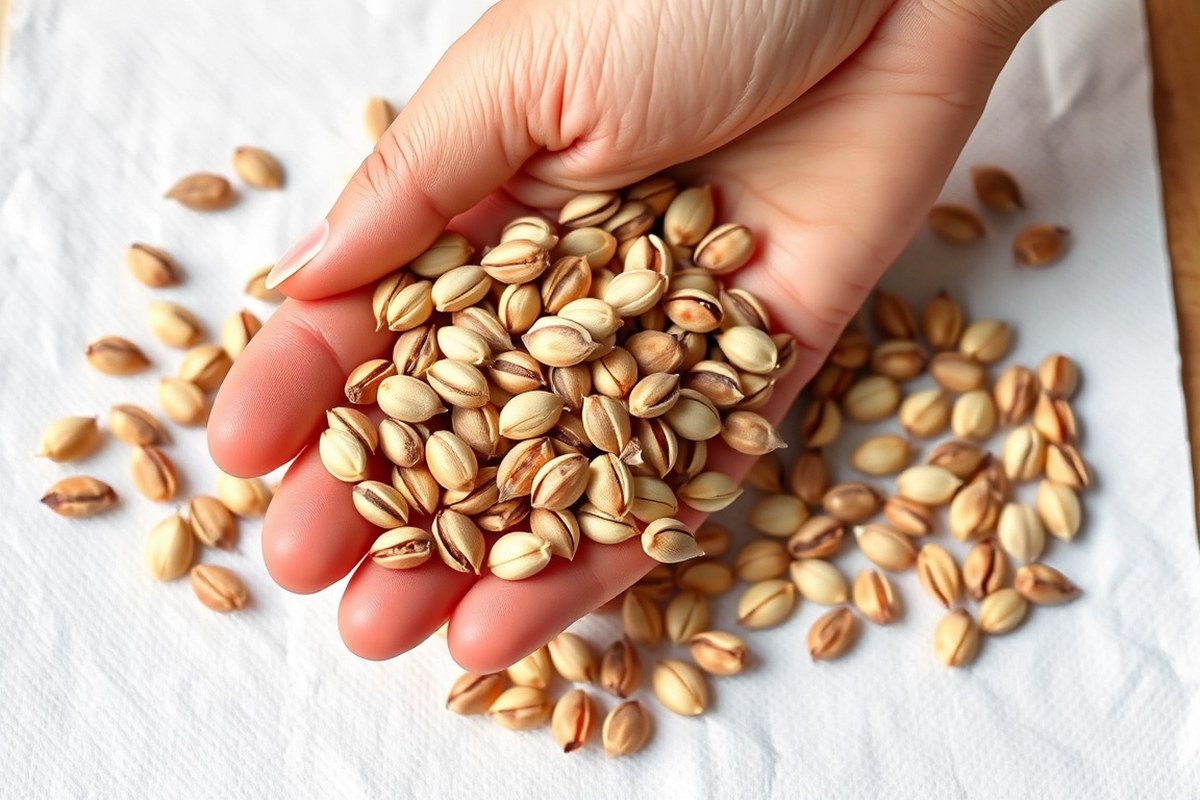
Dry seeds completely to stop mold growth during storage. Spread cleaned seeds on paper towels or screen trays in one layer.
Air dry for 2 to 4 days depending on humidity. Move seeds daily to prevent clumping and speed drying.
Seeds should feel dry and hard with no moist spots before storing. Avoid sun or heat that can damage seeds.
Storing Seeds in Ideal Conditions
Store seeds in airtight containers to protect from moisture. Glass jars or sealed plastic bags work well for this. Place containers in a cool spot between 32°F and 50°F. Refrigerators or cool basements keep seeds viable the longest.
Check seeds periodically for mold or shriveling. Use seeds within 3 to 5 years for best results.
- Cut open ripe watermelon and collect seeds with a spoon.
- Rinse seeds while rubbing to remove pulp under cool water.
- Soak seeds in water for 30 minutes to loosen debris.
- Drain and rinse seeds again to ensure cleanliness.
- Spread seeds in a single layer on paper towels to dry.
- Air dry seeds for 2 to 4 days, stirring daily.
- Transfer fully dry seeds to airtight container for storage.
- Keep container in a cool, dry place, ideally refrigerated.
Choosing the Best Watermelons and Seeds to Save
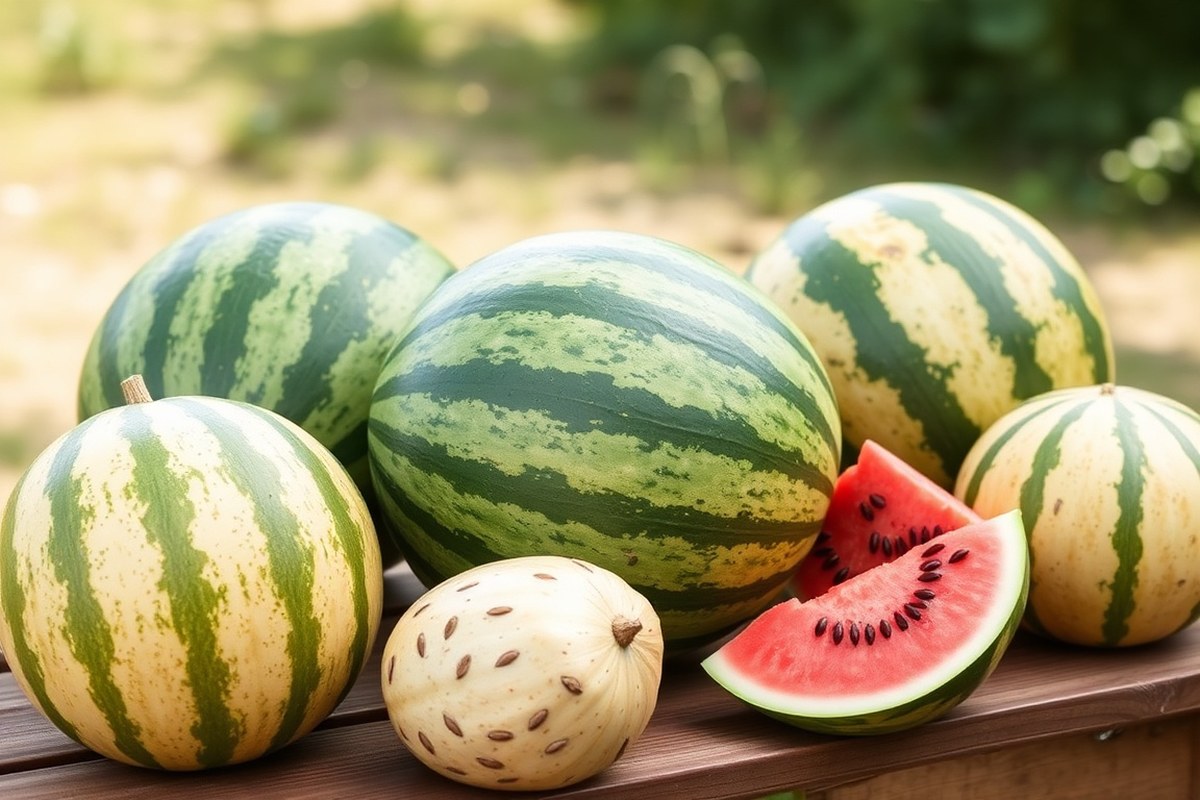
Pick fully ripe watermelons to save seeds with high germination. Pick fruits that feel firm and heavy for their size. Look for a creamy yellow patch where the fruit rested on the ground.
This tells you the fruit is ripe and ready. Avoid any with cracks, bruises or signs of disease because unhealthy fruit can reduce seed quality.
Heirloom watermelons are your best bet for saving seeds. Their seeds remain true to the parent plant, preserving the variety’s unique traits across years.
Hybrid watermelon seeds may not produce consistent fruit and usually lose vigor faster. So check with the breeder before saving seeds from those.
Gather seeds from at least 5 to 10 ripe watermelons to protect genetic diversity. Using seeds from multiple fruits helps your future watermelon plants resist diseases and adapt better. Saving seeds from only one fruit risks narrow traits and weaker plants.
Never save seeds from watermelons bought at grocery stores. Their seeds often come from hybrids or treated fruit that won’t breed true at home.
Cleaning Techniques to Prepare Watermelon Seeds
Cleaning watermelon seeds well removes fruit pulp that can cause mold or fermentation. You rinse the seeds gently, rub off pulp, and soak them briefly to prevent sticky residues. This cleaning sets your seeds up to dry fully and store safely.
Gently Extracting Seeds from the Fruit
Start by cutting the watermelon into halves or quarters. This allows easy access to the seeds found in the flesh. Scoop the seeds out using a spoon or your fingers gently.
Try to get some of the pulp around the seed. Handle them carefully to avoid damage.
Handling seeds gently prevents damage that could reduce their ability to sprout later. Avoid squeezing or crushing seeds when gathering them from the fruit. Placing the collected seeds into a bowl helps you sort and clean them efficiently.
Rinsing and Soaking Seeds to Remove Pulp
Washing seeds right after collecting removes the sticky fruit covering. Use cold running water and rub seeds between your fingers to loosen pulp. This rinse also removes sugars and bits of watermelon flesh that attract mold.
Soak the rinsed seeds in clean water for about an hour to loosen remaining pulp. Stir gently once or twice during soaking to help separate debris. Change the water if it gets very cloudy or sticky to keep seeds fresh.
- Fill a bowl with cold water and add your collected seeds.
- Swirl seeds gently for 1 minute, then rub each seed softly.
- Drain the water and repeat rinsing while rubbing seeds.
- Soak seeds in clean water for 60 minutes, stirring occasionally.
- Remove any floating pulp or damaged seeds that appear.
- Drain all water thoroughly before drying seeds.
Using Saltwater or Fermentation Methods Safely
Soaking seeds in a mild saltwater solution helps stop fermentation that harms seeds. Use about one teaspoon of salt per cup of water for the soak. Saltwater reduces microbial activity on seeds but still cleans off residues that weaken seeds.
Alternatively, controlled fermentation mimics how watermelon seeds mature inside the fruit naturally. Stirring seeds in water for 1-3 days helps break down gelatinous coatings. After fermentation, rinse the seeds thoroughly and dry them fast to avoid rot.
Keep seeds spread out and avoid stacking during drying. This prevents moisture pockets where mold grows. Seeds feeling sticky or damp after drying need more airflow.
Check the drying surface to make sure it does not hold water. Increase air circulation to help seeds dry better.
Drying Watermelon Seeds Correctly to Prevent Mold
Watermelon seeds dry best at about 70°F (21°C). This temperature helps lower seed moisture without harming viability. Avoid hotter spots because higher heat can make seeds lose their ability to sprout.
Air drying works well for watermelon seeds. Spread your cleaned seeds in one thin layer. Use a paper towel or mesh screen.
Place them somewhere dry with good air flow. Let the seeds dry for 3 to 5 days.
Turn them gently each day. This stops them from clumping or getting moldy.
When the air is humid, drying will take longer than usual. You can place a small fan nearby to increase airflow without heating the seeds. Avoid direct sunlight; too much light and heat can damage the seeds.
You’ll know the seeds are dry when they feel hard and brittle. They should snap instead of bend if you try to break them.
Seeds that feel soft or sticky need more drying time. This stops mold and spoiling during storage.
For a quick check, pick a few seeds and press between your fingers. Keep drying seeds if they still feel sticky or moist. Properly dried seeds reduce mold risk and keep well for years in airtight containers.
Without a fan in very humid places, drying may take up to a week. In drier climates, 3 days can be enough. Just watch the seeds closely and keep air moving so moisture doesn’t build up.
Once dry, seal the seeds in airtight containers to block humidity. Paper bags allow air but not moisture.
So use those if you plan to store seeds at room temperature. For longer-term storage, choose glass jars and keep them cool and dark.
Best Storage Conditions to Keep Seeds Viable Long-Term
Store watermelon seeds in a cool place, about 40°F (4°C) or lower. Temperatures that stay steady help seeds last longer.
Keep humidity low, under 60%, to avoid mold or rotting. Dry seeds and low moisture help preserve their ability to sprout later.
Use containers that block light and air to keep seeds healthy. Airtight jars, sealed plastic bags, or small paper envelopes inside a sealed box work well. Avoid containers opened often because repeated air exposure hurts seed life.
Label containers with the seed type. Use adhesive labels or write directly. Also, add the date you saved the seeds.
Watermelon seeds stored right can last 3 to 5 years with good germination. Some sources say seeds remain viable for up to 10 years at proper conditions. Testing seeds every year helps track their viability.
Seeds that smell musty or have white spots won’t grow well. Discard them to avoid problems.
| Situation | Preventive Action |
|---|---|
| Relative humidity above 60% after drying | Add silica gel desiccant or keep seeds in a sealed container |
| Temperature swings between warm kitchen and cool pantry | Store seeds in a stable place around 50-70°F (10-21°C) |
| Seeds exposed to light or sunlight | Use opaque containers or keep in dark drawers |
| Container opened frequently | Reseal quickly and use an additional airtight bag |
| Visible white spots or musty smell | Discard seeds; they are no longer good for planting |
Keep seeds dry by placing them in paper bags or envelopes before sealing in airtight containers. Use a refrigerator drawer or a cool basement, avoiding places with temperature swings. Check seeds yearly by sprouting a few in moist soil to see if they still grow.
Store seeds in a dark, cool spot and reseal containers promptly after opening to protect viability.
Germination Testing to Confirm Seed Viability
To check if your saved watermelon seeds will sprout, do a simple germination test. Put about 10 seeds on a damp paper towel. Place the towel inside a sealed plastic bag.
Keep the bag warm until the seeds sprout. After around 10 days, check the seeds for sprouting.
Count how many seeds have sprouted. This shows if they are ready to plant.
Setting Up the Germination Test Environment
Choose a warm spot where you can keep the seeds at about 80°F. Warmth helps seeds sprout faster and more evenly. Use a clean surface and fresh paper towels to avoid mold or contamination during the test.
Get 10 watermelon seeds and some paper towels. Have a shallow dish, a resealable plastic bag, and a spray bottle ready. Make sure the paper towels are damp but not soaked.
- Lay out a sheet of paper towel on a flat surface.
- Spray the towel lightly until it feels damp but not dripping.
- Place 10 seeds spaced apart on one half of the paper towel.
- Fold the towel over the seeds to cover them completely.
- Put the folded towel inside a resealable plastic bag and close it.
- Place the bag in a warm spot with a steady 80°F temperature.
Monitoring Seed Sprouting Daily
Check your seeds once a day to see if they’ve started to sprout. Keep the paper towel damp by misting it lightly with water if it feels dry. Look for mold or dark spots on the seeds.
Soft seeds also suggest they are unhealthy. Throw these seeds out.
Most seeds will start sprouting within 3 to 10 days. Some seeds might take longer.
But if none sprout by day 10, they probably won’t grow well. Note how many seeds have visible sprouts about a quarter-inch long.
Calculating Germination Rate and Next Steps
Count how many seeds have sprouted after 10 days and divide that number by 10. Multiply the result by 100 to get the germination percentage. For example, if 7 seeds sprouted, the germination rate is 70%.
A germination rate above 70% means your seeds are mostly good to plant. A rate below 50% suggests poor seed viability.
So you might want to save more seeds or buy fresh ones. Keep only seeds that feel firm and show no signs of mold for the best success.
Common Mistakes When Saving Watermelon Seeds and How to Fix Them
Spoiling seed viability often starts with skipping the cleaning step. Leaving watermelon pulp on seeds invites mold, which kills seeds fast. Rinse seeds well under water.
Dry them on a paper towel. Leave them for several days until fully dry. You want them dry and separate, not sticky or clumped.
Storing seeds in damp or warm places is another common mistake. Heat and moisture speed up decay and can cause seeds to sprout before planting time. Keep seeds in airtight containers like glass jars.
Add a moisture absorber like silica gel. This helps keep seeds dry. Keep them in a cool spot, around 40°F to 50°F, like a refrigerator drawer.
- Saving seeds from diseased or stressed watermelons reduces seed strength.
- Not hand-pollinating can cause cross-pollination and weak seedlings.
- Ignoring mold on seeds means throwing away future watermelon plants.
- Using damp containers raises the chance of seed rot.
- Premature germination happens if seeds stay too warm or wet.
Seeds that get damp or moldy must be thrown away. This prevents mold from spreading to other seeds. It’s better to save fewer, healthier seeds than lots of bad ones.
To keep seed quality high, pick seeds from ripe, healthy, and well-grown fruits only. Seeds from weak or young watermelons often don’t sprout well, causing frustrating results in your garden.
In short, thorough cleaning, careful drying, cool dry storage, and selecting good fruit make the difference. Taking these simple steps prevents common errors that silently ruin your watermelon seed stash.
How Environmental Factors Affect Watermelon Seed Storage
Humidity lets moisture stay on watermelon seeds. A little water makes mold grow fast. Keep seeds dry to stop that from happening.
Heat and light break down seed proteins. That cuts how well seeds sprout later. Keep seeds in dark places away from warm spots like kitchen counters.
| Condition | Ideal Range | Effect on Seeds | How to Control |
|---|---|---|---|
| Temperature | 32, 40°F (0, 4°C) | Lower temperature slows seed aging | Store seeds in fridge drawers or cold basement |
| Humidity | 20, 30% RH | Low humidity stops mold growth and decay | Use airtight containers with silica gel packs |
| Light | None or very low | Light exposure degrades seed nutrients | Store seeds in opaque containers at dark spots |
In dry climates, a basement or unheated room with a dehumidifier usually works well. You may add silica gel packets inside closed containers to catch extra moisture.
In humid areas, refrigeration keeps seeds cool and dry, preventing mold for months. Use airtight containers to avoid fridge moisture.
Freezing seeds at 0°F (, 18°C) stops seed aging even better. But seeds must be fully dried first to avoid ice damage. Slow temperature changes before returning fridge or room temperature help protect seeds from moisture shock.
Avoid drying seeds with heat from ovens or microwaves because it can damage them irreversibly.
Step-by-Step Action Plan for Saving Watermelon Seeds
Follow these clear steps to harvest and store watermelon seeds successfully. Each step tells you what to do and how to check your progress.
- At Harvest Time: Choose ripe watermelons with fully mature seeds inside. Cut open and scoop out seeds that are large, dark, and firm.
- Immediately After Harvest: Rinse seeds under cool water to remove fruit pulp. Rub gently until seeds feel clean and no sticky residue remains.
- Within 24 Hours: Spread seeds on a paper towel or screen in a single layer. Let them air dry in a warm, shaded spot to avoid mold growth.
- After 7 Days of Drying: Check the seeds by bending them gently. Seeds that snap show they are fully dry. Continue drying the seeds for a few more days if flexible.
- After Drying: Store seeds in a paper envelope or a breathable container with a desiccant packet. Keep them in a cool, dark place, ideally below 50°F (10°C).
- Before Planting Season: Test a few seeds by sprouting them on a damp paper towel. Germination of at least 70% means your seeds are viable.
- Low Germination? Improve your drying method or storage to help. Avoid heat, moisture, and airtight plastics without desiccants.
Frequently Asked Questions
Can You Eat Watermelon Seeds After Saving Them?
Yes, cleaned and dried watermelon seeds can be eaten as a snack. Roasting them adds flavor and crunch.
How Long Should You Soak Watermelon Seeds Before Planting?
Soak seeds for 4 to 6 hours to soften the seed coat. This helps speed up germination.
Is It Necessary to Label Watermelon Seed Packets?
Yes, labeling helps track the watermelon variety and harvest date. This avoids confusion later.
Can Watermelon Seeds Be Saved from Hybrid Watermelons?
Saving seeds from hybrids usually produces unpredictable fruit next year. Seed-saved heirlooms are more reliable.
Should Watermelon Seeds Be Stored in the Refrigerator or Freezer?
Refrigerator storage at 32°F to 50°F is best; freezing can damage seeds. Keep them dry before storing.
How Can You Tell If Watermelon Seeds Are No Longer Viable?
Seeds won’t sprout after proper planting and care. Damaged or moldy seeds often fail to germinate.
Before You Go
Saving watermelon seeds takes care and patience, but you can do it well. Start by picking the best seeds and drying them thoroughly. Test a small batch before planting to make sure your efforts paid off.