When Do Tulips Flower: A Complete Guide to Timing and Care for Best Blooms
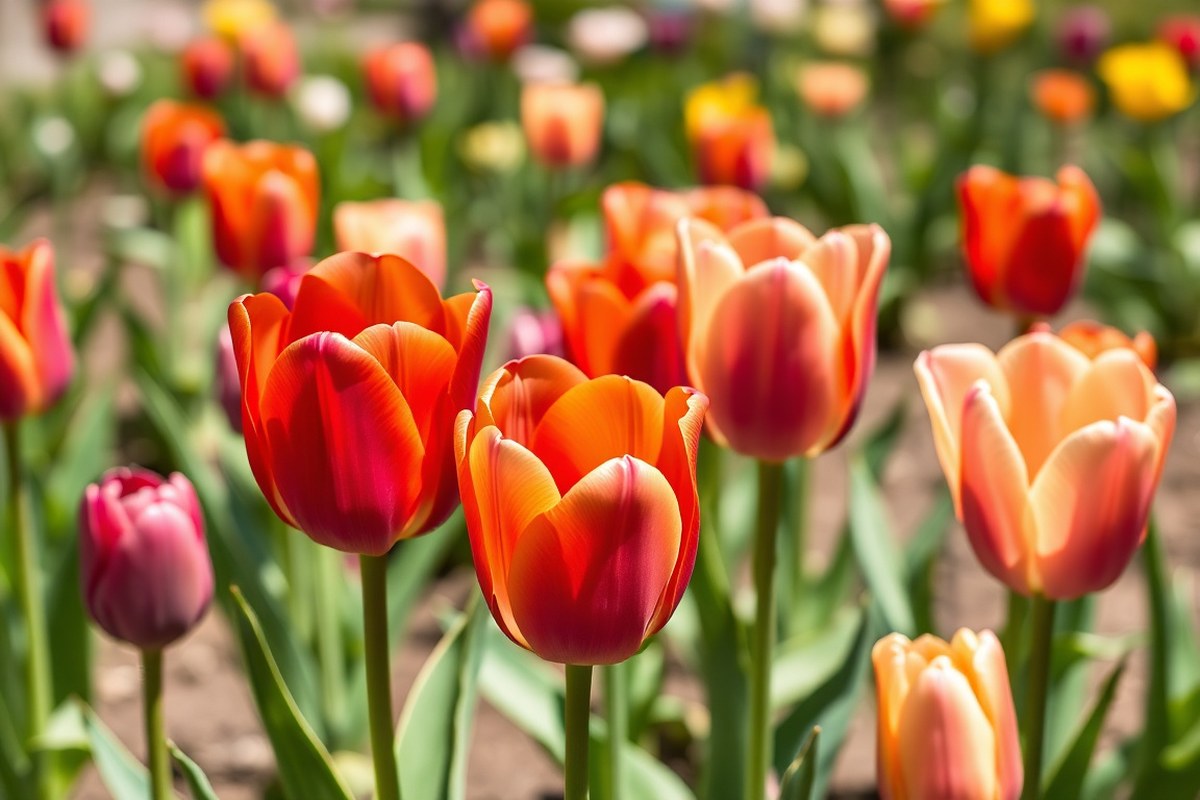
When do tulips flower is a question many gardeners ask every spring. Tulips typically start blooming once the soil warms to about 55°F. This happens in early to mid-spring, depending on your local climate and weather patterns.
Tulips bloom best in daytime temperatures from 45°F to 55°F. Hotter days above 70°F cause flowers to wilt quicker. Plant bulbs in soil cooler than 55°F to keep sprouting on schedule.
Your choice of tulip variety also changes when blooms appear. Some early-flowering types bloom in late March. Others wait until late April or May.
Planting depth and spacing matter too. Bulbs planted 6 to 8 inches deep and spaced 4 to 6 inches apart produce the healthiest flowers on schedule.
Soil moisture also affects bloom timing. Tulips need well-drained soil that stays evenly moist but not soggy. Overwatering or drought stress can delay flowering or reduce bloom quality.
Key Takeaways
- Plant tulip bulbs when soil temperature stays below 55°F for best timing.
- Tulips bloom in early to mid-spring, depending on your local climate.
- Keep daytime temperatures between 45°F and 55°F for longer-lasting flowers.
- A sudden heat wave above 70°F shortens tulip bloom duration quickly.
- Plant bulbs 6 to 8 inches deep to stabilize roots and control bloom time.
- Choose tulip varieties based on their typical bloom period for your garden.
When Do Tulips Typically Bloom in Spring?
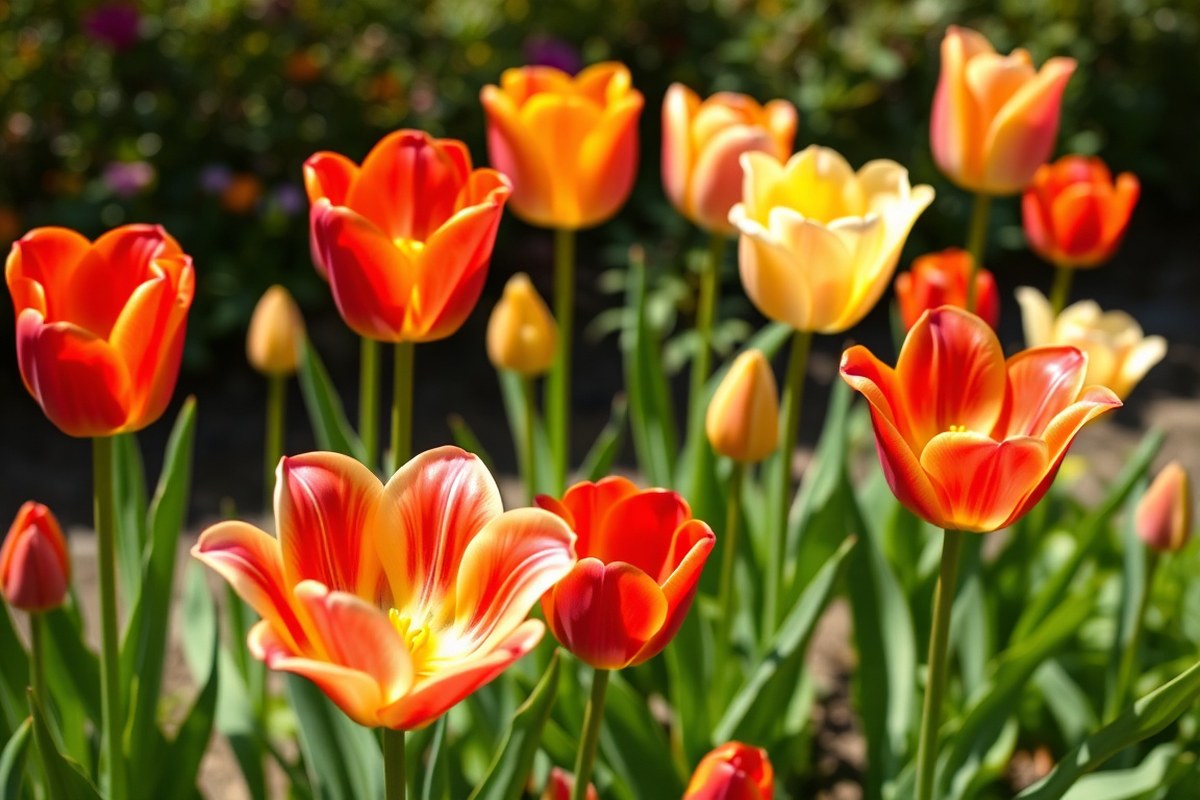
Tulips typically flower throughout spring, from March to May in many climates. Early-blooming types open in March or early April.
Mid-season varieties follow from mid-April to early May. Late bloomers finish out the season, blooming from late April into May.
Choosing different tulips lets you enjoy bright colors across the whole spring. Miniature and Kaufmanniana tulips belong to the earliest group, showing their blooms first.
Mid-season choices like Darwin hybrids and Triumph tulips bloom solidly in April. Toward late spring, lily-flowered and Parrot tulips add finishing touches with blooms lasting into May.
The whole tulip blooming season lasts about two to three months. But each flower only stays open for one to three weeks. That bloom window lasts shorter than the full season.
You get tulip color longer by mixing early, mid, and late types. This adds interest throughout the growing period. Planning your garden this way keeps your spring display fresh and vibrant for a long time.
How Temperature and Vernalization Affect Tulip Flowering Time
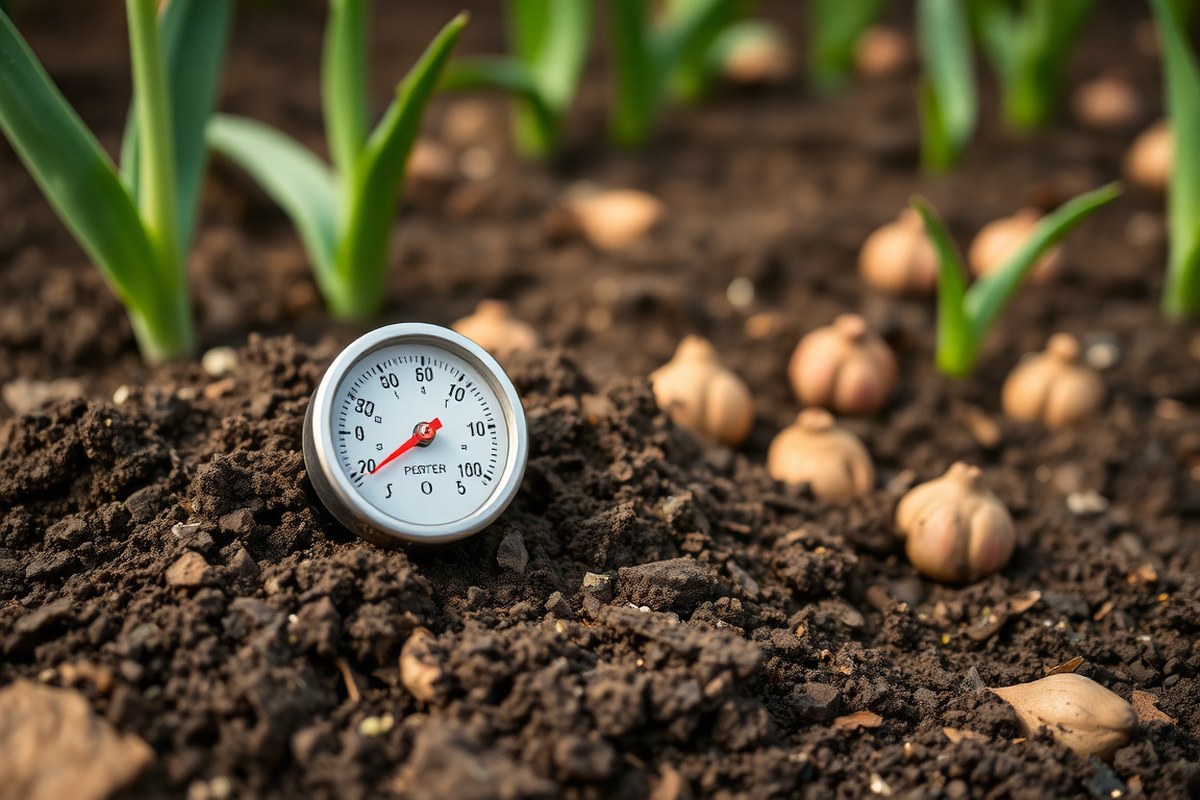
Tulips need a cold period called vernalization and warming spring temperatures to flower well. They must experience chilling between 40°F and 50°F for 8 to 10 weeks before blooming. Spring soil warming above 55°F triggers their petals to open and show vibrant colors.
What Vernalization Means for Tulips
Vernalization is a sustained cold period that tulip bulbs require to bloom. Tulips need at least eight weeks of cold weather to flower well.
The temperature should stay between 40°F and 50°F. Without this, flowers might not develop properly. This chilling period allows the bulb to complete internal changes needed for growth and bloom.
You can mimic cold weather by chilling bulbs in a fridge. Keep them around 40°F for two months before planting. This helps them get ready for spring.
This is helpful if your climate doesn’t get cold enough in winter. Place bulbs in a paper bag, not plastic, to allow airflow and avoid rot.
Spring Temperatures and Bloom Timing
Tulips bloom once soil temperatures reach about 55°F. Cooler springs around 45°F to 55°F slow bloom speed but extend how long petals last. On warm days above 70°F, petals can fade or drop within just a few days.
Watching soil temperature helps you predict when tulips will open. Use a soil thermometer at planting depth (about 6 inches) in early spring.
Tulips bloom when soil heats above 55°F. Daytime air should stay over 45°F for several days too. This signals spring has come for them.
Temperature Extremes and Flowering Problems
Sudden heat waves above 70°F cause tulip petals to wilt and drop fast. Prolonged hot weather shortens bloom duration to fewer than a week. Conversely, late frosts can damage blooms or delay opening.
Plant tulips where afternoon shade is available. This protects them if a sudden heat wave starts. Shade helps stop quick temperature swings from hurting the plants.
Watch the weather forecast for cold snaps. Cover young tulip blooms with breathable cloth when frost is expected. This keeps the flowers safe from freeze damage.
Checklist for Managing Temperature Effects on Tulips
Here is what to do for healthy tulip flowering:
Keep bulbs chilly between 40°F and 50°F for 8 to 10 weeks. Do this before planting in fall or early winter. This chilling period helps them flower properly.
Plant once soil warms to about 55°F in spring. Monitor daily temperatures; keep petals moist during warm spells.
Give tulips shade or cover if heat goes above 70°F. Also cover them if temperatures drop below freezing quickly. This protects the blooms from sudden temperature changes.
Store bulbs in a fridge for 8 weeks at 40°F if your winter isn’t cold enough.
How to Tell If Vernalization Worked and Blooms Will Last
Tulips that were properly chilled flower at the expected time in spring with rich colors. Their petals last about one to two weeks under cool spring temperatures.
You might see late or no flowers if bulbs miss cold weather. Tulips need proper chilling to bloom on time each year.
Short bloom time or quick petal drop can mean heat stress. It can also show the bulbs didn’t get enough cold before planting.
Change how you store bulbs next year if flowers are late. Try planting earlier to give bulbs more chilling and cooler spring conditions.
Differences Between Tulip Varieties and Their Blooming Periods
Tulips bloom in stages, split into early, mid, and late groups. Each group has distinct bloom times and flower shapes. Planting a mix extends your garden’s flowering season effectively.
Early Season Tulips
Early tulips bloom from late March to early April. They bring spring color right after winter ends. Well-known examples include Fosteriana and Double Early tulips.
Early types often have tall stems and large flowers. They usually bloom for two to three weeks. Their early timing helps you kick off tulip season with bold colors quickly.
Mid-Season Tulips
Mid-season tulips typically bloom from mid to late April. Triumph tulips are a classic mid-season choice. They offer a wide range of colors and are very popular with gardeners.
This group’s flowers are sturdy and bloom for about three weeks. Mid-season tulips fill the garden with color once the early types finish. They handle varied garden conditions well.
Late Season Tulips
Late tulips bloom in early to mid-May, often as the last tulip flowers. Parrot and Single Late tulips are common in this group. Single Late tulips have elegant, simple blooms with long-lasting petals.
The late group blooms for two to three weeks. They provide a great finishing touch to your tulip display. These tulips bloom when other spring flowers are also coming up.
Specialty Tulip Types
Lily-Flowered tulips bloom late April through early May. They have pointed petals that curve outward, creating a unique shape. Double Early tulips bloom with full, peony-like flowers early in the season.
Specialty tulips can add texture and interest at various times. They often last as long as their seasonal group counterparts. Adding them spices up your garden’s look and bloom pattern.
Planting early, mid, and late tulips together gives you around six to eight weeks of blooms. The table below shows typical bloom times and features of these groups to help you plan.
| Tulip Group | Bloom Time | Flower Characteristics | Bloom Duration (weeks) | Examples |
|---|---|---|---|---|
| Early | Late March to Early April | Tall stems, large flowers, some double petals | 2-3 | Fosteriana, Double Early |
| Mid-Season | Mid to Late April | Sturdy flowers, wide color range | 3 | Triumph |
| Late | Early to Mid May | Elegant, long-lasting petals, some parrot-shaped | 2-3 | Single Late, Parrot |
| Specialty | Varies, mostly Late April to Early May | Unique shapes like pointed or full double petals | 2-3 | Lily-Flowered, Double Early |
Use this info to mix bulb varieties and stretch your tulip season. Early and late tulips create a continuous wave of color. Specialty types add flair and help fill gaps between main groups.
How Planting Depth, Spacing, and Soil Conditions Influence Bloom Timing
Planting depth, spacing, and soil conditions shape when and how well tulips bloom. Tulip bulbs go best in loose, well-draining soil rich in organic matter. That stops water from pooling, which can rot bulbs and stop flowers from showing up.
Tulip bulbs should sit 6 to 8 inches deep to guard against temperature swings. This depth holds the bulbs cool and stable, helping roots grow strong and blooms last longer. Space bulbs 4 to 6 inches apart.
That is twice their width. This gives each bulb space to grow well.
Too shallow planting exposes bulbs to cold snaps and heat shifts that slow or stop flowering. Poor drainage keeps bulbs wet.
That damages their roots. Good drainage is a must to avoid rot.
Follow these steps for planting tulip bulbs correctly. Plant bulbs in fall when soil is under 55°F. Doing this helps bulbs grow healthy. It also makes sure the tulips bloom on time.
- Loosen soil to about 12 inches deep and mix in compost or aged manure.
- Put a 1 to 2 inch layer of sharp gravel at the bottom of the hole. This helps water drain away from the bulbs. Good drainage stops bulbs from rotting.
- Plant bulbs pointed end up, three times their height deep (6 to 8 inches).
- Space bulbs 4 to 6 inches apart to avoid crowding and competition.
- Give the bulbs a good watering right after planting. This helps the soil settle around them tightly. It keeps the bulbs in place and moist.
- Place bulbs where they receive full sun for best flowering.
These steps protect your bulbs from damage. They also help you get bright tulips as planned. Proper care means better flowers each spring.
Tulip bulbs are finicky. So depth, space, and good soil avoid delay or loss of flowers.
Sunlight and Watering Needs for Optimal Tulip Flowering
Tulips need about 6 to 8 hours of sunlight every day to bloom well. This full sun helps the flowers open fully and makes the colors bright. But in warm climates, too much strong afternoon sun can fade the blooms faster.
Tulips grow actively from early spring to early summer. They need consistent watering during this time. Keep the soil moist but not soggy.
Watering regularly keeps the soil moist but not soaked. This steady moisture helps the bulbs develop strong roots and supports healthy blooming.
Overwatering can cause bulb rot. So good drainage and checking soil wetness before watering are key. Water tulips about once a week during dry spells.
Check the soil two inches deep to see if it’s dry. Water if the soil feels dry at that depth. In pots, ensure holes let excess water escape easily to avoid waterlogged bulbs.
Water tulips early in the day to prevent fungal diseases caused by damp evenings.
Too much water or sun can harm tulips. Excess water leaves bulbs soggy and weakens them. Strong sun and heat can make flowers wilt fast.
Tulips don’t last as long above 75°F. Keep an eye on the temperature to protect blooms. In hot spots, some afternoon shade can protect petals, extending bloom life.
Plant tulips where they get good morning sun and afternoon shade. This helps keep them cool in hot spots. Shade prevents wilting and extends flower life.
Rotate pots or cut flower vases daily to keep stems straight and evenly lit. Fresh water daily in vases also keeps blooms lively and prevents drooping.
How Long Do Tulip Flowers Last and What Affects Bloom Duration?
Tulip flowers usually stay open for one to three weeks. The exact length depends on the tulip variety and weather conditions you have. Cooler, steady spring weather helps them last closer to three weeks.
Hot weather speeds up the blooming process. Temperatures above 70°F make tulip flowers open faster and fade within days.
Wind and heavy rain also shorten how long blooms look fresh. Protecting your tulips from extreme heat and bad weather can extend their display.
You can take simple steps to help tulips bloom longer. First, plant bulbs in spots that get morning sun and afternoon shade. This keeps the flowers cooler during the day.
Water regularly but avoid wetting the petals. Mulch around the plants to hold soil moisture steady and cool.
After tulips start to fade, cut off the flower heads. This stops the plant from making seeds and puts energy back into the bulb.
Let the leaves die down naturally since they feed the bulb for next year’s blooms. Removing leaves too soon weakens future flowers.
Picking tulip blooms for indoor vases also affects how long the flower blooms last. Cut stems early in the day when flowers are just starting to open. Place them in cool water immediately.
Change the water every two days to keep the stems fresh. This helps the tulips last up to a week indoors. Regular water changes prevent bacterial growth that can shorten their life.
Choosing early, mid, and late-blooming tulips spreads out your flower season. Mixing varieties grows blooms over several weeks.
That way, if the first blooms go fast because of heat, others will still be coming. This helps you enjoy tulips longer each spring without extra work.
Common Problems and Mistakes That Delay or Prevent Tulip Bloom
Tulips often fail to bloom because of planting or care mistakes. Planting too shallow makes bulbs vulnerable to frost or drying out.
Bulbs should be planted 6 to 8 inches deep in loose, well-draining soil. Too shallow planting exposes roots and delays bloom or causes no flower to form.
Insufficient chilling in fall can stop tulip buds from developing. Tulips need at least 12 to 14 weeks of soil temperatures below 55°F for vernalization. If your region has mild winters, try pre-chilling bulbs in the fridge for 12 weeks before planting.
Soil problems also reduce blooming success. Heavy clay or poorly drained soil holds water, causing bulbs to rot. Fit your soil by adding sand or organic compost to improve drainage.
Bone-dry soil makes bulbs use their energy to stay alive instead of flower. So keep soil evenly moist but not soggy.
- Plant bulbs 6 to 8 inches deep for protection and strong roots
- Pre-chill bulbs at 35 to 50°F for 12 to 14 weeks if winters are mild
- Use loose, well-draining soil; amend heavy soils with sand or compost
- Water evenly to avoid soggy or bone-dry soil
- Protect bulbs from rodents with buried wire cages
- Cover planting areas with wire screening to deter deer, remove in spring
- Avoid watering flower petals directly to prevent spotting or drooping
Rodents like mice or voles often eat bulbs and reduce your blooms. Bury wire cages around bulbs to stop them. Deer damage can also ruin flower buds, so wire screening helps.
Too much direct water on petals causes spotting and browning. Aim water at soil near the base instead.
Watch for fungal diseases in soggy soil. They drain nutrients from bulbs, making weak or no flowers.
Fix soil drainage before planting to avoid this issue. Proper planting and consistent care take time but lead to bright, healthy tulip blooms each spring.
Post-Bloom Care Practices to Encourage Next Year’s Tulip Flowers
After tulips finish blooming, proper care helps bulbs store energy for next year’s flowers. Keep the foliage for 6 to 8 weeks until it yellows and wilts. Fertilize and prepare bulbs carefully to boost the chance of strong blooms in spring.
Deadheading Tulips Correctly
Cutting faded flowers stops the plant from wasting energy on seed production. Remove flower heads once petals start falling but leave the leaves intact. This directs energy into the bulb for future growth.
Follow these steps to deadhead tulips:
- Wait until petals have fully faded and begun to drop.
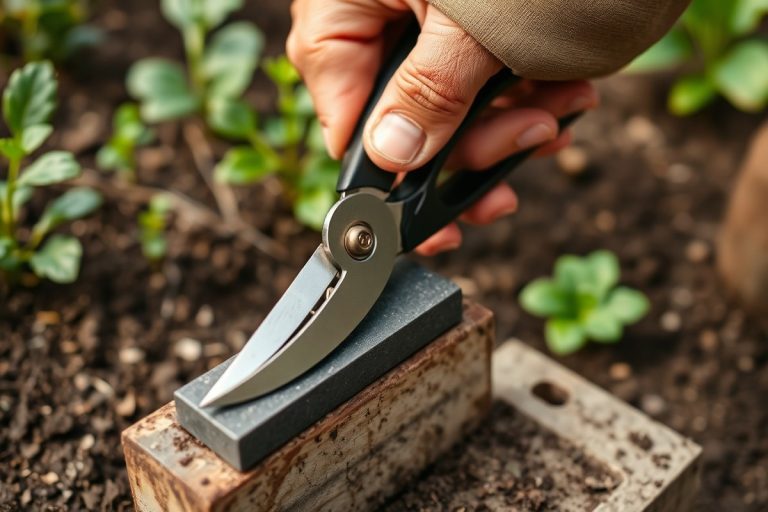
- Use clean, sharp scissors or pruners for a clean cut.
- Cut the flower stem down to where it meets the main leaves.
- Avoid cutting any green foliage to prevent energy loss.
Never cut back the green leaves until they turn yellow and limp.
Fertilizing After Bloom
Fertilizing after tulips flower replenishes essential nutrients in the bulb. Apply a balanced bulb fertilizer right after you deadhead but before the leaves die. This helps bulbs store more energy for the next spring.
Use a fertilizer with equal parts nitrogen, phosphorus, and potassium. Spread it evenly around the base of the plant, then water lightly. Avoid fertilizing after the foliage yellows to prevent burning the bulbs.
Foliage Management and Timing
Leaves continue photosynthesis for weeks after blooming, feeding the bulbs underground. Leave the foliage undisturbed for 6 to 8 weeks until it turns yellow and limp. Cutting leaves too early reduces carbohydrate storage and lowers next year’s bloom quality.
Once the leaves die back naturally, cut them off at soil level. This signals the bulb to go dormant.
In areas where tulips don’t last, dig up bulbs now. Store them dry to keep them safe.
Preparing Bulbs for Winter
Your climate might make tulips struggle as perennials. Lifting bulbs helps in this case. Wait until foliage is completely dry, six to eight weeks post-bloom.
Gently dig up the bulbs and brush off soil. Let them dry in a cool, shady spot.
Store bulbs in a paper bag or mesh sack in a well-ventilated, cool, and dry location. Avoid plastic bags which trap moisture and cause rot. Replant bulbs in fall at 6 to 8 inches deep for best bloom timing next spring.
Step-by-Step Action Plan for Growing Tulips That Bloom on Time
Follow these clear steps to get your tulips blooming in spring when you want them. Check each step to see if your tulips are on track.
- Before Planting: Choose tulip bulbs suited for your climate and note variety bloom times. This helps plan for flowers in your preferred month.
- Planting Time: Plant bulbs in well-drained soil. Dig 6 to 8 inches deep. Space bulbs 4 to 6 inches apart. Proper depth aids healthy root growth and on-time flowering.
- After Planting: Water bulbs thoroughly once planted to settle soil and start root development. Look for firm soil and moist but not soggy conditions.
- Winter Care: Ensure bulbs experience cold temperatures (below 50°F) for at least 12 weeks for vernalization. Without this, tulips may bloom late or not at all.
- Early Spring: Provide full sun and keep soil evenly moist as shoots appear. Watch for strong, green growth signaling healthy development.
- Mid-Bloom: Remove faded flowers promptly to extend bloom duration and save bulb energy. The bulbs should look plump and leaves stay green.
- Post-Bloom: Allow leaves to yellow and die back naturally before trimming. This restores bulb nutrients for next year’s flowering.
- Late Summer Preparation: Dig up bulbs in hot climates or bad soil. Store bulbs in a cool, dry place. Bulbs stored well will bloom reliably next spring.
Frequently Asked Questions
How Long After Planting Do Tulips Usually Flower?
Tulips typically flower about 6 to 8 months after planting in fall. This timing allows bulbs to go through necessary cold dormancy before blooming in spring.
Can Tulip Flowering Be Triggered Indoors?
Yes, tulips can flower indoors after chilling bulbs in cold storage for 12-16 weeks. This simulates winter and helps trigger spring-like blooming.
Do Tulips Flower Every Year Without Replanting?
Most tulip varieties bloom for a few years. But bloom quality can decline after 2-3 seasons. Replanting bulbs each fall keeps flowers strong and vibrant.
Does Soil pH Affect When Tulips Flower?
Soil pH does not affect when tulips flower very much. Proper nutrients matter more than pH for bloom quality.
Can Tulips Flower Twice in One Growing Season?
Tulips generally flower once per season and do not rebloom naturally. Their life cycle focuses energy on one bloom before leaf dieback.
Does Daylight Length Influence Tulip Blooming Time?
Daylight length has minor effect; temperature and chill hours have greater impact. Tulips usually flower after soil warms regardless of day length.
Wrapping Up
Tulips usually flower in early to mid-spring once they have enough cold months. Keeping bulbs healthy and following good care makes blooms predictable and long-lasting. Track your planting dates now so your garden hits the perfect bloom time next season.