Do Tomatoes Come Back Every Year? A Complete Guide That Actually Helps
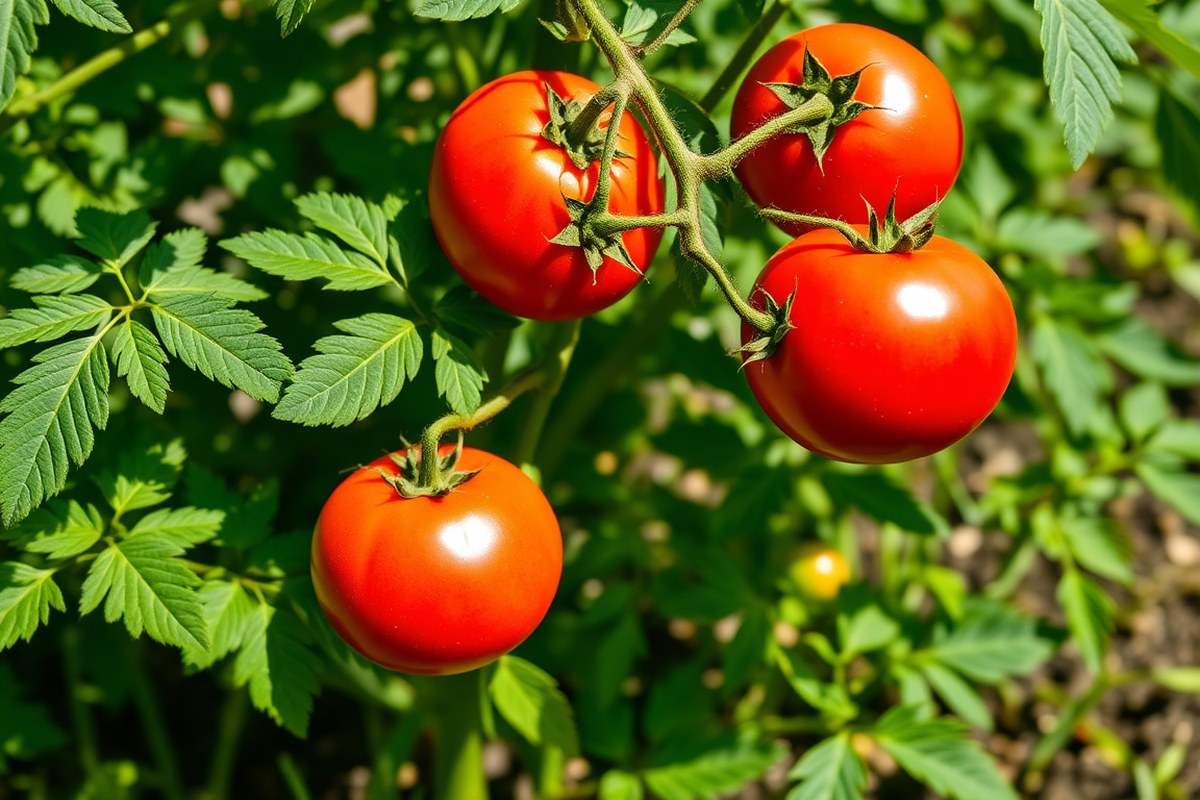
Do tomatoes come back every year? Most tomato plants don’t naturally return. They usually live for one growing season and then die off when cold weather arrives.
Tomatoes stop growing when temperatures drop below about 50°F. Frost kills them by freezing the water inside their cells, causing irreversible damage.
In warm climates where nights stay above 50°F, tomatoes may survive longer outdoors. You can also extend their life by moving potted plants indoors before frost. Growing new seedlings each spring remains the simplest way to keep harvesting tomatoes yearly.
Knowing this helps you plan whether to treat tomatoes as annuals or try overwintering methods. Start by observing your local climate, tracking frost dates, and testing small plants indoors. This way, you can decide if saving plants through winter makes sense for you.
Key Takeaways
- Tomato plants usually last only one season, about 4 to 6 months long.
- Temperatures below 50°F slow tomato growth and may cause damage.
- Frost at 32°F kills tomato plants by freezing plant cells.
- Warm zones with mild winters let tomato plants survive across seasons.
- Bring tomato plants indoors to a cool spot before the first frost.
- Provide 12, 16 hours of bright grow light indoors to keep tomatoes healthy.
Do Tomato Plants Naturally Come Back Each Year?
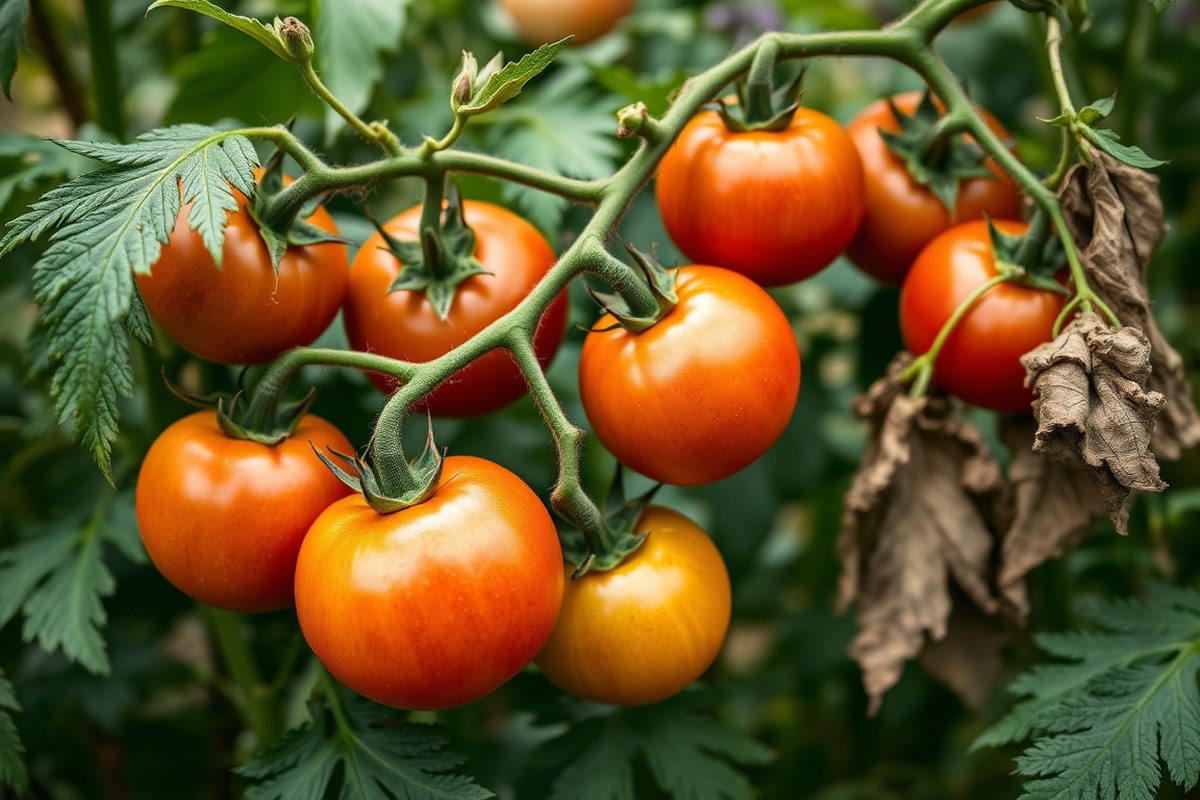
Tomato plants do not naturally come back each year in most outdoor gardens. They usually live for just one growing season before dying off. This happens because tomato plants are sensitive to frost and cold weather.
Frost forms at 32°F or below. It freezes water inside plant cells. This damages the plant tissue.
This freezing causes damage that the tomato plant cannot repair. As a result, the plants die after the first hard frost in fall or winter.
Climate plays a big role in whether tomatoes survive year to year. Mild winter areas include USDA zones 10 and higher. Tomato plants can survive these winters.
They sometimes keep growing until spring. In colder zones where frost freezes the ground, the plants usually won’t survive outdoors.
Indoor growing or using a greenhouse can keep tomato plants alive all year. Controlled temperatures prevent frost damage and letting the plants grow continuously. In average home gardens where frost is common, tomato plants rarely come back naturally.
The main tomato plant may die over winter. But seeds left on the ground can sprout. New tomato plants may grow next season.
These “volunteer” plants spring up from dropped or rotting tomatoes. They grow the next season but are not the original plants returning.
Most gardeners start fresh tomato plants each spring. They use seeds or seedlings for this. This helps get tomatoes every year.
This lets you avoid any risks that frost or disease killed the last plants. Understanding that tomatoes typically won’t come back helps you plan better for each growing season.
How Climate Zones Affect Tomato Plant Lifespan Outdoors
Tomato plants survive outdoors only in climates where frost is rare or mild. They prefer temperatures above 50°F (10°C), as growth slows below this point. Cold weather and frost usually kill tomato plants because they lack dormant structures to survive winter.
In warm zones, especially USDA zones 10 to 12, tomato plants act like short-lived perennials. They can survive several years if protected from frost and very cold soil.
In colder zones, frost damages tomato plants quickly. So they rarely survive winter in the ground.
| USDA Zone | Average Winter Low Temps (°F) | Tomato Survival Outdoors | Notes on Overwintering |
|---|---|---|---|
| 10-12 | Above 30°F (above -1°C) | Can survive as short-lived perennials | Minimal frost; protection still recommended |
| 9 | 20-30°F (-6 to -1°C) | Possible with mulch and frost covers | Risk of frost damage; tricky outdoors |
| 7-8 | 0-20°F (-18 to -6°C) | No outdoor survival | Must be grown as annuals or indoors |
| Below 7 | Below 0°F (-18°C) | No outdoor survival | Very harsh winters; plant dies each year |
In areas with light frost, use mulch to protect tomato roots. Frost blankets also help during short cold snaps. These methods keep the roots warmer and safer.
This method only delays death and doesn’t make tomatoes true perennials. Once soil freezes hard, the plant usually won’t regrow in spring.
Tomato seeds can survive winter in the soil better than mature plants. When conditions warm again, volunteers might sprout from fallen seeds. These volunteers are different plants, not the same perennial ones coming back.
Don’t expect tomato plants to survive outdoor winters below 50°F without protection. Frost kills them fast.
Understanding Tomato Plants: Annuals vs. Perennials
Tomatoes belong to the species Solanum lycopersicum, making them tender perennials by nature. This means they can live for more than one season if conditions are right. They come from tropical regions, where warm weather lasts year-round, supporting their perennial habit.
Despite this, gardeners usually treat tomatoes as annuals because cold weather kills the plants. In places with frost, a hard freeze will kill tomato vines completely. Even before frost, cool nights can slow their growth and damage the plant over time.
Tomatoes are sensitive to frost and prefer warm, steady temperatures above 55°F at night. When daily minimums drop below 50°F repeatedly, the plants stop producing fruit well. For most home gardeners, this makes growing tomatoes for multiple years impractical.
Gardeners often replant tomatoes each year. Old plants produce fewer fruits. They also catch more diseases over time.
Diseases like blight and wilt build up as the plant ages, reducing harvest quality. Starting fresh plants each year cuts down this problem significantly.
In mild winter climates, tomatoes can live two years or more if protected well. Some gardeners prune tomato plants regularly. They also keep the soil healthy.
This helps plants stay productive longer. Growers in the southern U.S. Have reported cherry tomato plants producing fruit for over 18 months this way.
For annual tomato growing, planting seeds or transplants each spring is the simplest approach. This fits most gardeners’ schedules and garden zones perfectly. It takes about 60 to 90 days from transplanting to harvest, depending on the variety.
In colder zones, a warm, sunny spot with good air circulation supports healthy annual tomato growth. You can bring container plants indoors. Row covers help too during cold snaps.
These methods extend the growing season slightly. Still, once frost arrives, most tomatoes won’t survive without serious protection.
Overwintering Tomato Plants: Effective Methods and Care
Tomato plants can live through winter with the right indoor care. You can keep them safe outdoors too, using shelters. Proper conditions help them survive cold months.
Overwintering helps you keep plants alive for the next growing season. You will need to control light, temperature, and watering carefully to avoid disease and stress.
1. Indoor Overwintering Setup
Moving tomato plants indoors is a common way to keep them alive through winter. It works best with healthy, compact plants grown in containers. You need a bright spot near a sunny window or grow lights to provide enough light.
Here is how to prepare your tomato plants inside:
- Pick a spot with at least 8 hours of light each day. You can also use a grow light for 12 hours. This helps the plant keep growing strong.
- Reduce water to keep the soil moist, not wet, avoiding root rot.
- Keep the temperature between 55 °F and 70 °F to prevent cold damage.
- Prune the plant to 12, 20 inches tall and remove lower leaves to improve airflow.
- Check plants regularly for pests or disease and remove any affected parts.
- Fertilize lightly once a month with a balanced, diluted fertilizer.
- Avoid over-crowding and give each plant room to breathe and grow.
2. Using Cold Frames and Polytunnels
Cold frames and polytunnels provide shelter while keeping tomatoes outdoors. These structures trap heat and protect from frost. Keep temperatures above 41 °F inside to avoid frost injury and damage.
Cold frames are good when a full indoor move isn’t possible. You can extend the harvest time by covering plants during night chills.
3. Pruning and Preparing Plants for Winter
Preparing tomatoes for winter improves their chances of making it through cold months. Cut plants back to 12 to 20 inches tall. Removing lower leaves helps reduce disease risk and stops moisture buildup.
Lower watering slows growth and lowers the chance of fungal problems. Healthy plants that are pruned and less crowded manage indoor conditions better. Always clear fallen leaves or plant debris around the base.
4. Monitoring Light and Temperature Conditions
Light and temperature are the most critical factors for overwintering success. Tomato plants need 8 to 12 hours of light for slow but steady growth. Use fluorescent or LED grow lights when natural light is not enough.
These lights provide the energy plants need indoors. Set them up to last 12 hours a day.
Keep indoor temperatures steady between 55 °F and 70 °F. Temperatures below 50 °F stress the plant and above 75 °F cause too much water loss. Nighttime temperatures should not drop below 55 °F to avoid cold damage.
Identifying Volunteer Tomato Plants vs. Returning Plants
Tomato plants you see in the spring usually aren’t the same plants from last year. They likely grew from seeds dropped by the old plants. Recognizing these volunteer plants helps you plan your garden better.
What Are Volunteer Tomato Plants?
Volunteer tomato plants start from seeds that fell in your garden last season. They sprout without you planting them again. These plants grow near where the previous crop grew.
Volunteers often appear in early spring as small seedlings. They come from ripe fruit that dropped, rotted, and released seeds into the soil. The original tomato plant itself does not survive the winter.
Differences Between Volunteers and Perennials
Tomatoes aren’t true perennials in most zones. They live about 4 to 6 months, dying after fruiting. What looks like the same plant returning is usually a new seedling.
Plant genetics play a role here. Volunteer plants from hybrid tomatoes may differ from their parents. That’s because hybrids don’t always grow true to seed.
- Volunteers come from dropped seeds, not from surviving vines
- They grow in roughly the same spot as the previous plants
- Hybrid seed volunteers may show different traits than parent plants
- Annual tomato plants’ roots usually do not survive freezing soil
- Volunteers start growing early in the season without replanting
Surviving tomato plants would need to live through cold temperatures underground. That rarely happens except in very warm climates. So volunteers are your best guess for next-season tomatoes.
Implications for Garden Planning and Seed Saving
Knowing volunteers are new plants helps you decide if you want to save seeds. Seeds from volunteers might not produce plants identical to last year’s. It matters especially with hybrid tomatoes.
You can encourage volunteers by leaving mature fruit on plants late in the season. But this means you’ll get some genetic variation in your next crop. That might be good or bad, depending on your goals.
Save seeds from open-pollinated varieties for true-to-type plants next year, not hybrids.
Gardeners who want repeatable results should consider buying fresh seeds or saving seeds carefully. Otherwise, volunteers offer free tomato plants but with less predictability. Plan your garden with this in mind to avoid surprises.
Choosing Tomato Varieties for Multi-Season Growth
Select tomato types with better chances of living through several seasons. Indeterminate varieties grow and produce fruit all season long. That growth habit lets them grow longer than determinate types.
Determinate types stop growing once fruit starts. Indeterminate plants keep growing beyond that point.
You’ll find heirlooms and indeterminate cherries like ‘Brandywine’, ‘Black Krim’, and ‘Sweet Million’ often last well. Dwarf and compact cherry tomatoes handle indoor conditions easier. They fit under grow lights better and deal with lower light levels.
Here’s a table comparing key tomato types for multi-season chances:
| Tomato Type | Growth Habit | Overwintering Ease | Space Need | Light Tolerance |
|---|---|---|---|---|
| Indeterminate Heirloom (e.g., ‘Brandywine’) | Continuous growth | Moderate to high | Requires more space | Needs strong light |
| Indeterminate Cherry (e.g., ‘Sweet Million’) | Continuous growth | High | Moderate space | Tolerates moderate light |
| Dwarf/Compact Cherry | Semi-determinate | High and easier | Small space | Good for low light |
| Determinate (bush type) | Growth stops post fruit | Lower | Compact | Needs good light |
Dwarf tomatoes work well if you plan to keep plants indoors through winter. Their smaller size fits under artificial lights. Indeterminate heirlooms grow bigger and need more effort to maintain under lights.
Keep an eye on temperatures. Many varieties suffer chill injury below 50°F. Frost kills tomato plants outright. In warm, frost-free places, some tomato plants might live many seasons outdoors.
Propagating Tomatoes for Year-Round Growing Success
You can grow tomatoes beyond one season by saving seeds or rooting cuttings. Saving seeds takes longer but keeps your true-to-type plants. Root cuttings create a clone quickly and keep the same traits from the parent plant.
Step-by-Step Seed Saving
Saving tomato seeds keeps the plant variety true to type. Wait until fully ripe fruit develops for the best seeds. You’ll need a warm, dry place to finish the process.
- Pick fully ripe tomatoes from healthy plants late in the season.
- Cut the tomato and scoop seeds into a small container.
- Add a little water and swirl to loosen the gel around seeds.
- Leave the mixture out for 2 to 3 days to ferment at room temperature.
- Stir daily and add more water if the mixture dries out.
- Pour off the liquid and rinse seeds with clean water.
- Spread seeds on a paper towel or screen to dry completely in a warm spot.
- Store dried seeds in labeled airtight containers in a cool, dark place.
Fermenting cleans the seeds and kills diseases. Dry seeds well to avoid mold during storage. Seed viability lasts 4 to 6 years depending on conditions.
Rooting Tomato Cuttings Indoors
Rooting cuttings lets you clone a favorite tomato fast. Stems root quickly in water or moist soil. Choose healthy, disease-free shoots for best results.
- Use clean scissors to cut a 4 to 6 inch stem below a leaf node.
- Remove leaves from the lower half of the cutting.
- Place the cutting in a glass of water or moistened potting soil.
- Keep cuttings in bright, indirect light at 65-75°F (18-24°C).
- Change water every few days if rooting in water.
- Watch for root growth in 1 to 2 weeks before transplanting.
- Plant rooted cuttings in pots with well-draining soil.
Rooting is cheap and works well indoors in fall or winter. Stems can root directly in soil but water rooting is easier to monitor. Avoid overwatering or poor light to prevent rot.
Keeping Whole Plants Alive for Cuttings
You can keep mature tomato plants indoors for cuttings over winter. The plant must rest in semi-dormancy and avoid bright light. Warm and dry conditions help roots survive.
Trim long stems back and place the plant in a pot indoors. Water sparingly to keep soil just moist but not soggy. Check for pest problems regularly since indoor plants can suffer.
This method is more labor-intensive and risks the plant catching disease. It can work for tropical climates or if you want to keep the exact plant alive. Otherwise, propagation by cuttings or seeds is simpler and safer.
Common Mistakes and How to Avoid Overwintering Failures
One big mistake is overwatering tomato plants in winter. Excess moisture leads to root rot and fungal diseases that kill plants fast. Water when the top inch of soil feels dry.
This usually happens every 7 to 14 days inside. Lower light makes the soil dry slower.
Low light is another problem. Tomato plants need at least 10 to 12 hours of bright light daily to stay healthy.
Without enough light, they stretch and weaken, making them more vulnerable to pests and disease. Use a grow light if natural sunlight is limited.
Poor air circulation invites mold and spider mites. Keep plants away from sealed windows or tight corners. A small fan on low helps move air gently around leaves.
- Start with fresh, disease-free soil and pots
- Prune weak or dead branches before winter indoors
- Keep temperatures between 55°F and 70°F for steady growth
- Inspect weekly for pests like aphids or whiteflies
- Avoid crowding plants to improve airflow
- Reduce fertilizer use to once a month during winter
Using the same soil or plant every year can build up pests and disease. Rotating soil or starting new plants breaks this cycle and helps tomatoes thrive longer. Slow winter growth is normal, so don’t expect big harvests until spring.
Check leaves often for spots or bugs and isolate sick plants immediately to prevent spread.
Too much fertilizer causes leggy stems. Use a balanced, diluted feed only when plants look pale or weak. Keep tomato pots in a bright window or near a grow light for best results.
Step-by-Step Action Plan for Extending Your Tomato Plant’s Life
Use this plan to help your tomato plants last longer and even come back next season.
- Before first frost: Pick all ripe tomatoes. Pinch off new flowers to help plants mature. This focuses their energy where it’s needed most.
- Late fall: Move potted tomato plants indoors to a sunny window or grow light.
- Weekly: Water indoor plants sparingly, just enough to keep soil slightly moist but not wet.
- Early spring: Prune dead or weak branches and start feeding plants with a balanced fertilizer.
- After last frost: Harden off plants by gradually exposing them to outdoor sun and wind.
- Planting season: Transplant tomatoes back outside or restart seed propagation for fresh plants.
- Throughout growing season: Watch for volunteer seedlings and nurture the strongest ones to continue your garden.
Frequently Asked Questions
Can Tomato Plants Survive Indoors Through Winter?
Yes, tomato plants can survive indoors if kept in bright, warm spots. They need consistent warmth above 50°F and plenty of light to keep growing inside.
Do Tomatoes Produce Fruit Without Pollination?
No, tomatoes need pollination to set fruit, usually by wind or insects. You can hand-pollinate indoor plants gently with a brush to help.
Can Tomato Roots Regrow from Cuttings in Water?
Yes, tomato cuttings can root in water in 1, 2 weeks, then plant them in soil. This is a simple way to propagate tomatoes for next season.
Why Are Volunteer Tomato Plants Different from Last Year’s?
Volunteer plants start from dropped seeds and are new seedlings, not the old plant coming back. They can vary in size or fruit type from parent plants.
Can Tomatoes Survive If Planted Too Late in the Season?
Tomatoes planted late often don’t have time to fruit before frost arrives. Use transplants early or indoors to extend the growing season.
Do Tomato Seeds from Saved Fruit Always Grow True to Type?
No, saved seeds can vary, especially in hybrids, leading to different traits in plants. Save seeds only from open-pollinated or heirloom tomatoes for consistency.
Wrapping Up
Tomato plants usually don’t come back on their own every year. You can keep them going longer by bringing them indoors and caring for them carefully. Move your plants inside before the cold weather starts.
This helps them survive better indoors. Start this shift early to protect your tomatoes.