When Do Tomatoes Stop Producing? A Complete Guide to Extending Your Harvest
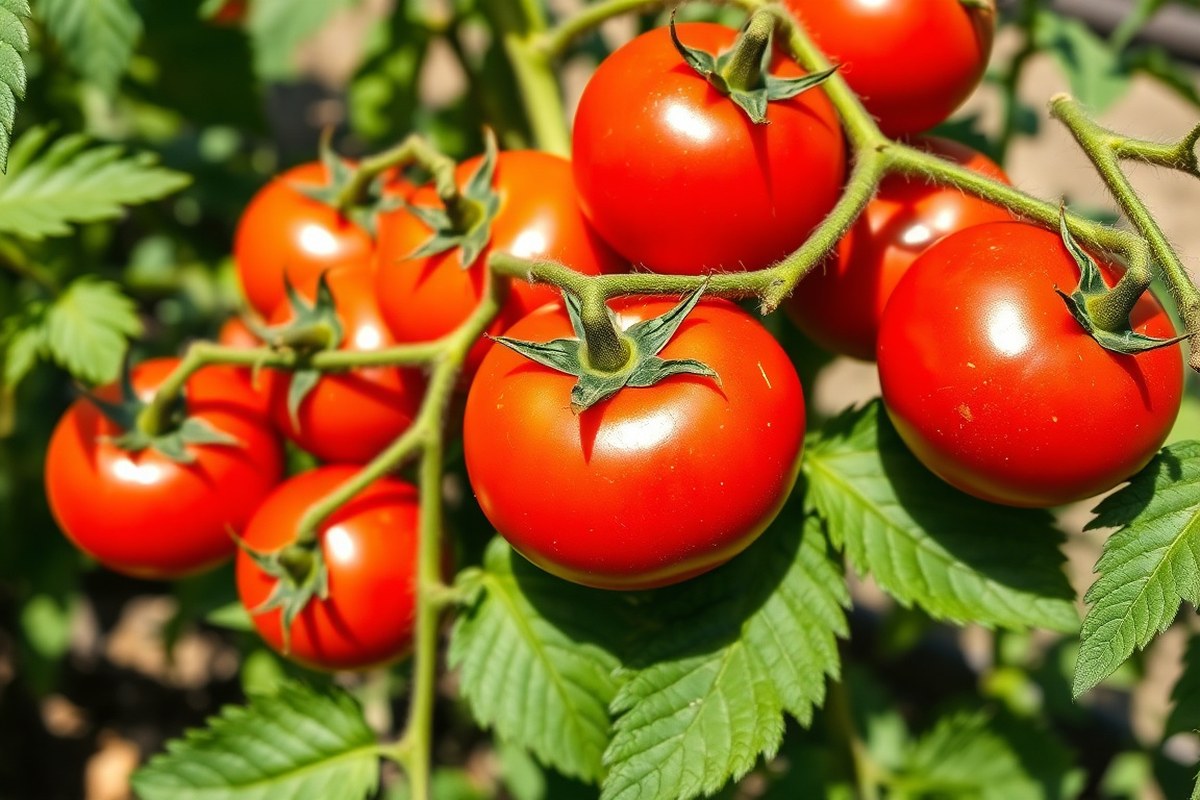
When do tomatoes stop producing fruit? Tomato plants usually stop making fruit between 60 to 90 days after planting.
This depends on the tomato variety and growing conditions. Knowing this helps you plan your gardening to get the best harvest possible.
Tomatoes typically keep producing until the weather cools below 50°F (10°C). Warm temperatures help fruit grow.
But very hot days above 85°F can slow fruit setting. Watch your local forecast and harvest early if a frost or a cold snap is coming.
Some tomato types stop producing earlier than others. You can prolong your harvest by choosing varieties suited to your climate. Also, provide steady watering and nutrients to help your plants produce longer.
Key Takeaways
- Tomato plants usually stop producing fruit after 60 to 90 days.
- Fruit production slows when nighttime temperatures rise above 80°F.
- Tomatoes stop producing once temperatures stay below 50°F consistently.
- Indeterminate varieties can keep producing fruit for up to six months.
- Choose tomato varieties that match your local climate for a longer harvest.
- Avoid letting daytime temperatures exceed 85°F to improve fruit setting.
When Do Tomato Plants Typically Stop Producing Fruit?
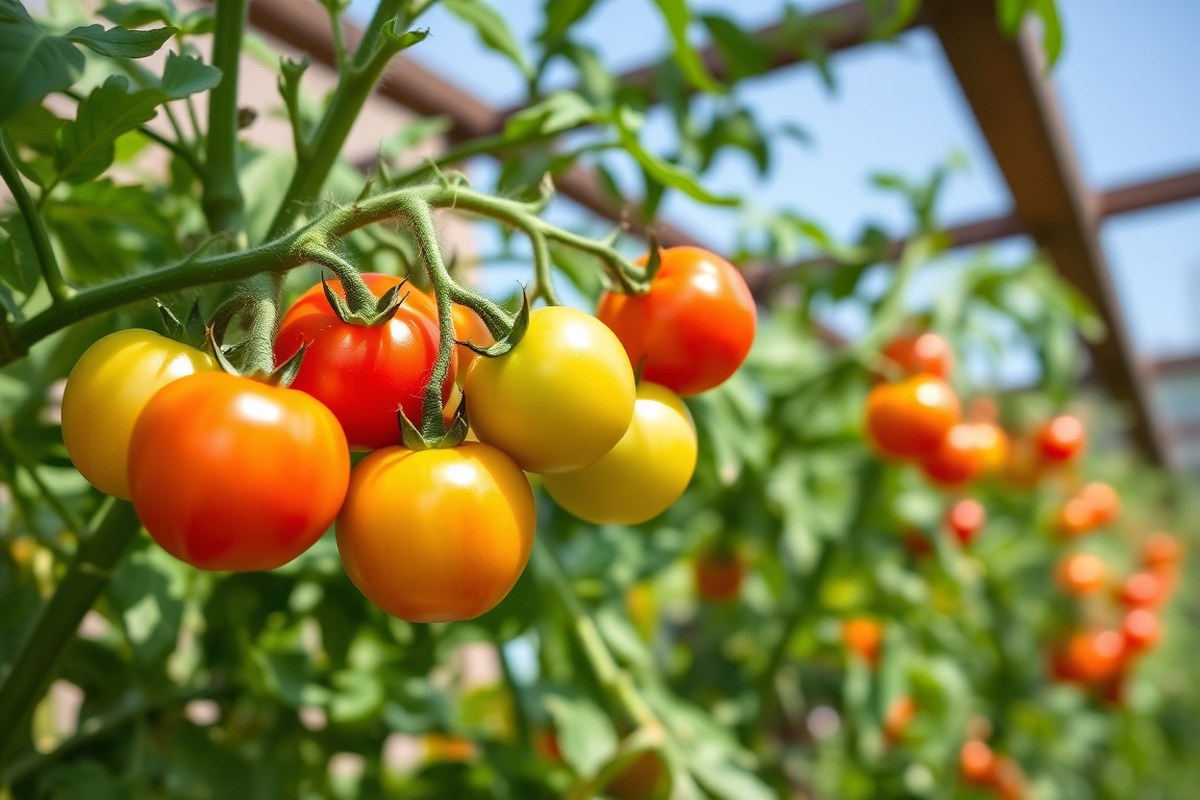
Tomato plants usually produce fruit for about 60 to 90 days after you transplant them outdoors. This period depends on their type and the conditions around them. Most gardeners notice production peaks during warm weather and long daylight hours in spring and summer.
Fruit production slows down when temperatures consistently fall below 50°F (10°C). Tomatoes struggle to set fruit when nights get cooler or days grow shorter. Tomato plants stop producing once temperatures hit 32°F (0°C).
They often die after freezing. This ends any chance of a tomato harvest.
Along with cold weather, natural aging makes tomato plants produce fewer flowers and fruits. The plant’s energy shifts from fruiting to survival. Flowers may drop without setting fruit.
This usually happens near the end of the 2-3 month fruiting window. It means it’s time to pick what tomatoes you have left.
How Tomato Varieties Affect Fruit Production Time
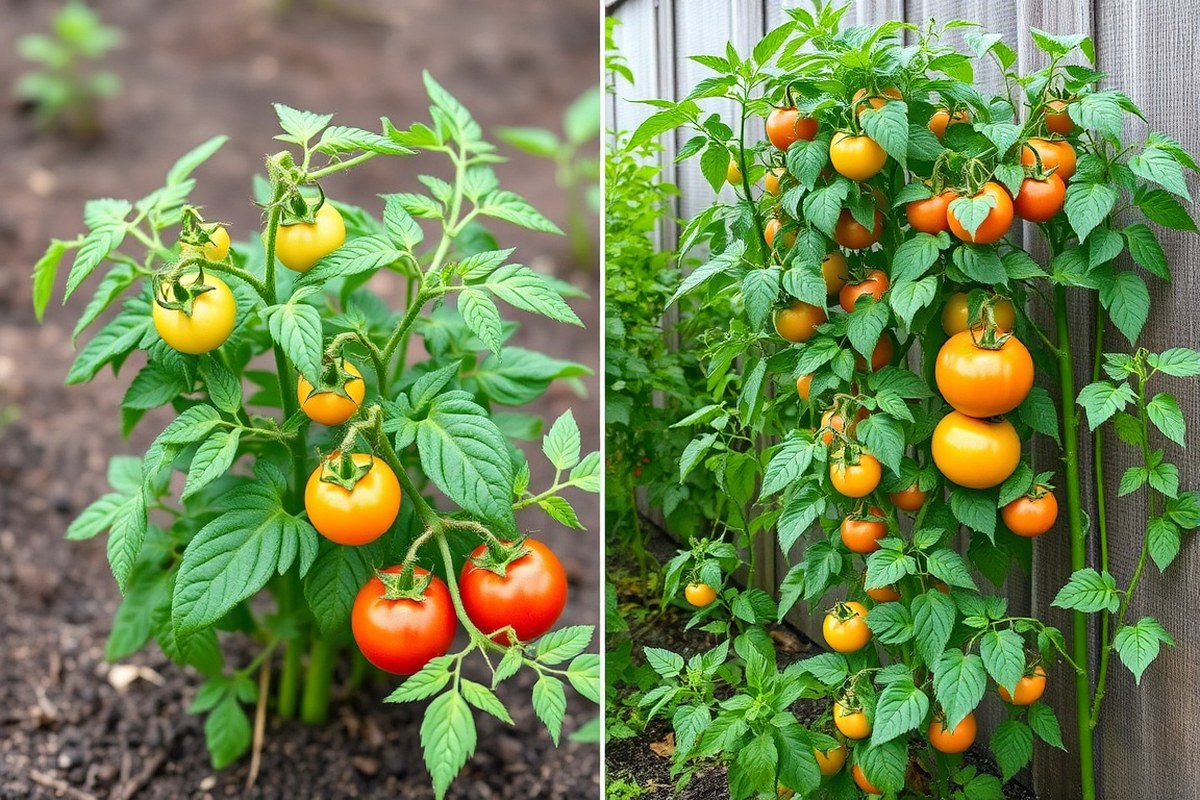
Tomato varieties differ greatly in how long and when they produce fruit. Determinate types grow to a set size and fruit all at once.
Indeterminate types keep growing and producing fruit longer. Semi-determinate tomatoes fall between these two patterns.
Determinate Tomatoes: Characteristics and Timeline
Determinate tomatoes are often called “bush” tomatoes. They grow to a certain height. They stop when a flower cluster forms.
The cluster appears at the top of the stem. This leads to a shorter production period with most fruit ripening together.
These varieties usually take 70 to 85 days to mature. Examples include Roma, Celebrity, Patio Princess, and Rutgers. They produce one main crop over a few weeks, then fruit production ends.
Once determinate tomatoes finish fruiting, they focus on storing nutrients instead of growing new fruit. This makes timing the harvest easier but limits the total harvest period.
Indeterminate Tomatoes: Extended Fruiting Explained
Indeterminate tomatoes are “vining” types that don’t stop growing naturally. They produce new leaves and flowers continuously, creating fruit every 1 to 2 weeks. This can extend fruiting throughout the growing season.
These varieties don’t have a genetic stop point. So they can keep producing until weather or disease halts growth. This makes them ideal if you want tomatoes over a longer time.
They require more care, like pruning, to avoid disease and keep energy focused on fruit. Indeterminate types also favor environments with consistent temperatures between 65°F and 75°F for best yields.
Semi-Determinate Varieties: Hybrid Production Patterns
Semi-determinate tomatoes combine traits from both determinate and indeterminate types. They produce a concentrated main crop but keep setting smaller fruit over an extended period. This gives more flexibility in harvest timing.
Their production lasts longer than determinate but doesn’t continue as long as indeterminate varieties. Semi-determinate types suit gardeners who want some ongoing harvest without intense maintenance.
This variety works well if space is limited. It also reduces pruning time.
You still get an extended harvest. Expect a mix of fruit size and steady ripening.
Here’s a table comparing these tomato types by days to maturity and production period:
| Tomato Type | Typical Days to Maturity | Production Pattern |
|---|---|---|
| Determinate | 70, 85 | One concentrated crop, stops after harvest |
| Indeterminate | Varies, often longer | Continuous fruiting every 1-2 weeks |
| Semi-Determinate | 70, 90 | Main crop with ongoing smaller fruit |
Knowing your tomato type helps plan your garden and harvest. Indeterminate plants can provide fruit longer but need more care. Determinate types give a big harvest all at once but finish earlier.
Tip: Pruning indeterminate tomatoes helps keep them healthy and productive longer.
How Temperature and Weather Influence Tomato Fruit Production
Tomatoes stop setting fruit when temperatures stray too far from their ideal range. Daytime temps between 70°F and 85°F and nighttime temps from 55°F to 70°F work best.
Heat above or cold below these ranges will harm your tomato plants. Flowers may drop, or plants might stop making fruit altogether.
Ideal Temperature Range for Fruit Set
Tomatoes need warm but moderate temperatures to produce fruit. Clemson Cooperative Extension says the best daytime range is 70°F to 85°F. Nighttime temperatures should stay between 55°F and 70°F for proper pollination and fruit development.
Fruit set drops sharply if temperatures move outside this. Daytime highs above 85°F reduce pollen viability. Nighttime highs over 76°F also block pollination, causing blossom drop even when plants look healthy.
How Heat Stress Causes Blossoms to Drop
Heat stress mainly reduces fruit production on tomato plants. It causes the flowers to fall off. This happens before they can turn into fruit.
Temperatures above 85°F during the day and above 76°F at night interfere with pollen production. Pollination becomes difficult, so flowers fail to develop into fruit.
Tomato plants may look vigorous but won’t produce new fruit during heat waves. The plants pause fruit set to protect themselves. Once cooler weather returns, fruiting can resume if the plant is otherwise healthy.
Cold Weather and Frost Effects on Production
Tomato plants are sensitive to cold and frost. If temperatures fall below 55°F at night, fruit setting slows down. It also stops when daytime temps drop below about 50°F. Frost can kill tomato plants and bring fruit production to a sudden end.
As days get shorter and cooler, tomato plants naturally reduce fruiting. Frost risk makes it unsafe for tomatoes outdoors past early fall in many areas. Damage from cold often happens before plants completely stop flowering.
Seasonal Weather Changes and Fruit Production
Season shifts influence tomato fruiting along with temperature changes. Summer warmth supports steady fruit set for 4 to 6 months. But shorter days and cooler nights in late summer to fall lower production.
Tomatoes stop producing when weather turns too cold to pollinate flowers. Sudden heatwaves or cold spells can cause temporary pauses. You might see regular fruiting return when weather improves if the plant remains healthy.
Recognizing Signs Your Tomato Plant Is Ending Its Fruit-Bearing Stage
Watch your tomato plant’s leaves for signs of fruit ending. Leaves will change first to show the plant is slowing down. Check them often to catch these early signals.
They often start to yellow, shrink, or drop off, showing loss of vigor. You might see fewer new leaves growing on your plant.
This means the plant uses less energy on leaf growth. It focuses more on fruit as leaves slow down.
Flowers and fruit set slow down noticeably. The plant produces fewer flowers, and fewer blossoms turn into fruit. Fruit may get smaller or you might spot rotting tomatoes.
These signs show the plant is finishing its fruiting phase. You should adjust your care when this happens. The ripening process itself also takes longer, stretching the time between picking ripe fruit.
- Leaves yellow or shrivel and drop more often
- Fewer new flowers appear on the plant
- Fruit set dramatically declines, with smaller fruits
- Ripening slows, with longer wait times for ripe tomatoes
- Some fruit over-ripens or shows rot and lesions
- Plant growth seems less vigorous overall
Check your plants regularly every few days to spot these changes early. Mark the dates when flower numbers reduce or leaf loss begins.
Keeping notes can help predict when the plant stops producing. Remember that colder temperatures or nutrient shortages can speed this decline.
Taking care of plants early in the season helps delay these signs. When flower and fruit production drops, start planning new plants. The current plant is slowing and will produce less soon.
New plants keep your garden producing well. Take off ripe fruit when you harvest your tomato plant. This helps the plant make more tomatoes before it slows down.
It tricks the plant to keep working longer. Watch these signs to keep your tomato harvest going longer.
It also helps you prepare for the next round of plants. Timing matters in getting the best harvest.
Can You Revive Tomato Plants That Have Stopped Producing?
You can often get tomatoes again after your plants stop producing. Tomato plants might slow down or pause fruiting due to stress, pests, or poor care. Providing the right conditions can encourage your tomatoes to bear fruit once more.
The first step is to check your plant carefully. Look for pests like aphids or signs of diseases such as blight. Treating these problems early helps the plant focus energy on making fruit instead of fighting damage.
Pruning is another key step. Cutting back some of the leafy growth improves air flow and light exposure. This reduction in unnecessary leaf mass helps the plant send more energy toward fruit production.
Watering matters too. Tomatoes need steady moisture to avoid stress that causes flower and fruit drop.
Water deeply once or twice a week, depending on your soil and weather. Avoid letting the soil dry out completely or stay soggy.
Nutrient supply can also limit fruiting. Use a balanced fertilizer or one higher in phosphorus to support flowers and fruit.
Apply fertilizer as the package says, usually every 2 or 3 weeks. Use it only during the growing season for best results.
- Inspect plants for pests and diseases; treat with organic or chemical controls.
- Prune dense or yellowing leaves to improve air circulation and light.
- Water consistently, soaking soil deeply and avoiding drought stress.
- Feed plants with a tomato-friendly fertilizer every 2 to 3 weeks.
- Remove old or spent fruit clusters to encourage new blooms.
- Stake or support plants to prevent breakage and keep fruit off the ground.
- Watch for temperature changes; protect plants if frost or heat stress threatens.
These actions should bring fruit back in a few weeks. When they don’t, it might be time to replace the plant.
Tomato plants naturally decline after months of producing. Starting fresh with healthy seedlings can give you a better harvest in the long run.
Over-pruning can stress tomato plants and reduce fruit, so prune selectively. Avoid removing more than 20% of the plant at once.
How Soil Health and Nutrient Management Affect Tomato Production
Tomato plants rely heavily on key nutrients for steady fruit production. Nitrogen helps leaves grow. Phosphorus builds roots and flowers.
Potassium supports fruit and fights disease. Calcium prevents blossom end rot, while magnesium supports photosynthesis for strong plants.
Poor soil can cause your tomato plants to stop producing fruit early. Soil depleted of these nutrients makes plants weak and less able to form flowers and fruit. Compact or poorly draining soils also stress plants and block nutrient uptake, cutting harvest time short.
Adding compost or well-rotted manure boosts soil nutrients and improves texture. Spread a 2- to 3-inch layer around plants before planting or early in the season. Use a balanced fertilizer with equal nitrogen, phosphorus, and potassium.
Follow the package instructions carefully. Avoid applying too much to protect roots.
Test soil pH to keep it near 6.0 to 6.8, where tomatoes absorb nutrients best. Add lime to raise acidic soil pH. Use sulfur to lower alkaline soil pH.
Check your soil pH about once a year. Mulching with straw or leaf mold keeps moisture steady, helping roots access nutrients during dry spells.
Feed your tomatoes every 3 to 4 weeks with a tomato-specific fertilizer or fish emulsion. Apply foliar feeding occasionally to give plants a quick nutrient boost during heavy fruiting times. Healthy soil plus regular feeding keeps tomatoes producing fruit for several months, even into early fall.
Water management goes hand in hand with nutrient care. Consistent deep watering moves nutrients up to feed leaves and developing fruit. Avoid letting soil dry out or become waterlogged.
Healthy soil and enough nutrients help tomato plants produce longer. Keep soil evenly moist for steady growth. This can extend fruiting past summer.
Practical Ways to Extend the Tomato Harvest Season
Shading your tomato plants during the hottest part of the day helps avoid heat stress. You can use shade cloth or a light garden fabric that blocks about 30% of sunlight. This keeps temperatures around the plants closer to 85°F, which is better for fruit setting.
Mulching is another handy way to keep your plants healthy and fruiting longer. Spread 2-3 inches of straw, grass clippings, or bark at the base. This keeps soil moist.
It also keeps roots cooler. Cooler soil and steady moisture encourage tomatoes to produce fruit instead of dropping flowers.
Water deeply but less often to reduce drought stress. Aim for one soaking a week instead of daily light watering, soaking soil 6-8 inches down. Too much surface watering stresses plants and can reduce fruits.
- Prune suckers below the first flower cluster to focus energy on fruit production.
- Cut yellow or older leaves to boost air circulation and reduce disease.
- Plant tomatoes in early spring for ground planting to avoid heat waves.
- Containers need more frequent watering and shading in hot weather.
- Use stakes or cages to keep vines off the soil, reducing rot risks.
- Apply balanced fertilizer every few weeks to support steady growth and fruiting.
Pruning extends harvest by helping plants use energy on fruit and not extra leaves. Removing suckers means more nutrients feed tomatoes instead of shoots. For indeterminate types, keep pruning back to balance vine growth.
Plant time matters, especially in hot regions. Early spring in the ground gives tomatoes weeks before summer heat. In pots, you may need to move containers into partial shade when temperatures exceed 90°F. Cooler roots help maintain fruit growth.
Growing Tomatoes in Containers vs. Ground: Impact on Production Lifespan
Tomatoes grown in containers often stop producing fruit earlier than those planted in the ground. Container plants face limits in root space and soil nutrients. You can still extend their productivity by adjusting container size and care.
Typical Production Lifespan in Containers
Tomato plants in the ground usually fruit longer. Their roots can spread wide. This lets them get more nutrients for fruit.
Container-grown tomatoes often have a shorter production span, sometimes ending weeks earlier. Limited soil volume causes faster nutrient depletion and stress on the plant.
You can keep container tomatoes fruiting longer. Use the right container and soil mix. This helps them grow better.
Some determinate varieties may naturally stop earlier anyway. So match the variety to container growing.
Soil and Watering Differences
Soil in containers dries out faster than ground soil due to limited volume and exposure. You’ll need to water container tomatoes more often to keep soil moist but well-drained. Using a potting mix designed for containers helps retain moisture without sogginess.
Watering frequency can increase to daily during hot weather. Overwatering risks root rot, so check soil dampness a few inches down before watering. Good drainage is essential to avoid waterlogged roots.
Container Size and Nutrient Management
Bigger containers allow more root growth and soil to hold nutrients longer. A 5-gallon container is usually the minimum for one tomato plant. Larger containers of 10 gallons or more support healthier growth and extended fruit production.
Fertilize container tomatoes regularly, roughly every two weeks, with a balanced water-soluble fertilizer. Containers lose nutrients faster than ground soil. Replenishing nutrients keeps your tomato’s “battery” charged for ongoing fruiting.
| Aspect | Container Growth | Ground Growth |
|---|---|---|
| Typical production lifespan | Shorter, often weeks less | Longer, full growing season |
| Root space | Limited by container size | Unlimited spreading |
| Nutrient depletion | Occurs faster, more frequent feeding | Slower, natural replenishment |
| Watering needs | More frequent, daily in heat | Less frequent, soil retains moisture |
| Best container size | 5 gallons minimum, 10+ gallons better | Not applicable |
| Potting mix | Well-draining, designed for containers | Garden soil mixed with compost |
| Fertilizing | Every 1-2 weeks necessary | Less frequent, based on soil tests |
Using a container that’s too small causes the plant to stress and stop fruiting sooner. Adding quality potting mix and regular fertilizers supports longer production. Larger containers cost more initially but reduce the need for constant care.
Check container drainage holes often to prevent water buildup that kills roots.
Step-by-Step Action Plan to Keep Your Tomato Plants Producing Longer
Follow these steps to spot when tomatoes stop producing and help them fruit longer.
- Before planting: Choose tomato varieties known for long harvest times, like indeterminate types. This extends your fruiting window.
- First month: Keep soil moist but not soggy. Healthy roots promote steady flower and fruit development.
- Weeks 4 to 8: Use balanced fertilizer with phosphorus and potassium. This helps flowers and fruits grow strong. Apply as directed for best results. Look for new blossoms to confirm effectiveness.
- Mid-season: Watch for yellowing leaves or fewer flowers. These signs mean your plants may be slowing down. Pinch off old or diseased leaves.
- Late summer to fall: Water plants early in the morning or late evening. This avoids heat stress and keeps them hydrated. Avoid watering during the hottest part of the day. Check for fruit set after cooling weather.
- After first frost risk: Stop fertilizing and harvest all remaining fruit. Consider moving container tomatoes indoors if possible.
- Post-harvest: Take out old plants right after harvesting. Prepare the soil for the next season. This reduces disease risk and nutrient loss.
Frequently Asked Questions
How Long Can Tomato Plants Produce Fruit in One Season?
Tomato plants usually produce fruit for 60 to 90 days after planting. This period depends on the variety and growing conditions, like temperature and soil quality.
What Happens to Tomato Plants After They Stop Producing?
After they stop producing, tomato plants enter a dormant phase and slow down growth. At this stage, they focus on preserving energy instead of making new fruit.
Can Pruning Affect the Length of Tomato Fruit Production?
Yes, pruning can help extend tomato production by removing dead leaves and encouraging airflow. It focuses the plant’s energy on fruiting instead of excess foliage.
Does Watering Frequency Impact When Tomatoes Stop Producing?
Irregular watering can stress tomato plants and shorten their fruit production period. Consistent, deep watering helps keep the plant healthy and producing longer.
Why Do Tomato Plants Sometimes Stop Setting Fruit During Hot Weather?
Tomatoes stop setting fruit in heat because high temperatures cause blossom drop. This stress makes flowers fall off before forming fruit.
Can Pests Cause Tomato Plants to Stop Producing Fruit?
Pests can damage flowers and leaves, reducing fruit production. Keeping an eye out for bugs and treating infestations early helps maintain harvests.
Wrapping Up
Tomato plants usually stop producing when weather cools or their energy runs low. Spotting early signs helps you act in time. Try adjusting care or extending growing conditions to get more tomatoes late into the season.