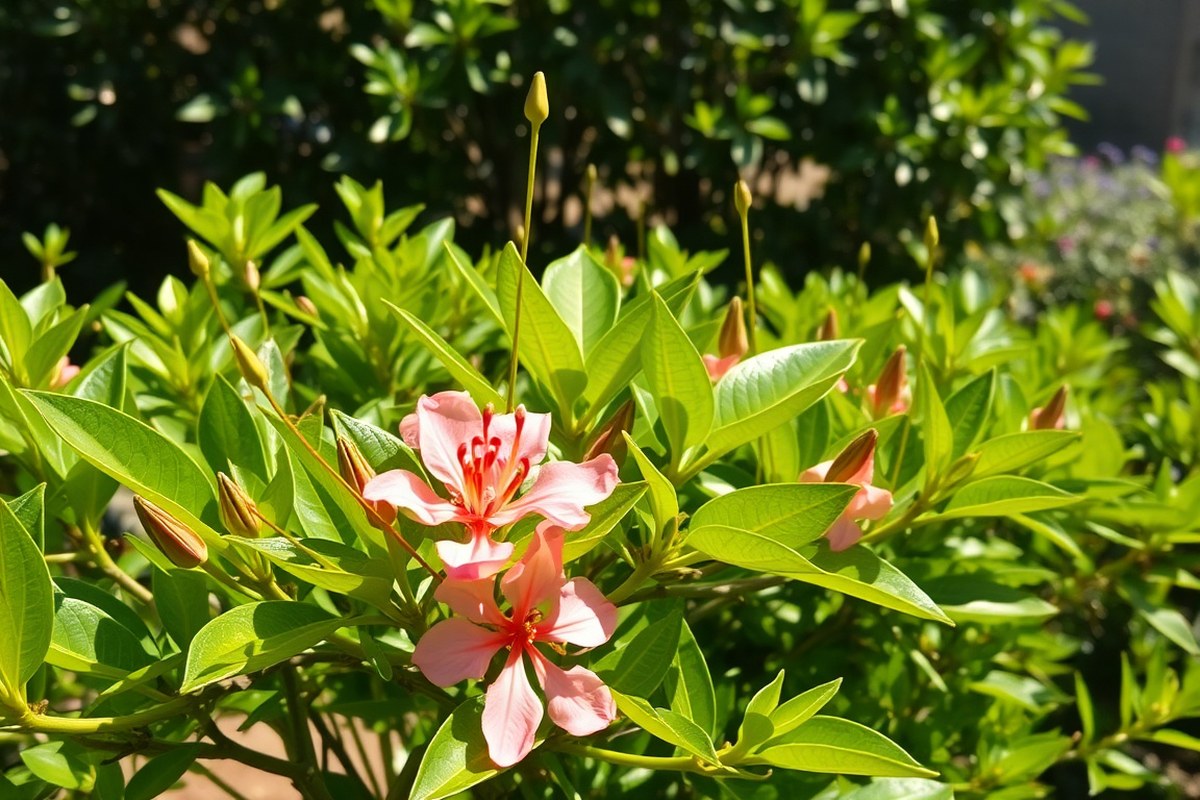
How Fast Do Oleanders Grow? A Complete Guide to Growth Speed & Care
How fast do oleanders grow? They usually add about 1 to 2 feet each year. In good conditions, oleanders can reach 6 to 12 feet tall within a few years.
Growth speed depends largely on climate, sunlight, and soil quality. Oleanders grow fastest in USDA zones 8 to 10.
These zones have warm temperatures most of the year. The warmth helps oleanders grow quickly and stay healthy.
Plant oleanders in full sun for best growth. They need well-drained soil to avoid root problems. Overwatering or heavy clay soil can slow their progress or cause damage.
Adding a balanced fertilizer during the growing season can boost growth. Pruning helps keep the plant dense and encourages new shoots. Healthy soil, sun, and water balance all support faster, stronger growth.
Key Takeaways
- Oleanders typically grow 1 to 2 feet per year under good conditions.
- Warm climates encourage faster growth and taller plants.
- Full sun exposure is essential for healthy, quick oleander growth.
- Well-drained soil with some sand and organic matter helps roots expand.
- Water only when the top 3 inches of soil feel dry to avoid root rot.
- Dwarf oleander varieties grow slower and stay smaller, around 3 to 5 feet tall.
How Fast Do Oleanders Grow per Year and Reach Full Size?
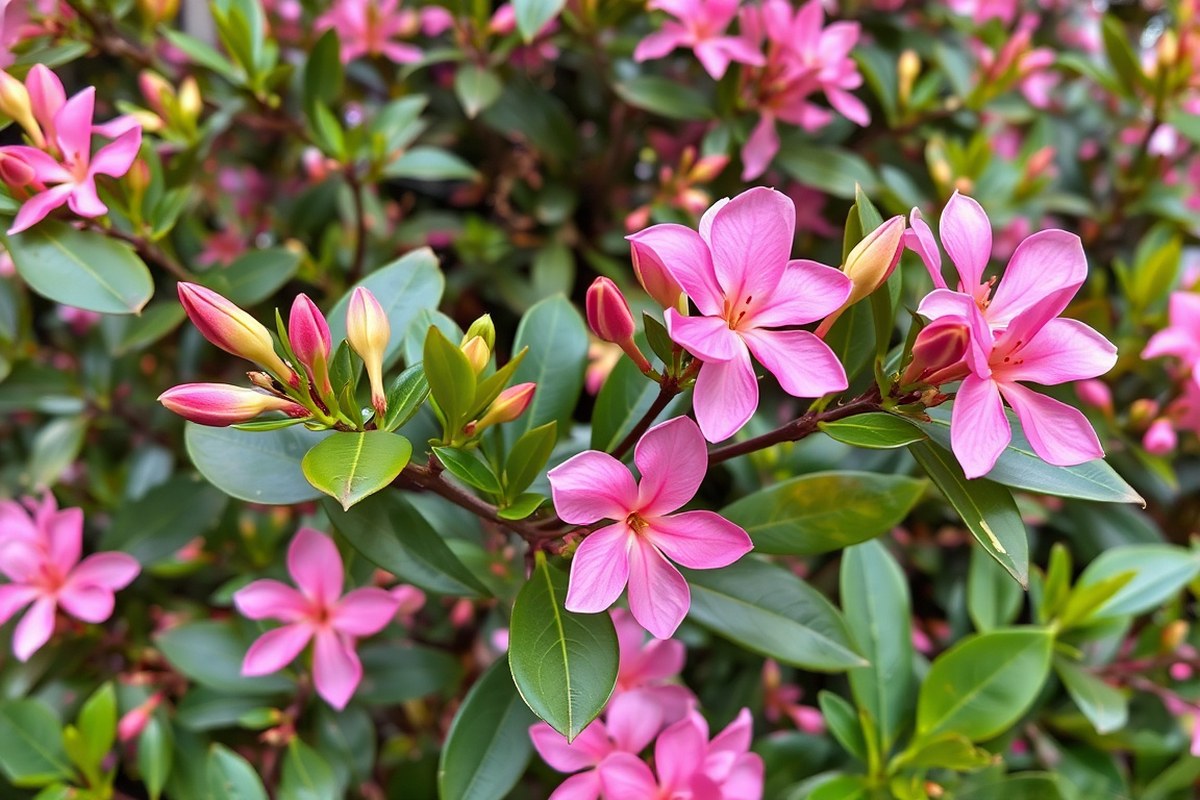
Oleanders usually add about 1 to 2 feet of growth each year. Some types can grow 2 to 3 feet each year. This happens in the first few years.
They need ideal settings to do this well. Growth tends to slow a bit after the plant reaches maturity.
Most oleanders mature between 6 and 12 feet tall, spreading nearly as wide. Some varieties grow taller, reaching up to 15 or 20 feet if left unpruned. Smaller cultivars spread about 3 feet wide.
Larger types can spread 15 feet or more. The size depends on the type you plant.
Oleanders typically reach most of their mature size within 5 to 6 years. Fast-growing varieties achieve around 80% of full height in this time. Slower types and those grown in containers may take longer to fill out.
How Climate and Temperature Affect Oleander Growth Speed
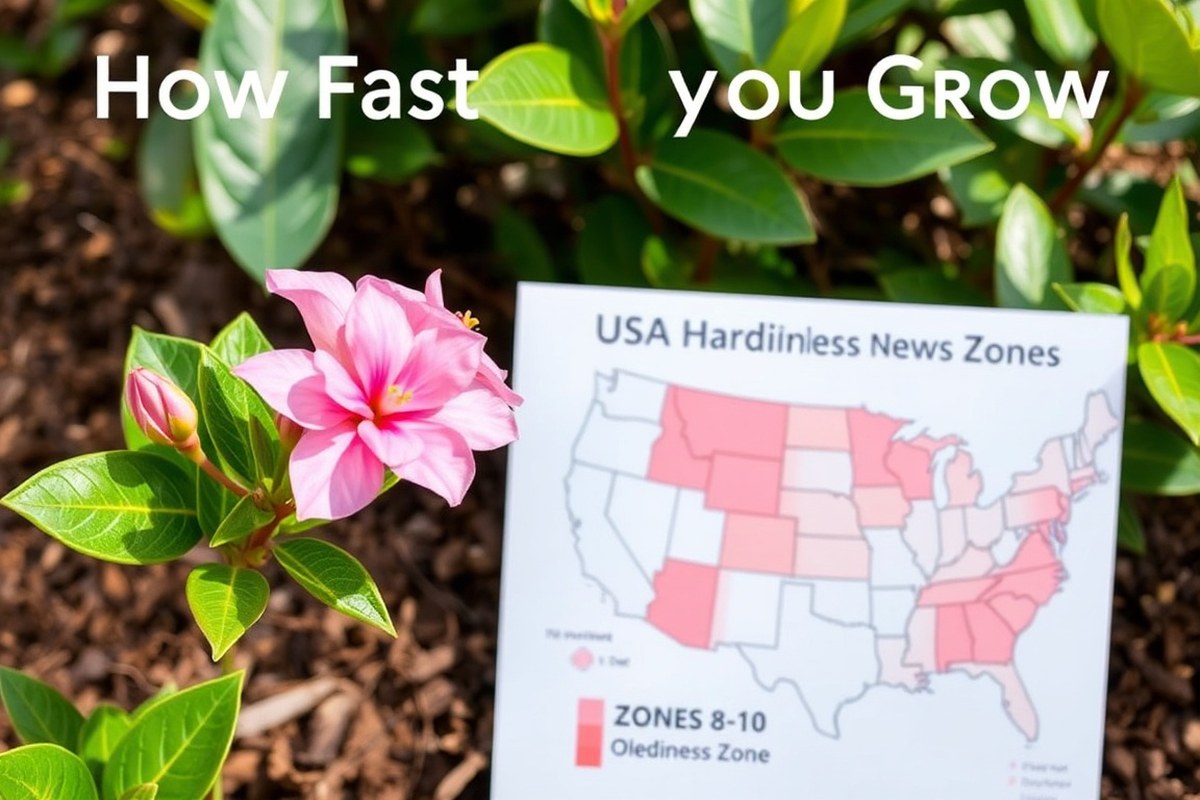
Oleanders grow fastest in USDA zones 8 through 10, where warm temperatures suit them well. These zones offer the moderate winters and hot summers that help oleanders develop quickly. Outside these zones, cold slows growth.
Temperatures below 20°F can kill plants. Frost harms oleanders most.
Winter lows affect oleander growth a lot. Young oleanders are more sensitive to cold and frost, which can damage branches and leaves.
Frost can halt growth for a season or more. But healthy oleanders often bounce back by regrowing from their roots after pruning dead wood.
You can grow oleanders in colder zones indoors. Move them during freezing weather. Sheltered spots work too.
Container-grown oleanders benefit from this approach because you can protect them easily. Don’t fertilize after August 1 in frost areas.
New growth won’t harden before cold. This can harm your plant.
Oleanders prefer full sun to grow fast and flower well. Cold winters in cooler zones stunt growth. Plants may barely grow at all.
It goes beyond just slowing down. In zones 9 to 11, oleanders grow faster.
Longer seasons mean less cold stress. They reach full size soon.
Sun and heat combined speed growth but also increase water needs. Deep watering every 7 to 10 days during summer encourages strong roots to support rapid growth. Long droughts slow oleanders down.
They do tolerate dry spells well. However, too much stress harms growth.
The chance of frost means winter damage risk is always there. Frost can cause bark cracking and make stems bend from wind stress. Cut frost-damaged shoots in early spring.
Oleanders regrow fast from the base. This restores their size quickly.
Never fertilize oleanders after August 1 in frost-prone zones; late growth may freeze.
Growth Differences Among Oleander Varieties and Cultivars
Oleander growth varies by variety, affecting speed and mature height. Standard oleanders grow faster and taller than dwarf types. Dwarf varieties stay smaller and take less time to reach full size.
Popular Vigorous Standard Oleander Varieties
Standard oleanders like Nerium oleander grow quickly, adding 3 to 4 feet in the first year. They often reach 10 to 20 feet at maturity. These varieties develop dense branches and make great hedges.
The fast growth helps fill landscape spaces faster but requires pruning to keep size manageable. They prefer full sun for the best growth rate. Standard types are the best choice when you want height and rapid spread.
Common Dwarf Oleander Cultivars Overview
Dwarf oleanders reach only about 3 to 5 feet tall. They grow 1 to 2 feet in the first year and stay compact. Their smaller size fits well in containers or small gardens.
They usually have slower vertical growth because of their compact shape. Dwarfs can spread a few feet wide and keep a tidy form without much pruning. These types work well when restrained size matters.
Comparison of Growth Rate and Mature Size
Growth rate and mature height differ across standard, semi-dwarf, and dwarf oleanders. This table shows typical heights for each class after one and two years, plus full size.
| Variety | Year 1 Height (ft) | Year 2 Height (ft) | Mature Height (ft) |
|---|---|---|---|
| Dwarf | 1-2 | 2-3 | 3-5 |
| Semi-Dwarf | 2-3 | 4-5 | 5-8 |
| Standard | 3-4 | 6-8 | 10-20 |
Choosing the right variety depends on space and how fast you want growth. Dwarfs suit small spots and containers but take longer to fill space. Standard types reach large sizes quickly but need more room.
Essential Soil, Sunlight, and Watering Conditions for Optimal Growth
Oleanders grow fastest in full sun. They need at least six hours of direct light. Sunlight helps them thrive and grow quickly.
Sunlight fuels photosynthesis, helping the plant create energy and grow new branches quickly. Without enough sun, oleanders grow slower, with thin, stretched-out stems and fewer flowers.
Well-draining soil is next in importance. Oleanders adapt to many soils, but water must not stay around the roots long. Standing water can cause root rot, hurting the plant’s growth.
Choose soil that feels loose and crumbly. Sandy loam or soil with organic matter works well. This helps improve drainage and plant health.
Watering deeply but not often keeps oleander roots healthy. Let the top 2 to 3 inches dry before watering again. This encourages roots to grow downward, making the plant stronger.
Shallow, frequent watering leads to weak roots and slower growth. Adjust watering based on the weather and how dry the soil feels.
- Plant in a sunny spot with six or more hours of direct light daily
- Use well-draining soil like sandy loam or amended garden soil
- Water deeply, soaking the soil 6 to 12 inches down
- Wait for the top 2, 3 inches of soil to dry before watering again
- Reduce watering frequency in cooler, wetter weather
- Avoid heavy clay soil or standing water around roots
A good soil test can help you check drainage. Pour water on the soil and time how long it takes to soak in. Water pooling for more than five minutes means the soil needs help.
Add sand or organic compost to improve drainage. This prevents soggy roots and damage. Healthy oleanders grow about one to two feet annually with these conditions.
Oleanders grow best in full sun and well-drained soil. Keep the soil moist but not soggy. This helps them reach their full growth potential.
Missing one key factor like too little sun or poor drainage slows growth noticeably. Watching your plant’s leaves and stem strength shows if watering and soil are right.
Pruning Methods That Influence Growth Rate and Shape
Pruning oleanders helps control their height and width while encouraging stronger, denser growth. Cutting back after flowering speeds up new shoots, shaping the plant without harming future blooms. Done right, pruning keeps oleanders healthy and attractive year after year.
Timing Your Pruning for Best Results
Oleanders bloom on new growth, so prune them right after flowering ends. This timing helps preserve flower buds for the next season. Pruning too early or too late can reduce blooms or delay growth.
After the summer flowers fade, check for dead or damaged branches. Removing these encourages fresh shoots quickly.
Pruning in early spring for new shoots is okay. But heavier cuts should happen post-bloom.
Techniques to Promote Denser Growth
Pruning to half the targeted mature height spurs new side branches and thickens the shrub. Cutting back skinny stems avoids leggy growth and opens the bush for light. Removing old wood near the base stimulates juvenile shoots.
Aggressive pruning, like cutting woody stems down to 12-18 inches, revives overgrown plants. New shoots grow vigorously after this, making the plant fuller. Avoid cutting too late in the season because it can hurt next year’s flowers.
Don’t remove more than one-third of the plant at once; it stresses the oleander.
How to Prune to Control Height and Spread
To keep oleanders compact, trim branch tips and remove wayward stems yearly. For a hedge, shape the sides evenly after flowering to maintain a neat wall. Taller specimens get cut back to about half their size to prevent excessive height.
Make clean, angled cuts just above a leaf node or lateral bud. This encourages buds to sprout outward rather than upward. Always use sharp, clean tools to prevent disease and encourage quick healing.
Follow these steps for pruning oleanders effectively:
- Wait until after blooming ends to start pruning.
- Remove any dead, damaged, or weak branches first.
- Cut back tall stems to the desired height, usually about half the final size.
- Trim side branches to shape and remove uneven growth.
- Prune lightly to encourage new shoots and bushiness.
- Dispose of cut branches to prevent pests and diseases.
- Apply water and balanced fertilizer after pruning to support growth.
Seasonal Growth Patterns and How to Track Oleander Development
Oleanders grow fastest during the warm months of spring and summer. Growth slows down in cooler fall and winter months when the plant goes semi-dormant. Tracking oleander development involves measuring its size regularly and noting changes in stem and leaf health.
Identifying Growth Flushes in Spring and Summer
Oleanders have noticeable growth bursts in spring and summer when temperatures range from 65°F to 85°F. You’ll see new shoots, longer branches, and fresh leaves forming during this time. Growth slows in fall as temperatures drop below 60°F and movement reduces in winter.
Signs of healthy growth include firm, green stems. The leaves look vibrant. You will also see more flower buds.
Watch for changes every two to three weeks to catch growth flushes. Avoid expecting much growth in winter unless you grow oleanders indoors or in warm climates.
Measuring Height and Width Increments
Tracking growth means measuring your oleander’s height and width consistently. Use a tape measure or yardstick to get precise numbers. Take measurements at the same spots each time to spot actual growth, not just repositioning.
- Choose two fixed points: one for height and one for width.
- Measure from the ground to the tallest stem tip for height.
- Measure the widest leaf spread for width across the shrub.
- Record the date and measurements in a notebook or app.
- Repeat measurements every 2 to 4 weeks during growing season.
- Compare with previous records to see growth rate over time.
Regular measuring helps catch growth spurts and slows clearly. Watch for changes over a few months. Check your watering, light, and soil quality.
Using a Growth Diary or Chart
Keeping a growth diary or chart helps you track oleander progress accurately. Make a simple spreadsheet to track growth.
Log date, height, width, and leaf or flower notes. Writing down issues like yellow leaves also guides care adjustments.
Here’s an example of a basic tracking format:
| Date | Height (inches) | Width (inches) | Notes (health, flowers) |
|---|---|---|---|
| April 1 | 24 | 30 | New leaves appearing |
| May 15 | 30 | 35 | Flower buds starting |
This chart makes it easy to spot growth trends and identify problems early. Consistent tracking takes just a few minutes each time and helps you keep the shrub healthy.
Common Growth Problems and How to Fix Slow or Uneven Oleander Growth
Pests like aphids and spider mites can slow oleander growth. These bugs suck sap, weakening the plant. Check the underside of leaves regularly for tiny insects or webbing.
Oleander leaf scorch, caused by bacteria, appears as yellowing and browning leaf edges. This disease blocks water flow and stunts growth. Remove affected leaves promptly and avoid overhead watering to reduce spread.
Oleanders might show poor growth from nutrient deficiencies. Nitrogen is usually the most critical for leafy growth.
Adding a balanced slow-release fertilizer in spring can help. Avoid overfeeding since oleanders do not need heavy feeding.
- Look regularly for aphids and spider mites, treat with insecticidal soap or neem oil.
- Remove leaves with signs of bacterial leaf scorch and clean garden tools daily.
- Apply slow-release fertilizer with balanced N-P-K in early spring and mid-summer.
- Avoid waterlogging by ensuring well-drained soil or raised beds.
- Protect oleanders from strong winds and extreme midday heat.
- Water deeply but infrequently to encourage deep roots and reduce stress.
Environmental stress like drought and poor soil can reduce growth speed. Oleanders dislike soggy roots, which may cause decline. Make sure the soil drains well and water only when the top 2 inches feel dry.
Too much heat or wind stress causes leaf drop and slower growth. Use shade cloths or windbreaks if the plants look stressed in hot afternoons. You might also mulch around the base to keep roots cooler and moist.
Tips to Safely Accelerate Oleander Growth for Faster Results
Fertilize oleanders every 4 to 6 weeks during spring and summer. Use a balanced fertilizer that contains nitrogen, phosphorus, and potassium. This boosts healthy leaves and flower growth without overloading the soil.
Consistent watering during the first year helps oleanders develop strong roots. Water deeply once or twice a week depending on rainfall and temperature. Avoid soggy soil since too much water risks root rot.
Plant oleanders directly in the ground to speed growth by 1.8 to 2.5 times compared to containers. Soil nutrients, room for roots, and better temperature control all help them thrive faster. Before planting, test your soil first.
Mix clay soil with 30% coarse sand. Add 10% compost for a loose, well-draining bed.
- Apply 2 to 3 inches of mulch around the base to save moisture and reduce weeds.
- Space plants at least 4 to 6 feet apart to allow room for growth and airflow.
- Choose young oleanders for faster hedge establishment than mature plants.
- Repot container-grown oleanders to a bigger pot every 1 to 2 years for healthy root spread.
- Keep soil moist but not wet, especially during hot, dry spells.
Adding mulch conserves moisture and controls soil temperature swings. This creates a gentler root environment and reduces the water needed. Give oleanders room to grow by spacing them sufficiently to avoid overcrowding and prevent disease.
Do not overwater or use too much fertilizer. Both can harm your oleander’s roots and slow growth.
Step-by-Step Action Plan for Growing Oleanders Faster
Follow these clear steps to boost your oleander’s growth speed effectively. Check progress as you go to make sure the plant responds well.
- Before planting: Choose a fast-growing variety suited for your climate zone. Healthy starters grow quicker and adapt better.
- Week 1: Plant oleanders in well-drained soil with full sunlight (6+ hours daily). Watch for steady leaf development as a sign of good location.
- Week 2: Water deeply but allow soil to dry slightly between sessions. Check soil moisture to avoid overwatering or drought stress.
- Month 1: Apply a balanced fertilizer with slow-release nitrogen. New growth and darker green leaves show it’s working.
- After 6 weeks: Begin light pruning to shape and encourage branching. Look for fresh shoots on trimmed stems.
- Month 3: Mulch around the base to retain moisture and control weeds. Healthy, weed-free soil around the plant means better growth.
- Ongoing: Monitor for pests or uneven growth. Treat problems promptly to keep your plant growing strong.
Frequently Asked Questions
How Long Does It Take for an Oleander to Recover Growth After Winter Damage?
Oleanders can regrow quickly from their base after cold damage. This recovery usually happens in spring, depending on the climate and pruning.
Can Oleanders Grown in Containers Match the Growth Speed of Those in the Ground?
Container-grown oleanders often grow slower than those in the ground. Limited root space and soil nutrients mostly cause this slower pace.
Does Fertilizing Oleanders Make Their Growth Noticeably Faster?
Fertilizing oleanders helps speed up their growth by supplying key nutrients. Use a balanced fertilizer during the growing season for best results.
How Much Sunlight Do Oleanders Need to Maintain Healthy Growth?
Oleanders need full sun for at least 6 hours a day to grow well. With less sun, their growth slows and flowers become fewer.
Can Oleanders Be Used to Create a Quick Privacy Screen?
Plant young oleanders and let them grow without trimming. Over 3 to 5 years, they make a fast-growing privacy barrier.
This approach works well for quick coverage. They fill in space quickly and become dense.
What Happens If Oleanders Get Too Little Water?
Oleanders tolerate drought but slow down growth when too dry. Regular watering boosts their growth especially in hot, dry spells.
Key Points to Remember
Oleanders grow at a steady pace when given the right conditions. Choosing good soil, sunlight, and pruning techniques helps a lot. Start with one step today to see quicker oleander growth soon.