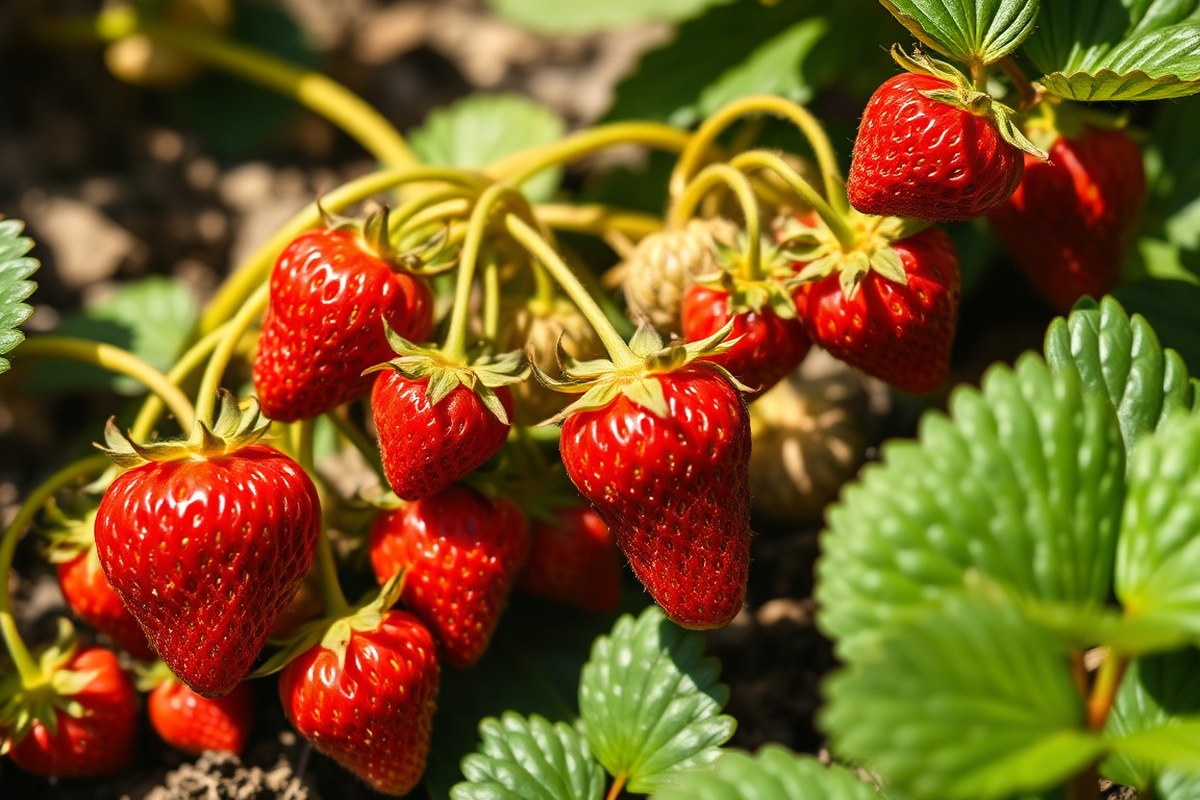
Does Strawberries Grow Back Every Year? What Actually Works for Perennial Success
Does strawberries grow back every year? Yes, strawberry plants are perennials.
They can come back year after year if you care for them right. These plants often live about four to five years in your garden.
Strawberries usually produce the most fruit during their first two or three years. After that, their yield often drops. That means you’ll want to watch how productive your plants are each season.
Giving strawberry plants regular fertilizer every 4 to 6 weeks helps keep them healthy. Plant strawberry crowns 12 to 18 inches apart to give room. Crowded plants can cause poor growth and more disease.
Give each plant enough space to thrive and spread. This keeps runners and leaves growing strong for next year’s berries.
Key Takeaways
- Strawberry plants can regrow each year but lose productivity after three years.
- Feed strawberries a balanced fertilizer every 4-6 weeks during growing season.
- Plant strawberries 12-18 inches apart for healthy growth and runner development.
- Replace June-bearing plants every 3-4 years to maintain harvest quality.
- Everbearing and day-neutral varieties usually need replacement every 2-3 years.
- Pick a location where strawberries get a minimum of 6 hours sun. More sunlight helps strawberries grow sweeter and bigger. Sunlight is essential for healthy plant and fruit production.
Do Strawberry Plants Naturally Grow Back Every Year?
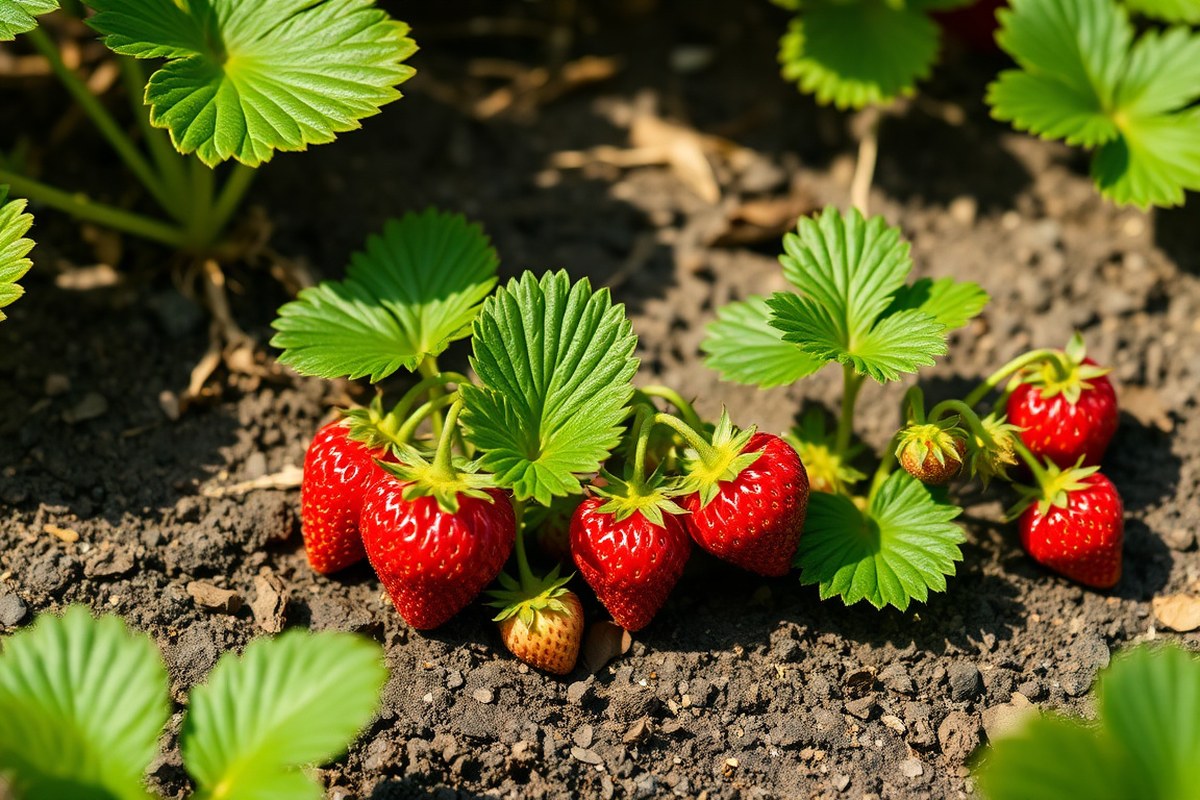
Strawberry plants are perennial, so they do come back every year. Their crowns survive winter and send up new shoots each spring. This means you don’t have to replant strawberries annually.
These plants are considered short-lived perennials because fruit production drops after two or three years. The plants keep growing back, but their harvest gets smaller as they age.
You can still enjoy strawberries yearly. But expect yields to decline without renewing the patch.
Several natural factors affect how well strawberry plants regrow. Cold winter temperatures can damage crowns if they aren’t protected, reducing spring growth.
Garden soil quality and moisture also impact how healthy the plant stays through the seasons. Proper garden conditions help strawberries regrow strong and produce more fruit for several years.
How Strawberry Varieties Differ in Regrowth and Lifespan
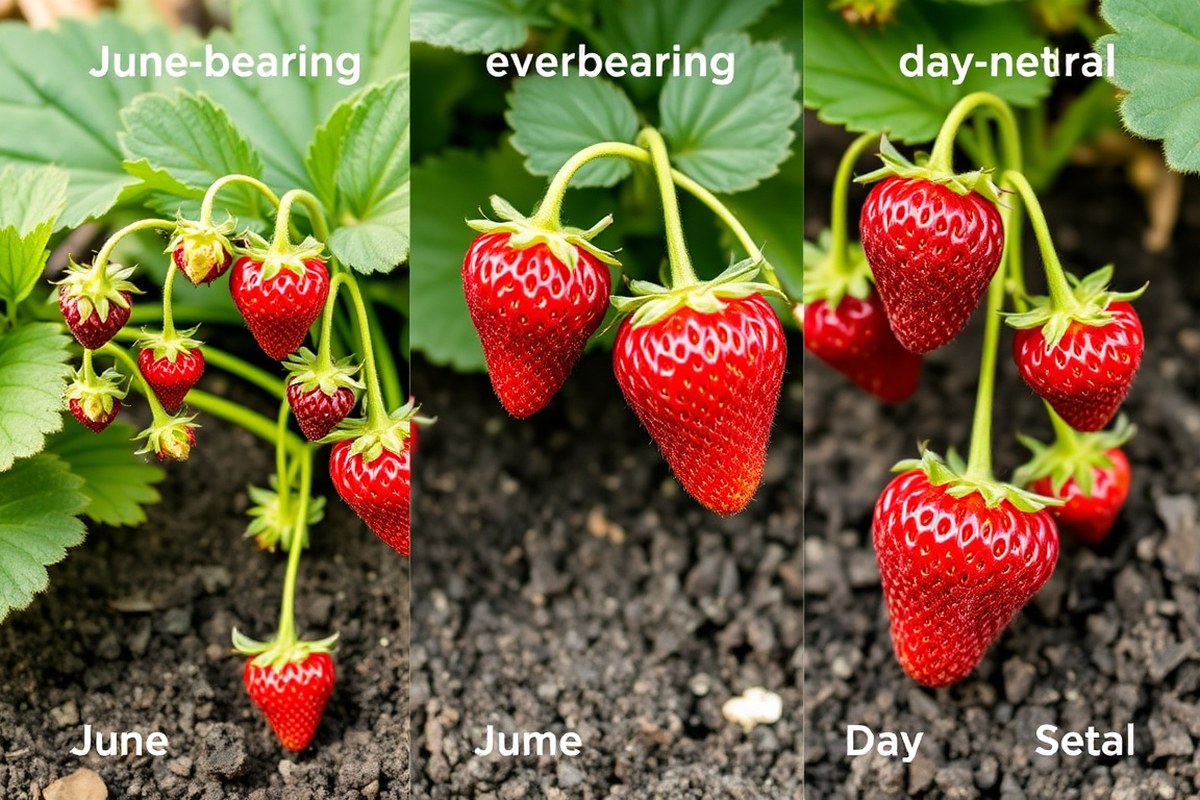
Not all strawberry plants behave the same each year. Your best choice depends on whether you want one big harvest or steady fruit over months. Each type grows back differently and lasts varying numbers of years.
June-Bearing Strawberries: Lifecycle and Regrowth
June-bearing strawberries produce one large crop usually in late spring to early summer. They grow strongly during that time and then enter dormancy. These plants regrow from their crowns each year and send out runners to make new plants.
Strawberry plants can stay productive for up to six years. Most gardeners replace them every three or four years. This keeps the plants healthy and fruitful.
Over time, fruit size and quantity tends to drop. Protecting the crown with fall mulch helps plants survive winter and come back strong.
Trim back old leaves after harvest to help the plant store energy for next spring’s regrowth.
Everbearing Strawberries: Multiple Crops and Longevity
Everbearing strawberries offer two smaller harvests, typically in spring and again in late summer or fall. They also regrow annually but tend to produce less fruit over time. These plants usually need replacement every one to two years for best results.
Unlike June-bearers, everbearing strawberries require less aggressive pruning. You only remove dead or diseased leaves. Choosing varieties suited for your local climate extends the plant’s productive life.
Replacing everbearing plants every other year keeps berry quality and yields higher.
Day-Neutral Strawberries: Continuous Fruiting and Replacement Timing
Day-neutral strawberries fruit continuously from late spring through fall. They don’t rely on day length to start fruiting, so you get steady harvests. They can fruit in the first year and often need replacing every two to three years.
These plants send out runners to expand your bed, keeping harvests going. Day-neutral varieties produce fruit for many months.
They are popular for fresh berries all summer long. You can enjoy berries over a long season.
Keep an eye on soil pH and pests to maintain day-neutral plants’ health and productivity.
Here’s a simple table comparing important traits of these three types to help you decide:
| Aspect | Details | Key Tip for Regrowth |
|---|---|---|
| Growth Habit | Perennial; regrows from crown and runners annually | Mulch in fall to protect roots |
| Types | June-bearing (single large crop), Everbearing (two smaller crops), Day-neutral (continuous fruiting) | Choose varieties suited to your climate zone |
| Growth Cycle Stages | Spring awakening, fruiting period, fall/winter dormancy | Prune after harvest to help energy storage |
| Productivity Span | June-bearing: 3, 6 years Everbearing: 1, 2 years Day-neutral: 2, 3 years |
Replace plants when fruit quality declines |
The type of strawberry you pick affects plant lifespan. It also affects how often you need to replant. Choose wisely to match your gardening goals.
Consider whether you want one big yearly crop or berries nearly all season. Match your care routine to your variety for best results.
How Seasonal Care Affects Strawberry Plants’ Ability to Grow Back
Strawberry plants need steady care to come back strong every year. Fertilizing, mulching, pruning, and renovating the beds all play roles. Skipping these steps often leads to weaker plants and fewer berries.
Fertilizing Frequency and Nutrient Needs
Feed your strawberries every 4 to 6 weeks during the growing season. This keeps plants healthy and supports fruit production. Use a balanced fertilizer, like one labeled 10-10-10, for good results.
Start fertilizing when new growth appears in early spring. Stop around 6 weeks before the first expected frost. Avoid over-fertilizing, which can cause lots of leaves but fewer berries.
Mulching and Winter Protection Techniques
Mulching helps strawberries survive cold winters and keeps soil moist. Apply a 2 to 3-inch layer of straw or pine needles after the first hard frost. This protects the crowns from freezing temperatures.
In regions with very cold winters, cover the mulch. Use a breathable fabric or a floating row cover for best results. This protects your strawberry plants during harsh weather.
This adds extra insulation without trapping moisture. Remove the mulch slowly in spring as temperatures rise.
Bed Renovation: Timing and Procedures
Renovate strawberry beds every 2 to 3 years to keep them productive. This involves mowing old plants to about 1 inch and replanting runners. Renovation focuses energy on new plants rather than tired ones.
Late summer is the best time to cut back old plants. Allow runners to root before removing old leaves. Then thin to keep only the healthiest runners for a stronger next season.
Use the following steps to renovate your strawberry bed:
- Mow or trim plants to about 1 inch above the soil late summer.
- Remove dead leaves and old debris from the bed.
- Thin runners, keeping only the strongest and healthiest.
- Water the bed deeply to encourage runner rooting.
- Add fresh compost or balanced fertilizer around plants.
- Mulch lightly to protect roots but allow air circulation.
- Monitor regularly and water during dry periods.
What Soil, Light, and Water Conditions Support Strawberry Regrowth?
Strawberries prefer slightly acidic soil with a pH between 5.5 and 6.5. Loamy soil with organic matter holds moisture well and drains fast. Strawberry crowns need this to stay healthy.
It keeps roots from sitting in water or drying out. Use a soil test kit to check soil pH first.
Add lime if the soil is too acidic or sulfur if too alkaline. This helps strawberries grow better.
Full sun is essential for strawberries to regrow well and produce fruit. Aim for at least six to eight hours of direct sunlight daily. Less sun means fewer flowers and weaker plants, which reduces your harvest and slows regrowth.
Water strawberries about 1 to 1.Give 5 inches of water each week during fruit growth. Spread water evenly so soil stays moist, not soggy. Too much water can harm roots.
Avoid wetting leaves to reduce disease risk. Use extra watering in dry or hot areas as needed.
This keeps crowns healthy through fall and winter. Don’t let soil dry out completely.
Good drainage prevents crown rot. So planting in raised beds or rows can help if your soil is heavy clay.
Mulching with straw or pine needles keeps moisture steady and soil temperatures stable. Both factors support the crown’s ability to send out new growth in spring.
Overwatering can drown strawberry crowns and cause fungal diseases. Underwatering weakens plants and fruit. Watch soil moisture by feeling the top 2 inches.
It should be moist but not wet. Water once per week in dry winter zones to protect crowns.
This prevents them from drying out during dormancy. Too little water can cause crown damage.
How Winter Climate and Protection Influence Strawberry Survival
Strawberry crowns survive winter best when protected from harsh cold. Temperatures below 15 degrees Fahrenheit can kill the crown and stop regrowth. Snow cover over 6 inches acts like insulation and keeps crowns safe from freezing damage.
In places where snow is scarce, use mulch to protect plants. Use straw or pine needle mulch 2 to 3 inches thick. Apply it after the first hard frost.
This helps protect your plants well. It slows soil temperature drops and reduces freeze damage.
Wind exposure causes extra drying on strawberry leaves and crowns. A windbreak or row cover blocks the wind to keep plants from drying out.
Winters with mild temperatures benefit from leaf mulch. Cover the mulch with burlap to keep temperature swings low.
- Leave snow undisturbed when over 6 inches deep to insulate crowns
- In deep freeze areas below 14°F and little snow, apply 2, 3 inches straw mulch
- Use leaf mulch covered by burlap in mild winters with freezes
- Set up a windbreak or row cover in windy spots to stop drying
- Keep mulch in place during early spring thaws until soil warms fully
- For container-grown strawberries, consider fresh planting every one or two years
Winter kill happens mostly when crowns stay exposed below 15 degrees Fahrenheit. Mulch and snow keep the crowns warmer and moisture steady. Without winter protection, frozen crowns stop growing and die.
Do not remove snow or mulch early; it harms crowns during last frosts.
Runner Management and Propagation for Perennial Strawberry Beds
Strawberry runners let your plants renew each year by creating new plants. You cut and replant them to maintain a healthy patch. Managing runners well keeps your strawberries productive and strong for multiple seasons.
Identifying Healthy Runners for Propagation
Look for runners with several healthy leaves and firm, green stems. Avoid runners that look dry, yellowed, or weak because they won’t grow well. Choose the strongest, most vigorous runners to keep your patch productive year after year.
Strong runners usually have small, well-formed plantlets ready to root. These will adapt quickly when you transplant them and produce fruit faster in their first season.
When and How to Separate Runners from Parent Plants
Wait until runner plantlets have roots before cutting them off. Each plantlet should have at least two sets of leaves. This ensures they are strong enough to grow on their own.
Cutting runners too early risks weak new plants that yield fewer berries. Do not remove more than half the runners from one plant.
Taking too many will weaken the parent plant. Keep enough runners to maintain plant strength.
Once runners have rooted, carefully cut the runner stem connecting the new plant to the parent. You want new plants strong enough to survive on their own in the soil or container.
Planting and Caring for New Runner Plants
Plant runner babies in well-drained soil enriched with compost. Space new plants about 12 to 18 inches apart to allow leaf spreading and airflow. Water them gently but consistently to keep soil moist without soaking it.
New runner plants need regular watering until they establish roots. Mulch around roots to retain moisture and reduce weeds. Avoid fertilizing heavily at transplant, which can stress young plants.
Follow these steps for successful runner propagation and keeping your strawberry patch healthy and productive:
- Choose healthy runners with several leaves and roots.
- Wait until roots form and leaves grow before separating.
- Cut runners carefully at the stem connection to the parent plant.
- Prepare planting spots with loose, fertile soil and good drainage.
- Plant runner babies 12 to 18 inches apart for room to grow.
- Water new plants regularly but avoid waterlogging soil.
- Apply mulch to keep moisture steady and reduce weeds.
- Hold off on strong fertilizer until plants show good growth.
How to Grow Strawberries in Containers for Regrowth
You can grow strawberries in containers and have them come back each year. They regrow if you keep soil moist but well-drained.
Plant crowns 2 to 3 inches deep. Vigorous shoots usually appear 2 to 3 weeks after planting if conditions are right.
Container strawberries need soil that warms above 40 °F for faster shoot growth. When soil is colder, shoots grow slowly or weakly. Avoid waterlogging because excess moisture makes crowns rot, killing the plant and stopping regrowth.
Watch out for root-binding, which happens when roots fill the container completely. This limits nutrient uptake and reduces fruit yield.
Repot your plants every year or two into larger containers, or prune roots gently when repotting. This helps keep the roots healthy and the plants productive.
Water container strawberries regularly but don’t overwater. They need steady moisture with occasional drying to avoid root rot.
Use containers with drainage holes, and check soil moisture by feeling it. Water again when the soil feels dry 1 inch down.
Add mulch or wrap containers when soil freezes about 0.5 inch deep. Do this in cold climates. Start when daytime temperatures stay in the 20s °F. This prevents freezing that can kill crowns and roots, stopping regrowth next season.
Strawberries grown in containers often need fresh soil every couple years to stay productive. Nutrients wash out faster in pots than in ground beds.
Refresh soil with a balanced, organic-rich mix to keep plants healthy. This helps fruit production, too.
While everbearing types regrow for years, their best fruit production usually lasts 3 to 5 seasons. After that, plants fade in yield even with perfect care.
Start new plants or propagate runners from containers to keep harvesting fresh berries. This maintains good size and flavor.
When and Why to Replace Strawberry Plants for Best Yield
Strawberry plants usually stay productive for about three to four years. After this time, their fruit yield drops noticeably.
You’ll see smaller, fewer berries or poor plant growth. These are signs it’s time to replace the crowns.
Replacing plants too early wastes money and effort. But waiting too long cuts your harvest. Watch your bed each season.
If the harvest feels much smaller than past years, plan to set up a new bed soon. Starting a new bed a year before you retire the old one helps avoid losing harvests.
Use runners from your existing plants to fill empty spots while your new plants grow. This saves money on buying new crowns and keeps fruit coming from the bed. Preserve the old plants until the new bed is established and producing well.
Don’t cut back strawberry plants at season’s end. Leaving them intact helps protect crowns and supports better growth next spring.
When you’re ready to replace, remove old plants carefully. Then, plant fresh crowns or transplant runners into freshly prepared soil.
Delay replacement until after you see a sharp decline in berry size or amount. This keeps your patch productive without unnecessary replanting costs.
New strawberry plants take a full season to reach their peak yield. That’s why you want the new bed ready early.
Prepare soil with compost or manure and check pH for best results. Healthy soil helps young plants establish faster and start fruiting well within months.
In hotter climates, lower yields can happen before three years due to heat stress. Here, consider replacing plants after two seasons if fruit numbers dip big.
Cooler areas may get a full four productive years. Watch local conditions and adjust replacement timing accordingly.
Step-by-Step Action Plan for Growing Strawberries Year After Year
Keep your strawberry plants healthy by following these simple steps. It helps them come back strong each season.
- Early Spring: Remove old leaves and dead runners. New growth shows the plant is ready to grow.
- Spring Planting: Plant crowns or runners in well-drained, sunny spots. Look for shoots appearing within two weeks.
- Late Spring to Summer: Water deeply once a week, more in hot weather. Check soil to stay moist but not soggy.
- Summer: Pinch off runner plants to focus energy on fruit production. Notice bigger and better berries as a result.
- Late Summer: Fertilize lightly with balanced fertilizer. Watch leaves stay green and berries sized well.
- Fall: Mulch around plants to protect roots from cold. Remove mulch once spring arrives.
- Winter: Use straw or fabric row covers if you have hard freezes. Plants will survive and regrow in spring.
- After 3 Years: Replace plants or add new runners to refresh your bed. A drop in fruit size or number means it’s time.
Frequently Asked Questions
Do Strawberries Grow Back Every Year?
Yes, strawberries are perennial plants and come back yearly. Their success depends on care, variety, and environment.
Do All Strawberry Varieties Grow Back Every Year?
Most varieties are perennial, but fruit yield varies by type. Choose your variety based on desired regrowth and harvest frequency.
Does Planting Strawberries from Seed Affect Their Yearly Return?
Growing strawberries from seed still results in perennial plants. They will return yearly like those from runners, but fruit quality may differ.
Should I Replace Strawberry Plants Yearly or Let Them Regrow?
You don’t need to replace plants annually, but yield drops after 3-5 years. Replanting keeps production high, especially for June-bearing types.
Can Strawberries Survive Harsh Winters to Regrow Next Spring?
Winter survival depends on protection and climate. Mulching and cover help plants survive cold better to come back in spring.
How Does Growing Strawberries in Containers Affect Regrowth?
Container strawberries can regrow yearly but need frequent watering and feeding. Containers dry out faster, so watch soil moisture closely.
The Bottom Line
Strawberry plants can grow back each year with proper care and protection. Keep tracking your plant’s growth and adjust your care as seasons change. Start by removing old leaves this spring to give your strawberries a fresh start.
One Comment