What Do Weeds Look Like? A Complete Visual Guide to Identify Common Garden Weeds
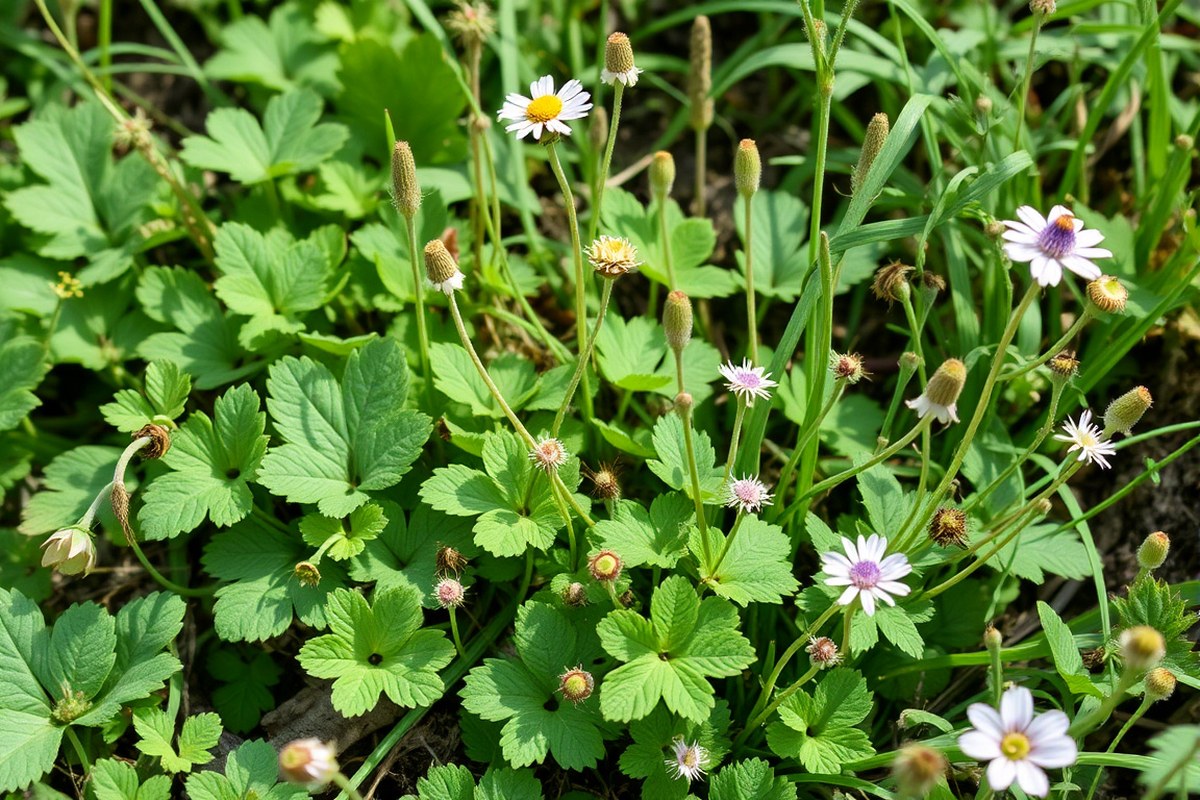
Wondering what do weeds look like in your garden? Most weeds fall into a few clear groups like broadleaf, grassy, or sedge types. Each has distinctive leaves, flowers, and growth shapes you can spot easily with practice.
Broadleaf weeds usually have wide, flat leaves with visible veins and flowers of many colors. Grassy weeds look like long, narrow grass blades, sometimes hairy or rough to the touch. Sedges are grass-like but have triangular stems and grow in clumps.
Start by looking closely at the leaves and flower shapes of garden intruders. Knowing the common weed features helps you pick the right control method early. Check your plants daily during growth spurts to catch weeds quickly before they spread.
Key Takeaways
- Broadleaf weeds have wide leaves with veins and colorful flowers.
- Grassy weeds feature long, narrow, sometimes hairy leaves like crabgrass.
- Sedges have triangular stems and grow in dense clumps.
- Look at leaf shape, texture, and stem angles to identify weeds.
- Check for flower shape and color to distinguish similar weeds.
- Early weed spotting helps you control them before they take over.
What Do Common Weeds Look Like at Different Growth Stages?
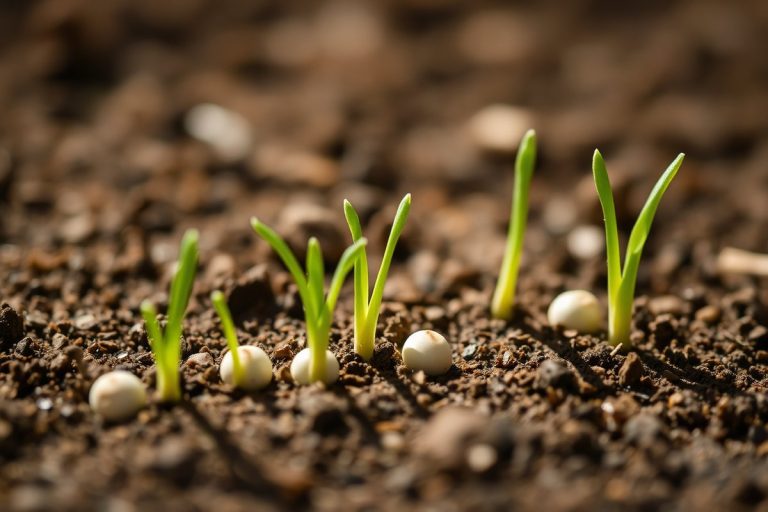
Weeds start small and change a lot as they grow. Early weed seedlings often look like pairs of small leaves growing side by side.
These first leaves, called cotyledons, don’t look like adult leaves. They can be mistaken for young vegetable sprouts.
As weeds grow, their leaves change pattern. They start with opposite pairs, then alternate along the stem. Crabgrass seedlings start with a blunt leaf tip.
This tip splits fast into the first true leaf. Later, the leaves become wider and stagger in a zig-zag pattern. Recognizing these changes helps you spot weeds before they become established.
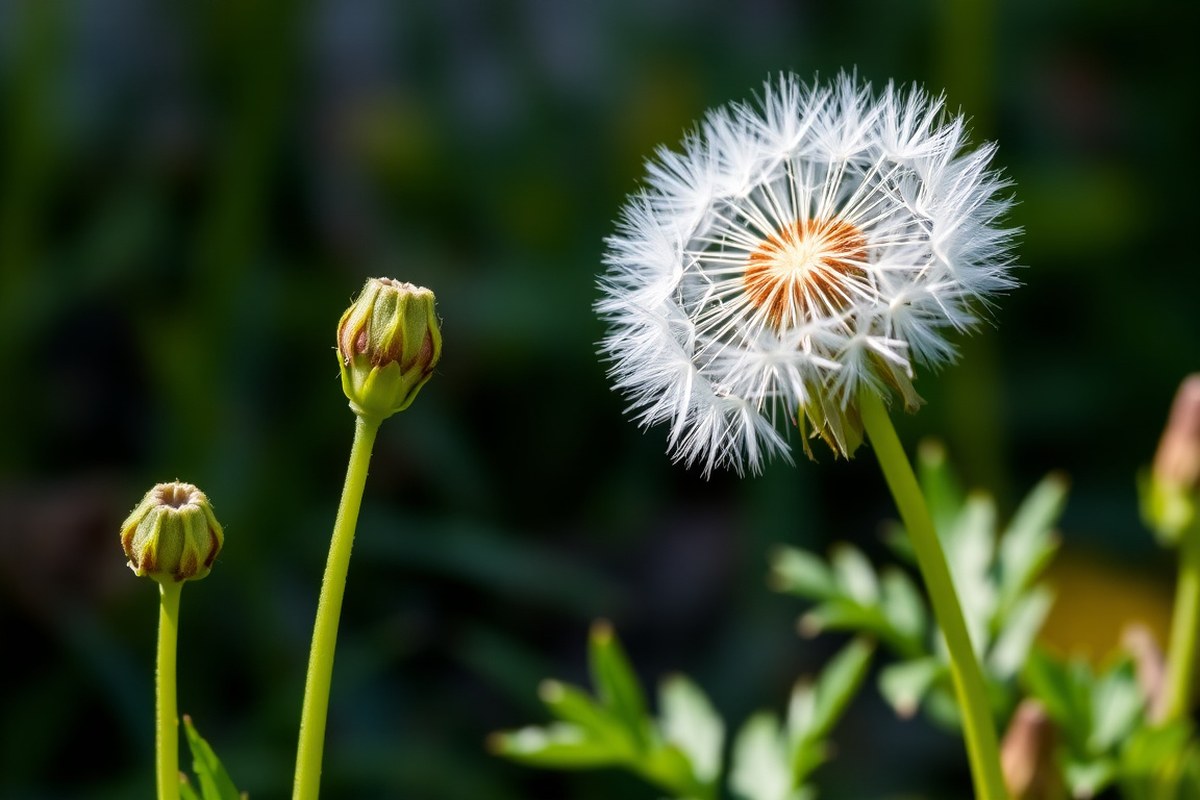
Most weeds show their first flower buds during the mature stage. The timing varies by species but often appears a few weeks after germination.
Dandelions, for instance, produce buds above a basal rosette of jagged leaves. Flowers reveal the type of weed and its potential for spreading seeds.
Look closely at leaf shape, size, and arrangement at each stage. Seedlings have pairs of tiny leaves close to the ground.
Mature plants show alternate leaves and possibly flowers. This progression helps you tell weeds from desirable plants and plan control steps.
- Check leaf arrangement: Seedlings have opposite leaves in pairs. Mature weeds alternate leaves up the stem.
- Identify leaf shape: Check if the leaves are wide or narrow. Also notice if they feel smooth, hairy, or have serrated edges.
- Look for first leaves after cotyledons: True leaves often resemble adult leaves. They differ between species.
- Spot flower buds or blooms: Typically appear weeks after germination, signaling maturity.
- Compare seedling leaves with known vegetable or grass sprouts: Weed seedlings often have smoother, shinier leaves.
- Use light and size clues: Weeds like crabgrass grow fast. They may beat garden plants in height early on.
- Regularly inspect new growth: Early detection helps control weeds before seeds form.
How to Differentiate Grassy Weeds, Broadleaf Weeds, and Sedges Visually
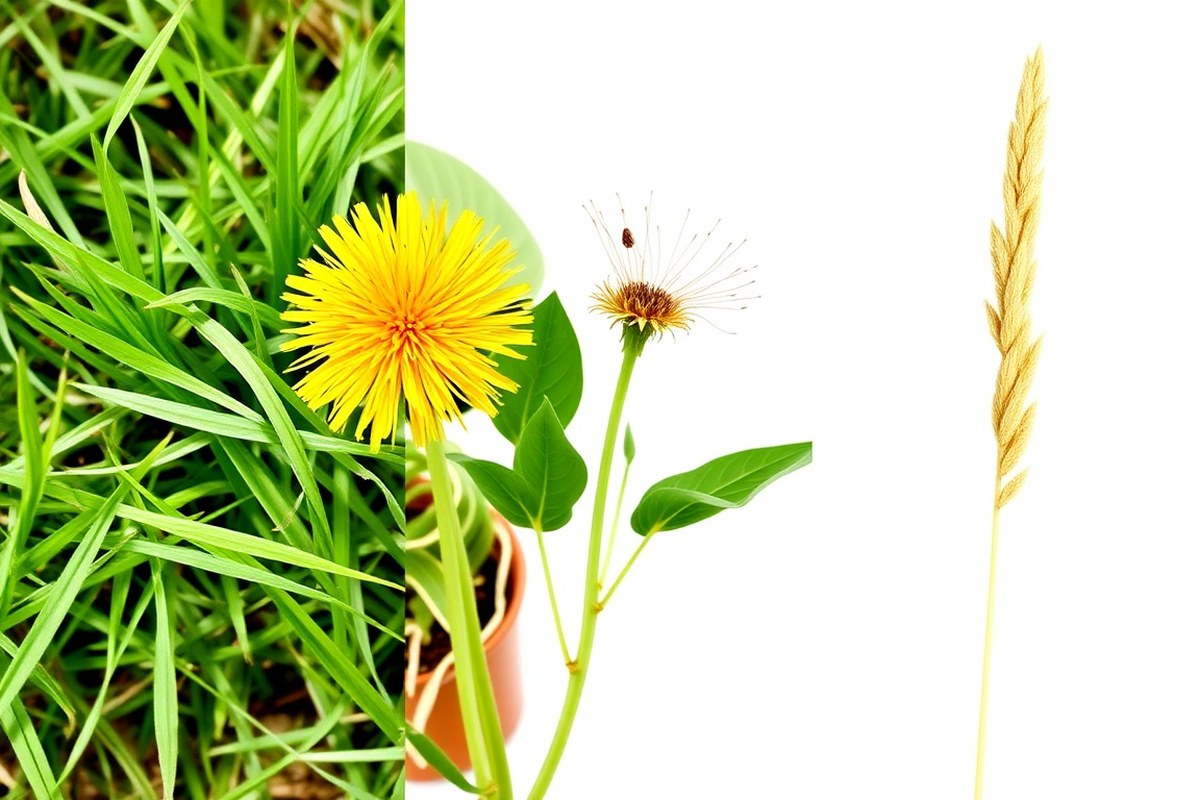
Grassy weeds, broadleaf weeds, and sedges look quite different. You can tell them apart by leaf shape and vein patterns. Also check the stem structure to spot each kind.
Grassy weeds resemble lawn grass with narrow, parallel-veined leaves. Broadleaf weeds are wider with net-like veins. Sedges look like grasses but have triangular, solid stems.
Grassy Weed Features
Grassy weeds have narrow leaves similar to lawn grass. Their leaf veins run parallel from base to tip. These weeds blend into turfgrass, making early spot identification tricky.
Look closely at leaf width. Grassy weed leaves are thin, often less than a quarter-inch wide. They grow upright and have smooth or slightly rough edges.
Grassy weeds form bunches or spread through underground stems. Common examples include crabgrass and quackgrass, which invade lawns rapidly.
Broadleaf Weed Features
Broadleaf weeds have wider leaves than grasses. Their leaf veins form a net pattern branching out from the central vein. These veins are easier to see on mature plants.
Leaves can be round, oval, or lobed with edges that are smooth, toothed, or lobed. Dandelions are a classic broadleaf weed with jagged lobes and a deep taproot.
Broadleaf weeds often have hairy or smooth stems and may grow flowers. They usually stand out clearly against fine or coarse turfgrass.
Sedge Identification Traits
Sedges resemble grasses, but their stems have a unique triangular shape. You can feel this by gently rolling the stem between your fingers. Their leaves grow in three rows instead of two.
They have solid, stiff stems forming dense patches. Unlike grasses, sedges don’t have hollow stems. They thrive in moist or poorly drained soils.
Identifying sedges early helps prevent their quick spread in lawns and gardens. Nutsedges are a common example that lawn owners often confuse with grass. Here is a quick table to help you decide which category a weed belongs to:
| Feature | Grassy Weeds | Broadleaf Weeds | Sedges |
|---|---|---|---|
| Leaf Shape | Narrow, blade-like | Wide, flat, or lobed | Narrow but arranged in three rows |
| Leaf Veins | Parallel veins | Net-like veins | Parallel veins, but leaves in sets of three |
| Stem Shape | Round, hollow | Round or square, often hairy or smooth | Triangular, solid stem |
| Growth Habit | Clumping or spreading via rhizomes | Single stem or branching | Dense clumps |
Use your fingers to feel the stem shape. This helps you tell sedges from grasses easily. It’s the simplest way to separate them.
Knowing these traits helps you pick the right control method. Broadleaf herbicides won’t hurt grassy weeds or sedges. So accurate ID saves time and money.
Common Leaf Shapes and Textures to Identify Weeds
Weeds show many leaf shapes that help you identify them fast. Common forms include heart-shaped, linear, and rounded leaves. Crabgrass leaves are wide and flat.
They can grow up to 10 inches. The leaves feel slightly hairy to the touch. Leaf shape helps identify the weed family.
This step narrows down your options. It’s important before choosing the species.
Feel is another key clue. Leaf textures can be smooth, hairy, waxy, or rough. Hairy leaves like crabgrass’s can help spot it early.
Waxy surfaces can indicate drought tolerance. Paying attention to texture adds a helpful layer to shape and color for better ID accuracy.
- Linear leaves are long and narrow, common in grasses and some weeds.
- Heart-shaped leaves, or cordate, appear in weeds like violets and clover.
- Oval or elliptical leaves often belong to broadleaf weeds.
- Leaf arrangement, such as opposite or alternate on the stem, helps separate species.
- Leaf edges may be smooth, serrated, or lobed, providing extra clues.
- Colors range from bright green to bluish or even purplish hues.
- Texture includes hairy, smooth, or waxy surfaces depending on the weed.
Color isn’t always a solid guide but can hint at the plant’s type or health. Bright green is typical. But some weeds show bluish tones or yellowish leaves if stressed.
Variations happen due to soil, water, or sunlight differences. Still, combining color with leaf shape and texture reduces mistakes. Look for these visual cues during your regular garden checks for quick weed ID.
Flower Shapes, Colors, and Growth Patterns in Common Weeds
Broadleaf weeds often show small, clustered flowers in white, yellow, or pink shades. These flowers typically appear in spring or early summer when the plants grow fastest. Spotting these colors and times helps catch weeds early.
You can stop them before they spread seeds and grow. This saves your garden from a big problem later.
Grassy weeds flower quite differently. They usually produce feathery or bushy flower heads that look like fox tails or loose spikes.
These flowers mostly appear later than broadleaf blooms, often in mid to late summer. Their tall, narrow shape and flowering pattern set them apart from broadleaf weeds.
Invasive weeds often show bright flower colors like yellow or purple. These colors attract pollinators. This helps the weeds spread seeds faster.
Watching for these colors can alert you to tough weeds that need quick removal. Early detection lets you manage these weeds before they overwhelm your plants.
- Check flowers during spring and early summer for broadleaf weed identification.
- Look for feathery flower heads on grassy weeds in mid to late summer.
- Note bright yellow or purple blooms as signals for invasive weed species.
- Observe flower clusters or spikes to distinguish between weed types.
- Track the weed’s location and growth to understand its pattern.
- Pull or hoe young flowering weeds before they produce seeds.
Growth habits also reveal weed identity. Broadleaf weeds tend to spread low and wide. Grassy weeds grow upright and can exceed 24 inches.
Knowing these habits and flower traits helps you spot weeds fast. You can then decide the best time to act. Acting early controls weeds better.
Keep a notebook or phone log of flower colors and shapes. Also write down when each flower blooms. This helps track weeds that cause problems.
This habit requires little time but pays off by saving your garden’s health. Missing early blooms can mean bigger weed problems later, costing more effort and money to fix.
Root Systems and Their Relationship to Weed Appearance Above Ground
Roots tell you a lot about a weed’s growth and look. Shallow roots usually mean the weed spreads out with many stems near the surface.
Deep roots suggest stronger stems with fewer but bigger leaves above ground. Knowing the root type lets you guess how tough the plant is and how it grows.
For example, weeds with fibrous root systems tend to grow quickly and cover lots of ground. They often have thin stems and narrow leaves.
Taproot weeds dig deep and pull nutrients from lower soil layers. These plants often have thicker stems and larger leaves to store energy.
| Root Type | Common Weed Examples | Growth Form Above Ground | Root Depth & Difficulty |
|---|---|---|---|
| Fibrous Roots | Poa annua, Spurge | Many thin stems, small narrow leaves | Shallow, easy to pull if pulled fully |
| Taproot | Dandelion, Chicory | Single thick stem, broad leaves | Deep, hard to remove if root breaks |
| Rhizomes | Bermudagrass, Quackgrass | Stems spread underground, leafy shoots | Medium depth, spreads aggressively |
| Bulbs & Tubers | Wild Garlic, Nutsedge | Clustered stems from base, grass-like leaves | Medium to deep, regrows from tubers |
Shallow roots often mean weeds grow faster with frequent watering. For instance, daily shallow watering promotes weeds like Poa annua and spurge.
These weeds can starve your lawn’s deeper-rooted grasses. Adjust your watering to reach deeply and feed your plants, not the weeds.
Root differences also hint at how a weed’s leaves and stems look. Tough, deep-rooted weeds have bigger leaves to store energy.
They often show thick stems to support top growth. Fibrous-rooted weeds look lighter with thinner stems and leaves.
Pull every weed fully from the root to stop it from growing back.
Common Visual Mistakes When Identifying Weeds and How to Avoid Them
Many gardeners confuse certain garden plants with weeds by mistake. This happens when plants share similar shapes or grow in unexpected spots. Learning to spot these errors helps you protect your favorite plants and avoid unnecessary weeding.
Mistaking Clover and Wildflowers
Clover often grows in lawns and gardens, and some people think it’s a weed. Its leaves are round, not like usual grass blades. The flowers are small and either white or pink.
These plants can blend in with surrounding grass. Wildflowers in a garden bed might be volunteer plants, not weeds, especially if they bloom attractively.
Some wildflowers are beneficial, attracting pollinators and adding color. Check your plant’s leaf shape, growth height, and flower color before pulling anything out. When unsure, leave the plant until you verify it isn’t part of your garden design.
Confusing Seedlings with Weed Sprouts
Young weed sprouts look like many garden seedlings at first. They are often small, with plain green leaves that can confuse any gardener. Look closely at leaf edges and stem texture to find subtle differences.
- Crabgrass seedlings have pointed leaves and grow low to the ground.
- Vegetable seedlings usually have heart-shaped or serrated leaf edges.
- Weed sprouts often grow faster and appear in bare soil spots.
- Seedlings of garden plants show stronger stems after two weeks.
- Use a magnifying glass to check tiny leaf hairs and veins.
- Note where the sprout grows; weeds prefer compacted or thin soil.
Rushing to pull plants without close inspection might kill young garden plants. Take a few days to observe their growth before digging them up.
Seasonal Appearance Changes
Some weeds change how they look during seasons and mimic non-weeds. For example, chickweed looks like ground cover plants in spring but spreads rapidly. It can be confused with green cover plants that you want to keep.
Other weeds lose leaves or flowers in summer, appearing less noticeable. You might miss these until they seed or grow again in fall. Check for root growth or leftover stems during dormant seasons to spot hidden weeds early.
How Environmental Factors Affect Weed Appearance
Light affects weed leaves in clear ways. Shaded weeds tend to grow larger leaves. They spread out more to catch limited sunlight.
The color usually turns lighter green or yellowish. This happens because less chlorophyll produces less vibrant green shades. In full sun, weed leaves stay smaller and darker.
Soil quality can change how weeds grow and look. Poor soil with low nutrients makes weeds smaller and paler. Rich, well-drained soil lets them grow faster and fuller.
Some weeds signal soil problems like compaction or drainage issues. For example, dandelions often appear in compacted areas with hard soil.
Moisture also changes weed appearance noticeably. During drought, many weeds look stunted and wilted. They may turn brown or take on a grayish tint.
Some tough weeds keep growing but slow down their leaf production. Wet soil encourages weeds to grow lush and bright green. The slower growth in dry soils makes weeds less leafy and thin.
Mowing height influences how weeds and grass interact. Raising the mower deck to 3.5 or 4 inches helps shade soil. This shading blocks light at the soil surface, stopping weed seeds from germinating.
For instance, crabgrass germination can drop by 85% in tall fescue mowed at four inches. Lower mowing heights let more light through, encouraging weed growth. Taller lawns also help grass compete better by shading weeds.
Changing mowing height feels simple but can save time and chemicals. Set your mower to 3.5 to 4 inches in spring and summer. Monitor your lawn for slower weed sprouting over weeks.
If weeds still appear, consider applying pre-emergent herbicides, but start with mowing adjustments. This method works well for warm-season grasses prone to crabgrass and other summer weeds.
Early-Season Visual Identification Tips for Rapid Weed Control
You can spot weeds early by learning about their first leaves. These leaves and growth patterns differ from your garden plants. Notice the differences to identify weeds quickly.
Most weeds show unique leaf shapes and quick growth right after germination. Catching them at this stage means you stop new infestations before they spread.
Recognizing Seedlings by Leaf Shape
Weed seedlings often have distinct leaf shapes that stand out from lawn or garden plants. Broadleaf weeds mostly have round or oval first leaves.
Grassy weed seedlings begin with slender, grasslike blades. These early leaves usually appear in pairs opposite each other or alternate along the stem.
Look closely for small hairs or tiny teeth on leaf edges. These traits help spot weeds before they mature.
For example, clover seedlings show three small leaflets. Dandelion sprouts start with smooth, elongated leaves.
- Count the number of leaves: weeds often show 2 to 4 cotyledons or seed leaves.
- Check leaf edges: smooth, toothed, or hairy margins suggest different weed types.
- Note leaf arrangement: opposite leaves often signal broadleaf weeds.
- Observe leaf texture: waxy or fuzzy surfaces can indicate certain weed species.
- Look for color variations: some weeds have lighter green or reddish hints.
Early leaf traits are reliable clues because they form soon after sprouting. You can start pulling or spot-treating weeds while their roots stay small.
Key Stem and Growth Rate Indicators
Weed stems often grow faster and may differ in thickness or stiffness compared to garden plants. Some weeds, like crabgrass, spread horizontally with low, thin stems early on. Others, like pigweed, grow straight up quickly with thick stems that feel rough or hairy.
Growth speed is another tip. New seedlings growing faster than grass or flowers are likely weeds. Check the soil surface for clusters of seedlings showing rapid height gain within days of germination.
- Measure seedling height daily to spot unusually fast growth.
- Feel stem texture: rough or hairy stems often signal weeds.
- Watch for spreading habit: runners or stolons suggest certain weeds.
- Note stem color: reddish or purplish hues sometimes appear early.
- Check if seedlings crowd nearby plants quickly.
Tracking these signs helps catch weeds in time for low-cost removal. Catching thistles or crabgrass rapidly reduces seed spread.
Differentiating from Desired Grass Seedlings
Lawn grass seedlings usually show narrow, smooth, upright leaves without hairs or teeth. The first two grass leaf blades usually have a visible ligule. The ligule is a tiny flap or hair at the leaf base.
Weeds lack or differ in ligules. Also, grass seedlings grow uniformly in clusters. Weed seedlings vary widely in size and shape.
Use these differences to decide if a seedling is part of your lawn. Or check if it matches a common weed instead.
- Check for ligules at leaf bases: grasses have distinct ligules, weeds do not.
- Observe leaf texture: grasses feel smooth, unlike hairy broadleaf weeds.
- Look for uniform height among seedlings for grass identification.
- Pull test: grass seedlings resist uprooting more than fragile weed sprouts.
- Compare leaf color: grasses tend toward uniform green, weeds vary more.
Early removal costs little time but prevents bigger weed problems later.
Quick-Start Action Plan for Spotting and Managing Weeds
Use this plan to recognize weeds early and stop them before they spread. Each step helps you check your progress.
- Before planting: Walk around and note any visible weeds. Mark spots to watch.
- Week 1: Check seedlings daily for leaf shape and texture signs. Confirm by comparing with weed pictures.
- Week 2: Look for flower colors and patterns as some weeds bloom early. Use photos to ID them quickly.
- Week 3: Dig a small sample to see root types. Confirm if roots are fibrous or have tubers.
- Week 4: Remove weeds by hand or spot spray. Check if new growth stops after removal.
- Month 2: Assess treated spots weekly. If weeds return, adjust removal methods.
- Month 3: Keep monitoring your planting zone for any new weed forms. Repeat identification steps if needed.
Frequently Asked Questions
What Are the Signs That a Young Weed Is Present but Hard to Spot?
Young weeds often have slender, delicate leaves and pale stems. They look like small blades of grass.
This makes them easy to miss. You might not notice them in early growth stages.
Can Weeds Change Appearance as They Grow Older?
Yes, many weeds look different as they mature. Flowers and seed heads usually appear later, helping you identify the weed more clearly.
Why Do Some Weeds Look Similar to Lawn Grass but Still Cause Problems?
Grass-like weeds have narrow leaves and parallel veins like turf grass. They compete with your lawn but don’t have the same root strength or growth pattern.
Can Damaged or Stressed Weeds Look Different from Healthy Ones?
Weeds that face stress, like drought or mowing, often show distorted or faded leaves. This can make identification tricky without a closer look.
Do All Weeds Flower, and Can This Help with Identification?
Most weeds flower, but some do so late or rarely. Flower color and pattern give clues. But leaf shape is often easier to spot earlier.
How Do Soil or Light Conditions Change What Weeds Look Like in My Garden?
Poor soil or shade may make weeds smaller or paler. These changes can hide typical signs, so look for growth patterns too.
Key Points to Remember
Weeds change in appearance as they grow, so stay alert to these shifts. Practice spotting key features early to improve your control methods. Start by examining a small area to test your weed ID skills today.