Do Peppers Need Full Sun? A Complete Guide for Successful Growing
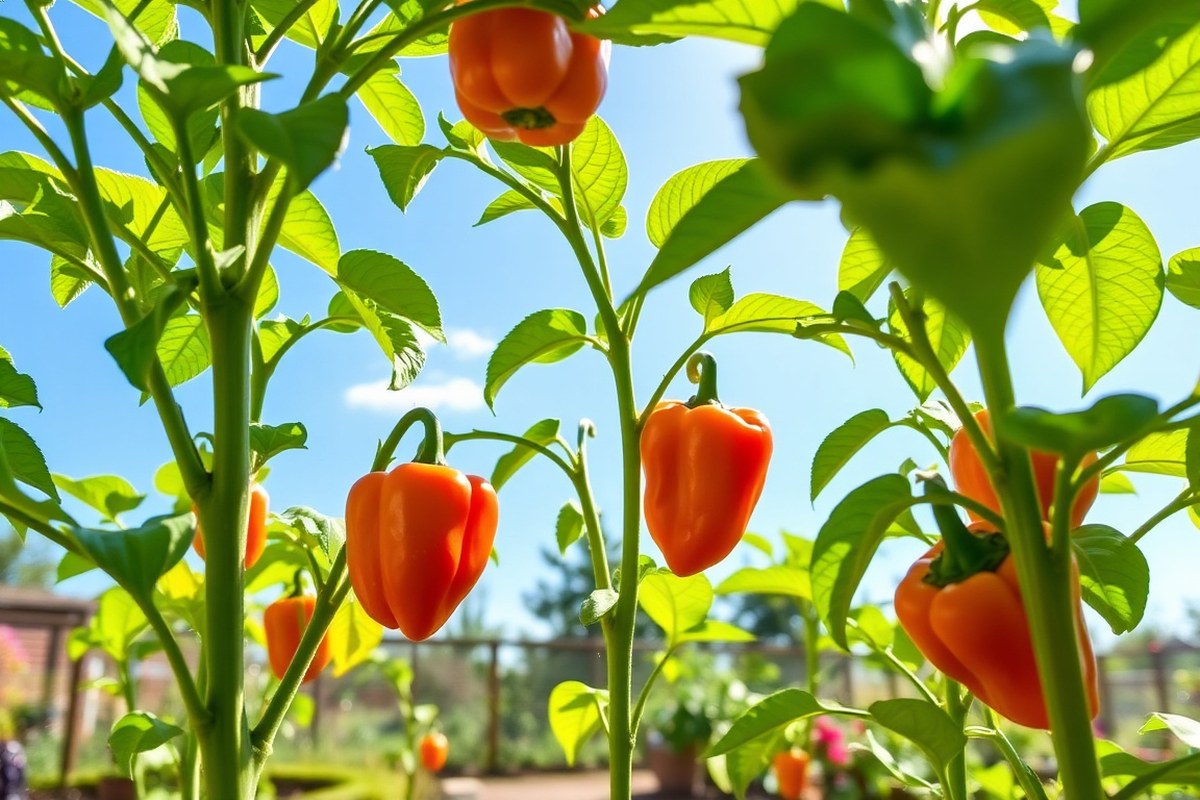
Do peppers need full sun to grow well? Yes, peppers do best with 6 to 12 hours of direct sunlight daily. This amount of light helps them produce big yields and stay healthy.
Pick a sunny place in your garden or balcony. Make sure it gets light most of the day. Peppers need plenty of sun to grow well.
Peppers grow best when temperatures stay between 70 and 85 degrees Fahrenheit. Too much sun combined with heat above 85 degrees can harm the plants. So watch for signs like leaf scorch.
Use shade in the afternoon if you live somewhere hot. This helps peppers avoid heat stress. Shade should cover them during the hottest hours.
Move your indoor peppers outside little by little. Don’t expose them to full sun right away. Check they get 6 to 8 hours of sun using a light meter or shadow stick.
Key Takeaways
- Peppers need 6 to 12 hours of direct sunlight for healthy growth.
- Keep temperatures between 70°F and 85°F for best pepper health.
- Use afternoon shade in hot climates to prevent sun damage.
- Start outdoor sun exposure slowly when transplanting peppers from indoors.
- Check sunlight with a light meter app or shadow stick.
- In cooler areas, use sun-exposed spots and heat-retaining mulch.
Do Peppers Require Full Sun to Thrive?
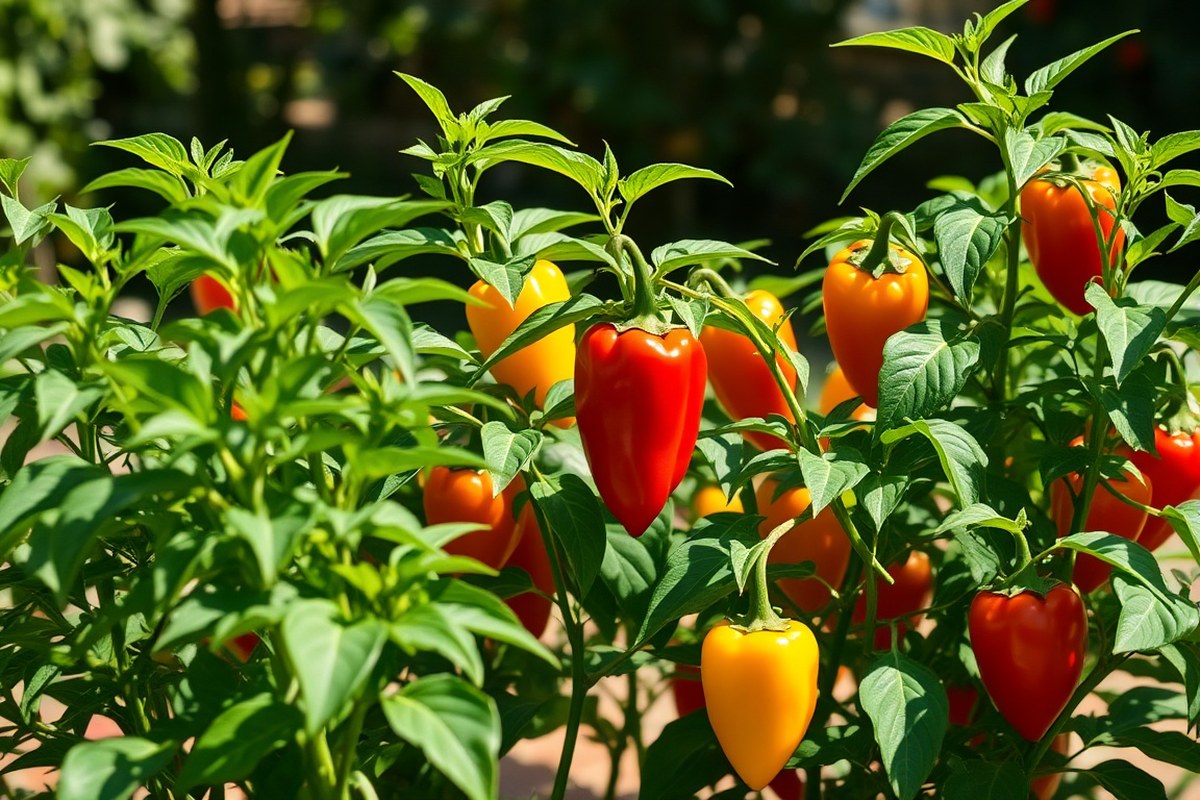
Peppers grow best with full sun. They need 6 to 12 hours daily. Direct sunlight helps peppers thrive.
Six to eight hours offers enough light for healthy leaves. Strong fruit grows well with this light.
This suits most growing regions. This amount supports good photosynthesis, fueling steady growth and producing larger, sweeter peppers.
Pick a spot with full morning and afternoon sun. This works well in many places. Avoid harsh late-day heat in hot climates.
Giving peppers around 8 to 10 hours of sun mimics their natural growing conditions. This range helps them develop thick stems and vibrant fruit colors.
Providing less than six hours of sun slows growth and reduces yield. Peppers in partial shade might grow, but they often produce fewer, smaller fruits. Use a light meter app to check sunlight hours.
Watching shadows helps track bright sun too. Make sure you get 6 to 8 hours daily.
How Temperature and Sunlight Together Affect Pepper Health
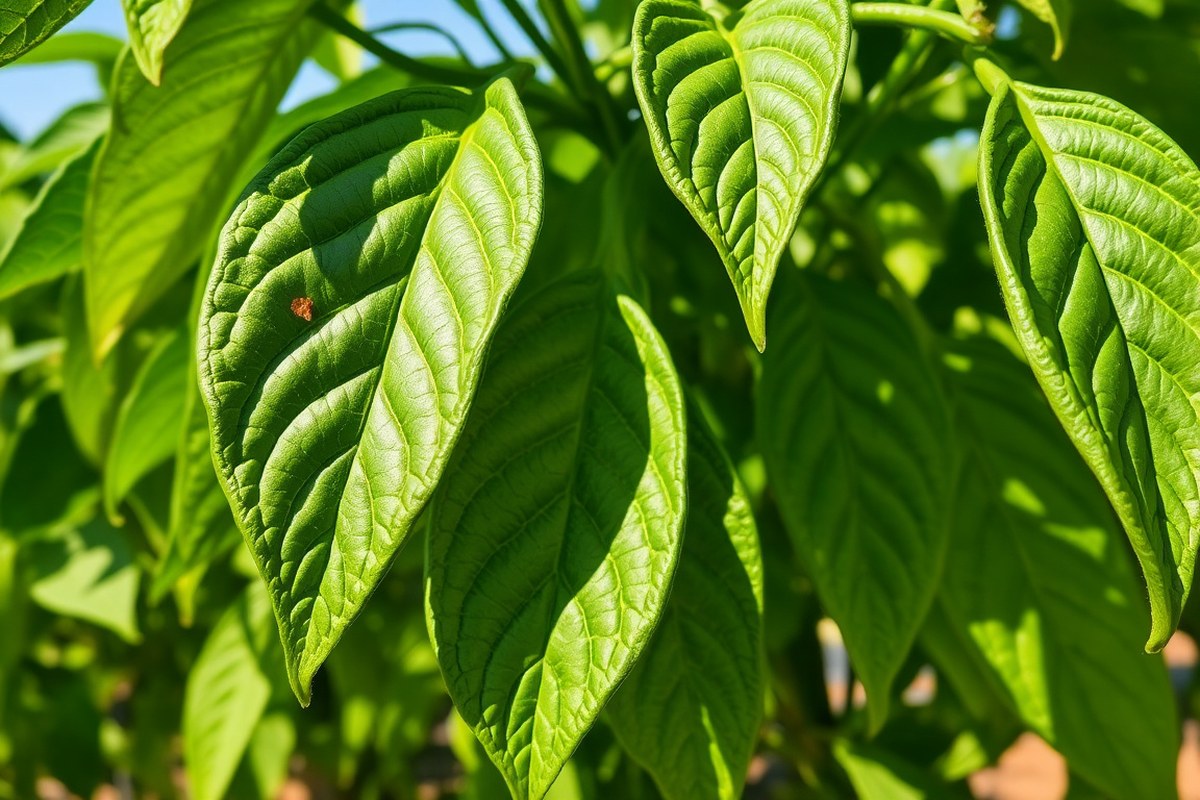
Peppers grow best with 6 to 8 hours of full sun each day. They prefer temperatures between 70 and 80 °F. Peppers can suffer when temperatures go above 85 °F. Heat stress and leaf burn are common in hot climates. Providing afternoon shade during hot days helps protect the plants and maintain fruit quality.
Ideal Temperature Range for Sun Exposure
Peppers grow well in temperatures between 70 and 80 °F while getting plenty of sun. This range supports strong leaf development and fruit production without stress. At this point, no extra shading or watering adjustments are needed.
When the mercury moves above 80 °F, peppers can start showing signs of heat stress. Leaf curling and slower fruit development are common. Around 90 °F or higher, peppers risk leaf burn and sun scald on fruits.
Heat Stress Risks with Too Much Sun
Too much sun combined with high heat dries out pepper plants quickly. Excessive sunlight speeds up water loss and can cause the leaves to droop or curl. This effect reduces the plant’s ability to photosynthesize and weakens growth.
For temperatures above 85 °F, afternoon sun can cause the most problems. Between 3 and 5 PM, strong sunlight heats leaves and fruits, potentially burning them. Without shade or extra water, peppers may drop fruit early or stop producing.
Benefits of Afternoon Shade and How to Provide It
Giving peppers 30 to 40 percent shade in the afternoon helps. It cuts heat stress but keeps enough light. Plant peppers where they get full sun in the morning.
Natural shade in the late afternoon is good too. Another option is hanging a shade cloth around 3 PM.
Afternoon shade lowers leaf temperature and water loss nearly immediately. It slows fruit scorching and preserves yield quality.
Use a light fabric shade cloth made for gardens. It costs about $10 to $30 and lasts for years.
Water and Mulch Adjustments Under Heat
When temps rise above 80 °F, increase watering to compensate for faster evaporation. Water your peppers in the morning to get ready for heat.
Avoid wetting the leaves late in the day. Using reflective or heat-retaining mulch can also protect roots and lower soil temperature.
Mulch helps maintain steady moisture without frequent deep watering. This reduces root stress and supports fruit set during hot spells.
Straw or light-colored mulch is a good choice for your peppers. It costs less than $20 for a small bed.
Choose spots with morning sun and afternoon shade for peppers. This helps reduce heat stress on hot days.
Safely Transitioning Peppers from Indoors to Full Sun
Peppers need time to get used to full sun outside. Gradually expose seedlings to outdoor light over 1 to 3 weeks. This helps avoid shock.
It also prevents sun damage. You’ll see stronger plants and better fruit by doing this right.
Starting with Indirect Light and Short Durations
Begin by placing your pepper plants in a shaded spot outdoors for a few hours. This helps them adjust to outdoor air and mild light without heat or sun stress. Keep a close eye on the plants for signs of wilting or leaf burn.
Start this stage about 7 to 10 days before you want to permanently move them outside. Choose cooler times, like morning or late afternoon, when sunlight is less intense. Avoid strong midday sun at this point.
Increasing Direct Sunlight Gradually over 1-2 Weeks
After a few days in the shade, shift peppers to spots with partial sun for longer. Slowly increase their daily exposure to direct light by about 1 or 2 hours each day. Move them into positions with morning sun first, then add afternoon sunlight gradually.
This slow increase, called hardening off, lets plants build tolerance without burning. The process should last between 10 and 21 days depending on your climate and plant health. Peppers can handle more sun each day once their stems and leaves toughen up.
Monitoring and Adjusting Based on Plant Response
Watch for wilting, leaf curling, or pale spots, which means sun stress. Patchy brown areas or dry leaves show sunscald or dehydration.
Cut back exposure when these appear. Give extra water or use shade cloth.
Water plants early in the morning and keep soil moist but not soggy during transition. When plants look healthy and hold leaves upright, increase sun time faster. Use 30-50% shade cloth on very hot afternoons if needed, especially in warm climates.
- Place pepper plants outdoors in a protected, shady area for 2-3 hours daily.
- Gradually increase outdoor time by 1-2 hours each day while adding sunlight exposure.
- Move plants into morning sun spots first, then add afternoon sun slowly.
- Check leaves daily for signs of wilting, sunburn, or stress.
- Water plants thoroughly in the morning to prevent heat damage.
- Use shade cloth during the hottest part of the day if necessary.
- After 10-21 days of hardening off, plant peppers in their permanent, sunny spot.
Choosing the Best Location for Sun Exposure
Picking the right spot can boost the sunlight your peppers get every day. Choose an open, south-facing area with gentle slopes and reflective surfaces nearby. These factors extend sun exposure and keep your plants healthy.
South-Facing Garden Beds for Long Sunlight
Gardens facing south get the longest daily arc of sun. This direction exposes plants to light from mid-morning to late afternoon.
Peppers need 6 to 12 hours of direct sun each day. This amount helps them grow flowers and fruit well.
Avoid planting near tall trees or buildings that cast shadows. Even small shade patches reduce light and slow your peppers’ growth. Keep the area as open as possible.
Using Gentle Slopes to Boost Sun Hours
Slopes angled 15 to 30 degrees toward the sun increase sunlight hours. The tilt helps your plants face the sun longer during the day. It also improves drainage, so soils don’t stay soggy after rain.
Check your garden’s slope direction. A south- or southwest-facing incline works best.
Your land might be flat. Raised beds can mimic a slight slope.
Reflective Surfaces to Add More Light
Reflective surfaces bounce extra light toward peppers, raising energy for growth. Light-colored walls or fences nearby can boost morning or afternoon sun. For example, a white or pale wall reflects early sunlight onto plants.
Special mulches with reflective properties also help. Silver or light-colored plastic mulches increase sunlight exposure around the base. These reflectors can raise light intensity by a few percent.
Steps to Maximize Sun Exposure for Peppers
Try these approaches to make your peppers soak up every ray:
- Plant in a south-facing garden bed without shade.
- Use a gentle 15 to 30 degree slope if possible.
- Position raised beds or containers to face the sun.
- Place light-colored walls or fences nearby for reflection.
- Apply reflective mulch around your pepper plants.
- Trim nearby shrubs or branches blocking sun.
- Check your site’s sunlight for several days before planting.
These tactics cost little or nothing but can improve sunlight hours by hours each day. More sun means faster growth and better fruit.
Adjusting for Different Climates and Spaces
In hot climates above 85°F, extra sun can stress peppers. Use light-colored mulch to reduce heat or add afternoon shade. Reflective mulch can cool soil but keep open air around plants for airflow.
In cooler areas under 70°F, reflective mulches and a south-facing slope boost warmth and light. You can also start peppers near light-colored walls to soak up early warmth. These adjustments help peppers grow strong with enough sun.
Managing Sun Exposure in Hot Climates
Peppers can suffer from too much afternoon sun, especially in hot climates. You can provide shade by using shade cloth with 30% to 50% density. This reduces heat but still lets enough light for growth.
Place shade cloth so it shades peppers starting at about 1 p.m.m. Until the hottest part of the afternoon.
You can use temporary poles or tie it over your plants. This shading helps prevent leaf burn and fruit sunscald.
Water deeply early in the day, around sunrise or before 9 a.m. This timing helps soil stay moist through midday heat. Avoid watering in late afternoon since wet leaves plus hot sun raise disease risk.
- Choose 30-50% density shade cloth for afternoon sun protection.
- Set up shade covers by 1 p.m., remove near 5 p.m.
- Water peppers deeply at least once every 2, 3 days.
- Water early to help fight heat stress.
- Keep some foliage on plants to naturally shade fruit.
Light afternoon shade plus good watering lowers heat damage. Your peppers will stay vigorous and produce better during heat waves.
See leaves wilting despite watering? Increase shade or check soil moisture.
Use lightweight, breathable shade cloth; heavy covers trap heat and harm peppers.
Light Requirements for Indoor and Greenhouse Peppers
Indoor pepper plants need about 12 hours of light daily. Peppers that don’t get enough light become weak and leggy. A good bright window might help but it usually isn’t enough all year round.
Using LED grow lights works best indoors. They use around 90 to 95 percent of energy efficiently and last over 50,000 hours.
Compared to fluorescent bulbs, they produce less heat, so you don’t need fancy ventilation. Some cost more initially but save money over time.
Pick LED lights that offer a full spectrum, including both cool and warm light. This mix mimics natural sunlight and boosts photosynthesis. You can change the light strength.
Add extra lights if plants look pale. Stretched plants also need more light.
Peppers like 14 to 16 hours of bright indirect light daily. Use a light or a south window. This timing helps peppers grow well.
This longer light period helps them grow faster and bigger. They need more light than tomatoes, so don’t skimp here.
UV-B light helps pepper plants produce stronger stems and better fruit colors. Some specialized LED grow lights include UV-B. But it’s not always necessary for home growers.
Add UV-B light in small amounts only. Too much causes leaf damage.
For greenhouse peppers, ensure they get steady light without too much heat build-up. Proper ventilation or shading during the hottest hours (usually noon to 4 PM) keeps plants healthy. This balance gives peppers enough energy without burning their leaves or fruit.
Growing peppers indoors means you’ll eventually move plants outside. Start by placing them outdoors for about an hour in a shaded spot. Do this gradually over several days so they adjust to real sunlight safely.
Signs of Insufficient or Excess Sunlight on Peppers
Peppers that don’t get enough sunlight will look pale and weak. Their leaves often turn light green or yellow.
The plant might get tall but flimsy. You’ll see fewer peppers, and the fruits can be small or sparse.
Too much sun can cause leaves to wilt or droop. Peppers not used to full sun suffer more. Watch your plants carefully for signs of stress.
Peppers get stressed when temperatures rise above 95 °F (35 °C). They show dry or bleached spots on leaves and fruit. Keep an eye on heat changes.
This is sunscald. It happens when the plant’s sensitive skin burns from direct sun.
You can fix these issues by adjusting their sun exposure and watering patterns. Move plants to a sunnier spot. Trim nearby branches blocking light.
Give your peppers more sun to grow well. Use shade cloth to protect peppers during hottest hours. Water deeply in the morning for better health.
These steps help reduce sun damage. These steps help peppers recover faster and keep producing well.
Here’s a clear table to spot light problems. It shows signs and what to do next. Use it to keep your peppers healthy.
| Symptom | Description | Cause | Fix |
|---|---|---|---|
| Pale or yellowing leaves | Leaves lose green color and look weak | Not enough sunlight (below 6 hours) | Move to a sunnier location or remove shade |
| Thin, leggy stems | Plant grows tall but weak | Insufficient light intensity | Increase direct sun to at least 6 hours daily |
| Wilted, droopy leaves | Leaves fold and hang down during the day | Sudden full sun exposure or heat above 95 °F | Use shade cloth during hottest hours; water well |
| Bleached or dry patches on fruit/foliage | White or burned spots on peppers and leaves | Sunscald from too much direct sun or heat | Provide partial shade; keep soil moist |
Check your peppers every day for these signs. Adjust shade or sun exposure if you see stress symptoms. Keeping temperature and water in check helps peppers stay healthy through strong sun.
Maximizing Yield with Optimal Sun and Plant Care
Spacing your pepper plants about 18 to 24 inches apart lets sunlight reach all sides. Crowded plants shade each other, causing thin, stretched fruits. Proper spacing also improves air circulation, which lowers disease risk and keeps peppers healthy.
Pruning helps peppers get more light and grow stronger. Cut off lower leaves below the first flower cluster. Remove small shoots under the cluster too.
Do this after plants grow about 12 inches tall. Use clean scissors and remove just enough to open the middle. So light filters through the foliage.
Always prune in the morning when plants are dry to reduce infection risk.
Water peppers deeply, but time it right to avoid stress. Water in the early morning, before the sun is strong.
This prevents water sitting on leaves during heat, which can cause leaf burn and disease. Check soil moisture with your finger; aim to keep it moist but not soggy.
- Place plants 18-24 inches apart for better sunlight and airflow
- Prune lower leaves and weak shoots after 12 inches of growth
- Use clean tools for pruning to reduce disease risk
- Water peppers early in the morning, not during hottest sun hours
- Keep soil moist but avoid overwatering to prevent root rot
- Remove any dead or yellowing leaves promptly
When plants get enough light and air, peppers tend to be bigger and thicker. Without this, peppers might stay small or grow long and thin.
Proper care takes a bit of effort. But you’ll see better harvests and fewer problems after a few weeks.
Step-by-Step Action Plan for Managing Sunlight on Your Peppers
Give your peppers the right sunlight for healthy growth. Follow these steps carefully. They help ensure a good harvest.
- Before planting: Choose a spot with at least 6 hours of direct sun. This ensures your peppers get enough light to start strong.
- Week 1 after planting: Watch the leaves for signs of sun stress or lack of light. Adjust shade or location if leaves curl or turn pale.
- Week 2: If seedlings grew indoors, increase sun exposure slowly. Add one hour more sun each day. This helps them avoid sunburn and shock.
- Week 3 to 4: Monitor temperatures and provide shade when days exceed 85°F (29°C). Protect peppers during the hottest hours to prevent stress.
- Week 5 and ongoing: Water peppers deeply when soil looks dry, especially in full sun. Healthy watering helps peppers handle sunlight better.
- Before fruiting: Ensure plants still get full sun daily to maximize yield. Less sun means fewer or smaller peppers.
- Harvest time: Keep checking plants for any stress signs. Adjust their light or water as needed. Healthy plants keep producing better peppers.
Frequently Asked Questions
Can Peppers Survive in Partial Shade?
Yes, peppers can survive in partial shade, but their growth slows. They produce fewer fruits and may stretch toward light.
How Does Soil Moisture Affect Peppers in Full Sun?
Soil moisture greatly impacts peppers in full sun by preventing stress. Dry soil under strong sun can cause wilting and sunburn.
What Time of Day Is Best for Sun Exposure on Peppers?
Morning sun is best since it warms plants without harsh midday heat. Afternoon shade can protect peppers from intense, damaging sun rays.
Can Too Much Sun Cause Peppers to Drop Flowers?
Yes, too much sun especially with heat stress causes flowers to drop. Keeping soil moist and providing afternoon shade mitigates this problem.
Does Full Sun Increase Pepper Fruit Spiciness?
Full sun can increase spiciness because peppers produce more capsaicin in stress. The effect varies by pepper variety and growing conditions.
Are There Any Sun-Friendly Companion Plants for Peppers?
Yes, basil and marigolds thrive alongside peppers and tolerate full sun well. They can also help repel pests and improve pepper growth.
Key Points to Remember
Peppers need plenty of sun but also protection from extreme heat. Watch your plants closely to find the right balance. Start by picking a sunny spot and adjust based on how your peppers respond.