Is Diatomaceous Earth Safe for Plants? A Complete Guide with Proven Use Tips
Is diatomaceous earth safe for plants? Yes, food-grade diatomaceous earth is safe for your plants.
It won’t harm indoor or outdoor plants when used properly. You only need to choose the right type and apply it correctly.
Diatomaceous earth controls pests by scratching their bodies and drying them out. It is gentle on plants but harsh on soft-bodied insects like aphids and slugs. Make sure you use food-grade diatomaceous earth, not pool-grade, which is unsafe.
Apply it on dry leaves or dry soil only. Don’t water your plants for at least 24 hours.
Waiting helps the powder do its job before washing away. This simple step keeps your plants safe and pest-free at the same time.
Key Takeaways
- Always use food-grade diatomaceous earth for plants to avoid harm.
- Diatomaceous earth kills pests by causing fatal dehydration on contact.
- Apply diatomaceous earth on dry plants and soil for best results.
- Wait at least 24 hours before watering after applying diatomaceous earth.
- Avoid pool-grade diatomaceous earth due to dangerous crystalline silica content.
- Diatomaceous earth can reduce water retention if mixed too heavily in soil.
Is Diatomaceous Earth Safe for Plants to Use?
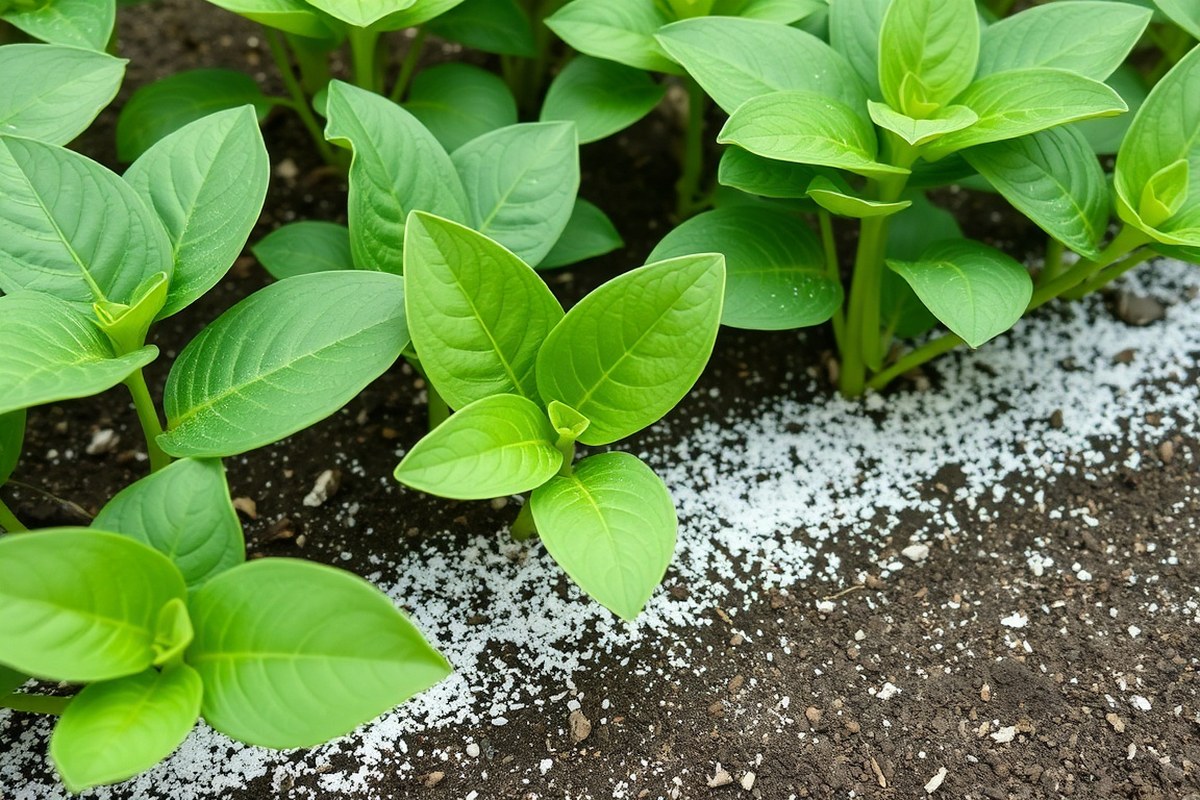
Diatomaceous earth (DE) is generally safe for plants when used correctly. It is a natural, non-toxic powder made from fossilized algae shells. Food-grade DE is the safest type for use around plants because it contains no harmful additives.
DE itself is not toxic to plants. But applying too much can cause physical side effects.
A heavy coating may clog pores on leaves, reducing photosynthesis and gas exchange. This effect is more common on indoor plants or seedlings with delicate leaves.
Indoor and outdoor plants tolerate DE differently because outdoor winds often blow it off, reducing buildup. Indoor plants can accumulate more dust. So use DE lightly inside and avoid direct leaf coverage.
Seedlings and young plants are most vulnerable. They may experience stunted growth if DE is applied too thickly.
Research shows soil pH stays stable after light DE use, typically ranging from 6.0 to 7.0, which suits most garden plants. Use DE as a thin layer around plant bases, not on leaves. This protects the fragile roots and young shoots.
It keeps plants safe from damage. Thick DE layers can trap moisture and cause fungal growth.
Using a thin layer helps limit this risk. It keeps the soil drier and healthier.
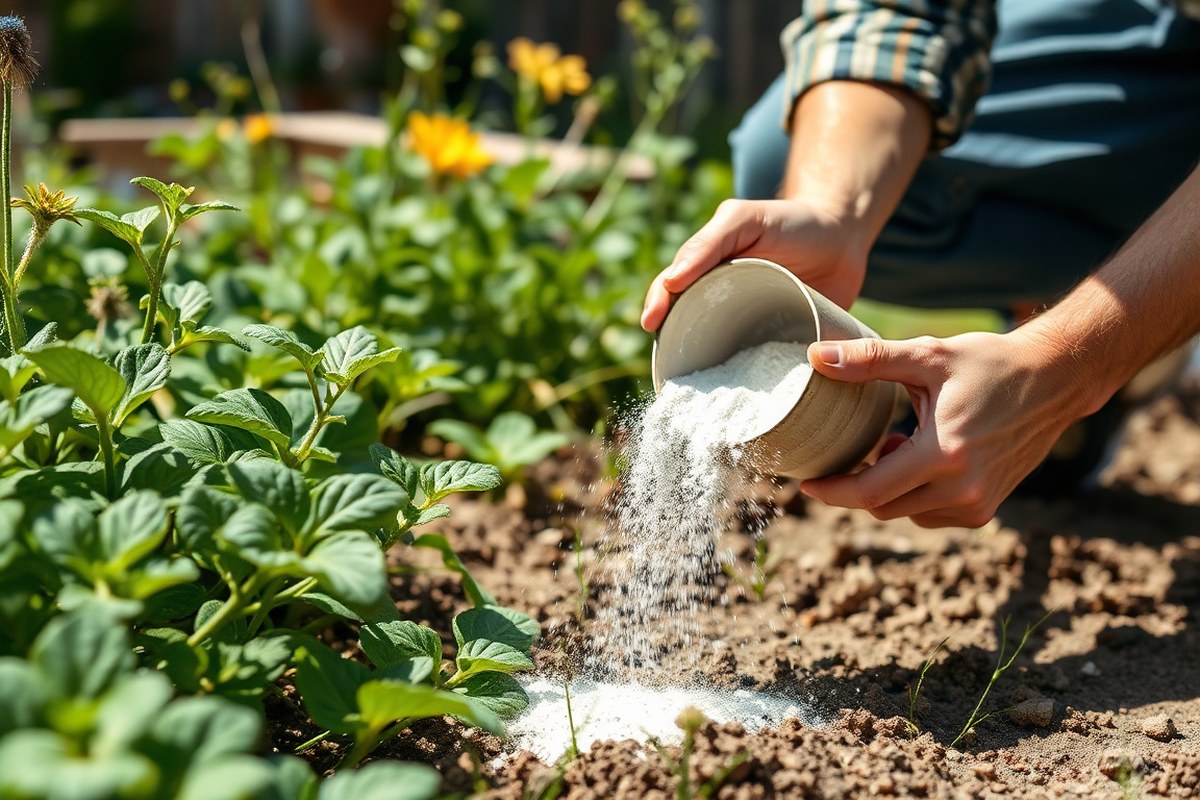
To avoid problems, dust a very thin layer (about 1/8 inch) around plants and pots. Avoid spraying on damp leaves since wet DE clumps and can harm the plant surface. Small DE bags weigh 1 to 5 pounds and cost $10 to $20.
They last through several uses in a home garden. Prices can vary by store.
Choose food-grade DE, apply it sparingly, and focus on pest-prone areas rather than the entire plant. This method reduces risk to seedlings while still deterring pests effectively. Wear a mask when applying DE to avoid breathing in fine dust.
This keeps you safer while working with the powder. It reduces irritation risk.
Different Types of Diatomaceous Earth and Their Safety for Gardening
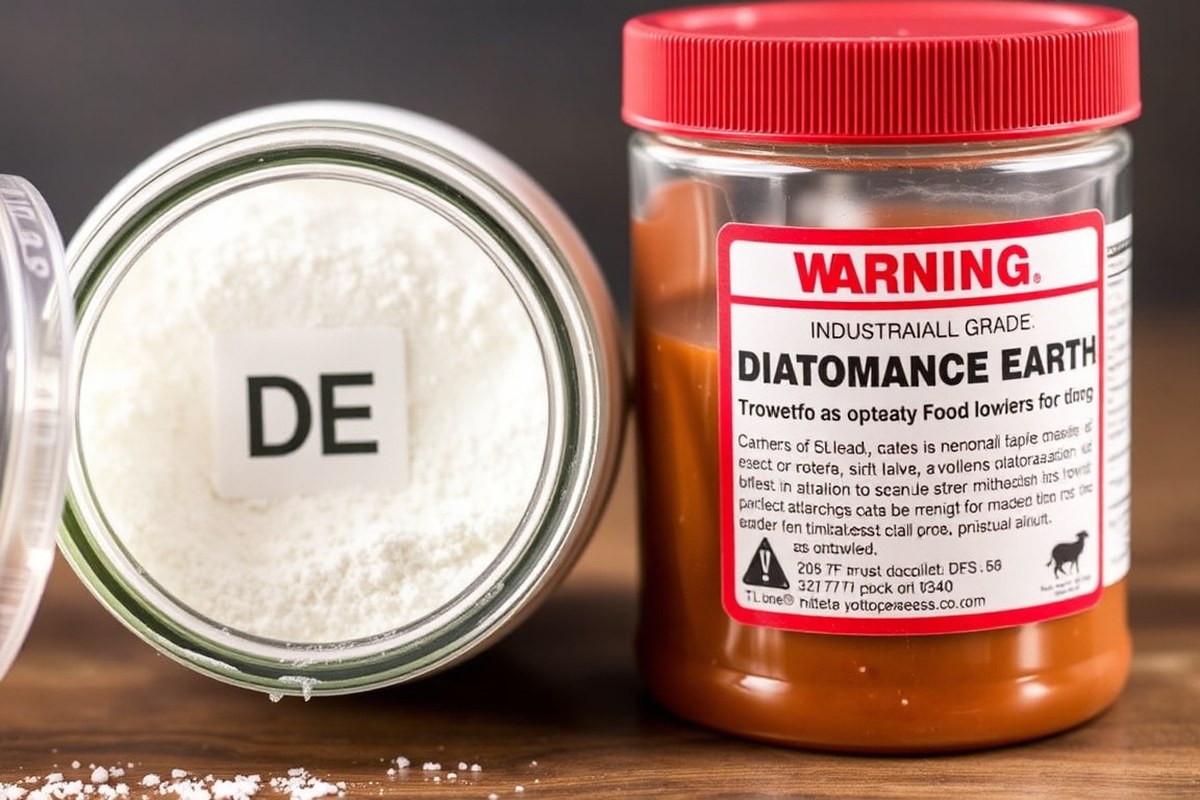
Diatomaceous earth (DE) comes in different types. Food-grade DE is safe to use around plants, pets, and people. Pool-grade or industrial DE is not safe for gardens because it contains harmful crystalline silica.
Food-grade DE is ground into a fine powder about 12 microns thick. This size makes it safe and good for pest control in gardens.
Pool-grade DE is coarser and used for filtering pools. It contains crystalline silica, which can irritate skin, lungs, and harm living things.
| Type | Composition | Common Uses | Safety for Plants, Pets, & Humans | Application Context |
|---|---|---|---|---|
| Food-Grade DE | Amorphous silica, finely milled (~12 microns) | Organic gardening, pest control, food-grade additives | Safe and non-toxic | Sprinkle around plants, garden perimeters, indoor use |
| Pool/Industrial-Grade DE | Contains crystalline silica, coarser grains | Pool filtration, industrial filters | Hazardous; toxic to plants and animals | Never apply to soil, plants, or pets |
Choose DE marked as “food grade” or “milled to 12 microns or finer”. This helps ensure quality and safety for your plants.
Brands like Harris Food Grade DE or Garden Safe are common choices. Avoid any product marked “pool grade” or “filter grade.”
Read the label every time before you use DE. Make sure it is not pool-grade DE. Pool-grade DE is unsafe for plants and pets.
Food-grade DE kills soft-bodied insects by scratching their shells. This causes dehydration within 24 to 48 hours.
It works best when applied as a thin, dry layer in dry conditions. Using pool-grade DE risks plant damage and health hazards.
How Does Diatomaceous Earth Control Pests on Plants?
How Diatomaceous Earth Kills Pests
Diatomaceous earth (DE) kills pests by damaging their outer layer. It’s made of tiny, sharp silica particles that scratch the insect’s protective coating. This damage causes pests to lose moisture and dry out.
Once the insect’s outer shell breaks down, it starts to dehydrate quickly. Without moisture, pests cannot survive. This drying effect is how DE controls infestations without chemicals.
Most Affected Pest Types
Soft-bodied pests like slugs, snails, and aphids are the most vulnerable to DE. Their moist skin lets silica particles work faster and dry them out quickly. These pests often die within hours after contact.
Crawling insects such as ants and earwigs also respond well to DE. They pick up the powder on their bodies as they move and get dehydrated gradually.
Flying insects, like fleas or weevils, see moderate effects. But only when they land on treated surfaces.
Hard-shelled beetles, including Japanese beetles, require longer contact for DE to work. Their thick shells slow moisture loss. So you might see slower pest decline with these bugs.
Timeframe for Results
DE usually kills pests within 24 to 48 hours of contact. Soft-bodied pests show damage fastest, often dying the same day. Crawling insects may take a full one or two days to show signs of dehydration.
Pests must touch DE directly for it to work right away. Continuous exposure ensures more pests carry enough powder on them to dry out. You can expect to see pest numbers drop noticeably in one to two days.
Effects of Moisture on Effectiveness
Moisture reduces how well DE works by causing the particles to clump. When silica shells absorb water, they stick together and lose their sharpness. This greatly lowers DE’s ability to scratch pest shells and dry them.
Using DE on wet soil or plants dampens its pest-killing power. That’s why you should apply DE only during dry weather or on dry leaves. Let DE dry fully after rain, then reapply to keep control.
Watering your plants after spreading DE will reduce its effectiveness quickly. Try to water before applying or increase airflow around plants to keep the powder dry. This will ensure DE stays active longer against pests.
How to Apply Diatomaceous Earth Safely and Effectively to Plants
Apply diatomaceous earth (DE) when conditions are dry to protect your plants and yourself. Use dusting for most pests but consider a spray mix to coat undersides of leaves. Always wear a mask and keep pets away during application until dust settles.
Preparation Before Application
Choose a dry day to apply DE outside to prevent it from clumping or washing away. Put on a dust mask, gloves, and long sleeves to avoid inhaling or touching the powder. Keep pets and children away from the area for at least 30 minutes.
Gather these tools before starting. Use a clean paintbrush or duster. Have a spray bottle and a small mixing container ready.
Applying DE to Leaves and Soil
Dust plants lightly, aiming for the insects’ hiding spots rather than heavy coatings. Avoid flowers to protect pollinators. For soil pests, sprinkle a thin layer around plant bases to create a barrier.
To spray, mix 1 tablespoon of food-grade DE with 1 quart of water. Shake well before applying as a fine mist to cover leaf undersides without soaking. Steps to apply DE safely and effectively:
- Put on protective gear: dust mask, gloves, and long sleeves.
- Check for dry weather and no strong wind to avoid dust drifting.
- Lightly dust or spray the target plants following pest type guidelines.
- Use a brush or duster to reach tight spots like leaf undersides.
- Avoid applying DE on flowers or tender new growth.
- Keep pets and children out of the treated area for at least 30 minutes.
- Clean up any spills immediately to prevent dust spread indoors.
Post-Application Safety and Maintenance
After watering or rain, wait until plants dry fully before reapplying DE. Moisture dulls the powder’s abrasive effect on pest exoskeletons. Check for dust thinning about every 2 to 4 weeks if weather stays dry.
Reapply DE every 7 to 10 days if pests are active to catch new insects quickly. For preventive care, monthly application works to keep barriers effective. Always wear your mask and repeat safety measures when reapplying.
Effects of Diatomaceous Earth on Soil Health and Plant Growth
Diatomaceous earth (DE) slightly raises soil pH, usually from 5.8 to about 6.2. This small shift can improve nutrient availability for many plants.
However, it also reduces water retention by up to 35%. That means soil dries out faster and holds less moisture near roots.
DE’s porous nature lets it hold water inside but keeps soil loose. This helps prevent tiny roots from drowning in soggy soil. For seedlings, adding DE can let their roots breathe and avoid rot.
Yet, be careful using DE before seeds sprout. Research from Cornell University found that pre-germination DE cut seedling emergence by 38%. It acts like a physical barrier and may disrupt hormones needed for seeds to open.
Using DE can also hinder beneficial fungi, especially Glomus mycorrhizae. These fungi help plants take up phosphorus, important for early growth. According to the University of Vermont Extension, DE inhibits colonization of these good fungi.
This impact can slow young plants and reduce vigor. To reduce harm, add DE in moderation and avoid overapplying. Mixing DE with organic matter or compost can protect soil microbes.
Spot slow plant growth, yellow leaves, or heavy pots after watering? The soil might be too tight or stay too wet. Check for these signs to help your plant thrive.
A small DE amount can help soil breathe and dry faster. Water from the bottom by setting the pot in a saucer. Roots will soak up moisture while the soil surface stays dry.
This method helps avoid overwatering on top. This method prevents DE from washing away and helps soil stay balanced.
Only apply food-grade diatomaceous earth and avoid using it on flowering plants to protect beneficial insects.
Use DE along with other pest controls like neem oil. Try soapy water sprays too for better results. Combining methods helps control pests more effectively.
This balance limits DE’s downsides while keeping pests under control. It takes patience, though. Wait a few weeks to see soil health and plant vigor improve after adding DE.
Remember, every garden is different. So start with small amounts and watch how your plants respond.
Common Mistakes Using Diatomaceous Earth on Plants and How to Fix Them
Applying diatomaceous earth (DE) too thickly can cause problems. It may dry out the soil excessively, harming roots and slowing plant growth. A thin, even layer is better to keep soil moisture balanced and avoid stress on plants.
Using DE on wet plants reduces its pest-killing power. Wet DE clumps and won’t stick well to insects. Apply it only when plants are dry.
Reapply after heavy rain or watering. This gives the best results.
Applying DE on seeded soil before seeds sprout can block water and air flow. This weakens germination, often causing seeds to fail. It’s better to mix DE into the potting mix before planting, not on top after seeding.
- Don’t pile DE thickly; sprinkle no more than 1/8 inch deep.
- Only apply DE on dry leaves and soil to keep it active.
- Mix DE into potting soil (10, 20%) before planting, not over seeds.
- Rinse plants gently with water if DE causes leaf irritation.
- Water soil normally to prevent over-drying after applying DE.
- Reapply DE after rain or watering to maintain pest control.
Correct over-application by brushing off extra DE carefully. Plants looking stressed or leaves dry need rinsing.
Use lukewarm water for rinsing. Avoid harsh scrubbing to prevent damage.
For seeds not sprouting after using DE, start fresh with new soil. Mix DE well into the new soil before planting.
Wait until seedlings are strong before applying any surface dust. Doing this helps keep your plants healthy while controlling pests effectively.
Best Practices for Combining Diatomaceous Earth with Other Pest Controls
Diatomaceous earth (DE) works well with sprays like neem oil or soapy water. But you need to apply them separately.
Use DE dry on plants first, then apply sprays later. This helps avoid washing off the DE and protects plants from damage.
Types of Compatible Pest Control Methods
Neem oil and insecticidal soap sprays are common partners to diatomaceous earth. Neem oil works best on pests inside leaves where DE can’t reach. Soapy water or insecticidal soap sprays kill soft-bodied pests on contact.
Since DE physically damages pests, it targets different bugs than oils and soaps. This mix is great for broad coverage. Some pests hide in plant crevices where DE can’t reach them.
You need to use oil or soap to treat these bugs. These treatments get to pests that dust can’t touch.
Timing and Sequence Recommendations
Always keep DE dry on plants before spraying oils or soaps to avoid reducing DE’s effectiveness. Late afternoons with mild sun, like around 6 p.m., is a good time to spray neem oil or soapy water. This helps protect beneficial insects that are less active then.
Applying DE first gives it time to work on crawling pests physically. Follow with sprays 12 to 24 hours later. Avoid spraying immediately after dusting DE to prevent clumping and washing away the DE layer.
Monitoring and Adjusting Combined Treatments
Watch your plants for signs of pest survival or stress after combined treatments. Some pests resist DE’s physical damage and need different methods like neem oil. Look at plant leaves for spots or leftover spray.
This buildup might harm your plants over time. Keep an eye on leaves regularly.
Reapply DE after rain or heavy watering since water removes it. Spray oils or soaps only when pests reappear and use them sparingly to avoid plant damage. Adjust your schedule based on pest pressure and plant health.
Follow these steps to combine DE with neem oil or soapy water safely and effectively:
- Apply diatomaceous earth in the morning when plants are dry and air is calm.
- Let at least 12 hours pass before you spray neem oil. Waiting until the next day is better. This helps prevent damage to your plants.
- Spray neem oil or soapy water around 6 p.m. To protect beneficial insects.
- Let sprays dry completely without watering or rain for 24 hours.
- Monitor plants and pests daily for signs of damage or pest return.
- You must add more DE after heavy rain or watering. This keeps the protective dust layer working well. Regular reapplication is needed to stay effective.
- Use neem oil or soap sprays again only if pests reappear, and avoid frequent use.
- Adjust the timing or product used based on pest type and resistance.
When and How to Reapply Diatomaceous Earth for Long-Term Pest Control
Diatomaceous earth (DE) needs reapplication after heavy rain or watering. It loses its abrasive property when wet. This causes a drop in pest control effectiveness outdoors and indoors.
During active pest outbreaks, you should reapply DE more often. You want to keep a constant barrier against insects like aphids or spider mites. Once pest activity drops for a week or more, you can reduce or stop reapplication.
| Environment | Reapplication Frequency | Trigger for Reapplication |
|---|---|---|
| Outdoor Gardens | After each heavy rainfall or weekly during dry spells | Rainfall over 0.25 inches or heavy watering |
| Indoor Plants | Every 2 weeks or after watering that wets the soil surface | Soil or leaf wetness from watering |
| During Active Pest Outbreaks | Every 3 to 7 days | Visible pest presence or damage signs |
| Plant Growth Stages | More frequent during new leaf growth | New leaves or flower buds emergence |
| After Pest Control | Stop reapplication once pests disappear for 7-10 days | No visible pests or damage |
Applying DE sparingly matters; a thin dusting is enough. Thick layers can block sunlight or hurt leaf surfaces. You usually need about a tablespoon per plant on leaves and stems.
Active plant growth means new surfaces may need fresh DE. New leaves don’t have protection from earlier applications.
Keep an eye on pest activity to time your next application. This costs little beyond your initial DE purchase, often $10-$15 for a few pounds.
Reapply diatomaceous earth only after it dries fully following watering or rain.
Regular checks of plants reveal pest presence and leaf conditions. If you notice holes or sticky residue from pests, treat again. Stop reapplying when plants stay pest-free for over a week to avoid buildup.
Step-by-Step Action Plan for Using Diatomaceous Earth on Your Plants
Follow these steps to apply diatomaceous earth safely and keep pests under control. Watch your plants closely for signs of improvement.
- Before you start: Choose food-grade diatomaceous earth to avoid harming your plants. Check the label to be sure.
- Day 1: Apply a thin dusting of diatomaceous earth to dry plant leaves and soil surface. Avoid using it when wet to keep it effective.
- Week 1: Monitor your plants daily for pests like aphids or slugs. Gently reapply a light coat if you still notice pests.
- After rain or watering: Reapply diatomaceous earth as it washes off easily. Make sure plants and soil are dry before dusting again.
- Week 3: Inspect soil health and plant growth. Reduce how often you apply if leaves look dry or damaged. Use spot treatment only in those areas.
- Week 4 and beyond: Start combining diatomaceous earth with other pest controls. Use neem oil or beneficial insects for better results.
- Monthly: Reapply diatomaceous earth after heavy rain or if pest signs return. Keep the soil dry when applying.
Frequently Asked Questions
Can Diatomaceous Earth Harm Delicate Plant Leaves?
Yes, sharp diatom particles can scratch soft leaves. Apply lightly and avoid tender parts to protect them.
Is Diatomaceous Earth Safe for Seedlings and Young Plants?
It’s best to avoid DE on seedlings. They are sensitive and may get damaged by DE’s abrasive texture.
Can Diatomaceous Earth Affect Beneficial Insects on Plants?
DE can harm soft-bodied beneficial insects if applied directly. Use targeted spots to lessen impact on helpful bugs.
Does Moisture Reduce Diatomaceous Earth’s Safety for Plants?
Wet DE loses effectiveness and may clump on leaves, blocking light. Reapply only when dry for best plant health.
Is There a Risk of Diatomaceous Earth Dust Harming Indoor Plants?
Dust can settle on leaves and reduce photosynthesis. Use gentle dusting and avoid heavy layers indoors.
Can Diatomaceous Earth Change Soil pH Affecting Plants?
Generally, DE does not alter soil pH significantly. It mostly improves soil texture without chemical shifts harmful to plants.
Wrapping Up
Diatomaceous earth is safe for most plants if you use it carefully and keep it dry. Use food-grade types and watch your plants for signs of stress.
Begin using it today. Watch how well it controls pests in your garden or on indoor plants.