What Is the Optimum Humidity in a House? A Complete Practical Guide
What is the optimum humidity in a house? The best range is between 30% and 50% relative humidity. This level keeps the air comfortable and protects your home from moisture problems.
Humidity under 30% dries out the air, causing itchy skin and irritated sinuses. Above 50%, mold and dust mites thrive, which can worsen allergies. Wood floors and paint may also warp or peel if humidity stays too high.
Check humidity in different rooms using a good hygrometer. High readings in one area often mean poor airflow or hidden leaks. Fix these issues and adjust airflow to keep humidity in the right range.
Use a humidifier in winter when indoor air gets dry. In warmer months, a dehumidifier can reduce excess moisture. Balancing humidity helps your home stay healthy and comfortable year-round.
Key Takeaways
- Maintain indoor humidity between 30% and 50% for comfort and health.
- Use a hygrometer to check humidity in multiple rooms regularly.
- Fix local moisture problems if one room’s humidity is above 60%.
- Keep airflow targeted to avoid bringing in muggy outdoor air.
- Use humidifiers in dry seasons and dehumidifiers when too damp.
- Adjust humidity seasonally with outdoor temperature changes.
What Is the Ideal Humidity Range for a House?
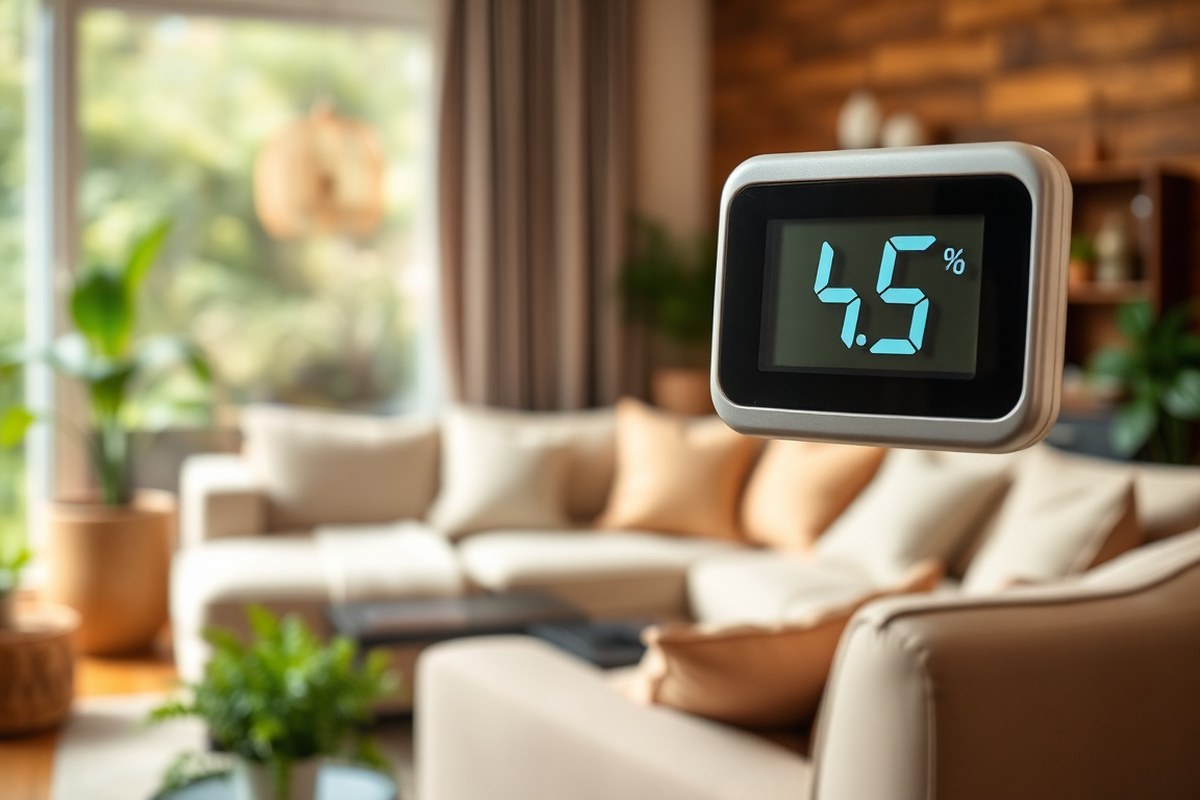
Your home’s ideal indoor humidity is between 30% and 50% relative humidity. This range feels comfortable and helps protect your health and property. Staying below 60% prevents mold growth and moisture problems.
Humidity lower than 30% makes the air dry and uncomfortable. It can cause dry skin, irritated eyes, and respiratory issues for sensitive people. Wood floors and furniture can shrink in dry conditions.
They may also crack over time. These issues can get costly to fix.
When humidity rises above 60%, it creates a damp environment. Mold and dust mites thrive, increasing allergy and asthma risks. High moisture also damages walls, ceilings, and insulation, leading to mold stains and structural problems.
Use a digital hygrometer to check humidity levels. Check in rooms like bedrooms and basements. This helps keep humidity in the right range.
These devices give real-time readings within a 1-2% margin of error. Adjust humidifiers or dehumidifiers based on the numbers you see.
Keeping humidity right usually costs less than $100. You need a good hygrometer and a small humidifier or dehumidifier. These tools help manage indoor moisture.
Running these devices for a few hours daily helps keep levels steady. You’ll notice better breathing, fewer allergy symptoms, and no signs of moisture damage.
Keep in mind that some houseplants prefer different humidity levels. Tropical plants do better near 50%, while succulents thrive closer to 30%. Adjust your home’s humidity slightly to suit plant needs without risking health or damage.
How Outdoor Temperature Influences Indoor Humidity Targets
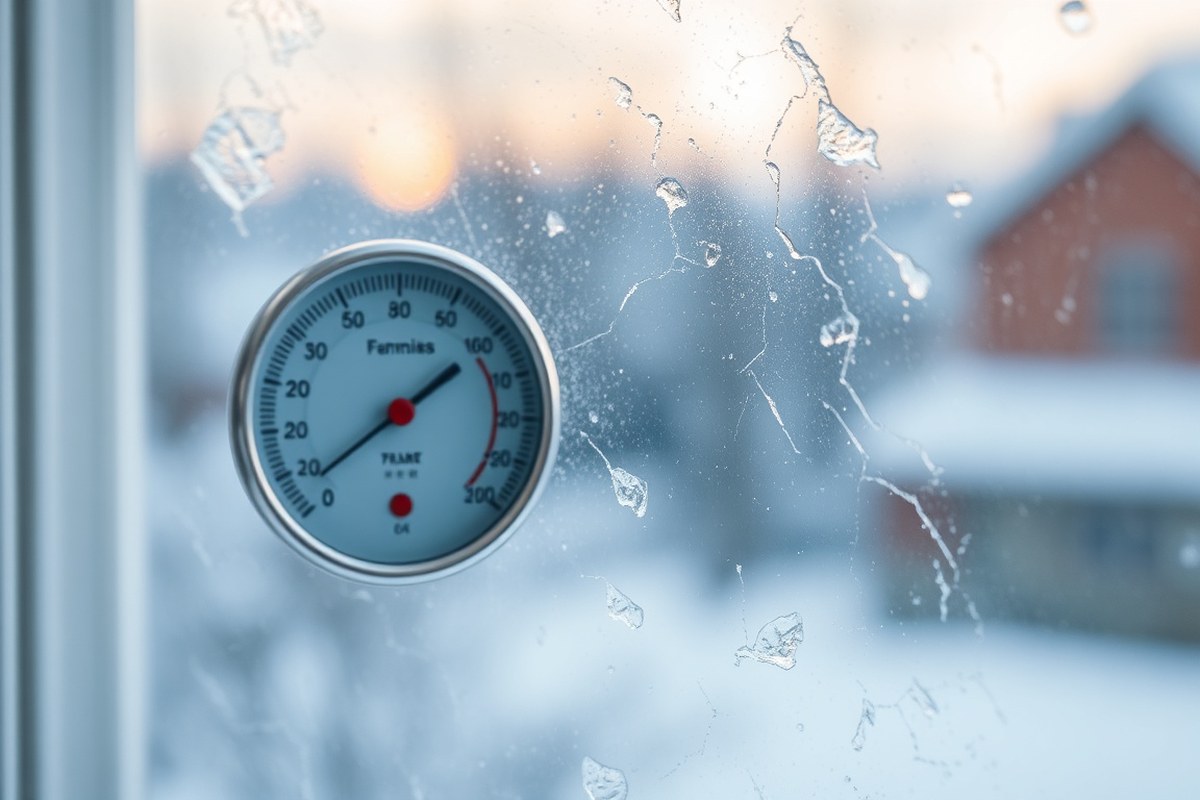
Cold outdoor temperatures force indoor humidity to stay lower. Warmer air indoors holds more moisture.
But cold surfaces in winter cause condensation if humidity is too high. That moisture can lead to mold and damage wood, paint, and insulation.
In winter, keep indoor humidity between 30% and 40% when it’s cold outside. When outdoor temps drop below freezing, lower your indoor humidity further. This practice stops water from settling on windows and walls.
| Outdoor Temperature (°F) | Maximum Indoor Humidity (%) | Why It Matters |
|---|---|---|
| Above 50 | 50 | Limits moisture to prevent mold and dust mites |
| 20 to 50 | 40 | Reduces condensation risk on cooler surfaces |
| 10 to 20 | 35 | Minimizes window and wall moisture buildup |
| 0 to 10 | 30 | Prevents frost and condensation indoors |
| -10 to 0 | 25 | Keeps indoor surfaces dry in extreme cold |
| -20 to -10 | 20 | Avoids condensation on very cold surfaces |
| Below -20 | 15 | Prevents any moisture buildup and ice indoors |
Warmer seasons allow higher indoor humidity, around 40% to 50%. At these levels, air feels comfortable without encouraging mold or mites.
Higher humidity in summer is safer because outdoor surfaces are warmer. So condensation is less likely.
Use a hygrometer to check indoor humidity often if temperatures swing a lot. Adjust your humidifier or dehumidifier. Keep moisture in the right range.
Match it to your outdoor conditions. Monitoring helps catch moisture problems before you see water spots or mold.
Check your windows daily in winter for any condensation. It means humidity is too high.
Best Humidity Levels for Different Rooms in Your Home
Different rooms need different humidity levels for comfort and moisture control. Bedrooms should stay between 45% and 50% for better sleep quality. Basements and bathrooms need tighter control to prevent mold and dampness.
Ideal Bedroom Humidity for Comfort and Sleep
Sleep quality improves when bedroom humidity stays between 45% and 50%. Higher levels above 60% cause mold growth, dust mites, and feeling sticky at night. Dry air below 30% can irritate your throat and skin.
Use a hygrometer to check humidity near your bed. If it’s too high, try running an air conditioner or a dehumidifier. Adding a humidifier helps when air is too dry in winter.
Managing Basement Moisture and Humidity
Basements often trap moisture. So keep humidity below 60% to avoid musty smells and mold.
Persistent levels near or above 60% point to leaks or poor ventilation. Look for water intrusion around windows and foundation.
Improving airflow and fixing leaks lowers moisture levels. A dehumidifier designed for basements can keep humidity in check all year. Sealing concrete walls and floors helps too.
- Use a heavy-duty dehumidifier rated for basement size
- Inspect and repair any foundation cracks or water leaks
- Install vents or fans to boost air circulation
- Keep gutters clean to prevent water pooling around the house
- Seal floors and walls with waterproof paint or coatings
- Avoid storing damp items directly on basement floors
- Monitor humidity regularly with a basement hygrometer
Bathroom Humidity Control and Ventilation Tips
Bathrooms often exceed safe humidity levels during and after showers. Keep humidity below 60% to stop mold and mildew. Turn on exhaust fans before showering and leave them running 15 to 20 minutes after.
Consider upgrading to a fan with a humidity sensor that switches on automatically. Open windows if possible to speed drying. Wipe down wet surfaces regularly to reduce moisture buildup.
How to Accurately Measure Indoor Humidity
Use a good hygrometer to get accurate indoor humidity readings. Where and how you place it can affect its results. Check your readings regularly to spot changes in moisture.
Choosing the Right Hygrometer Type
Digital hygrometers give the most precise and quick humidity readings. They usually cost $10 to $30 and often include temperature sensors. Analog models can be less accurate and need recalibration.
Some smart home devices track humidity over time and send alerts. These work well if you want to monitor several rooms without checking often. Choose one that shows relative humidity in percentages for best clarity.
Best Locations for Hygrometers in Your Home
Place hygrometers away from direct sunlight or heating vents. These spots distort readings by warming the air around the device. Keep it about 4 feet off the ground, where you usually breathe.
Check humidity in rooms where you spend most time, like bedrooms, living rooms, and kitchens. Bathrooms and laundry areas also need monitoring because moisture fluctuates there. Avoid placing meters near windows or exterior walls, which can show misleading moisture due to weather.
- Approximately 4 feet high, at breathing level
- Middle of frequently used rooms (living rooms, bedrooms)
- Bathrooms and laundry rooms for high-moisture monitoring
- Avoid direct sunlight and heating or cooling vents
- Away from windows and exterior walls
Checking multiple rooms helps capture overall house humidity. Choose spots where air flows freely, not confined corners.
Comparing and Tracking Humidity over Time
Check your hygrometer readings at least once a week during shoulder seasons. Humidity can shift quickly with changes in weather or indoor activities. Watching trends helps you adjust ventilation or humidification to stay within 30, 50% relative humidity.
Keep a small log or use smart device apps to track daily changes. Compare readings from different spots to spot unusual patterns. If one meter varies a lot, it might need recalibration or relocating.
What Health and Home Issues Result from Improper Humidity?
High indoor humidity above 60% creates a perfect spot for mold and dust mites. Mold spreads easily on damp surfaces, walls, and ceilings. Dust mites feed on moisture and thrive in sticky air, worsening allergies and asthma.
You might notice musty smells, condensation on windows, or damp fabrics when humidity climbs too high. These conditions harm indoor air quality and can trigger respiratory issues. Mold spores and dust mite waste are common irritants.
On the other hand, low humidity below 30% dries out your skin and sinuses. It pulls moisture from your body, causing itchy eyes, dry skin, and sore throats. The air can feel crisp but uncomfortable, and static shocks become frequent.
Wood floors and furniture suffer when humidity strays too far from the ideal range. Low humidity causes wood to shrink and crack. You might see gaps in hardwood floors or brittle wooden trim starting to warp or split.
Exposure to high humidity can also damage wood by promoting swelling and warping over time. This warping weakens joints and ruins furniture finishes. Keeping wood in stable humidity between 30% and 45% helps prevent this damage.
Humidity issues worsen when combined with leaks, cold surfaces, or water damage. Spotting mold early helps stop health risks and costly repairs. Watch for sticky walls, musty odors, or peeling paint as warning signs.
Maintain indoor humidity near 40% to 60% to prevent mold growth and avoid dry skin problems.
Seasonal Strategies to Maintain Optimal Humidity Year-Round
To keep your home’s humidity right all year, adjust equipment. Humidifiers, dehumidifiers, and ventilation need seasonal changes. Follow the season to set them properly.
Use humidifiers during winter to add moisture and dehumidifiers in summer to reduce excess dampness. Pair these tools with your HVAC system and ventilation habits for steady, healthy indoor air.
Winter Humidity Management Tips
Heating systems dry out indoor air during winter, leaving it below 30% humidity. Dry air can irritate your skin, throat, and even damage wood furniture. Running a humidifier adds moisture to your home’s air.
Aim for humidity between 30% and 40%. This range helps keep you comfortable and healthy.
Check your humidifier’s water tank and clean it weekly to avoid mold growth. Use a humidistat or hygrometer to check humidity levels.
Stop humidity from going over 40%. Excess moisture can cause mold and condensation.
A few steps to prevent dry winter air:
- Run a whole-home humidifier connected to your HVAC, if possible.
- Use portable humidifiers in the bedrooms or living areas.
- Keep indoor plants that release moisture naturally.
- Avoid long, hot showers that can add unwanted moisture.
- Seal leaks and add insulation to minimize dry air leaks.
Keeping Humidity Balanced in Summer
Summer often brings high humidity above 50%, making your home feel sticky. Excess moisture risks mold and damage to walls and furnishings. Use air conditioning and dehumidifiers to remove excess moisture and maintain humidity below 50%.
Turn on exhaust fans in bathrooms and kitchens to vent out steam and cooking moisture. Avoid drying clothes indoors, which raises humidity. Make sure your air conditioner is cleaned and maintained.
ACs remove moisture from the air when cooling. This helps control indoor humidity naturally.
Here’s how to keep summer humidity comfortable:
- Use a portable or whole-home dehumidifier when indoor moisture is high.
- Keep windows closed during humid or rainy days.
- Run exhaust fans when cooking or showering.
- Maintain your AC system regularly; it helps control moisture.
- Watch humidity with a digital meter to adjust habits or equipment.
Using HVAC and Ventilation to Control Moisture
Your HVAC system plays a big role in humidity control by heating, cooling, and ventilating air. Some modern furnaces and air conditioners include humidistats that adjust moisture control automatically. This keeps the humidity steady without constant manual checks.
Set ventilation timers to bring in dry outdoor air when possible, especially during cool, dry weather. Avoid long periods with windows open during humid or rainy days, which adds indoor moisture. Regular HVAC servicing keeps the air conditioner and furnace running efficiently for humidity balance.
Steps to balance humidity with HVAC and ventilation:
- Install whole-home humidifiers or dehumidifiers through your HVAC if needed.
- Use programmable humidistats to automate moisture control.
- Set exhaust fans to run when bathrooms and kitchens are in use.
- Time ventilation for drier parts of the day or year.
- Schedule annual HVAC inspections and clean filter replacements.
Common Mistakes in Managing Indoor Humidity and How to Fix Them
People often get false humidity readings from cheap or poorly placed meters. Humidity sensors need time to adjust after moving them to a new spot. Avoid placing meters near windows, vents, or kitchens where steam or drafts skew results.
Using a bedside hygrometer can help track typical indoor levels at night. If your meter shows more than 60% humidity, the air feels damp and invites mold growth, so adjustments are needed.
Excessive use of humidifiers causes problems like condensation on windows and walls. Too much moisture encourages dust mites and mold, which harm health and damage your home. Some models run nonstop, pushing humidity beyond the recommended 30% to 50%, especially in warmer rooms.
Turn humidifiers off once indoor air feels comfortable or use a humidistat to keep levels steady. Regular cleaning of the humidifier prevents mold buildup inside the device itself.
Poor ventilation traps moist air and worsens humidity issues. Bathrooms, kitchens, and laundry rooms need fans or windows open to clear out steam quickly. Whole-house fans also help by replacing indoor air with outdoor air.
This can cut your air conditioning use by 50% to 90%, according to David Lewis of Misson AC & Plumbing. Without proper venting, your home’s humidity rises and stays too high, no matter your humidifier settings.
- Place humidity meters away from drafts and moisture sources
- Use a humidistat to avoid over-humidifying rooms
- Turn off humidifiers once comfortable levels are reached
- Clean humidifiers weekly to stop microbial growth
- Run exhaust fans during cooking and showers
- Open windows briefly to refresh air when weather allows
- Install whole-house fans for better air exchange
Correcting these errors takes little effort but prevents damage and discomfort. Using reliable meters and checking several rooms helps you see the true humidity picture.
Pulling in drier air and limiting humidifier run time create balance. These small steps help keep your house fresh, dry, and healthy all year.
Effective Tools and Methods to Adjust Indoor Humidity
Humidifiers raise indoor humidity by adding moisture to the air. They work well in dry climates or heated homes during winter. A good humidifier should cover your room size well.
It must run quietly. Also, you should clean it easily to stop mold or bacteria.
Dehumidifiers remove moisture from the air, perfect for damp basements or humid summers. They vary by capacity, measured in pints removed per day, usually 20 to 70 pints. Size up to your space so it runs efficiently without overworking.
Ventilation fans, like kitchen or bathroom exhaust fans, help reduce humidity by expelling moist air outside. They don’t add or remove moisture but improve air circulation and prevent spots with high humidity. Mechanical devices still work better for precise control.
Smart humidity monitors track conditions and send alerts. They can connect to HVAC systems or smart plugs for automatic device control. These monitors help you catch humidity swings early but depend on Wi-Fi and sensor quality.
Here’s a quick reference for choosing tools:
| Device | Purpose | Cost Range | Maintenance | Use Tips |
|---|---|---|---|---|
| Humidifier | Increase humidity | $30, $150 | Clean weekly to prevent mold | Run in dry rooms; don’t over-humidify |
| Dehumidifier | Reduce humidity | $150, $300+ | Empty water daily or use drain hose | Match size to room for best results |
| Ventilation Fans | Lower humidity via airflow | $50, $200 | Clean vents regularly | Use during showers/cooking for quick relief |
| Smart Monitors | Track and alert humidity levels | $20, $100 | Replace batteries or recharge as needed | Place away from vents for accurate reads |
Humidifiers can raise humidity quickly, but you shouldn’t add moisture just for indoor plants. Too much humidity invites dust mites and mold growth. Dehumidifiers work well in rooms that collect moisture, like basements and bathrooms.
Exhaust fans won’t control humidity on their own but help keep peaks low when used right. Run bathroom fans during and 20 minutes after showers.
Kitchen fans should run while cooking to expel steam promptly. These fans work best alongside a humidifier or dehumidifier.
Place smart humidity monitors at breathing height and away from windows for consistent data.
Step-by-Step Action Plan to Optimize Your Home’s Humidity
Follow these simple steps to set and keep your indoor humidity just right. Check your progress regularly and adjust as needed.
- Day 1: Buy a reliable digital hygrometer for each main living area. Look for stable readings between 30% and 50% humidity.
- Week 1: Measure humidity throughout the day and different rooms. Note any areas that stray too far from the ideal range.
- Week 2: Use a humidifier or dehumidifier in rooms that need it. Confirm the device lowers or raises humidity toward 40-50%.
- Week 3: Check how outdoor temperatures affect your indoor levels. Adjust your devices or ventilation settings accordingly.
- Week 4: Monitor for signs of moisture issues like condensation or dry skin. Fix problems by tweaking humidifiers, fans, or sealing leaks.
- Ongoing: Clean and maintain your humidifiers and dehumidifiers monthly. Keep devices running well to maintain steady humidity.
- Seasonal check: Check your humidity before winter and summer. Adjust controls based on the new outdoor weather.
Frequently Asked Questions
What Is the Best Humidity Level to Prevent Mold Growth Indoors?
Ideal indoor humidity should stay below 60% to limit mold growth. Mold spores need moisture, so keeping it under 60% helps prevent their spread.
Can Humidity Affect My Energy Bills?
Yes, high humidity makes your home feel warmer, causing AC to work harder. Lowering humidity can reduce cooling costs and improve comfort.
How Does Low Humidity Affect Wooden Furniture Inside a House?
Low humidity can dry out wood and cause cracking or warping over time. Maintaining 30% to 50% humidity keeps wood stable and prevents damage.
Is It Safe to Keep Indoor Humidity Above 50% in Winter?
Staying above 50% in winter may cause condensation and promote mold growth. It’s best to keep it below 50% to protect walls and windows.
Does Indoor Humidity Impact Dust Mites and Allergens?
Yes, humidity below 50% reduces dust mite populations and allergens. Keeping humidity in the ideal range improves indoor air quality and reduces allergy symptoms.
How Frequent Should I Check My Home’s Humidity Levels?
Check humidity at least once a week when seasons change or weather shifts. Frequent checks help catch problems early and guide adjustments.
Final Thoughts
Keeping your home’s humidity between 30% and 50% helps your comfort and protects your house. Start by measuring your current levels today. Make adjustments over a few weeks to find the right balance for your space.